博客

  • Hotel Restaurant Furniture: A Procurement Guide

    Hotel Restaurant Furniture: A Procurement Guide

    Imagine completing a multi-million dollar hotel renovation, only to discover within six months that the newly installed restaurant dining chairs are wobbly, the table finishes are chipping, and the banquettes show premature wear. This isn’t just an aesthetic problem; it’s a direct hit to guest satisfaction, operational efficiency, and ultimately, your bottom line. Replacing even 20% of the furniture prematurely can cost an additional $50,000 to $150,000 for a 200-seat restaurant, plus significant disruption. This costly oversight often stems from prioritizing upfront cost over long-term value, durability, and the supplier’s proven expertise in specialized hotel restaurant furniture.
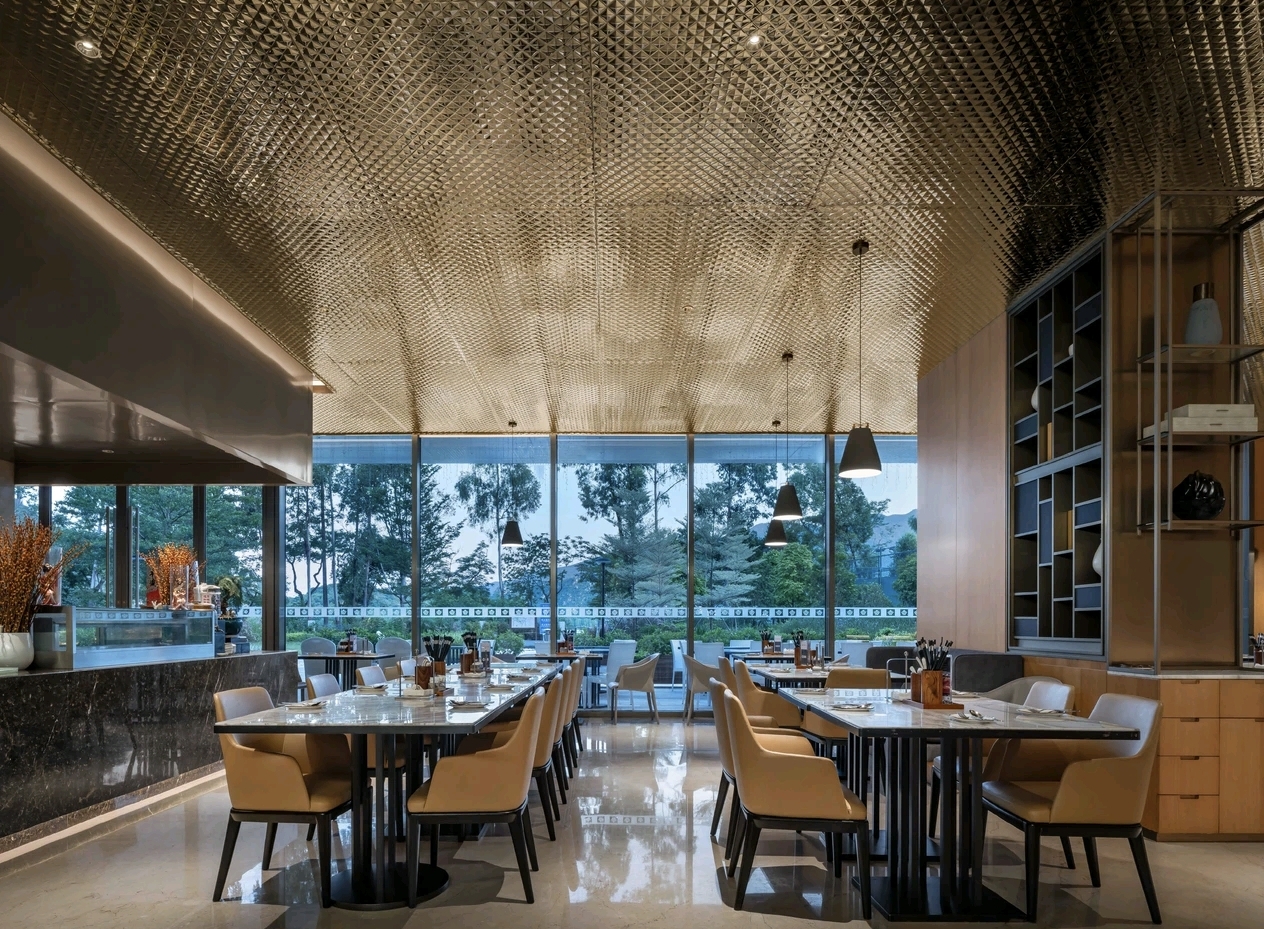
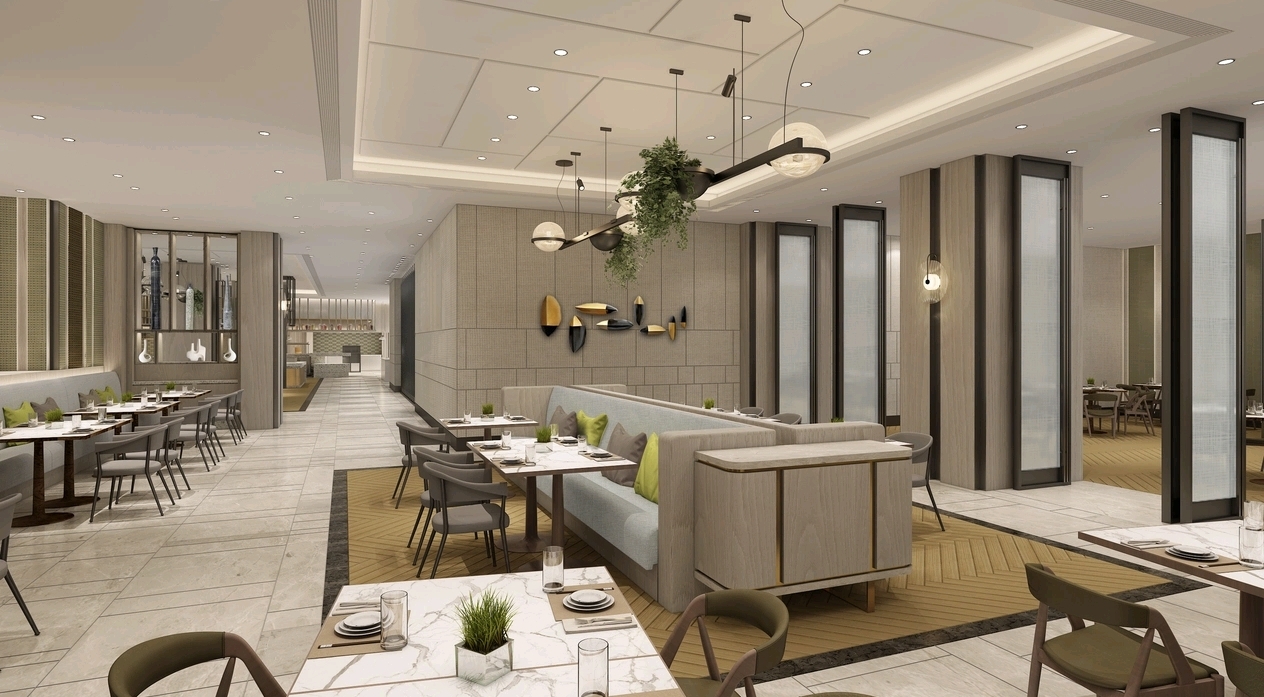
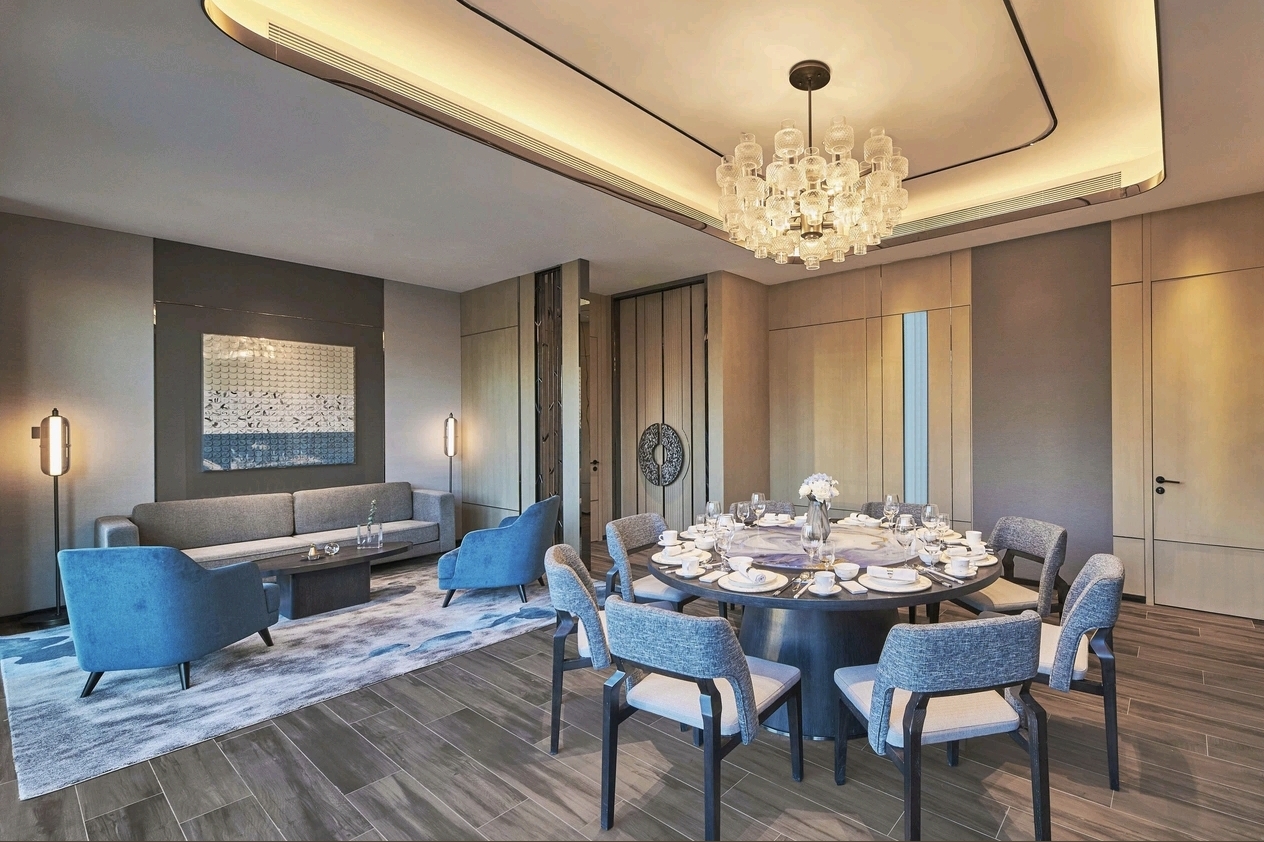
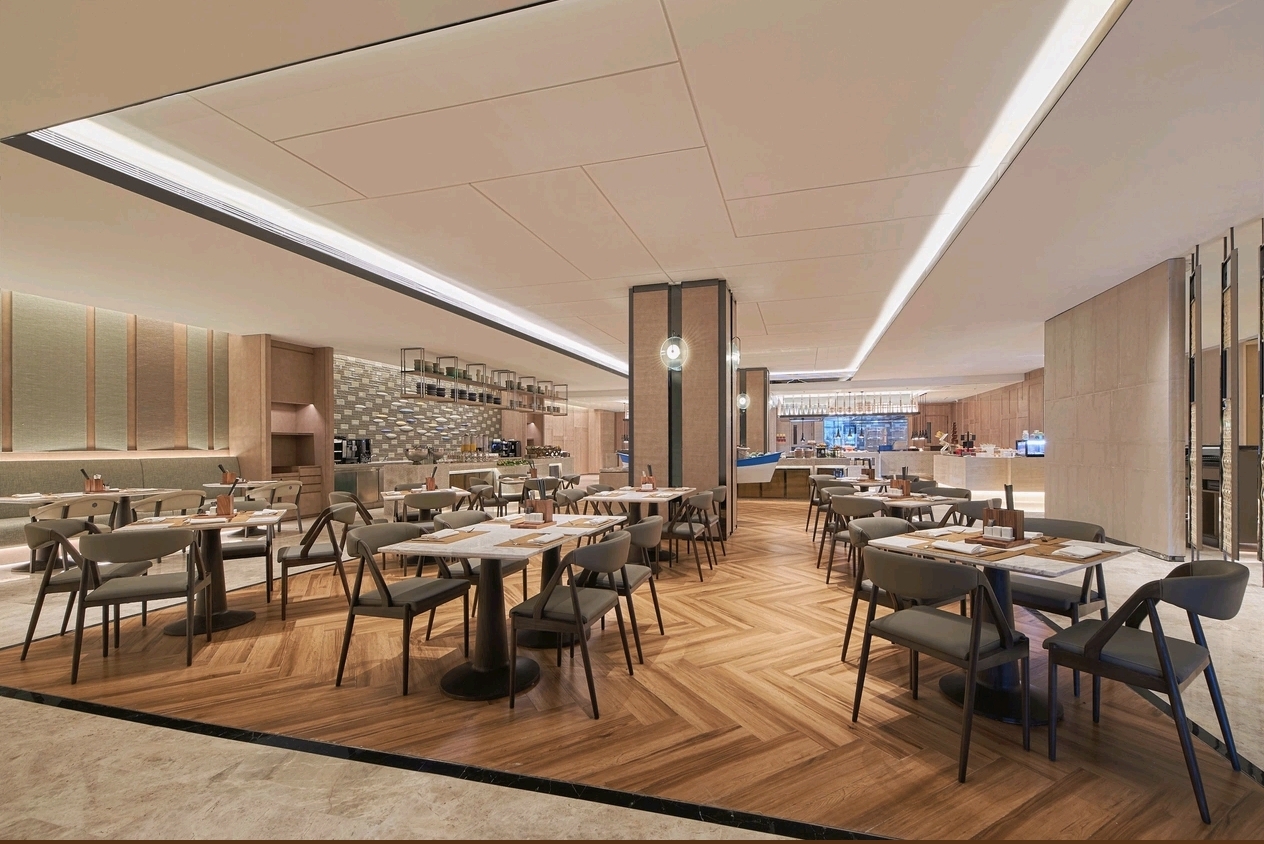
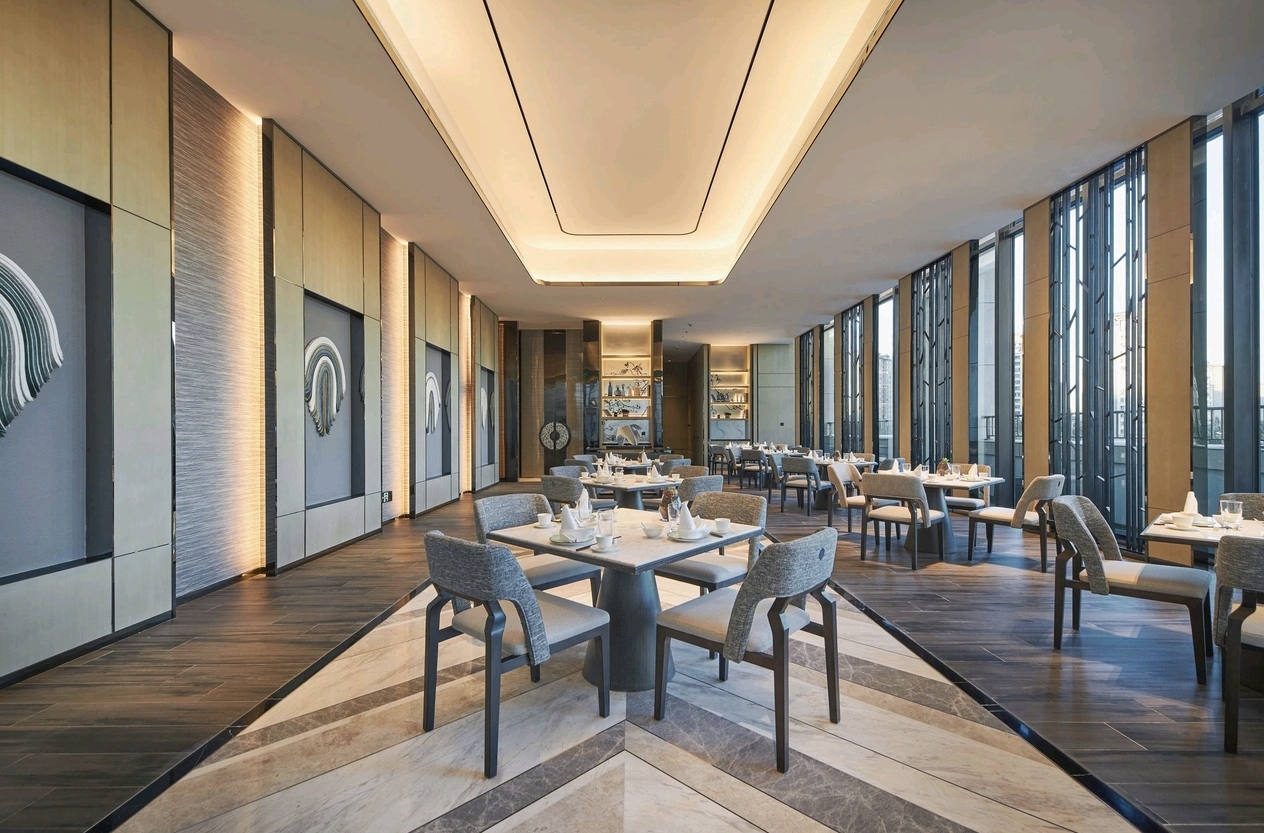
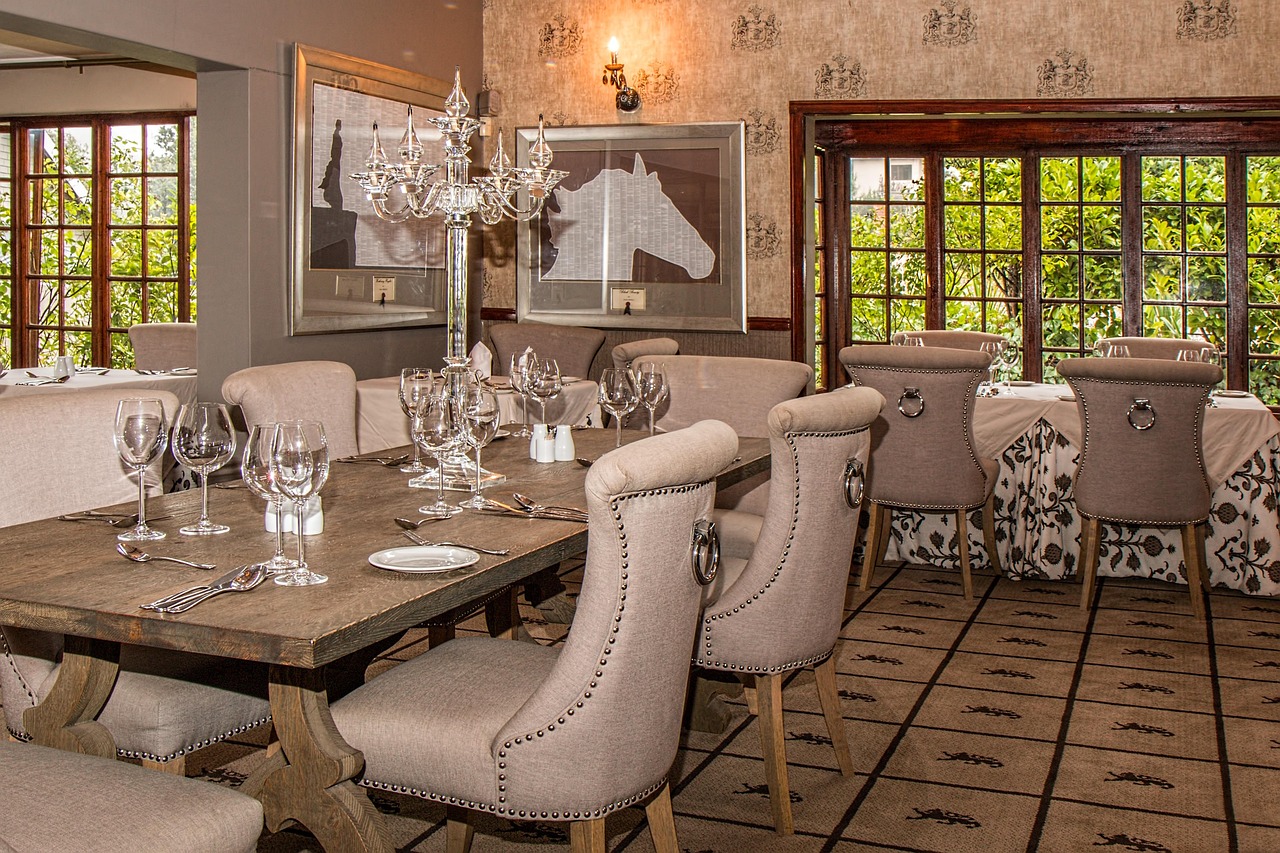
    A modern hotel restaurant interior featuring bespoke wooden tables and upholstered dining chairs, showcasing custom hotel restaurant furniture design.
    A modern hotel restaurant interior featuring bespoke wooden tables and upholstered dining chairs, showcasing custom hotel restaurant furniture design | Zhobai Hotel Furniture

    The Real Cost of Getting Hotel Restaurant Furniture Wrong

    Missteps in procuring hotel restaurant furniture extend far beyond the initial purchase price. Poorly selected items lead to accelerated depreciation, requiring replacements years ahead of schedule. A chair designed for residential use might fail after 18-24 months in a high-traffic hotel environment, whereas a properly specified commercial grade furniture for hotels will last 7-10 years. This difference translates to multiple replacement cycles and increased labor costs for maintenance and installation.

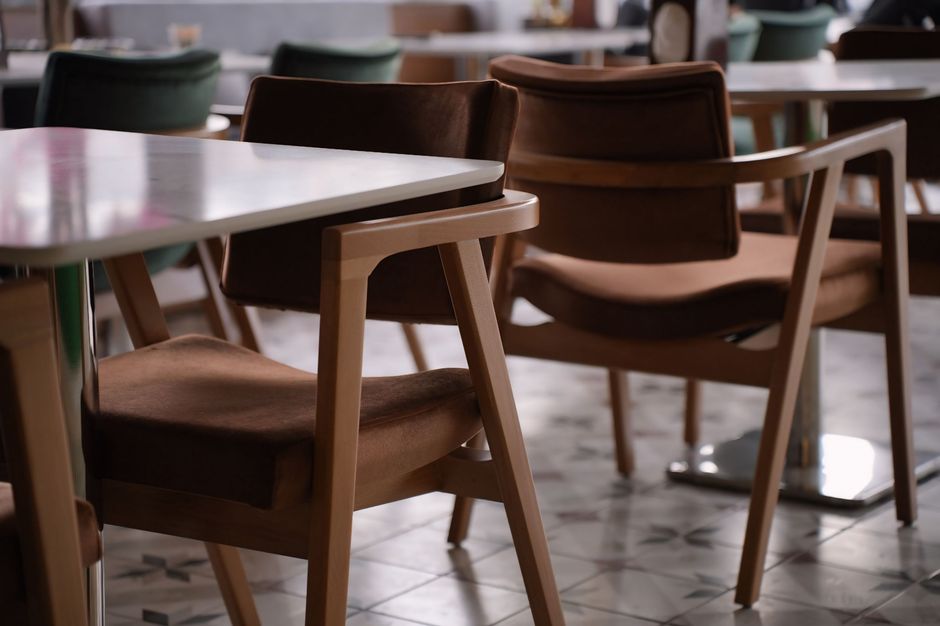
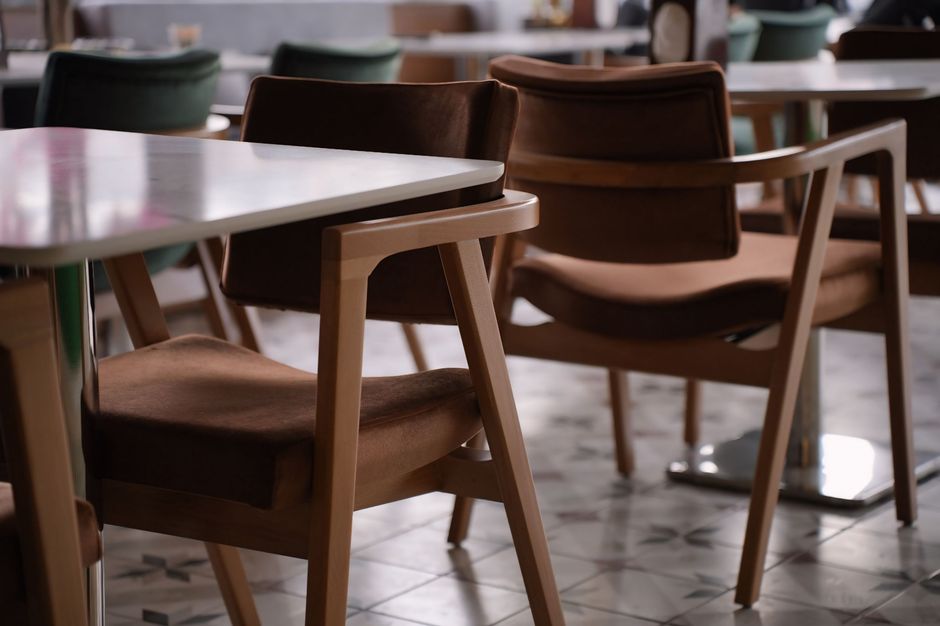
    A detailed close-up of a commercial grade furniture for hotels, specifically a restaurant dining chair with visible reinforced joinery and durable fabric upholstery.
    A detailed close-up of a commercial grade furniture for hotels, specifically a restaurant dining chair with visible reinforced joinery and durable fabric upholstery | Zhobai Hotel Furniture

    Moreover, subpar furniture directly impacts guest perception and operational flow. Uncomfortable seating, worn finishes, or inadequate table sizes can detract from the dining experience, leading to negative reviews and reduced repeat business. From a back-of-house perspective, difficult-to-clean materials or cumbersome designs slow down staff, reducing table turnover and increasing cleaning expenses by 10-15% annually. The cumulative effect of these issues can erode profitability and compromise your brand’s reputation.
    Hotel staff efficiently cleaning restaurant dining chairs and tables in a well-lit dining area, highlighting the importance of easy-to-maintain hotel restaurant furniture.
    Hotel staff efficiently cleaning restaurant dining chairs and tables in a well-lit dining area, highlighting the importance of easy-to-maintain hotel restaurant furniture | Zhobai Hotel Furniture

    The Decision Framework — What to Evaluate Before You Choose

    Making informed decisions about your hotel restaurant furniture requires a structured approach. Evaluate potential options against these critical criteria to ensure long-term value and operational success.
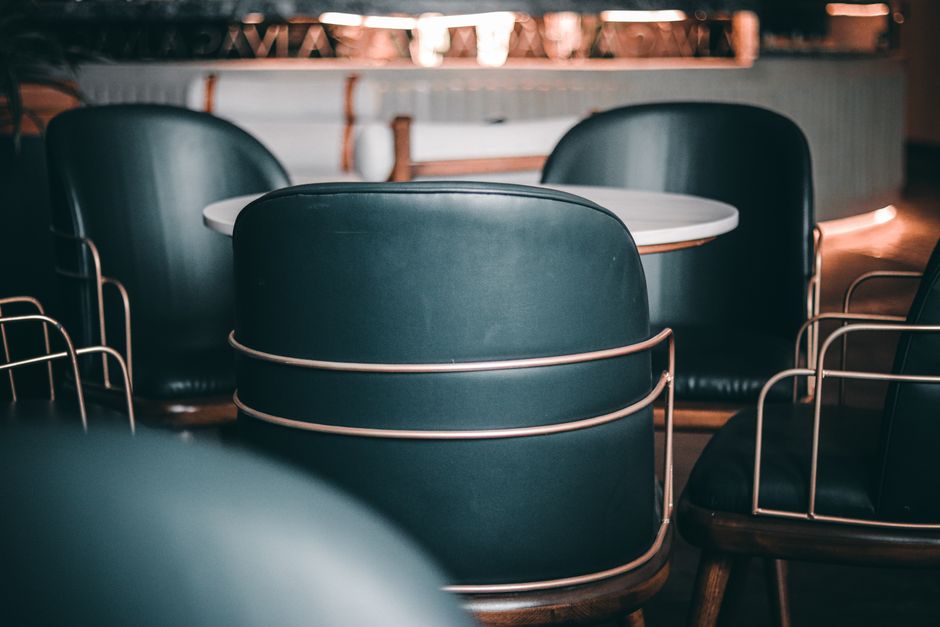
    Explore this trendy coffee shop's elegant seating area featuring stylish chairs and tables in an inviting ambiance.
    Explore this trendy coffee shop's elegant seating area featuring stylish chairs and tables in an inviting ambiance | Zhobai Hotel Furniture

    1. Durability and Material Specifications

    For high-traffic hospitality environments, durability is non-negotiable. Specify materials that withstand constant use, spills, and rigorous cleaning. For chairs, look for solid hardwood frames (e.g., kiln-dried ash, oak, or walnut) with reinforced joinery (mortise and tenon, corner blocks, epoxy glue), not just screws. Metal frames should be 14-gauge steel or thicker, with powder-coated finishes to resist chipping. Tabletops require high-pressure laminate (HPL), solid surface, or quartz for stain and scratch resistance, avoiding porous materials like untreated wood that absorb moisture and harbor bacteria. Fabric choices must be commercial-grade, rated for at least 100,000 double rubs on the Wyzenbeek scale, and ideally include stain-resistant treatments like Crypton or similar technologies. This ensures your restaurant dining chairs and tables remain presentable for years.
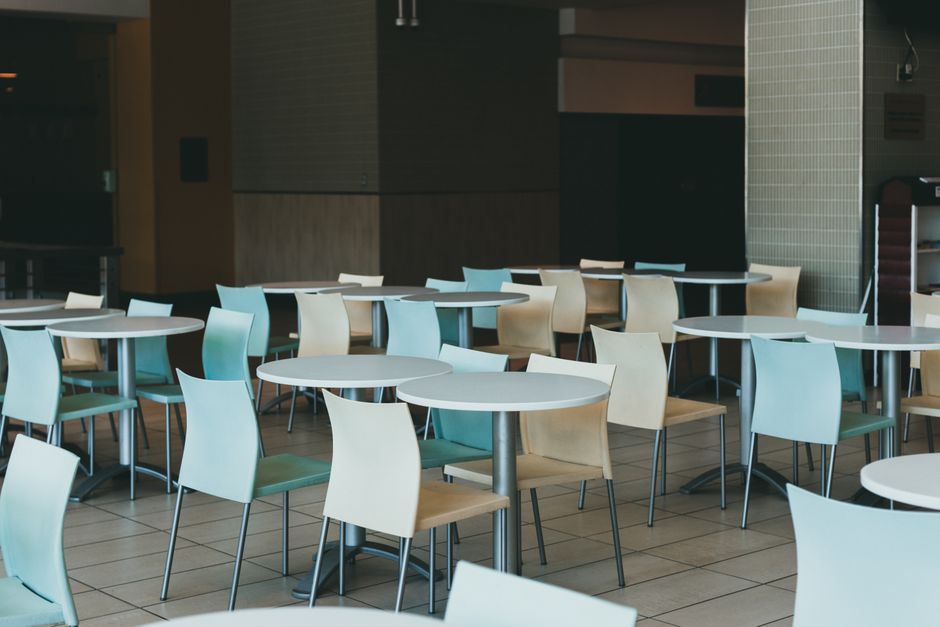
    A contemporary dining area indoors with empty chairs and tables, ideal for cafes or restaurants.
    A contemporary dining area indoors with empty chairs and tables, ideal for cafes or restaurants | Zhobai Hotel Furniture

    2. Design Integration and Ergonomics

    The furniture must align seamlessly with your hotel’s overall aesthetic and brand identity, contributing to a cohesive guest experience. Work closely with your interior design team to ensure material, color, and form complement the space. Beyond aesthetics, ergonomics are paramount. Seating must provide comfort for extended periods, encouraging guests to relax and enjoy their meals. Consider seat height (typically 18-19 inches for dining chairs), depth, and back support. Tables should offer adequate legroom and surface area (e.g., a 36-inch round table for two, 48-inch for four), without feeling cramped. Thoughtful design impacts not just initial appeal but also guest comfort and operational efficiency.
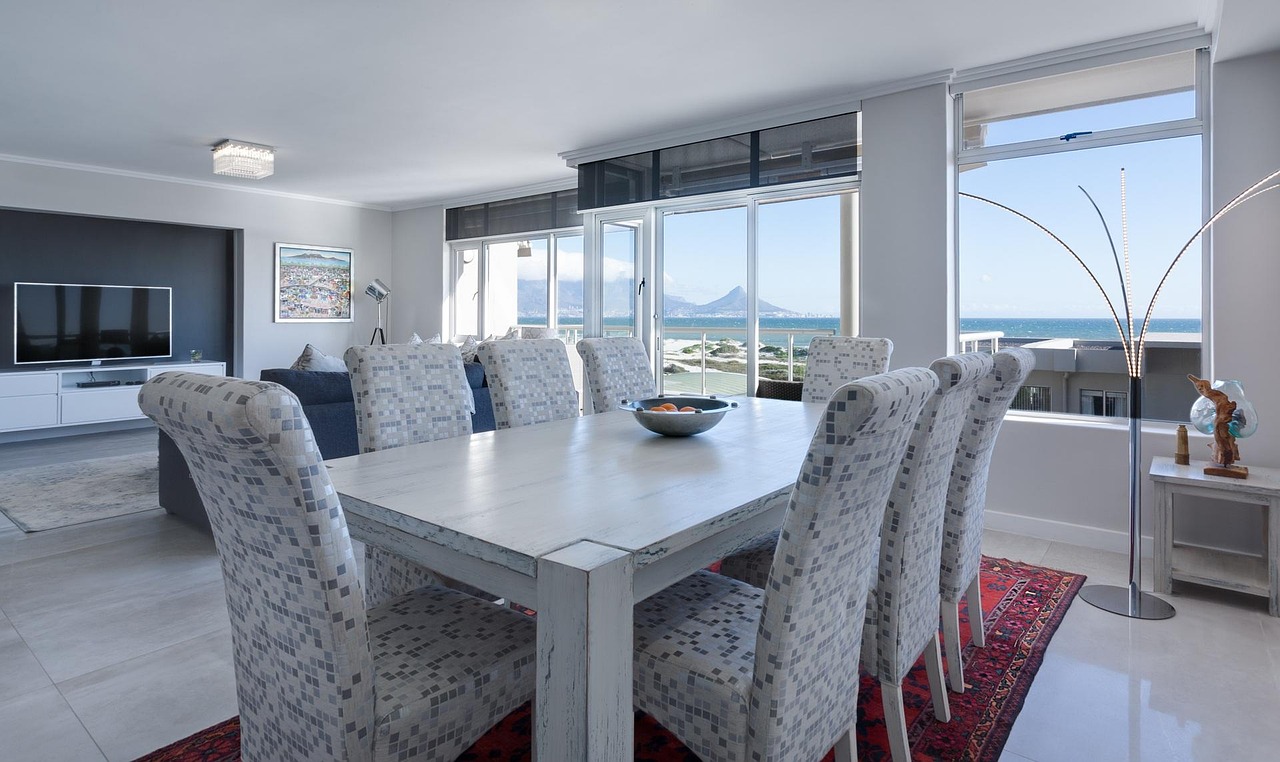
    hotel staff cleaning restaurant tables and chairs in a bright dining room
    hotel staff cleaning restaurant tables and chairs in a bright dining room | Zhobai Hotel Furniture

    3. Maintenance and Cleanability

    Ease of maintenance directly impacts operational costs and hygiene standards. Select furniture with non-porous, smooth surfaces that are simple to wipe down. Upholstery should be liquid-repellent and easily spot-cleaned, reducing the need for specialized cleaning services. Consider the weight of chairs for daily rearrangement and cleaning under tables. Designs with minimal crevices or intricate detailing will prevent food traps and simplify sanitation. Prioritizing cleanability from the outset can save thousands in labor and cleaning supplies annually.
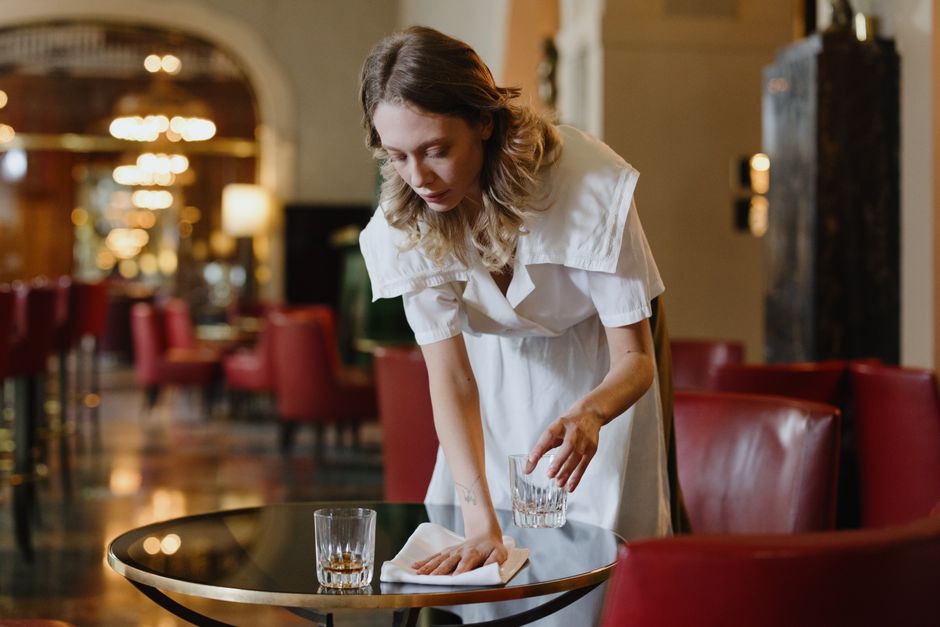
    A waitress in a white dress wiping a table in a stylish restaurant. Warm, inviting atmosphere.
    A waitress in a white dress wiping a table in a stylish restaurant. Warm, inviting atmosphere | Zhobai Hotel Furniture

    4. Lead Times, Logistics, and Installation

    Project timelines in hospitality are often tight, making reliable lead times crucial. Custom furniture projects typically require 10-16 weeks for manufacturing, plus 4-8 weeks for international shipping. A supplier’s ability to manage production schedules, packaging for protection, international freight, and on-site installation is critical. Inquire about their logistics network and whether they offer white-glove installation services. Delays can lead to lost revenue from delayed opening dates, so understanding the full supply chain and a supplier’s control over it is vital for any hospitality furniture selection guide.
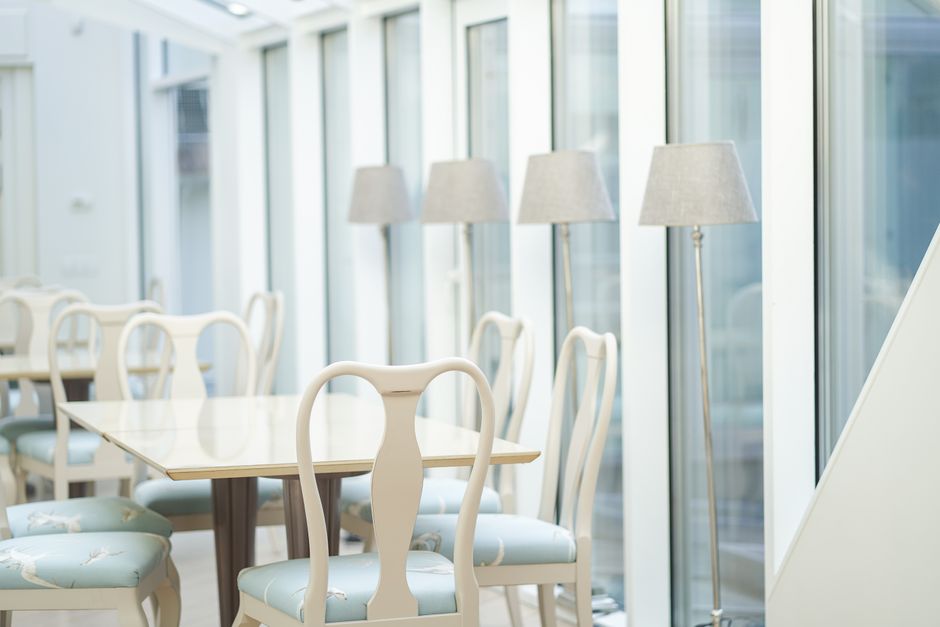
    A modern and bright café interior with white chairs, tables, and glass lamps in Riga, Latvia.
    A modern and bright café interior with white chairs, tables, and glass lamps in Riga, Latvia | Zhobai Hotel Furniture
    Evaluation Criteria Key Considerations Impact of Poor Choice
    Durability & Materials Commercial-grade fabrics (>100k double rubs), reinforced joinery, HPL/solid surface tops, 14-gauge metal. Premature wear (1-2 years), costly replacements ($50k-$150k for 200 seats), safety hazards.
    Design & Ergonomics Cohesive aesthetic, comfortable seating (18-19″ seat height), adequate table surface/legroom. Negative guest reviews, reduced dining time, poor brand perception, inefficient space use.
    Maintenance & Cleanability Non-porous surfaces, stain-resistant upholstery, minimal crevices, manageable weight for daily cleaning. Increased labor costs (10-15% annually), hygiene issues, shorter furniture lifespan.
    Lead Times & Logistics Realistic production (10-16 weeks) & shipping (4-8 weeks), clear communication, global logistics expertise. Project delays (lost revenue of $5k-$15k per day), unexpected storage costs, installation issues.

    What Separates a Good Supplier from a Great One

    Choosing the right supplier is as critical as selecting the right furniture. A great supplier acts as a strategic partner, not just a vendor. Here’s what to look for:
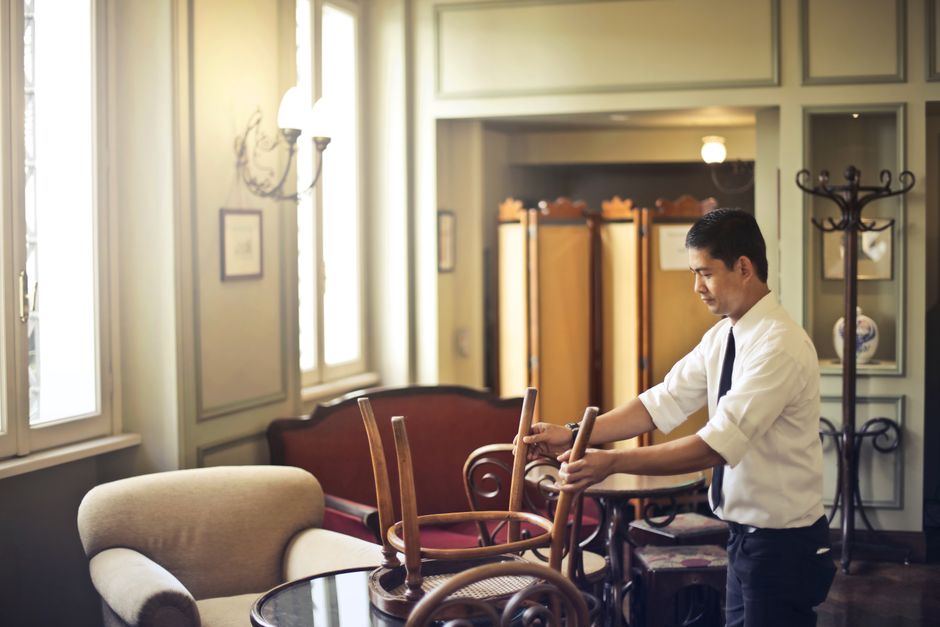
    Side view of Asian male employee in formal wear standing near table and neatly stacking wooden chair on table in closed restaurant
    Side view of Asian male employee in formal wear standing near table and neatly stacking wooden chair on table in closed restaurant | Zhobai Hotel Furniture
    • Proven Track Record & Experience: Do they have 10+ years specializing in hospitality FF&E? Request case studies from similar hotel restaurant furniture projects, especially those for 4- and 5-star properties. Look for experience with global exports and diverse regions like Europe, North America, and Central Asia.
    • In-House Design and Engineering Capabilities: Can they translate your design vision into manufacturing reality? A professional in-house design team is crucial for creating tailored spaces and offering custom hotel furniture solutions. This ensures technical feasibility, material optimization, and adherence to brand standards, offering OEM/ODM services.
    • End-to-End Project Management: Do they offer a one-stop solution from early-stage planning and design through manufacturing, quality control, logistics, and installation? This minimizes coordination risks and ensures accountability across the entire project lifecycle. Zhobai Hotel Furniture, for example, prides itself on this comprehensive approach.
    • Certifications and Quality Assurance: What certifications do they hold (e.g., CE, ISO, SGS, FDA)? These indicate adherence to international quality and safety standards. Ask about their specific QC process, including material inspection, in-process checks, and final product testing before shipment.
    • Transparent Communication and Responsiveness: How quickly do they respond to inquiries? Do they provide regular updates on production progress and potential challenges? Clear, proactive communication is vital for managing expectations and mitigating risks in complex procurement processes.
    • Warranty and After-Sales Support: What kind of warranty do they offer on their hotel restaurant furniture? A minimum 2-year commercial warranty is standard. Inquire about their process for handling defects or issues post-installation.

    Red Flags and Non-Negotiables — When to Walk Away

    Recognizing warning signs early can save your project from significant financial and reputational damage. Be vigilant for these red flags:
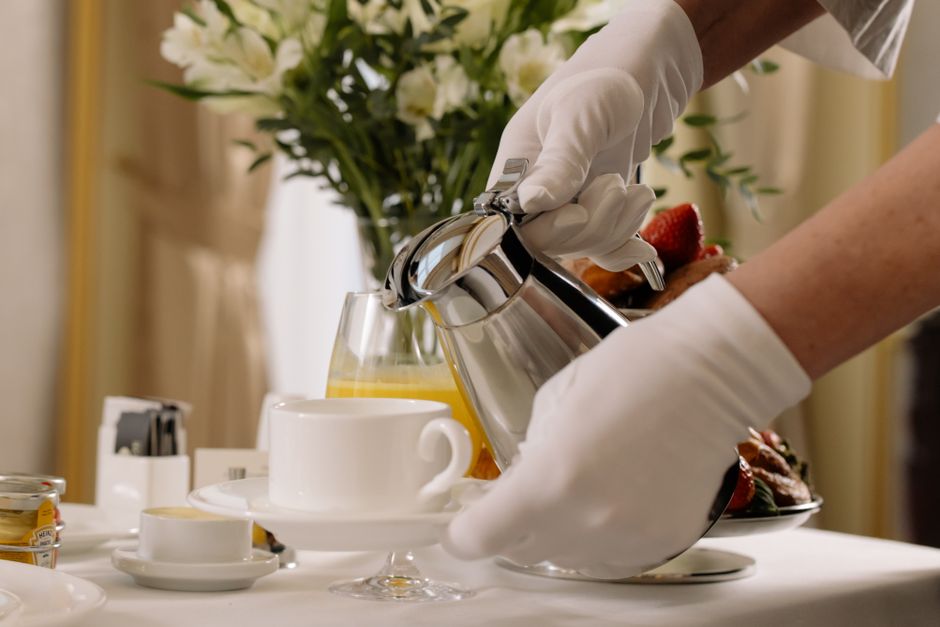
    Elegant room service setting with coffee being poured by gloved hands in a hotel.
    Elegant room service setting with coffee being poured by gloved hands in a hotel | Zhobai Hotel Furniture
    • Unrealistic Pricing or Discounts: If a quote is significantly lower (e.g., 20-30% below average) than others for comparable specifications, it’s a strong indicator of compromised quality or hidden costs down the line. There are no shortcuts to durable, compliant hotel restaurant furniture.
    • Lack of Relevant Project References: A supplier claiming extensive experience should readily provide detailed case studies and client contacts for projects of similar scope and scale. Vague references or an inability to share specific examples for commercial grade furniture for hotels is a major concern.
    • Poor Communication and Transparency: Difficulty getting clear answers on material specifications, lead times, or manufacturing processes should raise alarms. A supplier unwilling to share factory audit reports or detailed QC procedures is likely hiding inefficiencies or quality issues.
    • Inflexibility on Customization or Specifications: If a supplier pushes standardized products when you require specific customization, or if they resist minor material changes to meet design or durability requirements, they may lack the necessary engineering capability or commitment to your project’s unique needs.
    • No Independent Certifications or Quality Control Processes: A supplier without verifiable third-party certifications (ISO, CE) or a documented, rigorous internal quality control system is a high risk. This suggests a lack of commitment to consistent product quality and international standards.

    How Top Hotels Approach Hotel Restaurant Furniture Differently

    Leading hospitality brands don’t just buy furniture; they invest in strategic assets. Their approach to sourcing custom hotel furniture solutions is characterized by foresight and collaboration.

    Consider the recent renovation of a major resort in the Caribbean (Project ‘Azure Coast’, June 2026 completion). The owner mandated a 10-year lifespan for all hotel restaurant furniture. Instead of simply requesting bids, they engaged a shortlist of suppliers early in the design phase. Their FF&E procurement manager worked directly with the chosen manufacturer’s in-house design and engineering teams. This collaboration ensured that bespoke designs for their restaurant dining chairs and tables were not only aesthetically unique but also engineered for the corrosive coastal environment, using marine-grade stainless steel and UV-stabilized outdoor fabrics with a 5-year fade warranty. This upfront investment in engineering added 8% to the initial furniture cost but is projected to save over 30% in replacement and maintenance costs over the decade.

    Another example is a boutique hotel chain expanding rapidly across Southeast Asia (Project ‘Urban Canvas’, Q4 2026 rollout). Their strategy for hotel restaurant furniture focused on rapid deployment and consistent branding. They partnered with a supplier offering comprehensive logistics and installation services across multiple countries. By leveraging the supplier’s established global freight network and local installation teams, they achieved a 30% faster rollout compared to previous projects where they managed logistics internally. This saved them approximately $150,000 per property in expedited shipping fees and reduced pre-opening operational overhead.

    Your Action Plan — Next Steps for Your Project

    To navigate your next hotel restaurant furniture procurement with confidence, follow this actionable plan:

    1. Define Clear Specifications: Before engaging suppliers, finalize your material choices, dimensions, durability requirements, and aesthetic standards. This eliminates ambiguity and ensures comparable quotes.
    2. Prioritize Durability & Certifications: Emphasize commercial-grade materials and verifiable certifications (e.g., ISO 9001, CE). Request material samples and independent test reports.
    3. Vet Suppliers Thoroughly: Look beyond price. Evaluate supplier experience, in-house design capabilities, project management, and after-sales support. Request detailed case studies and client references.
    4. Request Detailed Quotes & Samples: Insist on itemized quotes with clear material breakdowns. Obtain physical samples of key pieces or materials for quality inspection and design approval.
    5. Establish a Communication Protocol: Agree on communication frequency, reporting methods, and key contact points with your chosen supplier to ensure transparency throughout the project.
    6. Plan for Logistics & Installation: Confirm the supplier’s capabilities for global logistics, customs clearance, and on-site installation. Integrate these timelines into your overall project schedule for this hospitality furniture selection guide.

    The decision to procure hotel restaurant furniture is a significant investment impacting guest experience, operational costs, and your property’s long-term success. Approaching this with a strategic, informed mindset is paramount. Zhobai Hotel Furniture, with over 15 years of experience in custom FF&E for 5-star hotels and resorts worldwide, operates on these exact principles. We offer a one-stop solution, from early-stage planning and in-house design to manufacturing, global logistics, and installation, ensuring your vision for hotel restaurant furniture is executed with precision and durability. Connect with us to discuss your project and discover how our expertise can become your strategic advantage.
  • Navigating 2026 Trends in Hotel Room Furniture Sourcing

    Navigating 2026 Trends in Hotel Room Furniture Sourcing

    The hospitality sector in mid-2026 faces a unique challenge: the convergence of persistent supply chain volatility, escalating material costs, and an increasingly discerning guest demanding both personalized experiences and verifiable sustainability. This confluence means that decisions regarding hotel room furniture are no longer just about aesthetics or initial price; they are strategic investments directly impacting operational efficiency, brand reputation, and long-term profitability. Hoteliers, developers, and procurement teams must adapt rapidly, or risk falling behind in a competitive market where every detail, down to the choice of a guestroom nightstand, contributes to the bottom line.

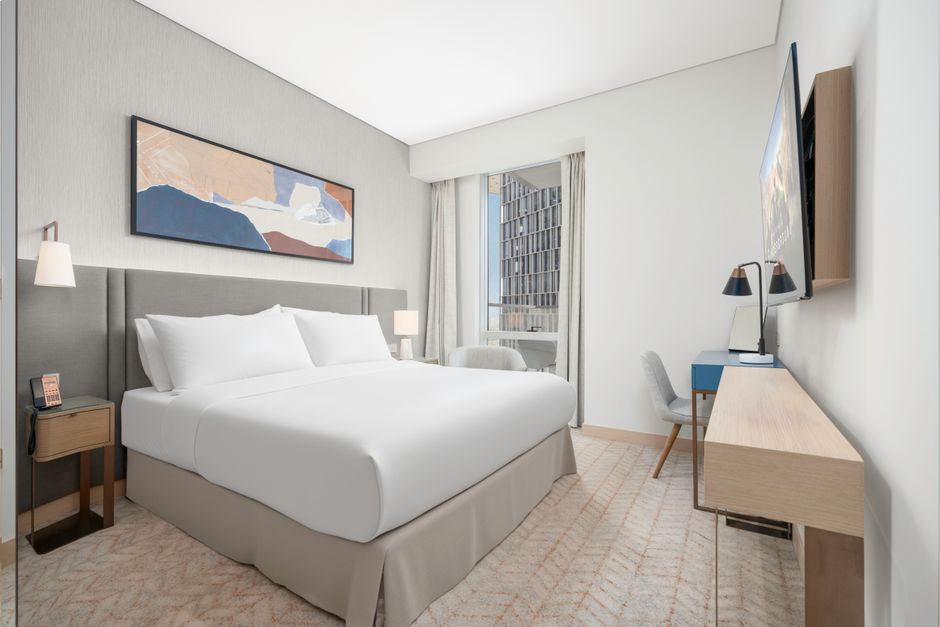
    A contemporary hotel room furniture set featuring a floating wooden desk, a sleek upholstered chair, and integrated lighting, demonstrating modern guestroom functionality.
    A contemporary hotel room furniture set featuring a floating wooden desk, a sleek upholstered chair, and integrated lighting, demonstrating modern guestroom functionality | Zhobai Hotel Furniture

    Why Hotel Room Furniture Is at an Inflection Point in 2026

    Several powerful forces are currently reshaping the landscape for hotel room furniture, pushing it to a critical inflection point. Firstly, global supply chains, while recovering, remain susceptible to regional disruptions and price fluctuations, forcing procurement managers to seek more resilient and diversified sourcing strategies. Industry data suggests a 15-20% increase in lead times for certain specialty materials compared to pre-pandemic averages, making proactive planning essential.

    A minimalist hotel bedroom with a large headboard made from sustainable wood, integrated bedside tables, and a comfortable mattress, showcasing eco-friendly contract hotel furniture.
    A minimalist hotel bedroom with a large headboard made from sustainable wood, integrated bedside tables, and a comfortable mattress, showcasing eco-friendly contract hotel furniture | Zhobai Hotel Furniture

    Secondly, guest expectations have fundamentally shifted. Post-pandemic travelers prioritize wellness, hygiene, and a seamless blend of work and leisure, demanding furniture that supports these evolving needs. They also increasingly expect brands to demonstrate genuine commitment to environmental responsibility, turning sustainability from a ‘nice-to-have’ into a key purchasing criterion. This places pressure on suppliers to offer Eco friendly contract hotel furniture options with transparent material sourcing and production processes.

    An elegant hotel suite showcasing custom hospitality bedroom casework with built-in storage, a media console, and a unique textured finish, designed for a luxury guest experience.
    An elegant hotel suite showcasing custom hospitality bedroom casework with built-in storage, a media console, and a unique textured finish, designed for a luxury guest experience | Zhobai Hotel Furniture

    Thirdly, cost inflation across raw materials, labor, and logistics continues to exert pressure on FF&E budgets. This necessitates a move beyond simple upfront cost evaluation towards a total cost of ownership (TCO) model, factoring in durability, maintenance, and potential refurbishment cycles. The strategic procurement of hotel room furniture that balances initial investment with long-term value has become paramount.

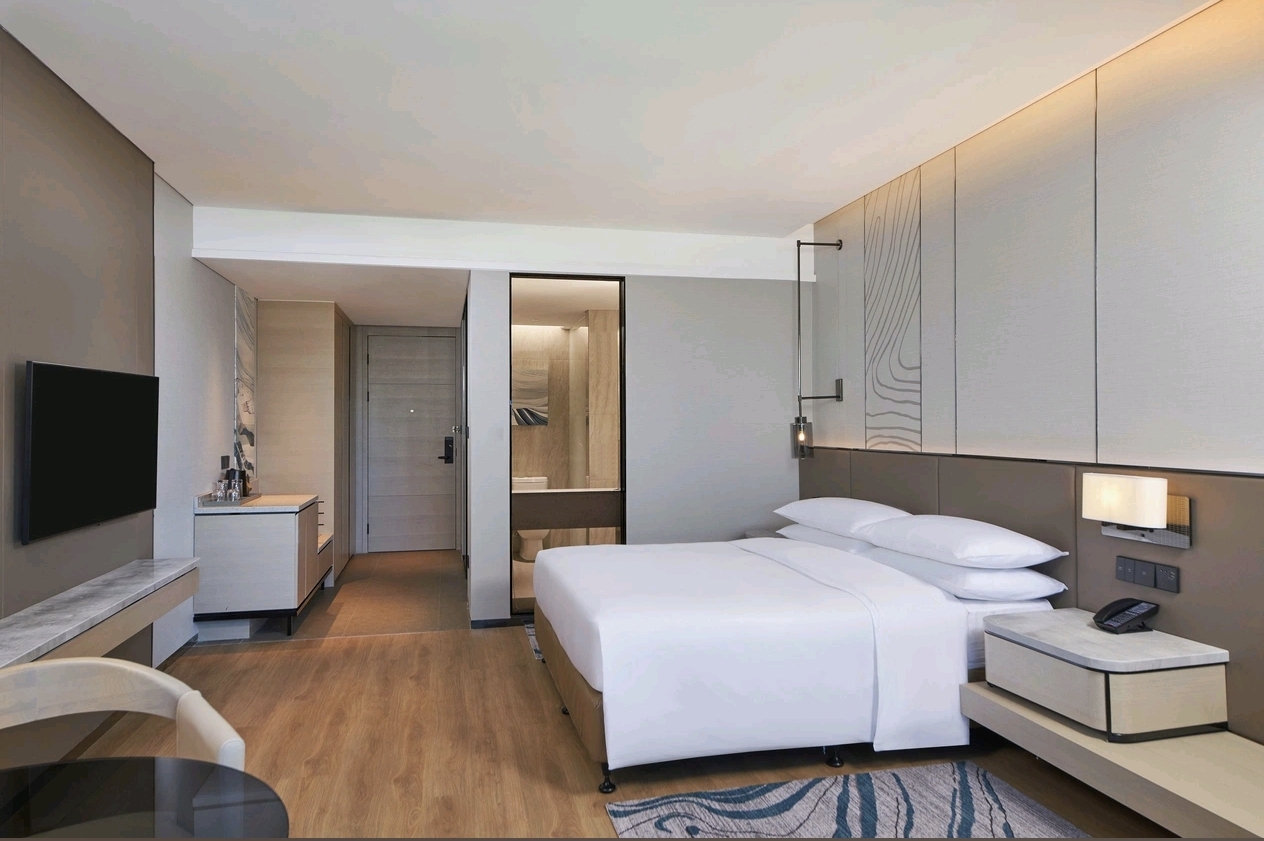
    Spacious hotel room featuring a comfy bed, stylish furniture, and elegant lighting for a luxurious stay.
    Spacious hotel room featuring a comfy bed, stylish furniture, and elegant lighting for a luxurious stay | Zhobai Hotel Furniture

    The Trends Redefining Hotel Room Furniture Right Now

    The Rise of Integrated Modularity and Versatility

    What is happening: Hotels are increasingly specifying furniture pieces that serve multiple functions and can be easily reconfigured or adapted to different guest needs and room types. This includes modular seating, desks that double as dining tables, and storage solutions that incorporate hidden mini-fridges or charging stations. The demand for Space saving hotel room furniture designs is surging.

    Bright and spacious bedroom with a modern design and large windows offering a scenic view.
    Bright and spacious bedroom with a modern design and large windows offering a scenic view | Zhobai Hotel Furniture

    Why it is happening: The ‘bleisure’ traveler segment continues to grow, blurring the lines between business and leisure stays. Guests expect rooms to function as comfortable workspaces, relaxation zones, and dining areas. Additionally, hoteliers seek greater flexibility in their room inventory to cater to diverse demographics without extensive renovations, driving the need for adaptable Space saving hotel room furniture designs. This also helps optimize smaller footprints in urban properties.

    Luxurious modern bedroom with stylish decor, plush furnishings, and elegant lighting creating a serene ambiance.
    Luxurious modern bedroom with stylish decor, plush furnishings, and elegant lighting creating a serene ambiance | Zhobai Hotel Furniture

    What it means for hotel buyers: Prioritize suppliers who offer well-engineered modular systems and multi-functional pieces. Ask for detailed schematics showing how furniture can be reconfigured or integrated. Evaluate the ease of assembly and disassembly for maintenance or room changes. Consider how these designs can enhance room revenue by appealing to a broader guest base or allowing for higher ADRs for flexible room types.

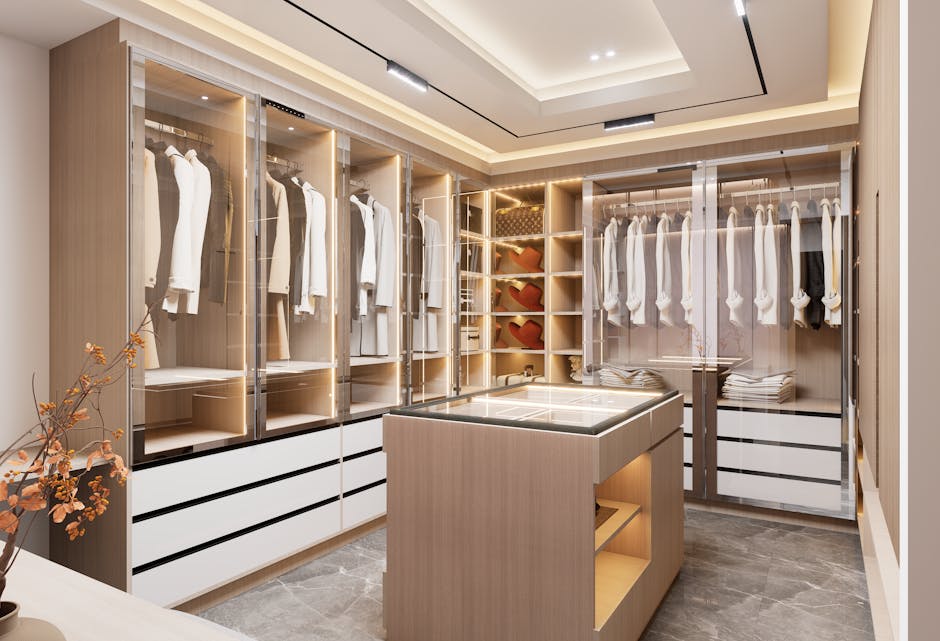
    Spacious modern walk-in closet with elegant wooden finishes and ambient lighting.
    Spacious modern walk-in closet with elegant wooden finishes and ambient lighting | Zhobai Hotel Furniture

    Sustainable Sourcing and Circular Design Principles

    What is happening: Sustainability is moving beyond mere certification; it’s about verifiable impact. Procurement teams are increasingly prioritizing materials with low VOCs, FSC-certified timber, recycled content (e.g., fabrics made from ocean plastics), and designs that support repair, refurbishment, and eventual recycling. The push for Eco friendly contract hotel furniture is no longer optional.

    Elegant hotel room featuring a workspace, modern decor, and ample lighting.
    Elegant hotel room featuring a workspace, modern decor, and ample lighting | Zhobai Hotel Furniture

    Why it is happening: Regulatory pressures are increasing globally, and guests, particularly younger demographics, are making booking decisions based on a hotel’s environmental footprint. Hotels also recognize the long-term cost savings associated with durable, repairable furniture that reduces waste and disposal costs. Suppliers who cannot meet stringent sustainability criteria are losing bids.

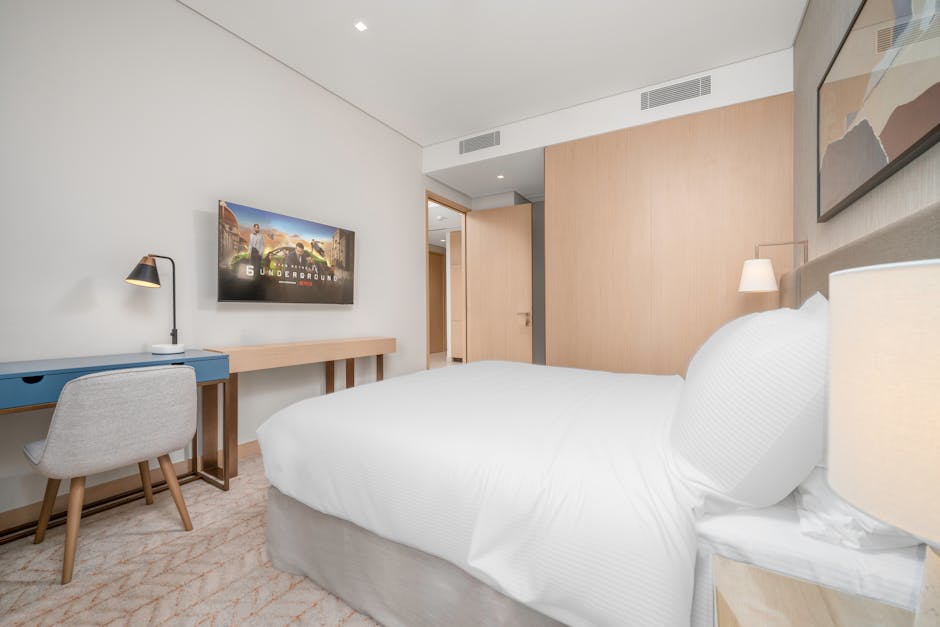
    Bright modern hotel room with cozy bed, desk, and mounted flat-screen TV.
    Bright modern hotel room with cozy bed, desk, and mounted flat-screen TV | Zhobai Hotel Furniture

    What it means for hotel buyers: Demand transparency from your suppliers regarding material origins, manufacturing processes, and certifications. Look for partners who can demonstrate a commitment to circular design, offering replaceable components (e.g., upholstery panels, table tops), refurbishment services, or take-back programs. Integrate sustainability metrics directly into your RFQ evaluation criteria for Eco friendly contract hotel furniture. Explore options for locally sourced materials where feasible to reduce carbon footprint.

    Hyper-Personalization and Bespoke Aesthetics

    What is happening: Generic hotel aesthetics are giving way to highly curated, localized, and brand-specific designs. This requires Custom hospitality bedroom casework and furniture that reflects the unique story and location of a property, rather than off-the-shelf solutions. Guests crave authenticity and Instagrammable moments.

    Why it is happening: In a crowded market, hotels differentiate themselves through unique guest experiences. A bespoke design narrative, supported by tailored furniture, creates a memorable stay and fosters brand loyalty. Social media amplifies the desire for unique visual aesthetics, making distinctive Custom hospitality bedroom casework a powerful marketing tool.

    What it means for hotel buyers: Partner with manufacturers possessing strong in-house design capabilities and extensive customization experience. Clearly articulate your brand story and design vision early in the process. Be prepared to invest in detailed prototyping and mock-ups to ensure the custom furniture aligns perfectly with your aesthetic and functional requirements. This approach is key to developing unique Modern hotel guestroom furniture sets that stand out.

    Technology Integration & Durability for the Smart Guestroom

    What is happening: Guests expect seamless technology integration in their accommodations. This translates to Modern hotel guestroom furniture sets that incorporate discreet wireless charging pads, multiple USB-C ports, integrated smart lighting controls, and even hidden IoT sensors for energy efficiency or predictive maintenance. Simultaneously, the furniture must withstand rigorous commercial use and frequent cleaning protocols.

    Why it is happening: Travelers carry multiple devices and expect convenience. Integrated technology eliminates clutter and enhances the guest experience. Furthermore, operational demands necessitate durable materials and finishes that can withstand constant sanitization and heavy use, reducing replacement cycles and maintenance costs. The balance between advanced features and robust construction is critical for any hotel room furniture.

    What it means for hotel buyers: Specify technology requirements upfront in your RFQ. Ensure suppliers can demonstrate expertise in integrating electronics safely and seamlessly into furniture designs, with appropriate certifications. Prioritize materials like engineered veneers, high-pressure laminates (HPL), and performance fabrics that offer superior abrasion, stain, and moisture resistance, ensuring your Modern hotel guestroom furniture sets maintain their appearance and function over their intended lifespan.

    Who Is Winning — and What They Are Doing Differently

    Hotels that are thriving in 2026 are those proactively adapting their FF&E strategies. Consider the case of a boutique hotel chain in Southeast Asia. Recognizing the demand for unique guest experiences, their procurement team moved away from catalog purchases entirely. They collaborated with a manufacturer to develop bespoke hotel room furniture designs inspired by local artisanal crafts, incorporating integrated wireless charging and highly durable, locally sourced timber with low VOC finishes. This not only created a distinctive brand identity but also reduced shipping costs and lead times, while resonating strongly with their target demographic’s values.

    Another example is a major resort group in the Middle East undertaking a large-scale renovation. Instead of replacing all their guestroom furniture, they opted for a phased refurbishment model. They partnered with a supplier capable of manufacturing replacement components like drawer fronts, upholstery panels, and even new headboards designed to fit existing bed frames. This approach significantly extended the life cycle of their existing assets, reduced waste, and delivered considerable cost savings compared to a full replacement. Their focus on maintainability and repairability for their hotel room furniture has set a new standard.

    The Risks of Standing Still

    Ignoring these prevailing trends in hotel room furniture can lead to significant competitive disadvantages and direct financial penalties. Hotels that continue to source generic, non-sustainable, or poorly designed furniture risk:

    • Competitive Disadvantage: Guest reviews increasingly highlight outdated or uncomfortable furnishings. Industry reports indicate a direct correlation between modern, well-maintained hotel room furniture and higher guest satisfaction scores, leading to better online reviews and increased direct bookings. Properties failing to update risk losing market share to more contemporary competitors.
    • Increased Operational Costs: Furniture made with inferior materials or lacking modularity will require more frequent repairs or full replacements, driving up CAPEX and maintenance expenses. For instance, non-performance fabrics can lead to costly re-upholstery within 2-3 years, as opposed to 5-7 years for commercial-grade alternatives.
    • Guest Experience Gaps: A lack of integrated charging, poor lighting, or uncomfortable seating directly impacts guest convenience and comfort. This can result in lower repeat bookings and negative word-of-mouth, eroding brand value.
    • Brand Erosion & Sustainability Backlash: Failing to demonstrate a commitment to sustainable practices in procurement can harm a hotel’s brand image, particularly among environmentally conscious travelers. This can lead to missed opportunities for corporate partnerships and negative media attention.
    • Compliance Issues: As regulations around fire safety, accessibility, and environmental standards evolve, outdated hotel room furniture may fall out of compliance, potentially leading to fines or costly retrofits.

    What Smart Buyers Are Prioritizing in Their Next RFQ

    For hotel owners, developers, FF&E procurement managers, interior designers, and hospitality project contractors, the next RFQ for hotel room furniture must reflect the current market realities. Smart buyers are prioritizing partners who can offer:

    1. Lifecycle Cost Analysis (LCA): Moving beyond upfront price to evaluate total cost of ownership, including durability, maintenance, and end-of-life options.
    2. Verifiable Sustainability Credentials: Requiring specific certifications (e.g., FSC, Greenguard, OEKO-TEX) and transparent reporting on materials and manufacturing processes.
    3. Design Flexibility & Customization: Seeking manufacturers with robust in-house design teams capable of delivering custom hospitality bedroom casework and bespoke solutions that align with unique brand identities.
    4. Integrated Technology Solutions: Specifying furniture with built-in charging (wireless, USB-C), smart controls, and robust cable management.
    5. Supply Chain Resilience: Prioritizing suppliers with clear lead time commitments, diversified sourcing, and robust logistics capabilities.
    6. Comprehensive After-Sales Support: Including warranties, spare parts availability, and potential refurbishment programs.

    Key Evaluation Criteria for Hotel Room Furniture Suppliers

    Criteria Category Specific Evaluation Points Impact on Project
    Material Specifications FSC-certified wood, low-VOC finishes, recycled content fabrics, commercial-grade HPL, 304 stainless steel. Ensures durability, guest health, and aligns with sustainability goals for hotel room furniture.
    Design & Customization In-house design team, 3D renderings, prototyping capabilities, experience with Custom hospitality bedroom casework. Delivers unique brand aesthetic, functional solutions, and guest satisfaction.
    Sustainability & Certifications CE, ISO, SGS, FDA certifications; carbon footprint data, take-back programs for Eco friendly contract hotel furniture. Ensures compliance, reduces environmental impact, enhances brand reputation.
    Logistics & Installation Global shipping experience, clear lead times, on-site installation support, detailed packing lists. Minimizes delays, reduces on-site labor costs, ensures smooth project execution.
    Warranty & Support Comprehensive warranty terms, spare parts availability, dedicated account management, post-installation service. Protects investment, simplifies maintenance, extends furniture lifespan.

    Navigating the evolving landscape of hotel room furniture procurement requires a strategic partner. Zhobai Hotel Furniture, with over 15 years of experience, specializes in crafting custom solutions for 5-star hotels, resorts, and boutique properties worldwide. Our one-stop solution covers early-stage planning, design conceptualization with our professional in-house team, manufacturing, logistics, and installation, ensuring seamless project execution. We offer OEM/ODM services and factory-direct pricing, backed by CE, ISO, SGS, and FDA certifications.

    Our commitment to quality and understanding of global trends means we are already delivering the Modern hotel guestroom furniture sets and sustainable solutions that smart buyers prioritize. We provide the expertise needed to secure long-term value in your hotel room furniture investments. To discuss how Zhobai can support your next project with tailored, high-performance furniture solutions, we invite you to explore our services or view our project portfolio.

  • Sourcing Commercial Grade Furniture for Hotels in 2026

    Sourcing Commercial Grade Furniture for Hotels in 2026

    The hospitality sector is currently grappling with a significant divergence in procurement strategy. While global travel continues its robust recovery, industry data suggests a growing chasm between hotels that prioritize long-term value in their FF&E investments and those still chasing immediate, often illusory, cost savings. This shift is particularly pronounced in the sourcing of commercial grade furniture for hotels, where supply chain volatility, evolving guest demands, and stringent sustainability mandates are reshaping the entire purchasing landscape. The era of simply buying ‘durable’ is over; today’s savvy buyers are demanding data-backed performance, verifiable ethical sourcing, and design agility.

    A sleek hotel lobby featuring durable commercial grade furniture for hotels, with modular sofas and integrated charging stations.
    A sleek hotel lobby featuring durable commercial grade furniture for hotels, with modular sofas and integrated charging stations | Zhobai Hotel Furniture

    Why Commercial Grade Furniture for Hotels Is at an Inflection Point in 2026

    The convergence of several powerful forces is propelling the market for commercial grade furniture for hotels into a period of profound re-evaluation. These aren’t isolated pressures but interconnected dynamics that demand a strategic, rather than reactive, approach from hotel owners, developers, and procurement managers.

    A contemporary hotel guestroom showcasing custom commercial grade bedroom furniture, including a wooden desk with a built-in lamp and USB ports.
    A contemporary hotel guestroom showcasing custom commercial grade bedroom furniture, including a wooden desk with a built-in lamp and USB ports | Zhobai Hotel Furniture
    • Persistent Supply Chain Volatility: While the most severe disruptions of the past few years have eased, localized geopolitical events, labor shortages, and energy price fluctuations continue to introduce unpredictability. This translates to extended lead times for specific materials and finishes, and a greater need for suppliers with robust, diversified manufacturing and logistics networks.
    • Escalating Sustainability Pressure: Guest surveys consistently show a rising preference for eco-conscious brands. Regulatory bodies are also tightening environmental standards, impacting everything from material sourcing to manufacturing processes and end-of-life furniture management. This isn’t just a ‘nice-to-have’ anymore; it’s a critical factor in brand reputation and operational compliance.
    • Evolving Guest Expectations for Wellness & Personalization: Post-pandemic, guests are seeking more than just a bed. They expect spaces that promote well-being, offer seamless technology integration, and feel authentically designed rather than mass-produced. This drives demand for custom commercial grade bedroom furniture and public area pieces that support flexible use and a sense of unique place.
    • Cost Inflation & Value Engineering Imperatives: Raw material costs, labor rates, and shipping expenses have seen sustained increases. This forces procurement teams to look beyond initial purchase price, focusing on total cost of ownership (TCO), including durability, ease of maintenance, and repairability, to genuinely optimize budgets.
    • Digital Transformation in Sourcing: The rise of advanced digital tools for 3D visualization, virtual mock-ups, and transparent supply chain tracking is empowering buyers with insight, making traditional, opaque sourcing models less competitive.

    The Trends Redefining Commercial Grade Furniture for Hotels Right Now

    These overarching forces are manifesting in specific, actionable trends that forward-thinking hospitality professionals are already integrating into their sourcing strategies. Ignoring these shifts risks significant competitive disadvantage.
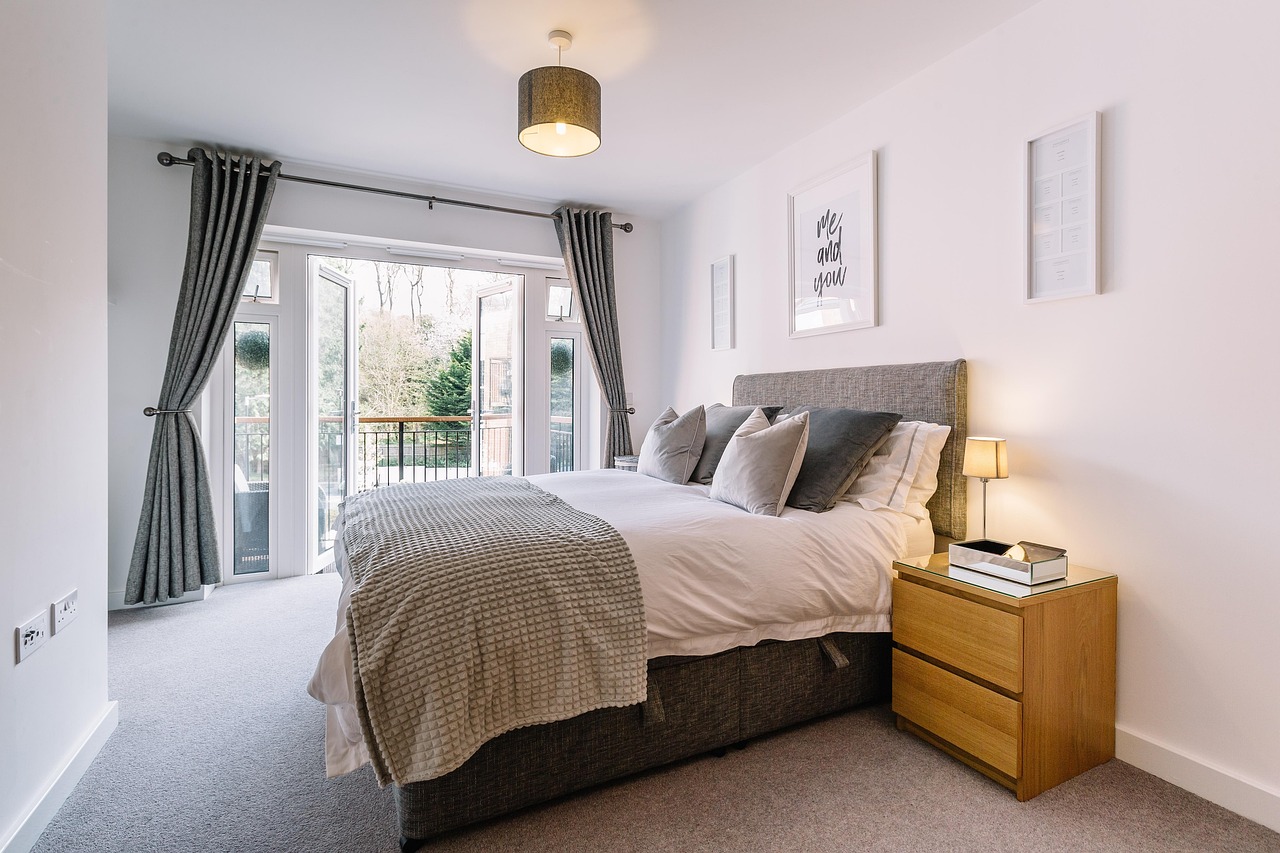
    Modern hotel room featuring a bed, laptop, and stylish decor with ample lighting.
    Modern hotel room featuring a bed, laptop, and stylish decor with ample lighting | Zhobai Hotel Furniture

    The Durability-Sustainability Nexus

    What is happening: There’s a pronounced shift away from ‘disposable’ furniture models towards products designed for extended lifecycles, often incorporating recycled or rapidly renewable materials, and featuring modular components for easier repair. Procurement teams are increasingly prioritizing not just initial strength but also the environmental footprint of furniture throughout its entire service life.

    Spacious hotel lobby featuring contemporary furniture and natural lighting.
    Spacious hotel lobby featuring contemporary furniture and natural lighting | Zhobai Hotel Furniture

    Why it is happening: The pressure from both guests and regulatory bodies to reduce waste and carbon emissions is intensifying. Simultaneously, the economic reality of rising replacement costs makes investment in furniture with verifiable longevity and repairability a fiscally responsible choice. The market for heavy duty contract furniture for hospitality now implicitly includes ecological considerations.

    A cozy cafe interior with wooden chairs and tables, perfect for leisure.
    A cozy cafe interior with wooden chairs and tables, perfect for leisure | Zhobai Hotel Furniture

    What it means for hotel buyers: Your RFQs must go beyond basic durability tests. Demand certifications for sustainable materials (e.g., FSC-certified wood, OEKO-TEX fabrics), ask about repairability and end-of-life recycling programs, and request detailed lifespan estimates. Suppliers who can provide transparent data on their environmental impact, coupled with robust warranties, will offer superior long-term value.

    Contemporary lounge with sofas, tables, and large windows in Guadalajara hotel lobby.
    Contemporary lounge with sofas, tables, and large windows in Guadalajara hotel lobby | Zhobai Hotel Furniture

    Hyper-Personalization at Scale

    What is happening: The demand for unique, brand-aligned aesthetics is no longer exclusive to boutique properties. Even large chains are seeking customized elements to differentiate guest experiences. This means a move away from standard catalog items towards furniture that can be tailored in dimensions, finishes, and features without incurring exorbitant custom costs.

    Why it is happening: Guests crave authenticity and Instagrammable moments. Standardized rooms feel generic. Technology and advanced manufacturing techniques (like CNC machining) have made customization more efficient and cost-effective for Commercial grade hotel furniture manufacturers capable of producing at scale. This allows properties to reflect local culture or specific brand identities.

    What it means for hotel buyers: Seek suppliers offering extensive OEM/ODM capabilities and a professional in-house design team. Evaluate their ability to integrate specific brand elements, adapt designs to irregular room layouts, and offer a wide palette of materials and finishes. This ensures your property achieves a distinctive look while maintaining commercial durability. An internal link to Mastering Commercial Customization for Hotels provides further insight.

    Integrated Technology & Multifunctionality

    What is happening: Furniture is no longer purely static. It’s evolving to incorporate power solutions, smart lighting, and modularity that supports multiple uses within a single footprint. Think nightstands with integrated wireless charging, desks that transform into dining surfaces, and sofas with hidden storage or pull-out beds.

    Why it is happening: Hotel room footprints are often optimized, and guests expect seamless connectivity. The demand for flexible spaces that cater to work, relaxation, and dining without feeling cluttered is high. Integrating technology directly into furniture enhances convenience and signals a modern, thoughtful property.

    What it means for hotel buyers: When evaluating commercial grade furniture for hotels, prioritize pieces that offer built-in USB-C ports, wireless charging pads, and smart cable management. Consider modular designs for public areas and guest rooms that allow for easy reconfiguration or conversion, maximizing the utility of every square foot. This directly impacts guest satisfaction and perceived value.

    Health & Hygiene as a Design Principle

    What is happening: The emphasis on hygiene and guest health has moved beyond cleaning protocols to influence material selection and furniture design. Surfaces that are easy to clean, inherently antimicrobial, or resistant to stains and wear are gaining significant traction.

    Why it is happening: Heightened guest awareness around cleanliness and health security means that visible efforts in this area are a competitive differentiator. For hotel operations, furniture that is easy to sanitize reduces housekeeping time and chemical usage, contributing to operational efficiency and staff well-being.

    What it means for hotel buyers: Specify materials like solid surfaces, high-performance laminates, and commercial-grade fabrics with stain-resistant or antimicrobial treatments. Look for furniture designs with minimal crevices or complex detailing that can trap dust and pathogens. Understanding commercial grade furniture durability standards related to cleaning agents and repeated sanitization is crucial.

    Who Is Winning — and What They Are Doing Differently

    Hotels and procurement teams that are successfully navigating these trends are demonstrating a clear shift in their approach to sourcing commercial grade furniture for hotels. They aren’t just buying; they’re strategically investing.

    Consider ‘The Ascent Hotel Group,’ a mid-sized chain undergoing a refresh of 12 properties. Instead of accepting lowest-bid tenders on generic furniture, their FF&E procurement team invested in a detailed TCO analysis. They selected a supplier capable of providing custom bedroom furniture with a 10-year structural warranty, using locally sourced, FSC-certified hardwoods and high-performance, easy-to-clean fabrics. The initial per-unit cost was marginally higher (around 8%) than their previous supplier. However, projected maintenance costs over seven years showed a 25% reduction, and the enhanced aesthetic and sustainability narrative allowed them to increase their Average Daily Rate (ADR) by an average of 4% across the portfolio. Their guests appreciate the thoughtful design and visible commitment to quality.

    Another example is ‘Urban Retreats,’ a boutique developer focused on urban mixed-use properties. Facing tight deadlines and unique architectural constraints, they partnered with a furniture manufacturer that offered a full one-stop solution from early-stage planning and design consultation to logistics and installation. This allowed their interior design team to collaborate directly with the manufacturer’s in-house designers, ensuring that custom commercial grade bedroom furniture and lobby pieces precisely fit irregular spaces and integrated specific smart-home technology, all while adhering to a condensed project timeline. The streamlined process avoided costly delays and rework, leading to on-schedule openings and immediate positive guest feedback on the bespoke interiors.

    The Risks of Standing Still

    Ignoring the current inflection points in the market for commercial grade furniture for hotels is not a neutral act; it carries specific, measurable consequences that can erode profitability and competitive standing.

    • Increased Operational Costs: Opting for lower-grade furniture that doesn’t meet robust commercial grade furniture durability standards inevitably leads to higher maintenance, repair, and premature replacement costs. A chair requiring replacement every three years instead of seven, or a table surface prone to scratches and stains, directly impacts your operational budget and staff time. This translates to a higher total cost of ownership over the renovation cycle, negating any initial savings.
    • Competitive Disadvantage & Lower ADR: In a market where guests are increasingly discerning, outdated or visibly worn furniture is a direct signal of neglect. This negatively impacts online review scores and guest perception, making it harder to justify premium room rates. Competitors investing in modern, durable, and thoughtfully designed furniture will capture higher ADRs and market share.
    • Guest Experience Gaps: Furniture that lacks integrated technology, is uncomfortable, or doesn’t support flexible use fails to meet contemporary guest expectations. This can lead to frustration (e.g., searching for outlets, cramped workspaces) and a perception that the property is behind the curve, impacting repeat bookings and brand loyalty.
    • Brand Reputation & Sustainability Backlash: Failing to address sustainability in furniture sourcing can lead to negative publicity or a perception of greenwashing. As guests and corporate clients increasingly scrutinize environmental commitments, a lack of verifiable eco-friendly practices in your FF&E choices can damage your brand’s reputation and potentially exclude you from bids for corporate events or eco-conscious travel programs.
    • Supply Chain Vulnerability: Relying on single-source suppliers or those with opaque, unstable supply chains for your commercial grade furniture for hotels leaves your projects vulnerable to delays and cost overruns. Without robust supply chain management, project timelines can stretch, leading to lost revenue from delayed openings or extended renovation periods.

    What Smart Buyers Are Prioritizing in Their Next RFQ

    Given the current market dynamics, savvy hotel owners, developers, and procurement managers are refining their RFQs to reflect these new priorities. When sourcing commercial grade furniture for hotels, their focus extends far beyond price per unit.

    Evaluation Criterion Specific Requirement / Question to Supplier Strategic Rationale for Hotel Buyers
    Durability & Longevity Provide double-rub counts for fabrics (min. 100,000 for public areas), specific wood species and joinery methods (e.g., mortise and tenon), and finish testing results (e.g., scratch, moisture resistance). Detail warranty coverage for structural integrity. Reduces long-term maintenance/replacement costs; ensures furniture withstands heavy commercial use, protecting ROI.
    Sustainability & Ethics Certifications for materials (FSC, OEKO-TEX, GREENGUARD), transparency on manufacturing processes and energy use, clear end-of-life options (recycling/upcycling). Request an Environmental Product Declaration (EPD) if available. Meets guest demand for eco-conscious properties, enhances brand reputation, aligns with future regulatory compliance, and contributes to ESG goals.
    Customization & Design Agility Showcase OEM/ODM capabilities, provide examples of past bespoke projects, demonstrate in-house design team expertise, and detail flexibility for material/finish options and dimension adjustments. Allows for unique brand identity, optimal space utilization, and integration of local aesthetics without compromising commercial standards.
    Integrated Technology Detail options for built-in USB-C ports, wireless charging, and cable management solutions. Specify safety certifications (e.g., UL) for integrated electrical components. Enhances guest convenience, supports modern connectivity needs, and contributes to a perception of a contemporary, high-value property.
    Supply Chain & Logistics Outline a diversified raw material sourcing strategy, provide average lead times with contingency plans, and detail logistics capabilities (e.g., global shipping, warehousing, white-glove delivery, installation services). Minimizes project delays, reduces risks associated with global disruptions, and ensures on-time, damage-free delivery and setup. An internal link to Zhobai’s Services can illustrate this comprehensive approach.
    After-Sales Support Describe post-installation support, spare parts availability, and repair services. Ensures continued performance and extends furniture lifespan, further reducing TCO.

    The market for commercial grade furniture for hotels in 2026 demands a sophisticated procurement strategy, one that balances aesthetic appeal with long-term performance and sustainability. It’s about securing value that extends beyond the initial invoice, ensuring every furniture piece contributes to guest satisfaction and operational efficiency.

    At Zhobai Hotel Furniture, we have anticipated these shifts, evolving our capabilities to meet the exacting demands of today’s hospitality market. With over 15 years of experience, we offer a one-stop solution that encompasses early-stage planning, bespoke design through our professional in-house team, manufacturing to stringent CE, ISO, SGS, and FDA certifications, and comprehensive logistics and installation services. Our commitment to factory-direct pricing combined with our OEM/ODM flexibility ensures that our partners receive commercial grade furniture for hotels that is not only robust and aesthetically aligned with their vision but also positioned for superior long-term performance and guest satisfaction. Explore our insights on quiet luxury hotel furniture sourcing to see how we align with current design philosophies. We invite you to connect with our team to discuss how our expertise can support your next project’s success.

  • Mastering the Quiet Luxury Hotel Trend in 2026

    Mastering the Quiet Luxury Hotel Trend in 2026

    As of mid-2026, a significant shift is underway in guest expectations across the hospitality sector. Industry data suggests a pronounced move away from overt displays of opulence towards a more refined, understated elegance. This translates directly into procurement decisions for new builds and renovations, with buyers increasingly scrutinizing materials, craftsmanship, and long-term value over transient aesthetics. The pressure on FF&E procurement teams is intensifying to deliver spaces that resonate with a discerning traveler seeking genuine comfort and authenticity, rather than just visual spectacle. Hotels that recognize this pivot and adapt their sourcing strategies are already gaining a competitive edge in a market hungry for genuine experiences.

    Minimalist hotel guestroom featuring a floating wooden desk, a comfortable upholstered chair, and soft, neutral-toned bedding, embodying the Quiet Luxury Hotel aesthetic.
    Minimalist hotel guestroom featuring a floating wooden desk, a comfortable upholstered chair, and soft, neutral-toned bedding, embodying the Quiet Luxury Hotel aesthetic | Zhobai Hotel Furniture

    Why Quiet Luxury Hotel Is at an Inflection Point in 2026

    The concept of a Quiet Luxury Hotel is not merely a passing design fad; it represents a fundamental re-evaluation of value in hospitality. Several powerful forces are converging to push this trend to an inflection point:

    A serene hotel lobby with natural stone flooring, a large area rug, and custom-designed lounge furniture in muted earth tones, showcasing tactile guest room material and finishes.
    A serene hotel lobby with natural stone flooring, a large area rug, and custom-designed lounge furniture in muted earth tones, showcasing tactile guest room material and finishes | Zhobai Hotel Furniture
    • Evolving Guest Expectations: Post-pandemic, travelers are prioritizing well-being, authenticity, and restorative experiences. They seek environments that offer a sense of calm and genuine connection, rather than performative extravagance. This psychological shift demands furniture and finishes that contribute to a serene atmosphere, emphasizing comfort, quality, and timelessness.
    • Sustainability Pressures: Growing environmental consciousness among guests and regulatory bodies is influencing sourcing. There’s increased demand for FF&E made from natural, ethically sourced, and durable materials, reducing the lifecycle impact. Hotels are under pressure to demonstrate tangible commitments to sustainability, which impacts material selection for every piece of furniture.
    • Supply Chain Resilience: Recent global disruptions have highlighted the fragility of complex supply chains. This has led procurement teams to prioritize suppliers who offer transparency, reliability, and robust manufacturing processes. The emphasis on quality and durability inherent in quiet luxury naturally aligns with a desire for products that are built to last, reducing reliance on frequent replacements.
    • Cost Inflation and Long-Term Value: With persistent cost inflation across construction and manufacturing, initial FF&E investments are under greater scrutiny. The focus has shifted to total cost of ownership (TCO), favoring durable, high-quality furniture that reduces maintenance, repair, and early replacement cycles. A well-designed Quiet Luxury Hotel room, featuring robust furniture, offers a longer aesthetic and functional lifespan.
    • Digital Fatigue: In an increasingly connected world, guests are seeking spaces that encourage unplugging and sensory grounding. Design elements that promote calm, tactile engagement, and a respite from digital overload are highly valued. This means furniture choices must support relaxation and introspection, often through natural textures and thoughtful ergonomics.

    The Trends Redefining Quiet Luxury Hotel Right Now

    Tactile Guest Room Material and Natural Finishes

    What is happening: There is a distinct move away from glossy, highly polished surfaces and synthetic materials towards authentic, natural textures. Think solid wood with visible grain, honed stone, linen, wool, boucle fabrics, and ceramic elements. The emphasis is on materials that invite touch and convey an intrinsic sense of quality.

    A modern hotel bathroom with a large walk-in shower, natural wood vanity, and subtly textured wall tiles, reflecting restorative hospitality design trends.
    A modern hotel bathroom with a large walk-in shower, natural wood vanity, and subtly textured wall tiles, reflecting restorative hospitality design trends | Zhobai Hotel Furniture

    Why it is happening: This shift is deeply rooted in biophilic design principles and a desire for authenticity. Guests are seeking a connection to nature and materials that feel genuine and grounding. Natural finishes also tend to age more gracefully, contributing to the timelessness central to quiet luxury. Furthermore, advancements in sustainable sourcing and manufacturing make these materials more accessible and certifiable.

    A well-appointed hotel suite with durable, custom-made furniture, including a solid wood media console and a sophisticated linen sofa, demonstrating long-term FF&E investment.
    A well-appointed hotel suite with durable, custom-made furniture, including a solid wood media console and a sophisticated linen sofa, demonstrating long-term FF&E investment | Zhobai Hotel Furniture

    What it means for hotel buyers specifically: FF&E procurement managers and interior designers must prioritize material specifications that emphasize durability, natural origin, and certifications (e.g., FSC-certified wood, OEKO-TEX certified fabrics). RFQs should explicitly request details on material composition, origin, and environmental impact. For example, opting for solid oak dressers with a matte finish over high-gloss laminates, or specifying linen upholstery for seating, significantly elevates the perceived value and guest experience. Thoughtful selection of luxury hotel color palettes that complement these natural materials is also crucial.

    Elegant hotel suite with modern furniture and decor, showcasing luxury comfort.
    Elegant hotel suite with modern furniture and decor, showcasing luxury comfort | Zhobai Hotel Furniture

    Understated Elegance and Functional Minimalism

    What is happening: Design is trending towards clean lines, thoughtful proportions, and a deliberate absence of overt branding or flashy ornamentation. Furniture pieces are selected for their inherent quality, ergonomic comfort, and often, multi-functionality, rather than their ability to make a bold statement.

    Interior of contemporary bathroom with wooden elements and black walls in modern apartment
    Interior of contemporary bathroom with wooden elements and black walls in modern apartment | Zhobai Hotel Furniture

    Why it is happening: This trend reflects a guest preference for sophisticated simplicity. Guests want spaces that feel curated and calming, not cluttered or ostentatious. Functional minimalism supports a restorative environment by reducing visual noise and allowing the quality of materials and craftsmanship to speak for itself. It’s about comfort and utility seamlessly integrated into refined design.

    Spacious hotel lobby featuring contemporary furniture and natural lighting.
    Spacious hotel lobby featuring contemporary furniture and natural lighting | Zhobai Hotel Furniture

    What it means for hotel buyers specifically: When sourcing Quiet Luxury Hotel Furniture, evaluate designs for their timeless appeal and adaptability. Prioritize pieces that offer dual functionality, such as a console table that also serves as a discreet workspace, or a lounge chair designed for both relaxation and reading. Focus on the subtle details: precision joinery, concealed hardware, and balanced proportions. Suppliers who can demonstrate a deep understanding of ergonomic design and material science will be key partners.

    Sophisticated hotel lounge featuring velvet couch, armchairs, and elegant decor in cozy lighting.
    Sophisticated hotel lounge featuring velvet couch, armchairs, and elegant decor in cozy lighting | Zhobai Hotel Furniture

    Restorative Hospitality Design Trends Through Integrated Wellness

    What is happening: Hotels are increasingly integrating wellness features directly into their design, extending beyond the spa to every guest touchpoint. This includes optimizing acoustics, implementing circadian lighting systems, providing personalized comfort controls, and creating a seamless flow between indoor and outdoor spaces where possible. The entire guest journey is designed to promote relaxation and rejuvenation.

    Elegant modern bathroom featuring a walk-in shower, sink, and toilet with a stylish wooden finish.
    Elegant modern bathroom featuring a walk-in shower, sink, and toilet with a stylish wooden finish | Zhobai Hotel Furniture

    Why it is happening: Wellness has become a primary driver for modern travelers. Guests are looking for hotels that act as sanctuaries, helping them de-stress and recover from travel fatigue. This macro trend translates into design choices that actively support physical and mental well-being, making the guest room a truly restorative space.

    Interior of contemporary master bathroom with bathtub and shower cabin near wooden cupboards with ceramic sinks in modern apartment
    Interior of contemporary master bathroom with bathtub and shower cabin near wooden cupboards with ceramic sinks in modern apartment | Zhobai Hotel Furniture

    What it means for hotel buyers specifically: FF&E procurement must consider how each furniture piece contributes to the overall wellness narrative. This means assessing items for their acoustic properties (e.g., upholstered headboards, rugs for sound dampening), ergonomic support (e.g., task chairs, mattresses), and compatibility with smart room systems. For instance, selecting fabrics that absorb sound rather than reflect it, or specifying beds with adjustable firmness, are now critical considerations. This is a core aspect of modern hotel furniture trends.

    Soft bed with cover and pillows between glowing lamps and oriental panel in hotel room
    Soft bed with cover and pillows between glowing lamps and oriental panel in hotel room | Zhobai Hotel Furniture

    Durability and Timelessness as Sustainable Investments

    What is happening: There’s a pronounced shift towards investing in high-quality, robust furniture and finishes designed for longevity. The goal is to specify items that resist seasonal trends and frequent replacement, embodying a “buy once, buy well” philosophy.

    Why it is happening: This trend addresses both sustainability goals and cost inflation. By reducing the frequency of renovations and replacements, hotels minimize waste and resource consumption, aligning with environmental commitments. From a financial perspective, durable FF&E reduces ongoing maintenance costs and extends the asset’s useful life, offering a superior return on investment over time. Industry data suggests that a focus on durability can reduce FF&E lifecycle costs by 15-20% over a 10-year period.

    What it means for hotel buyers specifically: Procurement focus must shift from the lowest upfront cost to the total cost of ownership. Demand robust construction techniques (e.g., solid wood joinery over particleboard, high-density foam for upholstery), easily repairable components, and extended warranties. Seek out suppliers who provide transparent material specifications and manufacturing processes. These considerations are critical for any hotel furniture cost per room guide.

    Who Is Winning — and What They Are Doing Differently

    Hotels and procurement teams that have embraced the Quiet Luxury Hotel ethos are seeing tangible benefits. Their success stories offer practical insights:

    • The Boutique Urban Sanctuary: A boutique hotel group, operating three properties in competitive urban centers, recently completed a comprehensive FF&E renovation. Instead of chasing fleeting design trends, their procurement team prioritized natural materials and bespoke craftsmanship. They partnered with a manufacturer capable of producing custom furniture with precise specifications, including solid ash wood desks with integrated charging, linen-blend upholstered armchairs, and beds with advanced acoustic headboards. The initial investment was slightly higher, but the result was a significant increase in guest satisfaction scores related to room comfort and ambiance. Post-renovation, their average daily rate (ADR) has seen a 12% uplift, with guests specifically citing the “calm and sophisticated atmosphere” in online reviews.

    • The Resort Developer’s Strategic Play: A developer undertaking a new 300-room resort project in Southeast Asia adopted a “future-proof” approach to FF&E. Their procurement strategy focused on suppliers offering comprehensive one-stop solutions, from design consultation to installation. They specifically sought partners with certifications like ISO 9001 and ISO 14001, demonstrating commitment to quality and environmental management. By engaging a manufacturer with in-house design capabilities early in the process, they ensured that every piece of custom furniture, from the lobby’s stone-top communal tables to the guest room’s upholstered benches, aligned perfectly with the property’s understated luxury vision. This integrated approach resulted in a streamlined project timeline and an estimated 10% reduction in overall FF&E project management costs, alongside a durable and cohesive design.

    The Risks of Standing Still

    For hotels that fail to adapt to the evolving guest preferences for a Quiet Luxury Hotel experience, the consequences can be significant and costly:

    • Increased Renovation Cycles and Costs: Ignoring the demand for timeless, durable design means investing in trendy, lower-quality furniture that quickly looks dated or wears out. This necessitates more frequent renovations, incurring substantial costs for replacement FF&E, labor, and downtime. Industry analysis indicates that properties with a “fast furniture” approach may face renovation cycles of 3-5 years, compared to 7-10 years for those investing in enduring quality.
    • Competitive Disadvantage and Lower Occupancy/ADR: In a crowded market, hotels that fail to deliver the desired guest experience will struggle to attract and retain discerning travelers. Competitors offering a more authentic, restorative, and sophisticated environment will capture market share, leading to lower occupancy rates and downward pressure on average daily rates (ADR). This directly impacts profitability.
    • Guest Experience Gaps: Rooms perceived as generic, visually cluttered, or lacking in genuine comfort will lead to negative guest feedback. A lack of high-quality, tactile guest room material and poorly considered layouts can create an environment that feels unsettling rather than soothing. This results in reduced repeat bookings, unfavorable online reviews, and a diminished brand reputation.
    • Higher Operational Expenses: Inferior quality furniture requires more frequent maintenance, repairs, and cleaning, driving up operational expenses. Components like weak joinery, low-density foam, or non-commercial grade fabrics lead to premature wear and tear, impacting the hotel’s bottom line.

    What Smart Buyers Are Prioritizing in Their Next RFQ

    To successfully navigate the quiet luxury trend, savvy hotel owners, developers, and procurement managers are refining their RFQs to reflect new priorities:

    Priority Area Key Sourcing Criteria for Quiet Luxury FF&E Why It Matters for Buyers
    Material Integrity & Origin Specific wood species (e.g., FSC-certified oak, walnut), stone type (honed marble, travertine), fabric composition (linen, wool blends), metal gauge (304 stainless steel). Demand transparency on ethical sourcing. Ensures authenticity, durability, and alignment with sustainability goals. Avoids “premium” claims without substance.
    Craftsmanship & Construction Detailed joinery methods (dovetail, mortise and tenon), upholstery specifications (high-density foam, commercial-grade fabric rub count), precision manufacturing (CNC machining). Guarantees longevity, reduces maintenance, and enhances the tactile experience. Directly impacts total cost of ownership.
    Design & Functionality Emphasis on ergonomic comfort, multi-functional design, integrated technology solutions (discreet charging), and timeless aesthetics over fleeting trends. Elevates guest comfort and experience, future-proofs the design, and maximizes utility within the room footprint.
    Certifications & Compliance Supplier certifications (ISO 9001, ISO 14001, CE, SGS), material certifications (FSC, OEKO-TEX), fire ratings, and local market compliance. Ensures quality management, environmental responsibility, and adherence to safety standards, mitigating risk.
    Supplier Capabilities Proven track record in custom design (OEM/ODM), in-house design team, comprehensive project management (from planning to installation), global logistics expertise, and robust after-sales support. Streamlines the procurement process, ensures design integrity, and guarantees long-term support for FF&E assets.

    These detailed criteria move beyond superficial aesthetics, focusing instead on the intrinsic value and long-term performance of each furniture piece. Procurement teams are increasingly prioritizing partners who can offer comprehensive solutions, from early-stage design consultation to seamless logistics and installation. They are looking for expertise in bespoke manufacturing that translates a design vision into a durable, functional reality.

    The imperative to deliver a truly authentic and restorative guest experience means that the sourcing of custom furniture for a Quiet Luxury Hotel is more strategic than ever. Hotels that invest wisely in FF&E that embodies durability, thoughtful design, and natural materials will not only meet but exceed evolving guest expectations. This approach ensures competitive advantage, enhanced guest satisfaction, and a stronger return on investment for years to come.

    At Zhobai Hotel Furniture, we understand these evolving demands. With over 15 years of experience specializing in custom furniture for 5-star hotels and resorts worldwide, our approach aligns perfectly with the quiet luxury movement. Our professional in-house design team collaborates closely with clients from early-stage planning, ensuring that every piece of furniture, from the initial concept to the final installation, reflects a commitment to quality, functionality, and timeless design. We offer a true one-stop solution, covering design, manufacturing, logistics, and installation, backed by certifications like CE, ISO, SGS, and FDA. Our OEM/ODM capabilities mean we can translate your unique vision for a custom hotel furniture project into reality, delivering factory-direct pricing without compromising on the enduring quality and understated elegance that defines the modern quiet luxury hotel. Discover how we can support your next project by visiting our services page or contacting our team for a consultation.

  • Optimizing Hotel Furniture Cost Per Room in 2026

    Optimizing Hotel Furniture Cost Per Room in 2026

    A common, yet incredibly costly, misstep for hotel procurement managers and developers is focusing solely on the upfront purchase price of hotel furniture. Many overlook the long-term implications of choosing residential-grade pieces or partnering with unverified suppliers. Imagine completing a 200-room renovation, only to face significant furniture repairs or replacements within 3-4 years because the initial purchase was based on the lowest bid, not commercial durability. This shortsighted approach inflates the actual hotel furniture cost per room by effectively doubling your investment before the next scheduled renovation cycle even begins.

    Modern hotel guestroom with custom hotel furniture cost breakdown, featuring a dark wood headboard, a fabric upholstered armchair, and a minimalist desk area.
    Modern hotel guestroom with custom hotel furniture cost breakdown, featuring a dark wood headboard, a fabric upholstered armchair, and a minimalist desk area | Zhobai Hotel Furniture

    The Real Cost of Getting Hotel Furniture Cost Per Room Wrong

    Underestimating the true hotel furniture cost per room extends far beyond the initial invoice. Poorly sourced furniture leads to rapid wear and tear, forcing premature replacement. This not only incurs a double expense but also disrupts guest experiences, triggers negative reviews, and damages your brand’s reputation. Consider a scenario where a boutique hotel invests $8,000 per room in what appears to be stylish, budget-friendly furniture. If that furniture degrades within four years due to inadequate commercial-grade construction, the effective annual cost is $2,000 per room. However, if a comparable investment of $10,000 per room in contract-grade furniture lasts ten years, the annual cost drops to $1,000 per room. The initial ‘saving’ of $2,000 per room quickly becomes an additional $10,000 per room over a decade, not including the operational headaches and lost revenue from guest dissatisfaction. This illustrates why understanding the total lifecycle cost is paramount.

    A detailed view of a sturdy custom hotel furniture cost component, showcasing a dovetail joint on a wooden drawer inside a hotel casegood.
    A detailed view of a sturdy custom hotel furniture cost component, showcasing a dovetail joint on a wooden drawer inside a hotel casegood | Zhobai Hotel Furniture

    The Decision Framework — What to Evaluate Before You Choose

    Making informed decisions about your hotel’s FF&E requires a structured evaluation. Focusing on these criteria ensures you secure furniture that aligns with your budget, brand standards, and operational longevity.

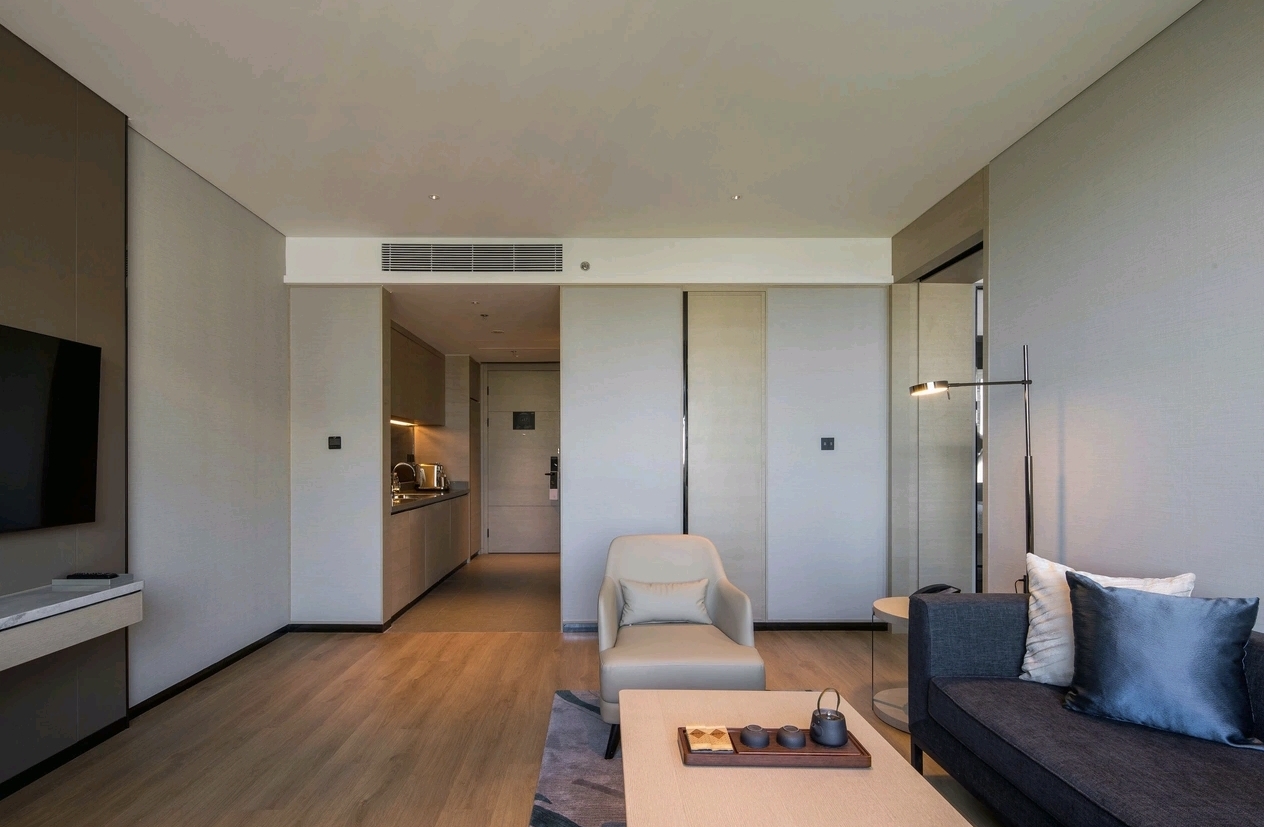
    Well-appointed hotel suite demonstrating optimized hotel furniture cost per room, with a spacious seating area, a large TV console, and elegant lighting fixtures.
    Well-appointed hotel suite demonstrating optimized hotel furniture cost per room, with a spacious seating area, a large TV console, and elegant lighting fixtures | Zhobai Hotel Furniture

    1. Commercial-Grade Durability & Material Specifications

    Hotel furniture endures relentless use, requiring construction far superior to residential items. Evaluate frame construction (e.g., kiln-dried solid hardwood, mortise-and-tenon joints), upholstery fabric abrasion ratings (e.g., double rubs exceeding 30,000), and surface finishes (e.g., high-pressure laminates, catalytic lacquers). Specifying these details prevents premature wear and keeps your hotel ffe cost per room breakdown predictable. For instance, a desk drawer built with dovetail joints and full-extension metal glides will outlast one with simple butt joints and plastic runners by many years, minimizing maintenance calls.

    minimalist hotel guestroom interior with custom wooden furniture and a large window view
    minimalist hotel guestroom interior with custom wooden furniture and a large window view | Zhobai Hotel Furniture

    2. Customization vs. Standard Inventory

    While standard inventory can offer quicker lead times, custom hotel furniture cost often proves more economical long-term for brand consistency and optimal space utilization. Custom pieces allow for precise dimensions, material selections, and design elements that perfectly reflect your brand identity. For example, a custom-designed headboard with integrated lighting and USB charging ports can enhance guest convenience and elevate the room’s aesthetic beyond what an off-the-shelf option could achieve. This also helps control your hotel furniture budget allocation by avoiding compromises that might require later adjustments.

    minimalist hotel guestroom interior with custom wooden furniture and a large window view
    minimalist hotel guestroom interior with custom wooden furniture and a large window view | Zhobai Hotel Furniture

    3. Lifecycle Cost & Return on Investment (ROI)

    Focus on the total cost of ownership, not just the purchase price. A cheaper initial investment in furniture that fails in 3-5 years generates negative ROI. Contract-grade furniture, designed for 8-10 years of heavy use, provides superior value. Consider the cost of repairs, replacements, and the impact of worn furniture on guest satisfaction and ADR. Investing an extra 15-20% upfront for robust construction can save 50% or more in replacement costs over a decade. This strategic approach ensures your mastering commercial customization hotels project yields long-term financial benefits.

    Luxurious bedroom featuring modern furniture and elegant decor, bathed in natural light.
    Luxurious bedroom featuring modern furniture and elegant decor, bathed in natural light | Zhobai Hotel Furniture

    4. Supply Chain Transparency & Logistics

    A reputable supplier offers full transparency on manufacturing processes, material origins, and logistics. Understand their lead times, shipping methods, and installation capabilities. Delays in furniture delivery can stall an entire hotel opening, incurring significant financial penalties. A supplier with a robust, integrated supply chain can manage everything from factory floor to room installation, minimizing risks and ensuring adherence to your project timeline. Look for partners who provide clear project management timelines and regular progress updates, especially for complex global projects.

    minimalist hotel guestroom interior with custom wooden furniture and a large window view
    minimalist hotel guestroom interior with custom wooden furniture and a large window view | Zhobai Hotel Furniture

    5. Certifications & Compliance

    Ensure all furniture complies with international safety and environmental standards. Look for certifications like ISO (quality management), CE (European conformity), SGS (testing and inspection), and relevant fire retardancy ratings (e.g., CAL 117, BS 5852). These certifications are non-negotiable for guest safety and regulatory compliance. They also provide assurance of manufacturing quality and ethical practices. Partnering with a certified manufacturer like Zhobai Hotel Furniture provides peace of mind regarding adherence to stringent global standards. For luxury properties, a high-quality supplier might also offer tailored solutions, as seen in projects like the Ritz Carlton Kazakhstan Hotel Furniture.

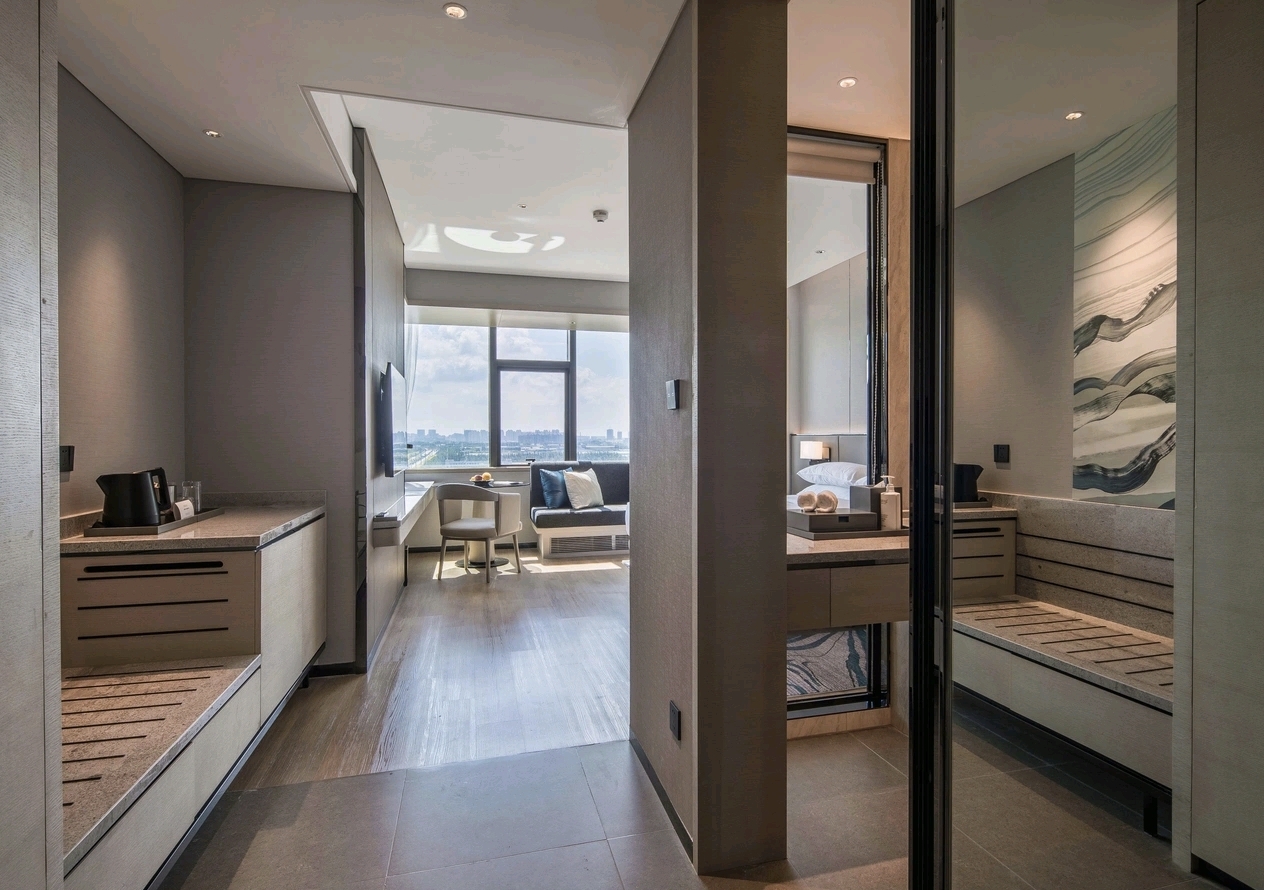
    Spacious hotel room featuring a comfy bed, stylish furniture, and elegant lighting for a luxurious stay.
    Spacious hotel room featuring a comfy bed, stylish furniture, and elegant lighting for a luxurious stay | Zhobai Hotel Furniture
    Evaluation Criterion Key Considerations for Hotel FF&E Impact on Hotel Furniture Cost Per Room
    Material Grade Solid hardwood, engineered wood with veneers, HPL. Fabric abrasion resistance (e.g., 50,000+ double rubs). Higher grade materials increase initial cost but significantly reduce long-term replacement frequency, lowering effective annual cost.
    Construction Quality Mortise-and-tenon joints, reinforced stress points, fully welded metal frames, commercial-grade hardware. Prevents premature structural failure. Minimizes repair costs and guest complaints, protecting your investment.
    Design & Customization Bespoke dimensions, integrated technology, brand-specific finishes. Optimizes space and enhances brand identity. Custom options can be value-engineered to fit your hotel furniture budget allocation without sacrificing aesthetic.
    Certifications & Warranty ISO, CE, fire ratings, chemical emissions. Comprehensive 5-10 year warranty on structural components. Ensures safety, compliance, and manufacturer accountability. Mitigates risk of unexpected costs from defects or regulatory issues.
    Logistics & Installation Turnkey solutions, global shipping experience, professional installation team, on-site project management. Reduces project delays, minimizes damage, and ensures efficient setup, directly impacting overall project cost and timeline.

    What Separates a Good Supplier from a Great One

    Identifying a truly great furniture supplier is critical for managing your hotel furniture cost per room effectively. It goes beyond competitive pricing; it’s about partnership, expertise, and a proven track record. Ask these concrete questions:

    elegant hotel suite with bespoke upholstered sofa and sophisticated lighting
    elegant hotel suite with bespoke upholstered sofa and sophisticated lighting | Zhobai Hotel Furniture
    • Does the supplier offer in-house design and engineering? A great supplier, like Zhobai Hotel Furniture, has a professional in-house design team that collaborates with your interior designers. This ensures design intent is translated accurately into manufacturing, allowing for value engineering without compromising aesthetics.
    • What is their project management methodology? Look for a dedicated project manager who provides regular updates, detailed shop drawings, and a clear communication plan. This proactive approach prevents miscommunications and keeps your project on schedule.
    • Can they demonstrate rigorous Quality Control (QC) processes? Ask for details on their multi-stage QC checks, from raw material inspection to final product packaging. A great supplier implements stringent checks at every production phase, minimizing defects and ensuring consistency across bulk orders.
    • What kind of warranty and after-sales support do they provide? A robust warranty (e.g., 5-10 years on structural components) and responsive after-sales service are indicators of confidence in their product. This ensures long-term support and addresses any unforeseen issues efficiently.
    • Do they have extensive global logistics and installation experience? For international projects, a supplier’s ability to navigate customs, manage freight, and coordinate on-site installation seamlessly is invaluable. A one-stop solution provider handles these complexities, saving you time and preventing costly delays.
    • Can they provide specific case studies for similar projects? Reviewing their portfolio for projects of similar scale and segment provides tangible proof of their capabilities and understanding of diverse brand standards.

    Red Flags and Non-Negotiables — When to Walk Away

    Navigating the procurement landscape means recognizing potential pitfalls that can inflate your hotel furniture cost per room and derail your project. Be vigilant for these warning signs:

    Luxurious hotel room displaying modern interior design with elegant wooden furnishings.
    Luxurious hotel room displaying modern interior design with elegant wooden furnishings | Zhobai Hotel Furniture
    • Lack of Transparency in Pricing or Materials: If a supplier is vague about material specifications, manufacturing origins, or how their pricing is structured, it’s a major red flag. Insist on detailed bills of materials and clear quotes.
    • Absence of Industry Certifications: A supplier without internationally recognized certifications (ISO, CE, SGS) cannot guarantee consistent quality, safety, or ethical production standards. This exposes your project to significant risks.
    • Poor Communication and Unresponsive Project Management: Early indicators of slow responses, unclear answers, or a lack of a dedicated project manager suggest future communication breakdowns, leading to delays and errors. This directly impacts your hotel furniture budget allocation through unforeseen costs.
    • Unrealistic Timelines and Promises: Be wary of suppliers promising exceptionally fast turnaround times that seem too good to be true, especially for custom orders. Quality manufacturing takes time, and rushed production often compromises durability. For instance, a complex custom order typically requires 10-14 weeks for production and 4-6 weeks for shipping.
    • No Clear Warranty or After-Sales Policy: A supplier unwilling to provide a comprehensive written warranty or outline their after-sales support policy indicates a lack of confidence in their product and a potential for future abandonment if issues arise.

    How Top Hotels Approach Hotel Furniture Cost Per Room Differently

    Leading hospitality brands optimize their hotel furniture cost per room by adopting strategic, long-term procurement practices. They understand that initial savings can be a false economy.

    Scenario 1: The Luxury Resort — Investing in Bespoke Durability

    A prominent international resort chain, undertaking a full renovation of 300 guestrooms in 2026, allocated a significant portion of their hotel renovation cost per room 2026 to FF&E. Instead of choosing lower-cost, mass-produced items, they opted for custom-engineered furniture with a projected lifespan of 12-15 years. They specified solid wood frames, high-performance fabrics with 80,000+ double rubs, and integrated smart technology solutions. The initial furniture cost per room was approximately $35,000. However, by working directly with a factory-direct manufacturer offering OEM/ODM services, they achieved a 20% saving compared to purchasing through a trading company, ensuring superior quality and long-term ROI.

    Scenario 2: The Upscale Business Hotel — Smart Value Engineering

    A new-build upscale business hotel with 150 rooms focused on a balance between modern aesthetics and practical durability within a $12,000 per room furniture budget. To manage their hotel furniture budget allocation, they utilized smart value engineering. For casegoods, they chose high-pressure laminates (HPL) with realistic wood grain finishes over more expensive wood veneers in high-traffic areas, while using solid wood accents for key visual elements. For seating, they selected upholstery with a 50,000 double rub rating, ensuring longevity without overspending. This approach delivered a sophisticated look and commercial-grade performance that will easily last 8-10 years, aligning perfectly with their brand’s guest experience expectations.

    Scenario 3: The Midscale Renovation — Streamlined Procurement for Efficiency

    A regional midscale hotel chain embarked on a 100-room renovation with a tight 6-month timeline and a furniture budget of $7,500 per room. Their priority was minimizing disruption and ensuring rapid deployment. They partnered with a supplier offering a comprehensive one-stop solution, from design consultation and manufacturing to logistics and installation. This streamlined approach prevented delays, ensuring all furniture arrived on schedule and was installed efficiently. By consolidating all FF&E procurement with a single, experienced partner, they avoided coordination headaches and kept their hotel renovation cost per room 2026 within budget and on time, allowing them to reopen rooms faster and maximize revenue.

    Your Action Plan — Next Steps for Your Project

    Navigating the complexities of hotel furniture procurement requires a systematic approach. Use this action plan to guide your next project and optimize your hotel furniture cost per room:

    1. Define Your Design Intent and Functional Needs: Clearly articulate your brand’s aesthetic, the guest experience you aim to create, and the specific functional requirements for each furniture piece.
    2. Establish a Realistic Budget Range: Based on your hotel segment and desired lifespan, set a realistic hotel furniture budget allocation per room. Include contingency for unforeseen elements.
    3. Develop Detailed Specifications: Create comprehensive specifications for materials, construction, finishes, and dimensions for every furniture item. This forms the basis for accurate quotes and quality control.
    4. Vet Potential Suppliers Rigorously: Use the checklist from this guide to evaluate suppliers on their design capabilities, manufacturing quality, certifications, project management, and after-sales support. Request references and visit their facilities if possible.
    5. Request Detailed Quotes and Lead Times: Obtain transparent, itemized quotes that clearly break down material costs, manufacturing, and logistics. Confirm realistic production and shipping lead times.
    6. Review Contracts Thoroughly: Ensure the contract specifies quality standards, warranty terms, delivery schedules, payment milestones, and any penalties for delays or non-compliance.
    7. Plan Logistics and Installation: Work with your chosen supplier to create a detailed logistics and installation plan that minimizes disruption to your operations. Consider a supplier that offers a full turnkey service for seamless execution.

    Optimizing your hotel furniture cost per room is a strategic investment in your property’s future, not just an expense. At Zhobai Hotel Furniture, we understand the high stakes involved in your bulk purchasing decisions. With over 15 years of experience, we provide a one-stop solution, from early-stage planning and bespoke design by our in-house team, through manufacturing and global logistics, to professional installation. Our factory-direct pricing and stringent certifications (CE, ISO, SGS, FDA) ensure you receive commercial-grade furniture built for longevity, precisely tailored to your vision and budget. Let us help you navigate the complexities and secure a durable, cost-effective solution for your next project. Start a conversation with our experts today to discuss your specific needs.

  • Mastering Commercial Customization for Hotels

    Mastering Commercial Customization for Hotels

    The 200-room boutique hotel, eagerly anticipated, opened three months behind schedule. The culprit? Not construction delays, but the ‘standard’ furniture delivered, which simply didn’t fit the unique room dimensions or align with the brand’s aesthetic vision. That delay alone cost the owner an estimated $280,000 in lost revenue and penalties, besides significant reputational damage. This common, yet avoidable, misstep underscores the critical importance of a strategic approach to furniture procurement.

    A sophisticated hotel guestroom featuring custom-designed wooden casegoods, a plush upholstered headboard, and an ergonomic desk chair, showcasing the benefits of commercial customization.
    A sophisticated hotel guestroom featuring custom-designed wooden casegoods, a plush upholstered headboard, and an ergonomic desk chair, showcasing the benefits of commercial customization | Zhobai Hotel Furniture

    The Real Cost of Getting Commercial Customization Wrong

    Beyond the initial budget, failed Commercial Customization can erode profits significantly. Imagine a guestroom where the desk doesn’t quite fit the alcove, or a wardrobe door constantly snags on the wall. These seemingly minor misalignments, when multiplied across 150-200 rooms, lead to incessant maintenance calls, frustrated guests, and ultimately, a diluted brand experience.

    A detailed close-up of a custom hotel bathroom vanity with an integrated basin, a unique stone countertop, and elegant polished brass fixtures, highlighting precision in commercial customization.
    A detailed close-up of a custom hotel bathroom vanity with an integrated basin, a unique stone countertop, and elegant polished brass fixtures, highlighting precision in commercial customization | Zhobai Hotel Furniture

    Data from 2026 indicates that hotels with inconsistent design elements or poorly fitting furniture experience up to 15% lower guest satisfaction scores and a 5% reduction in repeat bookings. The hidden costs extend to accelerated replacement cycles, potentially every 3-5 years instead of 10-12, adding 200-300% to your FF&E expenditure over the asset’s operational lifespan. This isn’t merely an aesthetic concern; it directly impacts your Yield per Square Meter by reducing usable space and perceived value.

    An interior designer and a project manager collaboratively reviewing large-format shop drawings for custom hotel furniture while examining various material and finish samples, illustrating the meticulous design process for commercial customization.
    An interior designer and a project manager collaboratively reviewing large-format shop drawings for custom hotel furniture while examining various material and finish samples, illustrating the meticulous design process for commercial customization | Zhobai Hotel Furniture

    The Decision Framework — What to Evaluate Before You Choose

    Making high-value bulk purchasing decisions for custom furniture requires a structured approach. Before committing to a supplier, evaluate these critical aspects:

    A bustling manufacturing facility floor showing multiple sections of custom hotel headboards and nightstands in various stages of production, demonstrating the scale and craftsmanship involved in commercial customization.
    A bustling manufacturing facility floor showing multiple sections of custom hotel headboards and nightstands in various stages of production, demonstrating the scale and craftsmanship involved in commercial customization | Zhobai Hotel Furniture
    • Design Integrity & Brand Alignment: Can the supplier precisely translate your interior designer’s vision into tangible furniture? This includes matching specific brand guidelines, color palettes, and material finishes. True expertise ensures the furniture creates a cohesive and Distinctive Spatial Identity for your property, rather than just filling a space.
    • Material Specifications & Durability: Demand precise details on material grades. Is it E0-grade plywood, 304 stainless steel, or Crib 5 fire-retardant foam? Understand the construction methods for joints (e.g., dovetail, mortise and tenon) and surface treatments. These specifications are foundational to the furniture’s longevity and contribute significantly to Sustainable Asset Longevity.
    • Manufacturing Capabilities & Quality Control: Investigate whether the supplier boasts in-house production or outsources. What are their quality control checkpoints (e.g., 47-point inspection protocols, 30/60/90% progress reports)? How do they manage tolerances (e.g., ±0.5mm)? A robust QC process minimizes defects and costly rework.
    • Logistics & Installation Support: A great supplier manages more than just manufacturing. Can they handle global shipping, customs clearance, and precise site delivery coordination? Do they provide detailed packing lists, barcoding for easy identification, and comprehensive installation guides? This minimizes on-site delays and potential damage.
    • Project Management & Communication: For complex Commercial Customization projects, transparent communication is vital. Does the supplier provide a dedicated project manager, regular progress updates, and a clear change order process? Proactive communication prevents misunderstandings and keeps your project on track.
    Evaluation Aspect Standard Procurement Commercial Customization (Strategic Approach)
    Design Alignment Limited to catalog options; compromises on aesthetic often needed. Exact match to brand guidelines and designer vision; achieves a Distinctive Spatial Identity.
    Durability & Materials Often residential-grade; shorter lifespan (typically 3-5 years); material sourcing can be opaque. Contract-grade materials (e.g., E0 plywood, 304 stainless steel), engineered for 10+ years; certified for Sustainable Asset Longevity.
    Space Optimization Standard dimensions may lead to wasted space or awkward layouts. Tailored dimensions maximize Yield per Square Meter and enhance functionality within specific room layouts.
    Project Control Multiple vendors, fragmented communication, increased risk of inconsistencies. one-stop solution, dedicated project manager, regular QC reports, ensures seamless Multi-Scenario Adaptability.
    Long-Term Value Lower upfront costs, but higher replacement expenses and potential brand dilution over time. Higher initial investment, but superior ROI through extended durability and consistent brand delivery.

    What Separates a Good Supplier from a Great One

    When sourcing for Commercial Customization, the distinction between ‘good’ and ‘great’ lies in a supplier’s proactive expertise and transparent processes. Ask these specific questions to uncover their true capabilities:

    Spacious bedroom with modern minimalist design and cozy ambience.
    Spacious bedroom with modern minimalist design and cozy ambience | Zhobai Hotel Furniture
    • “Can you provide detailed shop drawings for every unique furniture piece, including material breakdowns, construction methods, and hardware specifications?” (Look for CAD proficiency and 3D rendering capabilities.)
    • “What is your typical lead time for a custom order of 200 guestroom sets, from the final shop drawing approval to ex-factory shipment?” (Expect a realistic timeframe of 12-16 weeks for complex production, plus shipping transit.)
    • “Describe your quality control process for Commercial Customization, from raw material inspection to in-line production checks and pre-shipment auditing.” (A great supplier provides clear methodologies, dedicated QC teams, and photographic/video reports at each stage.)
    • “How do you handle design changes mid-project, and what is the typical turnaround for updated samples or drawings?” (Transparency and agility in managing revisions are critical for project flow.)
    • “Do you offer mock-up room services, and what are the associated costs and timelines for a full mock-up?” (This is an essential step for large-scale projects to validate design and functionality.)
    • “What specific certifications do your materials and finished products hold (e.g., CE, ISO, SGS, FDA, BIFMA, CAL 117, Crib 5)?” (Compliance with international standards is non-negotiable for commercial hospitality furniture.)
    • “Can you provide references from similar 5-star hotel projects completed in the last 24 months, particularly those requiring specific Multi-Scenario Adaptability?” (Verify experience with comparable projects and global reach.)

    Red Flags and Non-Negotiables — When to Walk Away

    Even with careful planning, pitfalls exist in furniture procurement. Recognize these red flags early to protect your investment and project timeline:

    Men in a warehouse wearing masks, assembling and packing furniture into boxes with efficiency.
    Men in a warehouse wearing masks, assembling and packing furniture into boxes with efficiency | Zhobai Hotel Furniture
    1. Vague Specifications or “Too Good to Be True” Pricing: A supplier who avoids providing precise material grades, detailed joint construction methods, or offers prices significantly below market average (e.g., 20-30% lower than competitors) is likely cutting corners on quality, labor, or both. This will inevitably lead to premature furniture failure and higher long-term replacement costs.
    2. Lack of Transparency in Production: An inability or unwillingness to provide regular progress reports (30/60/90% milestones), factory tour options (virtual or in-person), or detailed QC documentation should raise immediate concerns. A reputable manufacturer welcomes scrutiny and offers full visibility into their operations.
    3. Inconsistent Communication & Missed Deadlines During Quote Phase: If a supplier is slow to respond to Requests for Quotation (RFQs) or consistently misses initial sample deadlines, this pattern will almost certainly worsen during full-scale production. Such unreliability can jeopardize your entire project timeline and budget.
    4. No Dedicated Project Management or In-House Design Support: For complex Commercial Customization, a single point of contact and an experienced in-house design team are crucial. Without them, communication breakdowns, design misinterpretations, and costly errors become almost inevitable.
    5. Unclear Warranty or After-Sales Support: A supplier unwilling to provide a clear, comprehensive warranty (e.g., a 5-year structural warranty) or a defined after-sales process for repairs and replacements indicates a lack of confidence in their product and a limited commitment to your project’s Sustainable Asset Longevity.

    How Top Hotels Approach Commercial Customization Differently

    Leading hospitality groups understand that furniture is a strategic asset, not just a line item. Their approach to Commercial Customization reflects this insight:

    Elegant bedroom interior featuring plush bed and seating with cozy ambiance lighting.
    Elegant bedroom interior featuring plush bed and seating with cozy ambiance lighting | Zhobai Hotel Furniture
    • Scenario 1: The Urban Boutique Revival (2026)
      A 120-room boutique hotel in a highly competitive metropolitan market aimed to establish a truly Distinctive Spatial Identity. Instead of compromising with off-the-shelf options, they partnered with a custom furniture manufacturer early in the design phase. The manufacturer’s in-house design team collaborated closely to create unique, space-saving built-in casegoods for compact rooms and visually striking lobby pieces. This proactive Commercial Customization ensured every piece was optimized for tight dimensions and reinforced the hotel’s unique brand, achieving 90% guest satisfaction in its first six months of operation.
    • Scenario 2: The Resort Expansion (2026)
      A luxury resort undertaking a 300-suite expansion faced varying room layouts and high durability requirements due to its tropical, high-humidity location. They prioritized Multi-Scenario Adaptability in their Commercial Customization strategy. The chosen supplier provided furniture engineered with specialized moisture-resistant finishes and high-grade solid wood components, designing modular pieces that could be configured efficiently for different suite types. This foresight minimized material waste and ensured a consistent high-end feel across diverse spaces, protecting their long-term Sustainable Asset Longevity.
    • Scenario 3: The Branded Chain Renovation (2026)
      A well-known international hotel brand renovated 180 rooms, needing precise adherence to corporate brand standards for their casegoods, but with a unique local aesthetic. Their procurement team focused on suppliers with strong OEM/ODM capabilities and a proven track record. Through rigorous mock-ups and material approvals, they ensured every desk, headboard, and vanity met both corporate design guidelines and local cultural nuances. This strategic Commercial Customization resulted in a seamless brand experience that felt authentic, boosting their Yield per Square Meter through increased average daily rates and positive guest reviews.

    Your Action Plan — Next Steps for Your Project

    Transforming your vision into reality with successful Commercial Customization requires a clear, executable roadmap. Follow these steps to ensure a smooth and effective procurement process:

    Two individuals evaluate a color palette brochure for interior design planning.
    Two individuals evaluate a color palette brochure for interior design planning | Zhobai Hotel Furniture
    1. Define Your Vision: Solidify your design concept, brand guidelines, and precise functional requirements. Clearly articulate the specific Distinctive Spatial Identity you aim to create for your property.
    2. Develop Detailed Specifications: Work closely with your interior design team to create comprehensive FF&E schedules, precise material specifications, and preliminary shop drawings. The more detail you provide, the more accurate your quotes will be.
    3. Identify Qualified Suppliers: Research manufacturers specializing in Commercial Customization for hospitality. Focus on their experience, certifications, global project portfolio, and the breadth of their services. Consider reviewing Zhobai Hotel Furniture’s global project portfolio for examples of successful implementations.
    4. Request Detailed Quotes & Samples: Provide your comprehensive specifications to 2-3 top-tier, pre-qualified suppliers. Insist on transparent pricing, detailed material breakdowns, and physical samples for critical finishes and construction elements.
    5. Conduct Thorough Due Diligence: Evaluate supplier capabilities through factory audits (virtual or in-person), comprehensive reference checks, and a meticulous review of their quality control processes.
    6. Secure a Comprehensive Contract: Ensure your final agreement includes clear timelines, payment schedules, precise material specifications, robust warranty terms, and a defined dispute resolution mechanism.

    Navigating the complexities of Commercial Customization requires a partner who understands both design intricacies and the operational demands of hospitality. Since 2010, Zhobai Hotel Furniture has specialized in delivering tailored furniture solutions for 5-star hotels, resorts, and boutique properties worldwide.

    Our one-stop solution, encompassing early-stage planning, in-house design, manufacturing, logistics, and installation, is built precisely to mitigate the risks discussed in this guide. We provide factory-direct pricing, certified quality (CE, ISO, SGS, FDA), and a steadfast commitment to transforming your vision into furniture that enhances your Yield per Square Meter and ensures Sustainable Asset Longevity. Ready to discuss your next project’s Commercial Customization needs? Contact Zhobai Hotel Furniture today to start a conversation with our expert team.

  • Navigating Hotel Furniture Trends UAE 2026

    Navigating Hotel Furniture Trends UAE 2026

    Imagine completing a multi-million-dollar hotel renovation in Dubai, only to discover within 18 months that your custom furniture, despite its initial appeal, already feels dated. Your competitors, who anticipated the shift towards integrated technology and sustainable materials, are now boasting higher occupancy rates and superior guest reviews, directly attributing their success to forward-thinking FF&E choices. This isn’t a hypothetical scenario; it’s a costly missed opportunity many hotel procurement managers face by failing to align their sourcing strategy with emerging Hotel Furniture Trends UAE 2026.

    A modern hotel guestroom featuring a custom wooden headboard, integrated smart lighting controls, and a minimalist desk, reflecting Hotel Furniture Trends UAE 2026.
    A modern hotel guestroom featuring a custom wooden headboard, integrated smart lighting controls, and a minimalist desk, reflecting Hotel Furniture Trends UAE 2026 | Zhobai Hotel Furniture

    The Real Cost of Getting Hotel Furniture Trends UAE 2026 Wrong

    Misjudging the trajectory of Hotel Furniture Trends UAE 2026 translates directly into significant financial repercussions and operational inefficiencies. An investment in outdated designs or non-durable materials means accelerated depreciation and premature replacement cycles. For a 200-key upscale hotel, replacing guestroom furniture just two years early can incur an unplanned expenditure of AED 3-5 million, not including the disruption to guest experience and potential revenue loss during refurbishment.

    A vibrant hotel lobby with modular seating pods in earthy tones, a large biophilic wall installation, and integrated charging points, showcasing Biophilic Hotel Interior Design UAE.
    A vibrant hotel lobby with modular seating pods in earthy tones, a large biophilic wall installation, and integrated charging points, showcasing Biophilic Hotel Interior Design UAE | Zhobai Hotel Furniture

    Beyond the direct costs, there’s the intangible but impactful damage to your brand reputation. In a market as competitive as the UAE, where guests expect innovation and a curated experience, furniture that falls short of expectations can lead to negative online reviews, diminished perceived value, and ultimately, lower average daily rates (ADR) and reduced occupancy. Furthermore, a lack of foresight regarding sustainability or smart technology integration can render your property less attractive to the increasingly eco-conscious and tech-savvy traveler, putting you at a significant disadvantage.
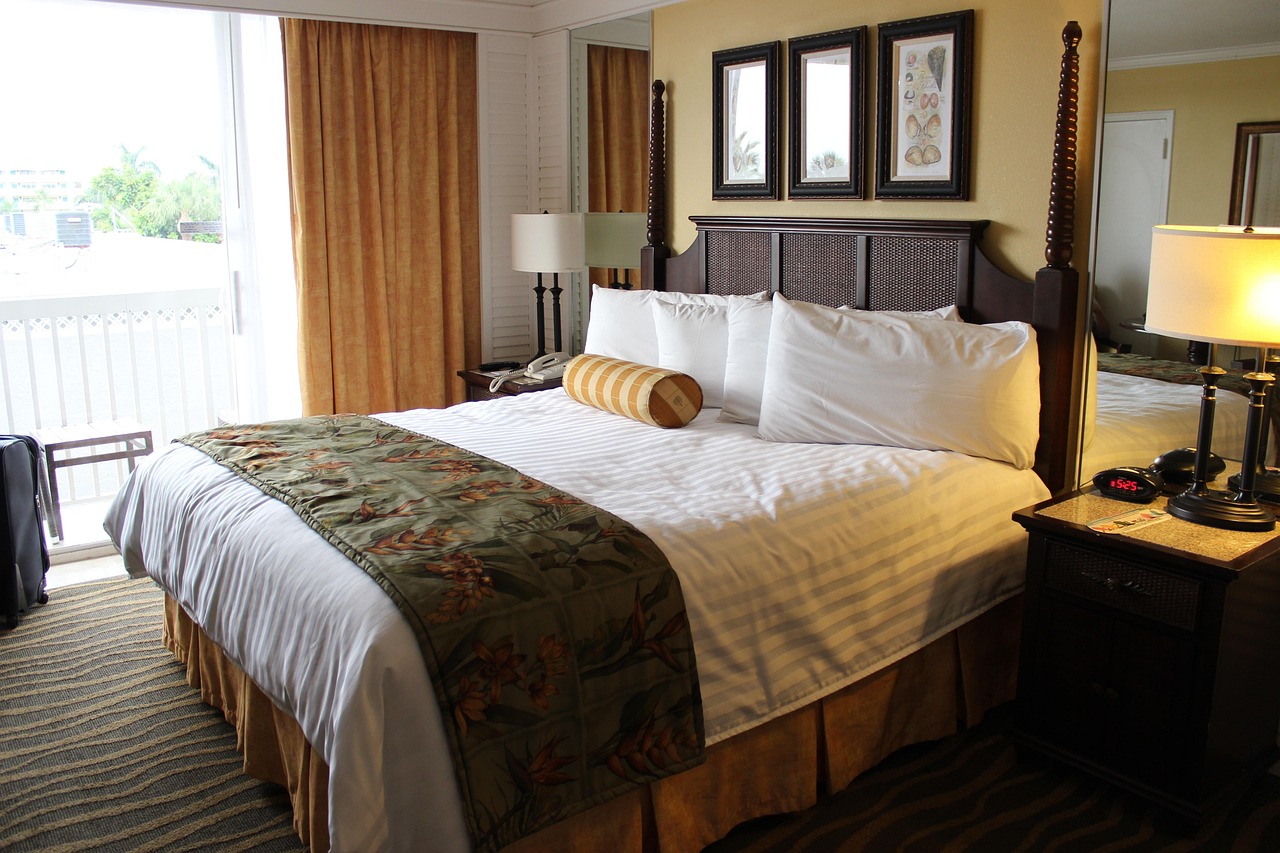
    A detailed close-up of a high-quality hotel furniture joint, showing precision craftsmanship and durable materials, crucial for longevity in Hotel Furniture Trends UAE 2026.
    A detailed close-up of a high-quality hotel furniture joint, showing precision craftsmanship and durable materials, crucial for longevity in Hotel Furniture Trends UAE 2026 | Zhobai Hotel Furniture

    The Decision Framework — What to Evaluate Before You Choose

    Making informed FF&E decisions requires a robust framework that goes beyond aesthetics. Here are the critical criteria to evaluate for your upcoming projects:

    modern hotel lobby with flexible seating arrangements and natural plant elements
    modern hotel lobby with flexible seating arrangements and natural plant elements | Zhobai Hotel Furniture

    1. Durability and Material Science for High-Traffic Environments

    The UAE’s hospitality sector operates with exceptionally high occupancy rates, demanding furniture built to withstand constant use and diverse climates. Focus on materials engineered for longevity. For case goods, specify solid wood frames with multi-ply wood panels, and moisture-resistant veneers. For upholstery, look for fabrics with a minimum Martindale rub count of 50,000 for guestrooms and 100,000 for public areas, treated for stain and fire resistance. Stainless steel (304 grade) is essential for outdoor or semi-outdoor applications, ensuring corrosion resistance in the humid coastal environment. Choosing materials designed for a 7-10 year lifecycle, rather than a 3-5 year one, can reduce your Hotel Furniture Cost Per Key UAE by up to 40% over a decade.

    Luxurious hotel bedroom featuring stylish decor and comfortable furnishings in a modern setting.
    Luxurious hotel bedroom featuring stylish decor and comfortable furnishings in a modern setting | Zhobai Hotel Furniture

    2. Sustainability and Ethical Sourcing

    Guests and corporate clients alike are prioritizing sustainability. Incorporate this into your procurement strategy. Demand FSC-certified wood, recycled or upcycled materials (e.g., recycled PET fabrics, reclaimed metal), and low-VOC (Volatile Organic Compound) finishes to ensure superior indoor air quality. A focus on Biophilic Hotel Interior Design UAE elements, such as natural wood grains, plant-integrated furniture, and organic textures, not only aligns with environmental values but also creates a calming, natural ambiance that enhances guest well-being. This commitment can significantly bolster your property’s green credentials and appeal.

    Interior of contemporary spacious lobby without people with white leather sofa and long black carpet
    Interior of contemporary spacious lobby without people with white leather sofa and long black carpet | Zhobai Hotel Furniture

    3. Integrated Technology and Smart Functionality

    The modern guest expects seamless connectivity. Smart Hotel Furniture Dubai integrates technology discreetly. Look for pieces with built-in wireless charging pads (Qi-compatible), hidden USB-C and standard power outlets, and smart lighting controls. Desks and nightstands should offer integrated cable management systems, ensuring a clutter-free environment. Consider furniture with occupancy sensors that can trigger climate control or lighting adjustments, optimizing energy consumption and guest comfort. These features are no longer luxuries; they are expected amenities that enhance the guest experience and operational efficiency.

    minimalist hotel guestroom with integrated technology and custom wooden furniture
    minimalist hotel guestroom with integrated technology and custom wooden furniture | Zhobai Hotel Furniture

    4. Design Versatility and Customization Potential

    The ability to customize furniture ensures your property stands out. Seek suppliers who offer a robust design service capable of translating your brand identity into bespoke pieces. This includes custom dimensions, finishes, and material combinations. For public spaces, particularly lobbies, the Lobby Furniture Trends UAE lean towards modular, reconfigurable elements that can adapt to various functions – from co-working spaces to informal gathering zones. This flexibility maximizes the utility of your space and caters to diverse guest needs throughout the day.

    Luxurious hotel lobby featuring a classic sofa set and elegant floral arrangements.
    Luxurious hotel lobby featuring a classic sofa set and elegant floral arrangements | Zhobai Hotel Furniture

    5. Total Cost of Ownership (TCO)

    Beyond the initial purchase price, evaluate the TCO, which includes shipping, installation, maintenance, and projected replacement costs. A seemingly higher initial investment in durable, high-quality furniture can significantly reduce TCO over time by minimizing repairs and extending the lifecycle. Request detailed breakdowns of warranties, after-sales support, and spare parts availability. This holistic view of the Hotel Furniture Cost Per Key UAE provides a true picture of the investment.

    Elegant hotel room featuring a workspace, modern decor, and ample lighting.
    Elegant hotel room featuring a workspace, modern decor, and ample lighting | Zhobai Hotel Furniture
    Evaluation Criterion Key Considerations for UAE Hotels Impact on Project Value
    **Durability & Materials** Martindale >50k, 304 SS, moisture/fire resistant finishes. Reduces replacement cycles by 30-50%, cuts maintenance costs by 15-20%.
    **Sustainability & Sourcing** FSC-certified wood, low-VOC, recycled materials, biophilic elements. Enhances brand image, attracts eco-conscious guests, potential for LEED/Estidama certification points.
    **Technology Integration** Wireless charging, hidden power, smart lighting, cable management. Improves guest satisfaction scores by 10-15%, boosts perceived value, future-proofs rooms.
    **Design & Customization** Bespoke dimensions, finishes, modularity for public spaces. Creates unique brand identity, maximizes space utilization, adapts to changing guest needs.
    **Total Cost of Ownership** Warranty, after-sales, installation, projected maintenance/replacement. Optimizes long-term budget, avoids unforeseen expenditures, ensures operational stability.

    What Separates a Good Supplier from a Great One

    Choosing the right FF&E partner is as crucial as the furniture itself. A great supplier acts as an extension of your team, anticipating challenges and offering solutions.

    A beautifully designed hotel room featuring a TV, armchair, and elegant decor, perfect for travelers.
    A beautifully designed hotel room featuring a TV, armchair, and elegant decor, perfect for travelers | Zhobai Hotel Furniture
    • Integrated Design & Manufacturing Capabilities: Does the supplier have an in-house design team that can translate your vision into technical drawings and prototypes? This reduces communication gaps and ensures design integrity from concept to completion. Zhobai Hotel Furniture, for instance, operates with a professional in-house design team that crafts tailored spaces for each client, ensuring design fidelity.

    • one-stop solution Provider: A supplier offering end-to-end services – from early-stage planning and design to manufacturing, logistics, and installation – streamlines the entire procurement process. This reduces coordination complexities, minimizes delays, and ensures accountability across all project phases. A true one-stop solution can cut project timelines by up to 15%.

    • Verifiable Global Experience and Certifications: Can they demonstrate successful projects in markets with similar demands to the UAE? Look for a portfolio that showcases complex custom work and adherence to international quality standards. Certifications like CE, ISO, SGS, and FDA are non-negotiable indicators of manufacturing excellence and material compliance. Zhobai’s 15+ years of experience and global export reach, including successful projects in the UAE like Kempinski Dubai Marina Hotel Furniture, underscore this capability.

    • Transparent Supply Chain & OEM/ODM Flexibility: A great supplier provides full transparency regarding material sourcing, manufacturing processes, and quality control checkpoints. Their ability to offer OEM (Original Equipment Manufacturer) and ODM (Original Design Manufacturer) services means they can produce furniture based on your exact specifications or develop new designs collaboratively, offering significant design and cost flexibility.

    • Robust Logistics & After-Sales Support: Timely delivery and professional installation are critical. Inquire about their logistics network, packaging standards for international shipping, and on-site installation expertise. Furthermore, a comprehensive warranty and readily available spare parts demonstrate a commitment to long-term partnership, safeguarding your investment for years.

    Red Flags and Non-Negotiables — When to Walk Away

    Navigating FF&E procurement requires vigilance. Knowing when to disengage from a potential supplier can save millions and prevent project derailment.

    • Lack of Transparency on Materials or Manufacturing: If a supplier is vague about material specifications, country of origin for components, or refuses factory visits/third-party inspections, consider it a major red flag. This often indicates substandard materials or questionable production practices that will impact durability and guest safety.

    • Unrealistic Lead Times or Pricing: Be wary of quotes that are significantly lower than market averages or promise delivery timelines that seem impossible for custom work. Custom furniture, especially for large projects, requires meticulous planning, prototyping, and production. A 200-key hotel project typically demands a 12-16 week production timeline post-approval. Promises of 6-8 weeks are often indicative of cut corners or a lack of understanding of complex logistics.

    • Poor Communication & Lack of Dedicated Project Management: During the initial proposal and design phases, evaluate their responsiveness and clarity. If communication is slow, inconsistent, or if they lack a dedicated project manager for your account, this inefficiency will only escalate once production begins. Effective communication is the bedrock of successful procurement.

    • Absence of Verifiable Certifications or Project Portfolio: Any reputable FF&E manufacturer will proudly display their quality certifications (ISO, CE, SGS) and provide a robust portfolio of past projects, ideally with client references. If these are missing or difficult to verify, it suggests a lack of established quality control and industry credibility.

    • No Clear Warranty or After-Sales Service: Furniture is a significant investment. A supplier unwilling to offer a clear, comprehensive warranty (typically 1-5 years depending on components) or provide details on after-sales support (spare parts, repair services) is not a partner you can trust for the long term. This omission signals a lack of confidence in their product’s longevity.

    How Top Hotels Approach Hotel Furniture Trends UAE 2026 Differently

    Leading hospitality groups in the UAE integrate foresight and strategic partnerships into their FF&E procurement, particularly concerning Hotel Furniture Trends UAE 2026. They understand that furniture is not merely decor, but a critical component of guest experience and operational sustainability.

    • Scenario: The Eco-Resort’s Biophilic Edge. A new luxury eco-resort in Ras Al Khaimah, targeting discerning travelers, prioritized Biophilic Hotel Interior Design UAE. Instead of simply adding potted plants, they commissioned custom furniture featuring integrated living walls, tables crafted from sustainably sourced, naturally-finished acacia wood, and upholstery made from recycled ocean plastic fibers. Their procurement team worked directly with a manufacturer capable of producing bespoke pieces that blended seamlessly with the natural environment, ensuring every guest touchpoint reinforced their sustainability ethos. This commitment resulted in a 25% higher booking rate from eco-conscious travelers within its first year.

    • Scenario: The Smart Urban Hotel’s Seamless Connectivity. A 5-star business hotel in Downtown Dubai, undergoing a full renovation, focused heavily on integrating Smart Hotel Furniture Dubai. Their guestroom bedside tables featured embedded wireless chargers and discreet USB-C ports, while executive desks included hidden power strips and smart lighting controls. The lobby area incorporated modular seating with integrated charging stations and privacy pods equipped with acoustic dampening. This foresight in technology integration led to a 15% increase in guest satisfaction scores related to in-room amenities and connectivity, crucial for their business clientele.

    • Scenario: The Boutique Hotel’s Curated Social Hub. A boutique hotel near Jumeirah Beach Residence reimagined its ground floor to reflect evolving Lobby Furniture Trends UAE. They moved away from a traditional reception desk, opting for a series of sculptural, fluted-stone pods and comfortable, residential-style seating arrangements. Modular sofas and adaptable side tables allowed the space to transform from a quiet morning coffee spot to a vibrant evening lounge. This flexible design, delivered by a supplier with strong custom furniture capabilities, increased F&B revenue from the lobby by 30% by creating a dynamic, multi-functional social hub.

    Your Action Plan — Next Steps for Your Project

    Translating these insights into actionable steps is crucial for a successful FF&E procurement strategy:

    1. Define Your Vision & Budget: Clearly articulate your aesthetic, functional, and sustainability goals. Establish a realistic budget, including the Hotel Furniture Cost Per Key UAE, for each hotel tier or area within your property. Consider TCO, not just initial cost.

    2. Research & Shortlist Suppliers: Identify 3-5 potential FF&E manufacturers with verifiable experience in custom hotel furniture and a strong portfolio in the UAE or similar markets. Prioritize those with in-house design and comprehensive service offerings.

    3. Develop Detailed Specifications: Work with your design team to create precise material, dimension, and finish specifications for every furniture piece. Include requirements for durability, sustainability, and technology integration, aligning with current custom furniture services trends.

    4. Request Proposals & Samples: Issue RFPs to your shortlisted suppliers, demanding detailed quotes, lead times, warranties, and project management plans. Request physical samples or prototypes for critical items to assess quality firsthand.

    5. Conduct Due Diligence & Site Visits: Verify supplier certifications and review their project references. If feasible, arrange factory visits to inspect manufacturing capabilities and quality control processes.

    6. Finalize Partnership & Contract: Select the supplier that best aligns with your project’s needs, budget, and long-term vision. Ensure a comprehensive contract covers all aspects, including payment terms, delivery schedules, quality control, and after-sales support.

    Navigating the complex landscape of Hotel Furniture Trends UAE 2026 demands a strategic, informed approach. The right partner provides not just furniture, but a deep understanding of market dynamics, material science, and design innovation. Zhobai Hotel Furniture, with 15+ years of experience specializing in custom furniture for 5-star hotels and resorts worldwide, offers a complete one-stop solution from early-stage planning and design through to logistics and installation. Our certifications, global export experience, and commitment to factory-direct pricing are built around these exact principles, ensuring your investment in Hotel Furniture Trends UAE 2026 yields maximum returns. Start a conversation with our expert team today to discuss how we can bring your next hospitality vision to life.

  • DoubleTree by Hilton Zhengzhou East FF&E

    DoubleTree by Hilton Zhengzhou East FF&E

    Project Overview

    The DoubleTree by Hilton Zhengzhou East opens on 31 July 2025 as one of the most strategically positioned high-end business hotels in central China — occupying a prime address on Shunyi Street, Golden Water District, directly adjacent to the east plaza of Zhengzhou East High-Speed Rail Station, the nation’s largest high-speed rail hub. Zhobai Hotel Furniture was engaged as the exclusive FF&E partner for this 280-room property, supplying and installing the complete furniture programme across all guest-facing spaces: lobby, guestrooms, dining venues, meeting and banquet facilities, and the third-floor recreation level. The project represents one of our most elaborate engagements with a Hilton-brand opening in Central China, and the first time Zhobai has furnished a property designed by PLD — the Hong Kong practice of Liu Bo, whose Song Dynasty-inspired new Chinese aesthetic gave this project its singular design character.

    The Song Dynasty (宋式) light-luxury concept that defines the DoubleTree Zhengzhou East is not a decorative choice but a philosophical one. Song-period Chinese aesthetics — restraint, natural material honesty, ink-wash tonal range, and the subordination of ornament to proportion — translate with remarkable precision into the idiom of contemporary luxury hospitality. For Zhobai’s design and production team, working to this brief meant sourcing materials that carry genuine cultural weight: stone finishes that reference celadon glaze, timber species with the warm grey undertones of aged scholar’s wood, and textile weaves drawn from Song silk traditions. Every furniture piece we produced for this hotel is legible within that framework without being literal or costume-like — contemporary in execution, Chinese in soul.

    Lobby and Arrival Spaces

    The lobby of DoubleTree Zhengzhou East is among the most architecturally considered arrival environments Zhobai has furnished in recent years. The design uses a monumental feature wall — a digital scenic installation depicting ink-wash landscapes of the Yellow River and Song-era architectural motifs — as the focal point that orientates every furniture arrangement in the public ground floor. Zhobai’s lobby FF&E programme was developed in direct response to this wall, with furniture pieces positioned as frames for the installation rather than autonomous objects competing with it.

    Lobby central sight wall lounge at DoubleTree Zhengzhou East
    The lobby’s central lounge is oriented toward the feature scenic wall; Zhobai positioned a pair of bespoke curved sofas in a warm celadon-toned velvet as the primary seating anchor, their arched backs referencing the rounded window forms of Song-era architecture.
    Lobby reception counter area at DoubleTree Zhengzhou East
    The reception counter — a Zhobai millwork fabrication in a warm grey stone-effect laminate with brushed bronze hardware — extends over six metres to accommodate four simultaneous check-in positions for the high-volume transit guests arriving from Zhengzhou East Station.
    Lobby sofa waiting lounge at DoubleTree Zhengzhou East
    The lobby waiting lounge uses Zhobai’s modular sofa system in a warm sand-and-slate palette, with occasional tables in a honed grey marble — a material that carries the celadon-tone reference throughout the public floor programme.
    Lobby corner sofa casual lounge at DoubleTree Zhengzhou East
    The corner sofa lounge zone provides an intimate enclosure within the open lobby — Zhobai’s L-configuration sofa modules in a warm terracotta bouclé create a visual separation from the main circulation without requiring physical partitioning.
    Lobby deep corridor passageway at DoubleTree Zhengzhou East
    The lobby corridor connecting the arrival zone to the lift lobby: Zhobai specified a continuous wall-mounted console run in smoked oak, with coordinated artwork lighting brackets and floor-level plinth units that maintain the Song-era tonal language through the transition space.
    Lobby sight corridor and secondary entrance at DoubleTree Zhengzhou East
    The secondary entrance corridor leading from the hotel’s street-level access point; Zhobai supplied a bespoke welcome console table in dark walnut with a honed stone surface — positioned as the first furniture encounter for guests entering via this route.
    Lobby business manager office at DoubleTree Zhengzhou East
    The business manager’s office adjacent to the lobby: Zhobai supplied the desk unit, executive chair, and visitor seating in the same warm material palette as the public lobby, ensuring visual continuity between the guest-facing and staff-facing spaces at ground level.

    The reception counter at DoubleTree Zhengzhou East is the lobby’s single most important FF&E piece by both functional and symbolic measure. Located directly opposite the hotel’s main entrance — facing the axis from Zhengzhou East Station’s east plaza — the counter is the first furniture element every arriving guest encounters. Zhobai designed it as a low, horizon-line piece: 900 mm in height rather than the 1,050 mm conventional in Chinese hotel lobbies, a deliberate decision to maintain visual connectivity between the guest standing at check-in and the scenic feature wall beyond. The counter surface in honed white marble provides the brightness required by Hilton’s brand lighting standards, while the body cladding in a warm grey stone-effect laminate with horizontal grain — referencing the striated sediment layers of the Yellow River karst — grounds the counter in its Central China context.

    Guestrooms: 280 Keys Across Five Room Categories

    The 280 guestrooms and suites at DoubleTree Zhengzhou East occupy floors three through seventeen, with all rooms benefiting from floor-to-ceiling glazing and views across either the Zhengzhou cityscape or the Qili River (七里河) water corridor that runs adjacent to the property. Hilton’s DoubleTree brand carries specific FF&E standards — the Sweet Dreams by DoubleTree bed specification, in particular, is non-negotiable — and Zhobai’s project team worked directly with Hilton’s Asia-Pacific architecture and construction team to obtain brand approval for all custom pieces before fabrication commenced. The Song-era aesthetic was introduced through material and proportional decisions that comply with brand standards while distinctly exceeding their minimum requirements.

    Standard Twin entry hall bedroom at DoubleTree Zhengzhou East
    The standard twin room’s entry hall: Zhobai’s mirrored wardrobe door system with recessed push-to-open handles maximises the perceived width of the entry zone, while the warm oak-toned laminate on the wardrobe doors introduces the room’s material identity at first glance.
    Deluxe King cityview guestroom at DoubleTree Zhengzhou East
    The Deluxe King Cityview guestroom: Zhobai’s platform bed base in a warm walnut tone, bespoke headboard in a structured ivory linen, and matching bedside table pair establish the room’s furniture language — restrained, contemporary, and unmistakably rooted in Song-era proportional discipline.
    Deluxe Twin cityview guestroom at DoubleTree Zhengzhou East
    The Deluxe Twin configuration uses the same headboard panel system as the king room, adapted to two single-bed positions; Zhobai’s central luggage bench serves as both a physical divider between the two sleeping zones and a practical surface for guest use.
    Lake view King room with bathtub at DoubleTree Zhengzhou East
    The Qili River view King room features an in-room soaking tub positioned to face the floor-to-ceiling riverside window — Zhobai supplied the teak bath bridge, stone-top side table, and full accessory programme in a coordinated brushed bronze finish.
    High-floor King bedroom with night city view at DoubleTree Zhengzhou East
    A high-floor King room at night, with Zhengzhou’s east district skyline as backdrop: Zhobai’s motorised blackout curtain system — paired with a sheer voile inner layer — allows guests to modulate the city light view without leaving the bed.

    The headboard is the room’s defining furniture piece, and Zhobai invested considerable design effort in developing a form that works across all room categories while adapting to each tier’s proportional requirements. The standard headboard is an arched panel in a structured ivory linen, 1,300 mm tall — the arch referencing the rounded windows of Song-era pavilion architecture that run as a visual motif through PLD’s design. In executive-floor rooms, the headboard height increases to 1,500 mm and the fabric transitions to a more textured silk-mix weave, creating a perceptible quality distinction without departing from the shared design language. Suite headboards are fully upholstered panels spanning the full wall width behind the bed — a configuration that transforms the bed wall into an architectural statement rather than a piece of furniture.
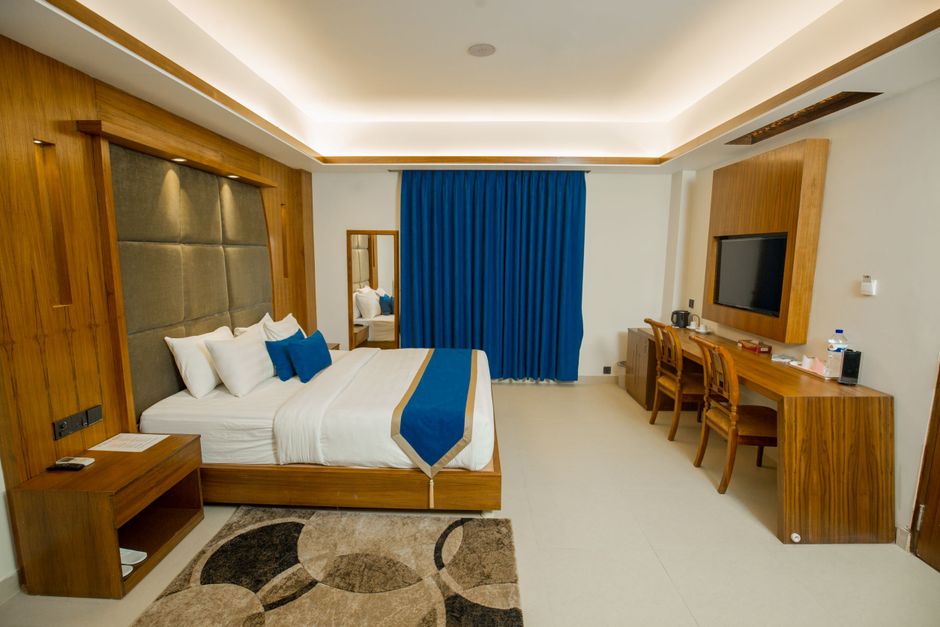
    The Qili River view rooms required a specific furniture adaptation: with the river prospect as the room’s primary asset, Zhobai specified lower-profile occasional seating — a 420-mm seat-height lounge chair rather than the standard 450-mm model — positioned at the window to maintain unobstructed sightlines from the bed to the glass. In rooms with the in-room soaking tub, the tub is positioned on a low stone plinth aligned with the window axis, and Zhobai’s teak bath bridge and bronze accessory programme were specified to sit visually within the room’s palette rather than appearing as imported bathroom catalogue items.

    Dining: Two Signature Restaurants and the Lobby Lounge

    Qu — All-Day Dining Restaurant

    The ground-floor Qu Restaurant is DoubleTree Zhengzhou East’s primary dining venue — a full-service all-day space that opens at 6:30 AM for the mixed Chinese-and-Western breakfast buffet, transitions to à la carte service through the day, and hosts a seafood buffet dinner programme that has already established itself as a leisure dining destination in the Zhengzhou East district. With floor-to-ceiling windows on the garden-facing elevation, the restaurant’s design prioritises the connection between the interior dining environment and the outdoor landscape — a priority that shaped Zhobai’s furniture specification from the outset.

    All-day dining window zone at DoubleTree Zhengzhou East
    The window dining zone in the Qu Restaurant: Zhobai specified two-top and four-top tables in a warm ash veneer positioned to maximise window-facing seats, paired with upholstered dining chairs in a sage-green fabric that echoes the garden planting beyond the glass.
    Restaurant floor-to-ceiling window dining area at DoubleTree Zhengzhou East
    The floor-to-ceiling window dining wall: Zhobai’s banquette seating system runs the full length of the glazing, upholstered in a warm ivory with decorative stitching that references Song-era silk embroidery patterns — a detail visible only on close inspection, but one that rewards attentive guests.
    Restaurant breakfast buffet food counter at DoubleTree Zhengzhou East
    The breakfast buffet counter: Zhobai fabricated the entire buffet station structure — a 5.6-metre marble-topped counter with integrated hot-food wells, cereal and bread display zones, and concealed lower storage — in a single production run for seamless on-site installation.
    All-day dining cold dish buffet bar at DoubleTree Zhengzhou East
    The cold dish and salad buffet bar: a separate Zhobai-fabricated station in a darker smoked oak finish, with refrigerated display wells and a raised canopy structure that creates visual separation from the adjacent hot-food counter while maintaining the overall buffet layout’s coherence.
    Restaurant independent dining booth area at DoubleTree Zhengzhou East
    The restaurant’s private dining booth zone uses Zhobai’s high-back banquette system — upholstered back panels in a warm terracotta provide acoustic separation between adjacent booths, creating semi-private dining enclosures without structural partition walls.

    Ju — Chinese Restaurant

    Chinese restaurant entrance lobby at DoubleTree Zhengzhou East
    The Ju Chinese Restaurant entrance lobby on the second floor: Zhobai supplied the reception console, a pair of carved stone garden stools, and the feature lantern display cabinet that frames the transition from corridor to dining venue.
    Chinese restaurant private booth dining at DoubleTree Zhengzhou East
    One of Ju Restaurant’s ten private dining rooms: Zhobai supplied the round dining table in a dark lacquer finish, throne-style dining chairs in a burgundy silk-blend velvet, and the full sideboard and service console programme — all coordinated to Cantonese banquet dining protocol requirements.

    The second-floor Ju Restaurant serves Cantonese and Henan local cuisine across ten private dining rooms — a layout that caters specifically to the corporate entertainment and banquet clientele that the hotel’s Zhengzhou East Station adjacency generates in volume. Zhobai’s private dining room furniture brief required the gravitas appropriate for high-level business banquets while avoiding the dated aesthetic common in older Chinese restaurant environments. We specified a dark rosewood-effect lacquer for all dining table surfaces — formal without being heavy — and paired the tables with a throne-style chair in a burgundy silk-blend velvet whose seat height was precisely calibrated to the 740-mm table surface height, eliminating the ergonomic mismatch that persists in many Chinese banquet settings where chairs and tables are sourced independently. The ten-room suite was furnished from a single production batch, ensuring absolute consistency in finish and dimension across all dining configurations.

    Meetings and Events: 1,000 Square Metres of Convention Infrastructure

    The 1,000-square-metre meeting and banquet floor at DoubleTree Zhengzhou East centres on a 527-square-metre pillar-free grand ballroom — a technically demanding space specification that required Zhobai’s banquet furniture to perform at the density and reconfiguration speed expected of a property whose primary commercial adjacency is a high-speed rail hub generating a constant stream of corporate group bookings.

    Ballroom theater-style conference at DoubleTree Zhengzhou East
    The 527 m² grand ballroom configured in theater style: Zhobai’s padded stacking chairs with aisle-aligned row brackets accommodate the high-density seating required for the ballroom’s 350-person conference configuration, while the gold-tone frame maintains visual elegance in formal banquet settings.
    Banquet hall block seating meeting setup at DoubleTree Zhengzhou East
    The ballroom in a block-seating classroom configuration: Zhobai’s modular classroom table system uses interlocking row connectors that allow hotel staff to transition between classroom, theater, and banquet layouts in under two hours — essential for back-to-back event programming.
    Boardroom long table formal meeting room at DoubleTree Zhengzhou East
    The executive boardroom features a Zhobai bespoke conference table in book-matched walnut veneer — 5,400 mm long, with flush-mounted power and data modules at each of the twelve seating positions.
    Small meeting room with blue cloth conference setup at DoubleTree Zhengzhou East
    One of the property’s six small meeting rooms: Zhobai’s modular conference table system — individual modules with locking connectors — is configured here in a compact 10-person boardroom layout using a cobalt blue table drape, the hotel’s secondary brand colour.

    Zhobai supplied 400 gold-tone banquet chairs for the DoubleTree Zhengzhou East event floor — all from our commercial hotel collection, with a padded seat and sash-ready back, stackable to twelve per trolley. The ballroom’s 4.5-metre ceiling height and natural daylight from clerestory windows above the perimeter walls made this one of the more pleasant banquet environments Zhobai has furnished in Central China, and we specified chair dimensions — seat width 490 mm — slightly more generous than our standard model in recognition of the ballroom’s relatively relaxed density capacity of 30 tables. The executive boardroom table is a signature piece: a single 5,400-mm surface in book-matched walnut veneer with a hairline-fine brass inlay border at the edge, and twelve flush-mounted power-and-data modules positioned at each chair station — fabricated in Zhobai’s millwork facility and delivered to site pre-finished for a one-day installation.

    Recreation and Wellness

    24-hour fitness gym with glass wall interior at DoubleTree Zhengzhou East
    The third-floor fitness centre benefits from a full glass wall overlooking the hotel’s lower-level garden — Zhobai supplied the gym’s peripheral furniture: equipment storage racks, towel service station, and the stretch mat storage unit adjacent to the yoga zone.
    Fitness gym full equipment interior at DoubleTree Zhengzhou East
    The fitness centre’s full equipment zone: alongside the cardio and strength machines supplied by the hotel’s fitness equipment contractor, Zhobai delivered the gym’s entrance console, member card display unit, and the water station millwork — coordinating finish and material with the overall third-floor recreation level design.

    The third-floor recreation level at DoubleTree Zhengzhou East houses the 24-hour fitness centre, yoga studio, and indoor temperature-controlled swimming pool — all complimentary for hotel guests. The gym’s glass wall elevation overlooking the hotel garden was a key architectural feature that Zhobai’s furniture programme was designed to celebrate rather than obstruct: all equipment-adjacent furniture and storage units are positioned against the internal walls, keeping the glazed elevation free of visual interruption. Poolside furniture — weather-tolerant loungers in powder-coated aluminium with quick-dry mesh slings — was specified from Zhobai’s indoor pool collection, with a bronze finish selected to carry the brand’s brushed-bronze hardware language into the recreation environment.

    Delivery and the Zhobai Commitment

    The DoubleTree Zhengzhou East project marks a significant milestone in Zhobai’s portfolio: a first-tier Hilton brand opening at one of China’s highest-profile transport infrastructure nodes, designed by one of Asia’s most respected hospitality interior practices, and furnished end-to-end by Zhobai’s integrated FF&E team. The Song Dynasty aesthetic that PLD brought to this project demanded a level of material and proportional discipline that tests the limits of conventional hotel furniture manufacturing — finishes that cannot be approximated by standard catalogue products, proportions that require custom tooling, and textile choices that depend on specialist weaving sources not typically engaged for hospitality work.

    Zhobai’s ability to meet that brief reflects the investment the company has made over fifteen years in building a production capability that sits above the mass market while remaining commercially viable for large-scale hotel openings. Every piece in this 280-room programme was reviewed against PLD’s design documentation at the sample stage, approved by Hilton’s architecture and construction team, and delivered pre-installed to room-ready standard — a supply chain and quality control process that compressed on-site installation time while giving the hotel’s pre-opening operations team confidence that the finished product would match the approved samples precisely. We are proud to have contributed the complete FF&E environment to what promises to be the definitive business hotel of Zhengzhou’s new east district.

  • Wyndham Grand Zhaoqing — Lake Resort FF&E

    Wyndham Grand Zhaoqing — Lake Resort FF&E

    Project Overview

    When the Wyndham Grand Zhaoqing Downtown opened its doors in 2022, it marked a defining moment for hospitality in western Guangdong: the arrival of the first Wyndham Grand-branded property in the region, and the transformation of a legacy hotel site into one of the most ambitious resort destinations in the Pearl River Delta hinterland. With 630 guestrooms — 290 of which feature private balcony mineral spring soaking pools — an 11,000-square-metre conference complex, four dining venues, and a showpiece cave hot spring, this is a property of genuine scale and complexity. As the exclusive FF&E partner commissioned to furnish every guest-facing space, Zhobai Hotel Furniture brought to this project not only manufacturing capability but the design intelligence required to translate an ambitious brief into a coherent, brand-compliant physical environment.

    Situated at No. 13 Xinghu Avenue, Duanzhou District, Zhaoqing — immediately adjacent to the east gate of the Seven Star Crags (Qixingyan) National 5A Scenic Area — the hotel’s address is inseparable from its identity. The karst limestone peaks, lake vistas, and garden landscapes of one of South China’s most celebrated natural parks form a literal backdrop to the property’s guest experience. Every major furniture decision at Wyndham Grand Zhaoqing was made in conscious dialogue with that landscape: materials that echo natural stone, colour palettes drawn from the water and limestone of the Xinhu lake system, and room configurations designed to frame — rather than compete with — the views beyond the glass.

    Exterior and Setting

    Wyndham Grand Zhaoqing hotel garden front exterior by day
    The hotel’s garden-facing frontage by day: Zhobai supplied the exterior furniture programme for the garden terrace, including weather-resistant lounge seating, parasol bases, and planting bed border units that frame the hotel’s arrival garden.
    Wyndham Grand Zhaoqing palm-lined hotel facade exterior
    Tropical landscaping and the hotel’s warm-toned facade set a resort atmosphere immediately on approach — the outdoor furniture programme Zhobai delivered for this zone was specified in UV-stable resin wicker to withstand Zhaoqing’s subtropical humidity.
    Wyndham Grand Zhaoqing sunset lake panorama exterior
    At sunset, the hotel’s lakeside elevation reflects across the Xinhu lake surface — a view that shaped Zhobai’s entire interior colour programme, with warm amber and sand tones referencing the light quality of the site at golden hour.

    Lobby and Arrival Spaces

    The arrival sequence at Wyndham Grand Zhaoqing is conceived as a theatrical transition — from the outdoor tropical garden, through a monumental entrance portal, into an interior world that simultaneously references the region’s karst geology and the refined aesthetic of contemporary new Chinese luxury design. Zhobai’s lobby furniture programme was developed in close coordination with the project’s interior design practice, with every piece positioned to reinforce the spatial narrative established by the architecture.

    Lobby digital scenic wall entrance at Wyndham Grand Zhaoqing
    The arrival lobby’s digital scenic wall — a floor-to-ceiling LED installation depicting Seven Star Crags landscapes — is framed by Zhobai’s entrance furniture programme: console tables in honed travertine and brushed bronze, and a pair of bespoke lounge chairs in a warm ochre velvet positioned as arrival seating.
    Lobby reception and lounge area at Wyndham Grand Zhaoqing
    The lobby reception and lounge zone: Zhobai’s curved reception counter in light travertine-effect stone and warm oak veneer is flanked by a modular lounge seating programme in neutral sand and warm terracotta tones.
    Lobby colour ceiling corridor at Wyndham Grand Zhaoqing
    The colour-ceiling corridor connecting the arrival lobby to the tower lifts features Zhobai’s wall-mounted console programme and custom corridor benching — pieces whose dark walnut finish grounds the corridor beneath the dramatic overhead light installation.
    Grand lobby corridor passage at Wyndham Grand Zhaoqing
    The grand corridor passage leading to the meeting and dining wings: Zhobai specified a continuous console table run along the inner wall, providing luggage rest points and display surfaces without interrupting the visual depth of the long perspective.

    The reception counter at Wyndham Grand Zhaoqing is among the most architecturally significant pieces in Zhobai’s recent project portfolio. At over eight metres in length, the curved desk accommodates four check-in positions simultaneously — essential for a 630-room property that receives group tour arrivals from the Seven Star Crags tourist circuit. The counter’s travertine-effect stone cladding was fabricated by Zhobai’s millwork team using a high-pressure laminate system that closely approximates the visual texture of real stone while offering the impact resistance and repairability required in a high-traffic hotel environment. The counter surface — in honed white marble — was supplied and installed by Zhobai’s stone division, with seamless under-mounted joints that prevent the liquid ingress issues common in granite reception surfaces over years of hotel operation.

    Guestrooms: 630 Keys, New Chinese Luxury Across Seven Tiers

    The guestroom programme at Wyndham Grand Zhaoqing is defined by two overlapping ambitions: brand compliance with Wyndham Grand’s international FF&E standards, and a design identity that is unmistakably rooted in the cultural and natural heritage of Zhaoqing. Zhobai achieved this balance through a palette of materials that read as contemporary and sophisticated while carrying deliberate references to the landscape — ink-wash grey stone-effect finishes on headboard panels, warm bamboo-toned laminates on cabinetry, and textile choices that cycle through the green, blue, and ochre of the Xinhu lakeside environment across room categories.

    Standard King guestroom interior view at Wyndham Grand Zhaoqing
    The Standard King guestroom: Zhobai’s platform bed base, upholstered headboard in a neutral linen weave, and matching bedside tables establish the room’s base material language — restrained and contemporary, with a warm undertone that prevents the minimalism from feeling clinical.
    Deluxe King garden view room at Wyndham Grand Zhaoqing
    The Deluxe King Garden View room expands on the standard configuration with a lounge chair positioned at the full-height window — a furniture arrangement that Zhobai specified to maximise use of the panoramic garden prospect.
    Luxury King garden view bedroom at Wyndham Grand Zhaoqing
    The Luxury King Garden View bedroom features Zhobai’s premium headboard variant — an arched panel in a structured ivory bouclé, taller and more sculptural than the standard tier, reinforcing the room’s position in the property’s FF&E hierarchy.
    High-floor garden view King room at Wyndham Grand Zhaoqing
    High-floor garden view rooms benefit from elevated karst mountain panoramas; Zhobai configured all furniture to maintain unobstructed sightlines from both the bed and the in-room lounge seating.
    Room corner sofa lounge nook at Wyndham Grand Zhaoqing
    The suite-category room corner lounge nook features Zhobai’s L-sofa module in a deep slate-blue velvet — a colour that directly references the ink-tone of the Seven Star Crags lake surface at dusk, and serves as the suite’s primary accent.
    Room wood vanity and wall detail at Wyndham Grand Zhaoqing
    The vanity wall detail in a premium king room: Zhobai’s full-height millwork panel integrates mirror, vanity shelf, and concealed cable management in a single architectural piece that eliminates the visual clutter of separately sourced accessories.
    Room private balcony with mountain view at Wyndham Grand Zhaoqing
    One of the hotel’s 290 private balcony mineral spring soaking pool rooms: Zhobai supplied the balcony furniture programme — the soaking pool surround teak decking support frame, adjacent stone-top side table, and weather-resistant recliner — as an integrated outdoor FF&E package.
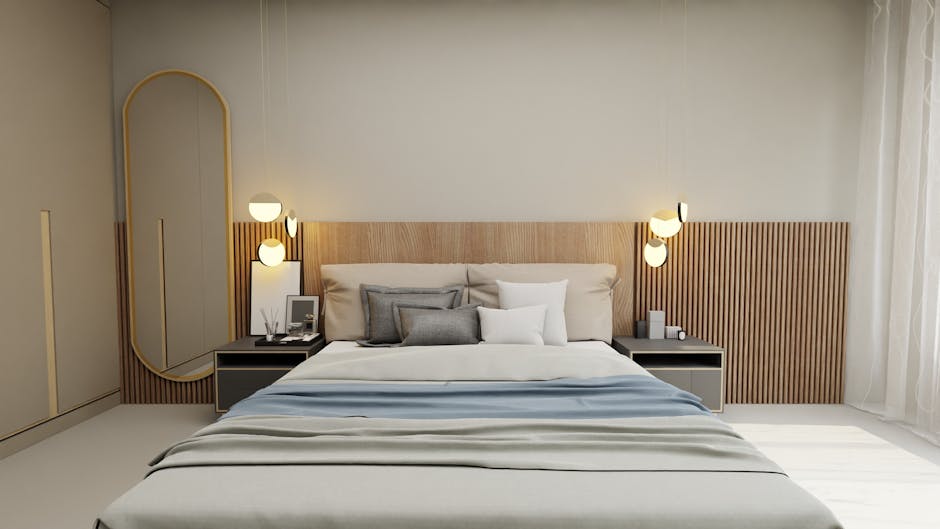
    The private balcony soaking pool rooms represent the most technically demanding element of Zhobai’s scope at Wyndham Grand Zhaoqing. Each of the 290 pool rooms required a bespoke balcony furniture package designed to function in direct contact with the mineral-rich spring water, subtropical humidity, and direct sun exposure of an outdoor deck environment. Zhobai developed a teak hardwood decking surround frame for each pool, with stone-topped side tables in a UV-stable composite material and recliner frames in powder-coated marine-grade aluminium — a metal specification normally reserved for coastal projects, but selected here because of the soaking pool water’s mineral content, which accelerates corrosion in standard commercial-grade furniture components. The result is a balcony environment that performs as beautifully in the property’s third year of operation as it did at opening.

    Family Rooms and Children’s Configurations

    Family kid-themed guestroom at Wyndham Grand Zhaoqing
    The family-themed children’s room features Zhobai’s children’s furniture collection: a low-slung play table with rounded corners, a soft activity rug, an indoor canvas tent, and wall-mounted storage in a playful primary colour palette.
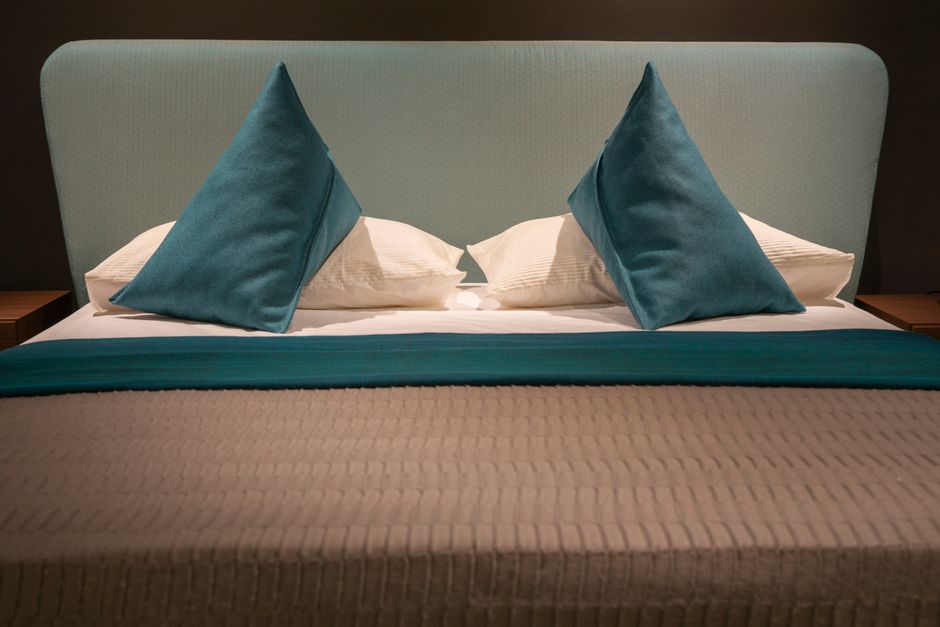
    Family twin lake view room at Wyndham Grand Zhaoqing
    The family twin lake view room accommodates parents and children with two adult single beds alongside a children’s play zone; Zhobai’s layout separates the sleeping and play areas using a low storage unit that functions as both visual divider and toy storage.
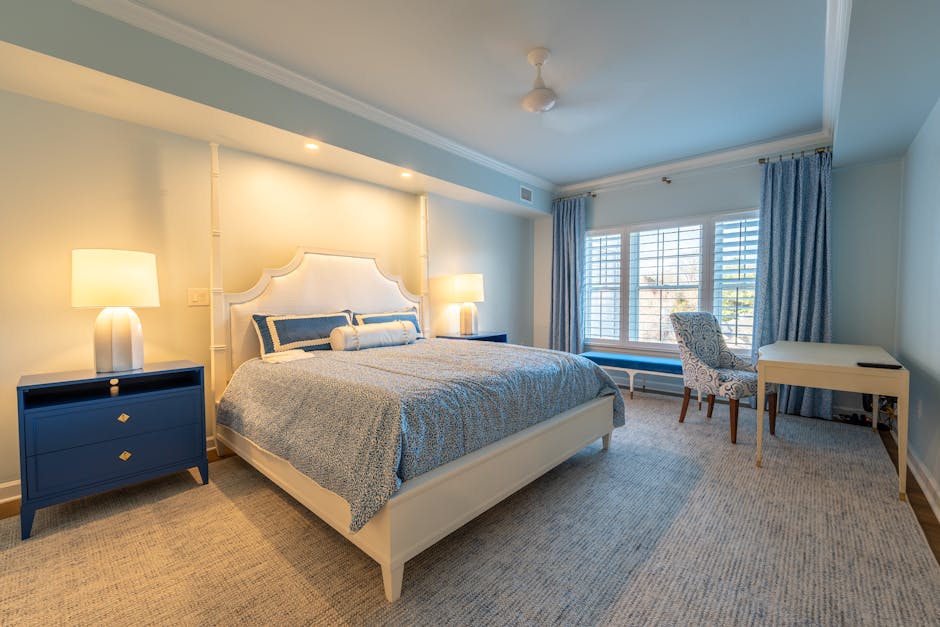
    Wyndham Grand Zhaoqing’s proximity to the Seven Star Crags scenic area makes it a natural destination for family resort stays, and the hotel’s family room programme reflects that commercial reality. Zhobai developed a modular children’s furniture package — a low play table, round-corner occasional tables, a canvas tent frame, and a wall-mounted pegboard storage system — that can be installed in any standard king room to create an ad hoc family configuration, allowing the hotel to flex its family room inventory in response to seasonal demand without permanent room reconfiguration.

    Bathrooms: Private Soaking Tubs and Wet-Dry Separation

    Guestroom marble bathtub bathroom at Wyndham Grand Zhaoqing
    The premium bathroom programme features a freestanding soaking tub as the focal element; Zhobai supplied the adjacent teak bath bridge, floor-mounted towel ladder, robe hooks, and the full accessory programme in a coordinated brushed gold finish.

    All guestroom bathrooms at Wyndham Grand Zhaoqing are configured with wet-dry separation — a standard feature of the Wyndham Grand brand specification in the Chinese market, and a genuine functional asset for resort guests who use the property’s thermal bathing facilities across multiple daily sessions. Zhobai’s bathroom FF&E scope covers the complete vanity millwork package: a 1,400-mm wide double-basin vanity unit in moisture-resistant MDF finished in a warm stone-effect lacquer, with an integrated open shelf at knee height for towel storage, and a full-width backlit mirror frame in brushed gold that delivers 2,700K warm-white illumination across the entire vanity width. In soaking tub configurations, the teak bath bridge, towel ladder, and accessory programme were designed as a coordinated set — all items delivered pre-finished from Zhobai’s facility to avoid on-site painting or sealing that would introduce delays into the room completion sequence.

    Dining: Four Venues Across Three Floors

    All-day dining restaurant hall at Wyndham Grand Zhaoqing
    The Xuan All-Day Restaurant dining hall: Zhobai’s dining furniture programme layers multiple seating typologies — upholstered dining chairs, banquette seating along the perimeter, and counter-height window seats — to create distinct sub-zones within the open floor plate.
    Restaurant window dining area at Wyndham Grand Zhaoqing
    The window dining zone in the all-day restaurant provides panoramic garden views; Zhobai specified two-top and four-top tables positioned to maximise the number of window-facing seats without creating a layout that feels regimented.
    Restaurant garden view dining hall at Wyndham Grand Zhaoqing
    The garden-view section of the restaurant uses Zhobai’s banquette seating system along the floor-to-ceiling glazing — an upholstered bench run that accommodates large group dining while maintaining the visual connection to the garden landscape outside.

    The second-floor Xuan All-Day Restaurant is the hotel’s primary dining venue — a full-service buffet and à la carte space that anchors the property’s food and beverage offering with a garden-facing panoramic window wall. Zhobai’s furniture brief for this 320-seat restaurant required unusual variety: morning breakfast service demands durable, easily cleanable surfaces and efficient table arrangements for high-turnover seating; evening dinner service calls for a more ambient, relaxed configuration suited to the property’s RMB 358 per person premium seafood buffet positioning. Our solution layered three seating types — upholstered dining chairs with washable fabric seats at the central tables, leather-effect banquette benches along the window elevation, and rattan-wrapped counter stools at the garden-view counter — with table sizes ranging from intimate two-tops to extendable six-tops that can be combined for group bookings. The furniture system’s modularity allows the restaurant team to reconfigure the floor between meal periods in under thirty minutes using furniture casters and folding table extensions, all integral to Zhobai’s commercial dining specification.

    Meetings and Events: 11,000 Square Metres of Event Infrastructure

    The conference and banquet programme at Wyndham Grand Zhaoqing is among the largest in western Guangdong, and its commercial significance to the hotel’s revenue model shaped every decision in Zhobai’s meeting furniture specification. The 11,000-square-metre event floor encompasses a pillar-free grand ballroom with seven-metre ceiling heights and an integrated LED screen, ten-plus multi-function rooms, and a full pre-function area — a programme capable of handling 60-table wedding banquets and thousand-person corporate annual conferences from the same facilities on consecutive days.

    Banquet hall theater setup at Wyndham Grand Zhaoqing
    The grand ballroom configured in theater style for a large conference: Zhobai’s padded stacking chairs and aisle-aligned row system accommodate the rapid reconfiguration cycles that an active event floor demands — from theater to banquet to classroom within a single working day.
    Multi-function hall empty conference setup at Wyndham Grand Zhaoqing
    One of the property’s ten multi-function conference rooms configured for boardroom use: Zhobai’s modular conference table system uses locking connectors that allow hotel staff to reconfigure from 10-person boardroom to 30-person classroom without removing tables from the room.

    Zhobai supplied over 800 banquet chairs for the Wyndham Grand Zhaoqing event floor — all from our commercial hotel banquet collection, in a gold-tone metal frame with padded seat and sash-ready back. The chair’s stacking profile (10 chairs per stack) was selected in response to the ballroom’s daily reset requirements: the property’s event operations team can break down and reset a 60-table banquet configuration in under ninety minutes, a timeline that drove every handling-efficiency decision in the banquet furniture specification. Conference rooms are furnished with Zhobai’s modular table system — individual modules with locking cable-management connectors that allow hotel staff to shift between boardroom, classroom, and U-shape layouts without tools or specialist knowledge. All conference chairs are in a mid-back executive model with swivel base and armrests, upholstered in a charcoal mesh-back specification that provides passive ventilation during multi-hour conference sessions in South China’s warm climate.

    Recreation and Wellness

    24-hour fitness gym interior at Wyndham Grand Zhaoqing
    The 24-hour fitness centre: Zhobai supplied the gym’s peripheral furniture programme — equipment storage racks, a towel service station, a stretch mat storage unit, and the gym entrance console — alongside the poolside lounger programme for the adjacent indoor swimming pool.

    The sixth floor recreation level at Wyndham Grand Zhaoqing houses the fitness centre, yoga studio, and indoor temperature-controlled swimming pool, supplemented by the property’s signature cave hot spring complex — an underground mineral spring facility that is among the most unusual resort amenities in Guangdong. Zhobai’s scope on the recreation floor focused on peripheral and outdoor furniture: gym equipment organiser racks, a staffed towel service station, stretch mat storage, and a full poolside lounger programme in powder-coated aluminium frames with quick-dry mesh slings — a specification chosen for its performance in chlorine-adjacent wet environments and its ability to drain and dry between guest uses without towel-aided assistance.

    Project Delivery and the Zhobai Partnership Model

    A 630-room hotel opening in Zhaoqing presented logistical conditions that reward suppliers with genuine Chinese project experience. Zhobai’s production facility in Guangdong positioned us within an efficient delivery radius of the Zhaoqing site, enabling a delivery sequence — phased by building section and floor — that maintained furniture installation momentum while the general contractor completed final finishes in the upper floors. Our project manager was resident in Zhaoqing for the final ten weeks of the installation programme, conducting daily handover inspections with the hotel’s pre-opening team and the interior design practice’s site representative.

    Wyndham Grand Zhaoqing Downtown has since established itself as the leading resort hotel in western Guangdong, with a five-star equivalent positioning that draws leisure guests from Guangzhou, Foshan, and Shenzhen as well as international visitors to the Seven Star Crags. The property carries a 4.8-star aggregate rating across major Chinese booking platforms, with guest reviews that consistently highlight the room quality, the private pool experience, and the dining programme — the three areas where Zhobai’s FF&E investment is most directly visible in the guest experience. We remain available to the hotel’s ownership and management teams for renovation planning, individual room upgrades, and furniture maintenance support as the property evolves through its operating life.

  • Courtyard Changchun Poly — Marriott FF&E

    Courtyard Changchun Poly — Marriott FF&E

    Project Overview

    When Poly Real Estate commissioned the first Courtyard by Marriott in Northeast China’s Jilin Province, the ambition extended well beyond simply opening another internationally branded hotel. The Courtyard Changchun Poly — inaugurated in 2022 at No. 7847 Xihu Avenue in Changchun’s Automobile Economic and Technological Development Zone — was conceived as a landmark that would define the hospitality standard for an entire industrial corridor. As the exclusive FF&E partner for this 286-room property, Zhobai Hotel Furniture was entrusted with one of the most comprehensive hotel furniture programmes we have undertaken in Northeast China: lobbies, guestrooms, dining venues, meeting facilities, and recreation spaces, all coordinated across a single integrated delivery.

    The hotel’s location tells the story of its primary commercial purpose. Situated immediately adjacent to the FAW (First Automobile Works) NBD business district and within walking distance of the FAW-Volkswagen manufacturing campus, Courtyard Changchun Poly was built to serve the executives, engineers, and commercial delegations that circulate continuously through China’s automotive capital. Fifteen minutes by car to Changchun West Station, two kilometres from Automobile Park Metro Station, and directly opposite a Wanda Plaza — the property sits at the crossroads of Changchun’s industrial economy and its emerging urban leisure infrastructure. Zhobai’s FF&E specification was calibrated to serve both constituencies: the demanding business traveller who expects international Marriott standards, and the domestic leisure guest discovering that Changchun’s automotive heartland has quietly become one of the most liveable new urban districts in the northeast.

    Lobby and Public Arrival Spaces

    The arrival experience at Courtyard Changchun Poly sets an immediate tone of contemporary restraint. The exterior facade — a clean-lined commercial tower in warm stone cladding and glass curtain-wall — establishes the property’s corporate identity from the street, while the ground-floor lobby transitions guests into a warmer, more residential atmosphere designed to counteract the industrial character of the surrounding development zone.

    Lobby front reception entrance at Courtyard Changchun Poly
    The lobby entrance zone sets a tone of contemporary warmth; Zhobai supplied the custom millwork reception counter, entrance console tables, and all FF&E framing the arrival sequence.
    Lobby reception counter area at Courtyard Changchun Poly
    The reception counter is a Zhobai bespoke fabrication: a curved desk in warm-toned veneer with brushed bronze hardware, designed to project efficiency and approachability simultaneously.

    Zhobai’s lobby furniture programme centres on the reception counter — a curved millwork piece in warm walnut veneer with integrated brushed bronze hardware, sized to accommodate three simultaneous check-in positions without appearing monolithic in the double-height lobby volume. Behind the counter, a backlit feature wall carries the Courtyard by Marriott branding in polished metal lettering mounted against a textured stone-effect panel fabricated in Zhobai’s millwork facility in Guangdong and shipped north in completed sections for on-site assembly.

    Lobby central lounge space at Courtyard Changchun Poly
    The central lobby lounge features Zhobai’s modular sofa and occasional table programme, arranged to define distinct conversation zones within the open-plan lobby volume.
    Lobby corner sofa lounge at Courtyard Changchun Poly
    Corner lounge zones throughout the lobby use Zhobai’s L-configuration sofa modules — flexible enough to accommodate solo guests with laptops as well as small group meetings.
    Lobby long sofa waiting lounge at Courtyard Changchun Poly
    The waiting lounge along the lobby perimeter features Zhobai’s long bench sofa — a configuration that maximises seating density during peak check-in periods without sacrificing visual openness.
    Lobby corridor passageway at Courtyard Changchun Poly
    Zhobai’s corridor programme includes wall-mounted console tables, artwork lighting brackets, and bespoke corridor benches — details that maintain the design language from lobby to lift lobby to guestroom floor.

    The central lobby lounge is anchored by a bespoke circular rug — supplied through Zhobai’s soft-furnishings division — around which we arranged a modular sofa system in a warm sand-toned fabric with dark oak frame components. Occasional tables in three height variations allow guests to configure the zone for laptop working, casual conversation, or simply relaxing with the hotel’s complimentary coffee service. Corner lounge zones extend the public seating programme to the lobby perimeter, with L-configuration sofa modules that create semi-enclosed enclosures without physically partitioning the space.

    Lobby Bar

    Lobby bar counter entrance area at Courtyard Changchun Poly
    The lobby bar counter is a Zhobai fabrication in polished dark granite and brass-trimmed millwork, positioned to serve both walk-in guests and overflow from the adjacent dining zones.
    Lobby bar casual dining corner at Courtyard Changchun Poly
    The casual dining corner adjacent to the lobby bar accommodates informal meals and working lunches; Zhobai specified counter-height stools and compact dining tables suited to solo and duo dining occasions.

    The lobby bar at Courtyard Changchun Poly is positioned as an all-day social hub — morning coffee for early departures, afternoon refreshments for arriving guests, and evening drinks for the automotive industry professionals who make up a significant portion of the hotel’s repeat clientele. Zhobai fabricated the bar counter in polished dark granite with a brass-trimmed millwork back bar, the back bar shelving system designed with adjustable display lighting to accommodate both bottle display and the property’s growing glassware collection. Bar stools in a saddle-shaped dark leather were custom upholstered by Zhobai’s soft-furnishings team to the precise seat height required by the counter’s 1,100 mm working surface.

    Guestrooms: 286 Keys Across Nine Room Categories

    The 286-room inventory at Courtyard Changchun Poly spans a comprehensive range of room types — from efficient standard configurations at 35 square metres to the 74-square-metre suites preferred for corporate entertainment — as well as 90 long-stay apartment-format rooms and a dedicated family room with children’s features. Marriott’s Courtyard brand carries specific FF&E standards documentation, and Zhobai’s project team worked directly with Marriott’s Asia-Pacific procurement liaison to obtain brand approval for all custom pieces before fabrication commenced.

    Room entry hall and corridor view at Courtyard Changchun Poly
    The guestroom entry corridor: Zhobai specified a mirrored wardrobe door system with recessed handles that maximises the perceived width of entry zones in the 35 m² standard room footprint.
    Standard King guestroom living zone at Courtyard Changchun Poly
    The Standard King guestroom living zone combines Zhobai’s platform bed base, upholstered headboard, dual bedside tables, and integrated TV console into a cohesive furniture grouping.
    Basic King standard guestroom at Courtyard Changchun Poly
    The Basic King configuration uses Zhobai’s space-optimised bedside shelf integrated into the headboard panel, eliminating the need for separate nightstands in the room’s more compact floor plan.
    Basic Twin standard room at Courtyard Changchun Poly
    Twin configurations share the same headboard-and-shelf system as king rooms, with the two single beds positioned to provide adequate circulation while maintaining a unified visual composition.
    Blue light double bed guestroom at Courtyard Changchun Poly
    Select double-bed rooms feature an LED ambient lighting system behind the headboard panel — a Zhobai electrical integration that allows guests to select warm or cool accent lighting without external fixtures.
    Deluxe King cityview bedroom at Courtyard Changchun Poly
    The Deluxe King Cityview bedroom features a full floor-to-ceiling curtain system supplied by Zhobai — motorised blackout panels paired with sheer voile in a warm champagne tone.
    Deluxe Twin cityview room at Courtyard Changchun Poly
    The Deluxe Twin Cityview room accommodates corporate travel pairs with generous desk space; Zhobai specified a full-width floating desk at both wall positions to equalise workspace between the two beds.
    High-floor cityview King bedroom at Courtyard Changchun Poly
    High-floor king bedrooms benefit from panoramic views of Changchun’s Automobile Development Zone; Zhobai positioned all furniture to maintain unobstructed sightlines from the bed to the floor-to-ceiling glazing.
    Family kid-themed King bedroom at Courtyard Changchun Poly
    The dedicated family room features Zhobai’s children’s furniture programme: a low-profile bunk unit with rounded corners, an indoor tent structure, and safety-rated soft furnishings — all specified to meet GB 28007 children’s furniture safety standards.

    The family room — one of Courtyard Changchun Poly’s most distinctive room type offerings — required Zhobai to develop a bespoke children’s furniture programme alongside the standard adult FF&E. The room features a custom indoor tent structure fabricated in powder-coated steel with canvas panels, a low-profile bunk bed unit with ladder handrails rated to Chinese GB 28007 children’s furniture safety standards, and rounded-corner occasional tables finished in a playful warm yellow. Adult furniture in the same space maintains the property’s standard material language, ensuring the room functions for parents while delighting children — a balance that required unusually close collaboration between Zhobai’s design team and the hotel’s operational planning staff.

    Room laundry washer-dryer cabinet at Courtyard Changchun Poly
    Long-stay apartment rooms feature a Zhobai-fabricated laundry cabinet that conceals the washer-dryer unit behind full-height joinery doors — a practical necessity for extended-stay guests that demanded precise millwork tolerances for ventilation clearance.

    The 90 long-stay apartment-format rooms required a fundamentally different FF&E approach from the transient guest rooms. Zhobai developed a series of high-capacity storage pieces — a floor-to-ceiling wardrobe system with full-extension drawers, a laundry cabinet enclosing the washer-dryer unit behind full-height millwork doors, and a kitchen counter unit with concealed appliance storage — all specified in a durable high-pressure laminate finish rated for the daily wear of extended occupancy. The furniture system’s modular construction also allows the hotel’s housekeeping team to reconfigure individual pieces when a long-stay unit transitions to transient inventory, a flexibility requirement specified by Courtyard’s brand operations team.

    Bathrooms: Marble Vanities and Wet-Dry Separation

    Guestroom marble bathroom vanity at Courtyard Changchun Poly
    Zhobai’s bathroom vanity units are finished with a honed marble counter top and moisture-resistant MDF carcase — the drawer system uses a slow-close undermount runner rated to 80,000 cycles for hotel environment durability.
    Room bathroom bathtub space at Courtyard Changchun Poly
    Deluxe and suite bathrooms include a freestanding bathtub zone; Zhobai supplied the adjacent timber bath tray, towel ladder, and all bathroom accessories in a coordinated brushed gold finish.

    The bathroom programme at Courtyard Changchun Poly was specified to Marriott’s brand standard for wet-dry separation — a non-negotiable feature in all Courtyard-branded properties in the Chinese market. Zhobai’s vanity units combine a honed marble counter with a moisture-resistant MDF carcase finished in a warm off-white lacquer, the drawer fronts in a matching push-to-open configuration that eliminates the need for visible handles in the compact bathroom footprint. Mirror units above the vanity are framed in brushed gold and incorporate LED strip lighting at 3,000K — matched across all 286 bathrooms to ensure colour-consistent illumination for guests regardless of room floor or aspect. In deluxe and suite bathroom configurations, Zhobai supplied the full accessory programme around the freestanding bathtub: a teak bath bridge, towel ladder, floor-mounted robe hooks, and a wall-mounted magnifying mirror — all in a coordinated brushed gold metal finish.

    Dining: Three Venues, Three Distinct Furniture Programmes

    Wanhui Western All-Day Dining Restaurant

    The second-floor Wanhui Restaurant is the hotel’s primary all-day dining venue — a full-service buffet and à la carte space that opens daily from 6:00 AM for breakfast service and returns for dinner with a sea-food buffet offering. With panoramic city-view windows and a broad open-plan floor plate, the space demanded a furniture programme that could accommodate high-turnover breakfast service in the morning and a more relaxed, convivial atmosphere in the evening.

    All-day dining cafe breakfast zone at Courtyard Changchun Poly
    The breakfast zone in the Wanhui Restaurant features Zhobai’s commercial dining chair in a sand-coloured upholstered pad — a spec designed for easy cleaning under high breakfast-service turnover while maintaining a refined appearance.
    All-day dining blue sofa buffet restaurant at Courtyard Changchun Poly
    The Wanhui buffet restaurant features Zhobai’s upholstered banquette seating in a cobalt blue — the hotel’s brand accent colour — running the length of the window wall, with loose dining chairs at the table opposite.
    Restaurant wooden floor dining hall at Courtyard Changchun Poly
    The main dining hall features warm oak-toned dining tables in three sizes — 2-top, 4-top, and 6-top — allowing the floor team to reconfigure the layout for group bookings or social dining events.
    Restaurant long passage dining corridor at Courtyard Changchun Poly
    The dining corridor connecting the restaurant zones uses Zhobai’s counter-height table-and-stool programme — an efficient use of transitional space that adds seating capacity without interrupting the flow between venue areas.

    Yugong Chinese Restaurant

    Chinese restaurant private dining booth at Courtyard Changchun Poly
    The Yugong Chinese Restaurant private dining booths feature Zhobai’s high-back banquette seating system — the upholstered back panels provide acoustic separation between adjacent booths in the open-plan dining room.
    Small banquet window dining room at Courtyard Changchun Poly
    Yugong’s window dining rooms seat private groups of 8–12; Zhobai supplied the round dining table in a red lacquer finish — a traditional Chinese banquet colour choice that reinforces the restaurant’s northeastern Chinese culinary identity.

    The third-floor Yugong Chinese Restaurant serves northeast Chinese and Shandong cuisine in a premium environment calibrated for corporate entertainment and family banquets. Zhobai’s furniture brief for this venue was culturally specific: the private dining booths required high-back upholstered seating that simultaneously provided acoustic separation between adjacent groups and communicated the gravitas appropriate for business banquet occasions. We specified a dark rosewood-effect laminate for all table surfaces, paired with throne-style dining chairs in a deep burgundy velvet — a combination that reads as unambiguously formal without veering into the dated aesthetics common in older Chinese banquet restaurants.

    Meeting and Banquet Facilities: 1,395 Square Metres of Event Infrastructure

    The meeting and banquet programme at Courtyard Changchun Poly is one of the property’s most commercially significant assets. The 1,395-square-metre event floor encompasses five multi-function rooms, a pillar-free grand ballroom with 6.6–7 metre ceiling heights, and a full staging infrastructure — including a 52-square-metre integrated LED wall — capable of accommodating 60 tables for wedding banquets or large-scale automotive industry launch events.

    Boardroom long table conference room at Courtyard Changchun Poly
    The executive boardroom features a Zhobai bespoke long conference table in a book-matched walnut veneer with integrated power and data modules flush to the tabletop surface.
    Small board meeting room at Courtyard Changchun Poly
    Smaller meeting rooms accommodate 6–10 delegates with Zhobai’s modular conference table system — individual table modules can be separated and reconfigured for training or workshop layouts.
    Theater-style large conference hall at Courtyard Changchun Poly
    The large conference hall configured in theater style accommodates up to 300 delegates; Zhobai supplied all padded stacking chairs and the foldable writing tablet arms used in theater and classroom configurations.
    Large theater conference hall with stage at Courtyard Changchun Poly
    The main conference hall with integrated stage — designed with the automotive industry’s product launch format in mind. Note the 52 m² LED wall behind the stage, with Zhobai’s lectern and stage furniture positioned for presentations.
    Banquet round table ballroom setup at Courtyard Changchun Poly
    The pillar-free grand ballroom configured for a 60-table wedding banquet: Zhobai supplied all round dining tables, banquet chairs with sash covers, and the cake and gift table programme used in the hotel’s standard wedding package.
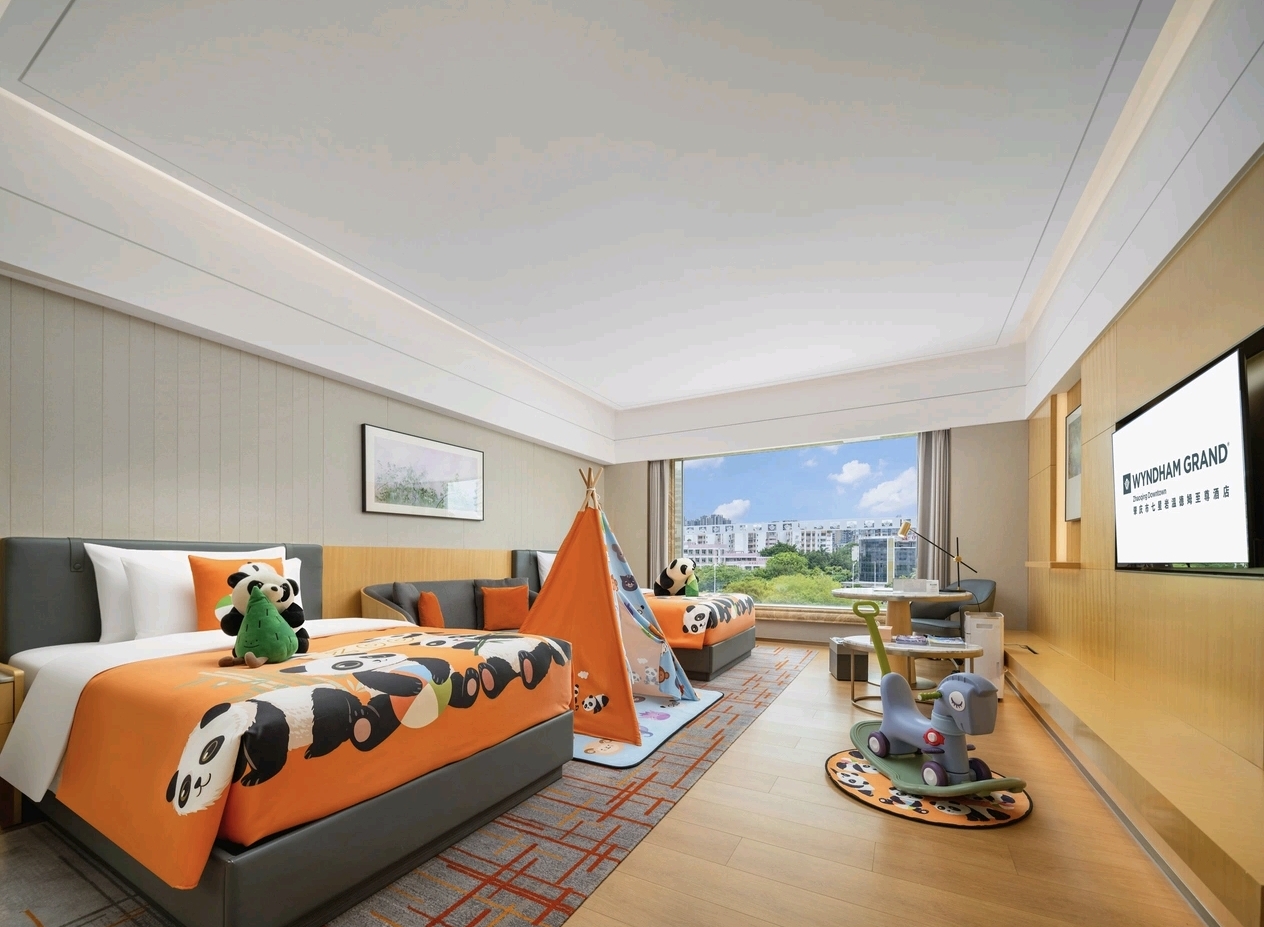
    Banquet hall seating area at Courtyard Changchun Poly
    The banquet hall’s stage-view seating zone during a formal dinner event; Zhobai’s gold-tone banquet chair — a model from our hotel seating collection — is specified across all 600+ banquet chairs on this event floor.

    Zhobai’s meeting furniture programme at Courtyard Changchun Poly covers every scale of the event floor’s operation. The executive boardroom is anchored by a bespoke conference table in book-matched walnut veneer — 5,400 mm long, 1,200 mm wide — with flush-mounted power and data modules at each seating position, specified in coordination with the hotel’s AV integrator so that cable management and technology infrastructure align precisely with Zhobai’s table carcase design. Smaller meeting rooms use a modular conference table system whose individual modules can be separated and reconfigured by hotel staff without tools, enabling classroom, boardroom, and hollow-square layouts from the same furniture inventory.

    For the grand ballroom, Zhobai supplied 600 gold-tone banquet chairs — our standard hotel banquet model with a padded seat and sash-ready back — and 60 round dining tables in a dark walnut laminate surface. The chair’s stackability (12 chairs per stack) was a critical specification parameter: the ballroom’s rapid-reset requirements between wedding lunch and corporate dinner events depend on housekeeping being able to clear and redress 60 tables in under two hours, a timeline that drove every handling-efficiency decision in the banquet furniture specification.

    Recreation Facilities

    24-hour fitness gym center at Courtyard Changchun Poly
    The 24-hour fitness centre on the sixth floor; Zhobai supplied the equipment storage units, towel service station, and all freestanding furniture in the gym environment.

    The sixth floor recreation level houses the hotel’s full fitness centre, yoga room, and indoor heated swimming pool — all available to hotel guests at no additional charge. Zhobai’s scope on this level was focused on the fitness centre’s peripheral furniture: equipment organiser racks, a towel service station, a trainer’s desk unit, and the locker room benching system. The pool surround was furnished with Zhobai’s resin-weave sun loungers — a model selected for its resistance to the chlorine-laden humid environment that rapidly degrades standard upholstered furniture in indoor pool settings.
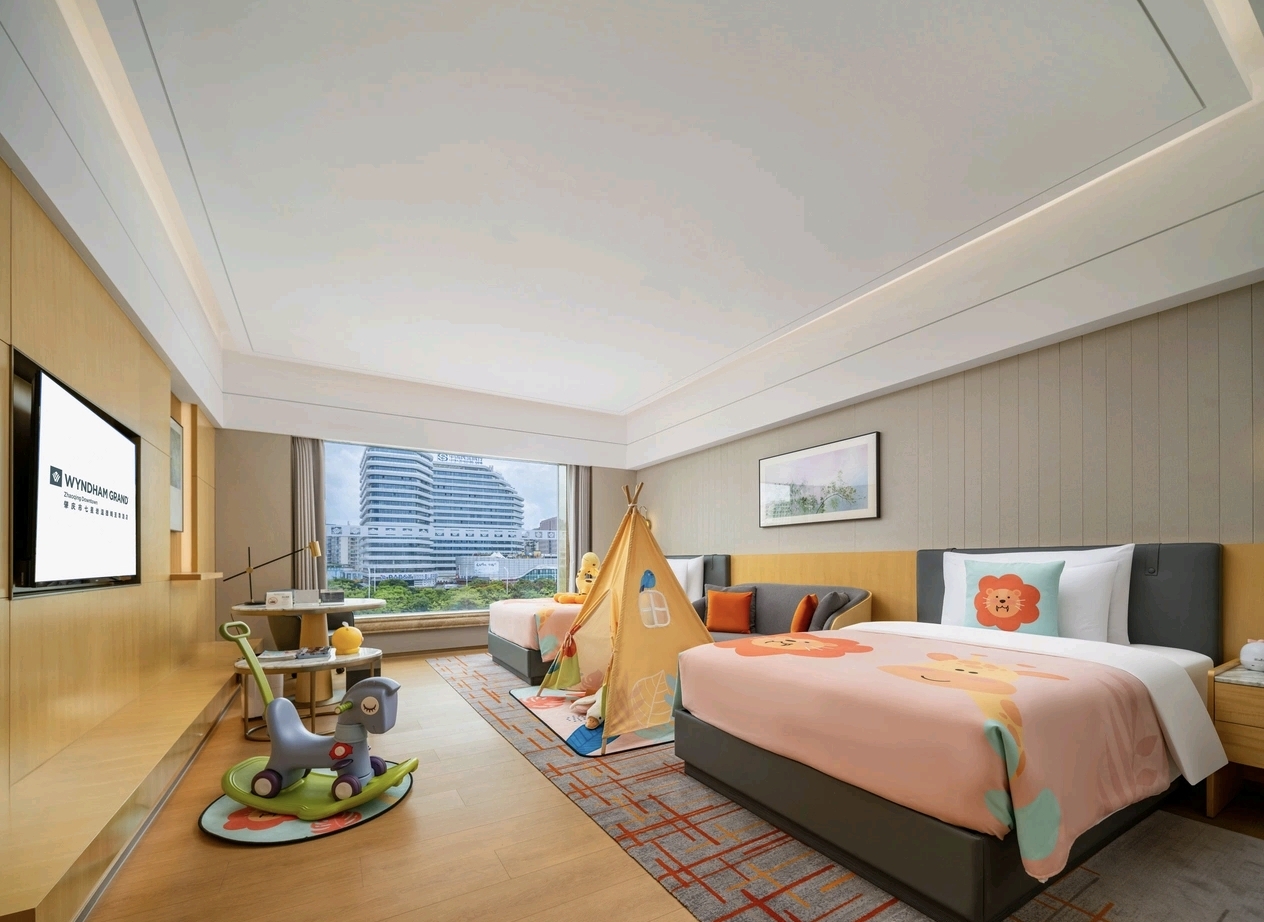
    Project Delivery and Zhobai’s Integrated FF&E Approach

    Delivering a 286-room Marriott-affiliated hotel opening in Northeast China’s winter climate presented logistical considerations that a supplier without deep Chinese market experience would struggle to manage. Zhobai’s Changchun Poly project was planned with delivery sequencing that anticipated the region’s late-autumn weather constraints: all exterior and ground-floor furniture was delivered and installed first, while guestroom furniture followed in a floor-by-floor sequence coordinated with the building contractor’s room completion schedule.
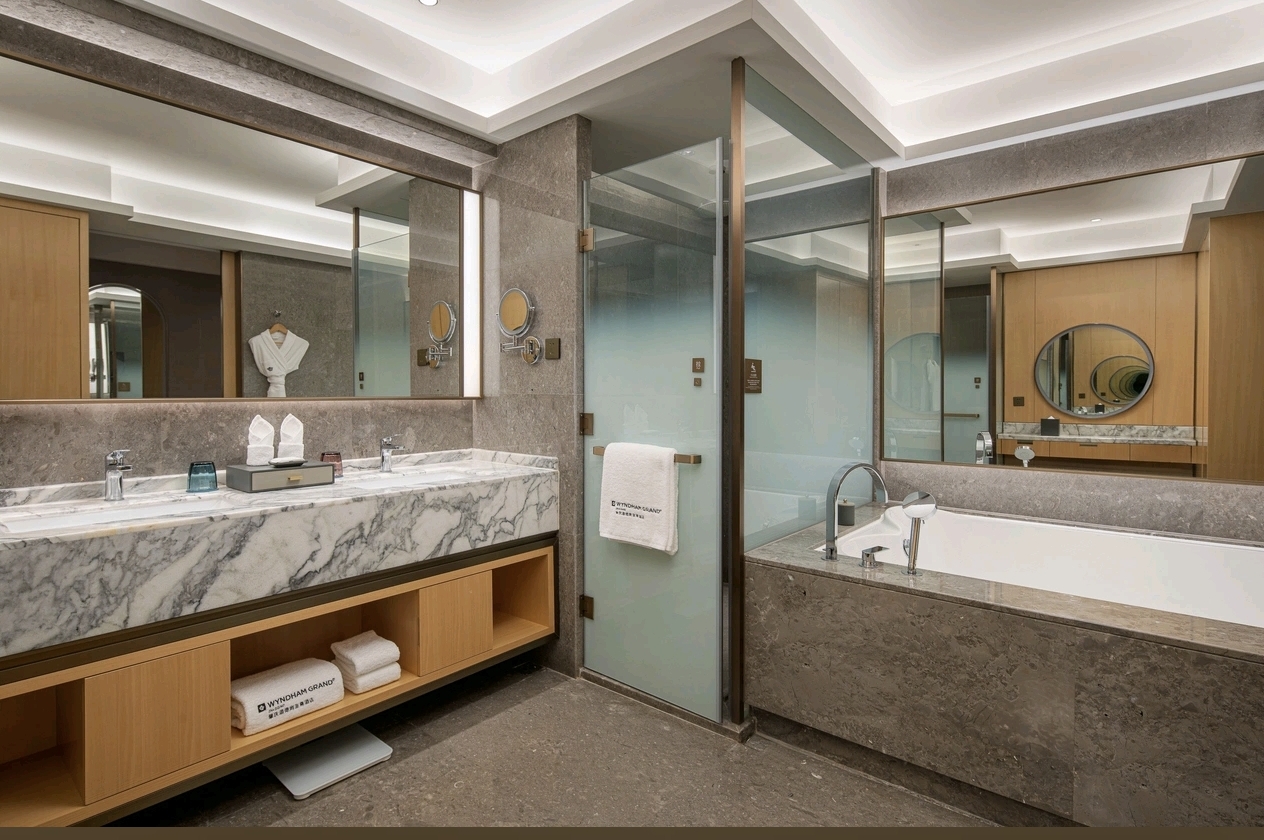
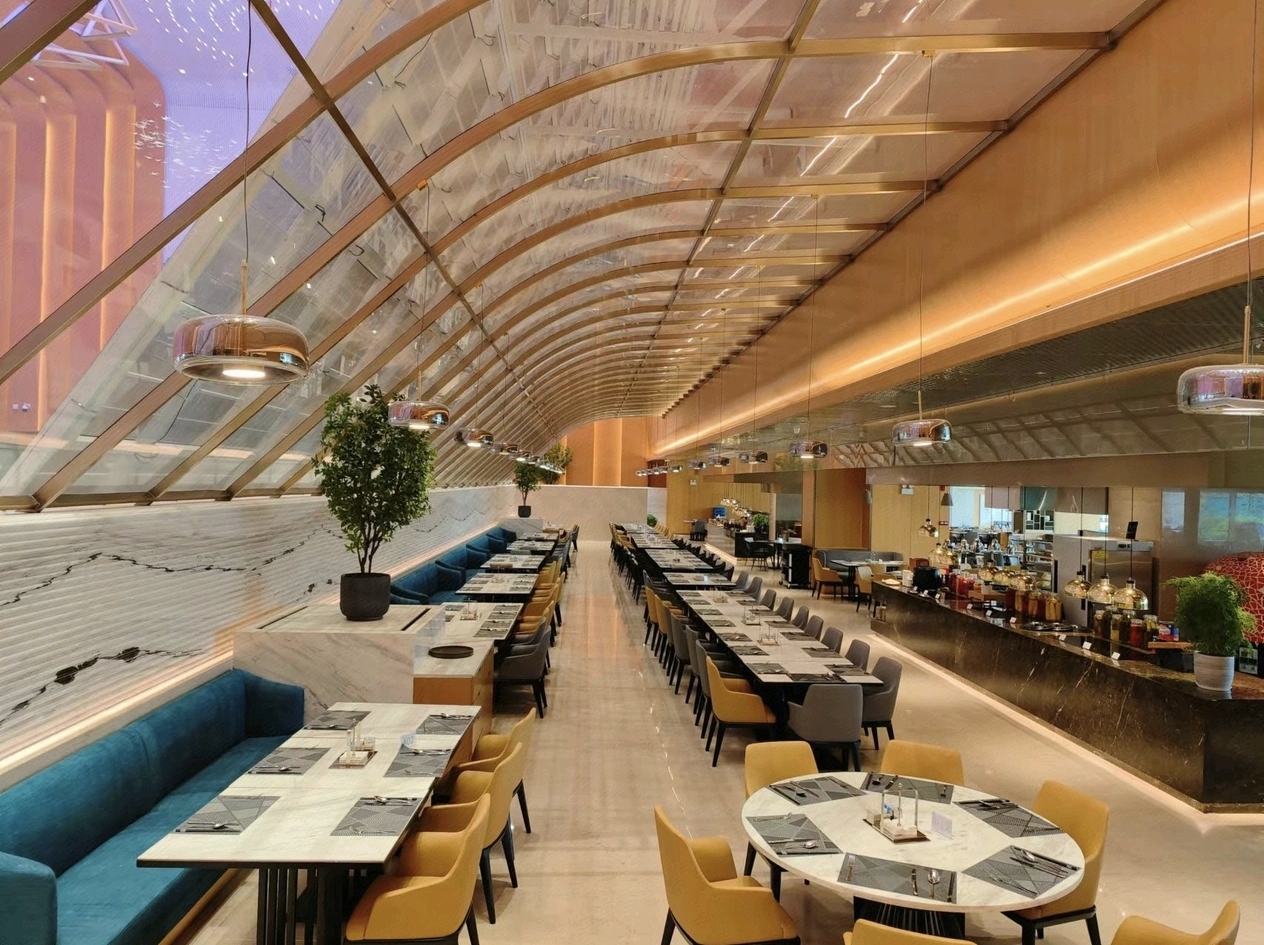
    Brand approval — a mandatory step for any FF&E piece that deviates from Marriott’s Courtyard prototypical specification — was managed by Zhobai’s project team through a structured sample submission process: material samples, finish boards, and prototype pieces were submitted to Marriott’s Asia-Pacific architecture and design team at defined project milestones, with review timelines built into the overall project schedule rather than treated as potential delays. All brand-approved custom pieces carry documentation filed with both the hotel owner and Marriott’s records system, ensuring that future renovations can reference original specifications precisely.

    Courtyard Changchun Poly opened in 2022 to become the first Courtyard by Marriott in Jilin Province and the first international chain hotel brand in the Automobile Economic and Technological Development Zone — a milestone that carries commercial significance for every stakeholder in the project. Zhobai is proud to have contributed the complete FF&E programme to a property that continues to earn a 4.7-star aggregate rating on Ctrip and serves as the hospitality standard-bearer for one of China’s most strategically important industrial districts.

    About Zhobai Hotel Furniture

    Zhobai Hotel Furniture is a full-service FF&E partner for four- and five-star hotel projects across China and internationally. From millwork fabrication and upholstered seating to soft furnishings, bathroom accessories, and banquet equipment, Zhobai manages the complete furniture lifecycle from design brief through installation and post-opening support. Our project portfolio spans Marriott, Hilton, IHG, Wyndham, and independent luxury brands — each engagement managed by a dedicated project team accountable for on-time delivery and brand-compliant quality across every item in the FF&E schedule.