分类: blog

  • Top Hotel Furniture Suppliers UAE: An Expert Sourcing Guide

    Top Hotel Furniture Suppliers UAE: An Expert Sourcing Guide

    In the highly competitive hospitality landscape of the UAE, where guest expectations for luxury and comfort are consistently among the highest globally, the quality of your hotel’s FF&E (Furniture, Fixtures, and Equipment) directly impacts RevPAR and guest satisfaction scores. A recent study indicated that well-designed, durable interiors can boost guest loyalty by up to 15% and increase positive online reviews by 20%. For hotel owners and procurement managers, selecting the right hotel furniture suppliers UAE is not just a purchasing decision; it’s a strategic investment in the property’s long-term success and brand reputation.

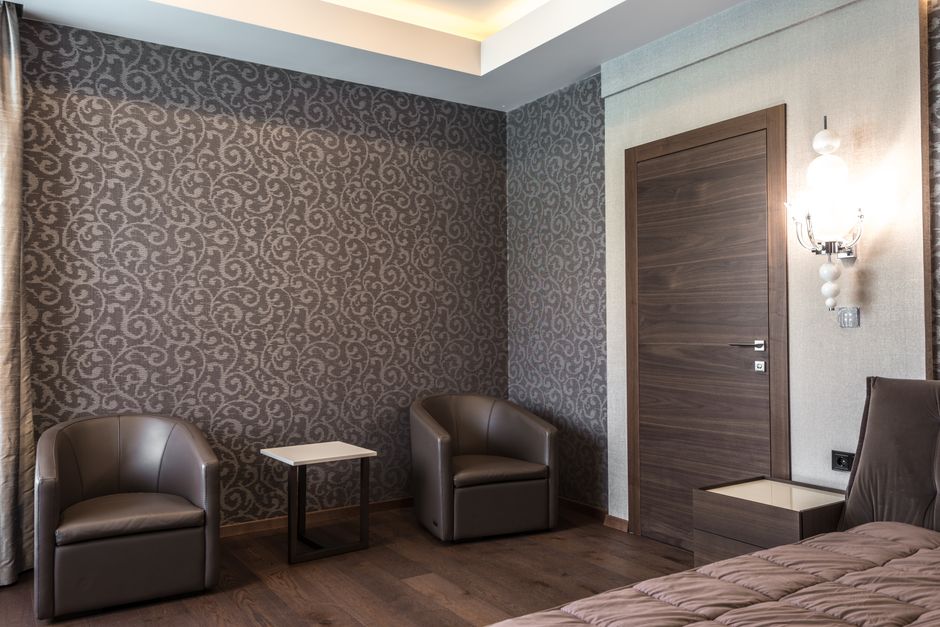
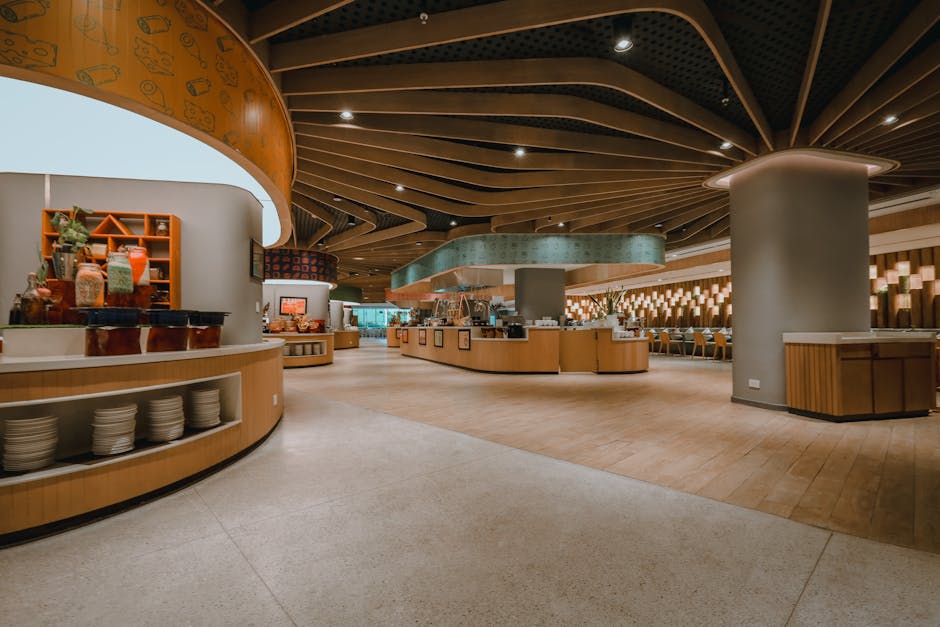
    A beautifully appointed luxury hotel lobby showcasing custom hotel furniture from top hotel furniture suppliers UAE.

    Why Hotel Furniture Quality is Critical for Hotel Success

    The furniture in a hotel, particularly in high-traffic areas and guest rooms, endures significant wear and tear. Substandard furniture can degrade rapidly, leading to frequent replacements, costly maintenance, and a diminished guest experience. Imagine a guest checking into a 5-star property only to find worn upholstery or a rickety bedside table; such an oversight can immediately reduce perceived value and lead to negative feedback. High-quality, robust furniture, designed for commercial use, offers superior durability, often lasting 7-10 years compared to 2-3 years for residential-grade items, significantly impacting your operational budget and ROI.

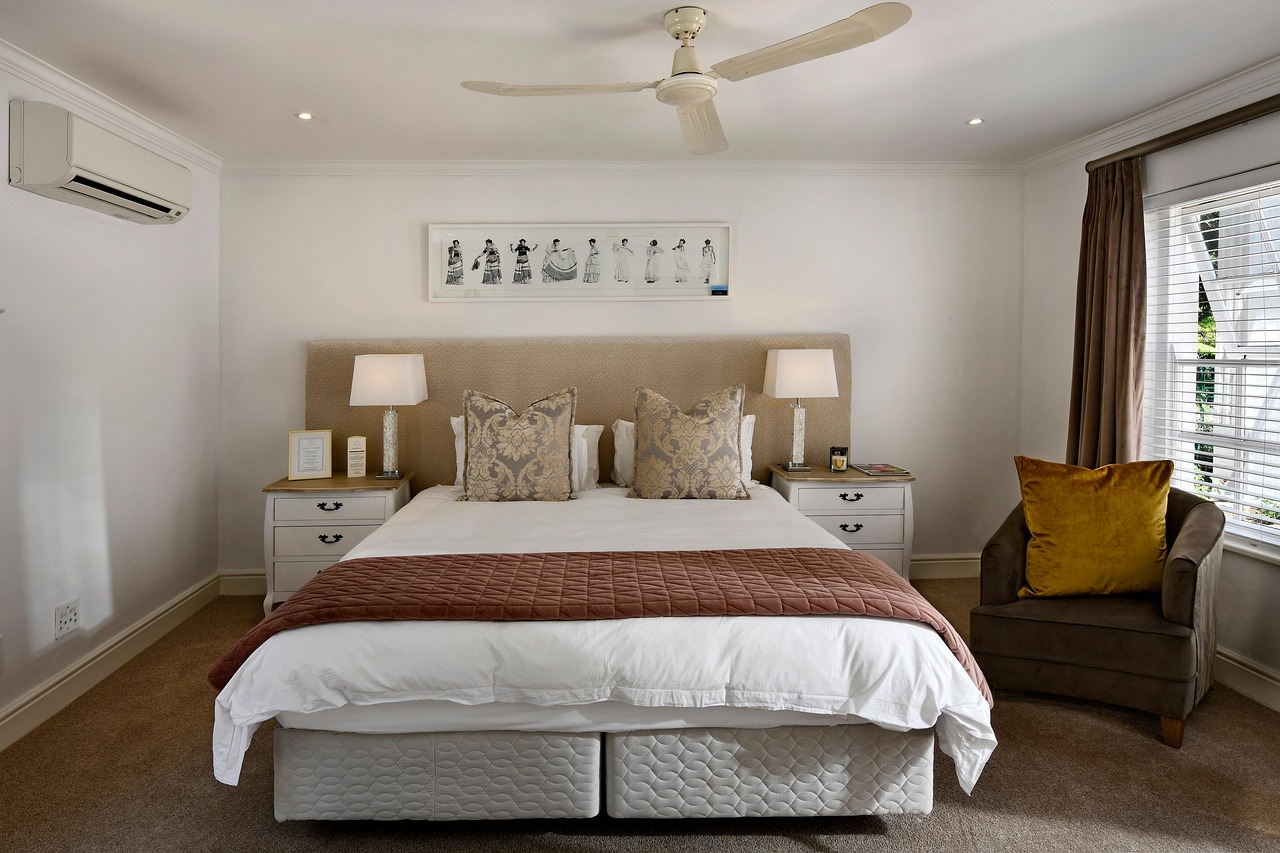
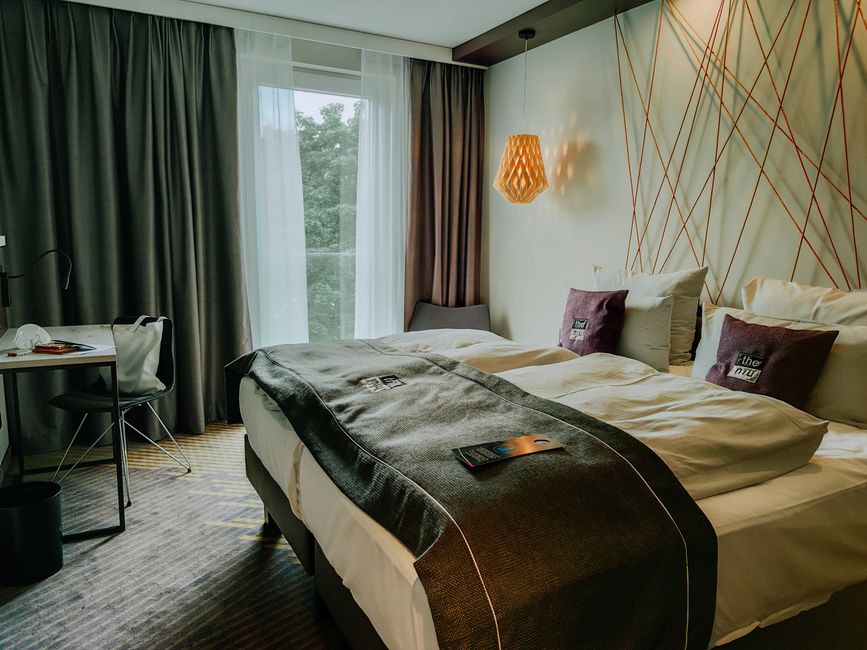
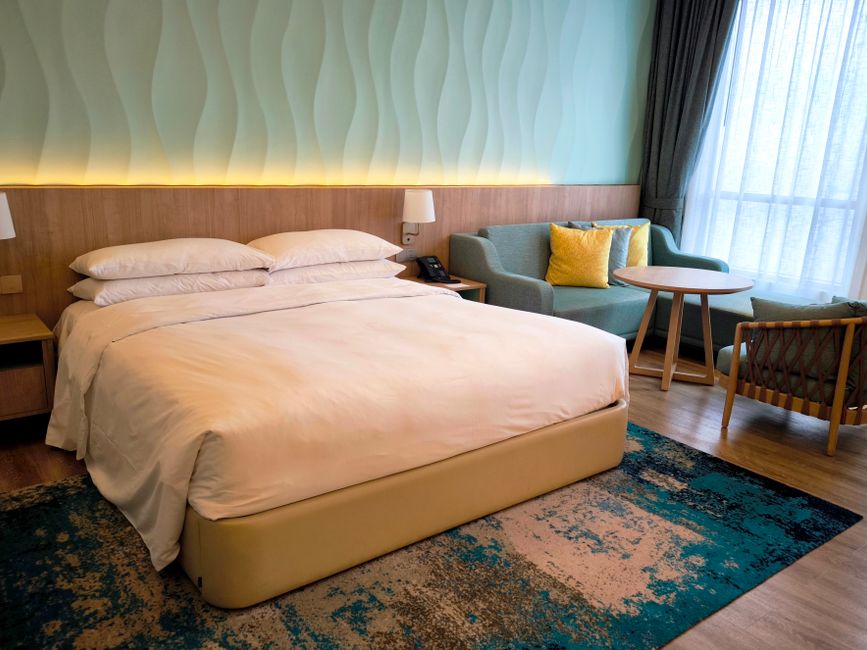
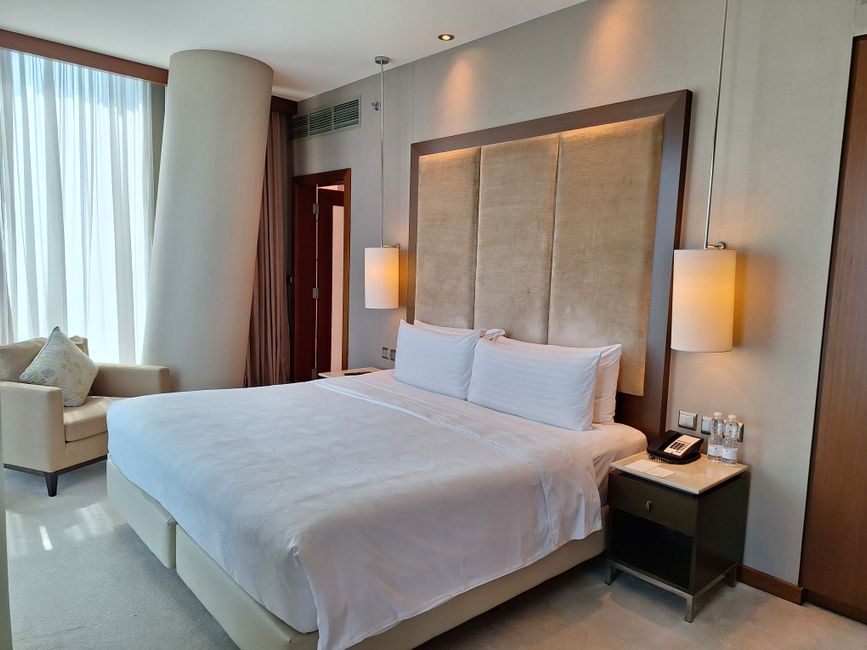
    Detail of bespoke luxury hotel bedroom furniture, highlighting craftsmanship and quality expected from leading hotel furniture suppliers UAE.

    Learn more about 5-star hotel furniture project.

    Learn more about hotel furniture manufacturer guide.

    A modern hotel meeting room featuring durable and stylish custom furniture, demonstrating the range offered by hotel furniture suppliers UAE.

    Furthermore, furniture contributes significantly to the hotel’s aesthetic and brand identity. Custom-designed pieces can create a unique atmosphere, differentiating your property in a crowded market. This is especially true for boutique hotels and luxury resorts in the UAE, where bespoke design elements are expected. Investing in quality ensures that the initial design vision is maintained for years, protecting your brand image and justifying premium room rates.
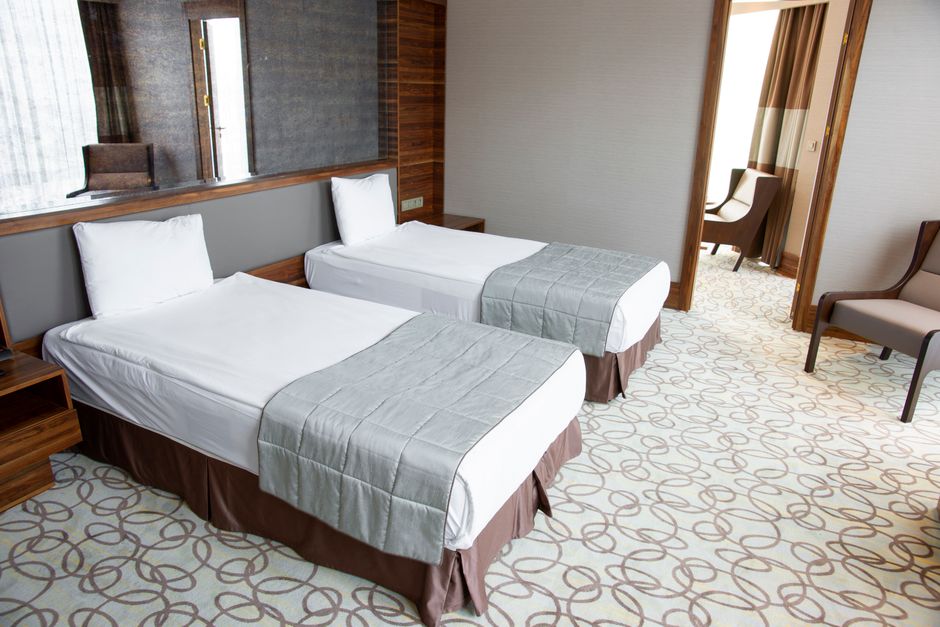
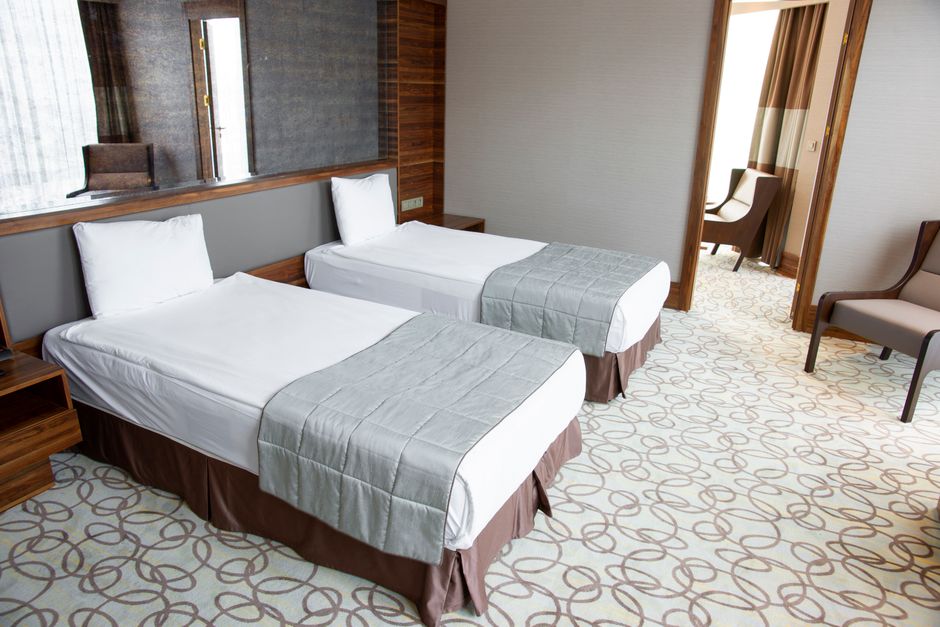
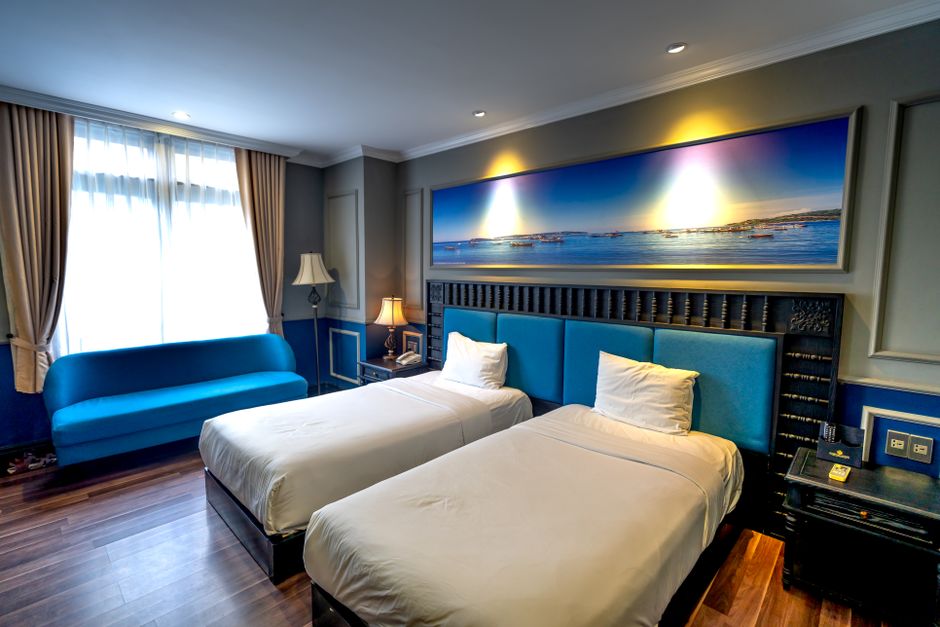
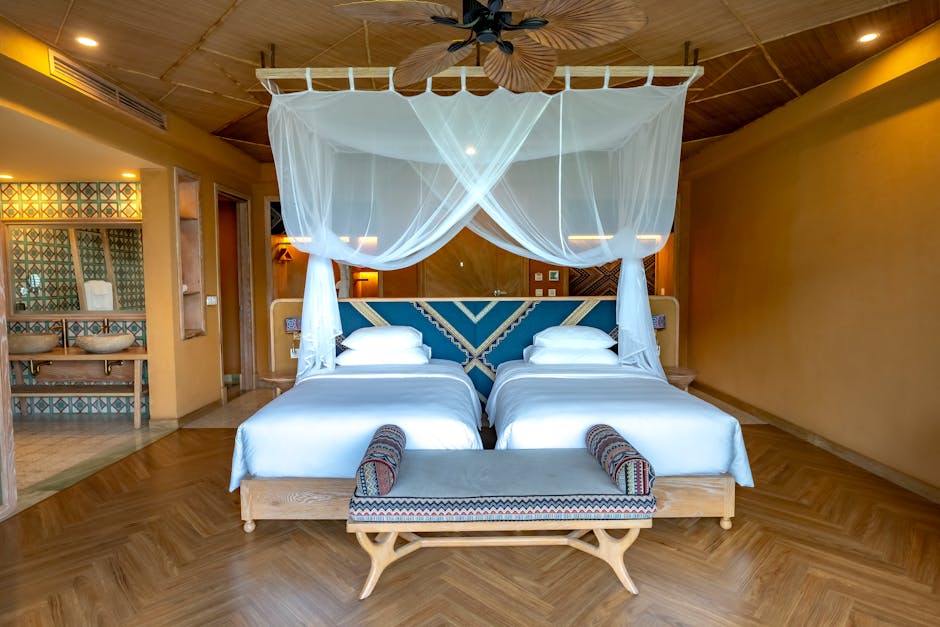
    Spacious and luxurious hotel room featuring two comfortable twin beds with stylish design.

    Key Factors to Consider When Choosing Hotel Furniture Suppliers UAE

    Selecting the ideal partner among hotel furniture suppliers UAE requires a meticulous evaluation beyond just price. Focus on comprehensive capabilities that ensure your project’s success.
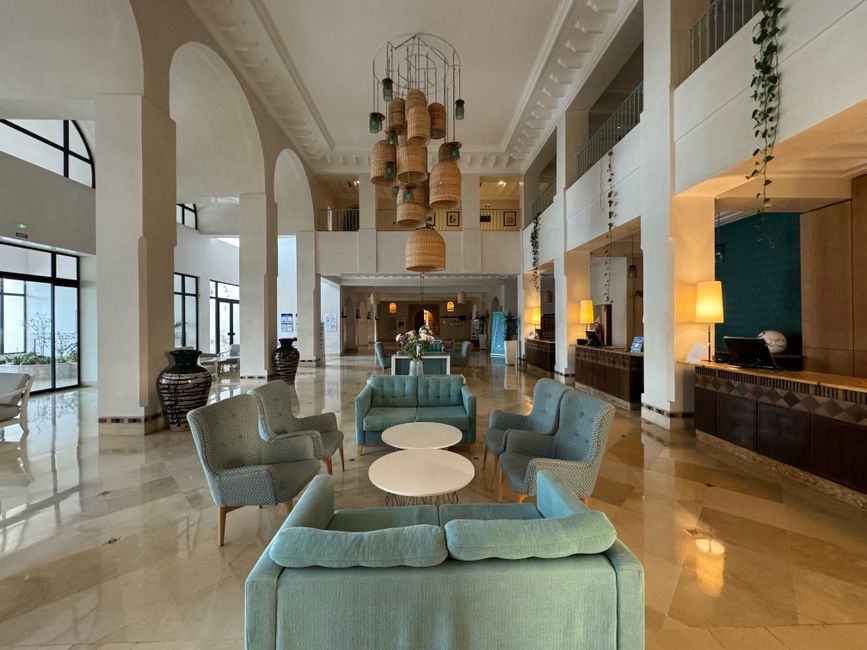
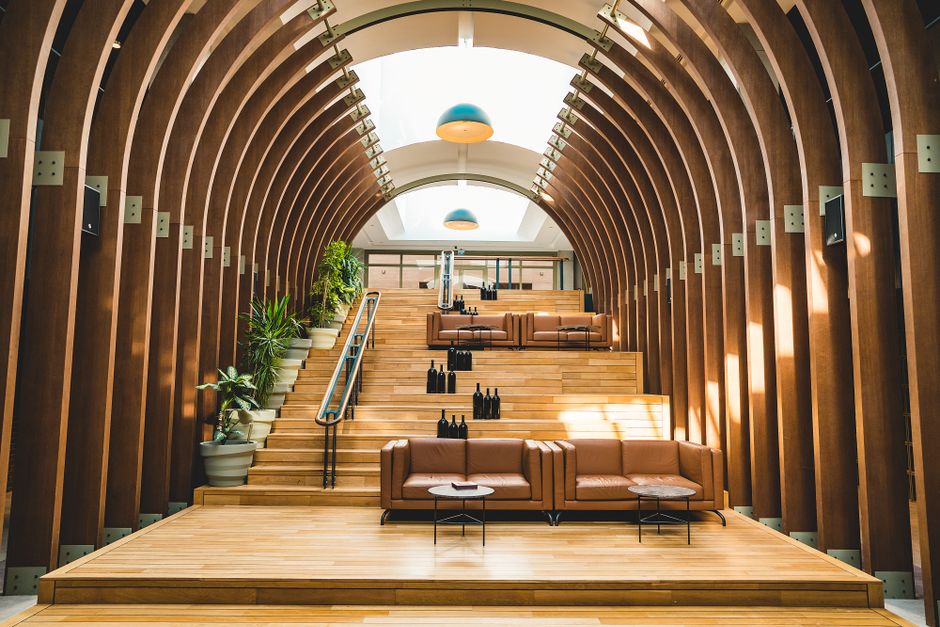
    Spacious and elegant hotel lobby featuring modern furniture, lighting, and decor reflecting luxury interior design.
    • Customization Capabilities and Design Expertise

      Many projects require tailored solutions. Look for a supplier with a professional in-house design team capable of translating your vision into functional, aesthetically pleasing, and durable furniture. This includes expertise in material selection, finishes, and ergonomic design suitable for hospitality environments. A supplier offering OEM/ODM services ensures that your unique brand identity is reflected in every piece.

      hotel furniture suppliers UAE
    • Manufacturing Quality and Material Sourcing

      Investigate the supplier’s manufacturing processes and quality control. Do they use high-grade, sustainable materials? Are their joinery techniques robust? A reliable supplier should provide transparent information about their material sourcing and production standards. For instance, a reputable luxury hotel bedroom furniture manufacturer will utilize solid wood frames, commercial-grade fabrics, and durable finishes to withstand the rigors of hotel use.

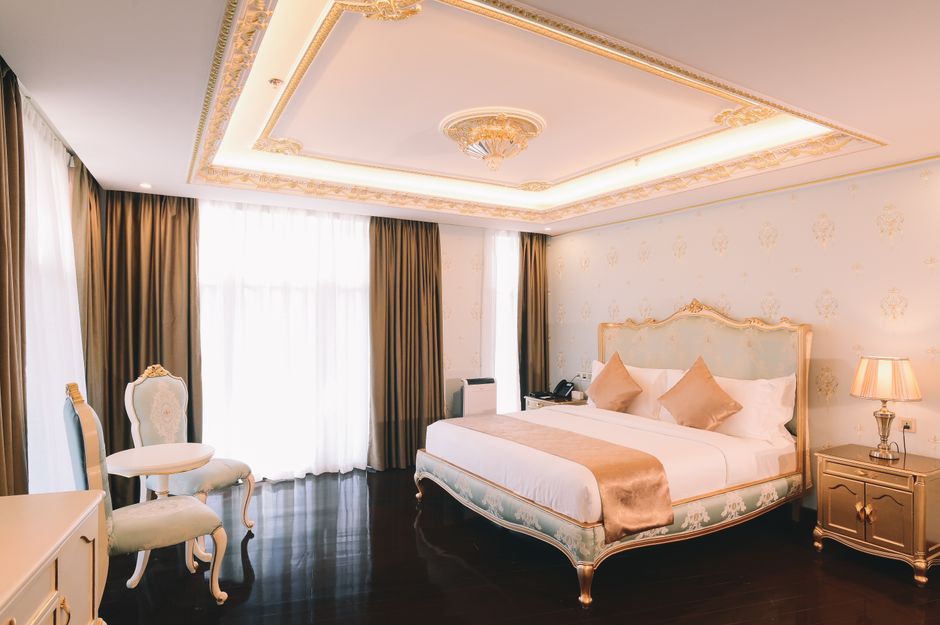
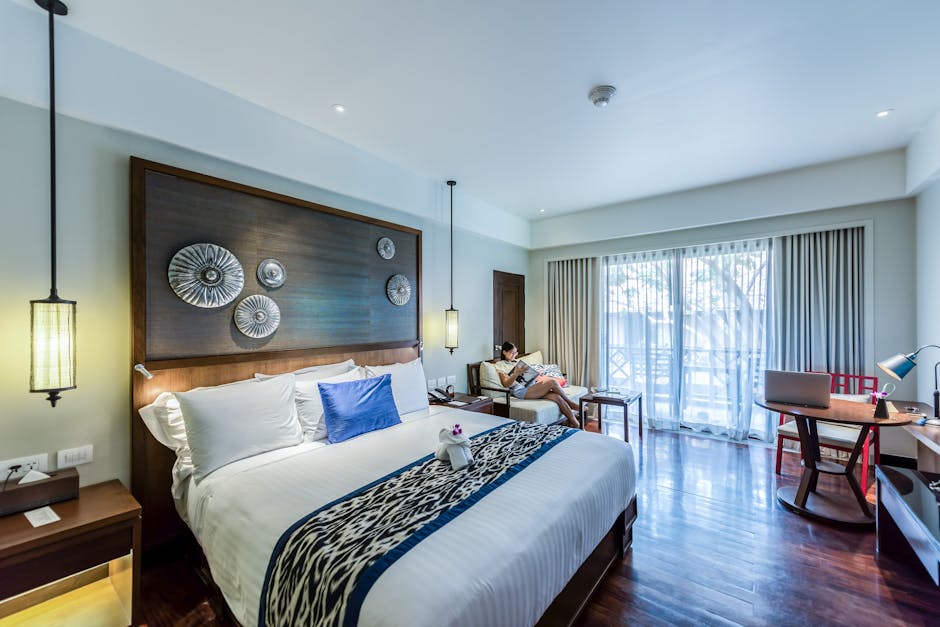
      Elegant hotel room with luxury furnishings and soft lighting, perfect for relaxation.
    • Project Management and Logistics Support

      The best suppliers offer more than just furniture production. They provide a one-stop solution covering early-stage planning, design, manufacturing, quality control, logistics, and even installation. This integrated approach minimizes coordination headaches and ensures seamless project execution, especially for large-scale operations or international shipments to the UAE. Verify their experience in handling complex global logistics.

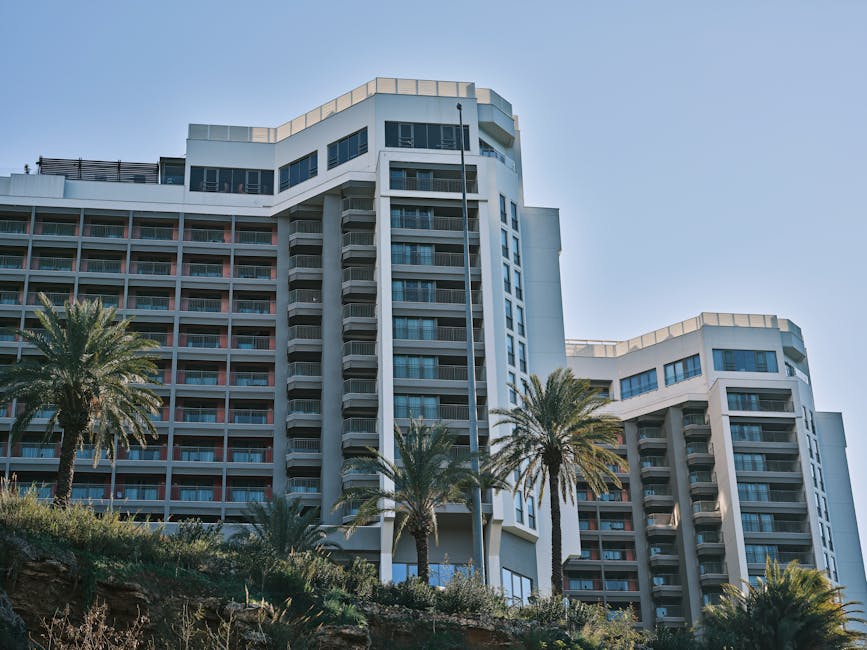
      Explore the vibrant Jumeirah architecture with lush palm trees under a clear Dubai sky.
    • Certifications and Compliance

      Ensure the supplier meets relevant international quality and safety standards. Certifications like CE, ISO, SGS, and FDA (for specific applications) are indicators of a commitment to quality and ethical manufacturing. These certifications provide assurance that the products meet stringent industry benchmarks.

    • Transparent Pricing and After-Sales Service

      While factory-direct pricing is a significant advantage, transparency in all costs – including shipping, customs, and installation – is crucial. Equally important is robust after-sales support and warranty, demonstrating the supplier’s confidence in their product quality and commitment to client satisfaction. Zhobai Hotel Furniture, for example, prides itself on offering comprehensive support from initial concept to post-installation.

    Common Mistakes Hotels Make with Hotel Furniture Suppliers UAE

    Avoiding common pitfalls can save significant time and resources. Many hotel projects encounter issues due to oversight in the procurement process.

    • Prioritizing Low Cost Over Long-Term Value

      The most frequent error is selecting the cheapest option without considering durability, maintenance, and replacement costs. Furniture that needs replacing every 2-3 years due to poor quality quickly negates any initial savings, leading to higher total cost of ownership (TCO). A 10% saving on upfront cost might result in 50% higher TCO over a decade.

    • Neglecting Comprehensive Due Diligence

      Failing to thoroughly vet potential hotel furniture suppliers UAE is risky. This includes not checking references, touring manufacturing facilities (or requesting detailed virtual tours/video evidence), and overlooking essential certifications. A supplier’s track record and client testimonials are invaluable indicators of reliability.

    • Underestimating Lead Times and Logistics

      Custom furniture manufacturing and international shipping can take several months. Underestimating these timelines can delay project completion, incurring penalties and lost revenue. Always build in buffer time and confirm a supplier’s proven ability to meet deadlines and manage complex international freight, especially when sourcing custom hotel furniture China or from other global hubs.

    • Poor Communication and Ambiguous Contracts

      Lack of clear communication regarding design specifications, material choices, and delivery schedules can lead to costly errors and disputes. Ensure all details are explicitly outlined in a comprehensive contract, leaving no room for misinterpretation.

    Latest Trends and Innovations in Hotel Furniture (2024-2025)

    The hospitality industry is constantly evolving, and furniture trends reflect shifts in guest preferences, technology, and environmental consciousness.

    • Sustainability and Eco-Friendly Materials

      Guests increasingly prefer hotels committed to sustainability. Furniture made from recycled, reclaimed, or responsibly sourced materials (e.g., FSC-certified wood, recycled plastics, natural fibers) is gaining prominence. Suppliers offering transparent supply chains and eco-friendly manufacturing processes are highly sought after.

    • Integrated Technology and Smart Furniture

      Expect to see more furniture with integrated charging ports, smart lighting controls, and even subtle IoT capabilities for personalized guest experiences. Desks with wireless charging pads or beds with integrated health monitoring are becoming more common in luxury segments.

    • Biophilic Design and Natural Elements

      Bringing the outdoors in continues to be a strong trend. Furniture incorporating natural wood tones, stone accents, woven textures, and organic shapes creates calming, restorative environments. This trend aligns well with the wellness focus of many modern hotels.

    • Modularity and Multi-Functional Pieces

      As space optimization becomes crucial, modular furniture that can be reconfigured for different uses (e.g., sofa beds, convertible dining tables, movable partitions) offers flexibility and enhances guest comfort. This is particularly valuable for extended-stay hotels or smaller boutique properties.

    • Localized Aesthetics and Cultural Integration

      Hotels are increasingly seeking furniture that reflects the local culture and heritage of their location. For the UAE, this might involve incorporating traditional patterns, Middle Eastern design elements, or using locally inspired materials, creating an authentic and memorable guest experience.

    How to Work With a Reliable Hotel Furniture Partner

    Establishing a strong working relationship with your chosen supplier is paramount for a smooth project from concept to completion.

    1. Define Your Needs Clearly

      Before engaging any hotel furniture suppliers UAE, have a clear understanding of your project scope, budget, design aesthetic, and functional requirements. Provide detailed specifications, floor plans, and mood boards to ensure alignment.

    2. Request Comprehensive Proposals and Samples

      Ask for detailed quotes, including material specifications, lead times, payment terms, and warranty information. Request samples of materials, finishes, and even prototype pieces for critical items like chairs or headboards. This allows for tangible quality assessment.

    3. Establish Clear Communication Channels

      Designate a primary point of contact on both sides and establish regular communication protocols. Weekly project updates, detailed progress reports, and quick responses to queries are vital for keeping the project on track. Zhobai Hotel Furniture provides dedicated project managers to streamline this process.

    4. Implement Quality Control Throughout Production

      Don’t wait until delivery to check quality. Schedule factory visits (or request virtual inspections) at key production stages. Implement a rigorous final inspection process before shipment. Many suppliers, including Zhobai, offer third-party inspection options for added assurance.

    5. Plan for Logistics and Installation

      Coordinate closely with your supplier on shipping schedules, customs clearance, and on-site delivery logistics. Ensure you have a detailed installation plan, whether handled by the supplier’s team or a local contractor, to minimize disruptions.

    Frequently Asked Questions

    What is the typical lead time for custom hotel furniture projects?

    Lead times can vary significantly depending on the complexity, volume, and customization level. Generally, expect 8-16 weeks for manufacturing, plus 4-6 weeks for international shipping and customs to the UAE. Always confirm specific timelines with your chosen supplier early in the process.

    How can I ensure the quality of furniture sourced internationally?

    To ensure quality from international sources, conduct thorough due diligence, including supplier background checks, reviewing certifications (e.g., ISO, CE), requesting material samples, and implementing third-party quality inspections at various production stages. Visiting the factory or engaging a local representative to oversee production are also effective strategies.

    What are the payment terms for large-scale hotel furniture orders?

    Standard payment terms often involve an upfront deposit (e.g., 30-50%) to commence production, with the balance due upon completion of manufacturing or before shipment. Discuss and negotiate these terms to align with your project’s financial milestones.

    Do hotel furniture suppliers UAE offer installation services?

    Many comprehensive suppliers, especially those offering one-stop solutions, provide full installation services as part of their package. Others may offer guidance or recommend trusted local partners. Always clarify the scope of installation services in your contract.

    Choosing the right partner among hotel furniture suppliers UAE is a decision that shapes your property’s future. It demands a blend of strategic foresight, meticulous planning, and a deep understanding of industry best practices. At Zhobai Hotel Furniture, we specialize in providing tailored, high-quality custom furniture solutions for 5-star hotels, resorts, and boutique properties worldwide. With 15+ years of experience and a comprehensive one-stop service from design to installation, we are equipped to bring your unique vision to life.

    Ready to elevate your hotel’s interiors with exceptional custom furniture? Contact Zhobai Hotel Furniture today to discuss your project and discover how our expertise can benefit your next new build or renovation. Our team is here to offer consultative guidance and demonstrate our commitment to your success.
  • Hotel Furniture Trends 2025: Strategic Sourcing

    Hotel Furniture Trends 2025: Strategic Sourcing

    The hospitality sector is undergoing a profound transformation, driven by evolving guest expectations and a renewed focus on sustainability and personalized experiences. Industry data suggests that global luxury hotel market revenue is projected to exceed $300 billion by 2027, underscoring a robust demand for high-quality, distinctive accommodations. This growth directly translates into increased strategic importance for hotel furniture sourcing, pushing owners, developers, and procurement teams to look beyond mere aesthetics towards longevity, functionality, and brand alignment.

    A stylish hotel lobby featuring modern custom hotel furniture designed for both comfort and multi-functionality.

    Current State of the Hotel Furniture Industry

    The commercial hotel furniture sector is navigating a complex yet exciting landscape. Post-pandemic recovery has seen a surge in renovation projects and new builds, fueled by pent-up travel demand and a desire to refresh guest experiences. However, this resurgence is accompanied by persistent supply chain challenges, fluctuating material costs, and an intensified focus on ethical sourcing. Procurement teams are increasingly tasked with balancing budget constraints against the imperative for durable, design-forward pieces that reflect a hotel’s unique brand identity. The days of generic, mass-produced hotel furniture are waning, replaced by a demand for bespoke solutions that elevate the guest journey from check-in to departure. This shift necessitates a deeper engagement with manufacturers who can offer not just products, but comprehensive design and project management capabilities.

    Eco-friendly hotel bedroom furniture made from sustainably sourced materials, reflecting current hotel furniture trends.

    A stylish hotel lobby featuring modern custom hotel furniture designed for both comfort and multi-functionality.

    Top Trends Reshaping Hotel Furniture in 2025

    As we look towards 2025, several key trends are poised to redefine the landscape of hotel furniture, influencing everything from material selection to spatial design.

    A luxurious commercial hotel furniture setup in a boutique hotel, showcasing bespoke design and integrated technology.

    Hyper-Personalization and Experiential Design

    Guests no longer just seek a place to sleep; they desire an immersive experience that reflects local culture, unique aesthetics, and personalized comfort. Market observers note a significant uptick in demand for custom-designed hotel furniture that contributes to a distinct narrative. This translates into bespoke headboards, unique seating arrangements in common areas, and custom case goods that integrate seamlessly with a property’s theme. For instance, boutique hotels are leveraging custom pieces to create Instagrammable moments and a sense of place, moving far beyond standard offerings. This trend extends to the functionality of the furniture itself, with pieces designed to adapt to individual guest preferences, such as adjustable lighting or modular configurations.

    Luxurious hotel room featuring modern furniture and stylish decor.

    Sustainable Sourcing and Circularity

    Sustainability is no longer a niche concern but a core expectation. Industry data suggests that a growing percentage of travelers prioritize eco-conscious brands, pushing hotel owners to invest in environmentally responsible practices across their operations, including FF&E. This means a surge in demand for hotel furniture made from FSC-certified wood, recycled or upcycled materials, and non-toxic finishes. Beyond materials, the focus is on durability and lifecycle. Procurement teams are increasingly seeking suppliers who offer repairability, modular designs for component replacement, and transparent manufacturing processes that minimize waste. Suppliers demonstrating robust sustainable hotel furniture trends and certifications like ISO and SGS are gaining a competitive edge.

    Luxurious lounge area featuring a plush sofa, chic curtains, and soft lighting.

    Blended Spaces and Multi-functional Furniture

    The lines between work, leisure, and social interaction are blurring, particularly in common areas and even guest rooms. This shift demands furniture that can adapt to multiple uses throughout the day. Hotel lobby furniture, for example, is transforming from static waiting areas into dynamic hubs that can serve as co-working spaces during the day and vibrant social lounges by evening. This requires versatile pieces like modular sofas, tables with integrated power outlets, and movable partitions. In guest rooms, custom hotel furniture is designed to maximize space and utility, with desks that double as dining tables, and seating that offers both relaxation and a productive workspace. This trend optimizes spatial efficiency and enhances the guest experience by offering flexibility.

    Spacious and elegant hotel lobby featuring modern furniture, lighting, and decor reflecting luxury interior design.

    Eco-friendly hotel bedroom furniture made from sustainably sourced materials, reflecting current hotel furniture trends.

    What These Trends Mean for Hotel Buyers

    For hotel owners, developers, FF&E procurement managers, and interior designers, these trends underscore the necessity of a more strategic and holistic approach to furniture sourcing. The focus shifts from transactional purchasing to developing long-term partnerships with manufacturers who can deliver innovative, compliant, and sustainable solutions. This means:

    Beautifully designed hotel lobby in Bikaner, Rajasthan, showcasing elegant Indian heritage architecture and decor.
    • Prioritizing Customization: Off-the-shelf solutions will increasingly fall short of guest expectations. Buyers need partners capable of true OEM/ODM services and bespoke design.
    • Demanding Transparency: Verified certifications (CE, ISO, SGS, FDA) and clear supply chain visibility are crucial for meeting sustainability goals and ensuring quality.
    • Seeking End-to-End Solutions: Managing multiple vendors for design, manufacturing, logistics, and installation is inefficient. Procurement teams are increasingly prioritizing suppliers who can offer end-to-end solutions, streamlining the project lifecycle and ensuring seamless execution. Zhobai Hotel Furniture, with its one-stop solution covering early-stage planning to installation, exemplifies this comprehensive partnership approach.
    • Investing in Durability: With bespoke pieces, the longevity of commercial hotel furniture becomes paramount. High-quality materials and construction are essential to protect the investment and reduce the need for frequent replacements.

    Challenges and Opportunities Ahead

    The road ahead is not without its challenges. Continued volatility in raw material prices, potential labor shortages, and the complexities of global logistics remain significant hurdles. Balancing the desire for unique, sustainable designs with budget realities will require astute negotiation and creative problem-solving. However, these challenges also present immense opportunities. Hotels that embrace these trends can differentiate themselves in a competitive market, attract a new generation of conscious travelers, and build stronger brand loyalty. By investing in thoughtful, sustainable, and experiential hotel furniture, properties can enhance guest satisfaction, command higher rates, and optimize operational efficiency through durable, well-designed spaces.

    A luxurious commercial hotel furniture setup in a boutique hotel, showcasing bespoke design and integrated technology.

    Expert Perspective and Market Outlook

    From an expert perspective, the future of hotel furniture is undeniably custom, sustainable, and smart. Market observers note a strong trajectory for bespoke commercial hotel furniture solutions that prioritize both guest well-being and environmental responsibility. With 15+ years of experience in the custom hotel furniture sector, Zhobai Hotel Furniture anticipates continued growth in demand for tailored solutions that reflect a property’s unique vision and operational needs. The ability to seamlessly integrate design, manufacturing, and logistics will be the hallmark of successful partnerships. Hotels that proactively adapt to these evolving demands, focusing on strategic sourcing and innovative design, will be best positioned for long-term success and market leadership.

    As you navigate these evolving demands for your next new build or renovation, partnering with a seasoned expert is crucial. Zhobai Hotel Furniture, with our professional in-house design team and comprehensive one-stop solution, is perfectly aligned with these forward-looking trends. We specialize in crafting custom furniture for 5-star hotels, boutique properties, and resorts worldwide, ensuring your project benefits from factory-direct pricing, global export experience, and unparalleled quality. Explore how Zhobai Hotel Furniture can be your strategic partner in creating exceptional, future-proof spaces. Visit our services page to learn more about our capabilities or connect with us to discuss your next 5-star hotel furniture project.

  • Understanding Your Hotel Furniture Price List

    Understanding Your Hotel Furniture Price List

    Imagine launching a new luxury hotel, only to discover your FF&E budget is 15% over projection, primarily due to overlooked line items in your furniture acquisition. This scenario, unfortunately, is not uncommon in the hospitality sector. For hotel owners, developers, and procurement managers, a comprehensive understanding of the hotel furniture price list is paramount, not just for cost control, but for ensuring long-term guest satisfaction and operational efficiency.

    A detailed hotel furniture price list showing line items for a custom suite.

    Why Your Hotel Furniture Price List is Critical for Hotel Success

    A transparent hotel furniture price list isn’t merely a quotation; it’s a strategic document dictating 20-30% of your total development costs and significantly impacting your property’s return on investment (ROI). Mismanaging this budget can lead to substantial financial setbacks, delaying openings or compromising guest experience.

    Skilled craftsmen assembling custom hotel furniture, reflecting the quality behind the price list.

    The furniture chosen directly influences guest perception, directly affecting occupancy rates and average daily rates (ADR). Investing wisely in durable, aesthetically pleasing pieces, guided by an accurate price list, minimizes future maintenance costs and reduces the need for premature replacements, potentially saving tens of thousands of dollars over a five-year period.

    A modern hotel lobby featuring bespoke hotel furniture, illustrating value beyond the initial price list.

    Key Factors to Consider When Choosing Your Hotel Furniture Price List

    Understanding what drives the numbers on a hotel furniture price list is essential for making informed purchasing decisions. Multiple variables contribute to the final cost, extending far beyond the raw material price.

    hotel furniture price list
    • Material Quality and Specifications

      The choice of materials significantly impacts durability and cost. Solid hardwoods like oak or walnut command higher prices than engineered wood products such as MDF or particleboard, offering superior longevity. For upholstery, fabric specifications like a 50,000 double rub count for high-traffic areas are critical, contrasting sharply with residential-grade fabrics that might only last a fraction as long.

      hotel furniture price list
    • Design Complexity and Customization

      Highly intricate designs, bespoke dimensions, and unique finishes inherent to custom made hotel furniture naturally increase manufacturing costs due to specialized labor and tooling. Standardized, mass-produced items will always be more budget-friendly than a unique, custom-designed piece requiring specific patterns or joinery.

      Elegant hotel room with luxury furnishings and soft lighting, perfect for relaxation.
    • Volume and Economy of Scale

      Larger bulk orders typically benefit from economies of scale, leading to lower per-unit costs. A project requiring furniture for 300 rooms will generally secure a more competitive hotel furniture price list than one for 50 rooms, as manufacturers can optimize production runs and material procurement.

      hotel furniture price list
    • Finishing, Craftsmanship, and Certifications

      The level of finishing, such as multi-step lacquering or hand-applied distressing, adds value and cost. Furthermore, certifications like CE, ISO, SGS, or specific fire ratings (e.g., CAL 117 for the US, BS 5852 for the UK) are non-negotiable for safety and compliance, influencing the supplier’s cost structure due to rigorous testing and material sourcing.

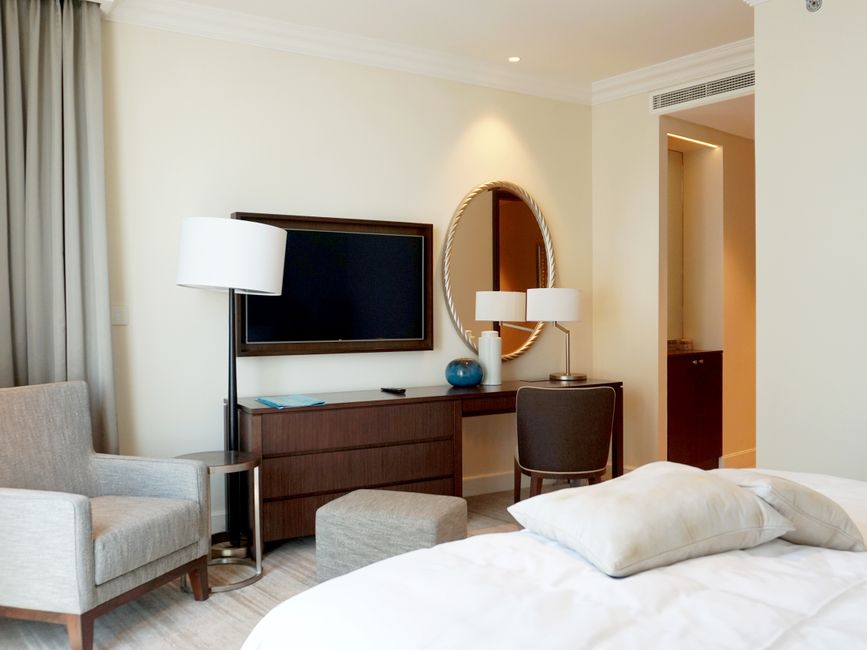
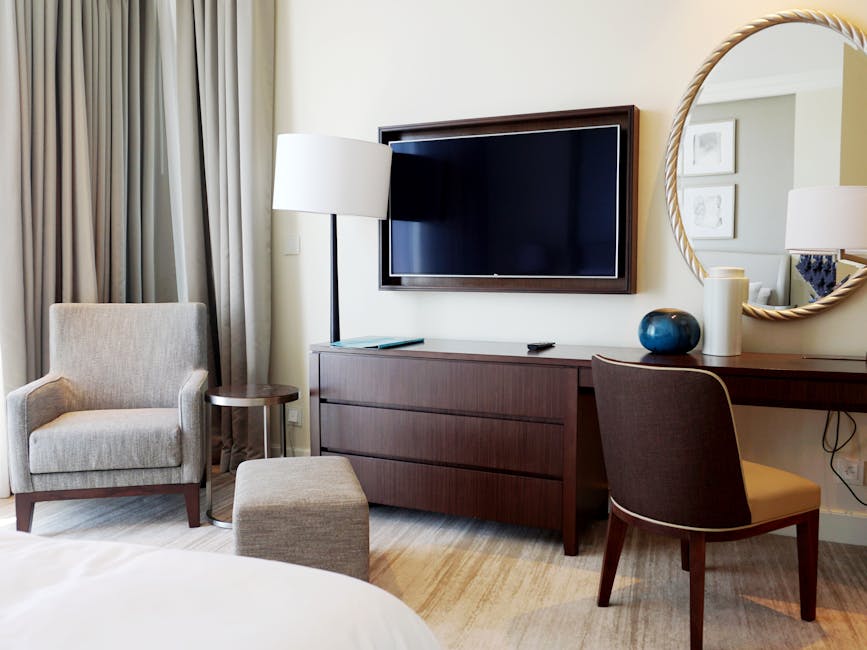
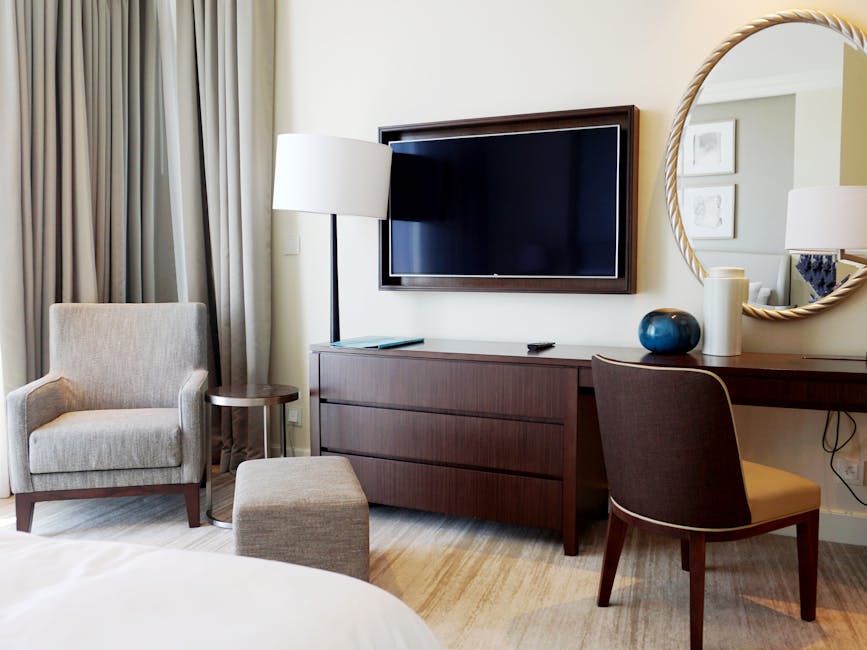
      A beautifully designed hotel room featuring a TV, armchair, and elegant decor, perfect for travelers.
    • Logistics, Installation, and Warranty

      Hidden costs often lurk in logistics, including freight, warehousing, and white-glove installation services. A comprehensive price list should detail these. Additionally, a robust warranty, often 5-10 years for hospitality-grade furniture, reflects the manufacturer’s confidence in their product and factors into the initial investment.

      hotel furniture price list

    Common Mistakes Hotels Make with Their Hotel Furniture Price List

    Navigating FF&E procurement can be treacherous. Avoiding common pitfalls will save time, money, and headaches throughout the project lifecycle.

    hotel furniture price list
    • Focusing Solely on Upfront Cost

      Prioritizing the lowest initial price without considering lifecycle costs (maintenance, repair, replacement) is a frequent error. A cheaper piece might require replacement in 3 years, while a higher-quality item could last 10, making the latter more economical over time.

      Luxurious hotel room features twin beds, modern decor, and ambient lighting.
    • Underestimating Customization and Change Order Costs

      Modifications after production begins or extensive customization requests without proper upfront planning can inflate costs by 10-20%. Ensure all design elements are finalized and approved before manufacturing commences to avoid costly revisions.

      hotel furniture price list
    • Neglecting Hidden Logistics and Installation Fees

      Shipping, customs duties, warehousing, and on-site installation can add 15-25% to the furniture’s purchase price. Always request a DDP (Delivered Duty Paid) quote or a detailed breakdown of all logistical expenses from your supplier.

      Elegantly designed hotel room with modern amenities and minimalist decor.
    • Failing to Verify Supplier Credentials and Quality Control

      Not vetting a manufacturer’s certifications, factory capabilities, or past project references can lead to subpar products, delays, and contractual disputes. A thorough due diligence process is indispensable.

      hotel furniture price list
    • Ignoring Warranty and After-Sales Support

      A lack of clear warranty terms or inadequate after-sales support can leave you vulnerable to significant expenses if defects or damage occur post-installation. Confirm these details before signing any agreement.

      hotel furniture price list

    Latest Trends and Innovations in Hotel Furniture (2024-2025)

    The hospitality industry is dynamic, with new trends constantly shaping guest expectations and operational efficiencies. Incorporating these into your planning can future-proof your investment.

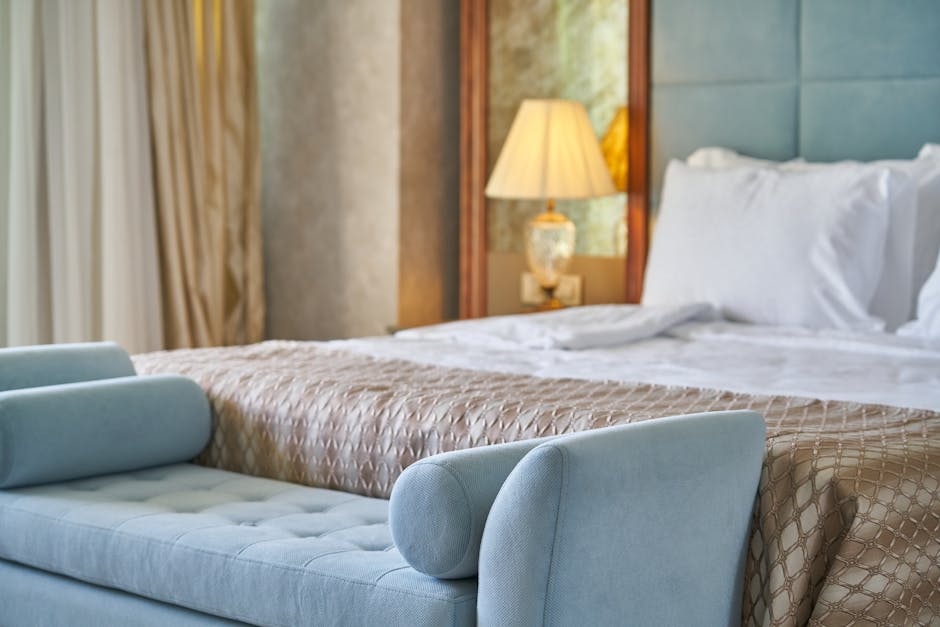
    Elegant bedroom interior featuring plush bed and seating with cozy ambiance lighting.
    • Sustainability and Eco-Conscious Materials

      There’s a growing demand for furniture made from recycled, reclaimed, or sustainably sourced materials like FSC-certified wood. Guests increasingly prefer hotels demonstrating environmental responsibility, making sustainable choices a key differentiator. This trend influences the hotel furniture price list as eco-certified materials may carry a premium, offset by positive brand perception and long-term durability. For more insights, explore Sustainable Hotel Furniture Trends.

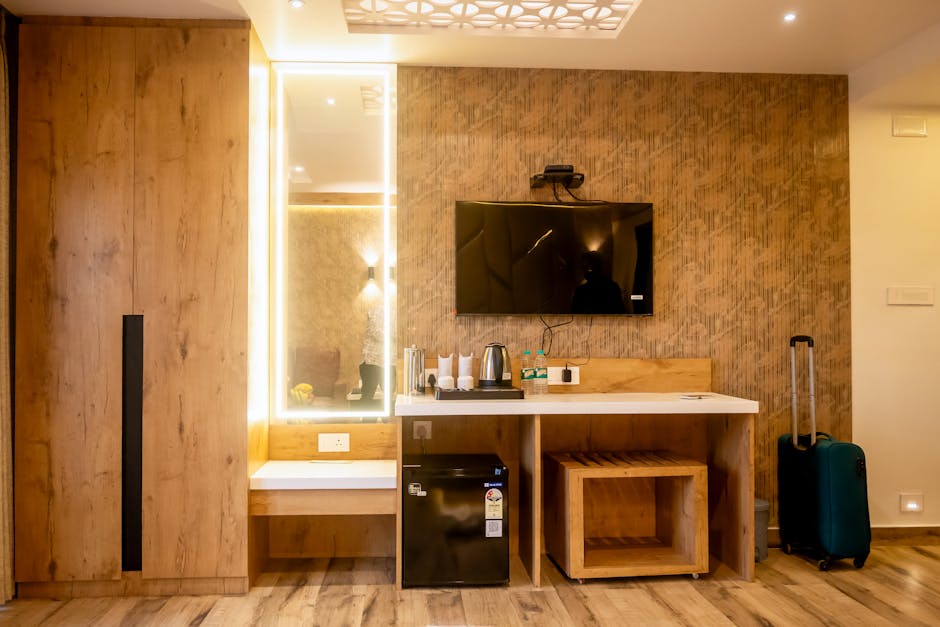
      Chic hotel room with elegant modern furniture and decor, featuring a large wall-mounted TV.
    • Smart and Integrated Technology

      Furniture with integrated USB charging ports, wireless charging pads, and even smart lighting controls is becoming standard. These features enhance guest convenience and are a significant selling point, often incorporated into the initial furniture cost.

    • Biophilic Design Elements

      Bringing nature indoors through natural wood finishes, organic textures, and earthy color palettes creates calming and restorative environments. This design philosophy focuses on guest well-being and can be achieved through specific material selections and design aesthetics.

    • Multi-functional and Modular Furniture

      With smaller room footprints becoming more common, furniture that serves multiple purposes (e.g., a desk that doubles as a dining table, a sofa that converts to a bed) optimizes space and enhances guest utility. Modular pieces offer flexibility for room reconfigurations.

    • Enhanced Durability and Hygiene

      Post-pandemic, emphasis on hygiene and easy-to-clean surfaces has surged. Antimicrobial fabrics, non-porous materials, and robust construction that withstands rigorous cleaning protocols are now high priorities for hotel operators. Further trends can be found in Hotel Furniture Trends 2025.

    How to Work With a Reliable Hotel Furniture Partner

    Choosing the right manufacturing partner is as crucial as the furniture itself. A reliable partner ensures your vision is realized on time and within budget.

    • Look for Proven Experience and Specialization

      Partner with companies that possess extensive experience in hospitality FF&E, particularly with 5-star hotels and resorts. Firms with 10+ years in the industry, like Zhobai Hotel Furniture, understand the unique demands of hotel projects.

    • Seek Comprehensive One-Stop Solutions

      The most efficient projects utilize partners offering end-to-end services, from early-stage planning and design to manufacturing, logistics, and installation. Zhobai Hotel Furniture, for instance, provides a comprehensive one-stop solution, streamlining the entire procurement process and reducing coordination complexities. Learn more about our services.

    • Prioritize In-House Design Capabilities

      A professional in-house design team can translate your concepts into reality, offering tailored spaces that reflect your brand identity. This expertise is invaluable for creating custom made hotel furniture that stands out.

    • Demand Transparent OEM/ODM Services and Factory Direct Pricing

      Reputable top hotel furniture manufacturers offer transparent OEM/ODM services, ensuring quality control and direct pricing without intermediaries. This approach maximizes value and minimizes unexpected costs on your hotel furniture price list.

    • Verify Certifications and Global Logistics Expertise

      Ensure your partner holds relevant international certifications (CE, ISO, SGS, FDA) indicating adherence to quality and safety standards. Furthermore, their experience in global logistics, exporting to diverse regions like Europe, North America, and Africa, guarantees smooth delivery and installation.

    Frequently Asked Questions

    • How much does custom hotel furniture cost per room?

      The cost varies significantly based on hotel class, design complexity, and material choices. For a mid-range hotel, a custom FF&E package might range from $3,000 to $8,000 per room, while a luxury 5-star suite could exceed $15,000-$25,000 per room. Factors like casegoods, seating, lighting, and art all contribute.

    • What’s the difference between OEM and ODM services?

      OEM (Original Equipment Manufacturer) involves manufacturing products based on a client’s specific designs and specifications. ODM (Original Design Manufacturer) means the manufacturer designs and produces the product, which the client then brands and sells. Both offer advantages for custom hotel furniture sourcing.

    • How long does it take to produce custom furniture for a hotel project?

      Typical lead times for custom hotel furniture manufacturing range from 8 to 16 weeks, depending on the volume, complexity, and specific material availability. This does not include design and approval phases, or shipping time, which can add several more weeks.

    • What payment terms are typical for large FF&E orders?

      Standard payment terms often involve an initial deposit (e.g., 30-50%) upon order confirmation, a progress payment (e.g., 30-40%) upon completion of manufacturing, and the final balance (e.g., 20-30%) before shipment or upon delivery. These terms can be negotiated based on project size and supplier relationship.

    Navigating the complexities of a hotel furniture price list requires deep industry knowledge and a keen eye for detail. By understanding the underlying factors, avoiding common mistakes, and partnering with experienced hotel furniture manufacturers, you can optimize your FF&E investment and create truly exceptional guest experiences.

    Connect with Zhobai Hotel Furniture’s experts for a detailed consultation and a transparent, competitive quotation tailored to your specific hotel project. Let us help you transform your vision into reality with precision and value.

  • Optimize Your Hotel Building Cost: Industry Guide

    Optimize Your Hotel Building Cost: Industry Guide

    Navigating the complex landscape of hotel development, one figure consistently dominates strategic discussions: the total hotel building cost. This isn’t merely a sum of construction expenses; it’s a multi-faceted investment dictating profitability, market positioning, and long-term operational success. For hotel owners, developers, and procurement managers, understanding and strategically managing this cost is paramount to transforming ambitious visions into thriving realities. An early miscalculation, particularly in areas like custom FF&E, can ripple through a project, impacting timelines, budgets, and ultimately, guest experience and return on investment.

    Architectural rendering of a modern luxury hotel, illustrating a significant hotel building cost.

    Why Optimizing Hotel Building Cost is Critical for Hotel Success

    Effective management of your hotel building cost directly translates into the financial viability and competitive edge of your property. Overruns can erode profit margins, delay opening dates, and strain investor confidence, turning a promising venture into a financial burden. Conversely, a well-planned budget allows for strategic allocation of resources, ensuring quality without unnecessary extravagance, and securing a stronger position in the market.

    Hotel interior showing custom-designed furniture, reflecting a critical component of overall hotel building cost.

    Consider a typical 150-room upscale hotel; an average project cost can range from $25 million to $60 million or more, depending on location and amenities. Even a 5% budget overshoot, a common occurrence in complex projects, could mean an additional $1.25 million to $3 million. This significant sum directly impacts the capital expenditure, affecting debt servicing, equity returns, and the overall project lifecycle.

    Team meeting discussing project timelines and budget, focusing on managing hotel building cost efficiently.

    Key Factors to Consider When Calculating Hotel Building Cost

    A comprehensive understanding of hotel building cost requires dissecting it into its core components. Each element carries significant weight and demands meticulous planning to ensure accuracy and prevent unexpected expenditures.

    Minimalist image of a classic hotel facade against a dark dramatic sky, highlighting urban architecture.
    • Land Acquisition & Site Preparation

      The cost of land varies dramatically by location, from prime urban centers where it can represent 20-30% of the total project cost, to more rural or suburban areas. Beyond purchase price, site preparation, including grading, utility connections, and environmental assessments, can add 5-10% to this initial outlay.

      hotel building cost
    • Hard Costs: Construction & Infrastructure

      This category encompasses structural work, exterior finishes, MEP (Mechanical, Electrical, Plumbing) systems, and interior architectural elements. These costs typically constitute 50-60% of the total hotel building cost. Selecting durable, high-performance materials and efficient construction methods are crucial for long-term operational savings.

      The Westin Grand Hotel facade with a modern architectural design under daylight.
    • FF&E and OS&E

      Furniture, Fixtures, and Equipment (FF&E) and Operating Supplies and Equipment (OS&E) are critical for guest experience and functionality. FF&E alone can account for 10-15% of the total project budget, covering everything from guest room furniture to lobby seating and restaurant equipment. OS&E, including linens, kitchenware, and amenities, adds another 2-5%. Strategic sourcing for custom furniture, leveraging factory direct pricing and OEM/ODM services, can significantly impact this segment.

      hotel building cost
    • Soft Costs: Design, Fees & Financing

      These essential but non-physical costs include architectural and engineering fees (5-10%), permits, legal expenses, insurance, project management, and financing costs. These elements typically represent 15-20% of the overall project cost and require careful budgeting from the outset.

      hotel building cost
    • Technology Integration

      Modern hotels demand advanced technology, from property management systems and high-speed internet to smart room controls and security systems. Integrating these solutions effectively can add 3-7% to the total budget but is vital for guest satisfaction and operational efficiency.

      hotel building cost

    Common Mistakes Hotels Make with Hotel Building Cost

    Even experienced developers can fall prey to common pitfalls that inflate the hotel building cost or compromise the project’s long-term success. Avoiding these errors is as crucial as meticulous planning.
    • Underestimating FF&E Budget

      Many projects initially allocate insufficient funds for FF&E, viewing it as a secondary expense rather than an integral part of the guest experience. This often leads to last-minute compromises on quality or design, impacting brand perception and operational durability. For instance, selecting inferior quality custom furniture might save 2% upfront but incur 10% higher replacement costs within five years.

    • Lack of Detailed Early-Stage Planning

      Failing to conduct thorough feasibility studies, detailed architectural planning, and comprehensive cost modeling from day one is a frequent misstep. This can result in costly change orders during construction, pushing timelines and budgets beyond acceptable limits. Early engagement with a professional design team is critical to mitigate these risks.

    • Ignoring Long-Term Operational Costs

      Focusing solely on initial construction costs without considering ongoing operational expenses (e.g., energy consumption, maintenance, staffing) can lead to higher lifetime costs. Investing in energy-efficient systems or durable, easy-to-maintain materials might increase upfront expenditure by 3-5% but can yield 15-20% savings in operational costs annually.

    • Poor Supplier Vetting and Contract Management

      Selecting suppliers based solely on the lowest bid without thorough due diligence regarding their experience, quality control, and reliability often backfires. This can result in delays, substandard products, and contractual disputes. Vetting partners with a proven track record, especially for critical components like custom FF&E, is essential.

    Latest Trends and Innovations in Hotel Building Cost (2024-2025)

    The hospitality industry is constantly evolving, and new trends significantly influence how to build a hotel efficiently and sustainably. Staying abreast of these innovations can lead to substantial cost savings and enhanced guest experiences.

    • Sustainable Construction & Materials

      Increasingly, developers are prioritizing sustainable practices. This includes using recycled or locally sourced materials, modular construction techniques to reduce waste, and energy-efficient building systems. While some sustainable materials might have a slightly higher upfront cost (e.g., 2-3%), they often qualify for tax incentives and result in lower operational costs and a stronger brand image, appealing to environmentally conscious guests.

    • Modular Construction Techniques

      Prefabricated modules for guest rooms or entire sections of a hotel can reduce construction time by 30-50% and lower labor costs. This method minimizes on-site disruption, improves quality control, and can lead to a 5-10% reduction in overall hard costs, making it an attractive option for certain projects.

    • Wellness-Focused Design & Biophilia

      Integrating natural light, green spaces, and biophilic design elements is a growing trend. While requiring thoughtful design, these features enhance guest well-being and can increase perceived value. Using natural wood finishes and sustainable textiles in custom furniture aligns with this trend, providing both aesthetic appeal and environmental benefits.

    • Smart Technology Integration

      Beyond basic Wi-Fi, hotels are incorporating smart room controls for lighting, temperature, and entertainment, as well as touchless check-in and digital concierge services. These advancements, while an investment, streamline operations, reduce staffing needs, and elevate the guest experience, contributing positively to ROI over time.

    How to Work With a Reliable Hotel Building Partner

    Selecting the right partners is paramount to managing your hotel building cost and achieving project success. For critical elements like custom furniture, a full-service manufacturer offers invaluable expertise and efficiencies.

    Look for partners who offer a one-stop solution, encompassing early-stage planning, design, manufacturing, logistics, and installation. This integrated approach minimizes coordination headaches, reduces the risk of miscommunication, and often results in significant cost savings compared to managing multiple vendors. Zhobai Hotel Furniture, for instance, has over 15 years of experience providing such comprehensive services, ensuring seamless project execution.

    A professional in-house design team is another non-negotiable asset. They can translate your vision into tailored spaces, optimize layouts for functionality and aesthetics, and ensure material selection aligns with your budget and brand standards. Their expertise is crucial in specifying custom furniture that meets the demands of 5-star hotels, boutique resorts, and other demanding hospitality environments worldwide.

    Finally, consider a manufacturer’s certifications (like CE, ISO, SGS, FDA) and their ability to offer OEM/ODM services and factory direct pricing. This transparency and direct engagement ensure quality control and eliminate unnecessary markups. For a deeper dive into selecting the best manufacturing partner, explore this hotel furniture manufacturer guide.

    Frequently Asked Questions

    • What is the average hotel building cost per key (per room)?

      The cost per key varies significantly by segment and location. Economy hotels might range from $80,000 – $150,000 per key, mid-scale from $150,000 – $250,000, and luxury or 5-star properties can easily exceed $300,000 – $600,000 per key, often much higher in prime urban areas or for famous commercial buildings.

    • How much does FF&E typically contribute to the total hotel building cost?

      FF&E (Furniture, Fixtures, and Equipment) generally accounts for 10% to 15% of the total hotel building cost. This percentage can increase for high-end luxury properties or those requiring extensive custom furniture and specialized equipment.

    • What are ‘soft costs’ in hotel development?

      Soft costs are expenses not directly related to physical construction. They include architectural and engineering fees, legal fees, permits, insurance, financing costs, project management fees, and pre-opening expenses. These typically constitute 15% to 20% of the total project budget.

    • How can I reduce hotel construction costs without sacrificing quality?

      Strategic cost reduction involves meticulous early-stage planning, value engineering, efficient procurement (e.g., factory direct custom furniture), utilizing modular construction where appropriate, and selecting a reliable, experienced one-stop solution partner. Focusing on durable materials and smart design can also reduce long-term operational costs.

    Mastering the complexities of hotel building cost is a cornerstone of successful hospitality development. By understanding the intricate factors, avoiding common pitfalls, embracing emerging trends, and partnering with experienced suppliers, you can ensure your project is not only financially sound but also delivers exceptional value and guest satisfaction. Zhobai Hotel Furniture stands ready as your trusted partner, offering comprehensive expertise from design to delivery for your next custom furniture project. Let our 15+ years of experience and dedicated design team help you optimize your investment. Contact us today to discuss your vision and receive expert guidance tailored to your specific needs.

  • Factory Design Hotel Furniture: Sourcing Guide

    Factory Design Hotel Furniture: Sourcing Guide

    In the competitive hospitality market, guest satisfaction and operational efficiency are paramount. Furniture, often representing 10-15% of a hotel’s total build or renovation budget, directly influences both. Yet, many hotel owners and developers grapple with inconsistent quality, budget overruns, and delayed timelines when sourcing custom pieces. Embracing a direct-from-factory design hotel approach is no longer a niche strategy; it is a critical pivot for securing high-value, bespoke furniture that elevates guest experience while optimizing project costs and timelines.

    A modern hotel lobby featuring custom-designed seating and tables, showcasing high-quality factory design hotel furniture.
    Photo by Michael on Pexels

    Why Factory Design Hotel is Critical for Hotel Success

    Opting for a direct factory design approach offers substantial advantages over traditional procurement channels. It streamlines the supply chain, eliminating intermediary markups that can inflate costs by 20-30%. This direct engagement ensures greater control over material selection, manufacturing processes, and quality assurance, leading to superior durability and aesthetic consistency across all furniture pieces.

    A luxurious hotel guest room with bespoke wooden casegoods and upholstered chairs, reflecting a premium factory design hotel aesthetic.
    Photo by Wolfgang Weiser on Pexels

    Learn more about certified quality standards.

    Learn more about one-stop hotel furniture solutions.

    An intricate workshop setting where skilled craftsmen are assembling custom pieces for a factory design hotel project, emphasizing attention to detail.
    Photo by Masood Aslami on Pexels

    Learn more about guide to factory design hotel furniture.

    Furthermore, direct factory collaboration significantly reduces project lead times. Manufacturers can often deliver custom orders 4-6 weeks faster than distributors, minimizing hotel downtime during renovations or accelerating the opening of new builds. This efficiency translates directly into quicker revenue generation and a stronger return on investment (ROI), crucial for profitability in a market where every week counts.

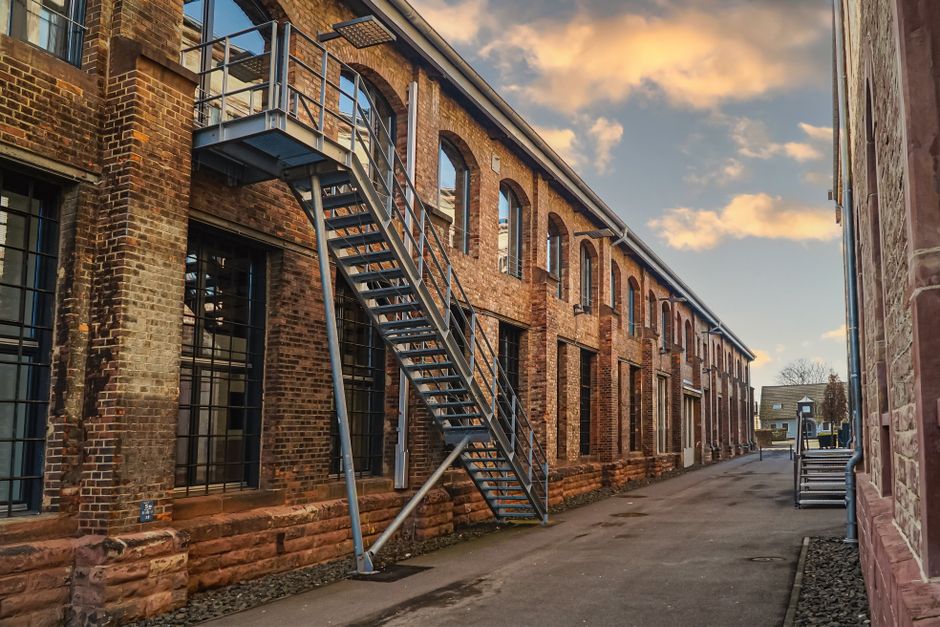
    A vintage industrial interior with exposed pipes, brick walls, and metal staircases, captured in natural light.
    Photo by Sami TÜRK on Pexels

    Key Factors to Consider When Choosing a Factory Design Hotel Partner

    Selecting the right manufacturing partner is paramount for successful custom furniture projects. Evaluate potential factories on several key criteria to ensure they align with your project’s unique demands and quality standards.

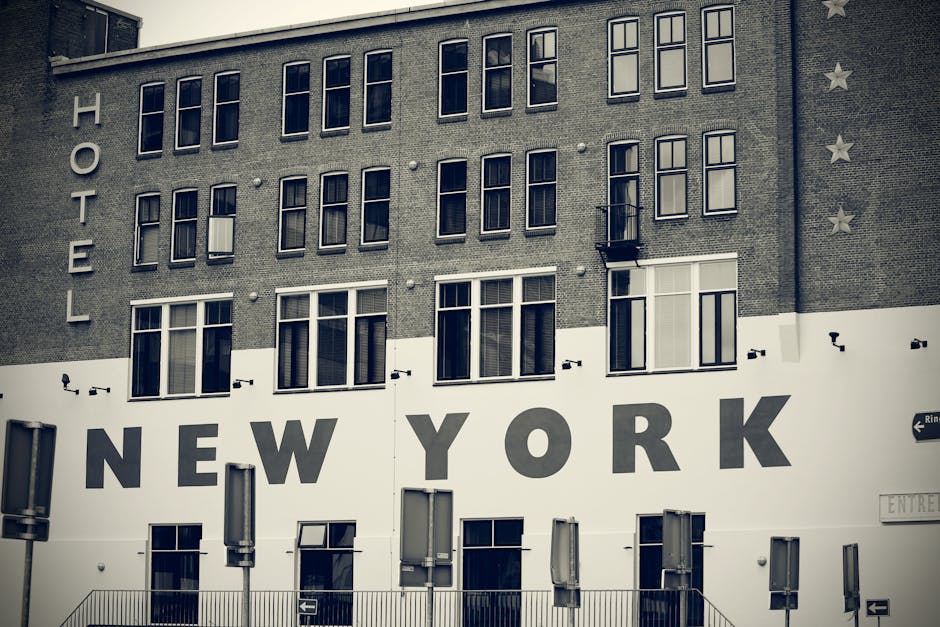
    Black and white photo of a hotel facade with 'New York' signage, showcasing urban architecture.
    Photo by Henk Mohabier on Pexels
    • Customization Capabilities and Design Expertise

      A leading factory design partner should offer full OEM/ODM services, allowing for complete design flexibility from concept to prototype. Look for an in-house design team that can translate your vision or an interior designer’s plans into manufacturable solutions, providing detailed shop drawings and material suggestions. Their ability to handle complex custom pieces, from guest room casegoods to public area seating, is essential.

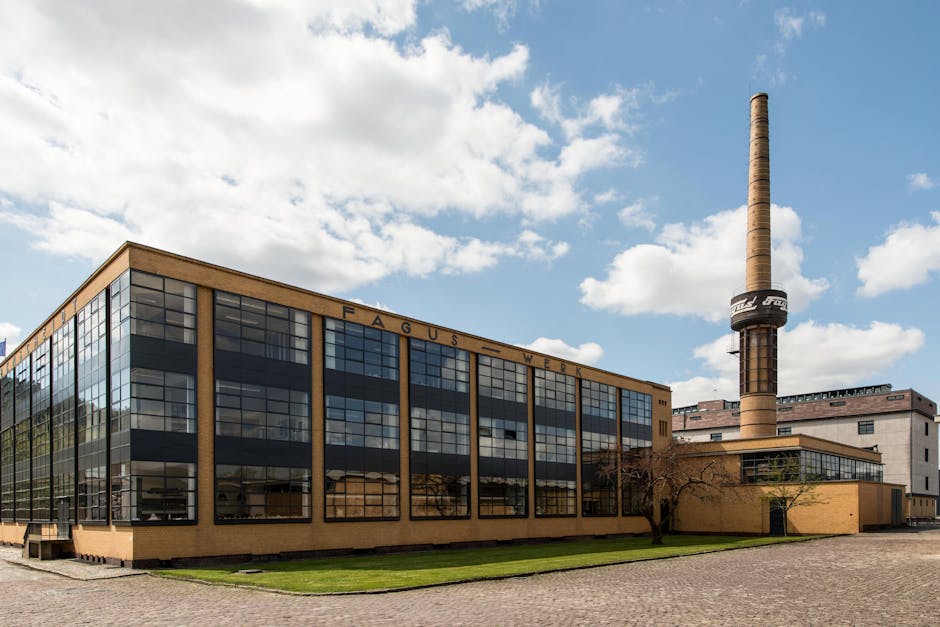
      Symmetrical facade of an old industrial building with brick walls and large windows.
      Photo by Mike van Schoonderwalt on Pexels
    • Material Sourcing and Quality Control

      Inquire about their raw material sourcing policies. A reputable manufacturer prioritizes durable, high-grade materials like solid wood, fire-retardant fabrics, and high-density foam, ensuring furniture longevity. Robust multi-stage quality control (QC) procedures, from material inspection to final assembly, are non-negotiable. Request samples and factory tours to verify their commitment to craftsmanship.

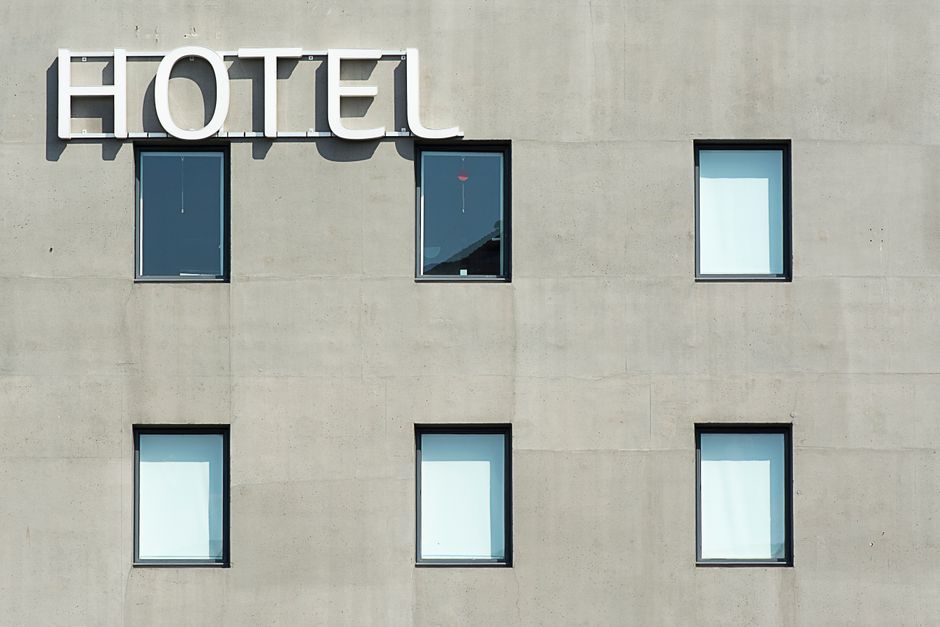
      Contemporary hotel facade featuring minimalist design and geometric window patterns.
      Photo by Jan van der Wolf on Pexels
    • Certifications and Compliance

      Ensure the factory holds relevant international certifications such as CE, ISO 9001 (quality management), ISO 14001 (environmental management), SGS (quality verification), and potentially FDA for healthcare-related projects. These certifications demonstrate adherence to global safety, quality, and ethical manufacturing standards, protecting your investment and ensuring product reliability.

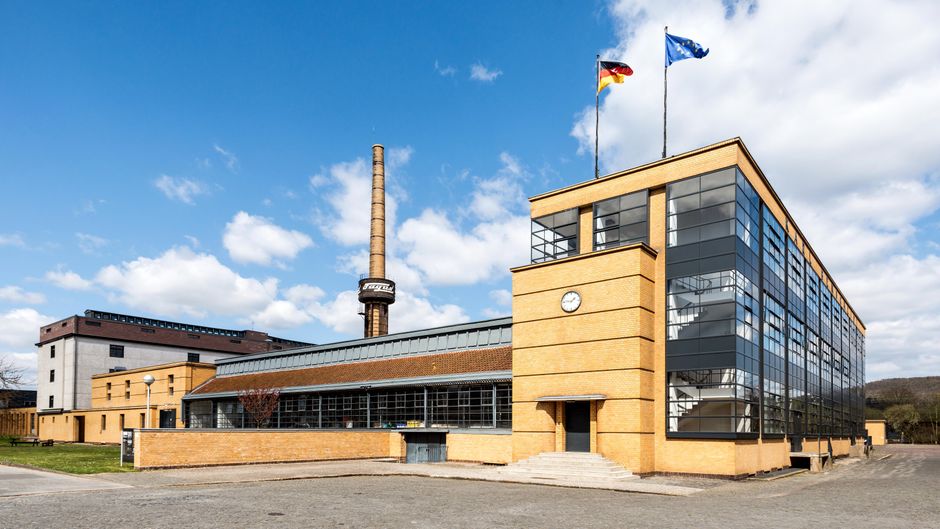
      The Fagus Factory in Alfeld, Germany, showcases early modern architecture.
      Photo by Wolfgang Weiser on Pexels
    • Project Management and Logistics

      An effective partner provides comprehensive project management, including a dedicated point of contact. They should offer a one-stop solution encompassing early-stage planning, design, manufacturing, logistics, and installation. This integrated approach minimizes coordination headaches and ensures seamless execution, especially for international exports across continents like Europe, North America, and Africa.

    Common Mistakes Hotels Make with Factory Design Hotel Furniture

    Even experienced professionals can encounter pitfalls when sourcing custom hotel furniture directly from a factory. Avoiding these common errors can save significant time and money.

    • Neglecting Detailed Specifications

      One of the most frequent mistakes is providing insufficient or ambiguous specifications. Vague requirements for materials, dimensions, finishes, or hardware can lead to costly rework, delays, and furniture that doesn’t meet expectations. Always provide precise technical drawings, material samples, and finish schedules.

    • Underestimating Lead Times and Logistics

      While direct factory sourcing can be faster, it still requires realistic planning. Overlooking production timelines, shipping schedules, customs clearance, and local delivery can cause project delays. Factor in buffer time for unexpected issues, especially for international shipments. A seasoned partner will provide transparent logistics planning.

    • Prioritizing Price Over Value and Durability

      Focusing solely on the lowest bid often results in compromising material quality and construction. Cheaply made furniture may save upfront costs but quickly leads to higher maintenance, repair, and replacement expenses within a few years. Invest in durable pieces that withstand the rigors of hospitality use for a superior long-term ROI.

    • Skipping Prototype Approval

      Failing to request and thoroughly review a prototype or mock-up before mass production is a critical oversight. A prototype allows you to assess design, functionality, comfort, and finish quality, identifying and correcting issues before large-scale manufacturing begins. This step is invaluable for a successful factory design hotel project.

    Latest Trends and Innovations in Factory Design Hotel Furniture (2024-2025)

    The hospitality furniture landscape is continually evolving, driven by guest expectations, technological advancements, and sustainability concerns. Staying abreast of these trends ensures your hotel remains competitive and appealing.

    • Sustainable and Eco-Friendly Materials

      There’s a growing demand for furniture made from recycled, reclaimed, or sustainably sourced materials like FSC-certified wood, bamboo, and recycled plastics. Guests increasingly prefer hotels that demonstrate environmental responsibility. Manufacturers are innovating with low-VOC finishes and energy-efficient production processes.

    • Integrated Technology and Smart Furniture

      Expect to see more furniture with built-in charging stations (USB-C, wireless), smart lighting controls, and even integrated audio systems. Desks with adjustable heights and beds with automated settings are becoming more common, enhancing guest convenience and experience.

    • Modular and Multifunctional Designs

      Space optimization is key, especially in urban hotels. Modular furniture that can be reconfigured for different uses (e.g., a sofa that converts into a workspace, movable privacy screens) offers flexibility and maximizes room utility. These adaptable pieces enhance guest comfort and provide operational advantages.

    • Biophilic Design Integration

      Bringing nature indoors continues to be a strong trend. Furniture incorporating natural textures, organic shapes, and even living elements (e.g., planters integrated into room dividers or tables) creates calming, health-promoting environments. This approach aligns with guest desires for wellness and connection to nature.

    How to Work With a Reliable Factory Design Hotel Partner

    Establishing a successful partnership with a custom furniture manufacturer involves clear communication, meticulous planning, and mutual trust. Here’s a strategic approach:

    1. Define Your Project Scope and Budget Clearly

      Before engaging, have a precise understanding of your project’s needs, including the quantity and type of furniture, aesthetic vision, material preferences, and budget constraints. This clarity allows manufacturers to provide accurate quotes and realistic timelines.

    2. Conduct Thorough Due Diligence

      Research potential partners extensively. Review their portfolio, client testimonials, and certifications. Request references from previous hospitality clients. A factory with 15+ years of experience, like Zhobai Hotel Furniture, specializing in 5-star hotels and resorts, brings invaluable expertise to complex projects.

    3. Engage Early in the Design Process

      Involve your chosen factory partner during the early planning and design stages. Their in-house design team can offer practical insights into material suitability, construction methods, and cost-saving opportunities, often identifying potential issues before they become expensive problems. This collaborative approach ensures the design is not only beautiful but also manufacturable and durable.

    4. Establish Clear Communication Channels

      Designate a primary point of contact on both sides to streamline communication. Regular updates, progress reports, and prompt responses to inquiries are vital for keeping the project on track. Zhobai Hotel Furniture prides itself on providing a one-stop solution, ensuring seamless communication from planning to installation.

    5. Finalize Contracts and Payment Terms

      Ensure all project details, including specifications, timelines, payment schedules, and warranty information, are clearly stipulated in a comprehensive contract. Understand the factory’s payment structure, typically involving an upfront deposit, progress payments, and a final balance upon delivery or installation.

    Frequently Asked Questions

    • What is the typical lead time for custom hotel furniture from a factory?

      Generally, lead times range from 8 to 16 weeks, depending on the complexity of the design, material availability, and order volume. This period typically starts after design approval and prototype sign-off, excluding shipping time.

    • How do factories ensure the quality of custom hotel furniture?

      Reputable factories implement stringent multi-stage quality control (QC) protocols: raw material inspection, in-process checks during manufacturing, and final inspection before packaging. Certifications (ISO, SGS) and third-party inspections further validate their quality standards.

    • Can I customize every aspect of the furniture when working with a factory?

      Yes, leading custom furniture manufacturers offer extensive OEM/ODM (Original Equipment Manufacturer/Original Design Manufacturer) services. This means you can customize dimensions, materials, finishes, hardware, and even integrate specific technologies to meet your exact brand and design requirements.

    • What are the benefits of a one-stop solution provider for hotel furniture?

      A one-stop solution simplifies the entire procurement process, from early-stage design and planning to manufacturing, logistics, and installation. It reduces coordination efforts, minimizes risks, ensures consistent quality, and often leads to more efficient project timelines and cost savings.

    Navigating the complexities of sourcing custom hotel furniture demands expertise and a strategic partner. By understanding the nuances of a direct factory design approach, you can significantly enhance your project’s efficiency, quality, and financial performance. We invite you to connect with Zhobai Hotel Furniture to explore how our 15+ years of experience and comprehensive one-stop solutions can bring your vision to life. Let us help you achieve unparalleled quality and value for your next hotel project.

  • Hotel Factory Design: Guide for Hospitality Leaders

    Hotel Factory Design: Guide for Hospitality Leaders

    In the competitive hospitality landscape, where guest experience directly translates to revenue, the quality and aesthetic of hotel furniture are paramount. Industry data reveals that a well-designed guest room can command up to a 12% higher Average Daily Rate (ADR) and significantly boost guest satisfaction scores. Yet, many hotel owners and procurement managers underestimate the strategic importance of effective hotel factory design when sourcing custom FF&E, often leading to budget overruns, design compromises, and costly delays. Understanding the intricacies of how your furniture is designed and manufactured is no longer a luxury; it’s a critical component of project success and long-term profitability.

    An intricate rendering of a custom hotel lobby with bespoke furniture, showcasing advanced hotel factory design.
    Photo by Wolfgang Weiser on Pexels

    Why Hotel Factory Design is Critical for Hotel Success

    The strategic approach to hotel factory design directly impacts a hotel’s brand identity, operational efficiency, and bottom line. It’s not just about aesthetics; it’s about durability, functionality, and the guest journey. Furniture manufactured with a deep understanding of hospitality demands, from high-traffic wear and tear to specific ergonomic requirements, ensures longevity, reducing replacement costs by up to 15% over a five-year period.

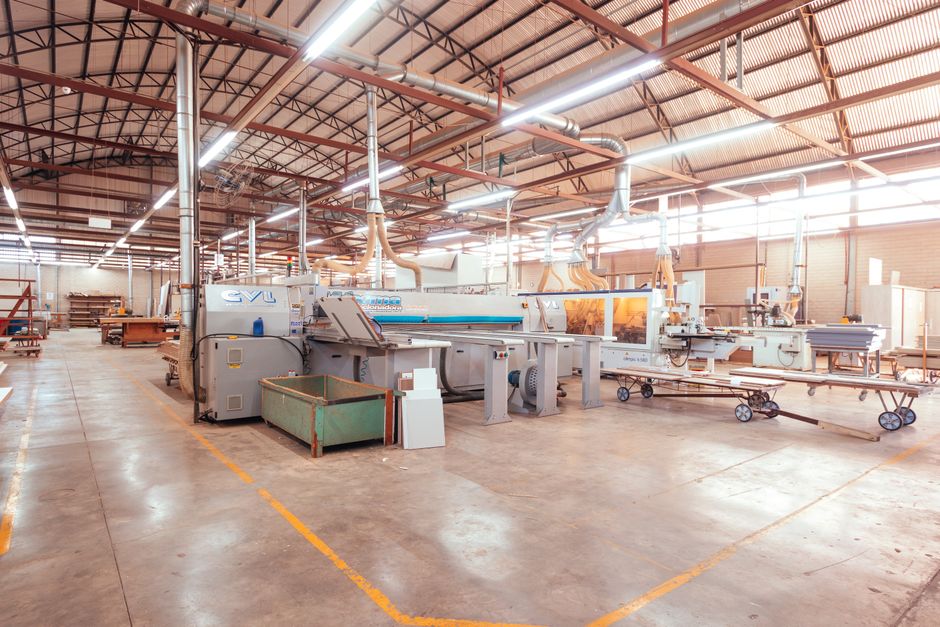
    A factory floor demonstrating the meticulous craftsmanship involved in producing high-quality hotel furniture, highlighting efficient hotel factory design processes.
    Photo by Mike van Schoonderwalt on Pexels

    Learn more about Contact us today.

    Furthermore, thoughtful design integration at the factory level prevents costly on-site modifications and ensures seamless installation. This meticulous planning minimizes disruptions, allowing properties to open or relaunch on schedule, thereby capturing revenue sooner. A cohesive design also elevates the guest experience, fostering positive reviews and repeat business, which are invaluable in today’s digital age.

    A finished hotel room featuring custom-designed furniture, emphasizing the impact of thoughtful factory design on guest experience.
    Photo by Jan van der Wolf on Pexels

    Key Factors to Consider When Choosing a Hotel Factory Design Partner

    Selecting the right manufacturing partner for custom hotel furniture requires a thorough evaluation beyond just initial cost. Consider their expertise in handling complex hospitality projects, including their in-house design capabilities and their ability to translate your vision into practical, manufacturable solutions. A partner with a robust portfolio in 5-star hotels and resorts, for instance, demonstrates a proven capacity for high-end execution.

    Detailed view of machinery in an operational glass factory in Dar es Salaam.
    Photo by Keegan Checks on Pexels
    • Design & Engineering Prowess:

      Assess their ability to offer innovative solutions for challenging spaces or unique brand requirements. A strong design team can optimize material usage and construction methods without compromising the intended aesthetic. Look for partners who specialize in tailored spaces, ensuring your vision is brought to life with precision.

    • Quality Control & Certifications:

      Verify their adherence to international quality standards (e.g., ISO, CE, SGS, FDA). These certifications are not mere badges; they indicate a commitment to consistent quality, safety, and responsible manufacturing practices. Request detailed quality assurance protocols for each production stage.

    • Material Sourcing & Sustainability:

      Inquire about their material transparency and sustainable sourcing practices. With a growing demand for eco-friendly solutions, partners who offer certified sustainable wood, recycled content, or low-VOC finishes add significant value and align with modern guest expectations.

    • Project Management & Communication:

      A reliable partner provides clear communication channels, regular progress updates, and a dedicated project manager. This ensures that timelines are met, potential issues are addressed proactively, and the entire process, from design to delivery, remains transparent. Zhobai Hotel Furniture, for example, offers a one-stop solution covering early-stage planning through installation, streamlining this complex process.

    • Logistics & Installation Capabilities:

      Understand their global logistics network and their ability to manage complex shipping and on-site installation. Seamless coordination from factory to final placement is crucial for maintaining project schedules and preventing costly delays.

    Common Mistakes Hotels Make with Hotel Factory Design

    Even seasoned developers and procurement managers can fall prey to common missteps when engaging in hotel factory design. Avoiding these errors can save significant time and money, ensuring a smoother project execution.

    Wide view of an organized industrial factory with modern machinery in Pato Branco.
    Photo by Jhonny' Mages on Pexels
    • Underestimating Lead Times:

      Custom furniture manufacturing is not an off-the-shelf purchase. Neglecting to account for design iterations, material procurement, production, and shipping can result in project delays of several weeks or even months. A realistic timeline, often 12-16 weeks for complex projects, must be integrated into the overall construction schedule.

    • Prioritizing Low Cost Over Value:

      Opting for the cheapest supplier often leads to compromises in material quality, craftsmanship, and durability. This can result in higher maintenance costs, frequent repairs, and a shorter furniture lifespan, ultimately costing more in the long run. A low hotel price design might seem attractive initially but often lacks the long-term value.

    • Inadequate Communication & Specification:

      Vague or incomplete specifications are a recipe for disaster. Detailed drawings, material samples, finish schedules, and performance requirements must be clearly communicated and documented. A lack of clarity on a specific price hotel table design or unique joinery can lead to costly rework.

    • Neglecting Mock-up & Prototype Reviews:

      Skipping the mock-up phase to save time is a critical error. A single room or furniture prototype allows for real-world evaluation of scale, ergonomics, finishes, and construction quality before mass production begins, preventing expensive changes later.

    • Overlooking Post-Installation Support:

      Failure to confirm warranty terms, spare parts availability, and after-sales service can leave hotels vulnerable to long-term maintenance issues. A robust support system is essential for the longevity of your investment.

    Latest Trends and Innovations in Hotel Factory Design (2024-2025)

    The hospitality sector is continually evolving, and so too are the trends shaping hotel factory design. Staying abreast of these innovations ensures your property remains contemporary, appealing, and operationally efficient.

    Sprawling industrial complex with solar panels and green fields, seen from above.
    Photo by Sarowar Hussain on Pexels
    • Smart Furniture Integration:

      Expect to see more furniture with integrated technology, such as wireless charging stations, USB ports, smart lighting controls, and even embedded sensors for occupancy monitoring or climate control. This enhances guest convenience and operational insights.

    • Biophilic Design & Natural Materials:

      A strong move towards connecting guests with nature. This includes the use of sustainable, raw materials like reclaimed wood, natural stone, rattan, and fabrics with organic textures. Designs often feature curvilinear forms and earthy color palettes, promoting a sense of well-being.

    • Modular & Multi-functional Pieces:

      Space optimization is key, especially in urban hotels. Modular sofas, movable partitions, beds with integrated storage, and convertible desks offer flexibility, allowing rooms to adapt to various guest needs or different times of day. This approach can also optimize manufacturing efficiency.

    • Personalization & Experiential Design:

      Guests seek unique, memorable experiences. Factory design is shifting towards creating bespoke pieces that tell a story, reflecting the local culture or specific brand narrative. This often involves custom finishes, unique hardware, and artisanal details that elevate the perceived value.

    • Enhanced Durability & Hygiene:

      Post-pandemic, there’s an increased focus on furniture that is not only aesthetically pleasing but also highly durable and easy to clean. This includes antimicrobial surfaces, robust fabrics, and construction methods designed for rigorous cleaning protocols without degradation.

    How to Work With a Reliable Hotel Factory Design Partner

    Forging a successful partnership with a furniture manufacturer is crucial for the seamless execution of your project. It’s about building a relationship based on trust, transparency, and shared objectives.

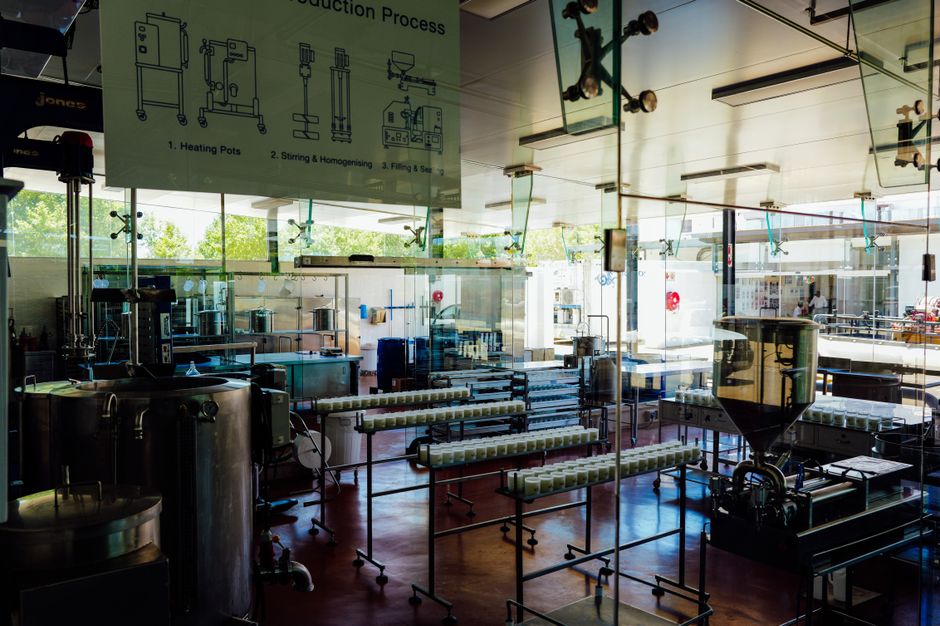
    Spacious and modern food production plant interior with industrial machinery and processing line.
    Photo by Adrien Olichon on Pexels
    • Define Your Vision Clearly:

      Begin with a comprehensive design brief, including detailed mood boards, space plans, and material preferences. The clearer your vision, the more effectively your partner can translate it into manufacturable designs.

    • Request Comprehensive Proposals:

      Don’t just look at the bottom line. Evaluate proposals based on their detailed breakdown of costs, lead times, material specifications, and project management approach. A thorough proposal indicates a partner’s professionalism and attention to detail.

    • Visit the Factory (If Possible):

      A factory visit provides invaluable insight into a manufacturer’s capabilities, quality control processes, and working conditions. If an in-person visit isn’t feasible, request a virtual tour or detailed video documentation of their facilities and production lines.

    • Establish Clear Communication Protocols:

      Agree on regular check-ins, reporting formats, and key contact persons from both sides. Effective communication mitigates misunderstandings and keeps the project on track.

    • Leverage Their Expertise:

      A truly reliable partner, like Zhobai Hotel Furniture, offers more than just manufacturing. Their professional in-house design team can provide valuable insights into material selection, value engineering, and design optimization, leveraging over 15 years of experience in custom furniture for 5-star hotels globally. They can guide you through the entire process, from early-stage planning to installation.

    Frequently Asked Questions

    Navigating custom furniture sourcing often raises several common questions for hotel owners and procurement managers.

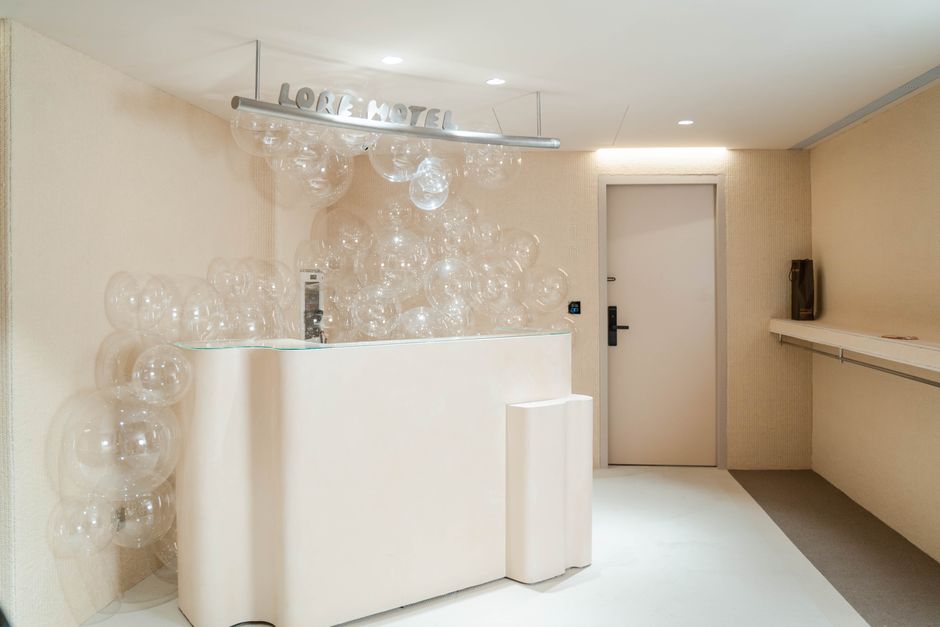
    Elegant hotel reception area featuring glass bubbles and minimalist design.
    Photo by Alley Chien on Pexels

    Q: How long does custom hotel furniture production typically take?

    A: From design approval to final delivery, the process typically ranges from 12 to 20 weeks. This includes design finalization, material sourcing, manufacturing, quality control, and international shipping. More complex projects with unique specifications may require additional time.

    Q: What is the typical cost difference between custom and ready-made furniture?

    A: While custom furniture might have a higher upfront cost, its long-term value often surpasses ready-made options. Custom pieces are designed for specific hospitality demands, offering superior durability, perfect fit, and unique branding opportunities. Factory direct pricing, like that offered by Zhobai, can make custom solutions more competitive.

    Q: How can I ensure the quality of furniture from an overseas manufacturer?

    A: Look for manufacturers with internationally recognized certifications (ISO, CE, SGS). Request factory audits, detailed quality control reports, and the option for third-party inspections at various production stages. Visiting the factory or requesting a virtual tour can also provide assurance.

    Q: What is the minimum order quantity (MOQ) for custom hotel furniture?

    A: MOQs vary significantly between manufacturers and depend on the type of furniture. Many suppliers are flexible, especially for full hotel projects or specific room types. It’s best to discuss your project scale directly with potential partners.

    Mastering the intricacies of hotel factory design is a strategic imperative for any hospitality project aiming for excellence and long-term success. It demands a holistic approach, from initial concept to final installation, and a partnership with a manufacturer who understands the unique demands of the hospitality sector. If you’re planning a new build or renovation and require custom FF&E that combines unparalleled design with robust durability and a streamlined process, we invite you to connect with our expert team. Zhobai Hotel Furniture specializes in delivering tailored, high-value solutions for hotels worldwide. Contact us today to discuss your project and discover how our one-stop solution can bring your vision to life.

  • 5-Star Hotel Furniture Project: Grandeur Residences

    5-Star Hotel Furniture Project: Grandeur Residences

    The Grandeur Residences, a new beacon of luxury poised to open in the heart of Dubai, faced an ambitious challenge: outfitting 320 exquisite guest rooms and serviced apartments with bespoke 5-star hotel furniture, all while adhering to an aggressive 16-week timeline from design finalization to complete installation. The project demanded furniture that not only exuded unparalleled elegance and durability but also seamlessly integrated with the property’s ultra-modern, sophisticated aesthetic, setting a new benchmark for luxury hospitality in the region.

    An elegant guest room featuring custom 5 star hotel furniture project pieces, including a bespoke headboard and nightstands.
    Photo by Đức Trung Đào on Pexels

    Project Background and Client Requirements

    The client, a prominent real estate developer, envisioned The Grandeur Residences as Dubai’s premier destination for discerning travelers and long-stay guests. The property comprised 200 standard guest rooms, 10 executive suites, 10 royal suites, and 100 serviced apartments, along with extensive public areas including a grand lobby, multiple restaurants, a spa, and a business center. Their core requirement for this extensive 5 star hotel furniture project was uncompromising quality, durability for high-traffic luxury environments, and a unique design narrative reflecting Dubai’s futuristic vision. Every piece, from guest room beds to lobby seating, needed to be custom-designed and manufactured to meet precise specifications, including specific dimensions, premium materials, and finishes aligning with the interior designer’s vision. The scope included casegoods, upholstered seating, dining furniture, outdoor patio furniture, and bespoke architectural millwork.

    Zhobai's manufacturing facility showcasing the quality control process for a 5 star hotel furniture project.
    Photo by Đức Trung Đào on Pexels

    Key Challenges to Overcome

    The scale and ambition of The Grandeur Residences project presented several significant hurdles:

    • Aggressive Timeline: The most pressing challenge was the extremely tight 16-week window for design finalization, manufacturing, shipping, and luxury hotel room furniture installation for all 320 keys. Any delay would have substantial financial implications.
    • Complex Design Specifications: The interior design concept was highly intricate, featuring unique geometric patterns, a mix of exotic wood veneers, polished metals, bespoke stone elements, and specific fabric selections. Each design element required precise execution and careful material sourcing to maintain the intended luxury aesthetic.
    • Logistical Complexity: Shipping hundreds of cubic meters of custom furniture from Asia to Dubai, navigating international customs, and managing on-site delivery and installation in a busy construction environment demanded meticulous planning and coordination.
    • Quality Consistency: Maintaining a uniform standard of luxury across 320 distinct units, including varying room types and public areas, while ensuring every piece met stringent 5-star quality benchmarks, was paramount. The client also required compliance with international certifications.
    • Budget Management: Delivering bespoke luxury within a predefined budget required innovative material sourcing and manufacturing efficiencies without compromising on aesthetic or durability.

    Design and Solution Approach

    Zhobai Hotel Furniture approached The Grandeur Residences 5 star hotel furniture project with a comprehensive, client-centric strategy. Our professional in-house design team collaborated closely with the client’s interior designers from the outset, translating conceptual drawings into technical specifications and 3D renderings. To mitigate risks and ensure design fidelity, we developed full-scale prototypes for a typical guest room and a serviced apartment unit. This allowed the client and their design team to physically inspect, test, and approve every detail – from hardware finishes to upholstery comfort – before mass production commenced. This iterative prototyping phase was critical in refining designs and addressing adjustments proactively, ensuring the final products perfectly matched the vision. Our expertise in global material sourcing allowed us to procure premium, durable materials that met both aesthetic requirements and the project’s budget. This included high-grade solid ash and walnut veneers, specialized anti-stain and fire-retardant fabrics, polished stainless steel accents, and custom-cut natural marble for tabletops. All materials were selected for durability and ease of maintenance, crucial for a high-traffic luxury hotel. Our engineers optimized furniture construction for longevity, employing robust joinery techniques and internal reinforcement, such as solid wood frames with dovetail drawer construction for casegoods, and kiln-dried hardwood frames with high-density foam for upholstered items.

    Professional team installing luxury hotel room furniture in a suite at The Grandeur Residences, part of a successful 5 star hotel furniture project.
    Photo by cottonbro studio on Pexels

    Manufacturing and Delivery Process

    With designs and prototypes approved, Zhobai Hotel Furniture rapidly transitioned into the manufacturing phase, leveraging our state-of-the-art facilities and experienced craftsmen. Our project management team developed a detailed production schedule, meticulously tracking each stage from raw material procurement to final assembly. We implemented rigorous quality control checkpoints at every step, from lumber selection to finishing and packaging. Our CE, ISO, SGS, and FDA certifications underscored our commitment to international quality standards. Dedicated quality assurance teams performed continuous inspections throughout manufacturing, including dimensional checks, finish consistency, and structural integrity tests. Each item for the 5 star hotel furniture project underwent a final, comprehensive inspection before packaging. Recognizing the time-sensitive nature and complexity of international shipping, our logistics team developed a precise plan. Furniture was carefully packed using robust, export-grade materials, and consolidated into multiple container shipments to Dubai. Upon arrival, our dedicated installation supervisors coordinated with the on-site construction team for a smooth, phased luxury hotel room furniture installation. This included unboxing, assembly, placement, and final touch-ups, ensuring minimal disruption to other trades and timely completion. We provided a truly one-stop solution, covering every aspect from factory floor to guest room.

    Conceptual rendering of a hotel lobby, illustrating the sophisticated design for a 5 star hotel furniture project.
    Photo by Đức Trung Đào on Pexels

    Project Results and Client Feedback

    The execution of The Grandeur Residences 5 star hotel furniture project was a resounding success, culminating in the timely delivery and installation of all 320 room sets and public area furnishings within the challenging 16-week timeframe.

    Explore this serene resort poolside, surrounded by lush palm trees and luxury amenities.
    Photo by Quang Nguyen Vinh on Pexels
    • On-Time and On-Budget Delivery: Zhobai successfully met the aggressive deadline, allowing The Grandeur Residences to maintain its grand opening schedule. The project was delivered within the agreed budget, demonstrating the value of factory direct pricing and efficient project management.
    • Exceptional Quality and Aesthetic Appeal: The custom furniture perfectly captured the client’s vision for sophisticated luxury. The meticulous craftsmanship, premium materials, and precise finishes elevated the hotel’s interiors, drawing praise from the client and early visitors. The durability engineered into each piece assured the client of long-term value and reduced maintenance costs.
    • Client Satisfaction: The client expressed immense satisfaction with Zhobai’s ability to manage such a large and complex project with professionalism and expertise. They specifically commended our proactive communication, problem-solving capabilities, and the seamless coordination of design, manufacturing, and on-site logistics. The project stands as a testament to successful collaboration and expert execution in luxury hospitality furnishing.

    Key Takeaways for Hotel Procurement Teams

    For hotel owners, developers, FF&E procurement managers, and interior designers embarking on a similar 5-star hotel furniture project, The Grandeur Residences case study offers invaluable insights:

    Spacious and elegant hotel lobby with luxurious seating and grand chandeliers, offering a sense of opulence and relaxation.
    Photo by Chen Te on Pexels
    • Early Supplier Engagement is Crucial: Involving your custom furniture manufacturer early in the design process can streamline decision-making, identify potential challenges, and ensure material availability and cost efficiency.
    • Prioritize Prototyping: Investing in full-scale prototypes is a non-negotiable step for large-scale luxury projects. It allows for critical adjustments before mass production, saving time and preventing costly errors.
    • Demand a One-Stop Solution: Partnering with a supplier like Zhobai, who offers comprehensive services from design and manufacturing to logistics and installation, simplifies project management and ensures accountability across the entire supply chain.
    • Verify Certifications and Quality Control: Ensure your chosen manufacturer adheres to international quality standards (e.g., ISO, CE) and has robust in-house quality control processes. This is vital for durability and guest satisfaction.
    • Clear Communication and Project Management: A dedicated project manager from your supplier who provides regular updates and proactively addresses issues is essential for keeping complex projects on track and within budget.
    • Focus on Long-Term Value: While initial costs are important, consider the total cost of ownership. Durable, well-made custom furniture reduces replacement cycles and maintenance, offering superior long-term value. For more insights into smart sourcing, consider our Hotel Bedroom Furniture Sourcing Guide.

    Are you planning a new luxury hotel development or a significant hotel renovation furniture project? Let Zhobai Hotel Furniture be your trusted partner. Our 15+ years of experience in custom hospitality furniture, coupled with our one-stop solution approach, ensures your vision is brought to life with unparalleled quality and efficiency. Contact us today to discuss your next project and discover how our expertise can benefit your investment.

    A housekeeper neatly folds sheets on a luxury hotel bed, emphasizing professional service.
    Photo by cottonbro studio on Pexels

  • Sustainable Hotel Furniture: Trends & Sourcing for 2025

    Sustainable Hotel Furniture: Trends & Sourcing for 2025

    The hospitality sector is undergoing a profound shift, driven by increasing consumer awareness and regulatory pressures. Industry data suggests that nearly 70% of global travelers now consider sustainable practices when choosing accommodation, a figure that continues to rise year-over-year. This seismic shift is not just about reducing plastic waste or conserving water; it extends deeply into the very fabric of hotel design and operations, fundamentally reshaping how stakeholders approach FF&E procurement, particularly when it comes to sustainable hotel furniture.

    A close-up of a sustainably sourced wooden chair in a hotel lobby, showcasing eco-friendly hotel furniture design and natural materials.
    Photo by Đức Trung Đào on Pexels

    Current State of the Sustainable Hotel Furniture Industry

    What was once a niche concern for a select few eco-conscious brands has rapidly evolved into a mainstream imperative across the hospitality landscape. The sustainable hotel furniture industry is no longer merely about using recycled materials; it encompasses a holistic approach to the lifecycle of every piece, from raw material sourcing and manufacturing processes to durability, repairability, and end-of-life solutions. Procurement teams are increasingly tasked with balancing aesthetic appeal, durability, cost-effectiveness, and verifiable environmental credentials. This means moving beyond simple checkboxes and delving into the intricacies of supplier supply chains, material origins, and production methodologies.

    Architectural rendering of a modern hotel room featuring custom sustainable hotel furniture, designed for both aesthetics and environmental responsibility.
    Photo by Pham Ngoc Anh on Pexels

    Learn more about our comprehensive one-stop solution.

    Learn more about Explore Zhobai’s commitment to sustainability.

    A manufacturing facility producing durable, sustainable hotel furniture components, emphasizing quality and responsible production.
    Photo by Kadir Avşar on Pexels

    Market observers note a significant uptick in demand for transparency, with hotel owners and developers seeking comprehensive data on environmental impact. This drive is fueled by a desire to achieve various green building certifications (like LEED or BREEAM) and to align with corporate social responsibility (CSR) goals, which are now critical components of brand identity and guest attraction strategies. The transition towards more eco friendly hotel furniture is also spurred by evolving international regulations and national standards, compelling manufacturers and suppliers to innovate and adapt.

    Modern hotel terrace with scenic mountain views in Mtskheta-Mtianeti, Georgia. Perfect for relaxation.
    Photo by Nadin Romanova on Pexels

    Top Trends Reshaping Sustainable Hotel Furniture in 2025

    The Rise of Circular Economy Principles

    The linear ‘take-make-dispose’ model is rapidly being supplanted by circular economy principles. This trend manifests in furniture design through modularity, where components can be easily replaced, repaired, or upgraded rather than discarding the entire unit. Manufacturers are increasingly designing furniture for disassembly (DfD), using reversible fastenings instead of glues, and specifying materials that retain their value through multiple use cycles. For procurement managers, this means prioritizing suppliers who offer take-back programs, refurbishment services, or utilize materials with high recycled content that can be easily re-integrated into new products. For instance, some manufacturers now offer hotel-specific leasing models for furniture, taking responsibility for maintenance and end-of-life recycling, significantly reducing waste and long-term operational costs.

    Spacious and elegant hotel lobby featuring modern furniture, lighting, and decor reflecting luxury interior design.
    Photo by Pedro Dias on Pexels

    Advanced Material Innovation and Certification

    The focus on materials has intensified, moving beyond conventional reclaimed wood to cutting-edge innovations. We’re seeing a surge in demand for rapidly renewable resources like bamboo, cork, and hemp, alongside bio-based plastics derived from agricultural waste. Perhaps most notably, recycled content is expanding to include ocean-bound plastics transformed into durable textiles and structural components, and upcycled industrial waste streams. Furthermore, the emphasis on materials with low Volatile Organic Compound (VOC) emissions is paramount for indoor air quality, contributing to healthier guest environments. Industry data suggests a growing preference for materials backed by robust third-party certifications such as FSC (Forest Stewardship Council) for timber, GREENGUARD for chemical emissions, and OEKO-TEX for textiles, providing verifiable proof of environmental stewardship. This ensures that the promise of eco friendly hotel furniture is not just marketing, but a measurable reality.

    Sunlit room with elegant chairs overlooking a mountainous landscape, perfect for relaxing.
    Photo by Gabi Corvi on Pexels

    Digitization and Supply Chain Transparency

    The push for sustainability is inextricably linked with traceability. Digital tools, including blockchain and sophisticated supply chain management software, are becoming instrumental in tracking the journey of materials from source to finished product. This allows hotel developers and FF&E procurement managers to verify claims about ethical sourcing, carbon footprint, and labor practices. The ability to access detailed product passports that outline material composition, origin, environmental certifications, and end-of-life instructions is becoming a key differentiator for suppliers. This level of transparency builds trust and empowers buyers to make truly informed decisions, ensuring their investment in green hospitality design aligns with their values and objectives.

    Modern hotel room interior in South Jakarta, offering cozy ambiance with warm lighting and stylish decor.
    Photo by Didi Lecatompessy on Pexels

    What These Trends Mean for Hotel Buyers

    For hotel owners, developers, FF&E procurement managers, and interior designers, these trends necessitate a more strategic and informed approach to sourcing custom furniture. It’s no longer sufficient to simply select aesthetically pleasing pieces; due diligence must now extend to understanding the entire lifecycle impact. This means:

    Spacious hotel room featuring a comfy bed, stylish furniture, and elegant lighting for a luxurious stay.
    Photo by phát hồ on Pexels
    • Rethinking RFPs: Integrating stringent sustainability criteria, requiring detailed material disclosures, and requesting proof of certifications.
    • Lifecycle Costing: Evaluating furniture not just on upfront purchase price, but on durability, maintenance needs, potential for refurbishment, and end-of-life value, aligning with long-term operational savings.
    • Supplier Vetting: Prioritizing manufacturers with established sustainability policies, transparent supply chains, and a proven track record in producing high-quality, sustainable hotel furniture.
    • Collaborative Design: Working closely with interior designers and manufacturers to specify eco-friendly materials and designs from the earliest stages of a project, ensuring sustainable choices are integrated seamlessly into tailored spaces.
    • Brand Differentiation: Leveraging sustainable furniture choices as a powerful marketing tool to attract environmentally conscious guests and enhance brand reputation.

    Challenges and Opportunities Ahead

    While the benefits of sustainable hotel furniture are clear, challenges remain. The initial investment for truly sustainable materials or certified products can sometimes be higher than conventional alternatives, though market observers note that these costs are steadily decreasing as demand grows and production scales. The complexity of verifying claims and navigating a fragmented landscape of certifications can also be daunting for procurement teams. Furthermore, ensuring consistent quality and availability of certain innovative sustainable materials across global supply chains requires robust planning.

    However, the opportunities far outweigh these hurdles. Adopting green hospitality design principles and sourcing eco friendly hotel furniture offers significant competitive advantages:

    • Enhanced Brand Value: Appeals to a growing segment of travelers who actively seek sustainable options.
    • Long-Term Cost Savings: Durable, high-quality sustainable furniture often has a longer lifespan and lower maintenance costs.
    • Regulatory Compliance: Future-proofs properties against stricter environmental regulations.
    • Improved Guest Experience: Low-VOC materials contribute to healthier indoor environments, enhancing guest comfort and well-being.
    • Innovation and Efficiency: Drives innovation in design and manufacturing processes, leading to more efficient resource use.

    Expert Perspective and Market Outlook

    The trajectory for sustainable hotel furniture is unequivocally upward. The confluence of consumer demand, regulatory pressure, and technological advancements means that sustainability will soon transition from a differentiator to a baseline expectation. Procurement teams are increasingly becoming strategic partners in this journey, not just cost centers. Manufacturers who embrace comprehensive sustainability, offering transparent supply chains and innovative material solutions, will be the leaders in this evolving market.

    Zhobai Hotel Furniture, with over 15 years of experience and a professional in-house design team, understands these shifts intimately. We are committed to providing bespoke solutions that meet the highest standards of design, durability, and environmental responsibility. Our one-stop solution approach, covering early-stage planning through to installation, ensures that sustainable choices are integrated seamlessly into every project, from custom 5-star hotel furnishings to boutique resort installations.

    As the hospitality industry continues its march towards a greener future, partnering with a manufacturer that not only understands but actively champions sustainable practices is paramount. Zhobai Hotel Furniture is dedicated to helping you navigate the complexities of sourcing custom, high-quality, sustainable hotel furniture that aligns with your project goals, enhances your brand, and contributes positively to the planet. Contact us today to discuss how our expertise can bring your vision of green hospitality design to life.

  • Hotel Bedroom Furniture: Expert Sourcing Guide

    Hotel Bedroom Furniture: Expert Sourcing Guide

    In the competitive hospitality landscape, a guest’s perception of their room often dictates their entire stay experience. A recent industry survey revealed that 78% of travelers consider the comfort and aesthetics of their room’s furnishings a primary factor in their satisfaction and likelihood to return. This underscores a critical truth for hotel owners and developers: investing wisely in hotel bedroom furniture isn’t merely an expense; it’s a strategic asset that directly impacts guest reviews, repeat bookings, and ultimately, your property’s profitability.

    Elegant custom hotel bedroom furniture set designed for luxury guest comfort.
    Photo by Quang Nguyen Vinh on Pexels

    Why Hotel Bedroom Furniture is Critical for Hotel Success

    The furnishings within a hotel bedroom are more than just functional items; they are foundational elements of the guest experience, brand identity, and operational efficiency. High-quality hotel bedroom furniture contributes significantly to guest comfort, reducing complaints and enhancing positive reviews across platforms like TripAdvisor and Booking.com. A well-designed and durable hotel room furniture set also minimizes maintenance costs and extends the lifespan of assets, leading to a stronger return on investment over time. Consider that the average lifespan of hospitality furniture can range from 7 to 10 years; choosing robust, timeless pieces can save hundreds of thousands in premature replacement costs.

    Durable hospitality bedroom furniture built to withstand high traffic in a modern hotel suite.
    Photo by suhel vba on Pexels

    Key Factors to Consider When Choosing Hotel Bedroom Furniture

    Selecting the right hospitality bedroom furniture requires a multifaceted approach, balancing aesthetics with practicality and longevity. Procurement managers and designers must evaluate several critical factors before making bulk purchasing decisions.

    Sustainable hotel bedroom furniture solutions enhancing guest experience and operational efficiency.
    Photo by Ainun Dita Kartika on Pexels
    • Durability and Material Quality

      Given the high traffic and rigorous cleaning protocols in hotels, furniture must withstand constant use. Opt for commercial-grade materials like solid wood, high-density laminates, and robust hardware. For example, furniture constructed with 18mm plywood or MDF with moisture-resistant finishes will significantly outperform standard residential-grade pieces, preventing costly wear and tear.

      Contemporary hotel room interior design with cozy elegance and modern furnishings.
      Photo by Pixabay on Pexels
    • Design and Aesthetic Consistency

      The furniture must align perfectly with the hotel’s brand identity and interior design theme. Customization options are crucial to create unique, tailored spaces that resonate with your target demographic. A coherent design across all room types enhances the guest experience and reinforces the hotel’s distinctive style.

      Chic hotel room with elegant modern furniture and decor, featuring a large wall-mounted TV.
      Photo by Haider Syed on Pexels
    • Functionality and Guest Comfort

      Modern guests expect smart design solutions. This includes ample storage, easily accessible power outlets, ergonomic seating, and comfortable mattresses. Consider how each piece functions within the room layout, ensuring ease of use and maximum comfort for diverse guest needs.

      Elegant hotel room with comfortable bedding and modern lighting fixtures.
      Photo by Claudia Schmalz on Pexels
    • Safety and Compliance

      All furniture must meet international safety standards, including fire retardancy (e.g., California TB117-2013 or BS 5852 for Europe) and structural integrity. Certification from bodies like CE, ISO, or SGS provides assurance of compliance and quality.

      Elegant hotel bedroom with modern decor, twin lamps, and large window in Doha, Qatar.
      Photo by Liz Henderson on Pexels
    • Sustainability and Environmental Impact

      With increasing guest awareness, sourcing furniture from sustainable materials (FSC-certified wood, recycled content) and manufacturers employing eco-friendly practices can be a significant brand differentiator. This commitment reflects positively on your hotel’s values.

      Elegant modern bedroom with artistic decor in Tbilisi, Georgia.
      Photo by Ramaz Bluashvili on Pexels
    • Budget and Value Proposition

      While cost is always a factor, focus on the long-term value. Factory-direct pricing and transparent cost structures, often available through OEM/ODM partners, can deliver superior quality within budget. Evaluate the total cost of ownership, including durability and potential replacement cycles, not just the initial purchase price.

    Common Mistakes Hotels Make with Hotel Bedroom Furniture

    Even experienced professionals can make missteps when sourcing hotel bedroom furniture. Avoiding these common pitfalls can save significant time, money, and reputational damage.

    • Prioritizing Low Cost Over Quality

      The most frequent mistake is opting for the cheapest furniture without considering its commercial-grade durability. Low-quality pieces often fail prematurely, requiring frequent repairs or early replacement, which ultimately costs more than investing in robust, well-made items from the outset. A 20% savings on initial purchase can lead to a 50% increase in maintenance costs over five years.

    • Ignoring Guest Feedback and Ergonomics

      Failing to consider how guests interact with the furniture can lead to uncomfortable stays and negative reviews. Overlooking basics like adequate lighting, convenient power access, or comfortable seating can detract significantly from the guest experience, regardless of the room’s aesthetic appeal.

    • Inadequate Planning for Logistics and Installation

      Underestimating the complexities of shipping, customs, and on-site installation can cause significant project delays and budget overruns. Without a clear plan for delivery and professional installation, even the best furniture can become a logistical nightmare.

    • Neglecting Customization and Brand Alignment

      Purchasing off-the-shelf furniture that doesn’t align with the hotel’s unique brand or design vision dilutes its identity. This results in generic-looking rooms that fail to create a memorable or distinctive guest experience, missing an opportunity to build brand loyalty.

    • Choosing an Unreliable Supplier

      Partnering with a manufacturer lacking proven experience, clear communication, or comprehensive service offerings can lead to quality control issues, missed deadlines, and poor post-sale support. Vetting suppliers thoroughly is paramount to project success.
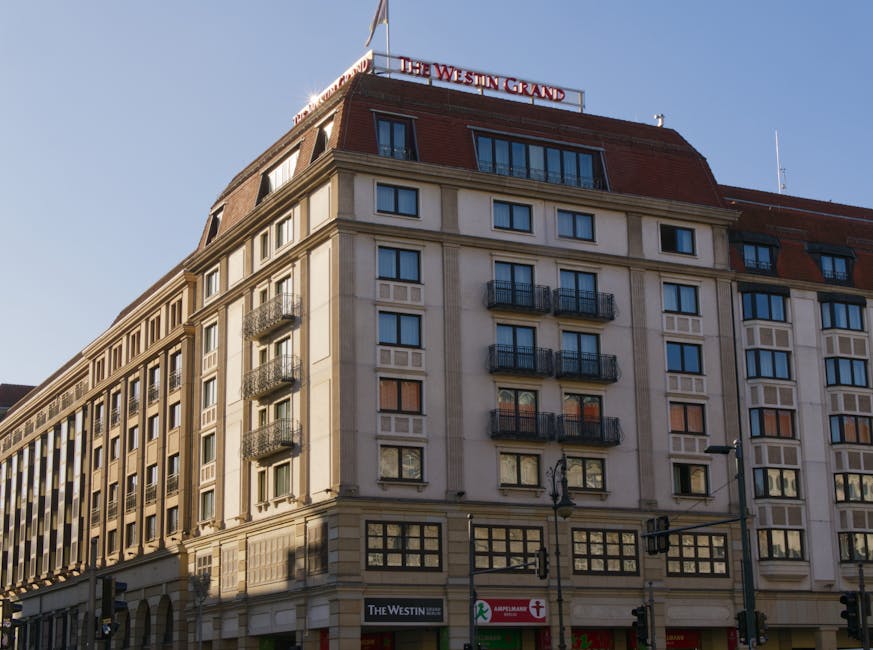
    Latest Trends and Innovations in Hotel Bedroom Furniture (2024-2026)

    The hospitality industry is dynamic, with guest expectations continually evolving. Staying ahead of design and functional trends ensures your property remains competitive and appealing.

    • Smart Furniture Integration

      Technology is seamlessly blending with design. Expect more charging stations integrated into nightstands and desks, smart lighting controls, and even beds that monitor sleep patterns. These innovations enhance convenience and personalize the guest experience.

    • Biophilic Design Elements

      Bringing nature indoors continues to be a strong trend. Furniture incorporating natural wood textures, organic shapes, and integrated planters creates calming, restorative environments. This design philosophy connects guests with the natural world, promoting well-being.

    • Modular and Multifunctional Pieces

      Optimizing space is crucial, especially in urban hotels. Modular sofas that convert into additional sleeping areas, desks that double as vanity tables, and storage solutions that blend into wall panels offer flexibility and efficiency without compromising style.

    • Sustainable and Recycled Materials

      The demand for eco-conscious choices is growing. Furniture made from reclaimed wood, recycled plastics, bamboo, or innovative composites like mushroom mycelium offers both environmental benefits and unique aesthetic appeal. This aligns with a broader industry shift towards responsible sourcing.

    • Personalized Comfort Zones

      Guests increasingly seek tailored experiences. This translates to furniture that allows for individual adjustments, such as adjustable bed bases or task chairs designed for extended work periods. Customization in fabrics and finishes also allows properties to reflect unique local cultures.

    How to Work With a Reliable Hotel Bedroom Furniture Partner

    Selecting the right manufacturing partner is perhaps the most critical decision in your furniture sourcing journey. A reliable partner offers more than just products; they provide expertise, support, and a seamless process from concept to completion.

    Look for a partner with extensive experience in hospitality bedroom furniture, particularly for 5-star and boutique properties, as their understanding of quality and durability will be superior. Zhobai Hotel Furniture, with over 15 years of experience since 2010, specializes in custom furniture solutions for a global clientele. We understand the nuances of crafting durable, aesthetically pleasing hotel bedroom furniture that meets international standards.

    A truly reliable partner offers a one-stop solution. This includes early-stage planning and design consultation, professional in-house design capabilities to create tailored spaces, precision manufacturing, robust quality control (backed by certifications like CE, ISO, SGS, FDA), efficient logistics, and professional installation services. This comprehensive approach minimizes coordination complexities and ensures project success. Furthermore, a partner offering OEM/ODM services and factory-direct pricing provides significant value, ensuring bespoke designs without prohibitive costs.

    Frequently Asked Questions

    • How long does it take to get custom hotel bedroom furniture manufactured and delivered?

      Production timelines vary based on design complexity, material availability, and order volume. Typically, custom orders can take anywhere from 8 to 16 weeks for manufacturing, plus 3-6 weeks for international shipping. It’s crucial to factor these lead times into your overall project schedule.

    • What is the typical lifespan of commercial-grade hotel bedroom furniture?

      High-quality, commercial-grade hotel bedroom furniture is designed to last 7 to 10 years, or even longer with proper maintenance. This contrasts sharply with residential furniture, which may only last 3-5 years under hotel conditions.

    • Can I get samples of materials and finishes before placing a bulk order?

      Absolutely. Reputable manufacturers will provide material samples, finish swatches, and even prototype pieces for approval. This ensures that the final product meets your exact specifications and expectations.

    • How can I ensure the furniture meets international safety and quality standards?

      Always request proof of certification (e.g., CE, ISO, SGS, fire retardancy reports like TB117-2013 or BS 5852). A professional manufacturer will have these readily available and adhere to strict quality control protocols throughout the production process.

    • What is the advantage of OEM/ODM services for hotel furniture?

      OEM (Original Equipment Manufacturer) and ODM (Original Design Manufacturer) services allow for complete customization. OEM means manufacturing furniture based on your existing designs, while ODM allows you to leverage the manufacturer’s design team to create unique pieces tailored to your vision, often at a more cost-effective rate than independent design firms.

    Choosing the right hotel bedroom furniture is a strategic decision that shapes guest satisfaction, operational efficiency, and your property’s long-term success. By prioritizing durability, thoughtful design, and a reliable manufacturing partner, you can create inspiring and comfortable guest environments that stand the test of time and elevate your brand.
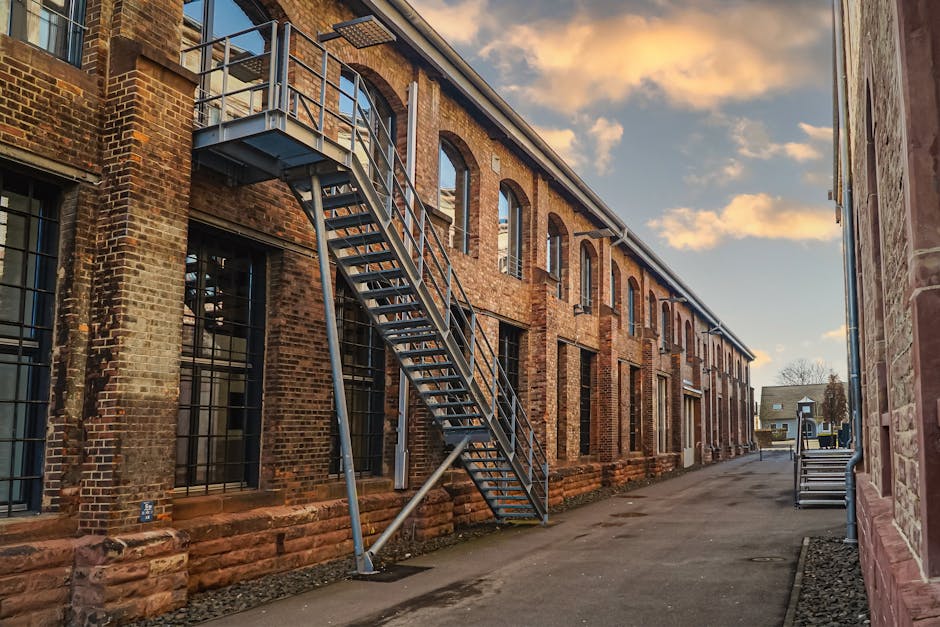
    Ready to transform your hotel’s guest rooms with custom, high-quality furnishings? Our team of experts at Zhobai Hotel Furniture is here to provide tailored solutions for your next new build or renovation project. Contact us today for a consultative discussion on how our one-stop service and in-house design capabilities can bring your vision to life.