标签: hospitality design

  • Mastering Commercial Customization for Hotels

    Mastering Commercial Customization for Hotels

    The 200-room boutique hotel, eagerly anticipated, opened three months behind schedule. The culprit? Not construction delays, but the ‘standard’ furniture delivered, which simply didn’t fit the unique room dimensions or align with the brand’s aesthetic vision. That delay alone cost the owner an estimated $280,000 in lost revenue and penalties, besides significant reputational damage. This common, yet avoidable, misstep underscores the critical importance of a strategic approach to furniture procurement.
    A sophisticated hotel guestroom featuring custom-designed wooden casegoods, a plush upholstered headboard, and an ergonomic desk chair, showcasing the benefits of commercial customization.
    A sophisticated hotel guestroom featuring custom-designed wooden casegoods, a plush upholstered headboard, and an ergonomic desk chair, showcasing the benefits of commercial customization | Zhobai Hotel Furniture

    The Real Cost of Getting Commercial Customization Wrong

    Beyond the initial budget, failed Commercial Customization can erode profits significantly. Imagine a guestroom where the desk doesn’t quite fit the alcove, or a wardrobe door constantly snags on the wall. These seemingly minor misalignments, when multiplied across 150-200 rooms, lead to incessant maintenance calls, frustrated guests, and ultimately, a diluted brand experience.
    A detailed close-up of a custom hotel bathroom vanity with an integrated basin, a unique stone countertop, and elegant polished brass fixtures, highlighting precision in commercial customization.
    A detailed close-up of a custom hotel bathroom vanity with an integrated basin, a unique stone countertop, and elegant polished brass fixtures, highlighting precision in commercial customization | Zhobai Hotel Furniture

    Data from 2026 indicates that hotels with inconsistent design elements or poorly fitting furniture experience up to 15% lower guest satisfaction scores and a 5% reduction in repeat bookings. The hidden costs extend to accelerated replacement cycles, potentially every 3-5 years instead of 10-12, adding 200-300% to your FF&E expenditure over the asset’s operational lifespan. This isn’t merely an aesthetic concern; it directly impacts your Yield per Square Meter by reducing usable space and perceived value.
    An interior designer and a project manager collaboratively reviewing large-format shop drawings for custom hotel furniture while examining various material and finish samples, illustrating the meticulous design process for commercial customization.
    An interior designer and a project manager collaboratively reviewing large-format shop drawings for custom hotel furniture while examining various material and finish samples, illustrating the meticulous design process for commercial customization | Zhobai Hotel Furniture

    The Decision Framework — What to Evaluate Before You Choose

    Making high-value bulk purchasing decisions for custom furniture requires a structured approach. Before committing to a supplier, evaluate these critical aspects:

    A bustling manufacturing facility floor showing multiple sections of custom hotel headboards and nightstands in various stages of production, demonstrating the scale and craftsmanship involved in commercial customization.
    A bustling manufacturing facility floor showing multiple sections of custom hotel headboards and nightstands in various stages of production, demonstrating the scale and craftsmanship involved in commercial customization | Zhobai Hotel Furniture
    • Design Integrity & Brand Alignment: Can the supplier precisely translate your interior designer’s vision into tangible furniture? This includes matching specific brand guidelines, color palettes, and material finishes. True expertise ensures the furniture creates a cohesive and Distinctive Spatial Identity for your property, rather than just filling a space.
    • Material Specifications & Durability: Demand precise details on material grades. Is it E0-grade plywood, 304 stainless steel, or Crib 5 fire-retardant foam? Understand the construction methods for joints (e.g., dovetail, mortise and tenon) and surface treatments. These specifications are foundational to the furniture’s longevity and contribute significantly to Sustainable Asset Longevity.
    • Manufacturing Capabilities & Quality Control: Investigate whether the supplier boasts in-house production or outsources. What are their quality control checkpoints (e.g., 47-point inspection protocols, 30/60/90% progress reports)? How do they manage tolerances (e.g., ±0.5mm)? A robust QC process minimizes defects and costly rework.
    • Logistics & Installation Support: A great supplier manages more than just manufacturing. Can they handle global shipping, customs clearance, and precise site delivery coordination? Do they provide detailed packing lists, barcoding for easy identification, and comprehensive installation guides? This minimizes on-site delays and potential damage.
    • Project Management & Communication: For complex Commercial Customization projects, transparent communication is vital. Does the supplier provide a dedicated project manager, regular progress updates, and a clear change order process? Proactive communication prevents misunderstandings and keeps your project on track.
    Evaluation Aspect Standard Procurement Commercial Customization (Strategic Approach)
    Design Alignment Limited to catalog options; compromises on aesthetic often needed. Exact match to brand guidelines and designer vision; achieves a Distinctive Spatial Identity.
    Durability & Materials Often residential-grade; shorter lifespan (typically 3-5 years); material sourcing can be opaque. Contract-grade materials (e.g., E0 plywood, 304 stainless steel), engineered for 10+ years; certified for Sustainable Asset Longevity.
    Space Optimization Standard dimensions may lead to wasted space or awkward layouts. Tailored dimensions maximize Yield per Square Meter and enhance functionality within specific room layouts.
    Project Control Multiple vendors, fragmented communication, increased risk of inconsistencies. one-stop solution, dedicated project manager, regular QC reports, ensures seamless Multi-Scenario Adaptability.
    Long-Term Value Lower upfront costs, but higher replacement expenses and potential brand dilution over time. Higher initial investment, but superior ROI through extended durability and consistent brand delivery.

    What Separates a Good Supplier from a Great One

    When sourcing for Commercial Customization, the distinction between ‘good’ and ‘great’ lies in a supplier’s proactive expertise and transparent processes. Ask these specific questions to uncover their true capabilities:
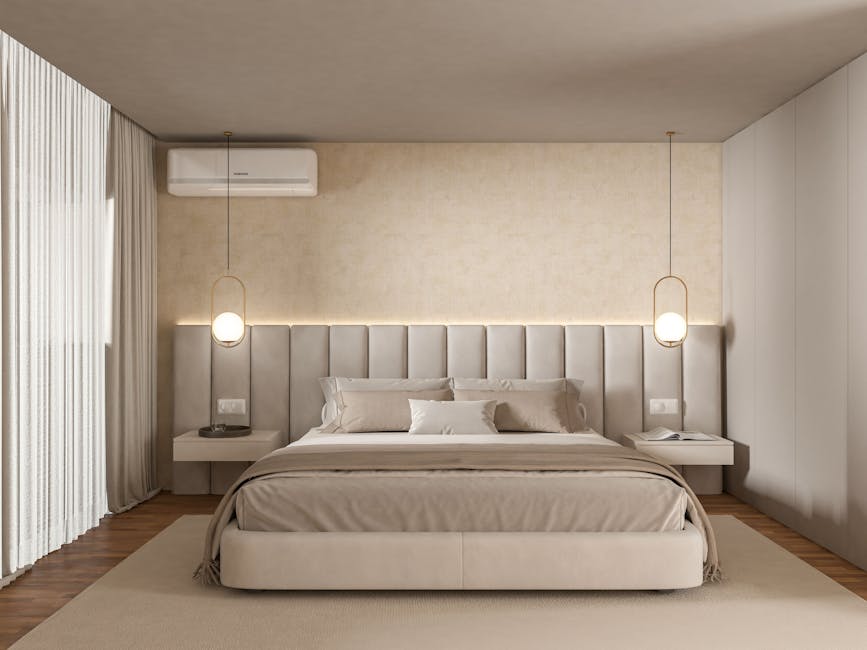
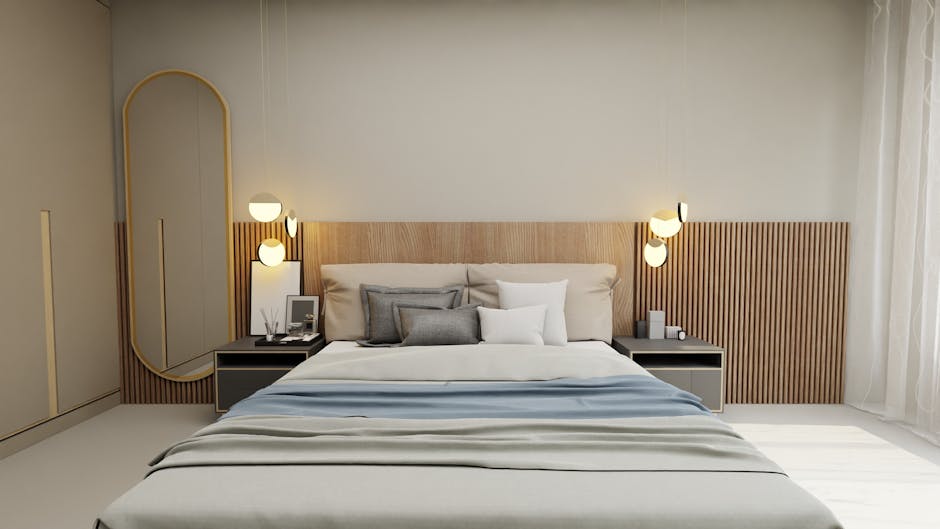
    Spacious bedroom with modern minimalist design and cozy ambience.
    Spacious bedroom with modern minimalist design and cozy ambience | Zhobai Hotel Furniture
    • “Can you provide detailed shop drawings for every unique furniture piece, including material breakdowns, construction methods, and hardware specifications?” (Look for CAD proficiency and 3D rendering capabilities.)
    • “What is your typical lead time for a custom order of 200 guestroom sets, from the final shop drawing approval to ex-factory shipment?” (Expect a realistic timeframe of 12-16 weeks for complex production, plus shipping transit.)
    • “Describe your quality control process for Commercial Customization, from raw material inspection to in-line production checks and pre-shipment auditing.” (A great supplier provides clear methodologies, dedicated QC teams, and photographic/video reports at each stage.)
    • “How do you handle design changes mid-project, and what is the typical turnaround for updated samples or drawings?” (Transparency and agility in managing revisions are critical for project flow.)
    • “Do you offer mock-up room services, and what are the associated costs and timelines for a full mock-up?” (This is an essential step for large-scale projects to validate design and functionality.)
    • “What specific certifications do your materials and finished products hold (e.g., CE, ISO, SGS, FDA, BIFMA, CAL 117, Crib 5)?” (Compliance with international standards is non-negotiable for commercial hospitality furniture.)
    • “Can you provide references from similar 5-star hotel projects completed in the last 24 months, particularly those requiring specific Multi-Scenario Adaptability?” (Verify experience with comparable projects and global reach.)

    Red Flags and Non-Negotiables — When to Walk Away

    Even with careful planning, pitfalls exist in furniture procurement. Recognize these red flags early to protect your investment and project timeline:
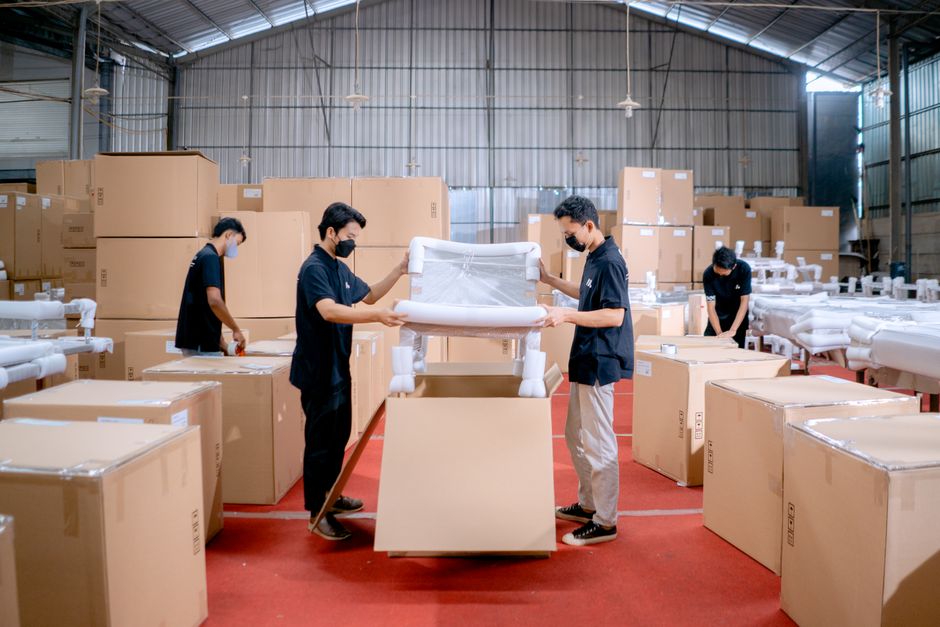
    Men in a warehouse wearing masks, assembling and packing furniture into boxes with efficiency.
    Men in a warehouse wearing masks, assembling and packing furniture into boxes with efficiency | Zhobai Hotel Furniture
    1. Vague Specifications or “Too Good to Be True” Pricing: A supplier who avoids providing precise material grades, detailed joint construction methods, or offers prices significantly below market average (e.g., 20-30% lower than competitors) is likely cutting corners on quality, labor, or both. This will inevitably lead to premature furniture failure and higher long-term replacement costs.
    2. Lack of Transparency in Production: An inability or unwillingness to provide regular progress reports (30/60/90% milestones), factory tour options (virtual or in-person), or detailed QC documentation should raise immediate concerns. A reputable manufacturer welcomes scrutiny and offers full visibility into their operations.
    3. Inconsistent Communication & Missed Deadlines During Quote Phase: If a supplier is slow to respond to Requests for Quotation (RFQs) or consistently misses initial sample deadlines, this pattern will almost certainly worsen during full-scale production. Such unreliability can jeopardize your entire project timeline and budget.
    4. No Dedicated Project Management or In-House Design Support: For complex Commercial Customization, a single point of contact and an experienced in-house design team are crucial. Without them, communication breakdowns, design misinterpretations, and costly errors become almost inevitable.
    5. Unclear Warranty or After-Sales Support: A supplier unwilling to provide a clear, comprehensive warranty (e.g., a 5-year structural warranty) or a defined after-sales process for repairs and replacements indicates a lack of confidence in their product and a limited commitment to your project’s Sustainable Asset Longevity.

    How Top Hotels Approach Commercial Customization Differently

    Leading hospitality groups understand that furniture is a strategic asset, not just a line item. Their approach to Commercial Customization reflects this insight:
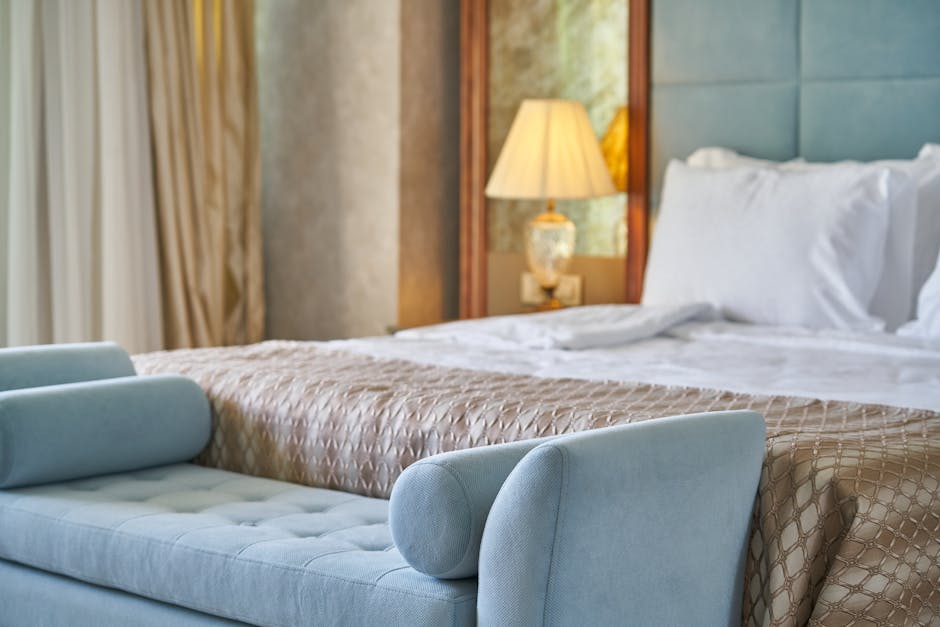
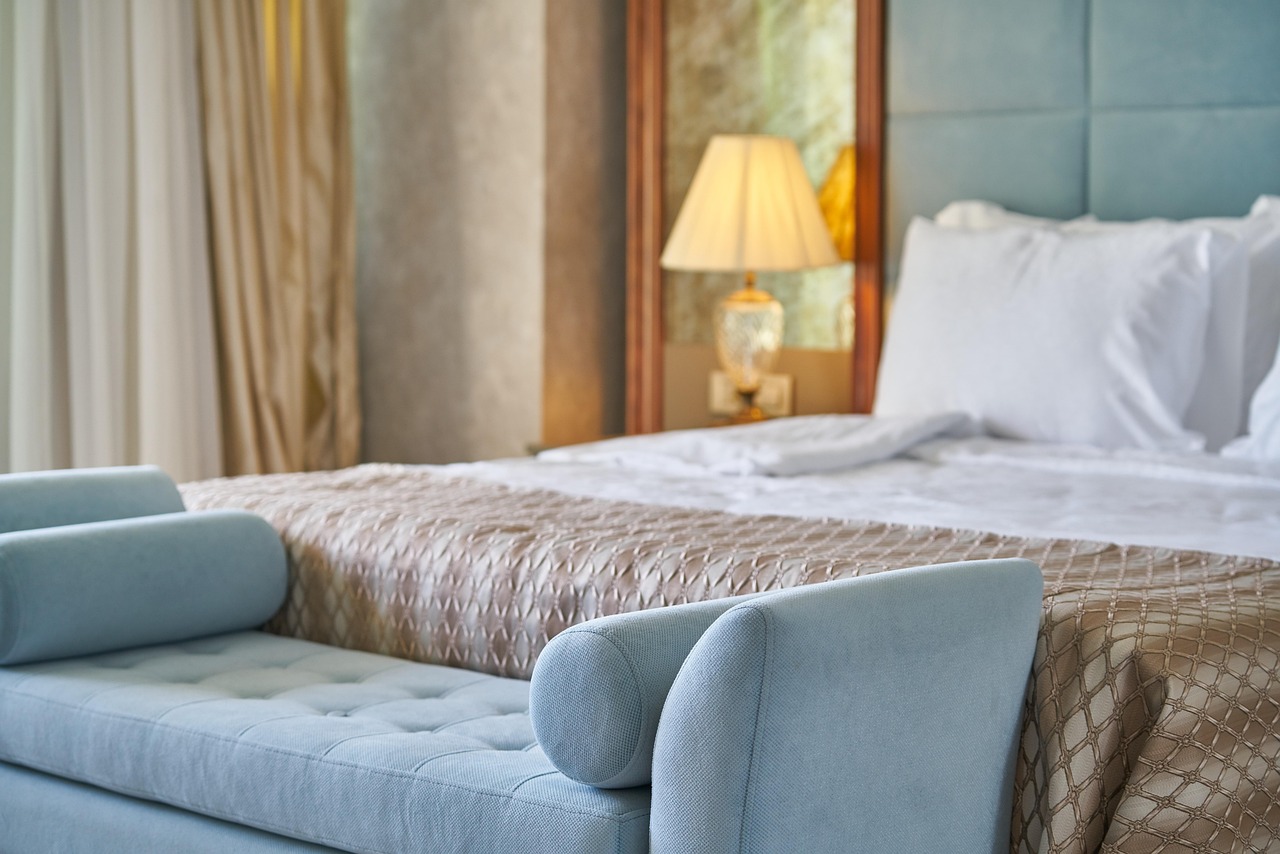
    Elegant bedroom interior featuring plush bed and seating with cozy ambiance lighting.
    Elegant bedroom interior featuring plush bed and seating with cozy ambiance lighting | Zhobai Hotel Furniture
    • Scenario 1: The Urban Boutique Revival (2026)
      A 120-room boutique hotel in a highly competitive metropolitan market aimed to establish a truly Distinctive Spatial Identity. Instead of compromising with off-the-shelf options, they partnered with a custom furniture manufacturer early in the design phase. The manufacturer’s in-house design team collaborated closely to create unique, space-saving built-in casegoods for compact rooms and visually striking lobby pieces. This proactive Commercial Customization ensured every piece was optimized for tight dimensions and reinforced the hotel’s unique brand, achieving 90% guest satisfaction in its first six months of operation.
    • Scenario 2: The Resort Expansion (2026)
      A luxury resort undertaking a 300-suite expansion faced varying room layouts and high durability requirements due to its tropical, high-humidity location. They prioritized Multi-Scenario Adaptability in their Commercial Customization strategy. The chosen supplier provided furniture engineered with specialized moisture-resistant finishes and high-grade solid wood components, designing modular pieces that could be configured efficiently for different suite types. This foresight minimized material waste and ensured a consistent high-end feel across diverse spaces, protecting their long-term Sustainable Asset Longevity.
    • Scenario 3: The Branded Chain Renovation (2026)
      A well-known international hotel brand renovated 180 rooms, needing precise adherence to corporate brand standards for their casegoods, but with a unique local aesthetic. Their procurement team focused on suppliers with strong OEM/ODM capabilities and a proven track record. Through rigorous mock-ups and material approvals, they ensured every desk, headboard, and vanity met both corporate design guidelines and local cultural nuances. This strategic Commercial Customization resulted in a seamless brand experience that felt authentic, boosting their Yield per Square Meter through increased average daily rates and positive guest reviews.

    Your Action Plan — Next Steps for Your Project

    Transforming your vision into reality with successful Commercial Customization requires a clear, executable roadmap. Follow these steps to ensure a smooth and effective procurement process:
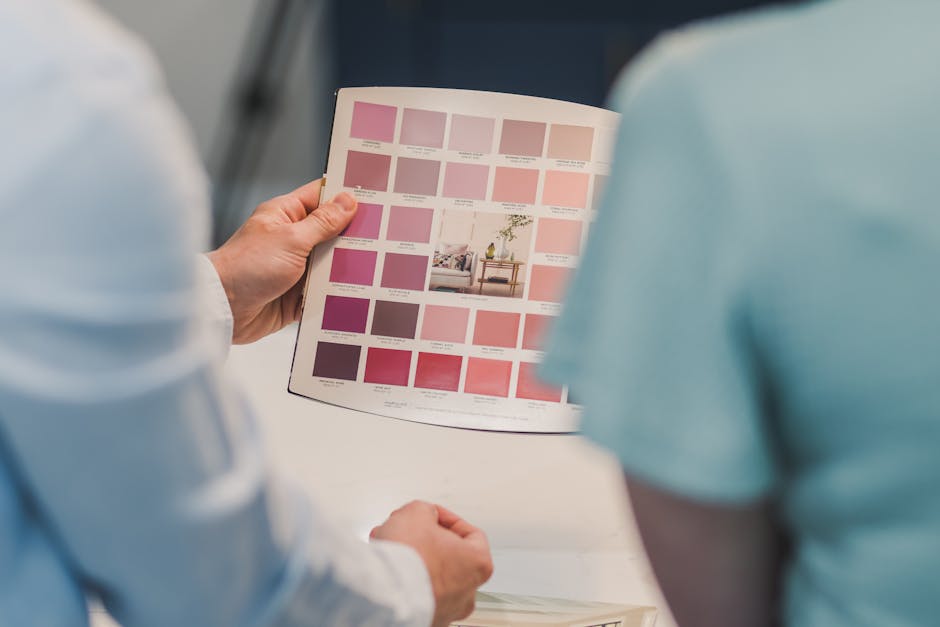
    Two individuals evaluate a color palette brochure for interior design planning.
    Two individuals evaluate a color palette brochure for interior design planning | Zhobai Hotel Furniture
    1. Define Your Vision: Solidify your design concept, brand guidelines, and precise functional requirements. Clearly articulate the specific Distinctive Spatial Identity you aim to create for your property.
    2. Develop Detailed Specifications: Work closely with your interior design team to create comprehensive FF&E schedules, precise material specifications, and preliminary shop drawings. The more detail you provide, the more accurate your quotes will be.
    3. Identify Qualified Suppliers: Research manufacturers specializing in Commercial Customization for hospitality. Focus on their experience, certifications, global project portfolio, and the breadth of their services. Consider reviewing Zhobai Hotel Furniture’s global project portfolio for examples of successful implementations.
    4. Request Detailed Quotes & Samples: Provide your comprehensive specifications to 2-3 top-tier, pre-qualified suppliers. Insist on transparent pricing, detailed material breakdowns, and physical samples for critical finishes and construction elements.
    5. Conduct Thorough Due Diligence: Evaluate supplier capabilities through factory audits (virtual or in-person), comprehensive reference checks, and a meticulous review of their quality control processes.
    6. Secure a Comprehensive Contract: Ensure your final agreement includes clear timelines, payment schedules, precise material specifications, robust warranty terms, and a defined dispute resolution mechanism.

    Navigating the complexities of Commercial Customization requires a partner who understands both design intricacies and the operational demands of hospitality. Since 2010, Zhobai Hotel Furniture has specialized in delivering tailored furniture solutions for 5-star hotels, resorts, and boutique properties worldwide.

    Our one-stop solution, encompassing early-stage planning, in-house design, manufacturing, logistics, and installation, is built precisely to mitigate the risks discussed in this guide. We provide factory-direct pricing, certified quality (CE, ISO, SGS, FDA), and a steadfast commitment to transforming your vision into furniture that enhances your Yield per Square Meter and ensures Sustainable Asset Longevity. Ready to discuss your next project’s Commercial Customization needs? Contact Zhobai Hotel Furniture today to start a conversation with our expert team.

  • Custom Made Commercial Furniture for Hotel Projects

    Custom Made Commercial Furniture for Hotel Projects

    In the dynamic hospitality landscape of 2026, the average guest experience is no longer sufficient. Industry data shows that 78% of travelers prioritize unique design and experiential elements when choosing accommodation, a significant leap from just 55% five years ago. This shift means that generic, off-the-shelf furniture is increasingly becoming a liability, not an asset. For hotel owners, developers, and designers, the strategic investment in custom made commercial furniture is no longer a niche preference; it is a fundamental differentiator that directly impacts guest satisfaction, operational efficiency, and ultimately, return on investment.

    A sleek, floating custom made commercial furniture desk crafted from dark wood, integrated into a hotel guestroom wall with a modern armchair and city view.

    What Separates Outstanding Hotel Projects from Average Ones

    The distinction between a truly memorable hotel project and one that simply occupies space often boils down to a single, critical factor: intentionality in design and execution. While budget constraints and tight timelines are universal challenges in Hospitality FF&E Procurement, exceptional projects demonstrate a profound understanding that furniture is not merely decor, but an integral part of the building’s infrastructure and guest journey. Average projects view furniture as an afterthought, selected from catalogs based on immediate cost. Outstanding projects, however, leverage custom made commercial furniture as a strategic tool to embody brand identity, optimize space, and ensure long-term durability. They recognize that every piece, from a lobby console to a guestroom nightstand, contributes to the overall narrative and functionality, demanding a bespoke approach that standard offerings simply cannot match. This foresight mitigates costly replacements, ensures aesthetic coherence, and delivers a superior guest experience that commands higher rates and fosters loyalty.

    A hotel lobby featuring bespoke contract furniture, including a large reception desk with marble accents and durable lounge chairs with performance fabric.

    Learn more about guide to hotel furniture manufacturers.

    Learn more about project success stories.

    A hotel guestroom with an integrated custom commercial furniture headboard system, featuring built-in lighting and charging ports, made with engineered wood and high-resilience upholstery.

    Learn more about one-stop solution for furniture manufacturing.

    Key Insight #1 — Strategic Material Selection & Engineering for Longevity in Custom Made Commercial Furniture

    The foundation of any enduring hotel furniture project lies in an informed approach to material specification and robust engineering. For custom made commercial furniture, this isn’t about selecting the most expensive option, but the most appropriate one for the specific environmental demands and projected usage. Consider a hotel in a coastal region: raw metals will quickly corrode due to salt air and humidity. An outstanding project would specify marine-grade stainless steel or brass components treated with anodizing and salt-spray resistant coatings, alongside moisture-resistant substrates for casegoods. For high-traffic areas, solid wood elements might feature specialized UV-resistant and thermal-stabilizing coatings to prevent warping or cracking under direct sunlight, especially for large, unsupported surfaces like floating desks. Similarly, upholstery in guest rooms must stand up to rigorous cleaning protocols and constant guest turnover. Specifying high-performance fabrics with a Martindale abrasion rating exceeding 50,000 rubs, coupled with inherent stain-resistant and fire-retardant properties, ensures longevity and reduces replacement cycles. The hidden structural integrity is equally vital. For instance, a cantilevered desk requires an internal steel frame anchored directly into wall studs, not just superficial screws, demanding precise engineering coordination during the shop drawing phase. This level of detail, often invisible to the casual observer, is what truly defines Commercial-Grade Furniture Solutions and protects your investment over a decade.

    integrated hotel bedroom headboard with built-in lights and charging stations

    Key Insight #2 — Precision in Timeline Planning & Integrated Project Management

    One of the most frequent pitfalls in hotel development is underestimating the lead times and complexities inherent in sourcing Bespoke Contract Furniture. Unlike residential projects, the scale and customization involved in hospitality demand a meticulous, integrated approach to timeline planning. Outstanding projects recognize that furniture procurement is not a linear process but a dynamic ecosystem requiring constant coordination across multiple stakeholders: architects, interior designers, general contractors, and the furniture manufacturer. A common scenario involves design changes late in the process, which can introduce significant delays and cost overruns if not managed proactively. Effective project management begins with establishing a detailed FF&E schedule early in the planning stages, allocating realistic timelines for design approval, sample production, manufacturing, logistics, and installation. This includes factoring in potential shipping delays for international projects or unexpected material sourcing challenges. Leveraging a manufacturer with robust in-house project management capabilities, including dedicated account managers who provide real-time updates and facilitate communication, is paramount. This proactive approach ensures that critical path items, such as long-lead custom made commercial furniture pieces, are identified and prioritized, preventing bottlenecks that can derail an entire opening schedule.

    A clean and contemporary hotel room featuring minimalist bedding and a warm bedside lamp.

    Key Insight #3 — The Power of a Holistic Manufacturer Partnership

    The most successful hotel projects don’t merely purchase furniture; they forge strategic partnerships with manufacturers who offer a comprehensive, integrated solution. This goes beyond just manufacturing. A truly holistic partner provides expertise from early-stage planning and design consultation through to manufacturing, logistics, and even installation oversight. For instance, a professional in-house design team can translate conceptual aesthetics into production-ready specifications, ensuring that the visual intent is maintained while adhering to commercial durability standards and budget parameters. They understand that a guestroom’s integrated headboard system, which incorporates lighting controls and charging ports, requires millimeter-precise coordination with electrical plans – a level of integration that few standard suppliers can manage. Furthermore, a manufacturer offering OEM/ODM services and factory-direct pricing provides a direct line to production, allowing for greater customization flexibility and cost efficiency without compromising quality. This comprehensive approach, a hallmark of companies like Zhobai Hotel Furniture, streamlines communication, reduces the risk of misinterpretation between design and production, and provides a single point of accountability throughout the entire project lifecycle. This ensures that every piece of custom made commercial furniture aligns perfectly with the project’s vision and operational demands.

    integrated hotel bedroom headboard with built-in lights and charging stations

    Common Mistakes Hotel Buyers Make (and How to Avoid Them)

    Even experienced Hospitality FF&E Procurement teams can fall prey to common pitfalls when sourcing custom made commercial furniture. Recognizing these can save millions and prevent significant operational headaches.

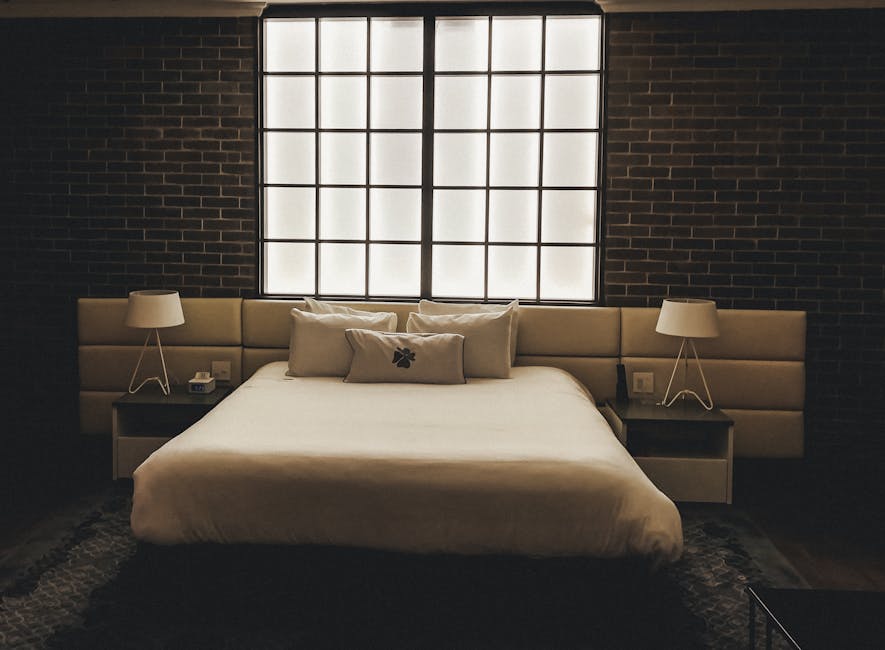
    Stylish bedroom featuring a brick wall, modern design, and ambient lighting.
    • Mistake 1: Prioritizing Upfront Cost Over Lifecycle Value

      Many buyers focus solely on the initial purchase price, overlooking the total cost of ownership. Cheaply made furniture, while appealing initially, often leads to premature wear, frequent repairs, and early replacement. This escalates long-term expenses and negatively impacts guest perception. To avoid this, demand detailed specifications on materials (e.g., wood substrate density, veneer thickness, hardware brand, fabric Martindale rating) and understand warranty terms. Request physical samples and visit production facilities if possible.

      minimalist hotel guestroom with floating wooden desk and leather chair
    • Mistake 2: Neglecting Commercial-Grade Durability Standards

      Residential furniture, no matter how aesthetically pleasing, is not designed for the rigors of a commercial environment. Using it in a hotel will inevitably lead to structural failures, upholstery breakdown, and finish degradation. Ensure that your specifications align with established hospitality standards for impact resistance, stability, and fire retardancy. A reputable Hotel Casegoods Manufacturer will readily provide certifications (CE, ISO, SGS, FDA) and technical data sheets confirming their adherence to these standards for all Bespoke Contract Furniture.

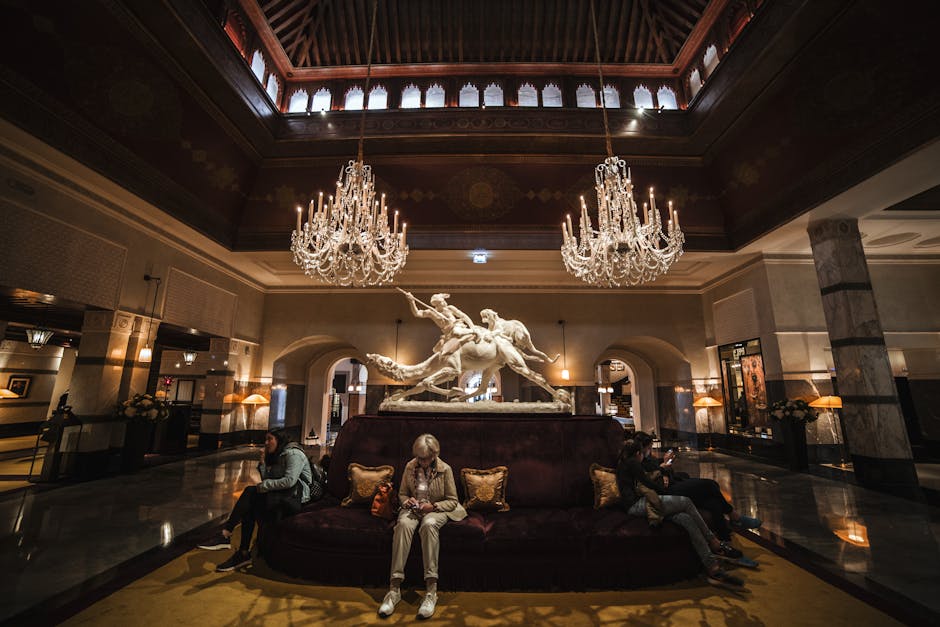
      Unrecognizable people sitting on comfortable sofa in spacious hall of luxury hotel with crystal chandeliers and marble statue
    • Mistake 3: Insufficient Communication with Manufacturers

      Vague design briefs or delayed feedback during the sample approval stage are recipes for disaster. Misinterpretations lead to costly rework and project delays. Proactively share detailed design intent, material preferences, and performance requirements. Establish clear communication channels and review shop drawings and prototypes meticulously. A manufacturer who provides a dedicated project manager fosters better communication and alignment.

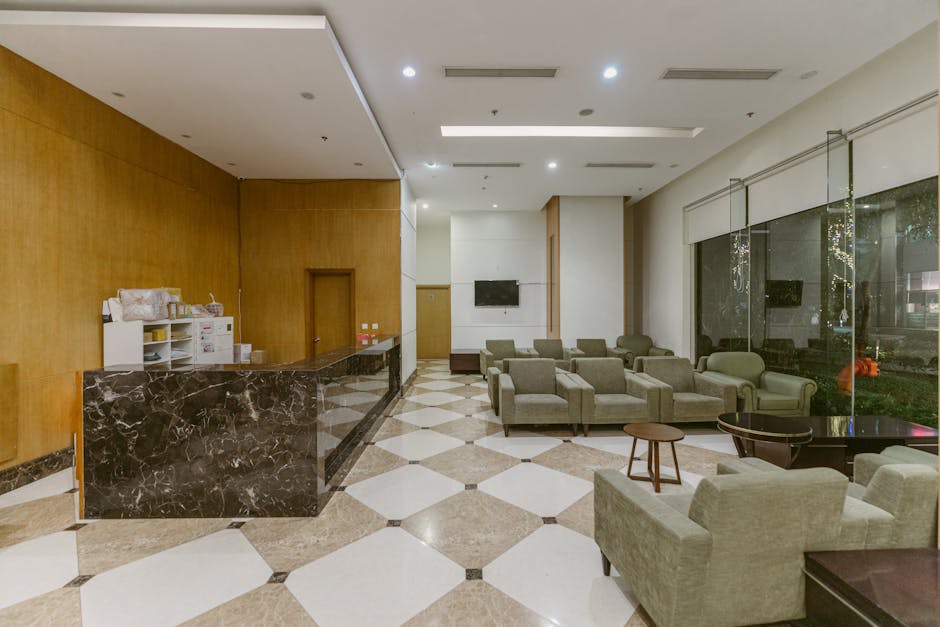
      Spacious hotel lobby with marble front desk, modern seating area, and contemporary decor.
    • Mistake 4: Underestimating Logistics and Installation Complexity

      The journey of custom made commercial furniture from factory floor to guestroom is intricate. Overlooking customs clearance, local delivery challenges, or on-site assembly requirements can lead to significant delays and budget overruns. Partner with a manufacturer who has proven global logistics experience and can provide comprehensive solutions, including white-glove installation services. This minimizes damage risks and ensures timely project completion.

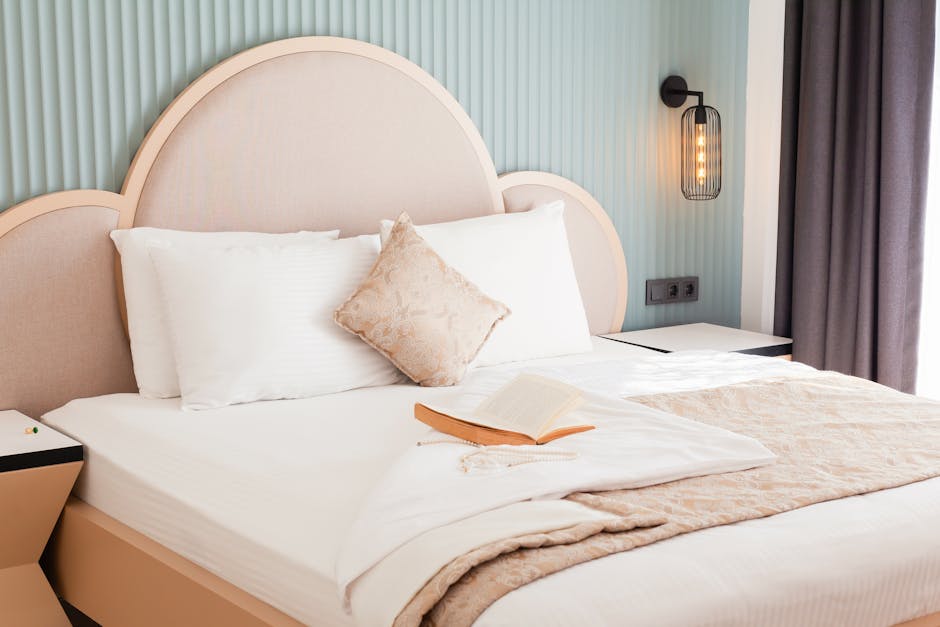
      A luxurious hotel bedroom featuring elegant bedding and an open book, exuding comfort and style.

    How to Apply These Principles to Your Next Project

    Integrating these insights into your next hotel project involves a structured, proactive approach:

    • Define Your Vision with Precision:

      Before engaging suppliers, articulate your design intent, brand story, and performance expectations for every furniture piece. Create detailed mood boards, functional briefs, and preliminary material palettes. This clarity will guide your selection of a suitable Hotel Casegoods Manufacturer and streamline the entire process.

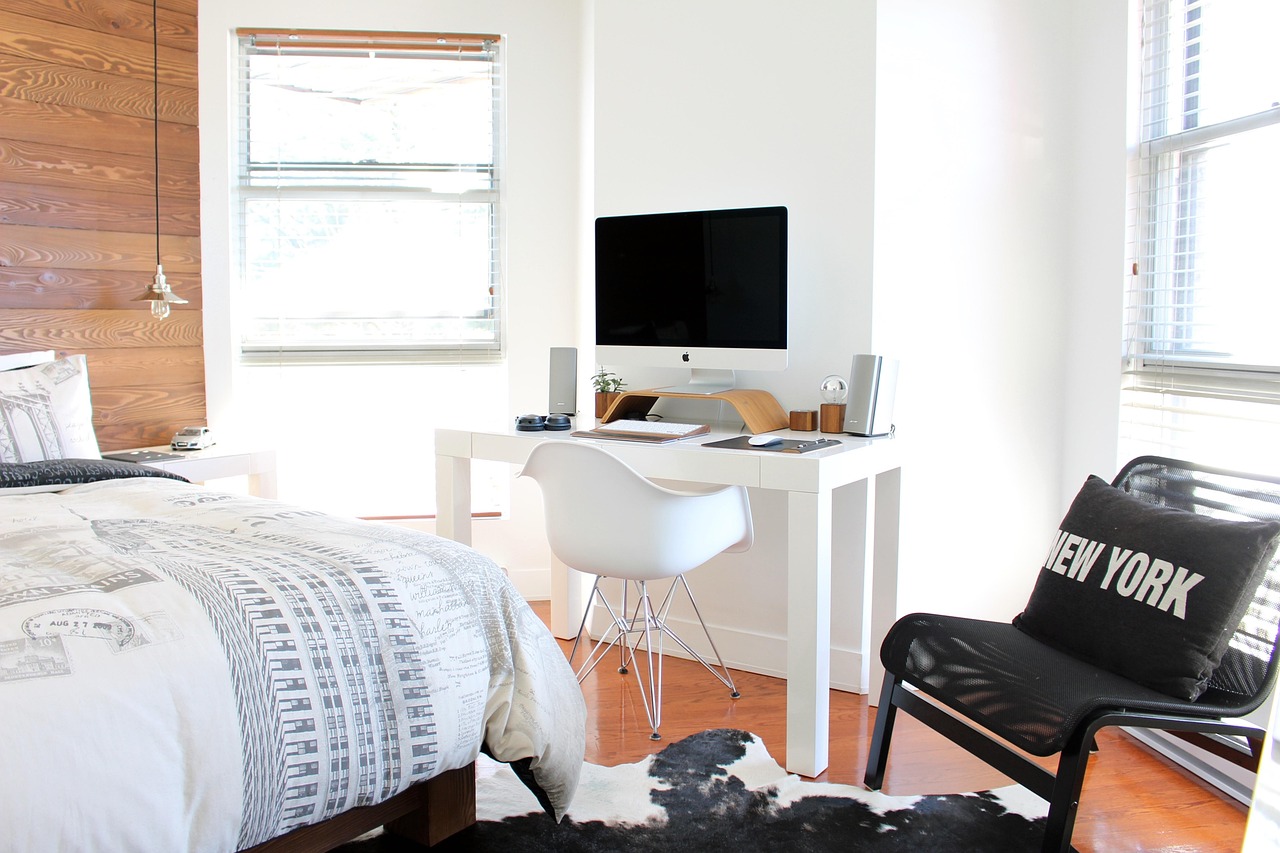
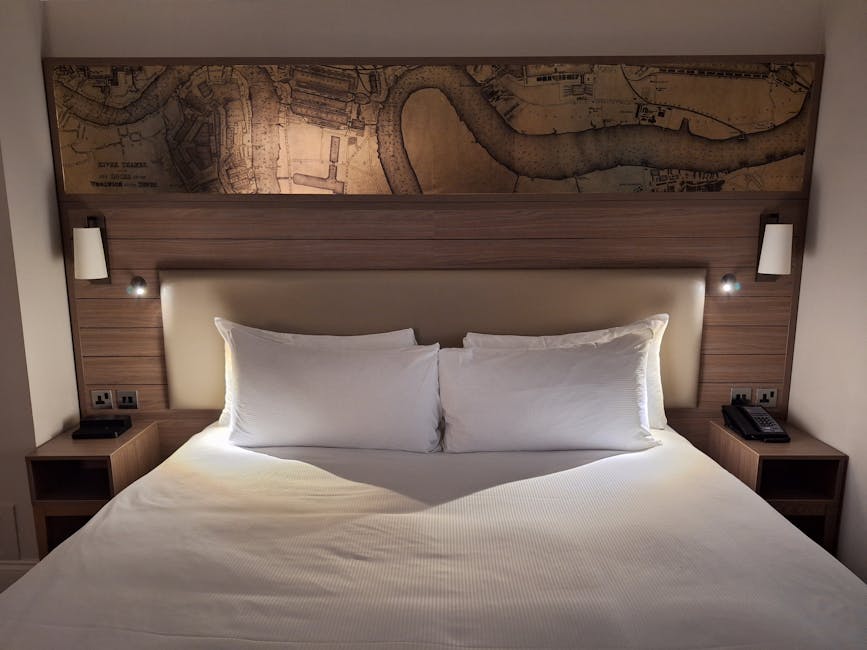
      Spacious hotel room in England featuring crisp white bedding and artistic map decor.
    • Prioritize Durability & Engineering:

      Move beyond aesthetics alone. For each item of Commercial-Grade Furniture Solutions, specify not just the look, but the structural integrity, material treatments (e.g., moisture resistance, anti-corrosion), and expected lifespan. Challenge suppliers to provide technical justifications for their material choices and construction methods.

    • Establish a Comprehensive Project Timeline:

      Work backward from your opening date. Allocate realistic lead times for design, prototyping, manufacturing, shipping, customs, and installation. Build in buffer periods for unforeseen circumstances. Demand a transparent production schedule from your chosen partner.

    • Vet Manufacturers Thoroughly:

      Look for manufacturers with a proven track record in custom hospitality projects, relevant certifications (CE, ISO, SGS, FDA), and strong references. Assess their in-house design capabilities, project management processes, and global logistics expertise. Their ability to provide a one-stop solution is a strong indicator of reliability and efficiency.

    • Engage Early and Communicate Continuously:

      Bring your chosen manufacturer into the design conversation as early as possible. Their engineering and production insights can optimize designs for cost, durability, and manufacturability before costly errors occur. Maintain open and frequent communication throughout every phase of the project.

    The landscape of hospitality demands not just furniture, but meticulously crafted solutions that elevate the guest experience and withstand the rigors of commercial use for years. The strategic sourcing of custom made commercial furniture is a complex endeavor, requiring an expert partner who understands both design intent and manufacturing realities. At Zhobai Hotel Furniture, with over 15 years of specialized experience in 5-star hotels, resorts, and boutique properties worldwide, we embody these principles. Our one-stop solution covers everything from early-stage planning and in-house design to manufacturing, logistics, and installation, ensuring seamless execution. We leverage our deep expertise and global certifications to deliver tailored spaces that exceed expectations, focusing on engineering longevity and aesthetic integrity. We invite you to discuss your next project with our team. Let us show you how a true manufacturing partnership can transform your vision into a lasting reality.

  • Hotel Furniture Procurement: A Practical FF&E Guide

    Hotel Furniture Procurement: A Practical FF&E Guide

    Ask any experienced FF&E procurement manager what separates a successful hotel opening from a costly delay, and the answer is almost always the same: the quality of the procurement process. Custom hotel furniture represents one of the most capital-intensive line items in any hotel development budget, yet it remains one of the most frequently mismanaged. A reactive approach 鈥?issuing RFQs too late, skipping factory inspections, prioritising unit price over total cost 鈥?consistently produces missed deadlines, quality shortfalls, and guest-experience gaps that show up in review scores for years.

    This guide is written for FF&E procurement managers, hotel owners, project managers, and developers who want to move from reactive to proactive 鈥?building a procurement framework that delivers quality custom hotel furniture on time, within budget, and to specification.

    Writing an Effective FF&E Brief: What Suppliers Need to Know

    The quality of your procurement outcome is almost entirely determined at the brief stage. A vague brief produces vague quotes, submissions that are impossible to compare, and suppliers who reinterpret your requirements to suit their existing production capabilities rather than your actual project needs.

    An effective hotel furniture brief for a custom procurement should specify: exact dimensions and configuration of each space; number of units required by typology (guestroom, suite, corridor, lobby, F&B); material and finish specifications at component level (frame timber species, upholstery grade and minimum Martindale count, hardware finish, surface treatment); lead-time requirements with installation milestone dates; technical drawings or CAD files for built-in pieces; brand standards or design precedents where applicable; and packaging, delivery, and installation requirements.

    The brief should also include your supplier evaluation criteria 鈥?price weighting, quality weighting, lead time, references 鈥?so that suppliers understand how they will be assessed. Transparency at this stage attracts better-quality responses and filters out suppliers who cannot meet your standards before you have invested time reviewing their proposals.

    Running a Competitive RFQ Process for Hotel Furniture

    A well-run RFQ process for hotel furniture typically involves three to five shortlisted manufacturers, a standardised submission template, and a defined review window of ten to fourteen days. Inviting too many suppliers creates noise and disincentivises serious manufacturers from investing time in detailed proposals; too few limits your benchmarking data and negotiating position.

    Your RFQ package should include: the full brief document; a bill of quantities (BOQ) in Excel format with specifications pre-filled and space for unit pricing; a supplier questionnaire covering factory capacity, quality certifications, reference projects, and sub-contractor relationships; a request for physical or digital samples for key upholstered and timber pieces; and a clear timeline with submission deadline, shortlist notification, and award date.

    When evaluating RFQ responses, resist the instinct to sort by unit price. Instead, build a weighted scorecard: price (typically 30鈥?0%), quality evidence and samples (25鈥?0%), lead-time reliability and references (20鈥?5%), and communication quality (10鈥?5%). A supplier who scores 10% higher on quality but 8% higher on price will almost always produce a better total-cost outcome 鈥?fewer re-orders, fewer guest complaints, and a longer replacement cycle.

    Factory Evaluation and Quality Assurance Protocols

    For orders above approximately USD 200,000, an in-person factory visit before contract award is not optional 鈥?it is essential. What you are assessing is not primarily the machinery; it is the management systems, production flow, quality-control checkpoints, and workforce culture. A factory that cannot show you documented quality inspection procedures at each production stage is one that delegates quality control to the buyer’s inspection team 鈥?effectively, to you.

    Key checkpoints during a factory audit: raw-material receiving inspection (timber moisture content, fabric roll inspection); in-process quality controls (frame joint testing, pre-upholstery frame inspection); pre-shipment inspection (dimensional tolerances, finish quality, functionality of moving parts); and packaging standards (protective wrapping for upholstered surfaces, custom crating for statement pieces).

    For large-scale projects, consider appointing a third-party quality inspection agent who is fluent in the manufacturing country’s language and experienced in hotel furniture. The cost 鈥?typically USD 300鈥?00 per inspection day 鈥?is negligible against the cost of receiving and returning a container of non-conforming furniture across continents.

    Managing Lead Times, Shipping, and On-Site Installation

    Hotel furniture procurement timelines are almost always compressed. Developers underestimate production lead times, shipping transit times, and the complexity of on-site installation sequencing. A realistic manufacturing lead time for custom hotel furniture 鈥?from purchase order to factory-ready 鈥?is twelve to twenty weeks, depending on order complexity, factory capacity, and seasonal demand. Add four to six weeks for sea freight from East Asia, or six to ten weeks from continental Europe. Add a further two to four weeks for port clearance, inland transport, and final delivery to site.

    The critical-path implication: your furniture procurement process should commence no later than six to eight months before your target opening date for a standard guestroom programme. For complex bespoke pieces 鈥?statement lobby installations, custom millwork, presidential suite furniture 鈥?add an additional four to eight weeks.

    On-site installation sequencing matters more than most developers realise. Hotel furniture installation must be coordinated with MEP completion, flooring installation, and art and accessory placement. A detailed installation programme, agreed in advance with your main contractor, prevents the costly scenario of furniture arriving before rooms are ready 鈥?or being damaged by ongoing construction works after delivery.

    Total Cost of Ownership: Making the Business Case for Quality

    Hotel furniture procurement decisions made on the basis of lowest unit price consistently produce the worst total-cost outcomes. The total cost of ownership (TCO) of a hotel bed, for example, includes not just the purchase price but also: installation and assembly labour; guest-room downtime during future replacements; guest complaint costs; and the replacement cycle 鈥?typically six to eight years for contract-grade furniture versus three to four years for budget-grade.

    A practical TCO model: a 150-key hotel with a standard room bed programme. A budget-grade bed at USD 400 per unit, replaced every four years, costs USD 60,000 per replacement cycle in unit costs alone, before factoring in operational disruption. A contract-grade bed at USD 650 per unit, replaced every eight years, costs USD 97,500 per cycle 鈥?but delivers twice the interval, half the disruption, and typically measurably better guest comfort scores that sustain higher ADR.

    Procurement managers who build TCO models and present them to ownership groups consistently win the argument for quality investment. The ROI case for hotel furniture quality is not speculative 鈥?it is calculable from your own operational data on maintenance costs, replacement frequency, and the correlation between room condition scores and average rate performance.