标签: Hotel Furniture Procurement

  • Optimizing Hotel Furniture Cost Per Room in 2026

    Optimizing Hotel Furniture Cost Per Room in 2026

    A common, yet incredibly costly, misstep for hotel procurement managers and developers is focusing solely on the upfront purchase price of hotel furniture. Many overlook the long-term implications of choosing residential-grade pieces or partnering with unverified suppliers. Imagine completing a 200-room renovation, only to face significant furniture repairs or replacements within 3-4 years because the initial purchase was based on the lowest bid, not commercial durability. This shortsighted approach inflates the actual hotel furniture cost per room by effectively doubling your investment before the next scheduled renovation cycle even begins.
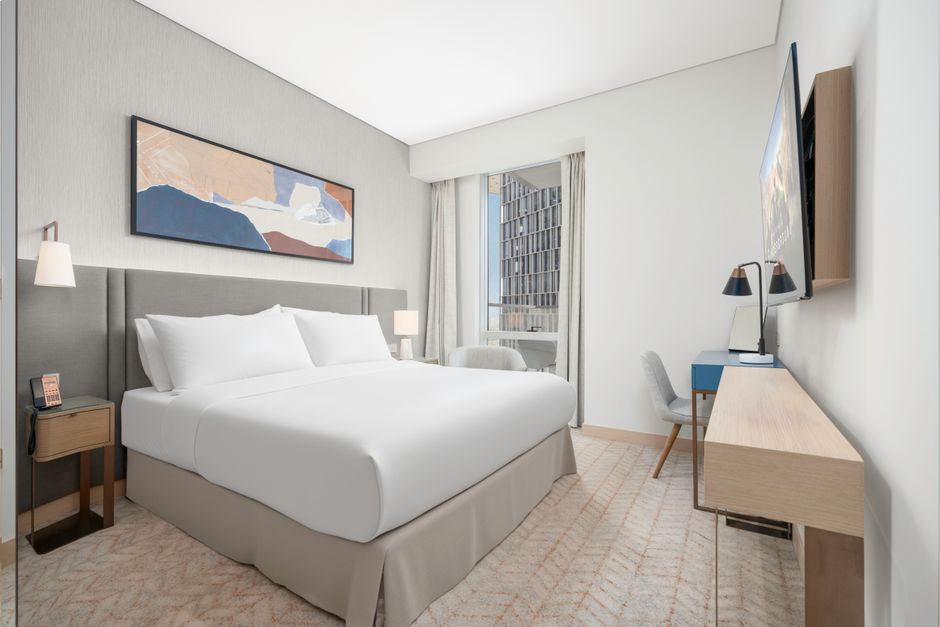
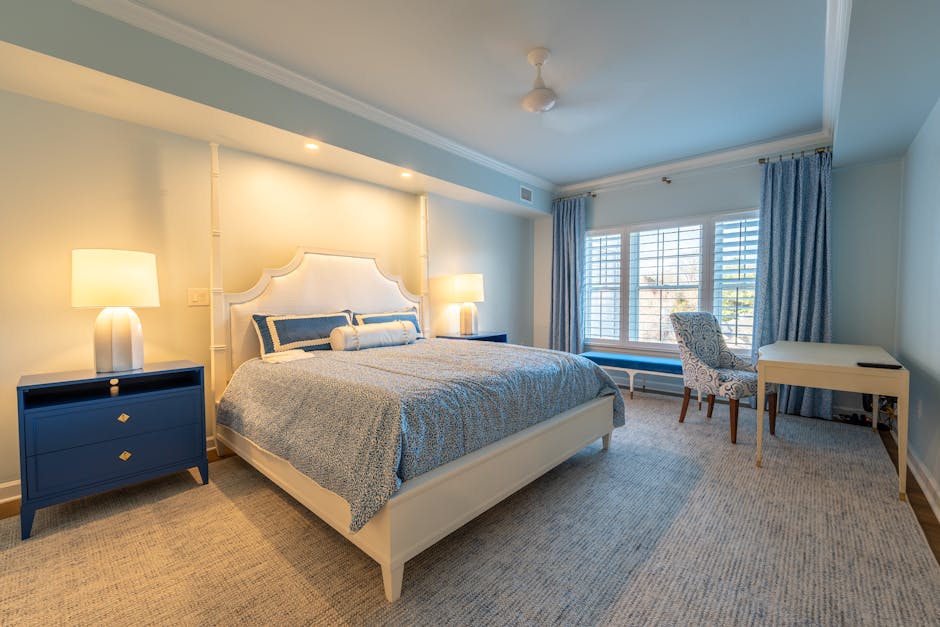
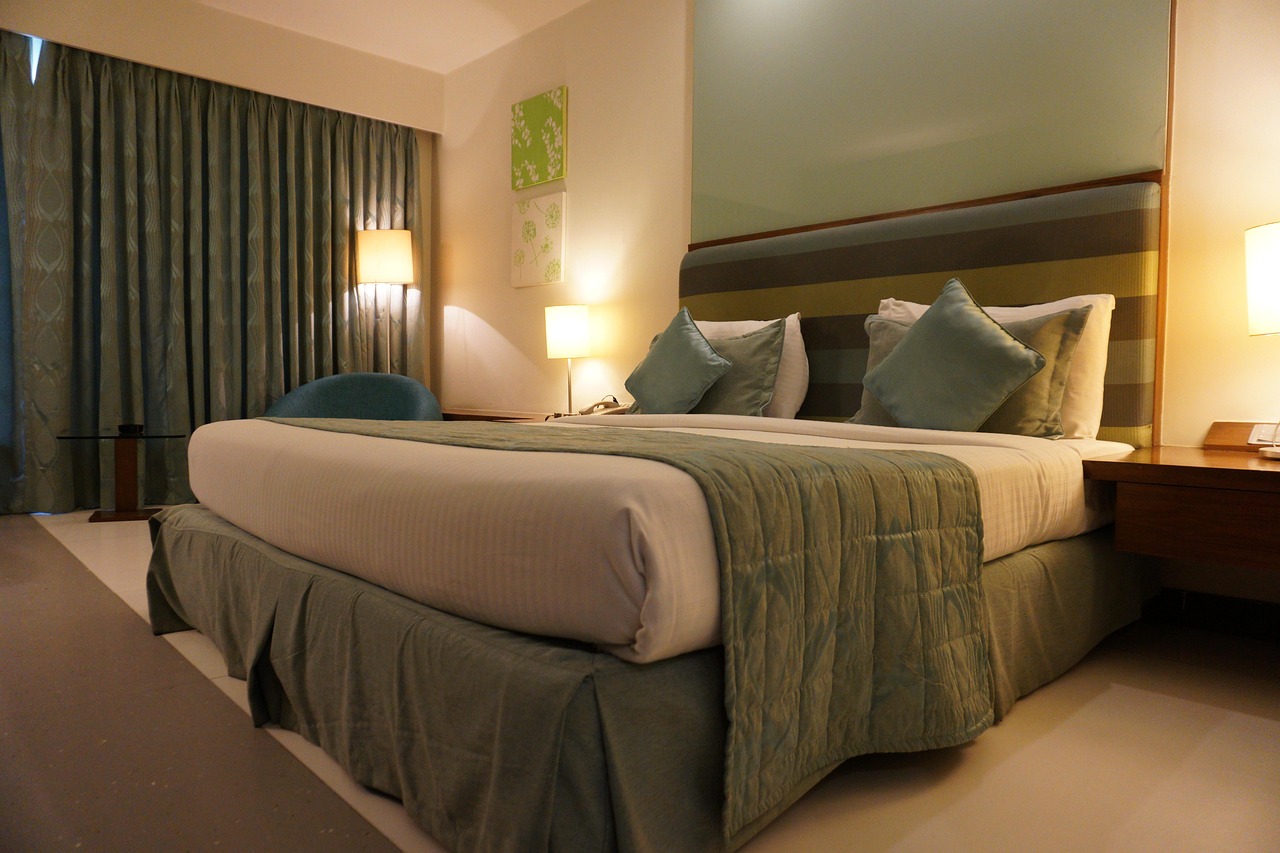
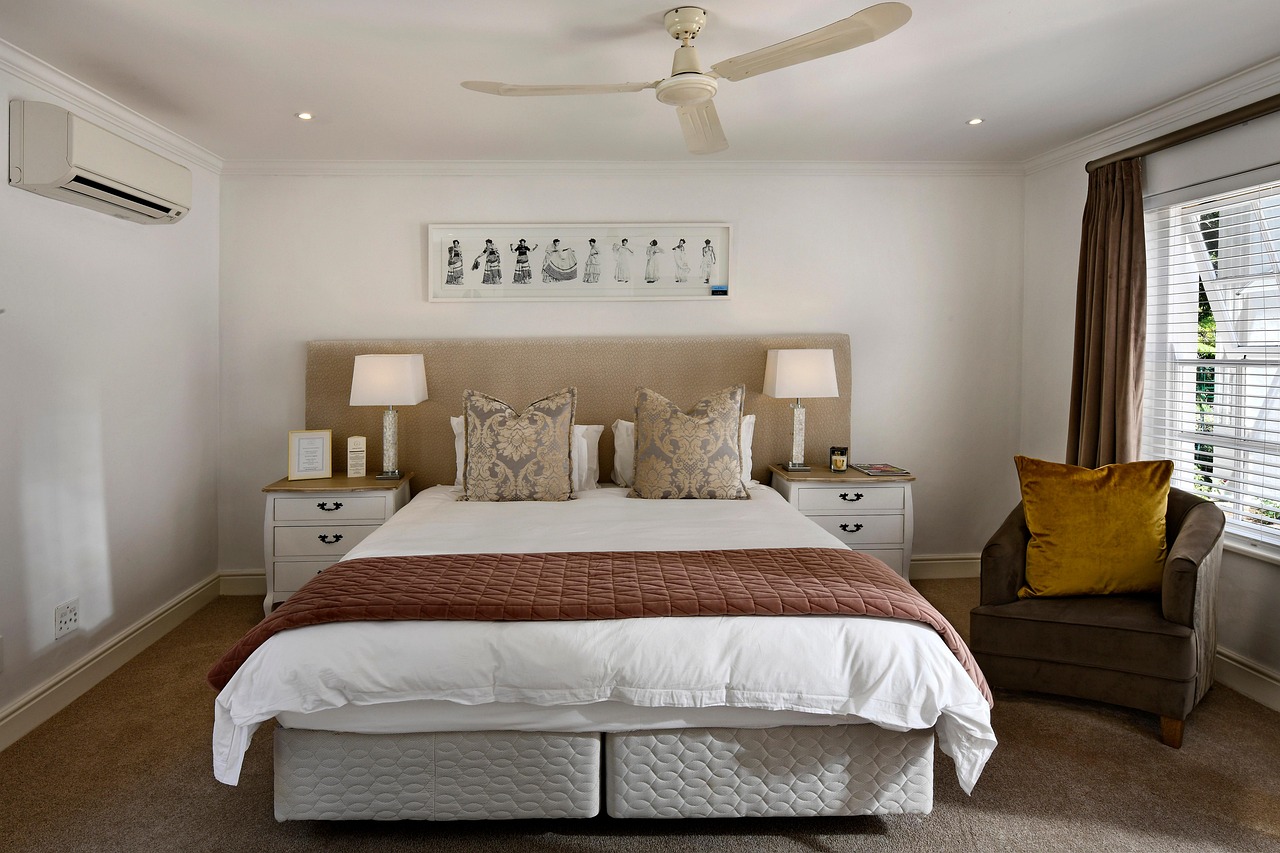
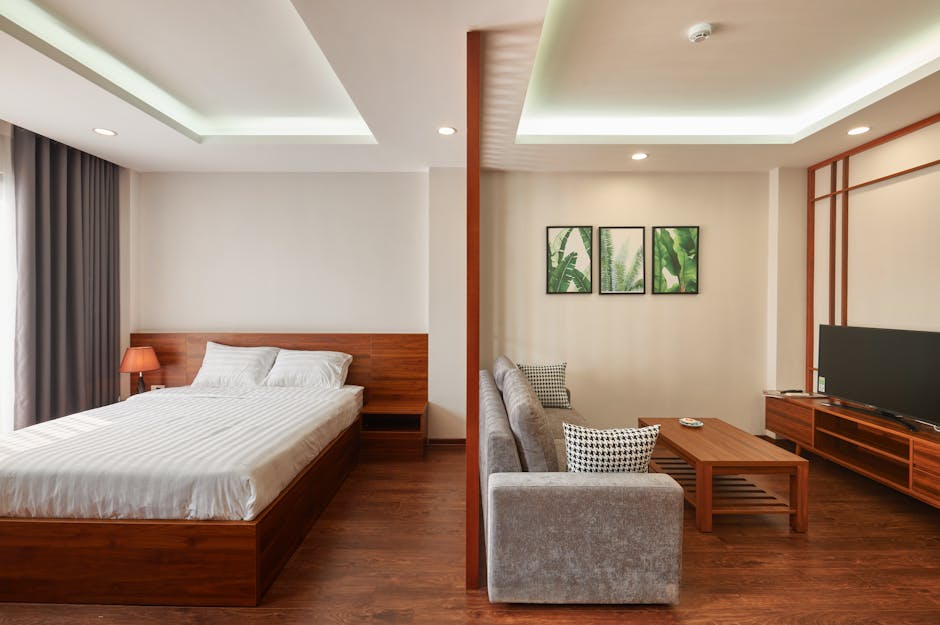
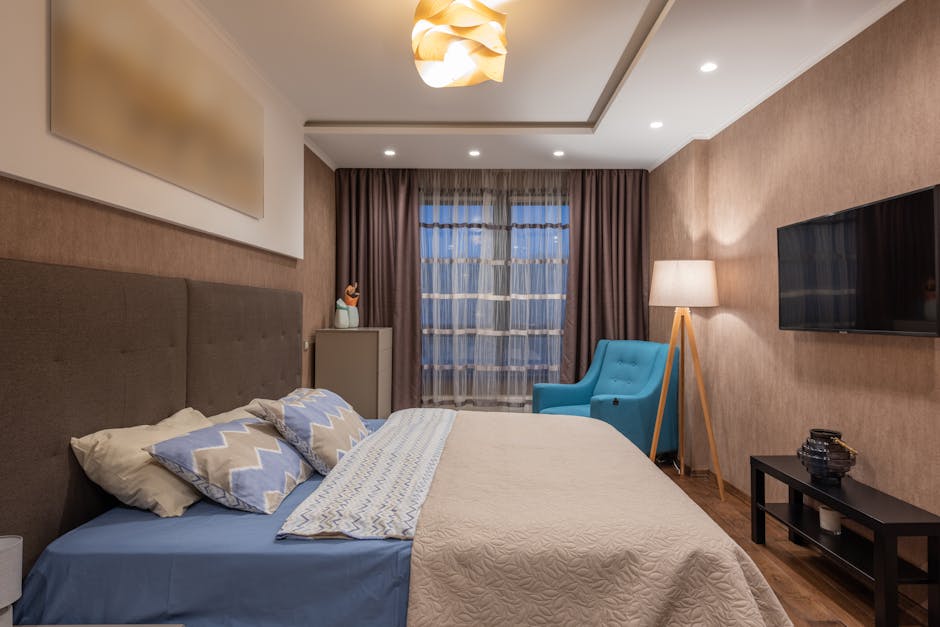
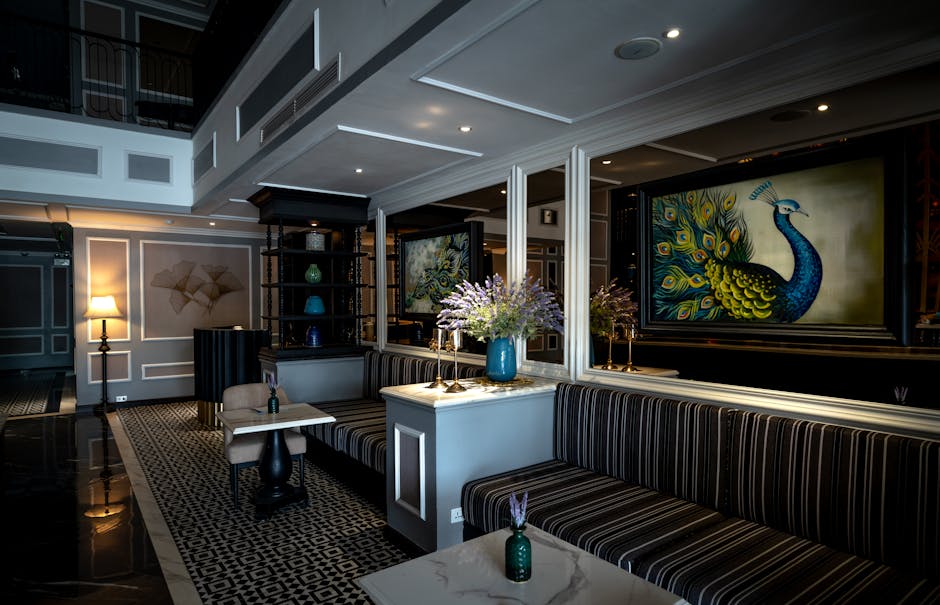
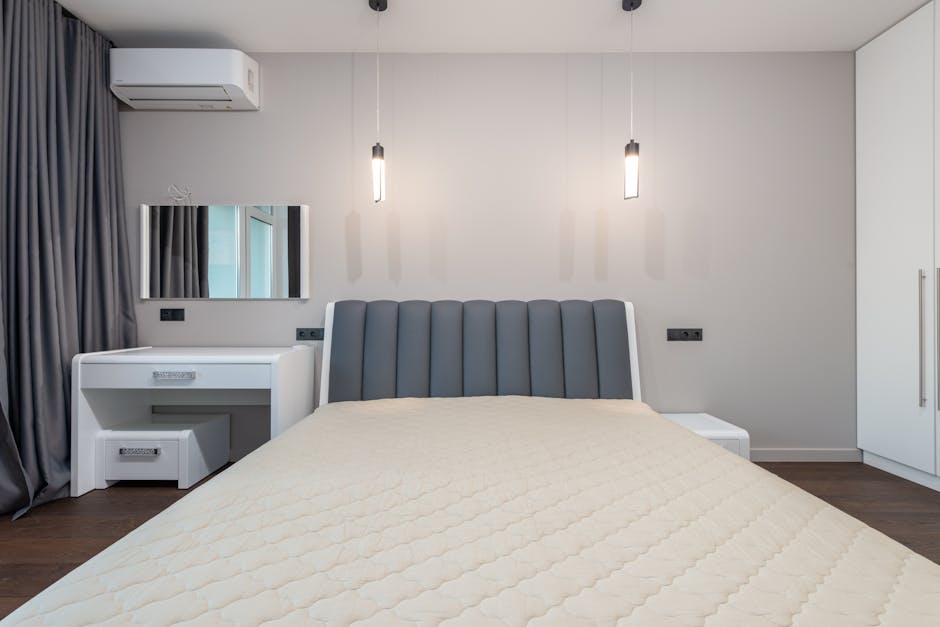
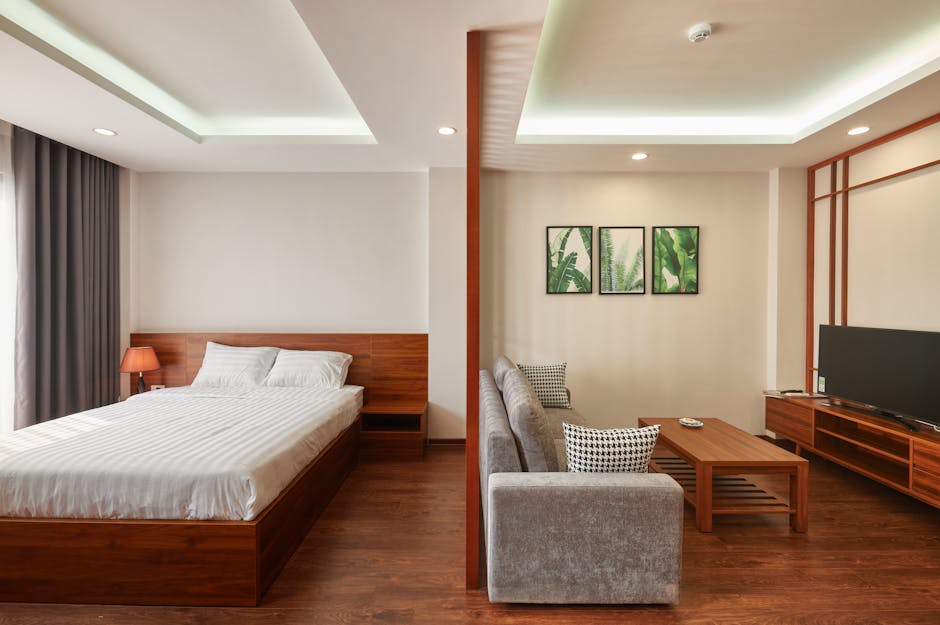
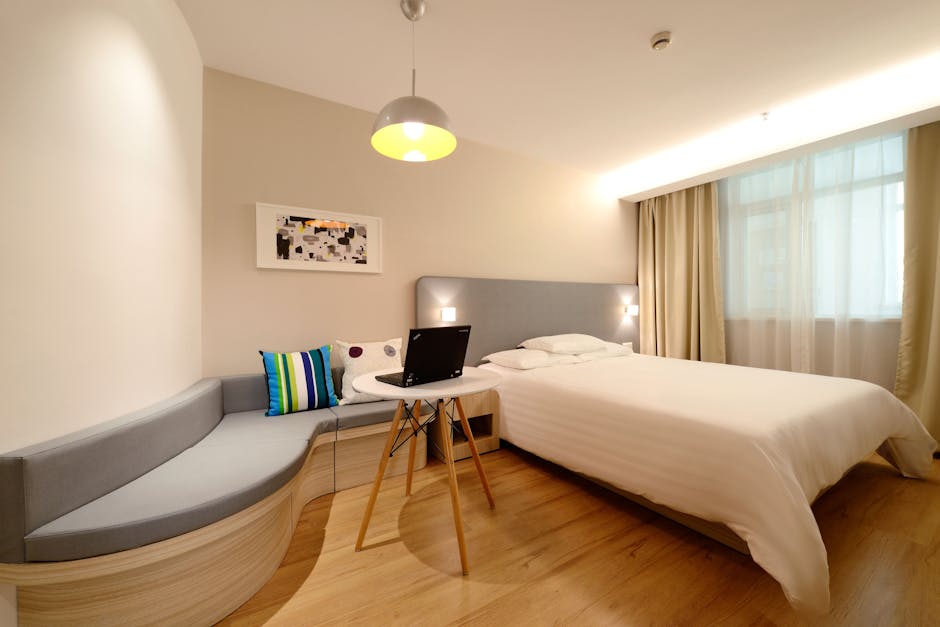
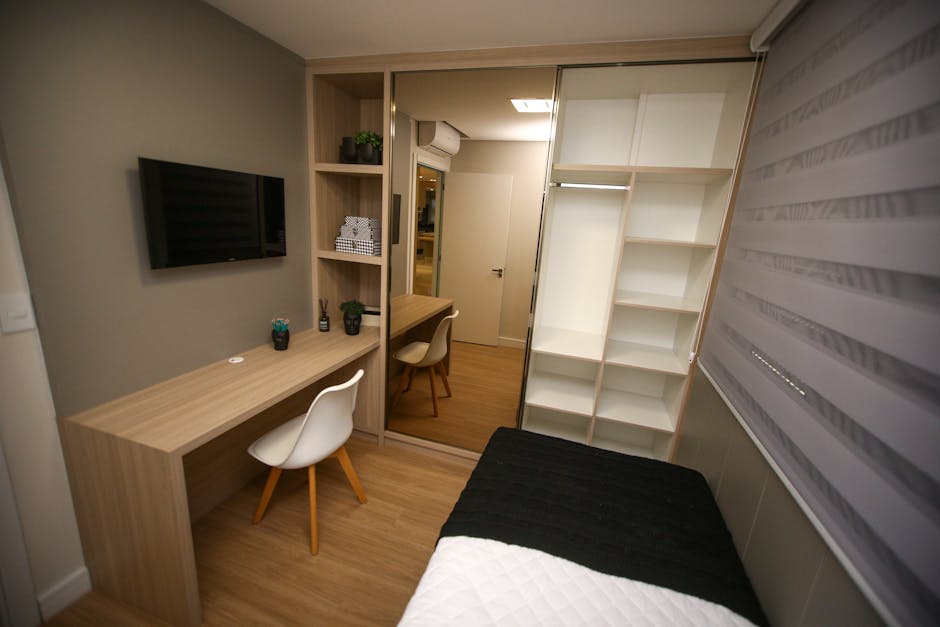
    Modern hotel guestroom with custom hotel furniture cost breakdown, featuring a dark wood headboard, a fabric upholstered armchair, and a minimalist desk area.
    Modern hotel guestroom with custom hotel furniture cost breakdown, featuring a dark wood headboard, a fabric upholstered armchair, and a minimalist desk area | Zhobai Hotel Furniture

    The Real Cost of Getting Hotel Furniture Cost Per Room Wrong

    Underestimating the true hotel furniture cost per room extends far beyond the initial invoice. Poorly sourced furniture leads to rapid wear and tear, forcing premature replacement. This not only incurs a double expense but also disrupts guest experiences, triggers negative reviews, and damages your brand’s reputation. Consider a scenario where a boutique hotel invests $8,000 per room in what appears to be stylish, budget-friendly furniture. If that furniture degrades within four years due to inadequate commercial-grade construction, the effective annual cost is $2,000 per room. However, if a comparable investment of $10,000 per room in contract-grade furniture lasts ten years, the annual cost drops to $1,000 per room. The initial ‘saving’ of $2,000 per room quickly becomes an additional $10,000 per room over a decade, not including the operational headaches and lost revenue from guest dissatisfaction. This illustrates why understanding the total lifecycle cost is paramount.
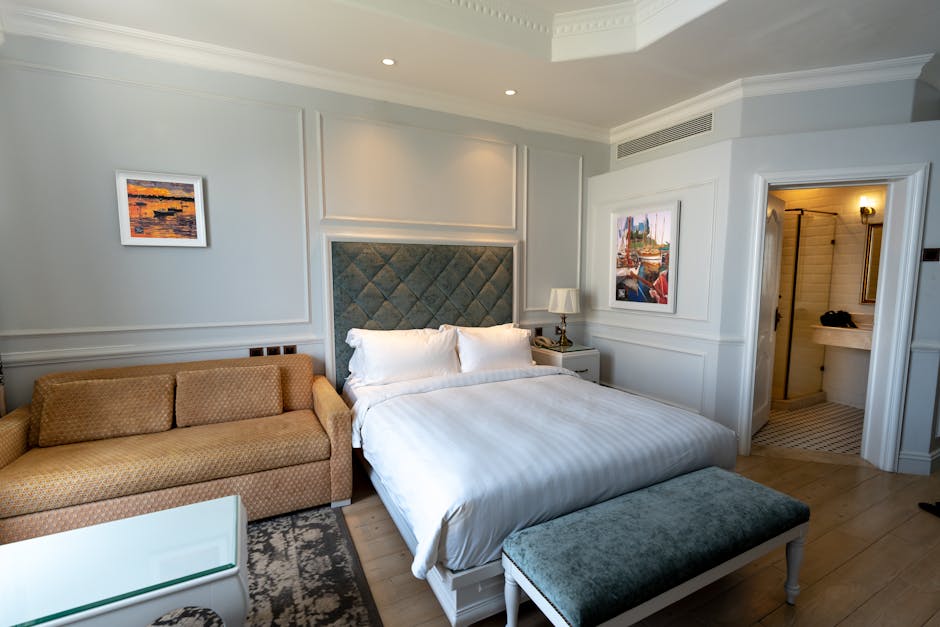
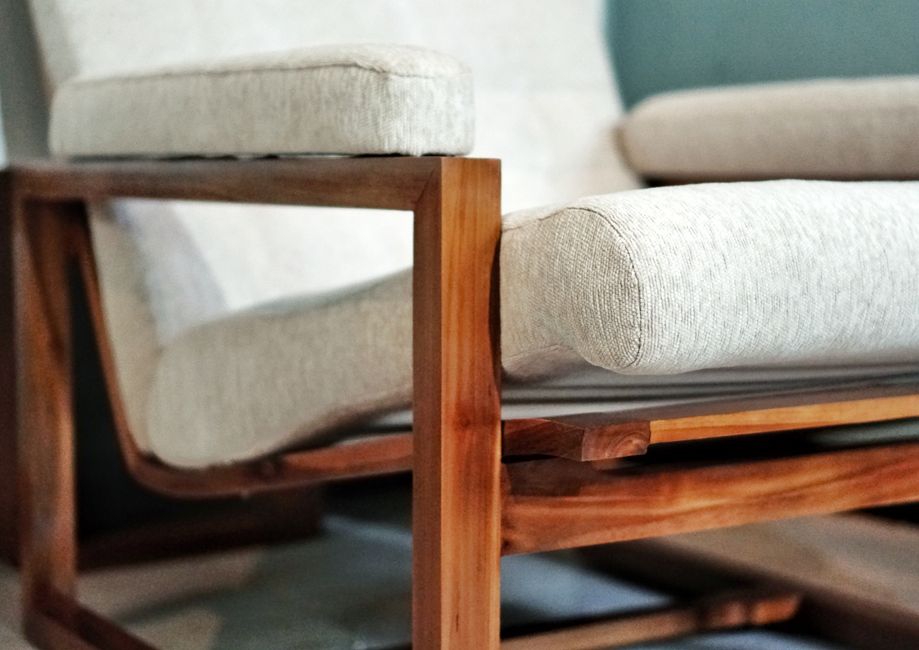
    A detailed view of a sturdy custom hotel furniture cost component, showcasing a dovetail joint on a wooden drawer inside a hotel casegood.
    A detailed view of a sturdy custom hotel furniture cost component, showcasing a dovetail joint on a wooden drawer inside a hotel casegood | Zhobai Hotel Furniture

    The Decision Framework — What to Evaluate Before You Choose

    Making informed decisions about your hotel’s FF&E requires a structured evaluation. Focusing on these criteria ensures you secure furniture that aligns with your budget, brand standards, and operational longevity.
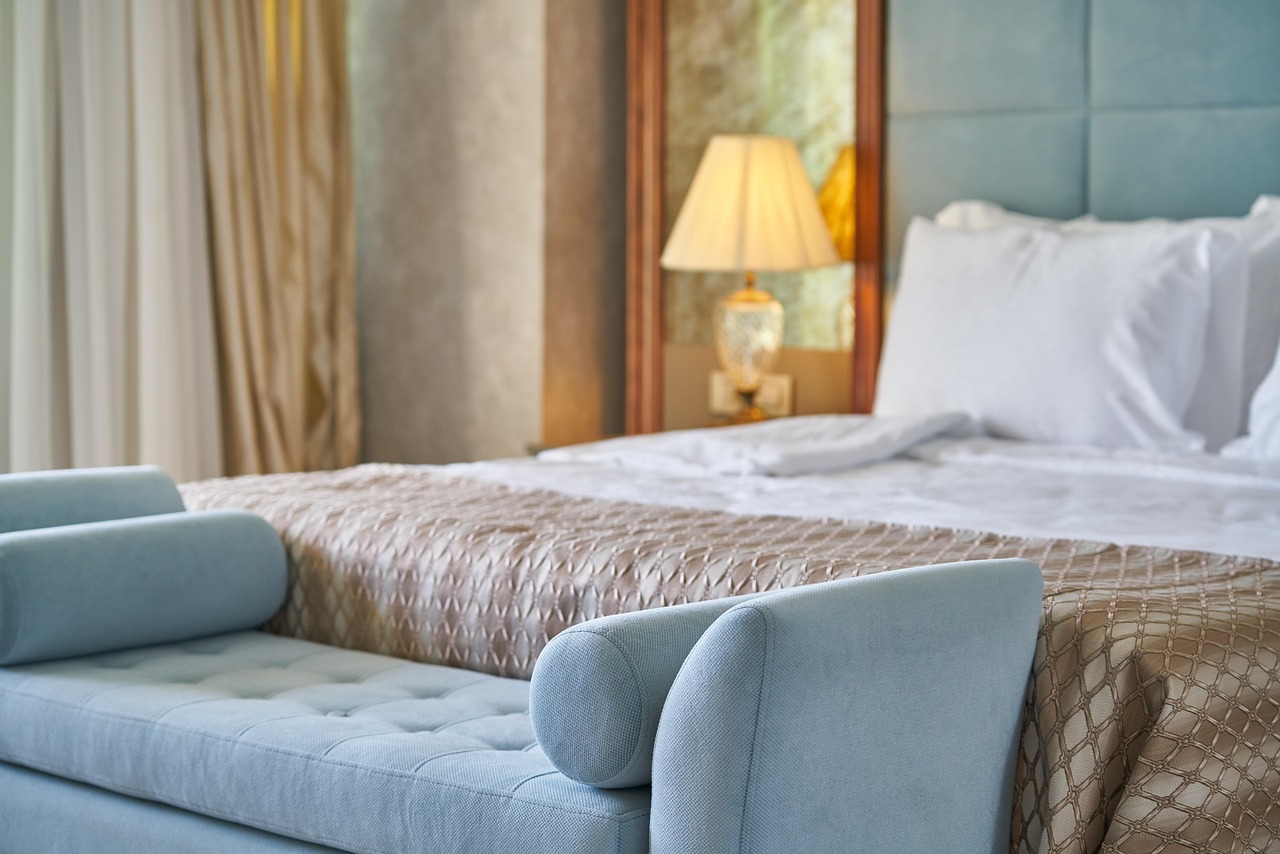
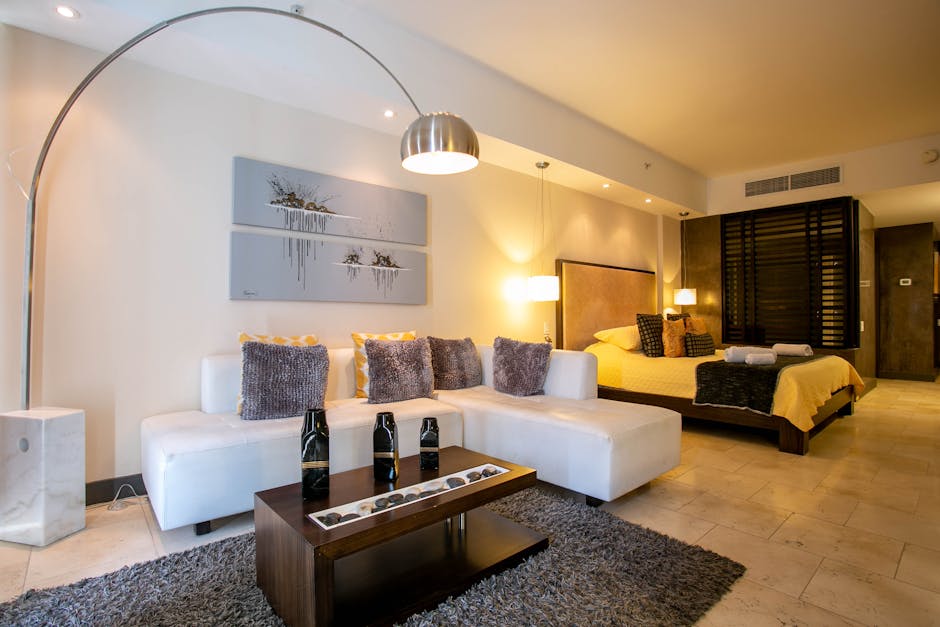
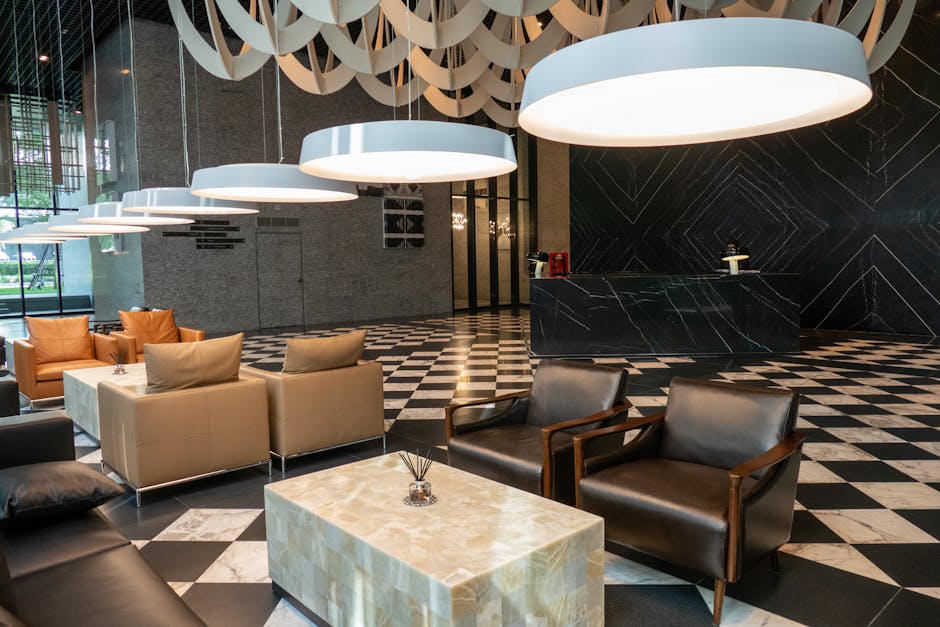
    Well-appointed hotel suite demonstrating optimized hotel furniture cost per room, with a spacious seating area, a large TV console, and elegant lighting fixtures.
    Well-appointed hotel suite demonstrating optimized hotel furniture cost per room, with a spacious seating area, a large TV console, and elegant lighting fixtures | Zhobai Hotel Furniture

    1. Commercial-Grade Durability & Material Specifications

    Hotel furniture endures relentless use, requiring construction far superior to residential items. Evaluate frame construction (e.g., kiln-dried solid hardwood, mortise-and-tenon joints), upholstery fabric abrasion ratings (e.g., double rubs exceeding 30,000), and surface finishes (e.g., high-pressure laminates, catalytic lacquers). Specifying these details prevents premature wear and keeps your hotel ffe cost per room breakdown predictable. For instance, a desk drawer built with dovetail joints and full-extension metal glides will outlast one with simple butt joints and plastic runners by many years, minimizing maintenance calls.
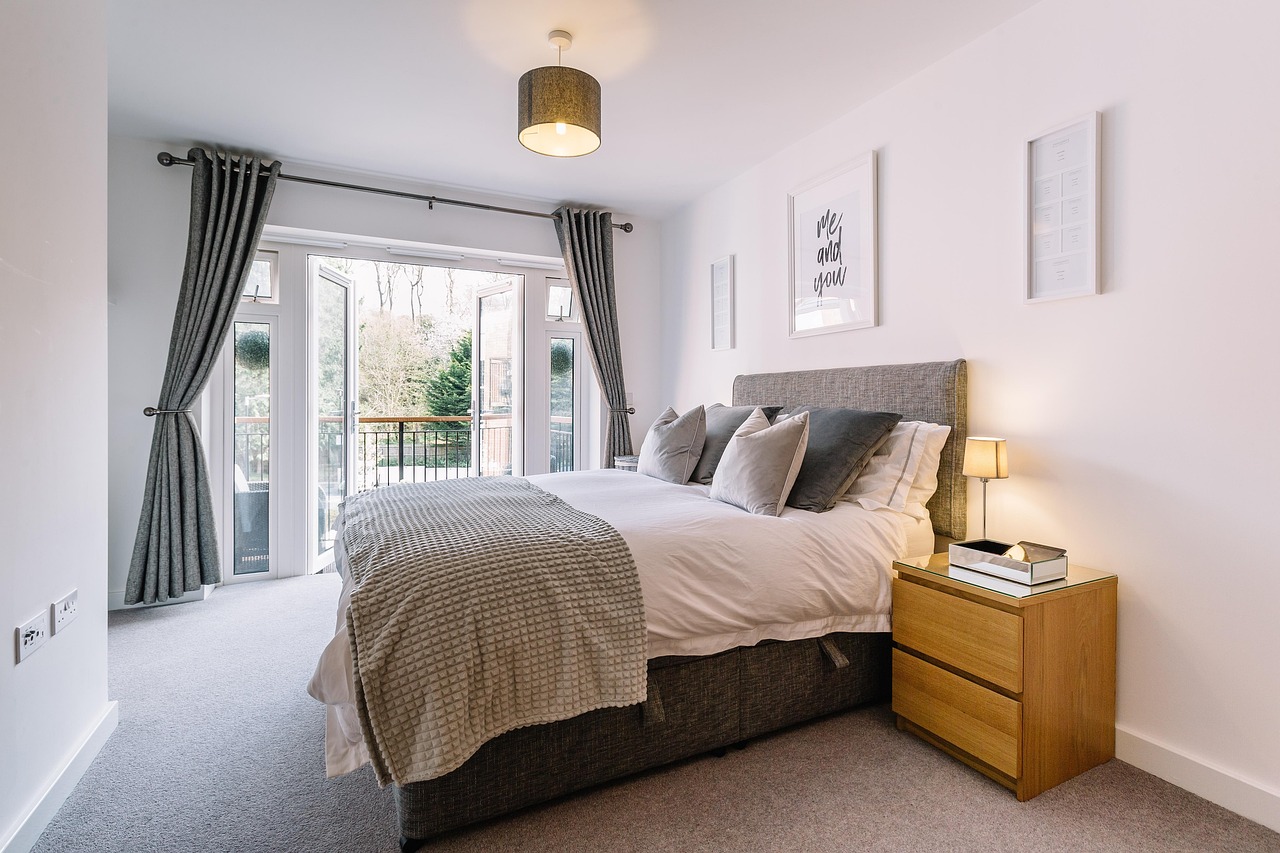
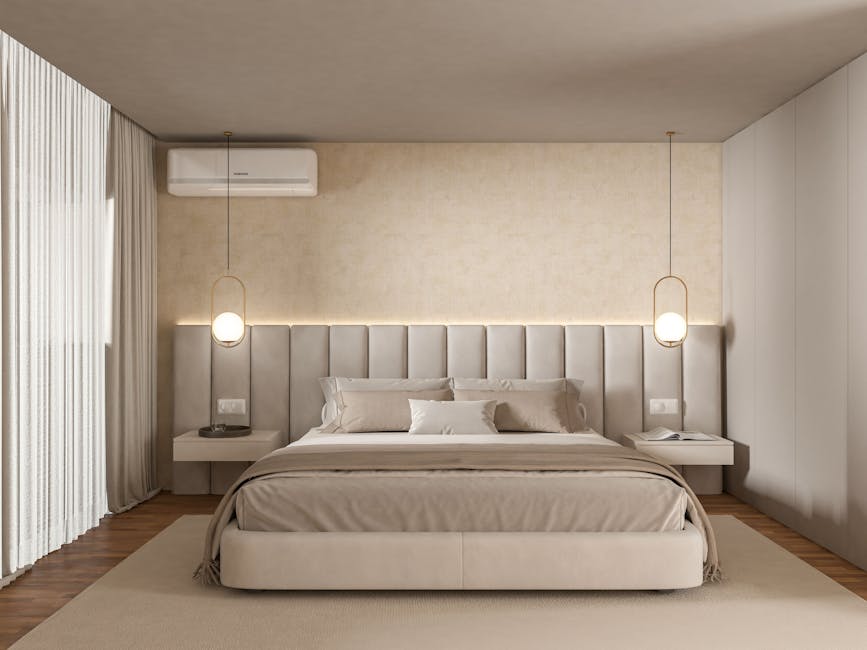
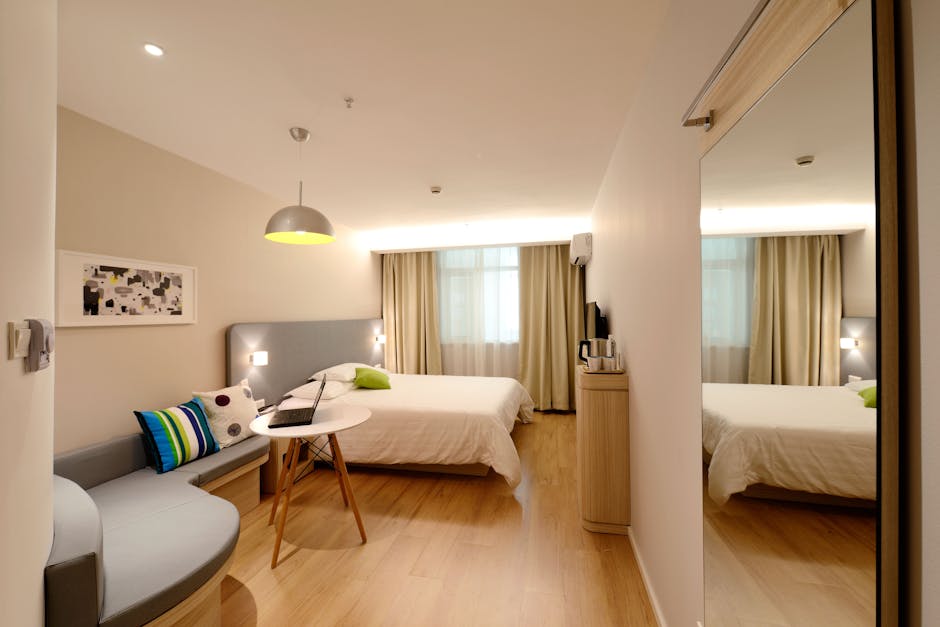
    minimalist hotel guestroom interior with custom wooden furniture and a large window view
    minimalist hotel guestroom interior with custom wooden furniture and a large window view | Zhobai Hotel Furniture

    2. Customization vs. Standard Inventory

    While standard inventory can offer quicker lead times, custom hotel furniture cost often proves more economical long-term for brand consistency and optimal space utilization. Custom pieces allow for precise dimensions, material selections, and design elements that perfectly reflect your brand identity. For example, a custom-designed headboard with integrated lighting and USB charging ports can enhance guest convenience and elevate the room’s aesthetic beyond what an off-the-shelf option could achieve. This also helps control your hotel furniture budget allocation by avoiding compromises that might require later adjustments.
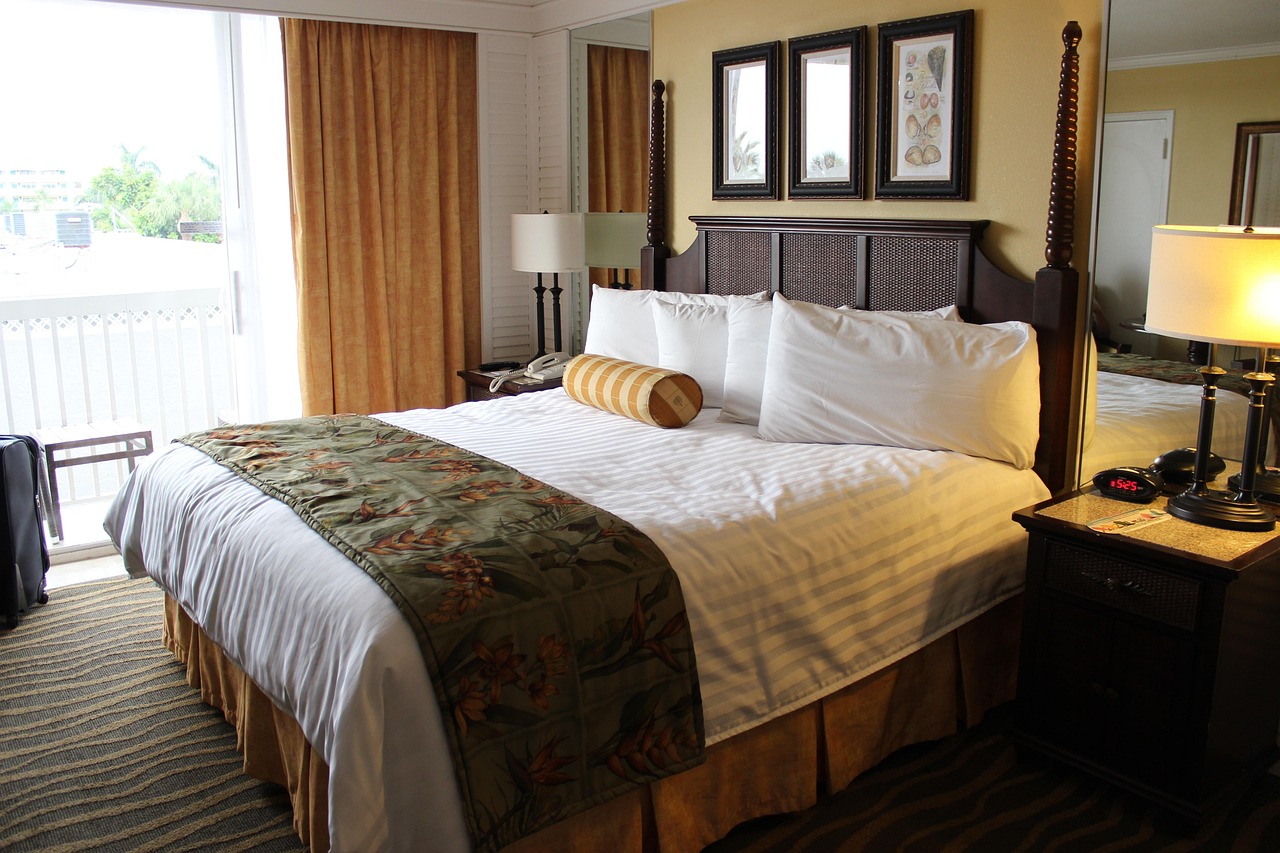
    minimalist hotel guestroom interior with custom wooden furniture and a large window view
    minimalist hotel guestroom interior with custom wooden furniture and a large window view | Zhobai Hotel Furniture

    3. Lifecycle Cost & Return on Investment (ROI)

    Focus on the total cost of ownership, not just the purchase price. A cheaper initial investment in furniture that fails in 3-5 years generates negative ROI. Contract-grade furniture, designed for 8-10 years of heavy use, provides superior value. Consider the cost of repairs, replacements, and the impact of worn furniture on guest satisfaction and ADR. Investing an extra 15-20% upfront for robust construction can save 50% or more in replacement costs over a decade. This strategic approach ensures your mastering commercial customization hotels project yields long-term financial benefits.
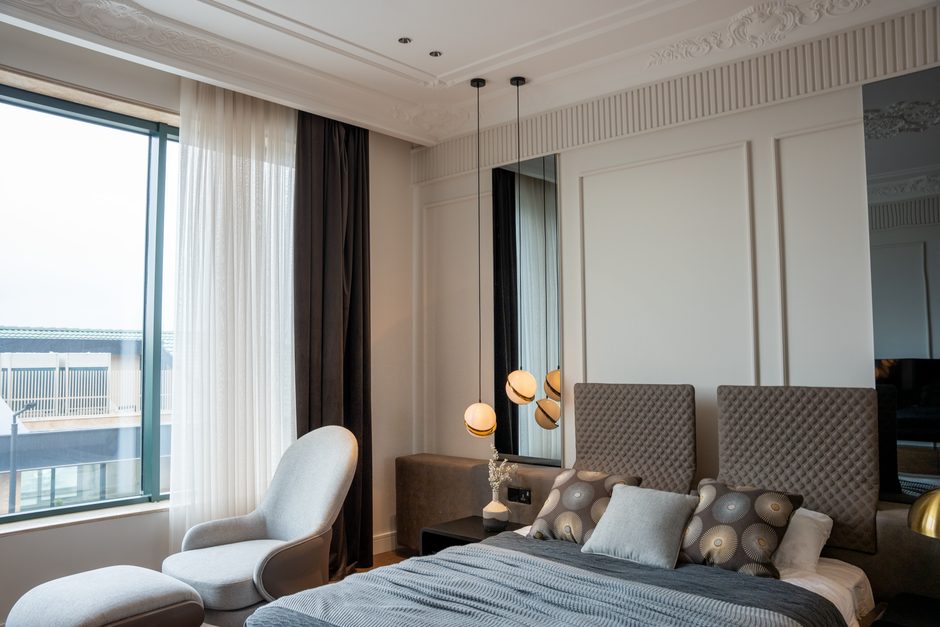
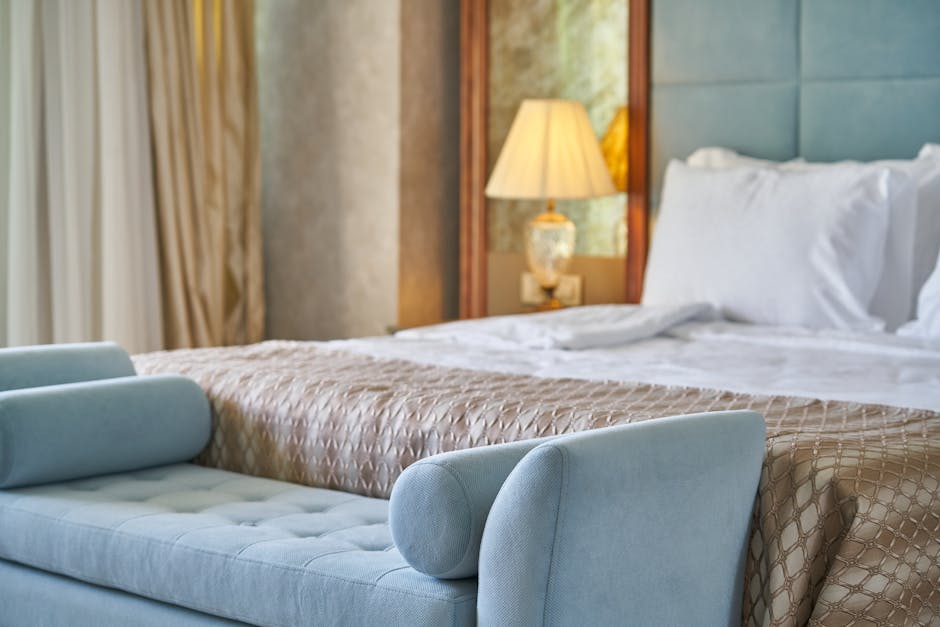
    Luxurious bedroom featuring modern furniture and elegant decor, bathed in natural light.
    Luxurious bedroom featuring modern furniture and elegant decor, bathed in natural light | Zhobai Hotel Furniture

    4. Supply Chain Transparency & Logistics

    A reputable supplier offers full transparency on manufacturing processes, material origins, and logistics. Understand their lead times, shipping methods, and installation capabilities. Delays in furniture delivery can stall an entire hotel opening, incurring significant financial penalties. A supplier with a robust, integrated supply chain can manage everything from factory floor to room installation, minimizing risks and ensuring adherence to your project timeline. Look for partners who provide clear project management timelines and regular progress updates, especially for complex global projects.
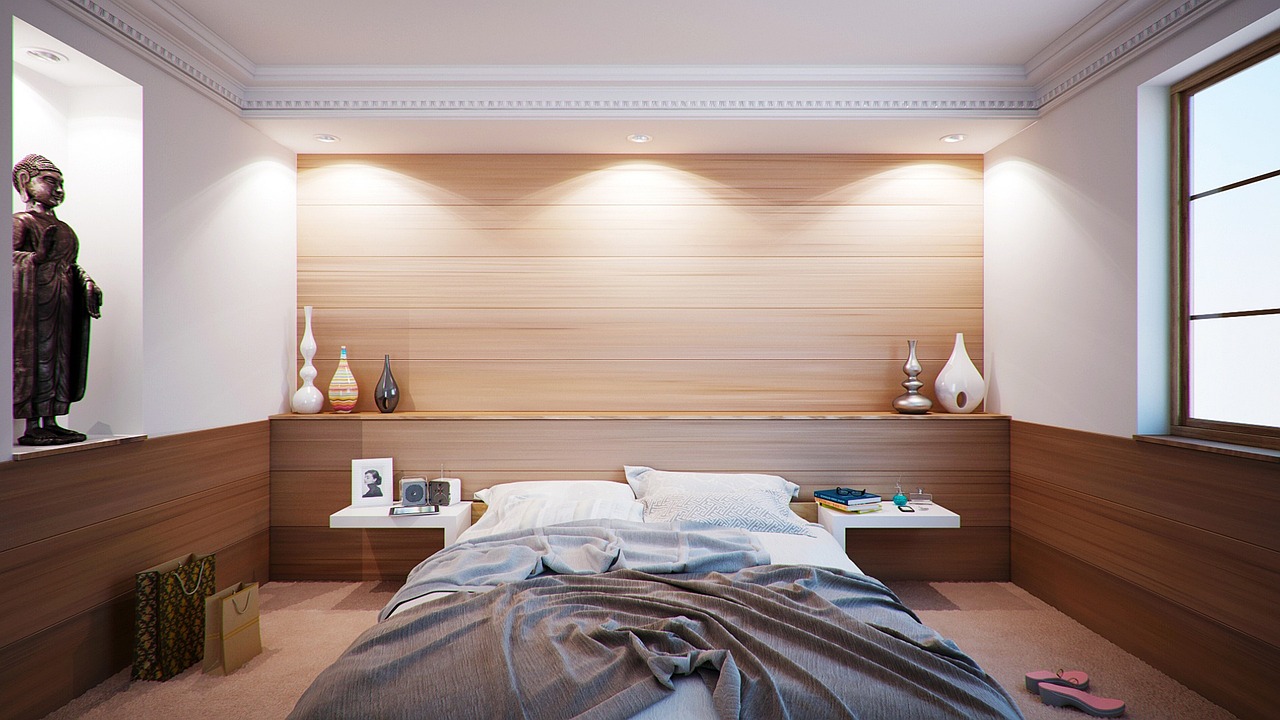
    minimalist hotel guestroom interior with custom wooden furniture and a large window view
    minimalist hotel guestroom interior with custom wooden furniture and a large window view | Zhobai Hotel Furniture

    5. Certifications & Compliance

    Ensure all furniture complies with international safety and environmental standards. Look for certifications like ISO (quality management), CE (European conformity), SGS (testing and inspection), and relevant fire retardancy ratings (e.g., CAL 117, BS 5852). These certifications are non-negotiable for guest safety and regulatory compliance. They also provide assurance of manufacturing quality and ethical practices. Partnering with a certified manufacturer like Zhobai Hotel Furniture provides peace of mind regarding adherence to stringent global standards. For luxury properties, a high-quality supplier might also offer tailored solutions, as seen in projects like the Ritz Carlton Kazakhstan Hotel Furniture.
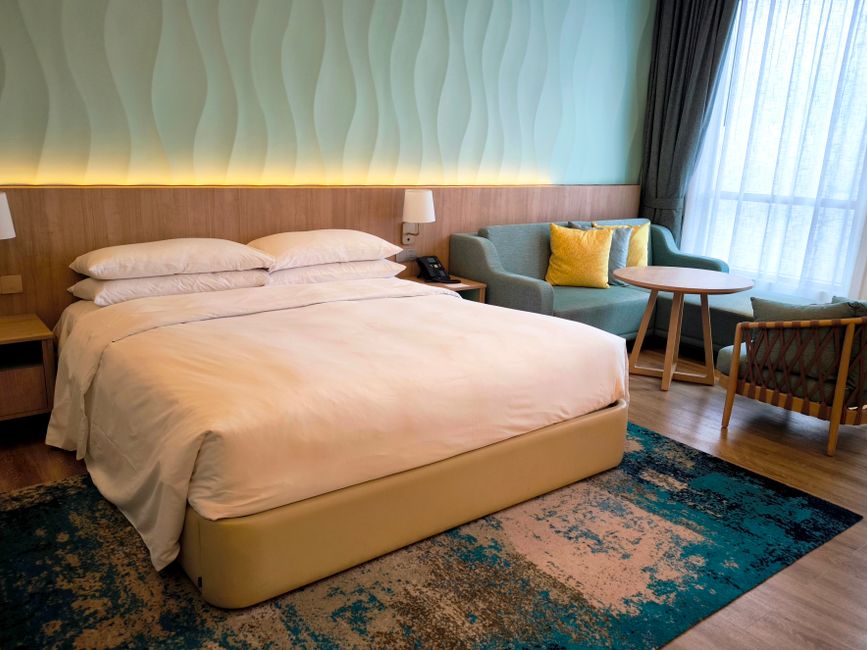
    Spacious hotel room featuring a comfy bed, stylish furniture, and elegant lighting for a luxurious stay.
    Spacious hotel room featuring a comfy bed, stylish furniture, and elegant lighting for a luxurious stay | Zhobai Hotel Furniture
    Evaluation Criterion Key Considerations for Hotel FF&E Impact on Hotel Furniture Cost Per Room
    Material Grade Solid hardwood, engineered wood with veneers, HPL. Fabric abrasion resistance (e.g., 50,000+ double rubs). Higher grade materials increase initial cost but significantly reduce long-term replacement frequency, lowering effective annual cost.
    Construction Quality Mortise-and-tenon joints, reinforced stress points, fully welded metal frames, commercial-grade hardware. Prevents premature structural failure. Minimizes repair costs and guest complaints, protecting your investment.
    Design & Customization Bespoke dimensions, integrated technology, brand-specific finishes. Optimizes space and enhances brand identity. Custom options can be value-engineered to fit your hotel furniture budget allocation without sacrificing aesthetic.
    Certifications & Warranty ISO, CE, fire ratings, chemical emissions. Comprehensive 5-10 year warranty on structural components. Ensures safety, compliance, and manufacturer accountability. Mitigates risk of unexpected costs from defects or regulatory issues.
    Logistics & Installation Turnkey solutions, global shipping experience, professional installation team, on-site project management. Reduces project delays, minimizes damage, and ensures efficient setup, directly impacting overall project cost and timeline.

    What Separates a Good Supplier from a Great One

    Identifying a truly great furniture supplier is critical for managing your hotel furniture cost per room effectively. It goes beyond competitive pricing; it’s about partnership, expertise, and a proven track record. Ask these concrete questions:
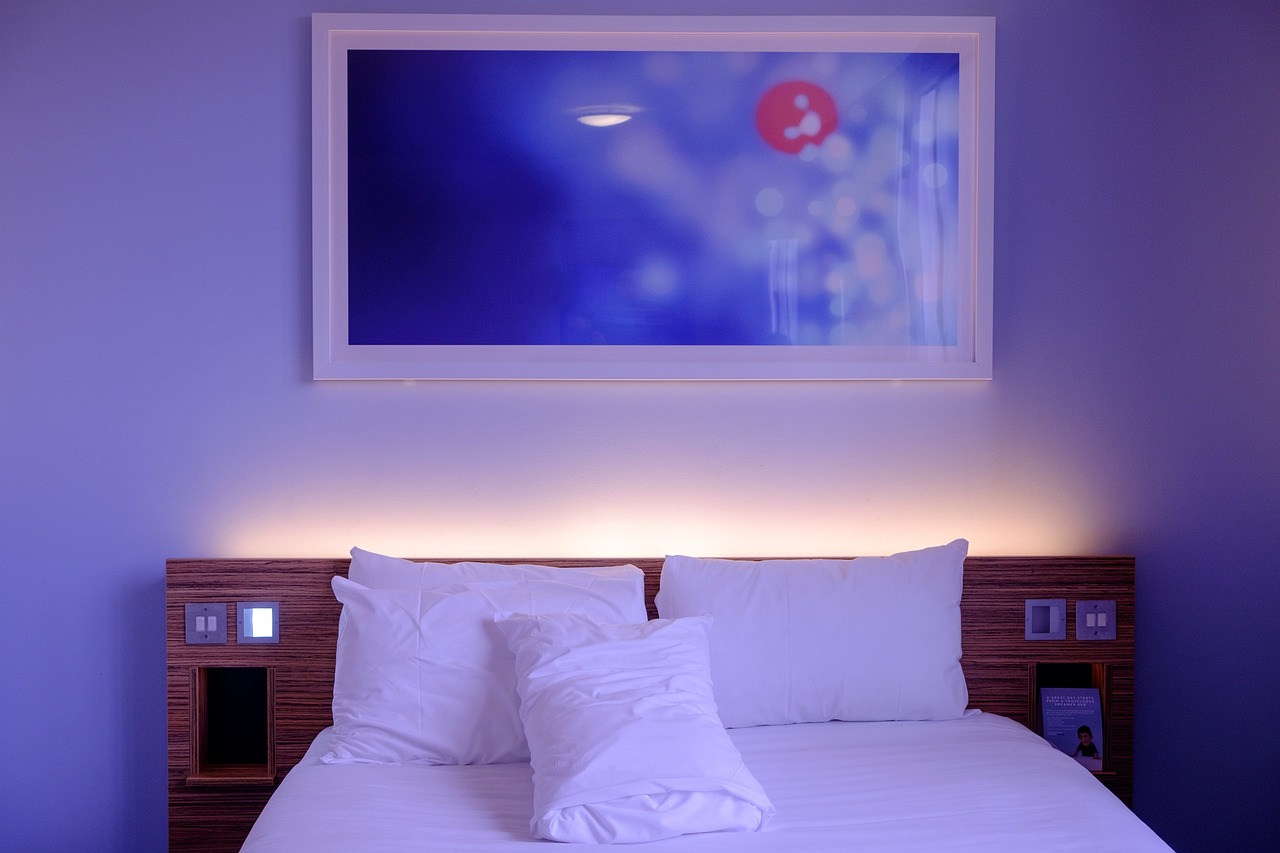
    elegant hotel suite with bespoke upholstered sofa and sophisticated lighting
    elegant hotel suite with bespoke upholstered sofa and sophisticated lighting | Zhobai Hotel Furniture
    • Does the supplier offer in-house design and engineering? A great supplier, like Zhobai Hotel Furniture, has a professional in-house design team that collaborates with your interior designers. This ensures design intent is translated accurately into manufacturing, allowing for value engineering without compromising aesthetics.
    • What is their project management methodology? Look for a dedicated project manager who provides regular updates, detailed shop drawings, and a clear communication plan. This proactive approach prevents miscommunications and keeps your project on schedule.
    • Can they demonstrate rigorous Quality Control (QC) processes? Ask for details on their multi-stage QC checks, from raw material inspection to final product packaging. A great supplier implements stringent checks at every production phase, minimizing defects and ensuring consistency across bulk orders.
    • What kind of warranty and after-sales support do they provide? A robust warranty (e.g., 5-10 years on structural components) and responsive after-sales service are indicators of confidence in their product. This ensures long-term support and addresses any unforeseen issues efficiently.
    • Do they have extensive global logistics and installation experience? For international projects, a supplier’s ability to navigate customs, manage freight, and coordinate on-site installation seamlessly is invaluable. A one-stop solution provider handles these complexities, saving you time and preventing costly delays.
    • Can they provide specific case studies for similar projects? Reviewing their portfolio for projects of similar scale and segment provides tangible proof of their capabilities and understanding of diverse brand standards.

    Red Flags and Non-Negotiables — When to Walk Away

    Navigating the procurement landscape means recognizing potential pitfalls that can inflate your hotel furniture cost per room and derail your project. Be vigilant for these warning signs:
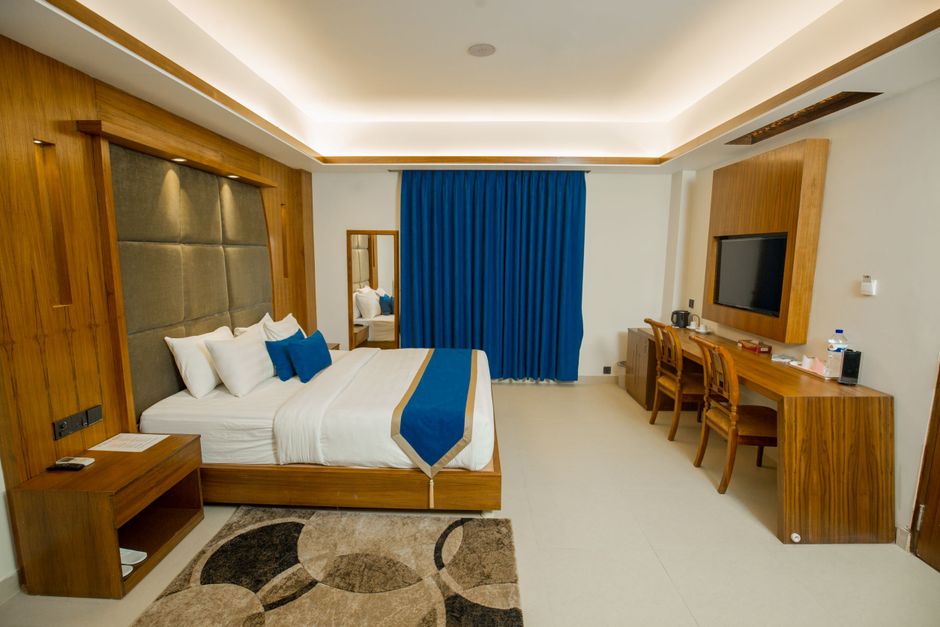
    Luxurious hotel room displaying modern interior design with elegant wooden furnishings.
    Luxurious hotel room displaying modern interior design with elegant wooden furnishings | Zhobai Hotel Furniture
    • Lack of Transparency in Pricing or Materials: If a supplier is vague about material specifications, manufacturing origins, or how their pricing is structured, it’s a major red flag. Insist on detailed bills of materials and clear quotes.
    • Absence of Industry Certifications: A supplier without internationally recognized certifications (ISO, CE, SGS) cannot guarantee consistent quality, safety, or ethical production standards. This exposes your project to significant risks.
    • Poor Communication and Unresponsive Project Management: Early indicators of slow responses, unclear answers, or a lack of a dedicated project manager suggest future communication breakdowns, leading to delays and errors. This directly impacts your hotel furniture budget allocation through unforeseen costs.
    • Unrealistic Timelines and Promises: Be wary of suppliers promising exceptionally fast turnaround times that seem too good to be true, especially for custom orders. Quality manufacturing takes time, and rushed production often compromises durability. For instance, a complex custom order typically requires 10-14 weeks for production and 4-6 weeks for shipping.
    • No Clear Warranty or After-Sales Policy: A supplier unwilling to provide a comprehensive written warranty or outline their after-sales support policy indicates a lack of confidence in their product and a potential for future abandonment if issues arise.

    How Top Hotels Approach Hotel Furniture Cost Per Room Differently

    Leading hospitality brands optimize their hotel furniture cost per room by adopting strategic, long-term procurement practices. They understand that initial savings can be a false economy.

    Scenario 1: The Luxury Resort — Investing in Bespoke Durability

    A prominent international resort chain, undertaking a full renovation of 300 guestrooms in 2026, allocated a significant portion of their hotel renovation cost per room 2026 to FF&E. Instead of choosing lower-cost, mass-produced items, they opted for custom-engineered furniture with a projected lifespan of 12-15 years. They specified solid wood frames, high-performance fabrics with 80,000+ double rubs, and integrated smart technology solutions. The initial furniture cost per room was approximately $35,000. However, by working directly with a factory-direct manufacturer offering OEM/ODM services, they achieved a 20% saving compared to purchasing through a trading company, ensuring superior quality and long-term ROI.

    Scenario 2: The Upscale Business Hotel — Smart Value Engineering

    A new-build upscale business hotel with 150 rooms focused on a balance between modern aesthetics and practical durability within a $12,000 per room furniture budget. To manage their hotel furniture budget allocation, they utilized smart value engineering. For casegoods, they chose high-pressure laminates (HPL) with realistic wood grain finishes over more expensive wood veneers in high-traffic areas, while using solid wood accents for key visual elements. For seating, they selected upholstery with a 50,000 double rub rating, ensuring longevity without overspending. This approach delivered a sophisticated look and commercial-grade performance that will easily last 8-10 years, aligning perfectly with their brand’s guest experience expectations.

    Scenario 3: The Midscale Renovation — Streamlined Procurement for Efficiency

    A regional midscale hotel chain embarked on a 100-room renovation with a tight 6-month timeline and a furniture budget of $7,500 per room. Their priority was minimizing disruption and ensuring rapid deployment. They partnered with a supplier offering a comprehensive one-stop solution, from design consultation and manufacturing to logistics and installation. This streamlined approach prevented delays, ensuring all furniture arrived on schedule and was installed efficiently. By consolidating all FF&E procurement with a single, experienced partner, they avoided coordination headaches and kept their hotel renovation cost per room 2026 within budget and on time, allowing them to reopen rooms faster and maximize revenue.

    Your Action Plan — Next Steps for Your Project

    Navigating the complexities of hotel furniture procurement requires a systematic approach. Use this action plan to guide your next project and optimize your hotel furniture cost per room:

    1. Define Your Design Intent and Functional Needs: Clearly articulate your brand’s aesthetic, the guest experience you aim to create, and the specific functional requirements for each furniture piece.
    2. Establish a Realistic Budget Range: Based on your hotel segment and desired lifespan, set a realistic hotel furniture budget allocation per room. Include contingency for unforeseen elements.
    3. Develop Detailed Specifications: Create comprehensive specifications for materials, construction, finishes, and dimensions for every furniture item. This forms the basis for accurate quotes and quality control.
    4. Vet Potential Suppliers Rigorously: Use the checklist from this guide to evaluate suppliers on their design capabilities, manufacturing quality, certifications, project management, and after-sales support. Request references and visit their facilities if possible.
    5. Request Detailed Quotes and Lead Times: Obtain transparent, itemized quotes that clearly break down material costs, manufacturing, and logistics. Confirm realistic production and shipping lead times.
    6. Review Contracts Thoroughly: Ensure the contract specifies quality standards, warranty terms, delivery schedules, payment milestones, and any penalties for delays or non-compliance.
    7. Plan Logistics and Installation: Work with your chosen supplier to create a detailed logistics and installation plan that minimizes disruption to your operations. Consider a supplier that offers a full turnkey service for seamless execution.

    Optimizing your hotel furniture cost per room is a strategic investment in your property’s future, not just an expense. At Zhobai Hotel Furniture, we understand the high stakes involved in your bulk purchasing decisions. With over 15 years of experience, we provide a one-stop solution, from early-stage planning and bespoke design by our in-house team, through manufacturing and global logistics, to professional installation. Our factory-direct pricing and stringent certifications (CE, ISO, SGS, FDA) ensure you receive commercial-grade furniture built for longevity, precisely tailored to your vision and budget. Let us help you navigate the complexities and secure a durable, cost-effective solution for your next project. Start a conversation with our experts today to discuss your specific needs.
  • Mastering Commercial Customization for Hotels

    Mastering Commercial Customization for Hotels

    The 200-room boutique hotel, eagerly anticipated, opened three months behind schedule. The culprit? Not construction delays, but the ‘standard’ furniture delivered, which simply didn’t fit the unique room dimensions or align with the brand’s aesthetic vision. That delay alone cost the owner an estimated $280,000 in lost revenue and penalties, besides significant reputational damage. This common, yet avoidable, misstep underscores the critical importance of a strategic approach to furniture procurement.

    A sophisticated hotel guestroom featuring custom-designed wooden casegoods, a plush upholstered headboard, and an ergonomic desk chair, showcasing the benefits of commercial customization.
    A sophisticated hotel guestroom featuring custom-designed wooden casegoods, a plush upholstered headboard, and an ergonomic desk chair, showcasing the benefits of commercial customization | Zhobai Hotel Furniture

    The Real Cost of Getting Commercial Customization Wrong

    Beyond the initial budget, failed Commercial Customization can erode profits significantly. Imagine a guestroom where the desk doesn’t quite fit the alcove, or a wardrobe door constantly snags on the wall. These seemingly minor misalignments, when multiplied across 150-200 rooms, lead to incessant maintenance calls, frustrated guests, and ultimately, a diluted brand experience.

    A detailed close-up of a custom hotel bathroom vanity with an integrated basin, a unique stone countertop, and elegant polished brass fixtures, highlighting precision in commercial customization.
    A detailed close-up of a custom hotel bathroom vanity with an integrated basin, a unique stone countertop, and elegant polished brass fixtures, highlighting precision in commercial customization | Zhobai Hotel Furniture

    Data from 2026 indicates that hotels with inconsistent design elements or poorly fitting furniture experience up to 15% lower guest satisfaction scores and a 5% reduction in repeat bookings. The hidden costs extend to accelerated replacement cycles, potentially every 3-5 years instead of 10-12, adding 200-300% to your FF&E expenditure over the asset’s operational lifespan. This isn’t merely an aesthetic concern; it directly impacts your Yield per Square Meter by reducing usable space and perceived value.

    An interior designer and a project manager collaboratively reviewing large-format shop drawings for custom hotel furniture while examining various material and finish samples, illustrating the meticulous design process for commercial customization.
    An interior designer and a project manager collaboratively reviewing large-format shop drawings for custom hotel furniture while examining various material and finish samples, illustrating the meticulous design process for commercial customization | Zhobai Hotel Furniture

    The Decision Framework — What to Evaluate Before You Choose

    Making high-value bulk purchasing decisions for custom furniture requires a structured approach. Before committing to a supplier, evaluate these critical aspects:

    A bustling manufacturing facility floor showing multiple sections of custom hotel headboards and nightstands in various stages of production, demonstrating the scale and craftsmanship involved in commercial customization.
    A bustling manufacturing facility floor showing multiple sections of custom hotel headboards and nightstands in various stages of production, demonstrating the scale and craftsmanship involved in commercial customization | Zhobai Hotel Furniture
    • Design Integrity & Brand Alignment: Can the supplier precisely translate your interior designer’s vision into tangible furniture? This includes matching specific brand guidelines, color palettes, and material finishes. True expertise ensures the furniture creates a cohesive and Distinctive Spatial Identity for your property, rather than just filling a space.
    • Material Specifications & Durability: Demand precise details on material grades. Is it E0-grade plywood, 304 stainless steel, or Crib 5 fire-retardant foam? Understand the construction methods for joints (e.g., dovetail, mortise and tenon) and surface treatments. These specifications are foundational to the furniture’s longevity and contribute significantly to Sustainable Asset Longevity.
    • Manufacturing Capabilities & Quality Control: Investigate whether the supplier boasts in-house production or outsources. What are their quality control checkpoints (e.g., 47-point inspection protocols, 30/60/90% progress reports)? How do they manage tolerances (e.g., ±0.5mm)? A robust QC process minimizes defects and costly rework.
    • Logistics & Installation Support: A great supplier manages more than just manufacturing. Can they handle global shipping, customs clearance, and precise site delivery coordination? Do they provide detailed packing lists, barcoding for easy identification, and comprehensive installation guides? This minimizes on-site delays and potential damage.
    • Project Management & Communication: For complex Commercial Customization projects, transparent communication is vital. Does the supplier provide a dedicated project manager, regular progress updates, and a clear change order process? Proactive communication prevents misunderstandings and keeps your project on track.
    Evaluation Aspect Standard Procurement Commercial Customization (Strategic Approach)
    Design Alignment Limited to catalog options; compromises on aesthetic often needed. Exact match to brand guidelines and designer vision; achieves a Distinctive Spatial Identity.
    Durability & Materials Often residential-grade; shorter lifespan (typically 3-5 years); material sourcing can be opaque. Contract-grade materials (e.g., E0 plywood, 304 stainless steel), engineered for 10+ years; certified for Sustainable Asset Longevity.
    Space Optimization Standard dimensions may lead to wasted space or awkward layouts. Tailored dimensions maximize Yield per Square Meter and enhance functionality within specific room layouts.
    Project Control Multiple vendors, fragmented communication, increased risk of inconsistencies. one-stop solution, dedicated project manager, regular QC reports, ensures seamless Multi-Scenario Adaptability.
    Long-Term Value Lower upfront costs, but higher replacement expenses and potential brand dilution over time. Higher initial investment, but superior ROI through extended durability and consistent brand delivery.

    What Separates a Good Supplier from a Great One

    When sourcing for Commercial Customization, the distinction between ‘good’ and ‘great’ lies in a supplier’s proactive expertise and transparent processes. Ask these specific questions to uncover their true capabilities:

    Spacious bedroom with modern minimalist design and cozy ambience.
    Spacious bedroom with modern minimalist design and cozy ambience | Zhobai Hotel Furniture
    • “Can you provide detailed shop drawings for every unique furniture piece, including material breakdowns, construction methods, and hardware specifications?” (Look for CAD proficiency and 3D rendering capabilities.)
    • “What is your typical lead time for a custom order of 200 guestroom sets, from the final shop drawing approval to ex-factory shipment?” (Expect a realistic timeframe of 12-16 weeks for complex production, plus shipping transit.)
    • “Describe your quality control process for Commercial Customization, from raw material inspection to in-line production checks and pre-shipment auditing.” (A great supplier provides clear methodologies, dedicated QC teams, and photographic/video reports at each stage.)
    • “How do you handle design changes mid-project, and what is the typical turnaround for updated samples or drawings?” (Transparency and agility in managing revisions are critical for project flow.)
    • “Do you offer mock-up room services, and what are the associated costs and timelines for a full mock-up?” (This is an essential step for large-scale projects to validate design and functionality.)
    • “What specific certifications do your materials and finished products hold (e.g., CE, ISO, SGS, FDA, BIFMA, CAL 117, Crib 5)?” (Compliance with international standards is non-negotiable for commercial hospitality furniture.)
    • “Can you provide references from similar 5-star hotel projects completed in the last 24 months, particularly those requiring specific Multi-Scenario Adaptability?” (Verify experience with comparable projects and global reach.)

    Red Flags and Non-Negotiables — When to Walk Away

    Even with careful planning, pitfalls exist in furniture procurement. Recognize these red flags early to protect your investment and project timeline:

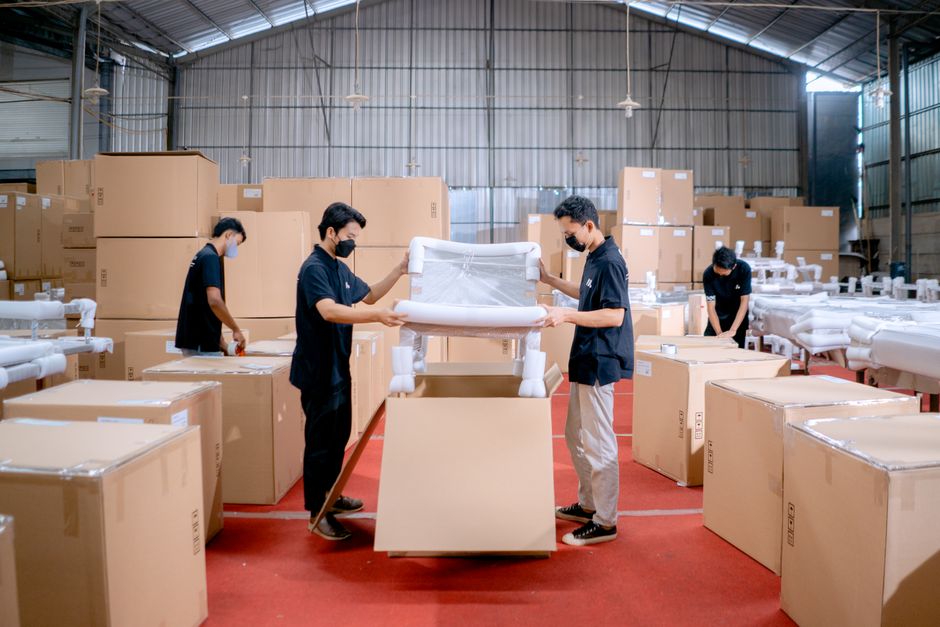
    Men in a warehouse wearing masks, assembling and packing furniture into boxes with efficiency.
    Men in a warehouse wearing masks, assembling and packing furniture into boxes with efficiency | Zhobai Hotel Furniture
    1. Vague Specifications or “Too Good to Be True” Pricing: A supplier who avoids providing precise material grades, detailed joint construction methods, or offers prices significantly below market average (e.g., 20-30% lower than competitors) is likely cutting corners on quality, labor, or both. This will inevitably lead to premature furniture failure and higher long-term replacement costs.
    2. Lack of Transparency in Production: An inability or unwillingness to provide regular progress reports (30/60/90% milestones), factory tour options (virtual or in-person), or detailed QC documentation should raise immediate concerns. A reputable manufacturer welcomes scrutiny and offers full visibility into their operations.
    3. Inconsistent Communication & Missed Deadlines During Quote Phase: If a supplier is slow to respond to Requests for Quotation (RFQs) or consistently misses initial sample deadlines, this pattern will almost certainly worsen during full-scale production. Such unreliability can jeopardize your entire project timeline and budget.
    4. No Dedicated Project Management or In-House Design Support: For complex Commercial Customization, a single point of contact and an experienced in-house design team are crucial. Without them, communication breakdowns, design misinterpretations, and costly errors become almost inevitable.
    5. Unclear Warranty or After-Sales Support: A supplier unwilling to provide a clear, comprehensive warranty (e.g., a 5-year structural warranty) or a defined after-sales process for repairs and replacements indicates a lack of confidence in their product and a limited commitment to your project’s Sustainable Asset Longevity.

    How Top Hotels Approach Commercial Customization Differently

    Leading hospitality groups understand that furniture is a strategic asset, not just a line item. Their approach to Commercial Customization reflects this insight:

    Elegant bedroom interior featuring plush bed and seating with cozy ambiance lighting.
    Elegant bedroom interior featuring plush bed and seating with cozy ambiance lighting | Zhobai Hotel Furniture
    • Scenario 1: The Urban Boutique Revival (2026)
      A 120-room boutique hotel in a highly competitive metropolitan market aimed to establish a truly Distinctive Spatial Identity. Instead of compromising with off-the-shelf options, they partnered with a custom furniture manufacturer early in the design phase. The manufacturer’s in-house design team collaborated closely to create unique, space-saving built-in casegoods for compact rooms and visually striking lobby pieces. This proactive Commercial Customization ensured every piece was optimized for tight dimensions and reinforced the hotel’s unique brand, achieving 90% guest satisfaction in its first six months of operation.
    • Scenario 2: The Resort Expansion (2026)
      A luxury resort undertaking a 300-suite expansion faced varying room layouts and high durability requirements due to its tropical, high-humidity location. They prioritized Multi-Scenario Adaptability in their Commercial Customization strategy. The chosen supplier provided furniture engineered with specialized moisture-resistant finishes and high-grade solid wood components, designing modular pieces that could be configured efficiently for different suite types. This foresight minimized material waste and ensured a consistent high-end feel across diverse spaces, protecting their long-term Sustainable Asset Longevity.
    • Scenario 3: The Branded Chain Renovation (2026)
      A well-known international hotel brand renovated 180 rooms, needing precise adherence to corporate brand standards for their casegoods, but with a unique local aesthetic. Their procurement team focused on suppliers with strong OEM/ODM capabilities and a proven track record. Through rigorous mock-ups and material approvals, they ensured every desk, headboard, and vanity met both corporate design guidelines and local cultural nuances. This strategic Commercial Customization resulted in a seamless brand experience that felt authentic, boosting their Yield per Square Meter through increased average daily rates and positive guest reviews.

    Your Action Plan — Next Steps for Your Project

    Transforming your vision into reality with successful Commercial Customization requires a clear, executable roadmap. Follow these steps to ensure a smooth and effective procurement process:

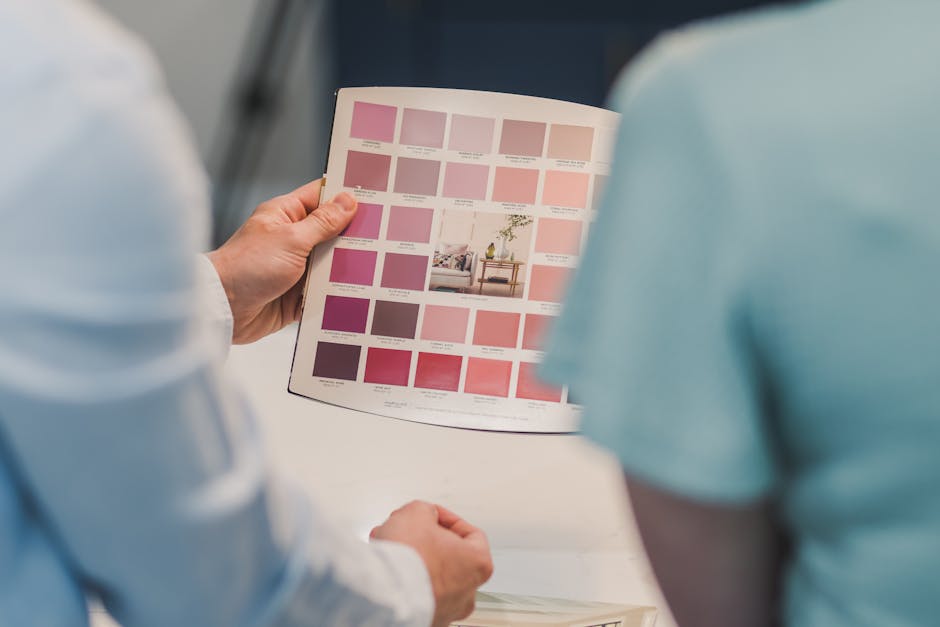
    Two individuals evaluate a color palette brochure for interior design planning.
    Two individuals evaluate a color palette brochure for interior design planning | Zhobai Hotel Furniture
    1. Define Your Vision: Solidify your design concept, brand guidelines, and precise functional requirements. Clearly articulate the specific Distinctive Spatial Identity you aim to create for your property.
    2. Develop Detailed Specifications: Work closely with your interior design team to create comprehensive FF&E schedules, precise material specifications, and preliminary shop drawings. The more detail you provide, the more accurate your quotes will be.
    3. Identify Qualified Suppliers: Research manufacturers specializing in Commercial Customization for hospitality. Focus on their experience, certifications, global project portfolio, and the breadth of their services. Consider reviewing Zhobai Hotel Furniture’s global project portfolio for examples of successful implementations.
    4. Request Detailed Quotes & Samples: Provide your comprehensive specifications to 2-3 top-tier, pre-qualified suppliers. Insist on transparent pricing, detailed material breakdowns, and physical samples for critical finishes and construction elements.
    5. Conduct Thorough Due Diligence: Evaluate supplier capabilities through factory audits (virtual or in-person), comprehensive reference checks, and a meticulous review of their quality control processes.
    6. Secure a Comprehensive Contract: Ensure your final agreement includes clear timelines, payment schedules, precise material specifications, robust warranty terms, and a defined dispute resolution mechanism.

    Navigating the complexities of Commercial Customization requires a partner who understands both design intricacies and the operational demands of hospitality. Since 2010, Zhobai Hotel Furniture has specialized in delivering tailored furniture solutions for 5-star hotels, resorts, and boutique properties worldwide.

    Our one-stop solution, encompassing early-stage planning, in-house design, manufacturing, logistics, and installation, is built precisely to mitigate the risks discussed in this guide. We provide factory-direct pricing, certified quality (CE, ISO, SGS, FDA), and a steadfast commitment to transforming your vision into furniture that enhances your Yield per Square Meter and ensures Sustainable Asset Longevity. Ready to discuss your next project’s Commercial Customization needs? Contact Zhobai Hotel Furniture today to start a conversation with our expert team.

  • Sourcing a Hotel Luxury Sofa: A Procurement Decision Guide

    Sourcing a Hotel Luxury Sofa: A Procurement Decision Guide

    Imagine investing hundreds of thousands into a new hotel property, opening to rave reviews, only to find the visually stunning lobby sofas show significant wear and tear within 18 months. The initial cost savings on a seemingly attractive deal quickly evaporate, replaced by unexpected repair bills, negative guest feedback regarding comfort, and the disruptive expense of premature replacement. This isn’t just a hypothetical; it’s a common, costly mistake for procurement managers who overlook the nuanced demands of commercial-grade hospitality furniture, especially when sourcing a hotel luxury sofa.

    An elegant hotel lobby featuring a long, curvilinear hotel luxury sofa upholstered in a neutral, durable fabric, complemented by modern lighting and polished flooring.
    An elegant hotel lobby featuring a long, curvilinear hotel luxury sofa upholstered in a neutral, durable fabric, complemented by modern lighting and polished flooring | Zhobai Hotel Furniture

    The Real Cost of Getting Your Hotel Luxury Sofa Wrong

    The implications of choosing an inadequate hotel luxury sofa extend far beyond the showroom floor. A poorly constructed sofa, while aesthetically pleasing initially, can quickly degrade. This leads to sagging cushions, loose upholstery, and compromised structural integrity. For a 200-room hotel, replacing just 20 lobby or suite sofas prematurely can cost upwards of $40,000-$80,000, not including the labor and logistical headaches. Beyond direct financial outlays, consider the damage to your brand reputation.

    A close-up view of a commercial grade luxury hotel sofa showcasing intricate stitching on a high-performance, stain-resistant fabric, with robust, dark wooden legs.
    A close-up view of a commercial grade luxury hotel sofa showcasing intricate stitching on a high-performance, stain-resistant fabric, with robust, dark wooden legs | Zhobai Hotel Furniture

    Guests expect comfort and durability in a high-end property. A worn-out sofa sends a clear message of neglect, directly impacting guest satisfaction scores and online reviews. In an industry where a single star rating can influence booking rates by 5-10%, the indirect costs of subpar furniture quickly dwarf any initial savings. A hotel luxury lobby sofa” target=”_blank” rel=”noopener”>hotel luxury lobby sofa is a critical first impression; a deteriorating one is a lasting negative impression.

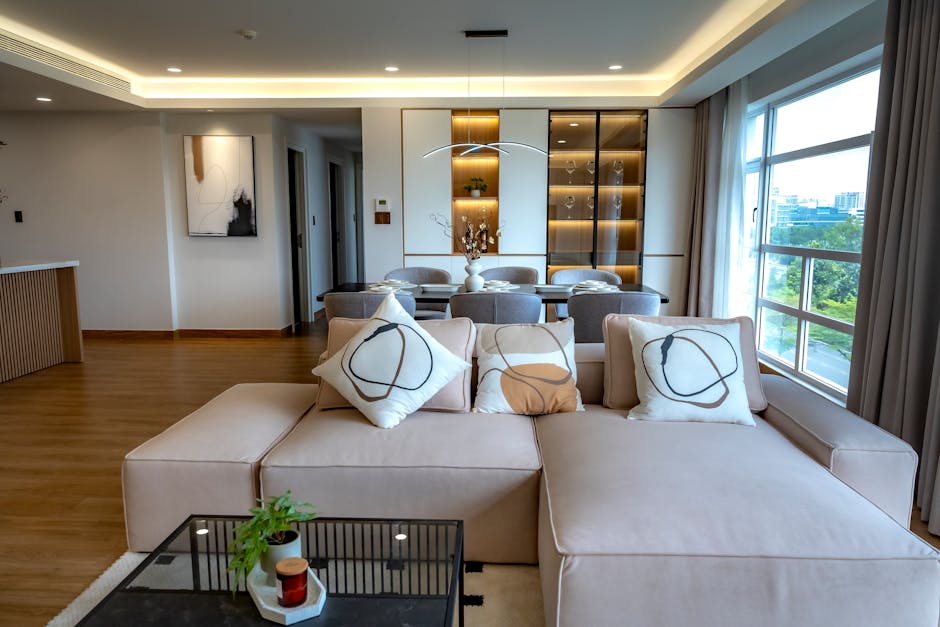
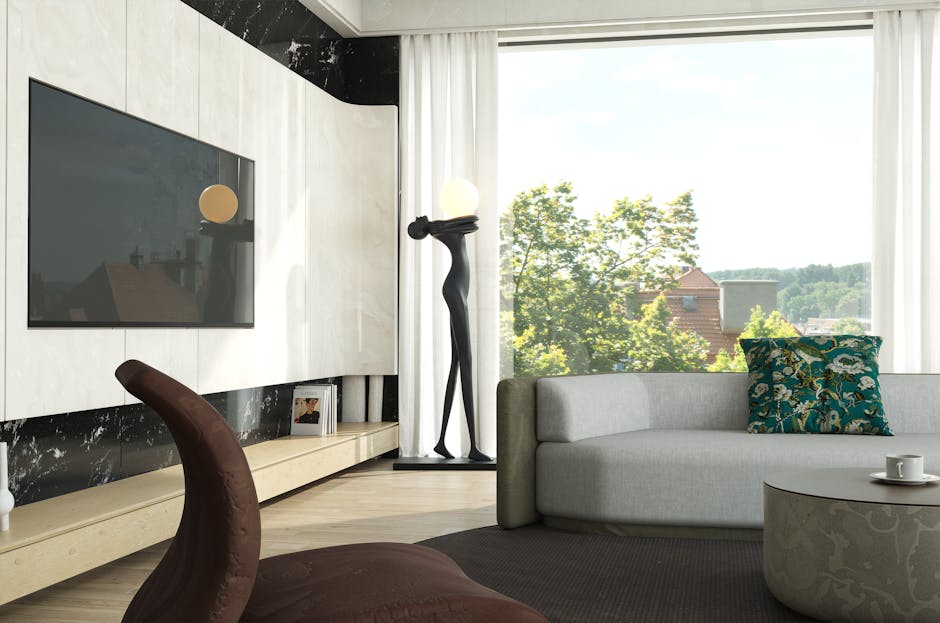
    A sophisticated hotel guest suite living area with a comfortable custom hotel luxury sofa, accent pillows, and a panoramic window overlooking a city skyline, emphasizing both relaxation and high-end design.
    A sophisticated hotel guest suite living area with a comfortable custom hotel luxury sofa, accent pillows, and a panoramic window overlooking a city skyline, emphasizing both relaxation and high-end design | Zhobai Hotel Furniture

    The Decision Framework — What to Evaluate Before You Choose

    Procuring a custom hotel luxury sofa requires a structured approach. Focus on these critical evaluation criteria to ensure your investment delivers both aesthetic appeal and long-term performance.

    Stylish and spacious living room with a contemporary design, featuring plush seating and chic accents.
    Stylish and spacious living room with a contemporary design, featuring plush seating and chic accents | Zhobai Hotel Furniture

    1. Construction & Durability: The Hidden Foundation

    The visible upholstery is only half the story. The internal frame, suspension, and cushioning determine longevity. A robust frame, typically constructed from kiln-dried solid hardwood (like birch, ash, or oak) with reinforced corner blocks, should be standard. Avoid particleboard or softwoods. Look for eight-way hand-tied springs or high-gauge sinuous springs for consistent support, not just elastic webbing. Cushions should feature high-density (1.8-2.5 PCF) foam wrapped in Dacron, designed for commercial traffic. This construction ensures the sofa maintains its shape and comfort for 7-10 years, even with daily use, significantly reducing your total cost of ownership.

    Elegant living room with chic furniture, large windows, and vibrant orchids.
    Elegant living room with chic furniture, large windows, and vibrant orchids | Zhobai Hotel Furniture

    2. Upholstery & Maintenance: Balancing Aesthetics and Practicality

    The fabric choice dictates both the visual appeal and the ease of maintenance. In a high-traffic environment, aesthetics must converge with practicality. Consider options with high double rub counts (exceeding 50,000 for public areas) and inherent stain, fade, and microbial resistance. Furthermore, fire-retardant luxury hotel sofa fabrics are non-negotiable for commercial hospitality spaces, meeting standards like CAL 117-2013 or BS 5852 Crib 5. Your selection should withstand frequent cleaning protocols without showing wear.

    Cozy living room with elegant furniture and a city view through large windows.
    Cozy living room with elegant furniture and a city view through large windows | Zhobai Hotel Furniture
    Upholstery Type Key Characteristics for Hospitality Best Use Case for Hotel Luxury Sofa Maintenance & Longevity
    Performance Vinyl/PU Leather Highly durable (100k+ double rubs), water-resistant, easy to sanitize, wide color range. High-traffic lobbies, F&B areas, guest rooms requiring frequent cleaning. Wipe clean with mild solution; 7-10+ years.
    Solution-Dyed Acrylic/Olefin Exceptional fade, stain, and mildew resistance, outdoor-grade options available, soft hand. Outdoor lounges, poolside, high-UV exposure areas, family suites. Spot clean, machine washable covers (if applicable); 5-8 years.
    Crypton/Nano-Treated Fabrics Integrated stain, moisture, and microbial barriers; soft, luxurious feel; high aesthetic versatility. Premium guest suites, executive lounges, boutique hotel common areas. Professional cleaning for heavy stains; 5-7 years.
    Genuine Top-Grain Leather Develops patina over time, highly durable, luxurious feel, naturally fire-resistant. Executive offices, high-end private clubs, select presidential suites. Regular conditioning, professional cleaning for spills; 10-15+ years.

    3. Design Integration & Ergonomics: Form Meets Function

    A custom hotel luxury sofa must seamlessly integrate into your property’s overarching design narrative. This involves precise dimensions, specific material finishes, and a design language that complements the space. Beyond aesthetics, prioritize ergonomics. Seat depth (typically 21-24 inches), seat height (17-19 inches), and backrest angle must provide comfort for a diverse guest demographic. Ensure the design accounts for typical guest activities, whether it’s casual lounging in a lobby or productive work in a suite. A well-designed sofa enhances the guest experience, contributing to overall satisfaction.

    Contemporary living room interior with couch and fabric bench under chandelier against television with black screen in sunlight
    Contemporary living room interior with couch and fabric bench under chandelier against television with black screen in sunlight | Zhobai Hotel Furniture

    4. Certifications & Sustainability: Proving Compliance and Responsibility

    In 2026, sustainability and compliance are no longer optional. Insist on suppliers providing certifications for material sourcing (e.g., FSC for wood), manufacturing processes (e.g., ISO 9001 for quality management, ISO 14001 for environmental management), and product safety (e.g., CE, SGS, FDA where applicable). These certifications validate claims of quality and responsible manufacturing. They also mitigate risks, ensuring your furniture meets international standards and aligns with your brand’s environmental and social governance (ESG) objectives. A sustainable hotel furniture” target=”_blank” rel=”noopener”>sustainable hotel furniture choice resonates positively with today’s conscious travelers.

    Interior of spacious lobby with white furniture and comfortable sofas placed in contemporary business center in daylight
    Interior of spacious lobby with white furniture and comfortable sofas placed in contemporary business center in daylight | Zhobai Hotel Furniture

    What Separates a Good Supplier from a Great One

    Choosing the right partner for your commercial grade luxury hotel sofa is as crucial as the product itself. A great supplier is a strategic asset, not just a vendor. Here’s what to look for:

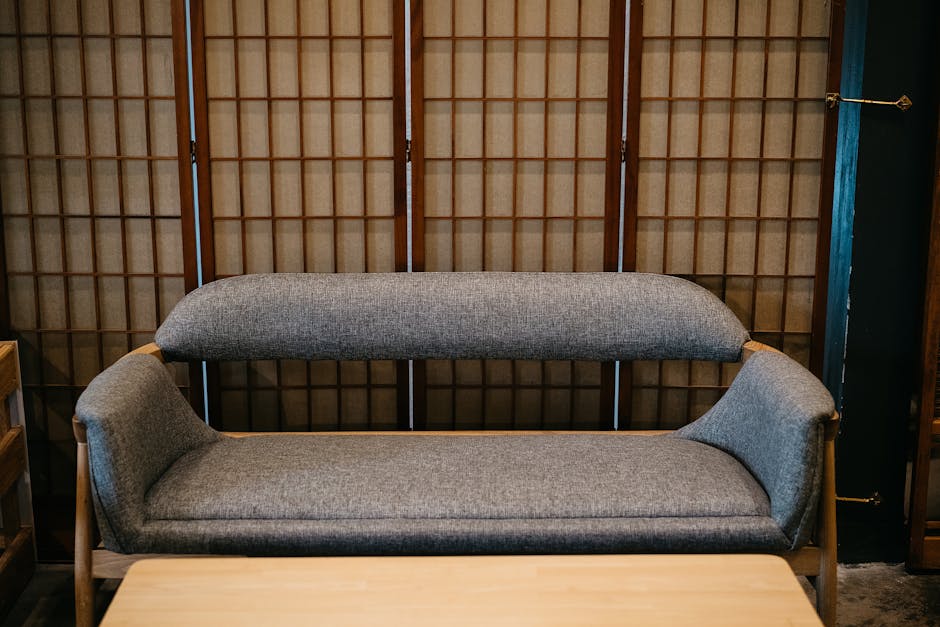
    Elegant minimalist sofa with Japanese shoji screen backdrop creating a tranquil modern interior.
    Elegant minimalist sofa with Japanese shoji screen backdrop creating a tranquil modern interior | Zhobai Hotel Furniture
    • Proven Project Management Expertise: Can they demonstrate a track record of handling complex, multi-phase hospitality projects from concept to installation? Request detailed project timelines and communication plans.
    • In-House Design & Engineering Capabilities: Do they have a professional design team that can translate your vision into technical drawings and offer value engineering solutions? This is vital for a truly custom hotel luxury sofa. Zhobai Hotel Furniture, for instance, offers a professional in-house design team dedicated to creating tailored spaces.
    • Transparent Manufacturing & Quality Control: Can they provide factory tour options (virtual or in-person) and detail their multi-stage QC process? Ask for documentation of material inspection, in-process checks, and final product audits.
    • Logistics & Installation Support: Do they offer a comprehensive one-stop solution covering manufacturing, logistics, and installation? A supplier who manages the entire supply chain minimizes risks and streamlines delivery. Explore their logistics services” target=”_blank” rel=”noopener”>logistics services and installation capabilities.
    • OEM/ODM Flexibility: For unique branding or specific design requirements, can they provide robust Original Equipment Manufacturing (OEM) or Original Design Manufacturing (ODM) services? This ensures your hotel luxury sofa is truly bespoke.
    • After-Sales Support & Warranty: What is their warranty policy (frame, upholstery, components)? How do they handle claims or replacement parts post-installation? A comprehensive warranty (e.g., 5-10 years on frame) demonstrates confidence in their product.

    Red Flags and Non-Negotiables — When to Walk Away

    Navigating the procurement landscape requires vigilance. Certain warning signs indicate a supplier might not be the right fit for your hotel luxury sofa project, no matter how attractive the initial quote appears.

    Stylish living room interior with a large window showing a scenic view.
    Stylish living room interior with a large window showing a scenic view | Zhobai Hotel Furniture
    • Unrealistic Pricing: If a quote is significantly lower (e.g., 20-30% below average market rates for comparable quality), it often signals compromised material quality or labor practices. This almost always leads to premature failure and higher long-term costs.
    • Lack of Verifiable Certifications: Any supplier unable or unwilling to provide current certifications (CE, ISO, SGS, fire ratings) for their products or factory operations is a major red flag. This indicates potential non-compliance and exposes your project to legal and safety risks.
    • Poor Communication & Delayed Responses: Inconsistent or slow communication during the quoting and sample phase is a precursor to larger problems during production and delivery. Timeliness and clarity are paramount for complex projects involving a custom hotel luxury sofa.
    • Absence of Project References or Samples: A reputable supplier should readily provide references from similar hospitality projects and be able to furnish actual material samples or prototypes. Without these, you’re making a blind purchase.
    • Inadequate Warranty or After-Sales Support: A minimal or non-existent warranty, or vague promises of support, suggests a lack of confidence in their product’s durability. Insist on clear, written guarantees for your commercial grade luxury hotel sofa investment.

    How Top Hotels Approach Hotel Luxury Sofa Procurement Differently

    Leading hospitality brands don’t just buy furniture; they invest in guest experience and operational longevity. Their approach to selecting a hotel luxury sofa is strategic and detailed:

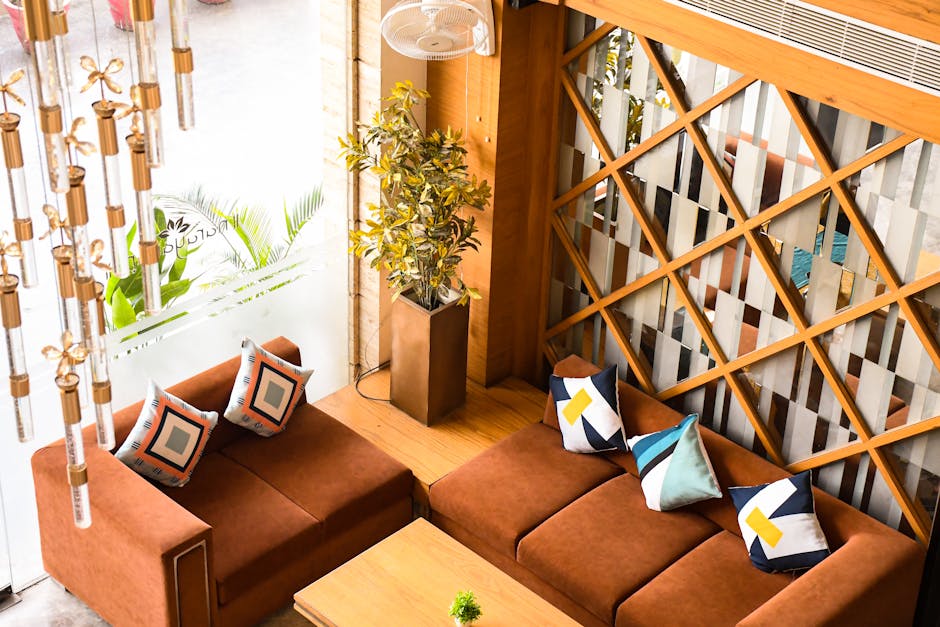
    Stylish living room with brown sofas, decorative pillows, and modern decor in a cozy setting.
    Stylish living room with brown sofas, decorative pillows, and modern decor in a cozy setting | Zhobai Hotel Furniture

    Scenario 1: The Urban Boutique Hotel Developer (Project ‘The Maven’, 2026)
    A developer for a new 150-room boutique hotel in a high-density urban area prioritized modularity and adaptability. They required a custom hotel luxury sofa system for their lobby and co-working spaces that could be reconfigured for events or quiet zones. Their procurement team worked with a supplier offering extensive OEM services, testing multiple fabric samples with integrated USB charging ports and a stain-resistant finish before committing. They invested 15% more upfront for this flexibility, anticipating a 25% longer lifecycle and reduced operational costs from reconfigurations.

    Scenario 2: The International Resort Chain (Project ‘Azure Sands’, 2026)
    For a sprawling beachfront resort in Southeast Asia, the key challenge was extreme humidity and high UV exposure for their outdoor and semi-outdoor lounge areas. Instead of standard fabrics, their FF&E procurement manager mandated solution-dyed acrylics and frames constructed from powder-coated aluminum with marine-grade stainless steel hardware. They selected a supplier with extensive experience in tropical climates, ensuring every fire-retardant luxury hotel sofa met stringent outdoor durability and UV resistance tests, extending furniture life by an estimated three years compared to conventional choices.

    Scenario 3: The Historic Luxury Hotel Renovation (Project ‘Grand Heritage’, 2026)
    A 5-star hotel undergoing a major renovation needed to preserve its classic aesthetic while upgrading to modern commercial durability. The interior designers sought a hotel luxury sofa that replicated intricate historical designs but incorporated contemporary, high-performance materials. They partnered with a manufacturer known for its craftsmanship and ability to replicate complex details, opting for a custom fabric with a rich velvet appearance but enhanced abrasion resistance and an integrated spill guard. This bespoke approach ensured brand consistency without compromising on the robust requirements of a busy hotel.

    Your Action Plan — Next Steps for Your Project

    Armed with this framework, here’s a concise action plan to guide your procurement of a hotel luxury sofa:

    1. Define Your Project Needs: Clearly articulate the aesthetic, functional, and durability requirements for each area (lobby, suites, public spaces). Specify dimensions, design style, and expected traffic levels.
    2. Develop Detailed Specifications: Translate your needs into concrete material specifications for frame construction, foam density, upholstery double rub counts, and fire ratings.
    3. Identify & Vet Potential Suppliers: Research manufacturers with proven experience in hospitality FF&E, particularly in custom hotel luxury sofa production. Request company profiles, certifications, and project references.
    4. Request & Evaluate Samples/Prototypes: Never order in bulk without inspecting material samples and, if feasible, a full-scale prototype. Test comfort, review finishes, and verify dimensions.
    5. Scrutinize Quotes & Contracts: Look beyond the unit price. Evaluate payment terms, lead times, shipping costs, warranty provisions, and after-sales support. Ensure all specifications are explicitly documented.
    6. Plan Logistics & Installation: Coordinate delivery schedules with your project timeline. Confirm the supplier’s involvement in logistics and installation, especially for large-scale projects.

    Sourcing a hotel luxury sofa is a significant investment that shapes guest perceptions and impacts your bottom line for years. It demands expertise, foresight, and a partner who understands the unique challenges of hospitality procurement. Zhobai Hotel Furniture, with over 15 years of experience, specializes in providing custom solutions for 5-star hotels, resorts, and high-end commercial spaces worldwide. Our one-stop service, encompassing early-stage planning, in-house design, manufacturing, logistics, and installation, is built around these exact principles. We ensure every fire-retardant luxury hotel sofa and piece of furniture meets the highest standards of durability, design, and compliance. Let’s start a conversation about how we can elevate your next project. Contact us” target=”_blank” rel=”noopener”>Contact us today to discuss your specific requirements.

  • Mastering Hotel Room Layout and Dimensions for Procurement

    Mastering Hotel Room Layout and Dimensions for Procurement

    Imagine this scenario: a multi-million dollar hotel renovation project is 90% complete. The custom furniture arrives on site, ready for installation, only for the procurement manager to discover that the custom-designed wardrobes are 5 cm too deep for the intended alcoves, blocking a critical ADA-compliant circulation path. The bedside tables, while beautiful, restrict the required 75 cm clearance around the bed, violating fire codes. This isn’t a hypothetical oversight; it’s a real, costly mistake that can lead to weeks of delays, thousands in re-fabrication costs, and a damaged reputation. These errors stem directly from an inadequate understanding or oversight of crucial custom hotel furniture services and its precise fit within the overall hotel room layout and dimensions.

    An elegant hotel room with precise hotel room layout and dimensions, featuring a king-size bed, two nightstands, and a built-in desk area.
    An elegant hotel room with precise hotel room layout and dimensions, featuring a king-size bed, two nightstands, and a built-in desk area | Zhobai Hotel Furniture

    The Real Cost of Getting Hotel Room Layout and Dimensions Wrong

    Miscalculating hotel room layout and dimensions carries significant financial and operational repercussions. A single misstep, like an incorrectly sized vanity or a poorly planned furniture arrangement, can trigger a cascade of problems. For instance, re-ordering custom furniture due to spatial inaccuracies can inflate the FF&E budget by 10-20%, translating to hundreds of thousands of dollars for a 200-room property. Beyond direct costs, project delays are inevitable. Each week of delay for a new build or renovation can mean lost revenue of $10,000-$50,000 per property, depending on its scale and market demand in 2026. Furthermore, a cramped or non-compliant room design directly impacts guest satisfaction, leading to negative reviews that deter future bookings. This isn’t merely an aesthetic issue; it’s a critical business decision that affects your bottom line and brand perception.

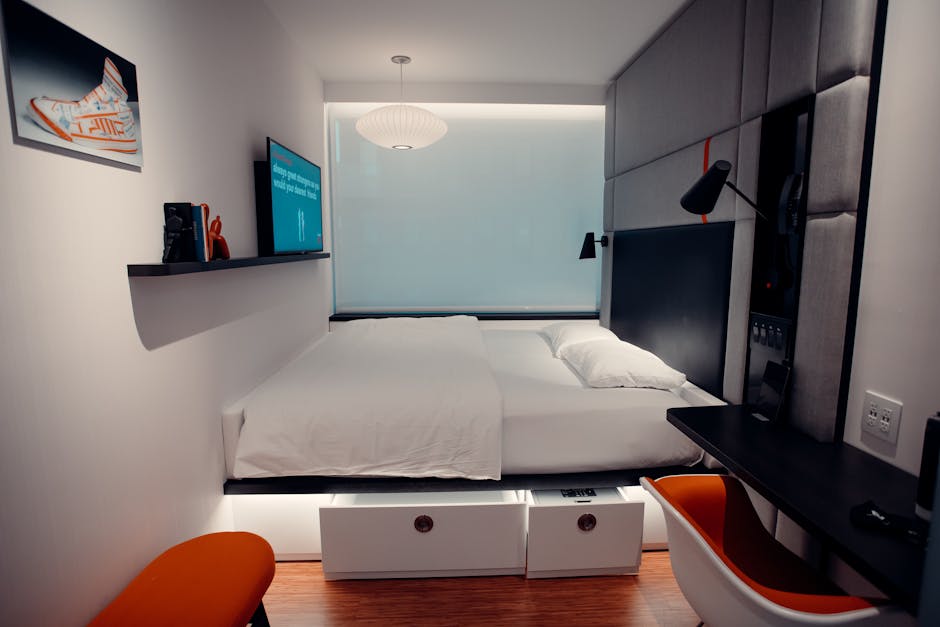
    A compact boutique hotel micro-room designed with smart, multi-functional furniture to optimize its hotel room layout and dimensions.
    A compact boutique hotel micro-room designed with smart, multi-functional furniture to optimize its hotel room layout and dimensions | Zhobai Hotel Furniture

    The Decision Framework — What to Evaluate Before You Choose

    Successful custom furniture procurement for hospitality projects hinges on a meticulous evaluation process. Understanding the intricate balance between guest comfort, operational efficiency, and regulatory compliance is paramount. Before committing to any supplier, a robust decision framework must be in place to guide your choices regarding hotel room layout and dimensions.

    A luxurious hotel suite showcasing distinct zones and custom furniture expertly integrated into its expansive hotel room layout and dimensions.
    A luxurious hotel suite showcasing distinct zones and custom furniture expertly integrated into its expansive hotel room layout and dimensions | Zhobai Hotel Furniture

    1. Guest Experience & Circulation Flow

    The primary function of any hotel room is to provide a comfortable and intuitive guest experience. This means ensuring seamless circulation paths and adequate space around all furniture pieces. Consider the guest’s journey from entry to bed, bathroom, and work areas. Are there bottlenecks? Can two people comfortably move around the room simultaneously? Specific guidelines for standard hotel room furniture clearances dictate minimum distances: typically 75 cm for main pathways and 60 cm for secondary access points around bedsides or in front of dressers. Failure to adhere to these clearances results in a perceptibly cramped space and functional frustration for guests, leading to reduced satisfaction scores.

    modern hotel guestroom with a well-planned furniture arrangement and clear circulation paths
    modern hotel guestroom with a well-planned furniture arrangement and clear circulation paths | Zhobai Hotel Furniture

    2. Operational Efficiency & Maintenance Access

    An optimized hotel room layout and dimensions significantly impacts your operational teams. Housekeeping staff need clear access to clean all surfaces, make beds, and restock amenities efficiently. Consider the ease with which a vacuum cleaner can navigate around furniture or how quickly a maintenance technician can access HVAC units without moving heavy pieces. Furniture that is difficult to move or clean adds minutes to each room turnover, accumulating into substantial labor costs over time. Design choices should streamline daily operations, not complicate them, ensuring longevity and ease of upkeep for all custom furnishings.

    Spacious modern bedroom with chandelier and flat screen TV, featuring a minimalist and elegant design.
    Spacious modern bedroom with chandelier and flat screen TV, featuring a minimalist and elegant design | Zhobai Hotel Furniture

    3. Regulatory Compliance & Accessibility Standards

    Adherence to local building codes, fire safety regulations, and accessibility standards (such as ADA in North America) is non-negotiable. These regulations often dictate precise requirements for clear floor space, door swing clearances, and specific bathroom dimensions. For instance, ADA compliant hotel room bathroom dimensions typically require a 152 cm turning circle for wheelchairs and specific grab bar placements. Overlooking these details during the planning stages can lead to costly redesigns, fines, or even project halts. A reliable supplier will demonstrate a deep understanding of these codes and integrate them into their design and manufacturing process from the outset.

    A modern and minimalist dual-space room featuring a sleek bedroom and cozy living area.
    A modern and minimalist dual-space room featuring a sleek bedroom and cozy living area | Zhobai Hotel Furniture

    4. Room Type & Brand Identity

    Different hotel room types — standard, boutique, suite — demand distinct approaches to their layout and dimensions. A boutique hotel micro-room spatial design requires innovative, multi-functional furniture solutions to maximize perceived space without sacrificing utility. Conversely, luxury hotel suite zoning and floor plans emphasize distinct living, sleeping, and dining areas, often requiring bespoke, larger-scale pieces to define these zones. Your brand’s identity should be reflected in these choices; a minimalist design language will inform different furniture styles and spatial arrangements than a richly ornate aesthetic. The furniture must align with the intended guest experience and the hotel’s market positioning.

    Luxurious hotel bedroom featuring stylish decor and comfortable furnishings in a modern setting.
    Luxurious hotel bedroom featuring stylish decor and comfortable furnishings in a modern setting | Zhobai Hotel Furniture

    5. Future-Proofing & Flexibility

    Consider how the chosen hotel room layout and dimensions can adapt to future trends or guest needs. Can furniture be reconfigured or easily replaced? Modular systems offer inherent flexibility, allowing for quicker updates or adjustments without a complete overhaul. Incorporating sufficient power outlets and USB charging points, strategically placed, prevents future guest complaints in an increasingly connected world. A forward-thinking approach ensures your FF&E investment remains relevant and functional for years to come, minimizing the need for premature replacements.
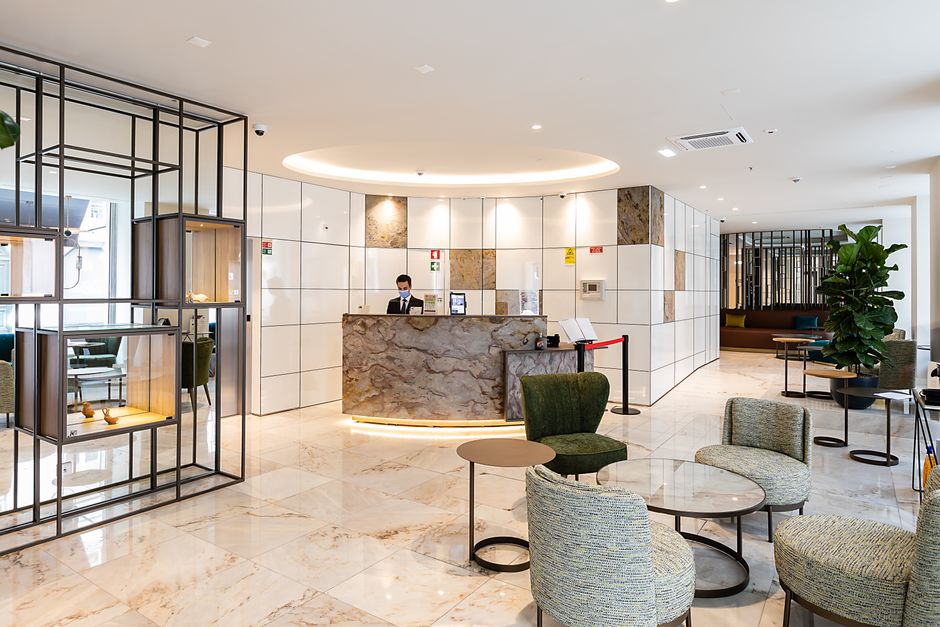
    modern hotel guestroom with a well-planned furniture arrangement and clear circulation paths
    modern hotel guestroom with a well-planned furniture arrangement and clear circulation paths | Zhobai Hotel Furniture
    Evaluation Criteria Standard Room (28-32 sqm) Boutique Micro-Room (16-20 sqm) Luxury Suite (55+ sqm)
    **Primary Focus** Efficiency, durability, consistent guest flow Innovative space utilization, visual lightness Distinct zones, bespoke comfort, elevated aesthetics
    **Key Layout Challenge** Optimizing standard furniture clearances Multi-functional pieces, concealed storage Seamless transition between areas, privacy
    **Typical Furniture Type** Robust, modular, standardized designs Integrated, compact, fold-down elements Custom-built, statement pieces, varied seating
    **Minimum Main Pathway** 75 cm (30 inches) 60 cm (24 inches) 90 cm (36 inches)
    **Design Priority** Ergonomics, ease of cleaning, cost-effectiveness Innovation, perceived spaciousness, tech integration Refined materials, comfort, unique guest journey

    What Separates a Good Supplier from a Great One

    Choosing a furniture supplier is a strategic decision, not just a transaction. A truly great supplier acts as an extension of your project team, offering expertise that goes beyond manufacturing. Here’s a checklist of what to ask and what to look for:

    Spacious modern hotel room featuring cozy decor and neutral tones with natural light.
    Spacious modern hotel room featuring cozy decor and neutral tones with natural light | Zhobai Hotel Furniture
    • In-house Design & Engineering Capabilities: Do they have a professional design team that can translate your vision into precise shop drawings and 3D renderings? Can they advise on optimal hotel room layout and dimensions for various room types? Zhobai Hotel Furniture, for example, maintains an in-house design team that collaborates closely with clients from early-stage planning to create tailored spaces.
    • Comprehensive Project Management: Do they offer a one-stop solution covering design, manufacturing, logistics, and installation? This streamlines communication and reduces coordination risks. Ask about their process for managing multi-phase projects and their approach to quality control at each stage.
    • Material Transparency & Certification: Can they provide detailed specifications for all materials, including independent test reports for durability, fire rating, and environmental compliance? Look for certifications like CE, ISO, SGS, or FDA, which validate their quality and safety standards.
    • Precision Manufacturing & Prototyping: How do they ensure manufacturing accuracy? Request to see examples of their precision joinery, finish consistency, and adherence to specified dimensions. A great supplier will offer a prototype room or sample pieces for approval before full production, allowing you to verify the hotel room layout and dimensions in a real-world setting.
    • Global Logistics & Installation Expertise: Do they have proven experience managing complex international shipping and on-site installation? Ask about their freight forwarding partners, customs clearance procedures, and on-site supervision capabilities. Improper handling can damage even the finest furniture.
    • Post-Delivery Support & Warranty: What kind of warranty do they offer on their products? How do they handle after-sales service, spare parts, or potential issues that arise after installation? A long-term partnership requires reliable support long after the delivery trucks have left.

    Red Flags and Non-Negotiables — When to Walk Away

    In the high-stakes world of hospitality FF&E procurement, knowing when to disengage from a potential supplier is as crucial as knowing whom to partner with. Beware of these warning signs:

    Bed with pillows and cover against armchairs in house with television set and luminous lights
    Bed with pillows and cover against armchairs in house with television set and luminous lights | Zhobai Hotel Furniture
    1. Lack of Detailed Shop Drawings: If a supplier cannot provide precise, scaled shop drawings that clearly illustrate every dimension, material, and joinery detail for each furniture piece, consider it a major red flag. Vague sketches or generic catalog images are insufficient for custom projects where exact hotel room layout and dimensions are critical.
    2. Unrealistic Pricing or Timelines: Be wary of bids that are significantly lower than competitors or promises of impossibly fast delivery. Such offers often hide compromises in material quality, manufacturing precision, or ethical labor practices. A responsible timeline for custom furniture typically ranges from 12-16 weeks for production after prototype approval, plus shipping.
    3. Poor Communication & Transparency: A supplier who is slow to respond, provides unclear answers, or is hesitant to share factory processes, material sourcing, or project references should raise concerns. Transparency is foundational to trust, especially when dealing with complex requirements like custom furniture services for specific hotel room layout and dimensions.
    4. Absence of Quality Control Protocols: Ask about their QC process. If they cannot articulate specific inspection points, testing procedures, or internal quality audits (e.g., a 47-point inspection checklist), it indicates a lack of commitment to consistent product quality. This is particularly vital for ensuring longevity and minimizing maintenance issues post-installation.
    5. Inability to Provide Relevant Project References: A reputable supplier will readily provide contacts for recent projects of similar scope and style. If they are evasive or can only offer vague testimonials, it suggests a lack of proven experience in delivering high-value, complex FF&E projects, especially those involving intricate luxury hotel suite zoning and floor plans.

    How Top Hotels Approach Hotel Room Layout and Dimensions Differently

    Leading hospitality brands don’t just furnish rooms; they curate experiences through thoughtful design and precise execution of hotel room layout and dimensions. Their approach is strategic and often involves innovative solutions tailored to specific guest demographics and property types.

    Scenario 1: The Urban Boutique Micro-Room

    A prominent boutique hotel chain in a major metropolitan area faced the challenge of maximizing revenue from compact footprints. Instead of traditional layouts, they partnered with a supplier to implement a sophisticated boutique hotel micro-room spatial design. This involved custom-designed wall-mounted desks that fold away, integrated storage solutions that blend seamlessly into millwork, and beds with built-in storage drawers. The objective was to create a perception of spaciousness and provide functionality without clutter. By meticulously planning every centimeter, they achieved an efficient layout that allowed for all essential amenities within a 18-square-meter room, maintaining guest satisfaction and high occupancy rates.

    Scenario 2: The Five-Star Resort Suite

    For a newly developed five-star resort, the focus was on delivering an unparalleled sense of luxury and exclusivity. Their approach to luxury hotel suite zoning and floor plans involved extensive collaboration with their furniture manufacturer. Each 70-square-meter suite was divided into distinct zones: a dedicated sleeping area, a spacious living room with a custom sectional sofa, a private dining nook, and an expansive bathroom. Furniture was custom-fabricated to fit these zones precisely, utilizing rich materials like solid walnut and brushed brass, with integrated lighting and power. This bespoke approach ensured that the furniture not only fit perfectly within the generous hotel room layout and dimensions but also enhanced the architectural features and provided a cohesive, opulent guest experience.

    Scenario 3: The Mid-Market Renovation

    A large mid-market hotel group undertaking a full property renovation across 150 rooms prioritized consistency and durability. Their strategy focused on optimizing standard hotel room furniture clearances to improve operational efficiency for housekeeping and ensure guest comfort. They worked with a supplier to develop a standardized furniture package that could be efficiently installed across multiple room configurations while maintaining essential pathways and accessibility. By using robust, modular furniture designed for high-traffic environments, they reduced long-term maintenance costs and ensured a consistent guest experience across their entire refreshed inventory, all while adhering strictly to predefined hotel room layout and dimensions.

    Your Action Plan — Next Steps for Your Project

    Navigating the complexities of FF&E procurement requires a structured approach. Use this action plan to ensure your next project’s hotel room layout and dimensions are meticulously planned and executed:

    1. Define Your Room Categories & Guest Journey: Clearly outline the purpose, target demographic, and desired guest experience for each room type (standard, suite, accessible, etc.). Map out typical guest movements within each room.
    2. Establish Clear Dimensions & Clearances: Work with your architect and interior designer to finalize precise floor plans, including all structural elements, doors, windows, and critical minimum clearances for circulation and accessibility (e.g., ADA requirements).
    3. Engage Your Design & Procurement Team Early: Involve your FF&E procurement managers and interior designers from the initial planning stages. Their expertise is crucial in translating spatial requirements into functional furniture specifications.
    4. Vet Suppliers Based on Expertise & Capabilities: Use the checklist provided in this guide to thoroughly evaluate potential furniture manufacturers. Prioritize those with proven in-house design, project management, and global logistics capabilities.
    5. Request Detailed Shop Drawings & Prototypes: Insist on comprehensive shop drawings for all custom pieces. For larger projects, demand a full-scale prototype room or furniture samples to physically confirm the fit, finish, and functionality within your specified hotel room layout and dimensions before approving full production.

    The success of your hotel project, from guest satisfaction to operational efficiency and long-term profitability, is significantly influenced by the precision of your hotel room layout and dimensions. At Zhobai Hotel Furniture, we understand these stakes. With over 15 years of experience, we’ve built our reputation on being a consultative partner, providing a one-stop solution from early-stage planning and design through manufacturing, logistics, and installation. Our professional in-house design team specializes in creating tailored spaces that meet exacting standards for 5-star hotels, boutique properties, and resorts worldwide. We ensure every custom piece fits perfectly, functions flawlessly, and adheres to all regulatory requirements. Don’t leave your project’s success to chance; start a conversation with Zhobai today to bring your vision to life with precision and expertise.

  • Mastering Your Hotel Lobby Furniture Layout Plan in 2026

    Mastering Your Hotel Lobby Furniture Layout Plan in 2026

    A common, yet costly, oversight in hotel development or renovation is treating the lobby as merely a transactional space, rather than a dynamic revenue-generating asset. Many procurement managers rush the hotel lobby furniture layout plan, prioritizing initial cost savings or aesthetic trends over long-term durability, functional adaptability, and guest flow. This often results in furniture that quickly wears, impedes traffic, fails to support diverse guest needs, and necessitates premature replacement within 3-5 years. The true cost isn’t just the replacement budget; it’s the cumulative loss of potential F&B revenue, reduced guest satisfaction scores, and the erosion of brand perception, which can collectively amount to hundreds of thousands of dollars over the lifecycle of the property.

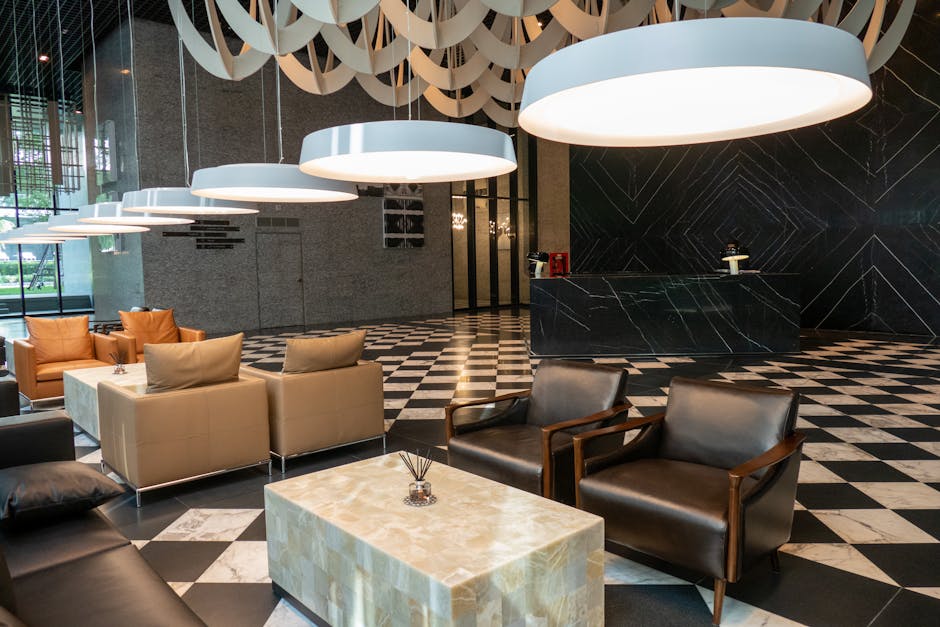
    A spacious, modern hotel lobby with a well-defined hotel lobby furniture layout plan, featuring comfortable modular seating in warm tones and natural light.
    A spacious, modern hotel lobby with a well-defined hotel lobby furniture layout plan, featuring comfortable modular seating in warm tones and natural light | Zhobai Hotel Furniture

    The Real Cost of Getting Hotel Lobby Furniture Layout Plan Wrong

    An ineffective hotel lobby furniture layout plan extends far beyond aesthetics; it directly impacts your bottom line and operational efficiency. Consider a scenario where an undersized reception desk creates bottlenecks during peak check-in, leading to guest frustration and longer wait times. Each minute a guest waits can translate to a measurable drop in their overall satisfaction, potentially affecting review scores and repeat bookings. Studies in 2026 show that a single point drop in online review scores can correlate with a 3-5% decrease in occupancy rates for some properties.

    A contemporary commercial reception area furniture layout with a sleek, custom-designed front desk, vibrant artwork, and inviting lounge chairs for guests.
    A contemporary commercial reception area furniture layout with a sleek, custom-designed front desk, vibrant artwork, and inviting lounge chairs for guests | Zhobai Hotel Furniture

    Learn more about 5-star hotel furniture projects.

    Furthermore, poor furniture choices or an ill-conceived commercial reception area furniture layout can stifle ancillary revenue opportunities. If seating areas are uncomfortable, poorly lit, or lack power outlets, guests are less likely to linger, order drinks, or utilize co-working spaces. This directly impacts potential sales from a lobby bar, café, or retail kiosk. Over a five-year period, a mid-sized boutique hotel could easily lose $50,000 to $100,000 in missed revenue from such underutilized spaces, alongside the $20,000-$40,000 cost of premature furniture replacement due to inadequate material selection or construction.

    An elegant hotel lobby showcasing a thoughtful modular seating plan for hotel lobbies, with various seating arrangements for different guest activities and large windows overlooking a city skyline.
    An elegant hotel lobby showcasing a thoughtful modular seating plan for hotel lobbies, with various seating arrangements for different guest activities and large windows overlooking a city skyline | Zhobai Hotel Furniture

    The Decision Framework — What to Evaluate Before You Choose

    Before committing to any supplier, a robust decision framework is essential. Evaluating your needs against a set of practical criteria ensures your investment yields long-term value and enhances the guest experience. This is where strategic hotel lobby space planning guidelines become critical for informed decisions.

    A detailed view of a hospitality lobby furniture specification, highlighting the robust construction of a custom sofa with durable upholstery and sturdy wooden legs.
    A detailed view of a hospitality lobby furniture specification, highlighting the robust construction of a custom sofa with durable upholstery and sturdy wooden legs | Zhobai Hotel Furniture

    1. Functional Adaptability and Zoning

    Your lobby must serve multiple purposes throughout the day. Consider how the space will transition from a bustling morning check-out zone to a relaxed afternoon co-working hub, and then to an evening social area. Does your proposed furniture allow for this flexibility? A truly effective hotel lobby furniture layout plan incorporates distinct zones for reception, casual lounging, focused work, and even small group meetings. Modular seating plan for hotel lobbies can be particularly effective here, allowing reconfiguration as needs change. For example, moveable ottomans or lightweight side tables provide flexibility for guests to adapt their personal space.

    Luxurious hotel lobby featuring a classic sofa set and elegant floral arrangements.
    Luxurious hotel lobby featuring a classic sofa set and elegant floral arrangements | Zhobai Hotel Furniture

    2. Durability and Material Specification

    Hospitality furniture endures significantly higher traffic and wear than residential pieces. Specifying robust materials and construction methods is non-negotiable. Look for solid hardwood frames, commercial-grade upholstery fabrics (e.g., Martindale abrasion test results above 50,000 rubs), and high-density foam cushions (e.g., 2.2-2.5 lb/ft³). Stainless steel components should be 304-grade for corrosion resistance. Neglecting this leads to rapid deterioration, requiring expensive repairs or early replacement, often within 2-3 years instead of the expected 7-10 years. A thorough hospitality lobby furniture specification will outline these details.

    Luxurious hotel lobby featuring opulent decor, art, and comfortable seating for guests.
    Luxurious hotel lobby featuring opulent decor, art, and comfortable seating for guests | Zhobai Hotel Furniture

    3. Aesthetic Integration and Brand Identity

    The lobby is the first physical manifestation of your brand. Does the furniture’s design, color palette, and texture align with your hotel’s narrative and target demographic? A contemporary urban hotel will require different aesthetics than a beachfront resort. Consistency reinforces your brand identity and creates a cohesive, memorable guest journey. custom furniture solutions allow for precise alignment with your unique vision, ensuring your lobby makes the intended statement.

    Spacious and luxurious hotel lobby with elegant seating and stylish lighting.
    Spacious and luxurious hotel lobby with elegant seating and stylish lighting | Zhobai Hotel Furniture

    4. Ergonomics and Guest Comfort

    Comfort directly correlates with guest satisfaction and their willingness to spend time in the lobby. Seating must accommodate various body types and activities, from a quick coffee to an extended work session. Consider seat depth, back support angles, and armrest height. Are there accessible power outlets integrated or conveniently located near seating? An uncomfortable chair, even if visually appealing, will be avoided, rendering it a wasted investment.

    Elegant hotel lobby with contemporary seating and stylish decor creating a cozy atmosphere.
    Elegant hotel lobby with contemporary seating and stylish decor creating a cozy atmosphere | Zhobai Hotel Furniture

    5. Maintenance and Longevity

    Ease of cleaning and long-term maintenance are critical for operational efficiency and appearance retention. Specify fabrics treated for stain resistance and frames designed for easy cleaning access. Furniture with removable, washable cushion covers can significantly extend its lifespan and maintain its appearance. Complex designs with intricate crevices or delicate finishes can become maintenance nightmares, quickly accumulating dirt and showing wear.

    Evaluation Criterion Key Considerations for 2026 Projects Impact of Poor Choice
    Functional Adaptability Modular components, multi-purpose zoning, integrated tech access Underutilized space, guest dissatisfaction, missed revenue
    Durability & Materials Commercial-grade fabrics (>50k rubs), solid wood frames, 304 SS Premature wear, frequent repairs, early replacement (2-3 yrs)
    Aesthetic & Brand Custom finishes, cohesive design language, unique brand elements Confused brand identity, dated appearance, negative first impression
    Ergonomics & Comfort Varied seating types, proper support, accessible charging Guests avoid space, poor reviews, reduced linger time
    Maintenance & Longevity Stain-resistant fabrics, easy-clean surfaces, replaceable parts High operational costs, rapid decline in appearance, hygiene issues

    What Separates a Good Supplier from a Great One

    Choosing the right manufacturing partner is as crucial as the furniture itself. A great supplier goes beyond simply delivering products; they act as a strategic extension of your project team. Zhobai Hotel Furniture, for instance, offers a one-stop solution from early-stage planning to installation, backed by 15+ years of experience in custom furniture.

    Checklist for Supplier Vetting:

    • Experience and Specialization: Do they specialize in hospitality FF&E, particularly for 5-star or boutique hotels? A supplier focused solely on residential furniture will lack the commercial-grade expertise needed for your hotel lobby furniture layout plan.
    • Design Capabilities: Do they have a professional in-house design team capable of creating tailored spaces? This is vital for custom solutions, offering valuable input on aesthetics, functionality, and material selection.
    • Manufacturing Control: Do they own their manufacturing facilities or primarily outsource? Direct control typically translates to better quality control, faster response times, and more competitive factory direct pricing.
    • Certifications and Compliance: Are they certified (e.g., CE, ISO, SGS, FDA)? These indicate adherence to international quality, safety, and environmental standards. Ensure their products meet local building and fire codes for your project’s location.
    • Project Management & Logistics: Can they manage the entire project lifecycle, including logistics, customs, and installation worldwide? A truly great partner streamlines this complex process, reducing your administrative burden and risk. Zhobai’s global export experience covers Europe, North America, Africa, and more.
    • Warranty and After-Sales Support: What kind of warranty do they offer on their products and installation? A 3-5 year warranty on structural components is a reasonable expectation. Clear after-sales support protocols demonstrate commitment to long-term client satisfaction.
    • Prototyping and Samples: Do they offer prototyping or material samples before full production? This allows for critical evaluation and adjustments, preventing costly errors down the line, especially for a complex commercial reception area furniture layout.

    Red Flags and Non-Negotiables — When to Walk Away

    Navigating the procurement landscape requires vigilance. Identifying red flags early can save your project from significant delays, budget overruns, and quality compromises. When sourcing a hotel lobby furniture layout plan, certain warning signs should prompt immediate reconsideration.

    • Vague or Incomplete Proposals: A supplier providing a proposal without detailed specifications, material breakdowns, or clear lead times is a major red flag. Lack of transparency suggests a lack of process or an attempt to hide potential cost escalations. Insist on line-item details for materials, finishes, and construction methods.
    • Unrealistic Timelines: Manufacturing custom hospitality furniture, especially for a large-scale project, takes time. Be wary of suppliers promising delivery in 4-6 weeks for complex orders when the industry standard for custom FF&E is typically 8-12 weeks for manufacturing alone, plus shipping. Unrealistic promises often lead to rushed production, quality issues, and missed deadlines.
    • Lack of Project References or Portfolio: A reputable supplier should readily provide references from similar projects or a comprehensive portfolio showcasing their work, particularly for a specific hotel lobby space planning guidelines. If they are evasive or their portfolio seems generic, it’s a sign to proceed with caution.
    • Insufficient Communication: Poor communication during the quoting phase is a strong indicator of future problems. If emails go unanswered for days, questions are sidestepped, or they fail to provide clear answers, imagine the challenges during production and delivery. A responsive, proactive communication style is a non-negotiable.
    • Demanding 100% Upfront Payment: While an initial deposit (typically 30-50%) is standard for custom manufacturing, a supplier demanding full payment before production or shipment represents an unacceptable risk. This removes your leverage and exposes you to potential non-delivery or quality issues without recourse.

    How Top Hotels Approach Hotel Lobby Furniture Layout Plan Differently

    Leading hotel brands view their lobbies as dynamic brand showcases and profit centers, not just pass-through zones. Their approach to a hotel lobby furniture layout plan is strategic and data-driven.

    Scenario 1: The Urban Boutique Hotel. A 4-star boutique hotel in a bustling city center, targeting young professionals and creatives, needed a lobby that transitioned seamlessly from co-working space to an evening social hub. Instead of traditional static sofas, they opted for a modular seating plan for hotel lobbies. They specified custom-designed, lightweight upholstered modules with integrated power outlets and USB ports. These pieces could be easily reconfigured by staff or guests into intimate conversation nooks or larger collaborative tables. The result? A 30% increase in average guest linger time and a 15% uplift in lobby bar sales within the first six months, directly attributable to the adaptable furniture and enhanced guest comfort. This smart commercial reception area furniture layout provided significant ROI.

    Scenario 2: The Luxury Resort. A new build 5-star resort in a high-humidity coastal region prioritized longevity and a unique sense of place. For their hotel lobby furniture layout plan, they invested in custom pieces featuring solid teak frames, marine-grade stainless steel accents, and performance fabrics engineered to resist UV, salt, and mildew. Their hospitality lobby furniture specification included custom upholstery patterns reflecting local artistry. While the upfront investment was 15-20% higher than standard options, their furniture has maintained its pristine condition for five years without significant repairs, significantly reducing ongoing maintenance costs and preserving the initial design intent. This careful material selection minimized lifecycle costs.

    Scenario 3: The Extended-Stay Property. This property understood its guests needed more than just a place to check in. Their lobby design focused on creating a ‘living room’ experience. They integrated larger, deeper lounge chairs and sofas, combined with a variety of small, movable side tables and floor lamps. A dedicated, semi-private zone with high-backed seating and acoustic panels allowed for quiet work or private conversations. This hotel lobby space planning guidelines approach recognized the diverse needs of long-term guests, fostering a sense of community and providing functional spaces beyond the guestroom.

    Your Action Plan — Next Steps for Your Project

    Transforming your hotel lobby furniture layout plan from concept to reality requires a structured approach. Follow these actionable steps to ensure a successful procurement process:

    1. Define Your Lobby’s Purpose & Zones: Clearly articulate the primary functions and desired guest experiences for each area of your lobby. Quantify expected traffic flow and activities (e.g., 20% check-in, 40% lounging, 30% F&B, 10% co-working).
    2. Develop Detailed Specifications: Work with your interior design team to create comprehensive hospitality lobby furniture specification documents. This should include material call-outs, dimensions, construction details, finish requirements, and performance standards (e.g., fabric rub counts, flame retardancy).
    3. Budget for Durability & Longevity: Allocate sufficient budget for commercial-grade materials and construction. Understand that a higher upfront investment in quality often translates to lower lifecycle costs and superior guest experience.
    4. Shortlist & Vet Suppliers Thoroughly: Identify 3-5 potential suppliers with proven hospitality FF&E experience. Use the checklist provided in this guide to conduct due diligence, requesting references, certifications, and detailed proposals.
    5. Request Prototypes & Samples: For critical or custom pieces, insist on seeing prototypes or material samples. This is your opportunity to physically evaluate quality, comfort, and aesthetic alignment before full production begins.
    6. Finalize Contracts with Clear SLAs: Ensure your contract includes specific delivery schedules, payment terms tied to milestones, quality assurance clauses, warranty details, and clear terms for dispute resolution.
    7. Plan for Logistics & Installation: Coordinate with your supplier for seamless logistics and professional installation. Confirm packaging, shipping methods, and on-site assembly requirements well in advance.

    The success of your hotel project hinges significantly on the strategic execution of your hotel lobby furniture layout plan. It’s more than just buying furniture; it’s about investing in an experience, a brand statement, and a revenue driver. Partnering with an experienced manufacturer who understands these nuances is key. Zhobai Hotel Furniture is built around these exact principles, offering a consultative, one-stop solution from initial design concepts through to final installation. We collaborate closely with owners, developers, and designers to create tailored spaces that deliver on both aesthetic vision and long-term operational performance. Start a conversation with our team today to explore how our expertise can elevate your next project.

  • Modular Hotel Room Furniture: Implementation Guide

    Modular Hotel Room Furniture: Implementation Guide

    In 2026, the hotel industry faces a compelling paradox: while guest expectations for personalized, adaptable experiences are higher than ever, many properties remain tethered to static, single-purpose furniture layouts. The result? Underutilized spaces, missed revenue opportunities, and a guest experience that feels increasingly dated. This fundamental disconnect between evolving demand and traditional supply chain thinking is costing properties millions in lost potential and operational inefficiencies. The solution lies not in more furniture, but in smarter furniture – specifically, in a strategic embrace of flexible modular hospitality furniture.

    Modern hotel room featuring adaptable sofa sections and a movable coffee table, showcasing flexible modular hospitality furniture.
    Modern hotel room featuring adaptable sofa sections and a movable coffee table, showcasing flexible modular hospitality furniture | Zhobai Hotel Furniture

    What Separates Outstanding Hotel Projects from Average Ones

    The distinction between a merely functional hotel project and one that truly excels often boils down to foresight and adaptability. Average projects focus on immediate cost and basic aesthetic; outstanding ones anticipate future guest needs, operational demands, and long-term asset value. They recognize that a hotel room is no longer just a place to sleep, but a dynamic environment for work, relaxation, dining, and social connection. Projects that consistently outperform their competitors understand that furniture is not merely décor, but a strategic asset capable of transforming a space and enhancing its utility.

    A guest working comfortably at a pull-out desk integrated into a sleek console unit in a contemporary hotel suite, demonstrating multi-functional hotel room furniture.
    A guest working comfortably at a pull-out desk integrated into a sleek console unit in a contemporary hotel suite, demonstrating multi-functional hotel room furniture | Zhobai Hotel Furniture

    This forward-thinking approach shifts the focus from one-off purchases to integrated solutions that offer longevity and versatility. It means moving beyond conventional procurement to a partnership model that values design innovation, material quality, and seamless integration. The goal is to create environments that can fluidly adapt to different guest profiles, occupancy rates, and even seasonal demands, ensuring every square foot contributes meaningfully to both guest satisfaction and the bottom line.

    Hotel lobby with reconfigurable seating units and lightweight tables, ready for quick rearrangement to adapt to different guest interactions.
    Hotel lobby with reconfigurable seating units and lightweight tables, ready for quick rearrangement to adapt to different guest interactions | Zhobai Hotel Furniture

    Key Insight #1 — Strategic Investment in Adaptability

    The true value of furniture in hospitality is increasingly measured by its ability to adapt. Investing in flexible modular hospitality furniture is not just a trend; it’s a strategic imperative for future-proofing your property. Traditional fixed furniture, while seemingly robust, often locks a space into a single function, limiting its potential. Consider a guest room where a standard desk and chair are the only workspace options. If the guest prefers to work from a lounge chair with a laptop, the desk becomes an inert, space-consuming object.

    Spacious modern hotel room featuring cozy decor and neutral tones with natural light.
    Spacious modern hotel room featuring cozy decor and neutral tones with natural light | Zhobai Hotel Furniture

    Modular systems, however, unlock latent potential. A single piece can serve multiple functions or be reconfigured to create entirely new arrangements. This adaptability extends the lifecycle of your investment, reducing the frequency and cost of major renovations. It allows properties to respond swiftly to market shifts, whether that’s repurposing rooms for co-working during off-peak hours or transforming a standard suite into an extended-stay unit with minimal effort.

    A modern and minimalist dual-space room featuring a sleek bedroom and cozy living area.
    A modern and minimalist dual-space room featuring a sleek bedroom and cozy living area | Zhobai Hotel Furniture

    For example, a hotel in a bustling urban center might install modular seating units in its lobby that can be arranged for individual work, small group meetings, or a casual lounge area depending on the time of day. This foresight ensures maximum utility from high-value real estate. The initial investment in well-designed flexible modular hospitality furniture pays dividends through increased revenue opportunities and reduced operational friction.

    Modern hotel room featuring a bed, laptop, and stylish decor with ample lighting.
    Modern hotel room featuring a bed, laptop, and stylish decor with ample lighting | Zhobai Hotel Furniture

    Comparing Traditional Fixed vs. Flexible Modular Furniture

    Feature/Aspect Traditional Fixed Furniture Flexible Modular Hospitality Furniture
    Space Utilization Often leads to underutilized areas, rigid layouts. Optimizes every square foot, dynamic reconfigurations.
    Adaptability to Needs Limited, single-purpose design. High, multi-functional elements for diverse guest activities.
    Renovation Cycles Requires full replacement for layout changes (higher cost). Allows partial updates/reconfigurations, extending lifespan.
    Operational Efficiency Can hinder cleaning, room flips due to immovable pieces. Facilitates easier cleaning, quicker room setup changes.
    Guest Experience Standardized, less personalized. Enhanced personalization, choice, and comfort.
    Long-term ROI Lower due to inflexibility and faster obsolescence. Higher due to extended utility, reduced CapEx, and increased revenue potential.

    Key Insight #2 — Design for Diverse Guest Journeys

    Today’s guests don’t just occupy a room; they experience it. Their ‘journey’ within a hotel space can involve working remotely, enjoying a meal, unwinding with entertainment, or hosting a small informal meeting. This necessitates furniture that can seamlessly support these varied activities. This is where multi-functional hotel room furniture becomes indispensable. Instead of separate pieces for each activity, a well-designed modular system can integrate multiple uses into fewer, more adaptable units.

    A sleek and cozy modern bedroom with stylish design elements in Washington, DC.
    A sleek and cozy modern bedroom with stylish design elements in Washington, DC | Zhobai Hotel Furniture

    Consider a guest room with a compact, pull-out workstation integrated into a console that doubles as a media center. Or a sofa that transforms into a comfortable daybed, alongside a coffee table with adjustable height for dining or working. These space-saving hotel furniture solutions are not about compromise; they are about intelligent design that maximizes utility without sacrificing aesthetics or comfort. They allow guests to customize their environment to their immediate needs, fostering a sense of control and personalized luxury. This approach is particularly critical in boutique hotels or urban properties where square footage is at a premium, demanding creative ways to enhance perceived value and utility. Zhobai Hotel Furniture’s in-house design team specializes in crafting such tailored spaces, ensuring that every element serves a purpose beyond the obvious.

    Elegant minimalist bedroom featuring a desk, mirror, and shelving unit in a stylish interior.
    Elegant minimalist bedroom featuring a desk, mirror, and shelving unit in a stylish interior | Zhobai Hotel Furniture

    Key Insight #3 — Optimizing Operational Efficiency and ROI

    Beyond guest experience, the practical benefits of adaptable furniture profoundly impact a hotel’s operational efficiency and return on investment. Efficient room layouts directly contribute to cost-effective hotel room layout optimization. When furniture can be easily reconfigured or moved, housekeeping can operate more swiftly, reducing the time required for cleaning and room turnover. This directly translates into lower labor costs and higher potential occupancy rates, especially during peak seasons or for properties with high turnover.

    Furthermore, the ability to repurpose spaces without extensive construction is a significant financial advantage. For instance, a conference room equipped with modular tables and seating can swiftly transition from a formal board meeting setup to a casual networking event or even a temporary dining area. This flexibility allows properties to host a wider array of events, capturing diverse revenue streams. The reduced wear and tear on fewer, more robust pieces of furniture, designed for frequent reconfiguration, also lowers maintenance and replacement costs over time. This holistic view of furniture as an operational asset, rather than just a capital expense, underpins a more profitable and resilient business model.

    Common Mistakes Hotel Buyers Make (and How to Avoid Them)

    Even with the clear advantages, many hotel buyers inadvertently make decisions that limit the potential of their projects. Understanding these pitfalls is the first step toward successful procurement.

    • Underestimating Long-Term Flexibility

      **Mistake:** Focusing solely on the initial design concept without considering how the space might need to evolve in five or ten years. This often leads to purchasing rigid, single-purpose items that quickly become obsolete or limit future adaptations.

      **Avoidance:** Prioritize furniture systems that offer inherent adaptability. Engage stakeholders from operations, sales, and design early in the process to project future needs. Ask: “How could this space be used differently in 3 years? Can the furniture support that?”
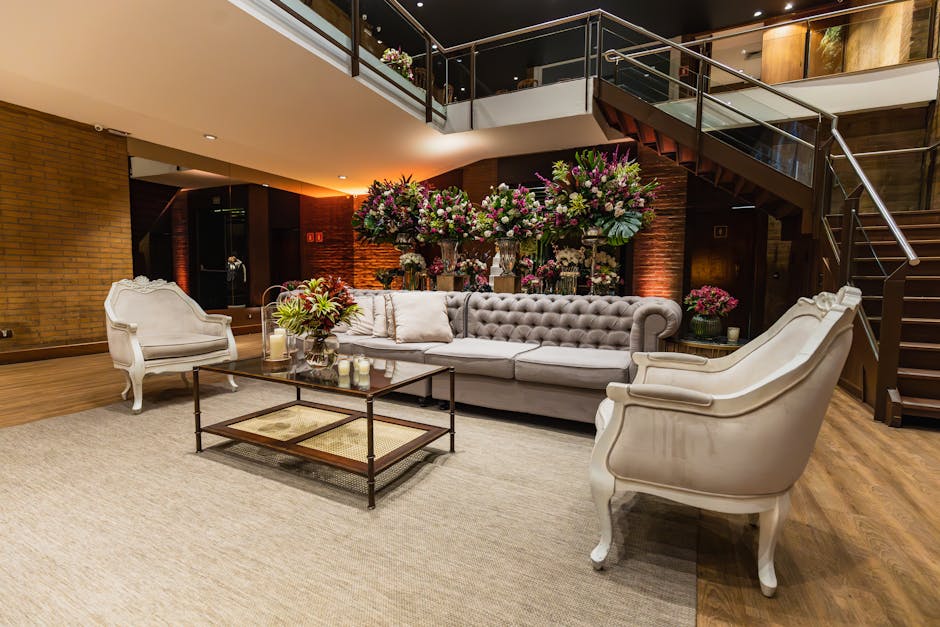
    • Prioritizing Upfront Cost Over Lifecycle Value

      **Mistake:** Opting for the lowest bid without a thorough analysis of material durability, warranty, and long-term maintenance costs. Cheaply constructed items may initially save money but incur significant replacement and repair expenses within a few years.

      **Avoidance:** Conduct a comprehensive lifecycle cost analysis. Invest in high-end minimalist contract furniture from reputable manufacturers who provide detailed specifications on materials (e.g., solid hardwood frames, commercial-grade upholstery with high rub counts, 304 stainless steel accents). Look for certifications like CE, ISO, SGS, which validate manufacturing quality.

    • Ignoring Installation Logistics and Assembly Complexity

      **Mistake:** Overlooking the practicalities of getting furniture into the building, assembling it, and arranging it efficiently. Complex assembly or oversized pieces can lead to delays, damage, and inflated installation costs.

      **Avoidance:** Work with suppliers who offer comprehensive logistics and installation services. Inquire about pre-assembled components or intuitive assembly instructions. Zhobai Hotel Furniture provides a one-stop solution covering manufacturing, logistics, and installation, mitigating these common headaches.

    • Failing to Engage Design and Procurement Teams Early

      **Mistake:** Bringing in furniture suppliers late in the design process, limiting options and increasing the likelihood of costly custom modifications or compromises.

      **Avoidance:** Foster collaboration between interior designers, procurement managers, and the furniture manufacturer from the conceptual stages. An experienced manufacturer can offer valuable insights into material limitations, cost efficiencies, and innovative design solutions that align with the project vision and budget. This proactive engagement is crucial for leveraging the full potential of flexible modular hospitality furniture.

    How to Apply These Principles to Your Next Project

    Implementing a strategy centered around flexible modular hospitality furniture requires a systematic approach:

    1. Define Your Vision and Anticipate Future Needs: Before selecting any furniture, clearly articulate the desired guest experience and potential future uses for each space. Consider the demographics of your target guests and how their needs might evolve. Are you anticipating increased demand for remote work facilities? More family-friendly configurations? This foresight will guide your modular selections.

    2. Prioritize Durability and Quality Materials: Modular furniture, by its nature, is designed to be reconfigured and used dynamically. This demands superior construction and robust materials. Specify commercial-grade finishes, high-density foams, and durable framing materials. Look for manufacturers that provide transparent material sourcing and rigorous quality control processes.

    3. Embrace a Collaborative Design Process: Partner with a manufacturer that offers strong in-house design capabilities. Their expertise can translate your vision into practical, adaptable furniture solutions. A collaborative approach ensures that the modular components integrate seamlessly with the overall interior design aesthetic and functional requirements. This is where suppliers like Zhobai, with over 15 years of experience and a professional design team, truly add value. You can explore their approach to tailored design solutions.

    4. Evaluate Logistics and After-Sales Support: The journey of furniture doesn’t end at manufacturing. Consider the supplier’s capabilities in logistics, installation, and ongoing support. A provider offering a one-stop solution from design to delivery and installation can drastically simplify project management and minimize risks. Comprehensive warranties and readily available spare parts are also critical for the long-term viability of flexible furniture systems.

    5. Pilot and Iterate: For larger projects, consider piloting modular solutions in a few rooms or a specific area. Gather feedback from guests and staff on functionality, comfort, and ease of reconfiguration. Use these insights to refine your selections before a full-scale rollout, ensuring maximum impact and guest satisfaction. Review recent successful projects for inspiration.

    The landscape of hospitality is constantly shifting, and the properties that thrive are those that can adapt with agility and intelligence. The strategic adoption of flexible modular hospitality furniture is not merely a design choice; it is an investment in the longevity, profitability, and guest satisfaction of your hotel asset. By embracing these principles, you position your project not just to meet current demands, but to anticipate and exceed future expectations.

    At Zhobai Hotel Furniture, we understand the intricate balance between aesthetic appeal, functional adaptability, and robust construction required for high-performing hospitality spaces. With over 15 years of experience and a commitment to a one-stop solution from early-stage planning and design to manufacturing, logistics, and installation, we embody the principles discussed in this article. Our in-house design team excels at creating tailored, flexible modular hospitality furniture solutions that are certified for quality and designed for global markets. We invite you to discuss your next project with us and explore how our expertise can transform your vision into a truly exceptional and adaptable hotel environment.

  • Custom Made Commercial Furniture for Hotel Projects

    Custom Made Commercial Furniture for Hotel Projects

    In the dynamic hospitality landscape of 2026, the average guest experience is no longer sufficient. Industry data shows that 78% of travelers prioritize unique design and experiential elements when choosing accommodation, a significant leap from just 55% five years ago. This shift means that generic, off-the-shelf furniture is increasingly becoming a liability, not an asset. For hotel owners, developers, and designers, the strategic investment in custom made commercial furniture is no longer a niche preference; it is a fundamental differentiator that directly impacts guest satisfaction, operational efficiency, and ultimately, return on investment.

    A sleek, floating custom made commercial furniture desk crafted from dark wood, integrated into a hotel guestroom wall with a modern armchair and city view.

    What Separates Outstanding Hotel Projects from Average Ones

    The distinction between a truly memorable hotel project and one that simply occupies space often boils down to a single, critical factor: intentionality in design and execution. While budget constraints and tight timelines are universal challenges in Hospitality FF&E Procurement, exceptional projects demonstrate a profound understanding that furniture is not merely decor, but an integral part of the building’s infrastructure and guest journey. Average projects view furniture as an afterthought, selected from catalogs based on immediate cost. Outstanding projects, however, leverage custom made commercial furniture as a strategic tool to embody brand identity, optimize space, and ensure long-term durability. They recognize that every piece, from a lobby console to a guestroom nightstand, contributes to the overall narrative and functionality, demanding a bespoke approach that standard offerings simply cannot match. This foresight mitigates costly replacements, ensures aesthetic coherence, and delivers a superior guest experience that commands higher rates and fosters loyalty.

    A hotel lobby featuring bespoke contract furniture, including a large reception desk with marble accents and durable lounge chairs with performance fabric.

    Learn more about guide to hotel furniture manufacturers.

    Learn more about project success stories.

    A hotel guestroom with an integrated custom commercial furniture headboard system, featuring built-in lighting and charging ports, made with engineered wood and high-resilience upholstery.

    Learn more about one-stop solution for furniture manufacturing.

    Key Insight #1 — Strategic Material Selection & Engineering for Longevity in Custom Made Commercial Furniture

    The foundation of any enduring hotel furniture project lies in an informed approach to material specification and robust engineering. For custom made commercial furniture, this isn’t about selecting the most expensive option, but the most appropriate one for the specific environmental demands and projected usage. Consider a hotel in a coastal region: raw metals will quickly corrode due to salt air and humidity. An outstanding project would specify marine-grade stainless steel or brass components treated with anodizing and salt-spray resistant coatings, alongside moisture-resistant substrates for casegoods. For high-traffic areas, solid wood elements might feature specialized UV-resistant and thermal-stabilizing coatings to prevent warping or cracking under direct sunlight, especially for large, unsupported surfaces like floating desks. Similarly, upholstery in guest rooms must stand up to rigorous cleaning protocols and constant guest turnover. Specifying high-performance fabrics with a Martindale abrasion rating exceeding 50,000 rubs, coupled with inherent stain-resistant and fire-retardant properties, ensures longevity and reduces replacement cycles. The hidden structural integrity is equally vital. For instance, a cantilevered desk requires an internal steel frame anchored directly into wall studs, not just superficial screws, demanding precise engineering coordination during the shop drawing phase. This level of detail, often invisible to the casual observer, is what truly defines Commercial-Grade Furniture Solutions and protects your investment over a decade.
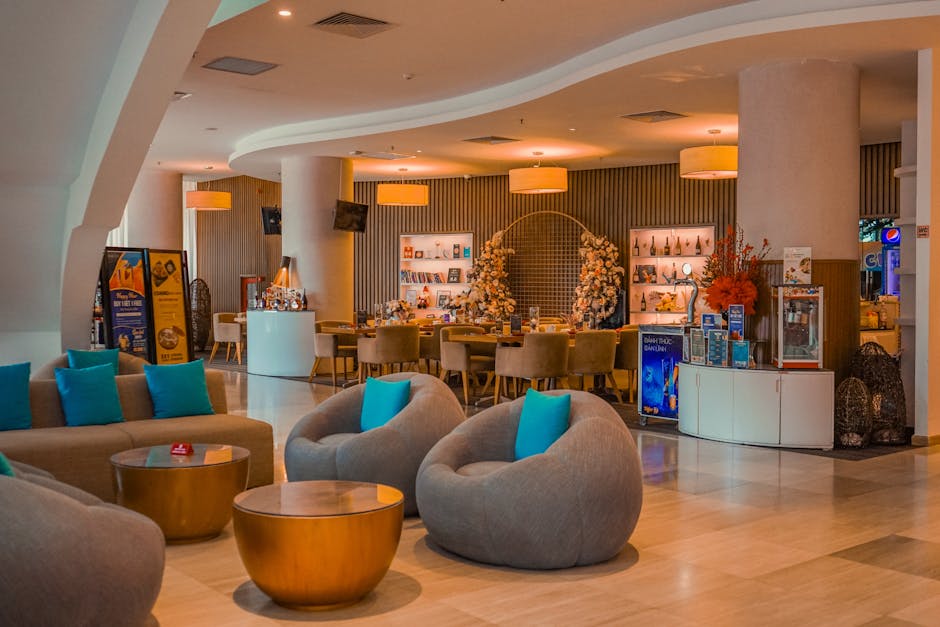
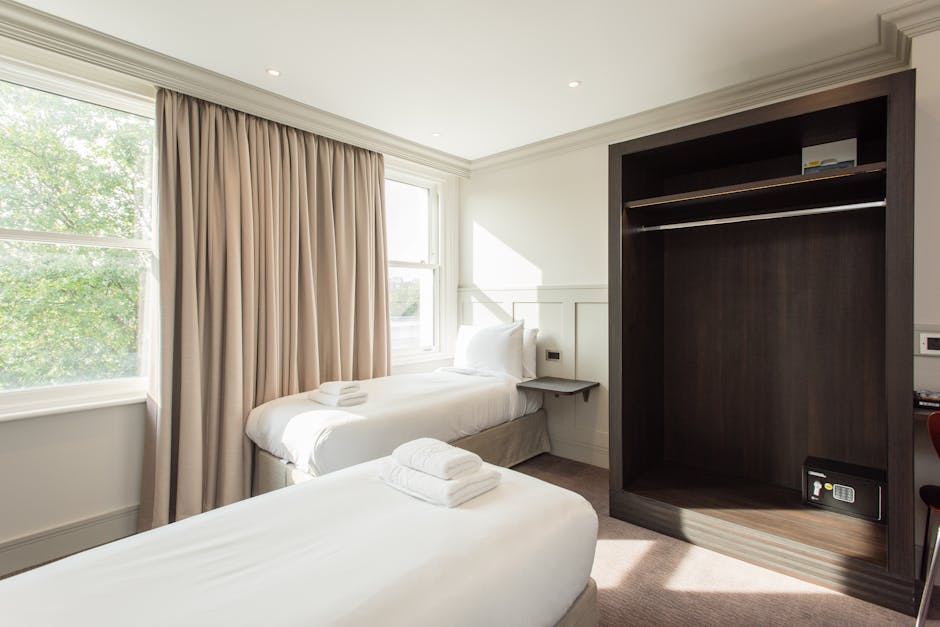
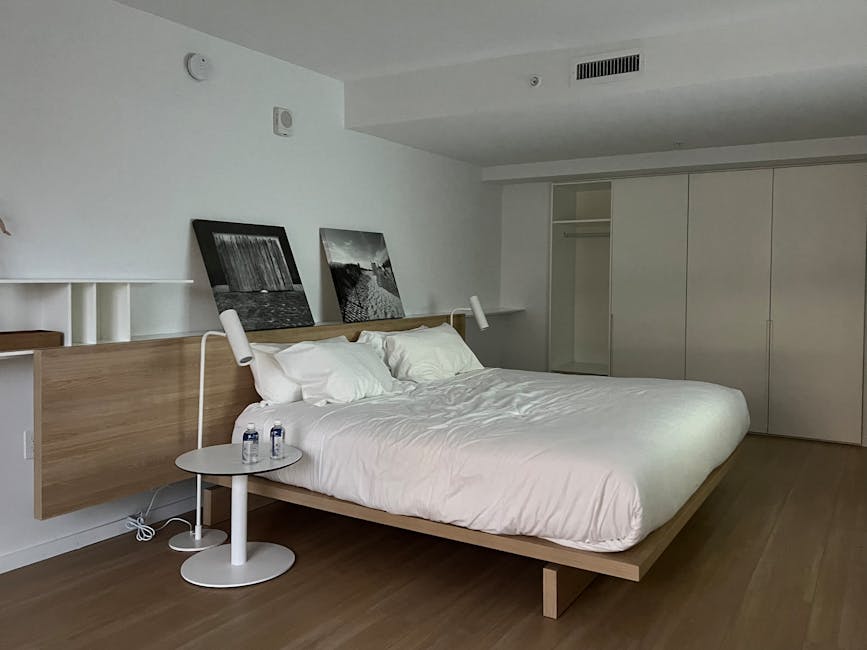
    integrated hotel bedroom headboard with built-in lights and charging stations

    Key Insight #2 — Precision in Timeline Planning & Integrated Project Management

    One of the most frequent pitfalls in hotel development is underestimating the lead times and complexities inherent in sourcing Bespoke Contract Furniture. Unlike residential projects, the scale and customization involved in hospitality demand a meticulous, integrated approach to timeline planning. Outstanding projects recognize that furniture procurement is not a linear process but a dynamic ecosystem requiring constant coordination across multiple stakeholders: architects, interior designers, general contractors, and the furniture manufacturer. A common scenario involves design changes late in the process, which can introduce significant delays and cost overruns if not managed proactively. Effective project management begins with establishing a detailed FF&E schedule early in the planning stages, allocating realistic timelines for design approval, sample production, manufacturing, logistics, and installation. This includes factoring in potential shipping delays for international projects or unexpected material sourcing challenges. Leveraging a manufacturer with robust in-house project management capabilities, including dedicated account managers who provide real-time updates and facilitate communication, is paramount. This proactive approach ensures that critical path items, such as long-lead custom made commercial furniture pieces, are identified and prioritized, preventing bottlenecks that can derail an entire opening schedule.

    A clean and contemporary hotel room featuring minimalist bedding and a warm bedside lamp.

    Key Insight #3 — The Power of a Holistic Manufacturer Partnership

    The most successful hotel projects don’t merely purchase furniture; they forge strategic partnerships with manufacturers who offer a comprehensive, integrated solution. This goes beyond just manufacturing. A truly holistic partner provides expertise from early-stage planning and design consultation through to manufacturing, logistics, and even installation oversight. For instance, a professional in-house design team can translate conceptual aesthetics into production-ready specifications, ensuring that the visual intent is maintained while adhering to commercial durability standards and budget parameters. They understand that a guestroom’s integrated headboard system, which incorporates lighting controls and charging ports, requires millimeter-precise coordination with electrical plans – a level of integration that few standard suppliers can manage. Furthermore, a manufacturer offering OEM/ODM services and factory-direct pricing provides a direct line to production, allowing for greater customization flexibility and cost efficiency without compromising quality. This comprehensive approach, a hallmark of companies like Zhobai Hotel Furniture, streamlines communication, reduces the risk of misinterpretation between design and production, and provides a single point of accountability throughout the entire project lifecycle. This ensures that every piece of custom made commercial furniture aligns perfectly with the project’s vision and operational demands.

    integrated hotel bedroom headboard with built-in lights and charging stations

    Common Mistakes Hotel Buyers Make (and How to Avoid Them)

    Even experienced Hospitality FF&E Procurement teams can fall prey to common pitfalls when sourcing custom made commercial furniture. Recognizing these can save millions and prevent significant operational headaches.

    Stylish bedroom featuring a brick wall, modern design, and ambient lighting.
    • Mistake 1: Prioritizing Upfront Cost Over Lifecycle Value

      Many buyers focus solely on the initial purchase price, overlooking the total cost of ownership. Cheaply made furniture, while appealing initially, often leads to premature wear, frequent repairs, and early replacement. This escalates long-term expenses and negatively impacts guest perception. To avoid this, demand detailed specifications on materials (e.g., wood substrate density, veneer thickness, hardware brand, fabric Martindale rating) and understand warranty terms. Request physical samples and visit production facilities if possible.

      minimalist hotel guestroom with floating wooden desk and leather chair
    • Mistake 2: Neglecting Commercial-Grade Durability Standards

      Residential furniture, no matter how aesthetically pleasing, is not designed for the rigors of a commercial environment. Using it in a hotel will inevitably lead to structural failures, upholstery breakdown, and finish degradation. Ensure that your specifications align with established hospitality standards for impact resistance, stability, and fire retardancy. A reputable Hotel Casegoods Manufacturer will readily provide certifications (CE, ISO, SGS, FDA) and technical data sheets confirming their adherence to these standards for all Bespoke Contract Furniture.

      Unrecognizable people sitting on comfortable sofa in spacious hall of luxury hotel with crystal chandeliers and marble statue
    • Mistake 3: Insufficient Communication with Manufacturers

      Vague design briefs or delayed feedback during the sample approval stage are recipes for disaster. Misinterpretations lead to costly rework and project delays. Proactively share detailed design intent, material preferences, and performance requirements. Establish clear communication channels and review shop drawings and prototypes meticulously. A manufacturer who provides a dedicated project manager fosters better communication and alignment.

      Spacious hotel lobby with marble front desk, modern seating area, and contemporary decor.
    • Mistake 4: Underestimating Logistics and Installation Complexity

      The journey of custom made commercial furniture from factory floor to guestroom is intricate. Overlooking customs clearance, local delivery challenges, or on-site assembly requirements can lead to significant delays and budget overruns. Partner with a manufacturer who has proven global logistics experience and can provide comprehensive solutions, including white-glove installation services. This minimizes damage risks and ensures timely project completion.

      A luxurious hotel bedroom featuring elegant bedding and an open book, exuding comfort and style.

    How to Apply These Principles to Your Next Project

    Integrating these insights into your next hotel project involves a structured, proactive approach:

    • Define Your Vision with Precision:

      Before engaging suppliers, articulate your design intent, brand story, and performance expectations for every furniture piece. Create detailed mood boards, functional briefs, and preliminary material palettes. This clarity will guide your selection of a suitable Hotel Casegoods Manufacturer and streamline the entire process.

      Spacious hotel room in England featuring crisp white bedding and artistic map decor.
    • Prioritize Durability & Engineering:

      Move beyond aesthetics alone. For each item of Commercial-Grade Furniture Solutions, specify not just the look, but the structural integrity, material treatments (e.g., moisture resistance, anti-corrosion), and expected lifespan. Challenge suppliers to provide technical justifications for their material choices and construction methods.

    • Establish a Comprehensive Project Timeline:

      Work backward from your opening date. Allocate realistic lead times for design, prototyping, manufacturing, shipping, customs, and installation. Build in buffer periods for unforeseen circumstances. Demand a transparent production schedule from your chosen partner.

    • Vet Manufacturers Thoroughly:

      Look for manufacturers with a proven track record in custom hospitality projects, relevant certifications (CE, ISO, SGS, FDA), and strong references. Assess their in-house design capabilities, project management processes, and global logistics expertise. Their ability to provide a one-stop solution is a strong indicator of reliability and efficiency.

    • Engage Early and Communicate Continuously:

      Bring your chosen manufacturer into the design conversation as early as possible. Their engineering and production insights can optimize designs for cost, durability, and manufacturability before costly errors occur. Maintain open and frequent communication throughout every phase of the project.

    The landscape of hospitality demands not just furniture, but meticulously crafted solutions that elevate the guest experience and withstand the rigors of commercial use for years. The strategic sourcing of custom made commercial furniture is a complex endeavor, requiring an expert partner who understands both design intent and manufacturing realities. At Zhobai Hotel Furniture, with over 15 years of specialized experience in 5-star hotels, resorts, and boutique properties worldwide, we embody these principles. Our one-stop solution covers everything from early-stage planning and in-house design to manufacturing, logistics, and installation, ensuring seamless execution. We leverage our deep expertise and global certifications to deliver tailored spaces that exceed expectations, focusing on engineering longevity and aesthetic integrity. We invite you to discuss your next project with our team. Let us show you how a true manufacturing partnership can transform your vision into a lasting reality.