标签: hotel furniture sourcing

  • Choosing Top Hotel Bed Manufacturers for Commercial Projects

    Choosing Top Hotel Bed Manufacturers for Commercial Projects

    Imagine this: a seasoned FF&E procurement manager, deep into planning a new 300-key resort, reviews initial quotes for guestroom beds. The unit prices look promising, yet an uneasy feeling persists. Past experiences whisper of delayed deliveries, beds that sagged within two years, and the hidden costs of guest complaints and premature replacements. The current approach, prioritizing lowest upfront cost, is clearly costing more in operational headaches, guest satisfaction, and ultimately, the bottom line. This scenario highlights a critical need to move beyond simple price comparisons and the expertise offered by dedicated hotel bed manufacturers.
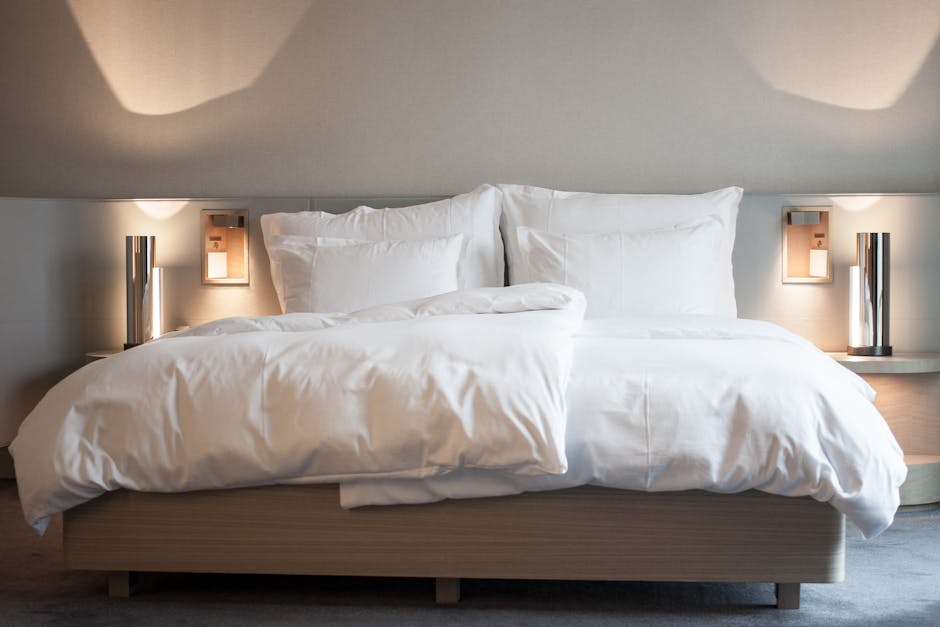
    A sleek, modern hotel guestroom bed with a custom upholstered headboard and integrated side tables, showcasing the detailed craftsmanship of hotel bed manufacturers.
    A sleek, modern hotel guestroom bed with a custom upholstered headboard and integrated side tables, showcasing the detailed craftsmanship of hotel bed manufacturers | Zhobai Hotel Furniture

    What ‘Hotel Bed’ Actually Means in a Commercial Hotel Context

    In the commercial hospitality sector, a ‘hotel bed’ transcends its residential counterpart. It is not merely a place to sleep; it is a critical piece of infrastructure designed for rigorous daily use, varying guest weights, and frequent cleaning cycles. Misconceptions often arise, with some assuming residential-grade furniture can suffice. This is a costly error. Commercial beds, unlike consumer models, are engineered for exceptional durability, structural integrity, and ease of maintenance, capable of withstanding continuous occupancy and professional cleaning protocols for a minimum lifespan of 7-10 years. They integrate seamlessly with broader guestroom design, often including integrated power solutions, lighting, and storage, functioning as a complete sleep and relaxation hub. Understanding these fundamental differences is the first step when evaluating potential hotel bed manufacturers.
    Close-up of a robust hotel bed frame constructed from FSC-certified solid wood, highlighting mortise-and-tenon joinery and reinforced corner blocks, indicative of commercial heavy duty beds for serviced apartments.
    Close-up of a robust hotel bed frame constructed from FSC-certified solid wood, highlighting mortise-and-tenon joinery and reinforced corner blocks, indicative of commercial heavy duty beds for serviced apartments | Zhobai Hotel Furniture

    Learn more about full list of certifications.

    Specification Breakdown — What to Look For

    When sourcing from hotel bed manufacturers, a detailed specification breakdown is non-negotiable. Procurement managers and designers must scrutinize every technical attribute to ensure long-term performance and guest satisfaction. This is where expertise in custom hotel bedroom furniture manufacturer specifications becomes invaluable.
    A hotel interior designer reviewing fabric swatches and wood finish samples for a bespoke 5 star hotel bed base, demonstrating the customization process with hospitality bed and casegoods contract manufacturers.
    A hotel interior designer reviewing fabric swatches and wood finish samples for a bespoke 5 star hotel bed base, demonstrating the customization process with hospitality bed and casegoods contract manufacturers | Zhobai Hotel Furniture
    • Frame Material & Construction: Seek frames constructed from FSC-certified solid hardwood (e.g., beech, oak) with a minimum thickness of 25mm for primary load-bearing components. Joints must employ robust methods such as mortise-and-tenon or double-dowel joinery, reinforced with internal corner blocks and high-grade structural adhesives. For integrated casegoods, specify E0-grade MDF or plywood to minimize formaldehyde emissions, ensuring compliance with international health standards.
    • Hardware and Fasteners: All structural hardware, including connectors and brackets, should be commercial-grade steel, preferably 304 stainless steel for high-humidity environments, ensuring resistance to corrosion and fatigue. Fasteners must be machine-driven, securely anchored, and include anti-loosening mechanisms.
    • Load Ratings and Stability: Commercial beds require static load ratings of at least 300kg per individual sleeping surface. Ensure the design incorporates sufficient central support systems, such as reinforced cross-slats or a full-deck platform, to prevent mattress sagging and distribute weight evenly. Stability should be validated through static and dynamic load testing protocols.
    • Finish Durability and Maintenance: Specify finishes that meet or exceed commercial durability standards, such as a multi-coat, scratch-resistant polyurethane lacquer (e.g., CATAS certified) for exposed wood surfaces. High-pressure laminates (HPL) with a minimum 0.8mm thickness are suitable for high-traffic areas. Upholstered components should utilize contract-grade fabrics (COM or manufacturer-specified) with a minimum Martindale abrasion rating of 50,000 cycles, and include stain-resistant treatments.
    • Lead Times and Production Capacity: Understand the manufacturer’s typical lead times. For custom projects, expect 10-12 weeks for production post-sample approval, with an additional 3-6 weeks for international logistics. Verify their capacity to handle your project scale without compromising quality or schedule.
    • Minimum Order Quantity (MOQ): Custom hotel bed manufacturers typically have MOQs ranging from 50 to 100 units per design. Clarify this early to align with your project scale and avoid unforeseen costs or limitations.
    Specification Category Commercial Hotel Standard (Minimum) Impact on TCO & Guest Experience
    Frame Construction FSC-certified solid hardwood, mortise-and-tenon, reinforced corner blocks Ensures structural integrity for 10+ years, prevents premature failure.
    Upholstery Fabric Contract-grade, Martindale >50,000 cycles, stain-resistant Extends aesthetic life, reduces cleaning costs, maintains fresh appearance.
    Static Load Rating 300kg per sleeping surface with central support Prevents mattress sag, supports diverse guest weights, enhances comfort.
    Finish Durability Multi-coat polyurethane lacquer (CATAS certified) or 0.8mm HPL Resists scratches, chips, and moisture, reducing refurbishment frequency.
    Assembly Method Knock-down or fully assembled (client choice), robust hardware Optimizes logistics, simplifies on-site installation, ensures stability.

    Custom vs. Off-the-Shelf — Making the Right Call for Your Project

    The decision between custom and off-the-shelf beds is pivotal for any hospitality project. It’s not a matter of one being inherently ‘better,’ but rather which option aligns more closely with your project’s specific parameters. For projects demanding a unique identity, working with hospitality bed and casegoods contract manufacturers for bespoke solutions offers unparalleled advantages.
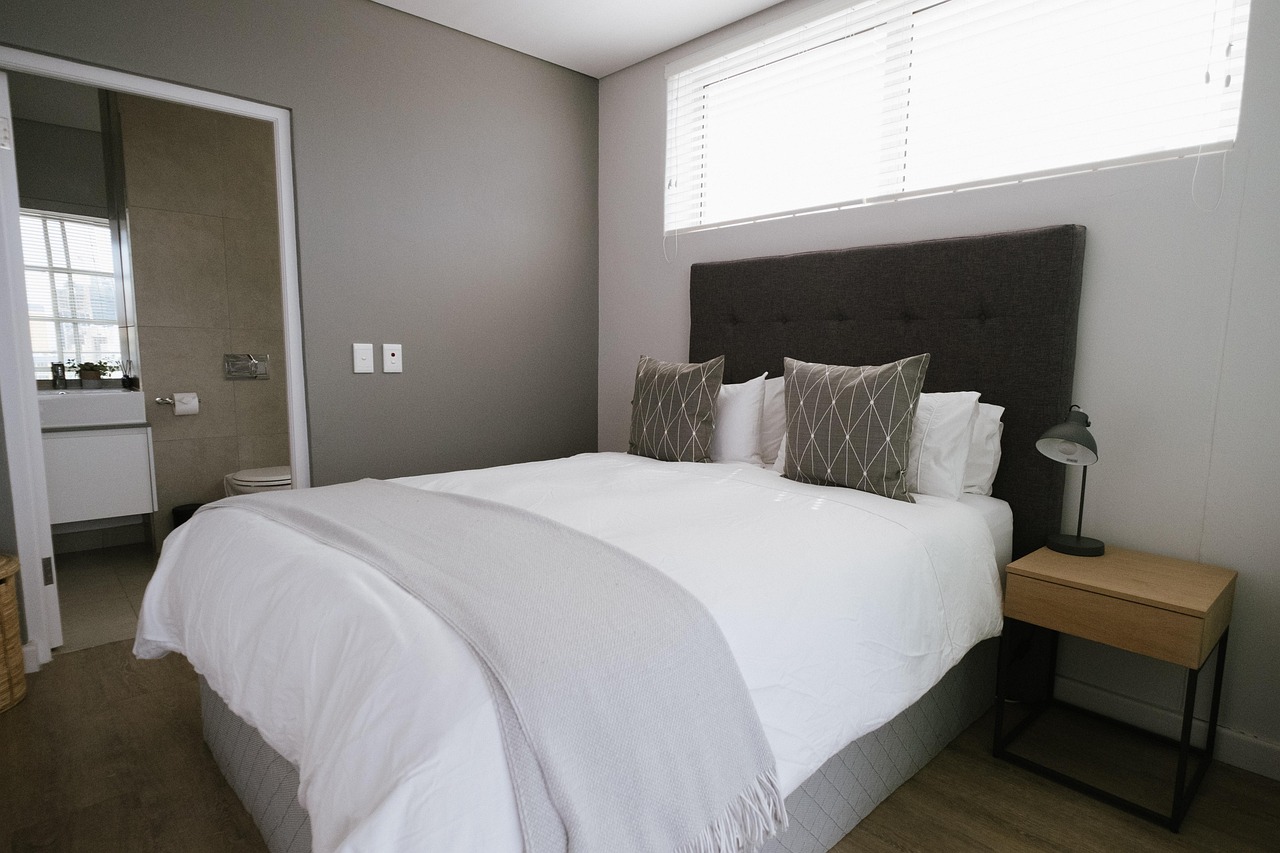
    interior designer examining material samples for custom hotel bed upholstery
    interior designer examining material samples for custom hotel bed upholstery | Zhobai Hotel Furniture

    Custom Furniture:

    • Budget: Typically involves a higher upfront investment due to tooling, design development, and specialized production. However, it often translates to a lower Total Cost of Ownership (TCO) over the long term due to superior durability, fewer replacements, and tailored functionality that reduces operational friction.
    • Timeline: Requires a more extended project timeline, including design iterations, prototyping, sample approval, and manufacturing. Lead times of 10-16 weeks are common, necessitating early engagement with bespoke 5 star hotel bed base suppliers.
    • Brand Standards: Essential for luxury brands, boutique hotels, or properties aiming for a distinct aesthetic and guest experience. Customization ensures perfect alignment with architectural details, interior design schemes, and brand identity, from specific wood tones to integrated technology.
    • Scale: Highly advantageous for large-scale new builds, extensive renovations, or multi-property rollouts where consistency and specific design elements are paramount. Economies of scale can be achieved on larger custom orders.
    • Recommendation: For 5-star hotels, high-end boutique properties, or any project where creating a unique, immersive guest experience and ensuring long-term asset value are primary objectives, custom beds are the superior choice. The initial investment is justified by tailored design, enhanced guest satisfaction, and reduced lifecycle costs. Zhobai Hotel Furniture, with its professional in-house design team, excels in delivering these tailored solutions from early-stage planning through to installation.

    Off-the-Shelf Furniture:
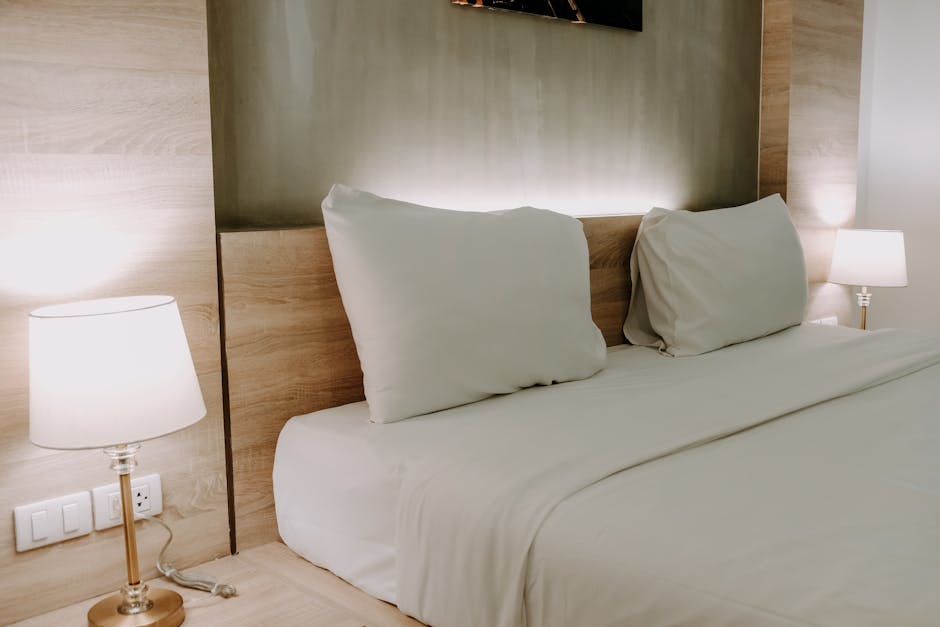
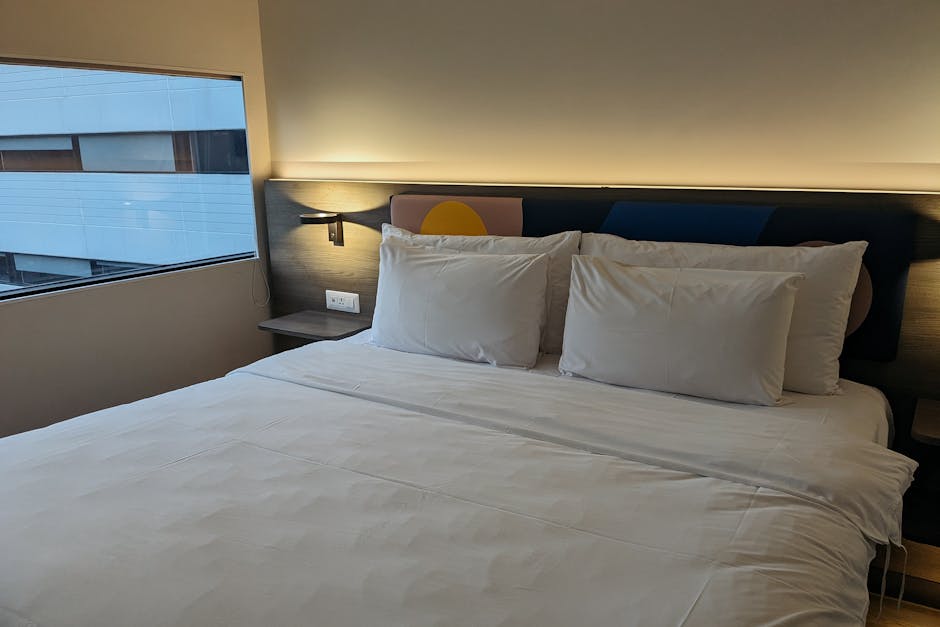
    A modern bedroom with a minimalist design featuring a cozy bed with neutral bedding and warm ambient lighting.
    A modern bedroom with a minimalist design featuring a cozy bed with neutral bedding and warm ambient lighting | Zhobai Hotel Furniture
    • Budget: Lower initial purchase price due to standardized designs and mass production. However, potential for higher TCO if durability is compromised, leading to earlier replacement cycles and increased maintenance.
    • Timeline: Significantly shorter procurement and delivery times, often available from stock or with minimal lead times. Ideal for rapid deployment or projects with compressed schedules.
    • Brand Standards: Suitable for economy hotels, mid-range chains with flexible design guidelines, or properties where a standardized, functional aesthetic is acceptable. Limited scope for unique branding elements.
    • Scale: Best for smaller projects, quick updates, or when strict budget constraints prohibit extensive customization.
    • Recommendation: Off-the-shelf options are viable for budget-conscious projects, expedited renovations, or properties where design differentiation is not a core competitive advantage. However, even here, rigorous specification checks are crucial to avoid premature product failure.

    Design and Customization Possibilities

    The realm of custom hotel furniture offers extensive possibilities to translate a design vision into a tangible guest experience. From the foundational bed base to integrated headboards and nightstands, every element can be tailored. Leading bespoke 5 star hotel bed base suppliers enable designers to push creative boundaries while adhering to commercial robustness.
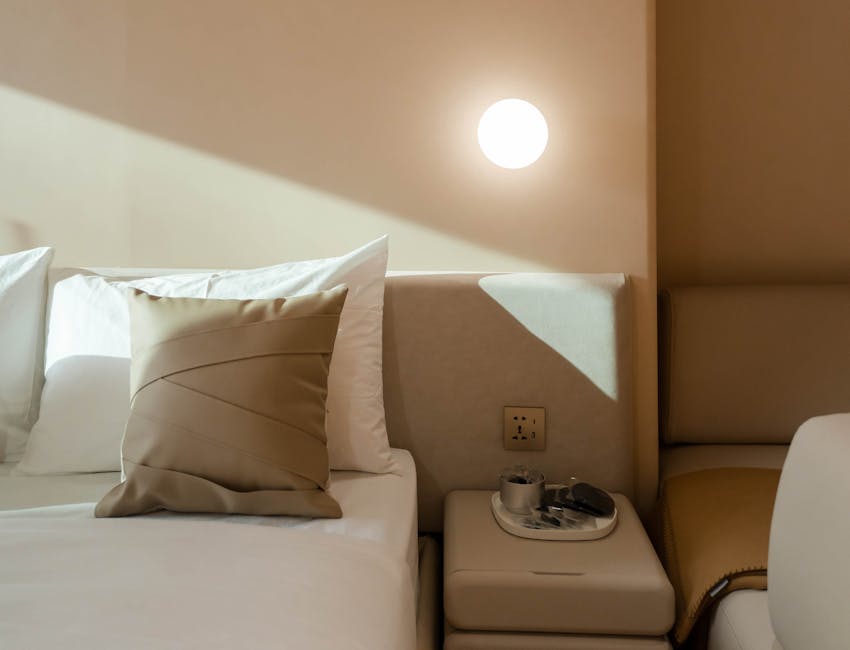
    A modern bedroom with beige tones, featuring a cushioned bed, elegant pillows, and soft wall lighting.
    A modern bedroom with beige tones, featuring a cushioned bed, elegant pillows, and soft wall lighting | Zhobai Hotel Furniture
    • Finishes and Textures: Options range from natural wood veneers (e.g., walnut, ash, oak) with various stain and lacquer treatments, to high-pressure laminates (HPL) that mimic stone, metal, or abstract patterns. Upholstery can utilize a vast array of Contract-Grade fabrics (COM or manufacturer-provided) in specific weaves, colors, and textures, including velvets, linen blends, and performance synthetics, all meeting fire retardancy standards (e.g., CAL 117, BS 5852).
    • Dimensions and Configuration: Beds can be customized to any room dimension, including non-standard layouts, suites, or ADA-compliant requirements. This extends to integrated headboards that span entire walls, floating nightstands, or built-in storage solutions that maximize space efficiency in compact rooms.
    • Branding Integration: Subtle or prominent branding elements can be incorporated, such as embossed logos on headboards, custom color palettes reflecting brand guidelines, or unique material combinations that create a signature aesthetic. This level of detail reinforces brand identity throughout the guest journey.
    • Material Variants and Accents: Beyond wood and fabric, customization can include metal accents (e.g., brushed brass, powder-coated steel in 304 stainless steel), integrated LED lighting, leather or faux leather panels, and glass or stone inserts for a sophisticated touch. The goal is to achieve a cohesive and elevated design that speaks to the hotel’s specific clientele.

    Quality Verification — How to Inspect Before You Commit

    Ensuring the quality of your investment requires a proactive and rigorous verification process. Merely reviewing brochures from hotel bed manufacturers is insufficient. Buyers must implement a pre-order checklist to mitigate risks and confirm that the final product meets all specified standards.
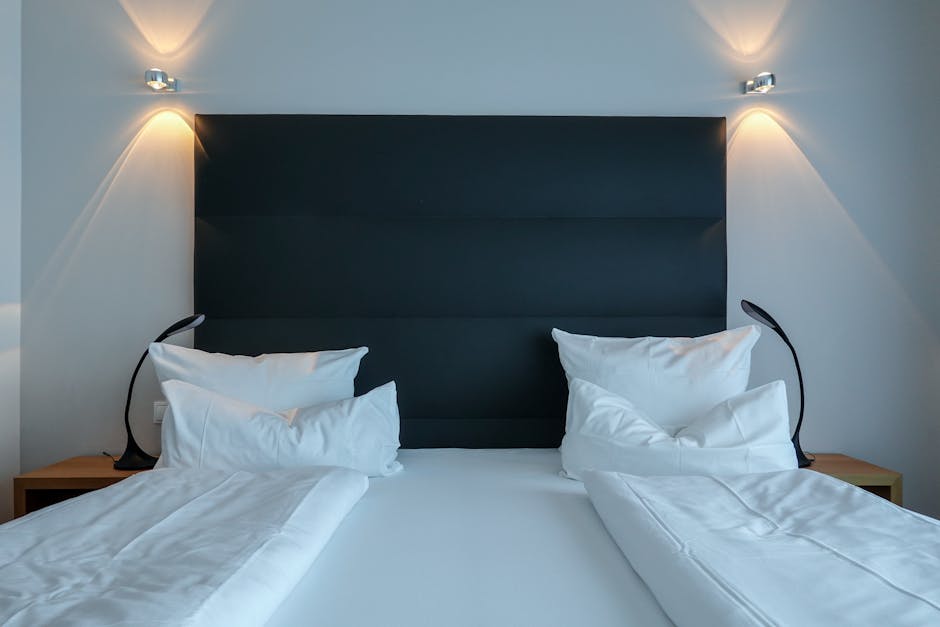
    Elegant hotel bedroom featuring a neatly made double bed, modern lighting, and plush pillows.
    Elegant hotel bedroom featuring a neatly made double bed, modern lighting, and plush pillows | Zhobai Hotel Furniture
    • Certifications and Compliance: Demand proof of relevant industry certifications. For example, CE marking for products sold in Europe, ISO 9001 for quality management systems, SGS for independent inspection and verification, and potentially FDA for specific healthcare applications if the beds are for hospital extensions or medical resorts. These certifications indicate adherence to international quality and safety benchmarks. See Zhobai’s full list of certifications.
    • Sample Inspection and Mock-up Rooms: Before full production, insist on a full-scale sample of the bed, preferably as part of a mock-up guestroom. This allows for a comprehensive evaluation of dimensions, finishes, construction quality, comfort, and aesthetic alignment. Inspect joinery, upholstery tension, finish consistency, and hardware functionality. Request material swatches for all specified components to check color, texture, and durability.
    • Factory Audits and Production Monitoring: Conduct a factory audit to assess the manufacturer’s production capabilities, quality control protocols, and ethical labor practices. Questions should cover: What percentage of raw materials are inspected upon arrival? What are the in-process quality checkpoints? How are defects identified and rectified? What is the final inspection process before packing? A transparent manufacturer will welcome such scrutiny.
    • Tolerances and Durability Testing: Confirm acceptable tolerances for dimensions (e.g., ±2mm), finish consistency (e.g., color variation within Delta E < 2), and structural integrity. Request documentation of durability testing, such as static load tests, impact tests, and cycle tests for moving parts (if applicable), ensuring the beds can withstand the demands of commercial use.

    Total Cost of Ownership — Beyond the Unit Price

    Focusing solely on the unit price from hotel bed manufacturers is a common pitfall. A comprehensive Total Cost of Ownership (TCO) analysis provides a far more accurate picture of the investment. This holistic view considers every cost factor over the expected lifespan of the furniture, ensuring sustainability and long-term profitability. Beds designed as commercial heavy duty beds for serviced apartments offer significant TCO advantages.
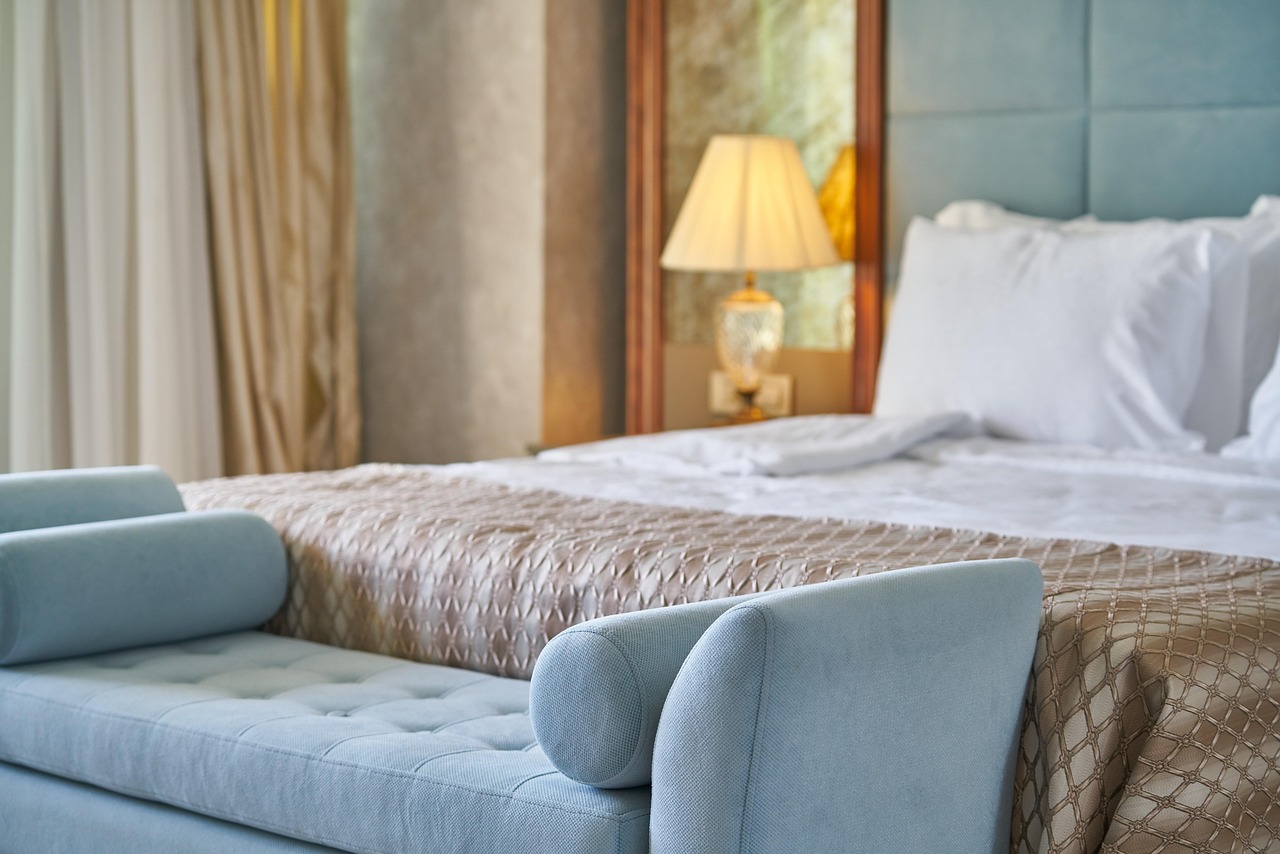
    minimalist hotel guestroom bed with integrated lighting and floating nightstands
    minimalist hotel guestroom bed with integrated lighting and floating nightstands | Zhobai Hotel Furniture
    • Durability and Lifespan: High-quality, contract-grade beds are engineered for a 7-10 year lifespan, often exceeding this. Inferior products may require replacement within 2-3 years. Calculate the cost per year of service to understand true value. For instance, a $500 bed lasting 2 years costs $250/year, while a $1200 bed lasting 8 years costs $150/year.
    • Replacement Cycles: Frequent replacements not only incur new purchasing costs but also disrupt operations, require labor for removal and installation, and generate waste. Investing in durable beds minimizes these disruptive cycles.
    • warranty and After-Sales Support: A robust warranty (e.g., 5-year structural, 1-year finish) protects your investment. Evaluate the manufacturer’s after-sales support capabilities, including spare parts availability and responsiveness to issues. Zhobai Hotel Furniture provides comprehensive warranty and after-sales services to ensure long-term satisfaction.
    • Logistics and Shipping Costs: Factor in all transportation expenses from the factory to your site, including freight, customs duties, insurance, and local delivery. An experienced manufacturer will provide transparent logistics solutions. Zhobai offers a one-stop solution covering design, manufacturing, logistics, and installation, streamlining this process.
    • Installation and Assembly: Consider whether beds arrive fully assembled or require on-site assembly. Factor in the cost of skilled labor and time for installation. Complex designs or poor assembly instructions can significantly inflate these costs.
    • Maintenance and Cleaning: Materials and finishes impact ongoing maintenance. Easy-to-clean, durable surfaces and fabrics reduce labor and chemical costs over time. Beds with modular components may simplify repairs.

    Selecting the right hotel bed manufacturers is a strategic decision that impacts guest satisfaction, operational efficiency, and your bottom line for years to come. It requires a deep specifications, a clear understanding of customization possibilities, rigorous quality verification, and a comprehensive TCO analysis. By partnering with a manufacturer that embodies expertise and reliability, you ensure your investment yields maximum return.

    Zhobai Hotel Furniture, with 15+ years of experience specializing in custom furniture for 5-star hotels, boutique hotels, and resorts worldwide, meets every benchmark outlined in this guide. Our one-stop solution covers early-stage planning, design, manufacturing, logistics, installation, and delivery, supported by a professional in-house design team and certifications like CE, ISO, SGS, and FDA. We are adept at fulfilling the precise requirements of discerning hotel owners, developers, FF&E procurement managers, and interior designers seeking high-value, durable solutions from trusted hotel bed manufacturers. We invite you to request samples or a detailed quote for your next hospitality project.
  • Hotel Furniture Procurement: A Practical FF&E Guide

    Hotel Furniture Procurement: A Practical FF&E Guide

    Ask any experienced FF&E procurement manager what separates a successful hotel opening from a costly delay, and the answer is almost always the same: the quality of the procurement process. Custom hotel furniture represents one of the most capital-intensive line items in any hotel development budget, yet it remains one of the most frequently mismanaged. A reactive approach 鈥?issuing RFQs too late, skipping factory inspections, prioritising unit price over total cost 鈥?consistently produces missed deadlines, quality shortfalls, and guest-experience gaps that show up in review scores for years.

    This guide is written for FF&E procurement managers, hotel owners, project managers, and developers who want to move from reactive to proactive 鈥?building a procurement framework that delivers quality custom hotel furniture on time, within budget, and to specification.

    Writing an Effective FF&E Brief: What Suppliers Need to Know

    The quality of your procurement outcome is almost entirely determined at the brief stage. A vague brief produces vague quotes, submissions that are impossible to compare, and suppliers who reinterpret your requirements to suit their existing production capabilities rather than your actual project needs.

    An effective hotel furniture brief for a custom procurement should specify: exact dimensions and configuration of each space; number of units required by typology (guestroom, suite, corridor, lobby, F&B); material and finish specifications at component level (frame timber species, upholstery grade and minimum Martindale count, hardware finish, surface treatment); lead-time requirements with installation milestone dates; technical drawings or CAD files for built-in pieces; brand standards or design precedents where applicable; and packaging, delivery, and installation requirements.

    The brief should also include your supplier evaluation criteria 鈥?price weighting, quality weighting, lead time, references 鈥?so that suppliers understand how they will be assessed. Transparency at this stage attracts better-quality responses and filters out suppliers who cannot meet your standards before you have invested time reviewing their proposals.

    Running a Competitive RFQ Process for Hotel Furniture

    A well-run RFQ process for hotel furniture typically involves three to five shortlisted manufacturers, a standardised submission template, and a defined review window of ten to fourteen days. Inviting too many suppliers creates noise and disincentivises serious manufacturers from investing time in detailed proposals; too few limits your benchmarking data and negotiating position.

    Your RFQ package should include: the full brief document; a bill of quantities (BOQ) in Excel format with specifications pre-filled and space for unit pricing; a supplier questionnaire covering factory capacity, quality certifications, reference projects, and sub-contractor relationships; a request for physical or digital samples for key upholstered and timber pieces; and a clear timeline with submission deadline, shortlist notification, and award date.

    When evaluating RFQ responses, resist the instinct to sort by unit price. Instead, build a weighted scorecard: price (typically 30鈥?0%), quality evidence and samples (25鈥?0%), lead-time reliability and references (20鈥?5%), and communication quality (10鈥?5%). A supplier who scores 10% higher on quality but 8% higher on price will almost always produce a better total-cost outcome 鈥?fewer re-orders, fewer guest complaints, and a longer replacement cycle.

    Factory Evaluation and Quality Assurance Protocols

    For orders above approximately USD 200,000, an in-person factory visit before contract award is not optional 鈥?it is essential. What you are assessing is not primarily the machinery; it is the management systems, production flow, quality-control checkpoints, and workforce culture. A factory that cannot show you documented quality inspection procedures at each production stage is one that delegates quality control to the buyer’s inspection team 鈥?effectively, to you.

    Key checkpoints during a factory audit: raw-material receiving inspection (timber moisture content, fabric roll inspection); in-process quality controls (frame joint testing, pre-upholstery frame inspection); pre-shipment inspection (dimensional tolerances, finish quality, functionality of moving parts); and packaging standards (protective wrapping for upholstered surfaces, custom crating for statement pieces).

    For large-scale projects, consider appointing a third-party quality inspection agent who is fluent in the manufacturing country’s language and experienced in hotel furniture. The cost 鈥?typically USD 300鈥?00 per inspection day 鈥?is negligible against the cost of receiving and returning a container of non-conforming furniture across continents.

    Managing Lead Times, Shipping, and On-Site Installation

    Hotel furniture procurement timelines are almost always compressed. Developers underestimate production lead times, shipping transit times, and the complexity of on-site installation sequencing. A realistic manufacturing lead time for custom hotel furniture 鈥?from purchase order to factory-ready 鈥?is twelve to twenty weeks, depending on order complexity, factory capacity, and seasonal demand. Add four to six weeks for sea freight from East Asia, or six to ten weeks from continental Europe. Add a further two to four weeks for port clearance, inland transport, and final delivery to site.

    The critical-path implication: your furniture procurement process should commence no later than six to eight months before your target opening date for a standard guestroom programme. For complex bespoke pieces 鈥?statement lobby installations, custom millwork, presidential suite furniture 鈥?add an additional four to eight weeks.

    On-site installation sequencing matters more than most developers realise. Hotel furniture installation must be coordinated with MEP completion, flooring installation, and art and accessory placement. A detailed installation programme, agreed in advance with your main contractor, prevents the costly scenario of furniture arriving before rooms are ready 鈥?or being damaged by ongoing construction works after delivery.

    Total Cost of Ownership: Making the Business Case for Quality

    Hotel furniture procurement decisions made on the basis of lowest unit price consistently produce the worst total-cost outcomes. The total cost of ownership (TCO) of a hotel bed, for example, includes not just the purchase price but also: installation and assembly labour; guest-room downtime during future replacements; guest complaint costs; and the replacement cycle 鈥?typically six to eight years for contract-grade furniture versus three to four years for budget-grade.

    A practical TCO model: a 150-key hotel with a standard room bed programme. A budget-grade bed at USD 400 per unit, replaced every four years, costs USD 60,000 per replacement cycle in unit costs alone, before factoring in operational disruption. A contract-grade bed at USD 650 per unit, replaced every eight years, costs USD 97,500 per cycle 鈥?but delivers twice the interval, half the disruption, and typically measurably better guest comfort scores that sustain higher ADR.

    Procurement managers who build TCO models and present them to ownership groups consistently win the argument for quality investment. The ROI case for hotel furniture quality is not speculative 鈥?it is calculable from your own operational data on maintenance costs, replacement frequency, and the correlation between room condition scores and average rate performance.

  • Maximizing Value: Your Guide to Hotel Furniture Wholesale

    Maximizing Value: Your Guide to Hotel Furniture Wholesale

    In the fiercely competitive hospitality landscape, a hotel’s furniture is far more than mere decor; it’s a strategic asset directly influencing guest satisfaction, brand perception, and ultimately, your bottom line. Industry data reveals that guest satisfaction scores, particularly around room comfort and aesthetics, can impact RevPAR by as much as 15%. This underscores the critical importance of smart, informed decisions when engaging in hotel furniture wholesale, especially for new builds or extensive renovations where bulk purchasing dictates project success.

    Luxurious hotel lobby featuring custom hotel furniture wholesale pieces, inviting guests with elegant design.

    Why Hotel Furniture Wholesale is Critical for Hotel Success

    Strategic sourcing of hotel furniture wholesale offers significant advantages beyond simple cost savings. It is a foundational element for achieving operational efficiency, brand consistency, and long-term profitability.

    A close-up of durable, high-quality fabric on a hotel armchair, demonstrating superior hotel furniture wholesale craftsmanship.

    Learn more about latest hotel furniture trends.

    Learn more about understanding the true hotel furniture price.

    Modern hotel bedroom suite showcasing bespoke hotel furniture wholesale items, designed for guest comfort and aesthetic appeal.

    Optimizing Capital Expenditure and ROI

    Purchasing furniture in bulk through wholesale channels allows hotels to leverage economies of scale, often securing a significantly lower unit price compared to retail. This direct acquisition from hotel furniture manufacturers can reduce overall project costs by 20-30%, directly improving your project’s return on investment. Furthermore, a well-planned wholesale purchase minimizes the need for staggered orders, reducing administrative overhead and potential shipping delays.

    Zhobai Hotel Furniture manufacturing facility, demonstrating the precision involved in large-scale hotel furniture wholesale production.

    Ensuring Brand Consistency and Guest Experience

    Hotel furniture is a tangible representation of your brand’s identity. Wholesale purchasing enables complete design cohesion across all rooms and public spaces, from guest rooms to lobbies and dining areas. Consistent quality and aesthetic ensure every guest experiences the same elevated standard, reinforcing brand loyalty and encouraging repeat visits. Guests consistently rate comfort and design as top factors influencing their stay decisions.

    A hotel developer reviewing design plans for custom hotel furniture wholesale, ensuring brand consistency and guest experience.

    Longevity and Reduced Operational Costs

    High-quality, durable furniture sourced through reliable hotel furniture wholesale channels is designed to withstand the rigorous demands of hospitality environments. This translates to fewer repairs, less frequent replacements, and lower maintenance costs over the furniture’s lifecycle. Investing in commercial-grade materials and construction can extend furniture life by several years, substantially reducing your property’s operational expenditure in the long run.

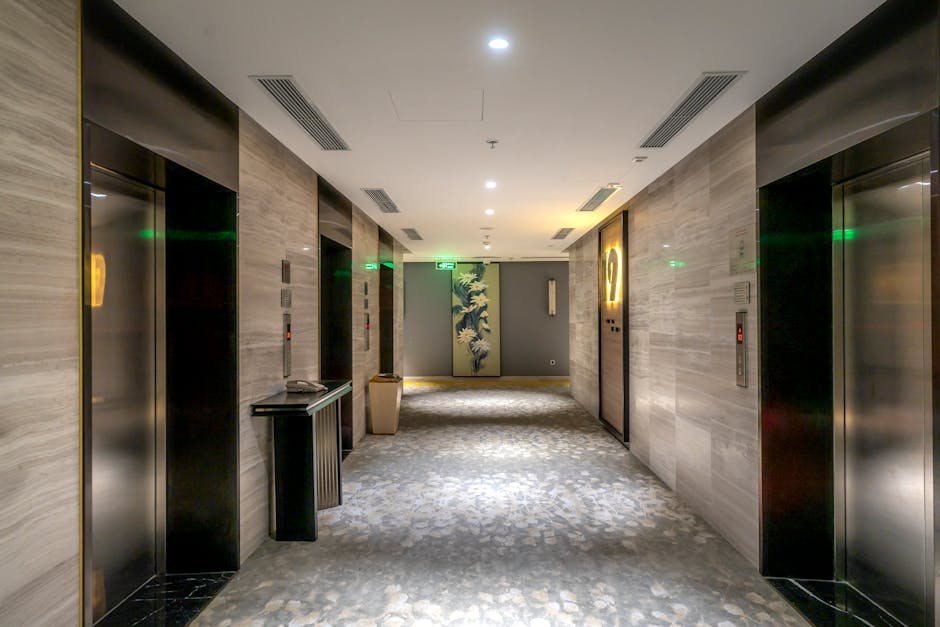
    Spacious hotel hallway with elevators and contemporary decor.

    Key Factors to Consider When Choosing Hotel Furniture Wholesale

    Selecting the right furniture for your hospitality project involves a meticulous evaluation of several critical factors. Each element plays a vital role in the longevity, functionality, and aesthetic appeal of your investment.

    hotel furniture wholesale

    Material Durability and Construction Quality

    The choice of materials directly impacts furniture lifespan and guest satisfaction. For high-traffic areas, look for solid hardwood frames, commercial-grade fabrics with high double-rub counts (e.g., 50,000+), and finishes resistant to scratches and moisture. Consider eco-friendly options like FSC-certified wood or recycled metals, which also appeal to environmentally conscious guests. Always prioritize robust construction techniques such as mortise and tenon joinery over less durable methods.

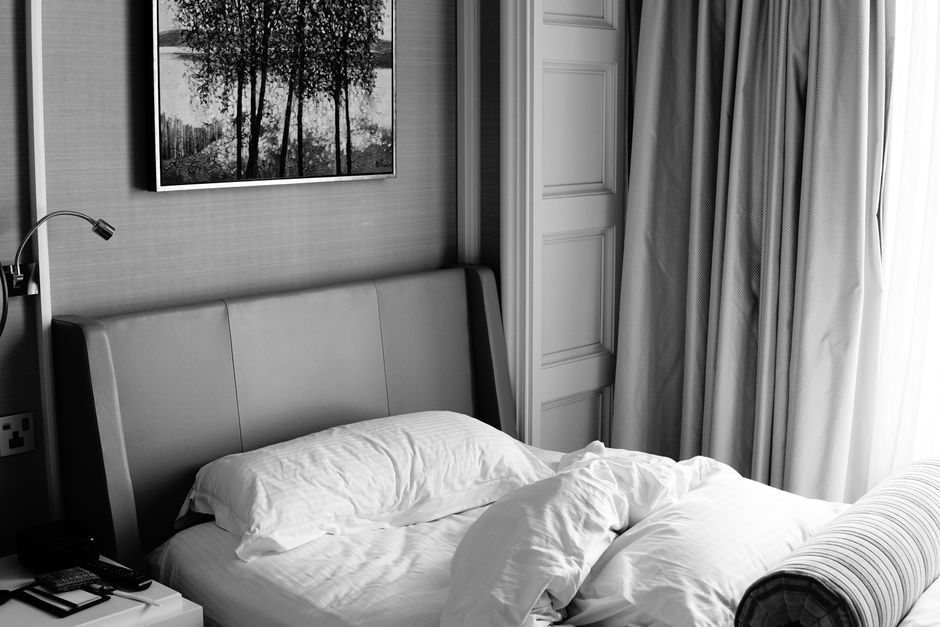
    A stylish bedroom with monochrome decor, featuring a bed and artistic wall art.

    Design Cohesion and Customization Capabilities

    Your furniture should seamlessly integrate with your hotel’s architectural style and brand narrative. A reliable wholesale partner should offer extensive customization options, allowing you to specify dimensions, finishes, fabrics, and unique design elements. This ensures a truly bespoke environment that differentiates your property. An in-house design team can be invaluable here, helping to translate your vision into practical, aesthetically pleasing furniture solutions.

    hotel bedroom design

    Logistics, Lead Times, and Installation Support

    Efficient project management hinges on clear communication regarding manufacturing lead times, shipping, and installation. Inquire about the vendor’s logistics capabilities, including global shipping experience and white-glove delivery options. Delays can be costly, so a partner with a proven track record for on-time delivery and comprehensive installation support is crucial. Understanding the full supply chain from factory to room is essential.

    hospitality interior

    Budget Allocation and Value Engineering

    While securing a competitive hotel furniture price is important, focus on value engineering rather than just the lowest bid. This involves optimizing materials and design to achieve desired aesthetics and durability within budget constraints, without compromising quality. A transparent pricing structure and itemized quotes allow for informed decision-making and prevent hidden costs later in the project. Always request detailed breakdowns for each furniture piece.

    Sustainability and Certifications

    Increasingly, guests and developers prioritize sustainability. Look for manufacturers with certifications like FSC (Forest Stewardship Council) for wood, Greenguard for indoor air quality, or ISO 14001 for environmental management. Reputable global suppliers, like Zhobai Hotel Furniture, also hold certifications such as CE, ISO, SGS, and FDA, which attest to product quality, safety, and ethical manufacturing practices across international markets. These certifications provide assurance of quality and compliance.

    Common Mistakes Hotels Make with Hotel Furniture Wholesale

    Even experienced professionals can encounter pitfalls when sourcing custom hotel furniture. Avoiding these common errors can save significant time, money, and protect your brand’s reputation.

    Prioritizing Low Upfront Cost Over Long-Term Value

    One of the most frequent mistakes is choosing the cheapest option without considering the total cost of ownership. Furniture that appears inexpensive upfront often uses inferior materials and construction, leading to premature wear, frequent repairs, and early replacement. This can result in a 25-40% higher lifecycle cost compared to a moderate initial investment in quality pieces. Always evaluate the long-term durability and maintenance requirements.

    Underestimating Lead Times and Logistics Complexities

    Failure to accurately account for manufacturing lead times, shipping delays, customs clearance, and local delivery can derail an entire project timeline. Custom furniture orders, especially for large-scale hotel furniture wholesale projects, can take 10-16 weeks for manufacturing alone, plus several weeks for international shipping. Without proper planning, this can lead to costly project delays, impacting opening dates and revenue projections.

    Neglecting Customization for a Unique Guest Experience

    Opting for off-the-shelf furniture to save time or perceived cost can result in a generic, uninspired hotel interior. In a market where unique experiences drive bookings, failing to customize means missing an opportunity to create a distinctive brand identity. While customization adds a layer of planning, it significantly enhances guest perception and allows for optimal use of unique room layouts. A truly memorable stay often begins with the distinctive design of the space.

    Failing to Vet Manufacturer Certifications and Track Record

    Working with an unverified supplier can lead to significant quality issues, missed deadlines, or even legal complications. Always verify a manufacturer’s certifications (e.g., ISO, CE, SGS), request client references, and review their portfolio of similar projects. A proven track record of delivering high-quality, on-time furniture to other prominent hotels is a strong indicator of reliability and expertise. This due diligence is critical for safeguarding your investment.

    Ignoring Post-Purchase Support and Warranty

    The relationship with your furniture supplier should not end at delivery. Neglecting to clarify warranty terms, after-sales service, and replacement part availability can leave you vulnerable if issues arise. A comprehensive warranty (typically 1-5 years for commercial furniture) and readily available support for repairs or replacements are essential for protecting your investment and ensuring operational continuity. This foresight minimizes future disruptions.

    Latest Trends and Innovations in Hotel Furniture Wholesale (2024-2025)

    The hospitality industry is dynamic, with design trends continually evolving to meet changing guest expectations. Staying abreast of these innovations ensures your property remains fresh, relevant, and appealing to modern travelers.

    Sustainable and Eco-Friendly Materials

    Sustainability is no longer a niche, but a core expectation. The trend toward furniture made from recycled, reclaimed, or rapidly renewable resources is accelerating. Guests are actively seeking hotels that demonstrate environmental responsibility. Expect to see more furniture crafted from recycled plastics, bamboo, cork, and low-VOC (Volatile Organic Compound) finishes, contributing to healthier indoor air quality and a smaller carbon footprint. This commitment resonates deeply with today’s conscious consumer.

    Biophilic Design Integration

    Connecting guests with nature enhances well-being and relaxation. Biophilic design principles are integrating natural elements into furniture through organic shapes, earth-toned fabrics, and materials like natural wood and rattan. Furniture designs often mimic natural forms, bringing a sense of calm and serenity indoors. Think living walls, natural light optimization, and furniture arrangements that blur the lines between indoor and outdoor spaces, creating a restorative atmosphere.

    Smart Furniture and Integrated Technology

    As technology becomes seamless, so does smart furniture. Expect integrated charging ports (USB-C, wireless), discreet lighting controls, and even smart sensors within furniture that monitor occupancy or adjust settings. These innovations enhance convenience for guests without cluttering the aesthetic. For instance, bedside tables with built-in wireless charging pads or lounge chairs with integrated reading lights offer subtle yet significant upgrades to the guest experience.

    Modularity and Multi-Functional Pieces

    Maximizing space and offering flexibility are key, especially in urban hotels. Modular seating, convertible sofa beds, and tables that adjust in height or expand are becoming standard. These pieces allow hotels to quickly adapt rooms or common areas for different uses, from co-working spaces during the day to social lounges in the evening. This adaptability provides operational efficiency and caters to diverse guest needs, making every square foot work harder.

    Embracing Local Craftsmanship and Unique Narratives

    Guests increasingly desire authentic, localized experiences. This translates to a trend in hotel furniture wholesale towards pieces that tell a story, often through local craftsmanship, unique artistic elements, or cultural motifs. Incorporating bespoke, handcrafted items from local artisans adds character, supports regional economies, and provides a distinctive sense of place that mass-produced items cannot replicate. This helps create a truly memorable and unique identity for the property.

    How to Work With a Reliable Hotel Furniture Wholesale Partner

    Forging a strong partnership with your furniture supplier is paramount for successful project execution. It extends beyond a transactional relationship to a collaborative effort focused on shared goals.

    Define Your Project Scope and Specifications Clearly

    Before engaging suppliers, have a meticulously detailed project brief. This should include floor plans, design concepts, material preferences, budget parameters, and a precise timeline. The clearer your specifications, the more accurate the quotes and the smoother the production process will be. Ambiguity can lead to costly misunderstandings and delays, so invest time in this initial stage.

    Evaluate Experience and Portfolio

    Look for hotel furniture manufacturers with extensive experience in projects similar to yours, particularly in your target market or hotel star rating. Review their portfolio for quality, design versatility, and scale of past projects. A manufacturer with 15+ years of experience, like Zhobai Hotel Furniture, specializing in 5-star hotels, resorts, and boutique properties, demonstrates a proven capability to handle complex, high-value orders. Their global reach across continents also highlights their logistical prowess.

    Assess Design and Customization Capabilities

    Your partner should not just supply furniture, but also contribute to your design vision. A professional in-house design team is a significant asset, capable of creating tailored spaces and offering value engineering suggestions. They should be able to provide detailed CAD drawings, 3D renderings, and material samples to ensure your design intent is perfectly realized. This collaborative design approach ensures functionality meets aesthetics.

    Confirm Manufacturing, Quality Control, and Supply Chain Expertise

    A truly reliable partner offers a comprehensive one-stop solution. This includes early-stage planning, design, manufacturing, rigorous quality control, efficient logistics, and professional installation. Inquire about their factory processes, quality assurance protocols, and supply chain transparency. A robust system minimizes risks and ensures consistent product quality from raw material to final delivery. For detailed service offerings, consider exploring a partner’s services page.

    Prioritize Communication and Post-Sale Support

    Open and consistent communication is the cornerstone of any successful partnership. Ensure your chosen supplier provides a dedicated project manager and regular updates. Furthermore, clarify their after-sales support, including warranty terms, spare parts availability, and responsiveness to any issues post-installation. A commitment to long-term client relationships is a hallmark of a truly dependable partner. For information on hotel furniture price, always request a comprehensive guide.

    Frequently Asked Questions

    What is the typical lead time for custom hotel furniture wholesale orders?

    For custom hotel furniture wholesale, lead times typically range from 8 to 16 weeks for manufacturing, depending on the complexity, volume, and material availability. This does not include shipping time, which can add another 3-6 weeks for international orders. It is crucial to factor in these timelines during your project planning to avoid delays. Always confirm the lead time for your specific order with the manufacturer.

    How does customization impact the hotel furniture price?

    Customization generally increases the unit hotel furniture price compared to standard catalog items due to unique tooling, specific material sourcing, and specialized labor. However, this premium often translates to higher guest satisfaction, stronger brand identity, and optimal space utilization, offering a significant return on investment. Many manufacturers also offer value engineering to balance customization desires with budget constraints.

    What quality certifications should I look for in hotel furniture manufacturers?

    Look for certifications such as ISO 9001 (Quality Management), ISO 14001 (Environmental Management), CE (European conformity), SGS (quality and integrity verification), and possibly FDA (for specific healthcare applications). These certifications indicate adherence to international standards for quality, safety, and environmental responsibility, providing assurance in your hotel furniture wholesale purchase.

    Can I get samples before placing a large hotel furniture wholesale order?

    Yes, reputable hotel furniture manufacturers almost always provide samples for materials, finishes, and sometimes even prototype furniture pieces. This allows you to assess quality, color accuracy, and overall aesthetic before committing to a full production run. It is a critical step in ensuring the final product meets your expectations and design standards. Always request samples to minimize risk.

    What is the difference between OEM and ODM services for hotel furniture?

    OEM (Original Equipment Manufacturer) involves manufacturing furniture based on your exact designs and specifications. ODM (Original Design Manufacturer) involves the manufacturer designing and producing furniture based on your general concept or requirements, often using their existing designs which are then customized. Many hotel furniture manufacturers offer both, providing flexibility based on your project’s design needs and internal capabilities.

    Navigating the complexities of hotel furniture wholesale requires expertise, precision, and a partner who understands your vision and operational demands. Whether you’re planning a new build or a renovation, our team at Zhobai Hotel Furniture is here to help translate your design aspirations into tangible, high-quality furniture solutions. Reach out to us for a personalized consultation to discuss your project and discover how our one-stop solution can streamline your sourcing process and elevate your guest experience.

  • Factory Design Hotel Furniture: Sourcing Guide

    Factory Design Hotel Furniture: Sourcing Guide

    In the competitive hospitality market, guest satisfaction and operational efficiency are paramount. Furniture, often representing 10-15% of a hotel’s total build or renovation budget, directly influences both. Yet, many hotel owners and developers grapple with inconsistent quality, budget overruns, and delayed timelines when sourcing custom pieces. Embracing a direct-from-factory design hotel approach is no longer a niche strategy; it is a critical pivot for securing high-value, bespoke furniture that elevates guest experience while optimizing project costs and timelines.

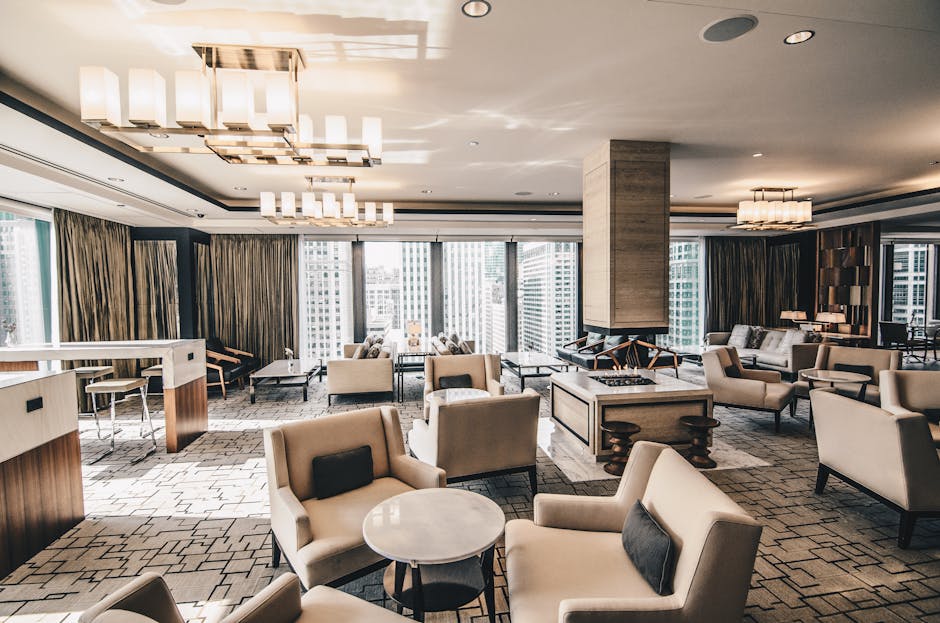
    A modern hotel lobby featuring custom-designed seating and tables, showcasing high-quality factory design hotel furniture.
    Photo by Michael on Pexels

    Why Factory Design Hotel is Critical for Hotel Success

    Opting for a direct factory design approach offers substantial advantages over traditional procurement channels. It streamlines the supply chain, eliminating intermediary markups that can inflate costs by 20-30%. This direct engagement ensures greater control over material selection, manufacturing processes, and quality assurance, leading to superior durability and aesthetic consistency across all furniture pieces.

    A luxurious hotel guest room with bespoke wooden casegoods and upholstered chairs, reflecting a premium factory design hotel aesthetic.
    Photo by Wolfgang Weiser on Pexels

    Learn more about certified quality standards.

    Learn more about one-stop hotel furniture solutions.

    An intricate workshop setting where skilled craftsmen are assembling custom pieces for a factory design hotel project, emphasizing attention to detail.
    Photo by Masood Aslami on Pexels

    Learn more about guide to factory design hotel furniture.

    Furthermore, direct factory collaboration significantly reduces project lead times. Manufacturers can often deliver custom orders 4-6 weeks faster than distributors, minimizing hotel downtime during renovations or accelerating the opening of new builds. This efficiency translates directly into quicker revenue generation and a stronger return on investment (ROI), crucial for profitability in a market where every week counts.

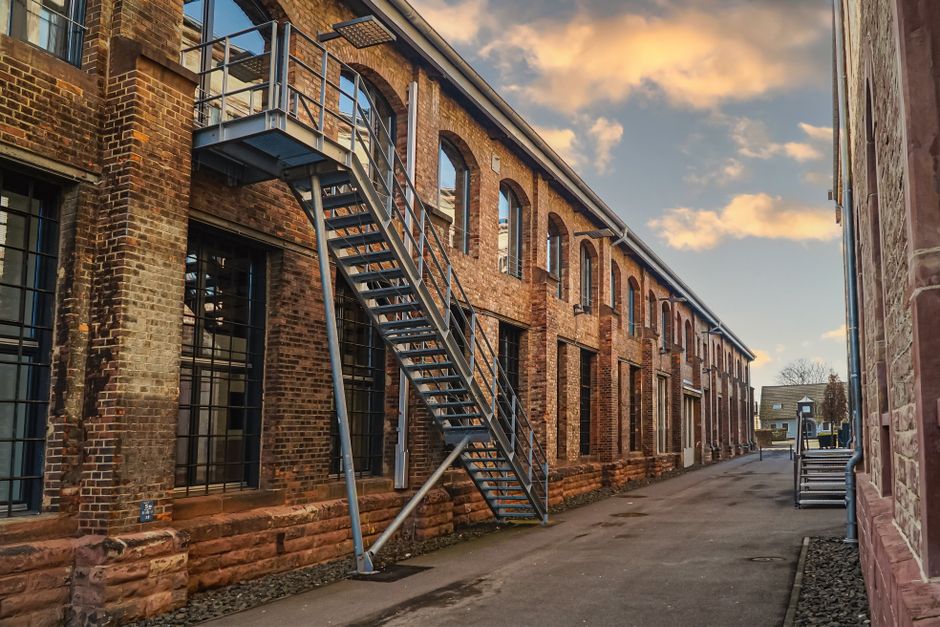
    A vintage industrial interior with exposed pipes, brick walls, and metal staircases, captured in natural light.
    Photo by Sami TÜRK on Pexels

    Key Factors to Consider When Choosing a Factory Design Hotel Partner

    Selecting the right manufacturing partner is paramount for successful custom furniture projects. Evaluate potential factories on several key criteria to ensure they align with your project’s unique demands and quality standards.

    Black and white photo of a hotel facade with 'New York' signage, showcasing urban architecture.
    Photo by Henk Mohabier on Pexels
    • Customization Capabilities and Design Expertise

      A leading factory design partner should offer full OEM/ODM services, allowing for complete design flexibility from concept to prototype. Look for an in-house design team that can translate your vision or an interior designer’s plans into manufacturable solutions, providing detailed shop drawings and material suggestions. Their ability to handle complex custom pieces, from guest room casegoods to public area seating, is essential.

      Symmetrical facade of an old industrial building with brick walls and large windows.
      Photo by Mike van Schoonderwalt on Pexels
    • Material Sourcing and Quality Control

      Inquire about their raw material sourcing policies. A reputable manufacturer prioritizes durable, high-grade materials like solid wood, fire-retardant fabrics, and high-density foam, ensuring furniture longevity. Robust multi-stage quality control (QC) procedures, from material inspection to final assembly, are non-negotiable. Request samples and factory tours to verify their commitment to craftsmanship.

      Contemporary hotel facade featuring minimalist design and geometric window patterns.
      Photo by Jan van der Wolf on Pexels
    • Certifications and Compliance

      Ensure the factory holds relevant international certifications such as CE, ISO 9001 (quality management), ISO 14001 (environmental management), SGS (quality verification), and potentially FDA for healthcare-related projects. These certifications demonstrate adherence to global safety, quality, and ethical manufacturing standards, protecting your investment and ensuring product reliability.

      The Fagus Factory in Alfeld, Germany, showcases early modern architecture.
      Photo by Wolfgang Weiser on Pexels
    • Project Management and Logistics

      An effective partner provides comprehensive project management, including a dedicated point of contact. They should offer a one-stop solution encompassing early-stage planning, design, manufacturing, logistics, and installation. This integrated approach minimizes coordination headaches and ensures seamless execution, especially for international exports across continents like Europe, North America, and Africa.

    Common Mistakes Hotels Make with Factory Design Hotel Furniture

    Even experienced professionals can encounter pitfalls when sourcing custom hotel furniture directly from a factory. Avoiding these common errors can save significant time and money.

    • Neglecting Detailed Specifications

      One of the most frequent mistakes is providing insufficient or ambiguous specifications. Vague requirements for materials, dimensions, finishes, or hardware can lead to costly rework, delays, and furniture that doesn’t meet expectations. Always provide precise technical drawings, material samples, and finish schedules.

    • Underestimating Lead Times and Logistics

      While direct factory sourcing can be faster, it still requires realistic planning. Overlooking production timelines, shipping schedules, customs clearance, and local delivery can cause project delays. Factor in buffer time for unexpected issues, especially for international shipments. A seasoned partner will provide transparent logistics planning.

    • Prioritizing Price Over Value and Durability

      Focusing solely on the lowest bid often results in compromising material quality and construction. Cheaply made furniture may save upfront costs but quickly leads to higher maintenance, repair, and replacement expenses within a few years. Invest in durable pieces that withstand the rigors of hospitality use for a superior long-term ROI.

    • Skipping Prototype Approval

      Failing to request and thoroughly review a prototype or mock-up before mass production is a critical oversight. A prototype allows you to assess design, functionality, comfort, and finish quality, identifying and correcting issues before large-scale manufacturing begins. This step is invaluable for a successful factory design hotel project.

    Latest Trends and Innovations in Factory Design Hotel Furniture (2024-2025)

    The hospitality furniture landscape is continually evolving, driven by guest expectations, technological advancements, and sustainability concerns. Staying abreast of these trends ensures your hotel remains competitive and appealing.

    • Sustainable and Eco-Friendly Materials

      There’s a growing demand for furniture made from recycled, reclaimed, or sustainably sourced materials like FSC-certified wood, bamboo, and recycled plastics. Guests increasingly prefer hotels that demonstrate environmental responsibility. Manufacturers are innovating with low-VOC finishes and energy-efficient production processes.

    • Integrated Technology and Smart Furniture

      Expect to see more furniture with built-in charging stations (USB-C, wireless), smart lighting controls, and even integrated audio systems. Desks with adjustable heights and beds with automated settings are becoming more common, enhancing guest convenience and experience.

    • Modular and Multifunctional Designs

      Space optimization is key, especially in urban hotels. Modular furniture that can be reconfigured for different uses (e.g., a sofa that converts into a workspace, movable privacy screens) offers flexibility and maximizes room utility. These adaptable pieces enhance guest comfort and provide operational advantages.

    • Biophilic Design Integration

      Bringing nature indoors continues to be a strong trend. Furniture incorporating natural textures, organic shapes, and even living elements (e.g., planters integrated into room dividers or tables) creates calming, health-promoting environments. This approach aligns with guest desires for wellness and connection to nature.

    How to Work With a Reliable Factory Design Hotel Partner

    Establishing a successful partnership with a custom furniture manufacturer involves clear communication, meticulous planning, and mutual trust. Here’s a strategic approach:

    1. Define Your Project Scope and Budget Clearly

      Before engaging, have a precise understanding of your project’s needs, including the quantity and type of furniture, aesthetic vision, material preferences, and budget constraints. This clarity allows manufacturers to provide accurate quotes and realistic timelines.

    2. Conduct Thorough Due Diligence

      Research potential partners extensively. Review their portfolio, client testimonials, and certifications. Request references from previous hospitality clients. A factory with 15+ years of experience, like Zhobai Hotel Furniture, specializing in 5-star hotels and resorts, brings invaluable expertise to complex projects.

    3. Engage Early in the Design Process

      Involve your chosen factory partner during the early planning and design stages. Their in-house design team can offer practical insights into material suitability, construction methods, and cost-saving opportunities, often identifying potential issues before they become expensive problems. This collaborative approach ensures the design is not only beautiful but also manufacturable and durable.

    4. Establish Clear Communication Channels

      Designate a primary point of contact on both sides to streamline communication. Regular updates, progress reports, and prompt responses to inquiries are vital for keeping the project on track. Zhobai Hotel Furniture prides itself on providing a one-stop solution, ensuring seamless communication from planning to installation.

    5. Finalize Contracts and Payment Terms

      Ensure all project details, including specifications, timelines, payment schedules, and warranty information, are clearly stipulated in a comprehensive contract. Understand the factory’s payment structure, typically involving an upfront deposit, progress payments, and a final balance upon delivery or installation.

    Frequently Asked Questions

    • What is the typical lead time for custom hotel furniture from a factory?

      Generally, lead times range from 8 to 16 weeks, depending on the complexity of the design, material availability, and order volume. This period typically starts after design approval and prototype sign-off, excluding shipping time.

    • How do factories ensure the quality of custom hotel furniture?

      Reputable factories implement stringent multi-stage quality control (QC) protocols: raw material inspection, in-process checks during manufacturing, and final inspection before packaging. Certifications (ISO, SGS) and third-party inspections further validate their quality standards.

    • Can I customize every aspect of the furniture when working with a factory?

      Yes, leading custom furniture manufacturers offer extensive OEM/ODM (Original Equipment Manufacturer/Original Design Manufacturer) services. This means you can customize dimensions, materials, finishes, hardware, and even integrate specific technologies to meet your exact brand and design requirements.

    • What are the benefits of a one-stop solution provider for hotel furniture?

      A one-stop solution simplifies the entire procurement process, from early-stage design and planning to manufacturing, logistics, and installation. It reduces coordination efforts, minimizes risks, ensures consistent quality, and often leads to more efficient project timelines and cost savings.

    Navigating the complexities of sourcing custom hotel furniture demands expertise and a strategic partner. By understanding the nuances of a direct factory design approach, you can significantly enhance your project’s efficiency, quality, and financial performance. We invite you to connect with Zhobai Hotel Furniture to explore how our 15+ years of experience and comprehensive one-stop solutions can bring your vision to life. Let us help you achieve unparalleled quality and value for your next hotel project.