标签: Hotel Furniture Trends

  • Custom Hotel Furniture Services: 2026 Sourcing Trends

    Custom Hotel Furniture Services: 2026 Sourcing Trends

    The hospitality sector in 2026 faces a convergence of forces unlike any seen in recent memory. Geopolitical shifts continue to impact global supply chains, while the imperative for environmental responsibility intensifies. Simultaneously, guest expectations have moved beyond mere comfort to demand deeply personalized, authentic, and wellness-focused experiences. These dynamics are profoundly reshaping how hotel owners, developers, FF&E procurement managers, interior designers, and hospitality contractors approach custom hotel furniture services. The era of off-the-shelf solutions is rapidly diminishing, replaced by a strategic demand for bespoke, resilient, and thoughtfully integrated FF&E.
    A modern hotel lobby featuring custom hotel furniture services, including modular seating in natural tones and a reception desk made of local stone.
    A modern hotel lobby featuring custom hotel furniture services, including modular seating in natural tones and a reception desk made of local stone | Zhobai Hotel Furniture

    Why Custom Hotel Furniture Services Are at an Inflection Point in 2026

    The landscape for sourcing and integrating custom hotel furniture services is undergoing a fundamental transformation. Several interconnected forces are driving this inflection point:
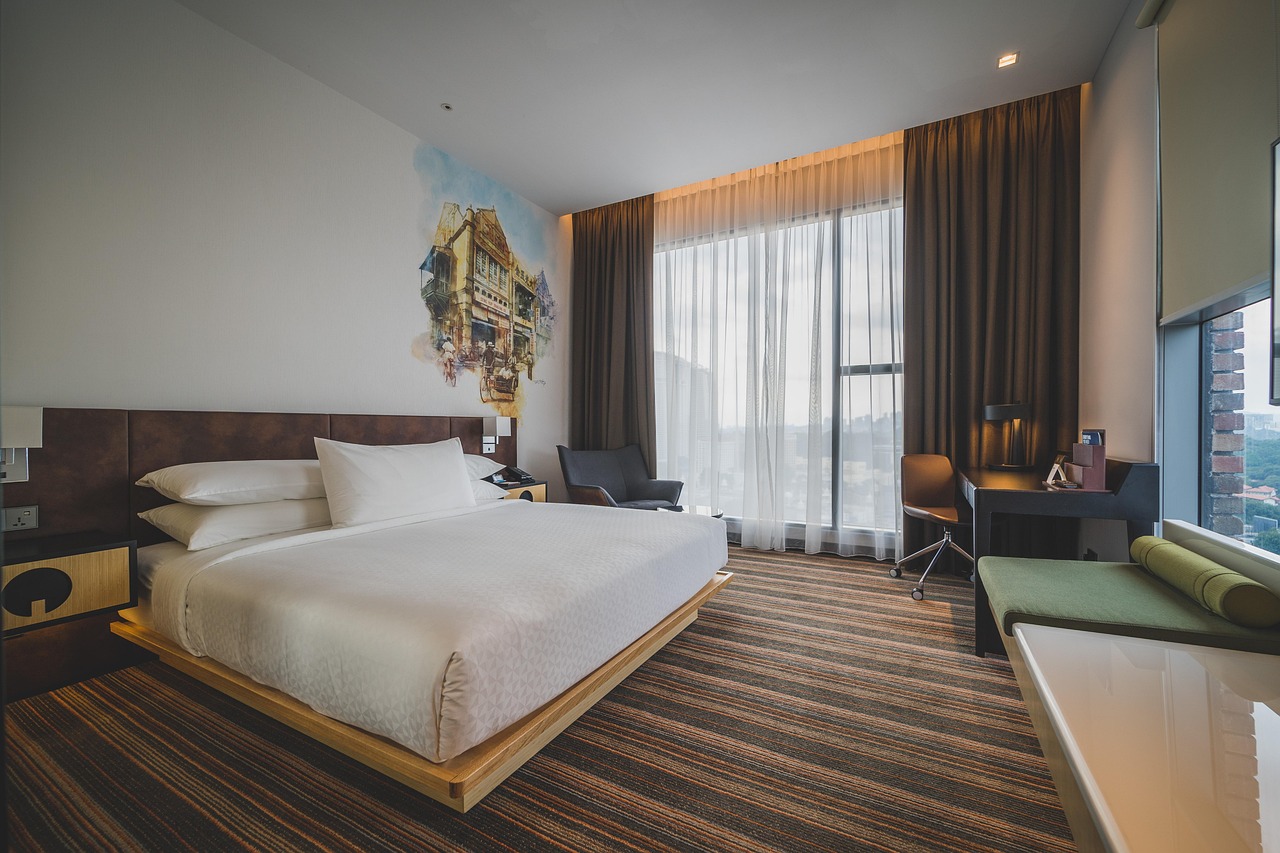
    A bespoke hospitality guestroom with a floating wooden desk, integrated lighting, and a comfortable armchair, reflecting personalized custom hotel furniture services.
    A bespoke hospitality guestroom with a floating wooden desk, integrated lighting, and a comfortable armchair, reflecting personalized custom hotel furniture services | Zhobai Hotel Furniture

    Learn more about Hotel Furniture Trends 2026.

    • Supply Chain Resilience: Lingering effects of global disruptions, coupled with new trade complexities, highlight the fragility of extended supply chains. Procurement teams are increasingly prioritizing manufacturers with robust, diversified sourcing strategies and transparent production timelines to mitigate risks and ensure project continuity.
    • Sustainability Pressure: Regulatory bodies across major markets are enacting stricter environmental mandates. Investors are scrutinizing ESG (Environmental, Social, Governance) performance, and guests are actively seeking out brands committed to eco-conscious practices. This translates into a non-negotiable demand for Eco-Friendly Commercial Grade Furniture, verifiable material origins, and responsible manufacturing processes.
    • Evolving Guest Expectations: Post-pandemic travelers prioritize intimate, sensory-rich environments over superficial spectacle. They seek authenticity, local connection, and spaces that support holistic well-being. This requires furniture that is not only aesthetically pleasing but also ergonomically sound, durable, and contributes to a unique narrative.
    • Cost Inflation and Value Engineering: Persistent inflation in raw material costs, labor, and logistics is pushing project budgets. This necessitates a shift from purely upfront cost considerations to a focus on lifecycle value, durability, and repairability, ensuring furniture investments yield long-term returns.
    • Technological Integration: Smart room features, integrated charging solutions, and seamless connectivity are no longer luxuries but expected amenities. Custom furniture must accommodate these technological demands without compromising design integrity or functionality.

    The Trends Redefining Custom Hotel Furniture Services Right Now

    As these forces converge, specific trends are emerging, redefining what successful custom hotel furniture services entail for discerning buyers.
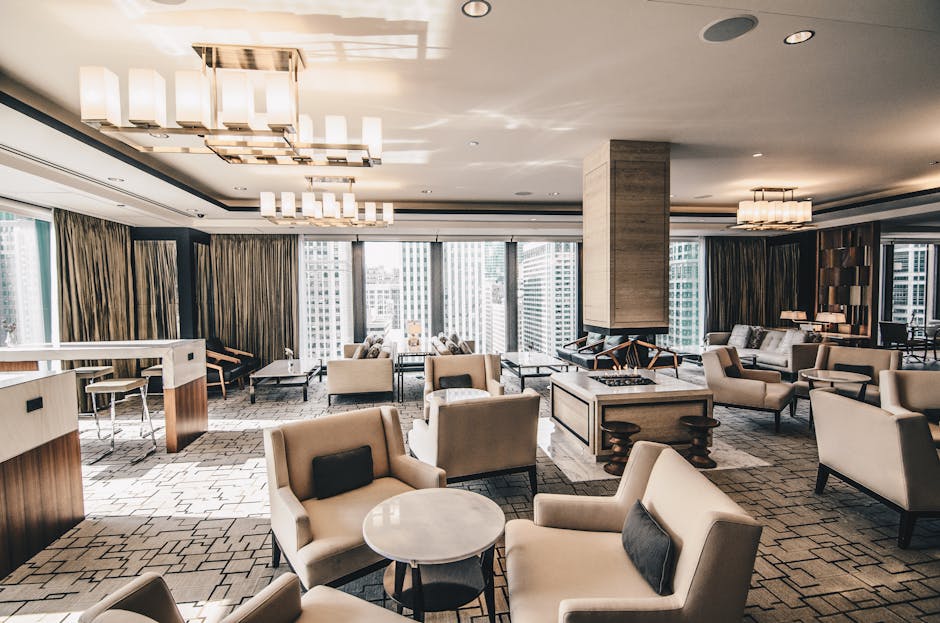
    A hotel public area designed with modular furniture elements, allowing for flexible configurations, showcasing innovative custom hotel furniture services.
    A hotel public area designed with modular furniture elements, allowing for flexible configurations, showcasing innovative custom hotel furniture services | Zhobai Hotel Furniture

    Hyper-Localization and Authentic Storytelling

    What is happening: The ‘global generic’ aesthetic is giving way to a profound emphasis on hyper-localization. Hotels are increasingly seeking to embed the unique culture, history, and natural environment of their location into every design element, including furniture.
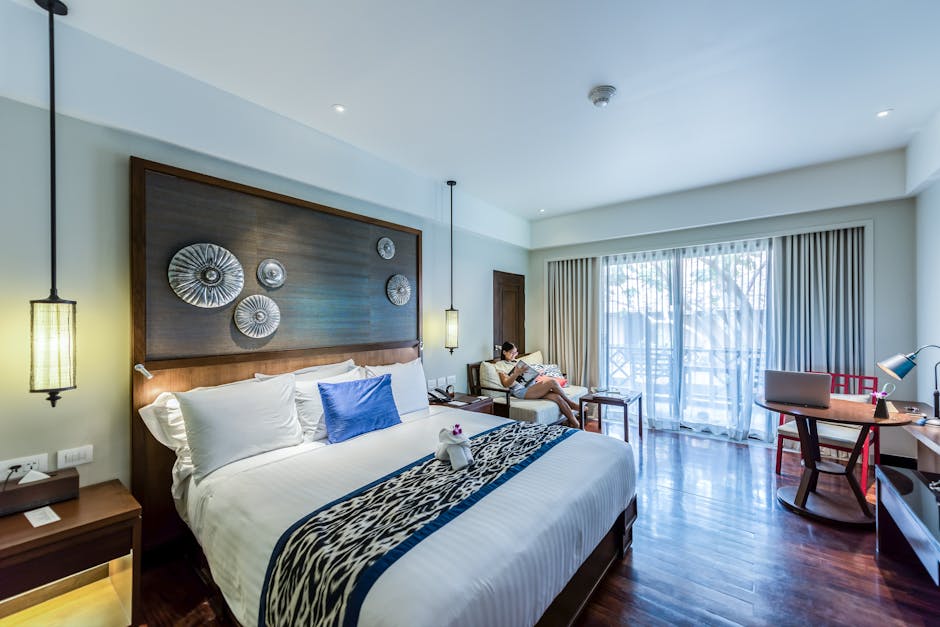
    A detail shot of high-quality, eco-friendly commercial grade furniture, highlighting precise joinery and sustainable material textures, a hallmark of excellent custom hotel furniture services.
    A detail shot of high-quality, eco-friendly commercial grade furniture, highlighting precise joinery and sustainable material textures, a hallmark of excellent custom hotel furniture services | Zhobai Hotel Furniture

    Why it is happening: Travelers, particularly the younger demographic, crave authentic, immersive experiences that connect them to a place. Social media platforms amplify unique, narrative-driven designs, making localized aesthetics a powerful differentiator. This trend aligns with a broader desire for genuine connection and a rejection of mass-produced uniformity.
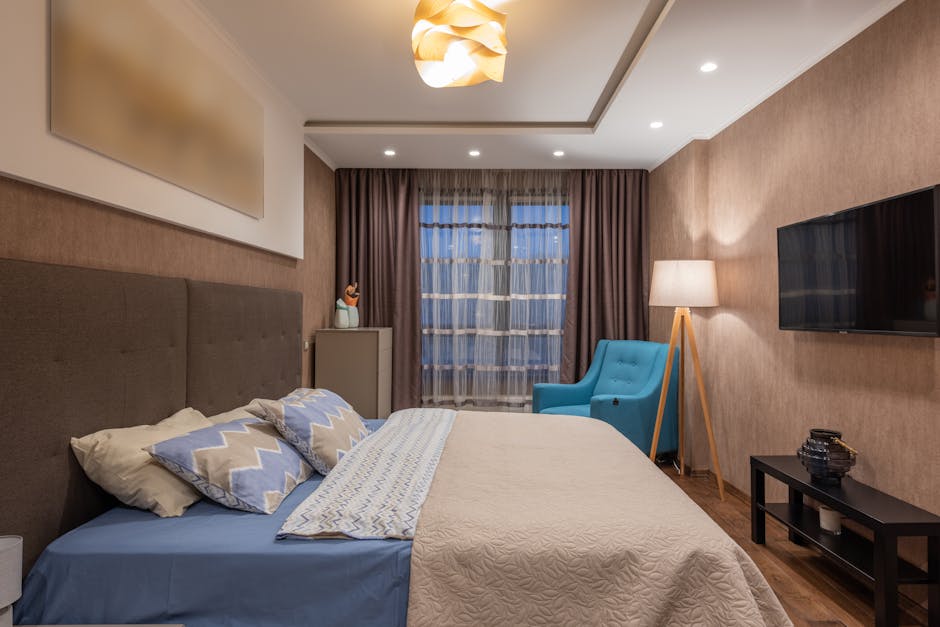
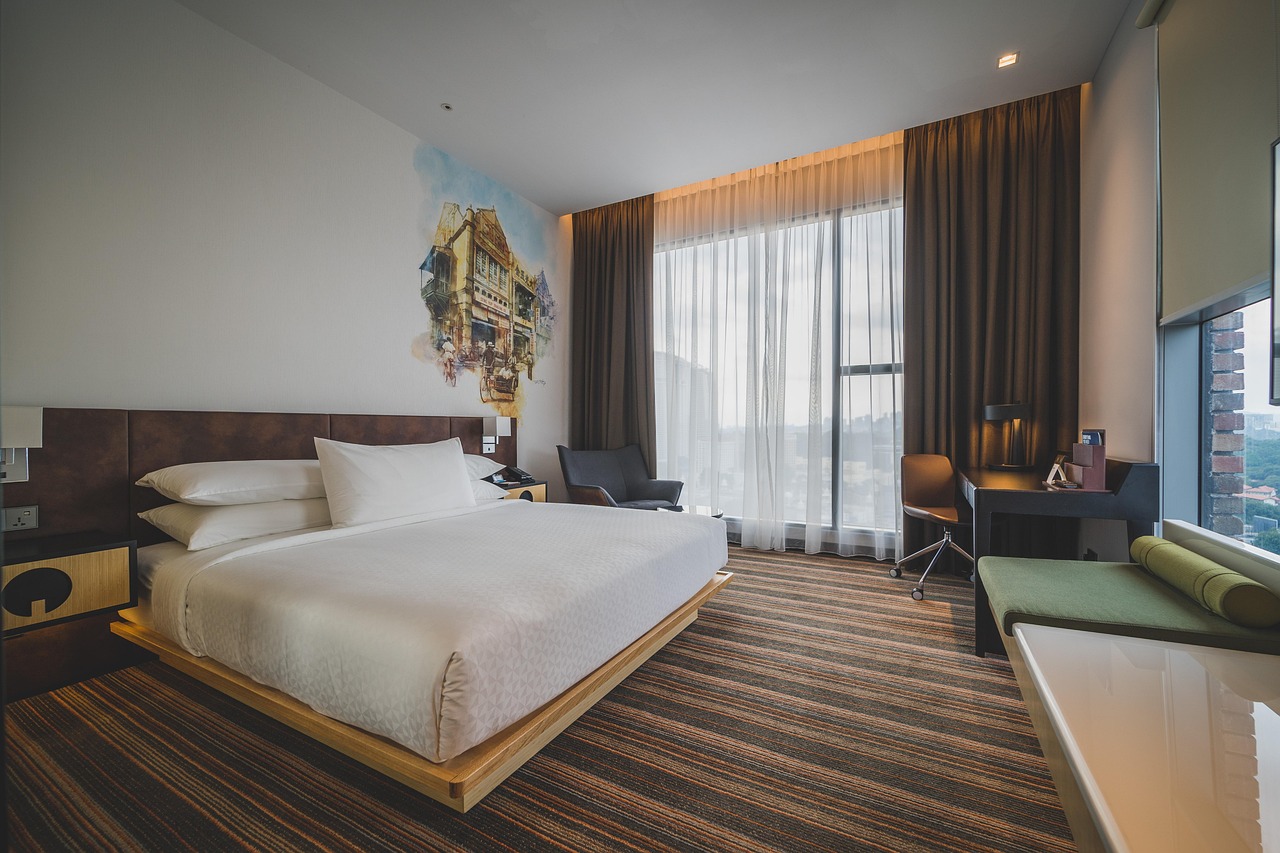
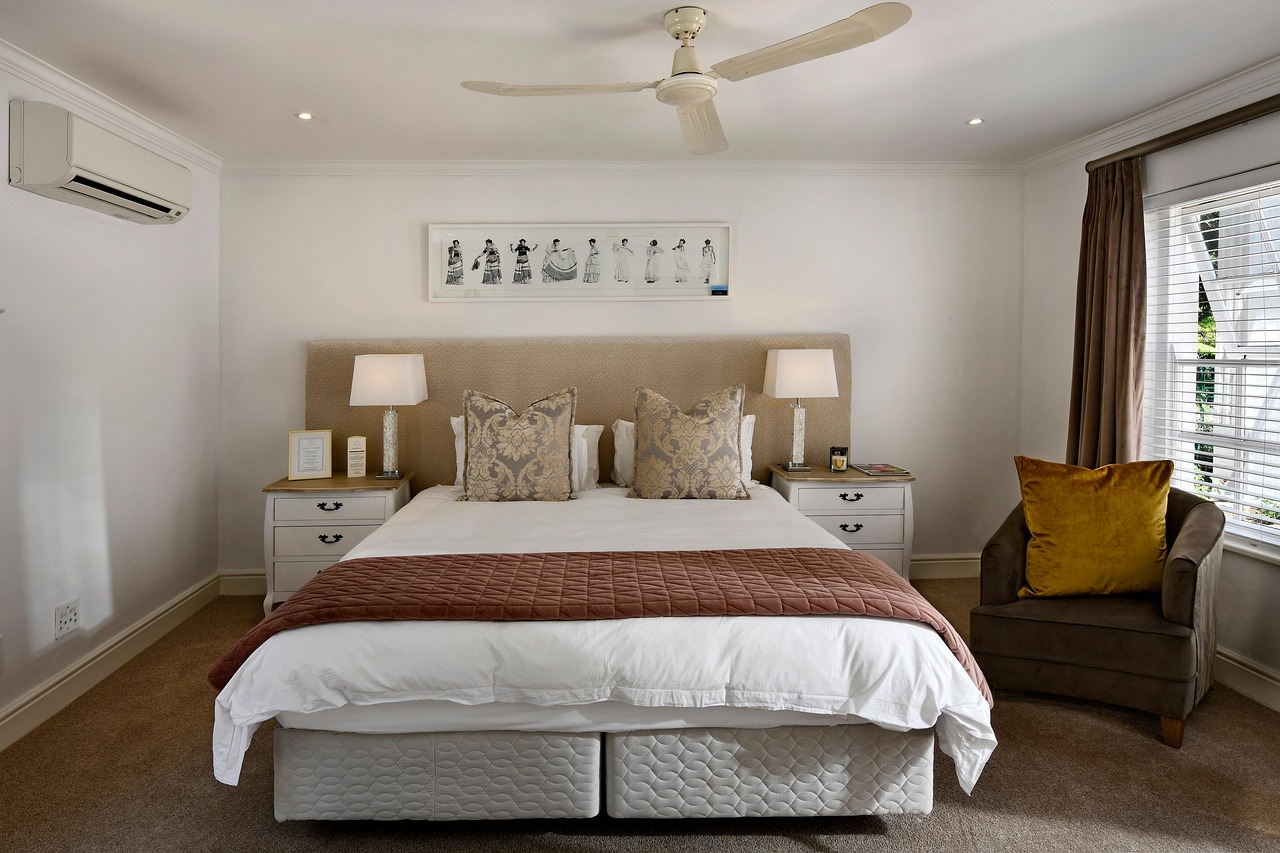
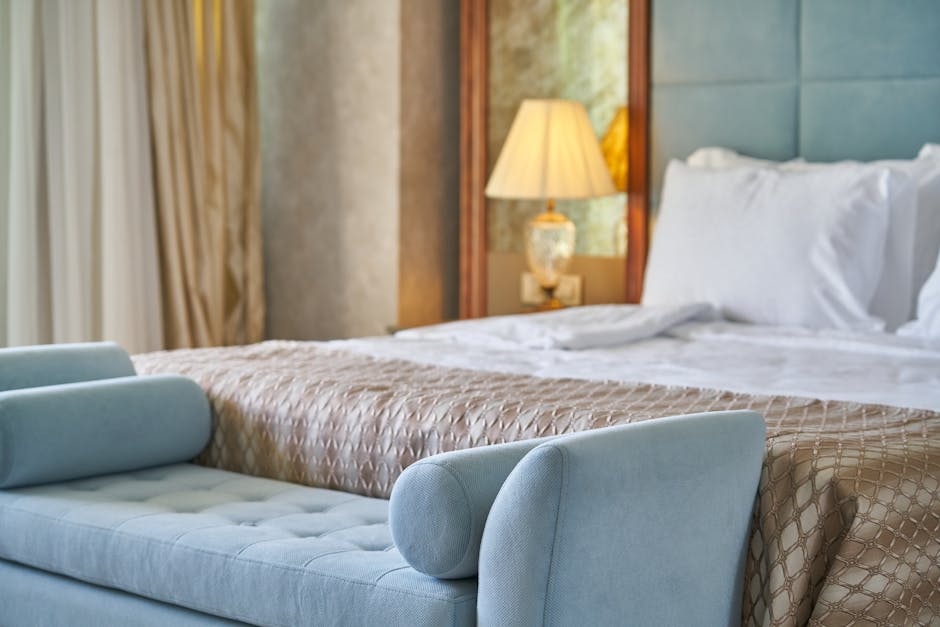
    Luxurious hotel bedroom featuring stylish decor and comfortable furnishings in a modern setting.
    Luxurious hotel bedroom featuring stylish decor and comfortable furnishings in a modern setting | Zhobai Hotel Furniture

    What it means for hotel buyers: Procurement teams need suppliers capable of translating regional narratives into furniture design. This involves sourcing local materials, collaborating with local artisans, and integrating cultural motifs and forms into custom hotel furniture services. It demands a design partner with a deep understanding of cultural nuances and the manufacturing flexibility to execute highly specific, bespoke pieces rather than generic collections.
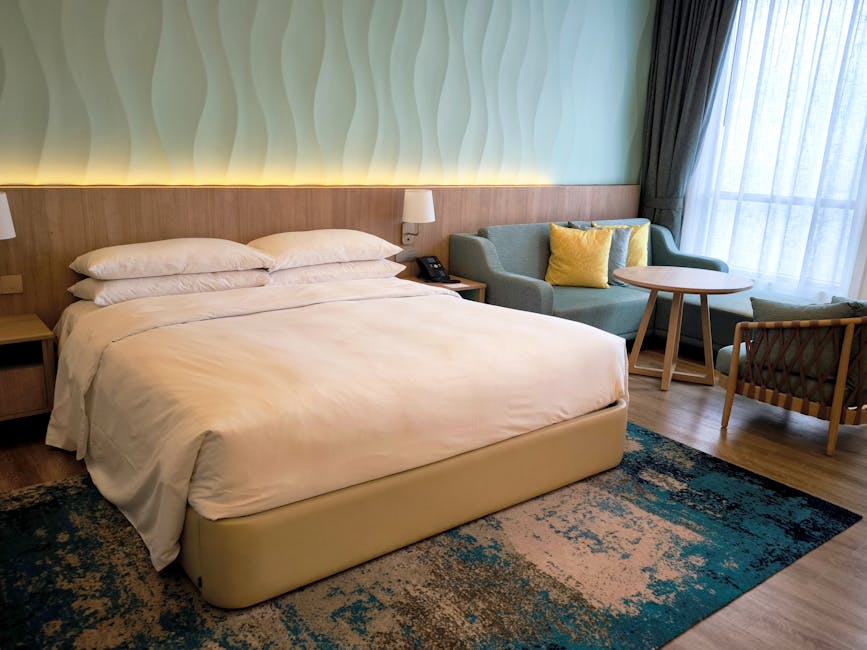
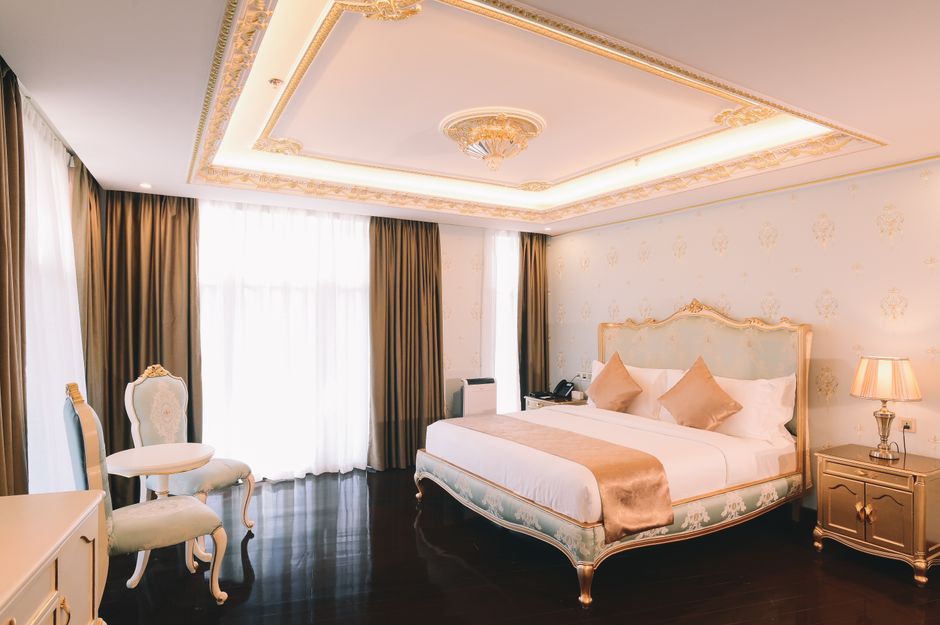
    Spacious hotel room featuring a comfy bed, stylish furniture, and elegant lighting for a luxurious stay.
    Spacious hotel room featuring a comfy bed, stylish furniture, and elegant lighting for a luxurious stay | Zhobai Hotel Furniture

    Multisensory Design and Emotional Resonance

    What is happening: Design focus is shifting from purely visual appeal to creating multisensory experiences that evoke specific emotions and promote well-being. How a space *feels* – through touch, sound, light, and ergonomics – is paramount.
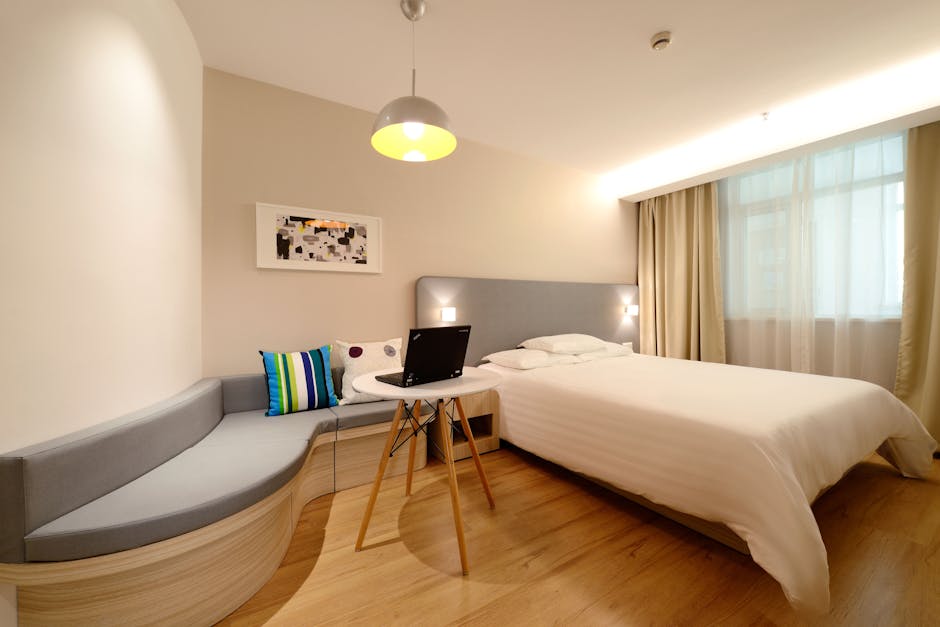
    Modern hotel room featuring a bed, laptop, and stylish decor with ample lighting.
    Modern hotel room featuring a bed, laptop, and stylish decor with ample lighting | Zhobai Hotel Furniture

    Why it is happening: The post-pandemic era has heightened awareness of personal space and well-being. Guests seek environments that offer calm, comfort, and restorative qualities. The digital overload of modern life also drives a desire for tactile, grounded experiences.
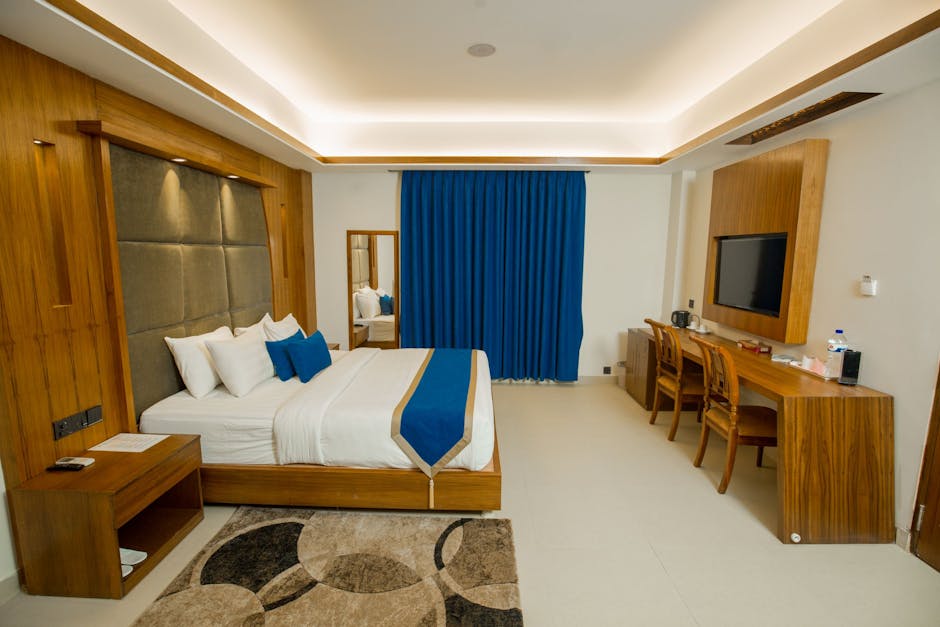
    Luxurious hotel room displaying modern interior design with elegant wooden furnishings.
    Luxurious hotel room displaying modern interior design with elegant wooden furnishings | Zhobai Hotel Furniture

    What it means for hotel buyers: When specifying custom hotel furniture services, buyers must look beyond surface aesthetics. This means prioritizing materials with inviting textures (honed stone, cork, natural wood, woven fabrics), designs that support optimal ergonomics for relaxation or work, and furniture forms that contribute to acoustic comfort. Suppliers must demonstrate expertise in material science, ergonomic design, and an understanding of how furniture interacts with lighting and spatial acoustics to create a holistic guest experience.
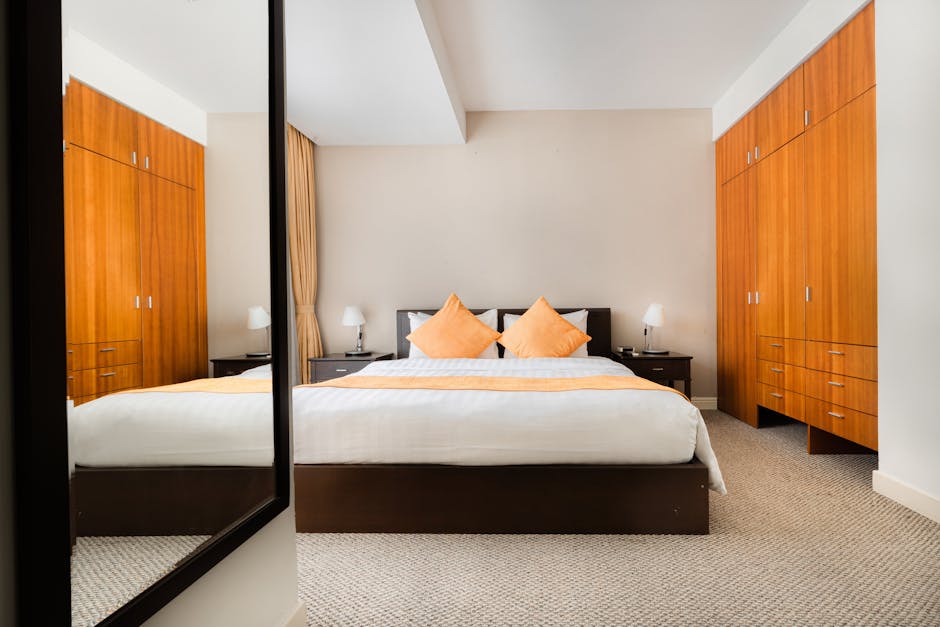
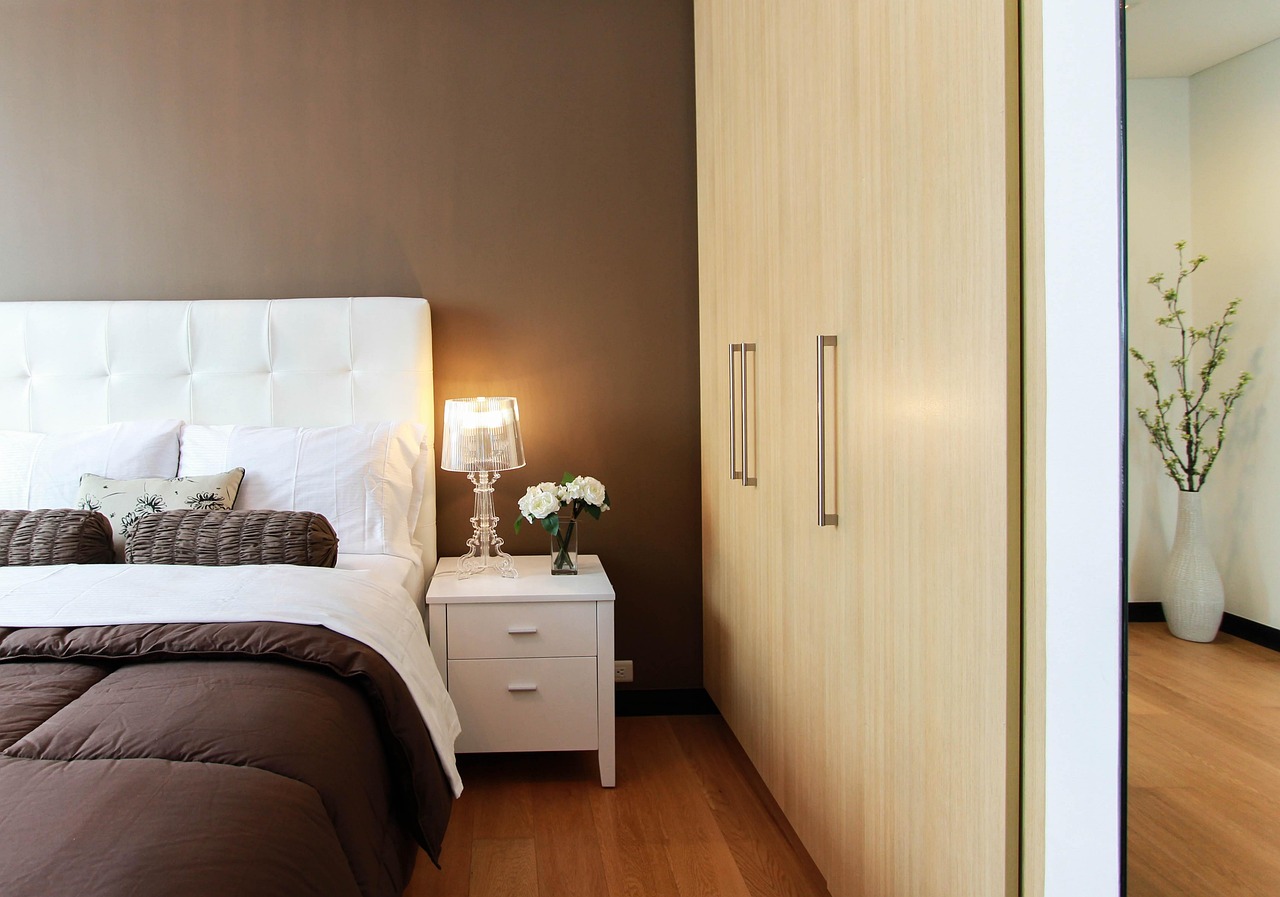
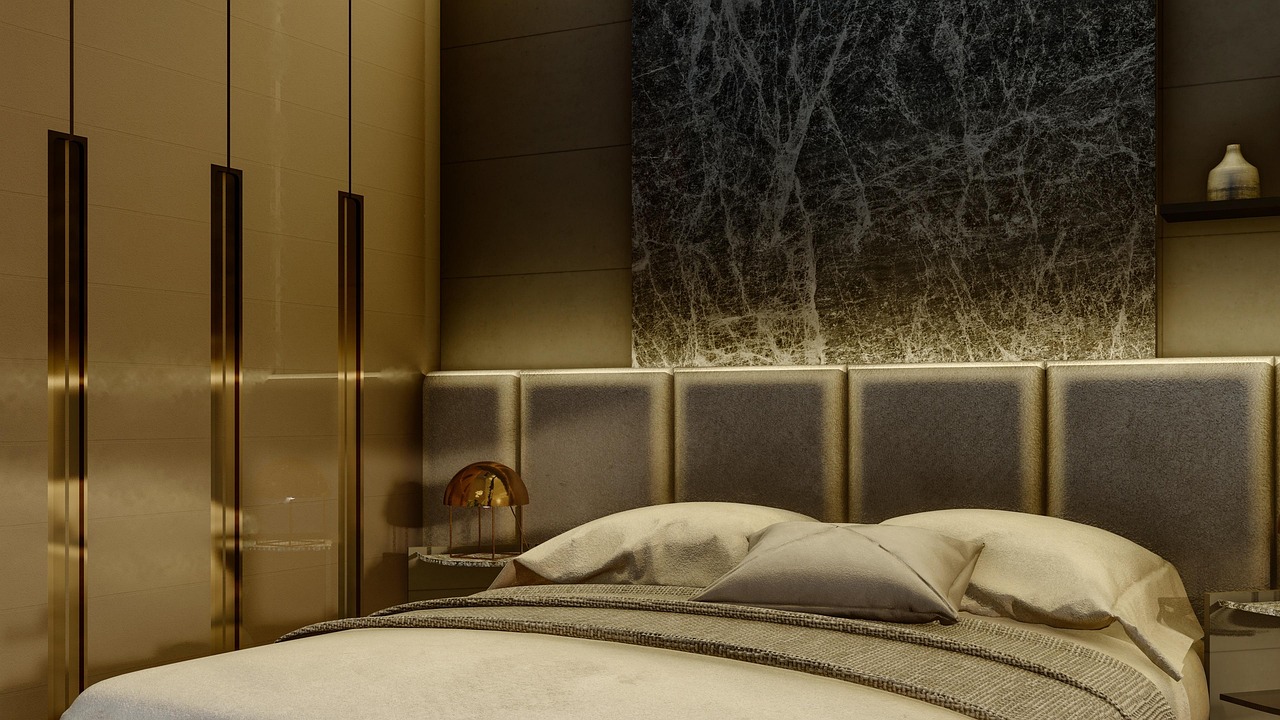
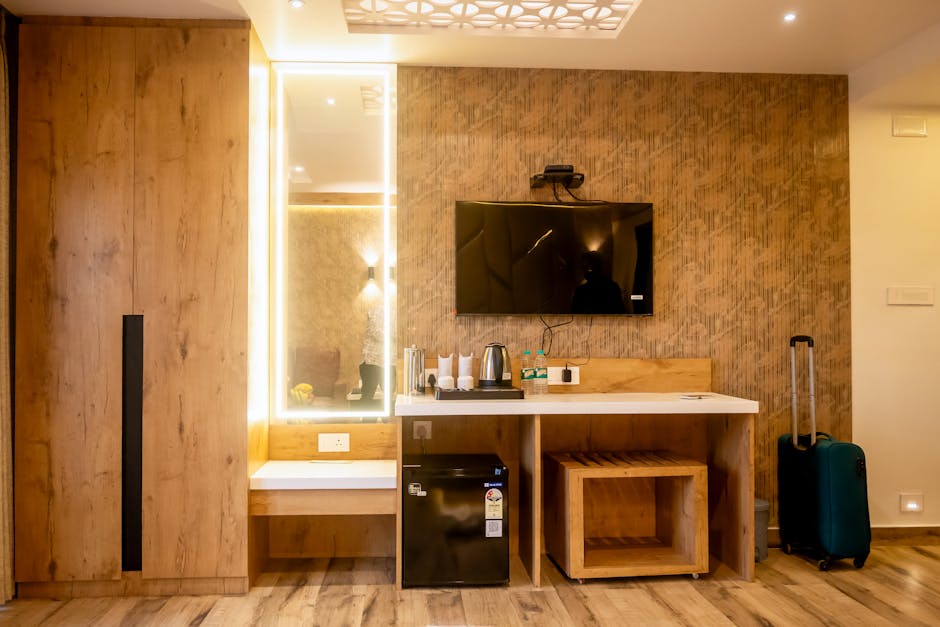
    Spacious modern bedroom with elegant decor, featuring a large mirror and stylish wardrobe.
    Spacious modern bedroom with elegant decor, featuring a large mirror and stylish wardrobe | Zhobai Hotel Furniture

    Durability, Lifecycle Value, and Circularity

    What is happening: There’s a growing demand for furniture that offers exceptional durability, can be easily repaired, and is designed with its entire lifecycle in mind, including eventual recycling or repurposing.

    Why it is happening: The dual pressures of sustainability and cost inflation make short-lived furniture economically and environmentally untenable. Hotels are seeking to extend the lifespan of their FF&E investments, reduce waste, and meet increasingly stringent ESG targets. The concept of a circular economy is gaining traction, influencing procurement decisions.

    What it means for hotel buyers: RFQs must now emphasize material specifications (e.g., solid wood construction, commercial-grade fabrics with high rub counts, robust joinery like mortise and tenon), warranty terms, and repairability. Buyers need to inquire about a manufacturer’s sustainability certifications, material traceability, and their approach to waste reduction. Opting for Modular Hotel Public Area Furniture designed for longevity and adaptability also becomes a strategic advantage.

    Adaptive and Multifunctional Spaces

    What is happening: Hotel spaces, particularly public areas and even guestrooms, are being designed for maximum flexibility, allowing them to adapt to different uses throughout the day or for various guest needs.

    Why it is happening: Hotels are striving to maximize revenue per square foot and cater to the diverse demands of modern travelers who may use a lobby for co-working, a restaurant for casual meetings, or a guestroom for both relaxation and focused work. This adaptability enhances guest satisfaction and operational efficiency.

    What it means for hotel buyers: Procurement for custom hotel furniture services must prioritize pieces that are easily reconfigurable, mobile, or serve multiple functions. This includes modular seating systems, tables with integrated power, and Bespoke Hospitality Guestroom Furniture that can transform from a desk to a vanity or a dining surface. Suppliers must offer innovative, flexible designs and robust construction that can withstand frequent rearrangement.

    Who Is Winning — and What They Are Doing Differently

    Hotels, developers, and procurement teams that are successfully navigating these trends are demonstrating a proactive and collaborative approach to sourcing custom hotel furniture services. They recognize that furniture is not just an aesthetic component but a strategic asset.

    Consider the ‘Lumina Boutique Hotel’ project, a new build in a burgeoning cultural district. Instead of selecting from a catalog, their FF&E procurement manager engaged a custom furniture manufacturer early in the design phase. They worked closely with the manufacturer’s in-house design team to specify guestroom furniture that featured locally sourced timber for desk surfaces and headboards, combined with upholstery fabrics inspired by regional textiles. This collaboration ensured that each piece contributed to the hotel’s hyper-local narrative, while also meeting stringent durability standards for high-traffic use. The result was a distinctive guest experience and furniture designed for a projected 10-year lifespan, significantly reducing future CapEx.

    Another example is a major international resort chain undertaking a phased renovation of its public areas. Their strategy involved implementing Modular Hotel Public Area Furniture. By working with a manufacturer offering comprehensive design and engineering support, they developed a system of reconfigurable lounge seating, adaptable tables, and movable partitions. This allowed their lobby to seamlessly transition from a morning co-working hub to an afternoon social lounge and an evening event space, maximizing utilization and guest satisfaction. This strategic investment in flexible, high-quality custom pieces provides a competitive edge by catering to diverse guest needs and extending the functional life of the furniture.

    The Risks of Standing Still

    Ignoring these evolving trends in custom hotel furniture services carries significant, quantifiable risks for hotel businesses:

    • Exacerbated Capital Expenditure (CapEx): Opting for lower-cost, lower-quality furniture without considering lifecycle value leads to premature wear and tear. This necessitates more frequent replacements, directly increasing renovation costs and disrupting operations. Industry data suggests that furniture with a 5-year lifespan can incur up to 40% higher lifecycle costs compared to furniture designed for 10+ years, due to replacement and disposal expenses.
    • Competitive Disadvantage and Reduced Occupancy: Hotels that fail to offer authentic, experiential, or well-being-focused spaces will struggle to attract the modern traveler. Generic design and uncomfortable furniture lead to negative guest reviews, lower perceived value, and ultimately, reduced occupancy rates and average daily rates (ADR) compared to competitors offering more compelling guest environments.
    • Brand Erosion and Guest Experience Gaps: A lack of thoughtful, custom furniture can result in a disjointed aesthetic that undermines the hotel’s brand identity. Furthermore, furniture that doesn’t cater to evolving guest needs (e.g., poor ergonomics, lack of integrated charging, non-adaptive spaces) creates friction points in the guest journey, leading to dissatisfaction.
    • Supply Chain Vulnerability and Project Delays: Relying on manufacturers with opaque or unstable supply chains can lead to unpredictable lead times, cost overruns due to material price fluctuations, and significant project delays. This directly impacts opening schedules for new builds or revenue generation for renovations.
    • Sustainability Compliance and Investor Scrutiny: Failure to meet increasing sustainability expectations in FF&E procurement can lead to non-compliance with environmental regulations and alienate ESG-conscious investors. This can affect financing opportunities and public perception.

    What Smart Buyers Are Prioritizing in Their Next RFQ

    To mitigate risks and capitalize on opportunities, smart buyers are refining their RFQ processes for custom hotel furniture services. Their priorities reflect a holistic understanding of value, sustainability, and operational excellence.

    Sourcing Priority Key Considerations for Buyers Benefit to Project
    Integrated Design & Planning Support Does the manufacturer offer in-house design, engineering, and prototyping? Can they provide early-stage consultation? Ensures design intent translates accurately to production, identifies potential issues early, streamlines development of Bespoke Hospitality Guestroom Furniture.
    Verifiable Sustainability & Material Sourcing Can the supplier provide certifications (e.g., FSC, CARB Phase 2, OEKO-TEX)? Are materials traceable? What is their waste reduction policy? Meets ESG targets, appeals to eco-conscious guests, ensures compliance with environmental regulations for Eco-Friendly Commercial Grade Furniture.
    Durability & Lifecycle Cost Analysis What are the construction methods (e.g., joinery, frame material)? What commercial-grade finishes and fabrics are used? What is the warranty? Reduces long-term maintenance and replacement costs, extends furniture lifespan, improves ROI.
    Comprehensive Project Management (Turnkey Solutions) Does the supplier manage manufacturing, quality control, logistics, and installation? What is their communication protocol? Minimizes coordination burden, reduces risk of delays, ensures seamless execution from factory to site, critical for Turnkey Hotel Furniture Solutions.
    Quality Assurance & Certifications What quality control processes are in place (e.g., 47-point QC inspection)? What industry certifications do they hold (e.g., CE, ISO, SGS)? Guarantees product consistency and safety, reduces post-delivery issues, provides peace of mind.
    Logistics & Installation Expertise Can they handle international shipping, customs, and on-site installation coordination? Do they offer post-installation support? Ensures timely and damage-free delivery, professional setup, and ongoing support for the entire FF&E package.

    The strategic shift in 2026 is clear: successful projects demand partners who offer not just furniture, but comprehensive, integrated solutions built on expertise and transparency.

    At Zhobai Hotel Furniture, we understand these evolving demands. With over 15 years of experience, we specialize in delivering custom hotel furniture services for 5-star hotels, boutique properties, and resorts worldwide. Our one-stop solution covers early-stage planning, bespoke design through our professional in-house team, manufacturing with rigorous quality control, global logistics, and professional installation. We offer OEM/ODM services and factory-direct pricing, backed by certifications like CE, ISO, SGS, and FDA, ensuring that our offerings are precisely aligned with the strategic sourcing priorities of 2026 for any project requiring custom hotel furniture services. Discover how we can elevate your next project by visiting zhobaihf.com or reaching out to our team for a consultation on your specific FF&E needs.
  • Hotel Furniture Trends 2026: A Strategic Sourcing Guide

    Hotel Furniture Trends 2026: A Strategic Sourcing Guide

    Industry data suggests that global investment in hospitality FF&E is projected to surpass $100 billion by late 2026, driven by a renewed focus on guest experience and property differentiation. This significant capital outlay underscores the critical importance of strategic sourcing and design in an evolving market. For hotel owners, developers, FF&E procurement managers, interior designers, and hospitality project contractors, understanding the nuances of custom hotel furniture is no longer a luxury but a necessity for competitive advantage.

    A stylish hotel lobby featuring custom hotel furniture with biophilic design elements, showcasing natural wood and lush greenery.

    Current State of the Hotel Furniture Industry

    As of May 2026, the hospitality sector is witnessing robust growth, particularly in boutique and luxury segments, fueling demand for high-quality, customized hotel furniture. Post-pandemic recovery has solidified, shifting focus from mere occupancy rates to enhancing guest value through unique and memorable stays. Procurement teams are increasingly navigating a complex landscape marked by fluctuating raw material costs, geopolitical impacts on supply chains, and a heightened emphasis on ethical sourcing. Market observers note a persistent upward pressure on overall hotel building cost, making efficient and informed FF&E procurement more vital than ever.

    A modern luxury hotel guest room with integrated smart technology in the hotel furniture, including wireless charging and discreet lighting.

    Manufacturers, including Zhobai Hotel Furniture, have adapted by fortifying supply chain resilience, investing in advanced production technologies, and expanding their global logistical networks. The industry has moved beyond standardized offerings, with a strong lean towards bespoke solutions that reflect a property’s unique brand identity and local culture. This customization extends from early-stage planning to final installation, requiring a one-stop solution provider capable of managing the entire lifecycle. The demand for durable, commercial-grade furnishings that can withstand rigorous hospitality use while maintaining aesthetic appeal is paramount, balancing initial investment with long-term operational efficiency.

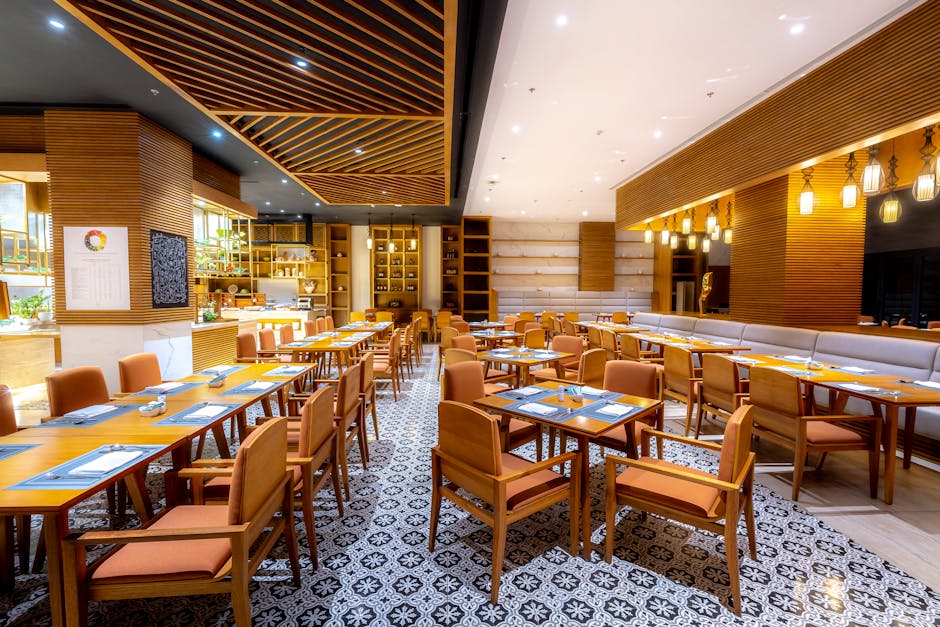
    Detail shot of durable, commercial-grade hotel furniture in a high-traffic hotel restaurant, emphasizing quality materials and construction.

    Top Trends Reshaping Hotel Furniture in 2026

    The landscape of hotel furniture is in constant flux, shaped by evolving guest expectations, technological advancements, and a global commitment to sustainability. Building on insights from hotel furniture trends 2026, 2026 sees these trajectories accelerating, demanding strategic adaptation from all stakeholders.

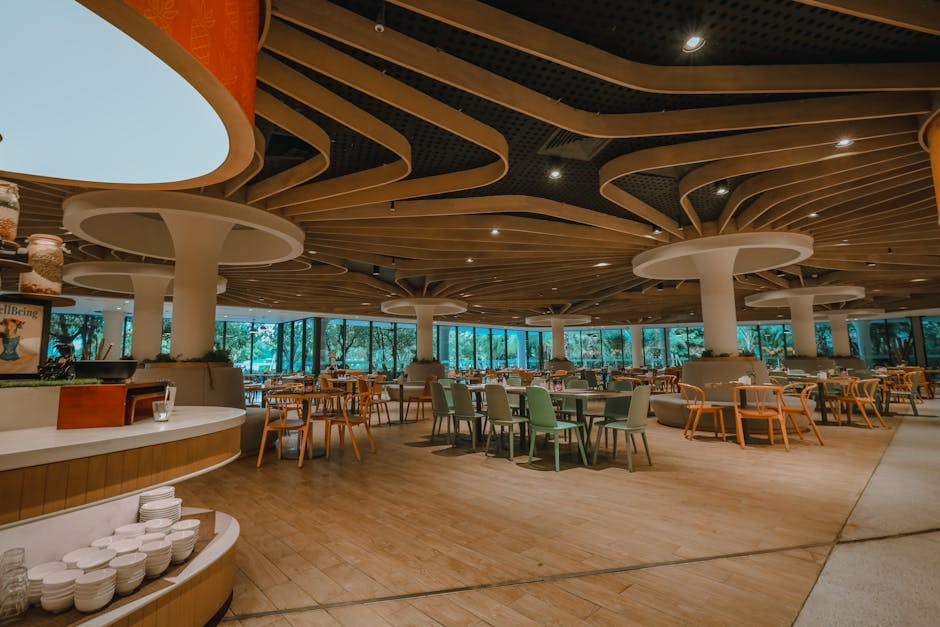
    Spacious modern restaurant interior with unique architectural design and ambient lighting.

    Biophilic Design & Natural Integration

    Guests are increasingly seeking environments that connect them with nature, a trend profoundly influencing hotel furniture design. Biophilic principles are being woven into the fabric of hospitality spaces, moving beyond simple potted plants to integrated natural elements. This means a surge in demand for hotel furniture crafted from sustainable, organic materials such as reclaimed wood, bamboo, rattan, and natural stone. Finishes lean towards matte and textured surfaces, mimicking the raw beauty of the outdoors. Design aesthetics favor organic shapes, soft curves, and earthy color palettes—terracotta, sage green, and muted blues—creating calming, restorative atmospheres. For instance, headboards might incorporate woven elements, while lobby seating features exposed wooden frames and upholstery in natural fibers like linen or hemp. This trend directly addresses guest wellness, fostering a sense of tranquility and escape.

    Elegant hotel dining room with luxurious decor and seating arrangement.

    Hyper-Personalization & Experiential Zones

    The modern traveler craves unique, shareable experiences, and hotel furniture is instrumental in delivering this. Cookie-cutter designs are out; highly personalized and adaptable spaces are in. This trend manifests in furniture that helps delineate ‘experiential zones’ within a guest room or public area. Think modular seating arrangements in lobbies that can be reconfigured for social interaction or private contemplation, or guest room furniture that allows for distinct work, relaxation, and sleep areas. Customization is key, with properties investing in bespoke pieces that tell a story, reflect local artistry, or provide unexpected functionality. This could involve multi-functional pieces like a desk that doubles as a vanity, or a custom-designed minibar cabinet that integrates seamlessly into the room’s narrative. The goal is to create memorable moments and Instagrammable backdrops, driving guest engagement and loyalty.

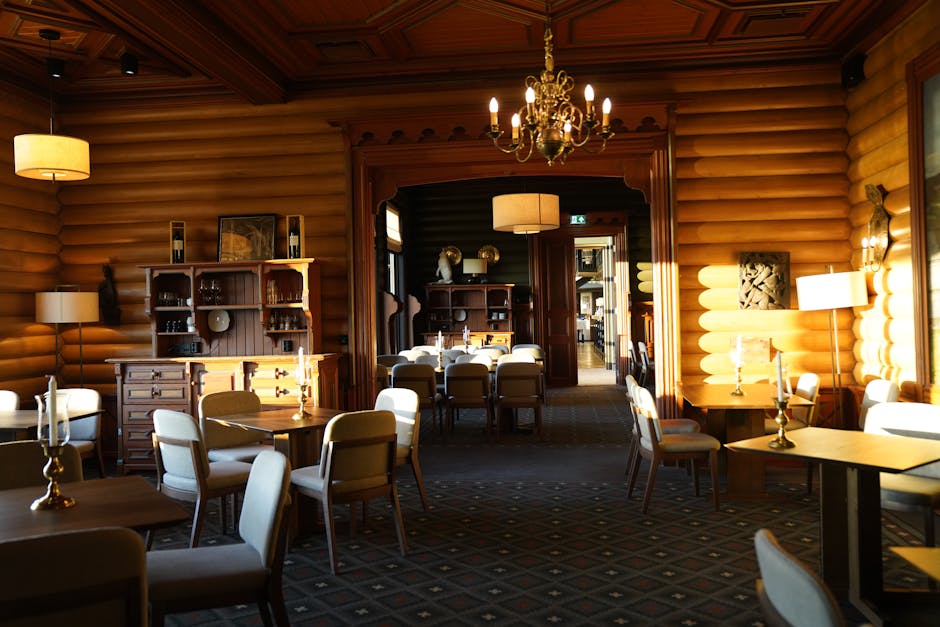
    Elegant rustic restaurant interior featuring log walls, chandeliers, and classic wooden furniture.

    Integrated Technology & Smart Functionality

    As technology becomes seamlessly integrated into daily life, hotel furniture is evolving from passive objects to active, smart components of the guest experience. This trend involves embedding technology directly into furniture, rather than adding it as an afterthought. Expect to see hotel furniture with built-in wireless charging pads for mobile devices, discreet USB-C ports integrated into nightstands and desks, and even smart lighting controls within headboards. Beyond basic connectivity, market observers note a growing interest in sensor-embedded furniture for public areas, which can provide valuable data on occupancy patterns to optimize cleaning schedules and energy usage. Advanced properties are also exploring sleep-tech mattresses with integrated sensors for personalized comfort and wellness tracking. The aim is to enhance convenience, streamline operations, and provide a sophisticated, intuitive user experience.

    Elegantly designed restaurant with stylish furniture and ambient lighting, ideal for dining.

    Durability, Maintainability & Circularity

    With rising operational costs and increased awareness of environmental impact, the longevity and sustainability of hotel furniture have become paramount. Procurement teams are increasingly prioritizing commercial-grade durability, demanding materials and construction methods that withstand constant use and cleaning cycles. This translates to robust joinery, high-pressure laminates for surfaces, and performance fabrics that resist stains and wear. Beyond mere durability, the concept of circularity is gaining traction. This means furniture designed for disassembly, repair, and eventual recycling, minimizing waste and extending product lifecycles. Hotels are looking for suppliers with transparent supply chains, using recycled or renewable materials, and offering end-of-life solutions. This commitment to maintainability and circularity not only reduces the environmental footprint but also offers significant long-term savings by decreasing replacement frequency and waste disposal costs. Zhobai Hotel Furniture, with its focus on quality materials and advanced manufacturing processes, is well-positioned to meet these stringent requirements.

    modern hotel bedroom with smart bedside table and integrated charging

    What These Trends Mean for Hotel Buyers

    For hotel owners, developers, and FF&E procurement managers, these converging trends necessitate a more strategic and informed approach to sourcing hotel furniture. The era of off-the-shelf solutions is rapidly fading, replaced by a demand for tailored, high-performance products that align with specific brand visions and operational realities.

    modern hotel bedroom with smart bedside table and integrated charging
    • Strategic Partnerships are Crucial: Engaging with manufacturers who offer a one-stop solution, from early-stage design consultation to logistics and installation, can streamline complex projects. This integrated approach ensures design intent is maintained through manufacturing and helps control the overall hotel building cost.
    • Investment in Quality Pays Off: While initial costs for custom, durable, and sustainably sourced furniture might be higher, the long-term ROI is significant. Reduced replacement cycles, lower maintenance expenses, and enhanced guest satisfaction directly impact profitability.
    • Design & Functionality Synergy: Interior designers must collaborate closely with procurement to ensure that aesthetic visions are commercially viable and functional for hospitality environments. Mock-up rooms become even more critical to test integrated technology, material durability, and guest flow before bulk production.
    • Emphasis on Transparency: Buyers need to demand transparency in material sourcing, manufacturing processes, and certifications (like CE, ISO, SGS, FDA). This ensures compliance with sustainability goals and verifies product quality.
    • Flexibility and Adaptability: The ability to adapt designs for various room types or public spaces while maintaining a cohesive brand identity is vital. Suppliers offering OEM/ODM services provide this essential flexibility.

    Challenges and Opportunities Ahead

    The evolving landscape of hotel furniture presents both significant challenges and compelling opportunities for discerning buyers.

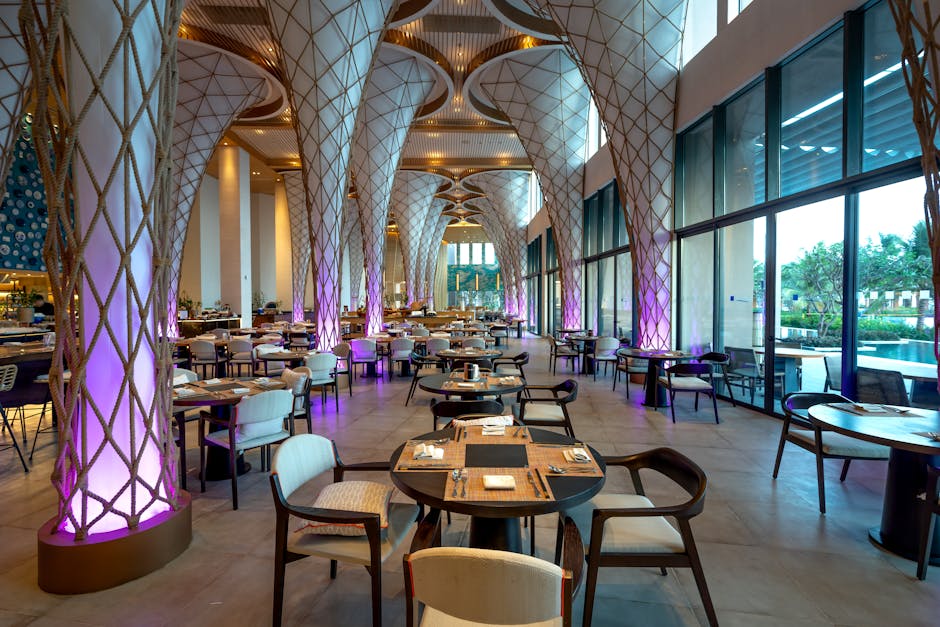
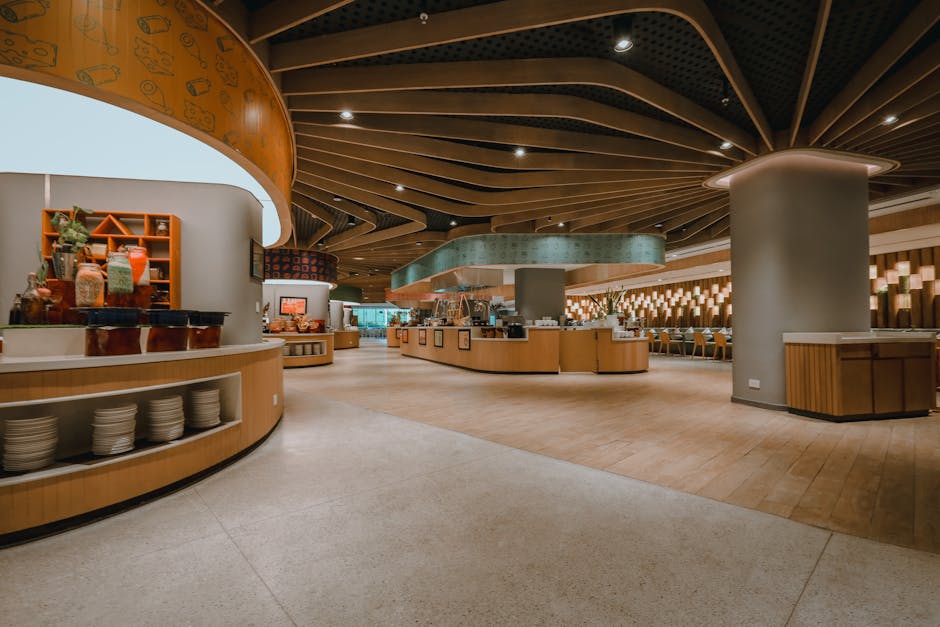
    Explore a stunning, contemporary restaurant interior at a luxury hotel in Phú Quốc, Vietnam.

    Challenges:

    • Supply Chain Volatility: Despite improvements, global supply chains remain susceptible to disruptions, impacting lead times and material availability. This necessitates robust project planning and early engagement with suppliers.
    • Rising Production Costs: Inflationary pressures on raw materials, energy, and labor continue to push manufacturing costs upwards, directly affecting the final hotel building cost for FF&E.
    • Balancing Innovation with Budget: Integrating advanced technology and sustainable materials often comes with a higher price tag. The challenge lies in finding innovative solutions that deliver value without exceeding budget constraints.
    • Skilled Labor Shortages: The availability of skilled labor for custom furniture manufacturing, logistics, and on-site installation can pose challenges, potentially impacting project timelines.

    Opportunities:

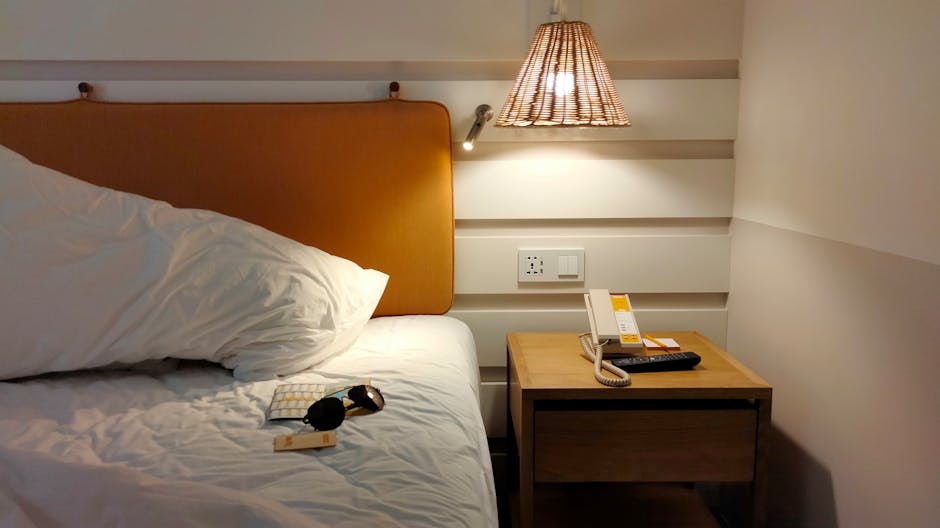
    Inviting bedroom space with a lamp-lit nightstand, phone, and sunglasses on the bed.
    • Brand Differentiation: Custom hotel furniture, aligned with current trends, offers an unparalleled opportunity to create distinctive, memorable guest experiences that set properties apart in a crowded market.
    • Enhanced Guest Satisfaction: Thoughtfully designed, comfortable, and tech-integrated furniture directly contributes to positive guest reviews and repeat business.
    • Long-Term Value Creation: Investing in durable, high-quality, and maintainable furniture reduces operational expenses over time, providing a superior return on investment compared to cheaper, short-lived alternatives.
    • Sustainability Leadership: Adopting circular and biophilic design principles allows hotels to enhance their environmental credentials, appealing to a growing segment of eco-conscious travelers and meeting corporate social responsibility goals.
    • Operational Efficiencies: Smart furniture and data-driven insights can lead to optimized cleaning, maintenance, and energy management, improving overall hotel operations.

    Expert Perspective and Market Outlook

    From Zhobai Hotel Furniture’s perspective, the market outlook for custom hotel furniture in 2026 is one of focused innovation and strategic partnership. We anticipate continued growth in demand for bespoke solutions, particularly in the 5-star, boutique, and resort segments where guest experience is paramount. The emphasis will remain on creating truly tailored spaces, and our professional in-house design team is continuously working to translate these visions into reality.

    Market observers predict that suppliers who can offer comprehensive, end-to-end services—from design and manufacturing to logistics and installation—will be the most valuable partners for hotel developers and procurement teams. The ability to navigate complex global supply chains, provide factory direct pricing, and ensure quality control through certifications like CE, ISO, SGS, and FDA will be non-negotiable. The evolution of sustainable hotel furniture trends will also drive greater transparency and accountability across the supply chain. Ultimately, the successful sourcing of hotel furniture in 2026 will hinge on collaborative relationships that prioritize long-term value, design integrity, and operational excellence.

    Partnering with a manufacturer that understands these dynamics is crucial. Zhobai Hotel Furniture is committed to empowering hotel owners, developers, and designers to navigate these trends successfully. With over 15 years of experience and a global footprint, we provide a seamless, one-stop solution for custom hotel furniture that not only meets the demands of 2026 but anticipates the needs of tomorrow. Let us help you craft exceptional spaces that resonate with your guests and stand the test of time.

  • Hotel Furniture Procurement: A Practical FF&E Guide

    Hotel Furniture Procurement: A Practical FF&E Guide

    Ask any experienced FF&E procurement manager what separates a successful hotel opening from a costly delay, and the answer is almost always the same: the quality of the procurement process. Custom hotel furniture represents one of the most capital-intensive line items in any hotel development budget, yet it remains one of the most frequently mismanaged. A reactive approach 鈥?issuing RFQs too late, skipping factory inspections, prioritising unit price over total cost 鈥?consistently produces missed deadlines, quality shortfalls, and guest-experience gaps that show up in review scores for years.

    This guide is written for FF&E procurement managers, hotel owners, project managers, and developers who want to move from reactive to proactive 鈥?building a procurement framework that delivers quality custom hotel furniture on time, within budget, and to specification.

    Writing an Effective FF&E Brief: What Suppliers Need to Know

    The quality of your procurement outcome is almost entirely determined at the brief stage. A vague brief produces vague quotes, submissions that are impossible to compare, and suppliers who reinterpret your requirements to suit their existing production capabilities rather than your actual project needs.
    An effective hotel furniture brief for a custom procurement should specify: exact dimensions and configuration of each space; number of units required by typology (guestroom, suite, corridor, lobby, F&B); material and finish specifications at component level (frame timber species, upholstery grade and minimum Martindale count, hardware finish, surface treatment); lead-time requirements with installation milestone dates; technical drawings or CAD files for built-in pieces; brand standards or design precedents where applicable; and packaging, delivery, and installation requirements.

    The brief should also include your supplier evaluation criteria 鈥?price weighting, quality weighting, lead time, references 鈥?so that suppliers understand how they will be assessed. Transparency at this stage attracts better-quality responses and filters out suppliers who cannot meet your standards before you have invested time reviewing their proposals.

    Running a Competitive RFQ Process for Hotel Furniture

    A well-run RFQ process for hotel furniture typically involves three to five shortlisted manufacturers, a standardised submission template, and a defined review window of ten to fourteen days. Inviting too many suppliers creates noise and disincentivises serious manufacturers from investing time in detailed proposals; too few limits your benchmarking data and negotiating position.

    Your RFQ package should include: the full brief document; a bill of quantities (BOQ) in Excel format with specifications pre-filled and space for unit pricing; a supplier questionnaire covering factory capacity, quality certifications, reference projects, and sub-contractor relationships; a request for physical or digital samples for key upholstered and timber pieces; and a clear timeline with submission deadline, shortlist notification, and award date.

    When evaluating RFQ responses, resist the instinct to sort by unit price. Instead, build a weighted scorecard: price (typically 30鈥?0%), quality evidence and samples (25鈥?0%), lead-time reliability and references (20鈥?5%), and communication quality (10鈥?5%). A supplier who scores 10% higher on quality but 8% higher on price will almost always produce a better total-cost outcome 鈥?fewer re-orders, fewer guest complaints, and a longer replacement cycle.

    Factory Evaluation and Quality Assurance Protocols

    For orders above approximately USD 200,000, an in-person factory visit before contract award is not optional 鈥?it is essential. What you are assessing is not primarily the machinery; it is the management systems, production flow, quality-control checkpoints, and workforce culture. A factory that cannot show you documented quality inspection procedures at each production stage is one that delegates quality control to the buyer’s inspection team 鈥?effectively, to you.

    Key checkpoints during a factory audit: raw-material receiving inspection (timber moisture content, fabric roll inspection); in-process quality controls (frame joint testing, pre-upholstery frame inspection); pre-shipment inspection (dimensional tolerances, finish quality, functionality of moving parts); and packaging standards (protective wrapping for upholstered surfaces, custom crating for statement pieces).

    For large-scale projects, consider appointing a third-party quality inspection agent who is fluent in the manufacturing country’s language and experienced in hotel furniture. The cost 鈥?typically USD 300鈥?00 per inspection day 鈥?is negligible against the cost of receiving and returning a container of non-conforming furniture across continents.

    Managing Lead Times, Shipping, and On-Site Installation

    Hotel furniture procurement timelines are almost always compressed. Developers underestimate production lead times, shipping transit times, and the complexity of on-site installation sequencing. A realistic manufacturing lead time for custom hotel furniture 鈥?from purchase order to factory-ready 鈥?is twelve to twenty weeks, depending on order complexity, factory capacity, and seasonal demand. Add four to six weeks for sea freight from East Asia, or six to ten weeks from continental Europe. Add a further two to four weeks for port clearance, inland transport, and final delivery to site.

    The critical-path implication: your furniture procurement process should commence no later than six to eight months before your target opening date for a standard guestroom programme. For complex bespoke pieces 鈥?statement lobby installations, custom millwork, presidential suite furniture 鈥?add an additional four to eight weeks.

    On-site installation sequencing matters more than most developers realise. Hotel furniture installation must be coordinated with MEP completion, flooring installation, and art and accessory placement. A detailed installation programme, agreed in advance with your main contractor, prevents the costly scenario of furniture arriving before rooms are ready 鈥?or being damaged by ongoing construction works after delivery.

    Total Cost of Ownership: Making the Business Case for Quality

    Hotel furniture procurement decisions made on the basis of lowest unit price consistently produce the worst total-cost outcomes. The total cost of ownership (TCO) of a hotel bed, for example, includes not just the purchase price but also: installation and assembly labour; guest-room downtime during future replacements; guest complaint costs; and the replacement cycle 鈥?typically six to eight years for contract-grade furniture versus three to four years for budget-grade.

    A practical TCO model: a 150-key hotel with a standard room bed programme. A budget-grade bed at USD 400 per unit, replaced every four years, costs USD 60,000 per replacement cycle in unit costs alone, before factoring in operational disruption. A contract-grade bed at USD 650 per unit, replaced every eight years, costs USD 97,500 per cycle 鈥?but delivers twice the interval, half the disruption, and typically measurably better guest comfort scores that sustain higher ADR.

    Procurement managers who build TCO models and present them to ownership groups consistently win the argument for quality investment. The ROI case for hotel furniture quality is not speculative 鈥?it is calculable from your own operational data on maintenance costs, replacement frequency, and the correlation between room condition scores and average rate performance.

  • 5 Star Hotel Furniture Manufacturers: 2025 Outlook

    5 Star Hotel Furniture Manufacturers: 2025 Outlook

    The global luxury hotel market, valued at over $100 billion in 2023, is projected to expand at a CAGR of 6% through 2030, a clear indicator of sustained investment in high-end hospitality. This robust growth, however, comes with evolving guest expectations and supply chain complexities, profoundly impacting how hotel owners, developers, and procurement teams engage with 5 star hotel furniture manufacturers. The industry is currently navigating a landscape where discerning guests demand more than just opulence; they seek unique experiences, sustainability, and seamless integration of technology, pushing the boundaries of traditional FF&E sourcing.

    A luxurious hotel lobby showcasing custom 5 star hotel furniture manufacturers' craftsmanship.

    Current State of the 5 Star Hotel Furniture Industry

    Post-pandemic, the hospitality sector has seen a vigorous rebound, with luxury segments leading the charge. This resurgence has intensified competition, compelling hotels to differentiate through design and guest experience. Industry data suggests a significant uptick in demand for custom-designed furniture that reflects local culture, brand identity, and a commitment to quality. The era of off-the-shelf solutions for luxury properties is largely over; bespoke creations are now the norm. Procurement teams are increasingly looking beyond mere cost, prioritizing durability, aesthetic longevity, and a manufacturer’s capacity for complex, large-scale projects.

    Sustainable materials used by top 5 star hotel furniture manufacturers for eco-conscious design.

    Simultaneously, the industry grapples with persistent challenges. Global supply chain disruptions, though easing, still necessitate careful planning and robust logistics. Fluctuating raw material costs, particularly for premium timbers, metals, and upholstery fabrics, place pressure on budgeting and project timelines. Moreover, there’s a growing emphasis on ethical sourcing and transparent manufacturing processes. Hotel developers and interior designers are seeking partners among 5 star hotel furniture manufacturers who can not only deliver on intricate designs but also ensure compliance with international quality and environmental standards. This necessitates manufacturers with deep expertise, strong supplier networks, and a comprehensive understanding of global market dynamics.

    Modern five star hotel furniture design integrating smart technology for an elevated guest experience.

    Top Trends Reshaping 5 Star Hotel Furniture in 2025

    As we look ahead to 2025, several key trends are poised to redefine the landscape of five star hotel furniture design and manufacturing. These shifts are driven by changing guest demographics, technological advancements, and a heightened global consciousness.

    5 star hotel furniture manufacturers

    Sustainable Luxury & Circularity

    The demand for sustainable practices is no longer a niche request; it’s a fundamental expectation. Market observers note a significant pivot towards eco-conscious materials, energy-efficient production, and furniture designed for longevity and eventual recycling or repurposing. This includes the use of reclaimed woods, rapidly renewable resources like bamboo, recycled metals, and fabrics made from recycled plastics or organic fibers. Certification bodies like FSC (Forest Stewardship Council) and LEED compliance are becoming non-negotiable for many high-end projects. The concept of a circular economy in furniture production – minimizing waste and maximizing resource utility – is gaining traction, influencing material selection, manufacturing processes, and end-of-life considerations for all hotel furniture trends.

    Elegant hotel room service setup with delicious breakfast and attentive service.

    Hyper-Personalization & Experiential Design

    Luxury guests seek unique, memorable experiences, and furniture plays a pivotal role in crafting these narratives. This trend moves beyond generic luxury to hyper-personalization, where each piece of furniture contributes to a distinct identity and story for the hotel. Designers are collaborating with 5 star hotel furniture manufacturers to create bespoke collections that reflect local artistry, cultural heritage, and the specific vision of the property. This could involve custom finishes, unique material combinations, or pieces that blur the lines between furniture and art installation. The goal is to create spaces that feel authentic, exclusive, and offer guests a sense of discovery, addressing the intrinsic features of a five star hotel.

    5 star hotel furniture manufacturers

    Seamless Technology Integration & Wellness Focus

    Smart technology is no longer confined to guest room controls; it’s discreetly integrating into furniture. Think charging ports seamlessly built into nightstands, smart lighting controls embedded in headboards, or interactive surfaces in lounge areas. However, this integration must be intuitive and enhance comfort, not detract from the aesthetic. Simultaneously, there’s a strong emphasis on wellness. Biophilic design principles, incorporating natural elements and promoting a connection to nature, are influencing furniture forms, materials, and layouts. Ergonomic considerations, comfortable seating, and materials that promote air quality are crucial components of a holistic wellness approach within hotel interiors.

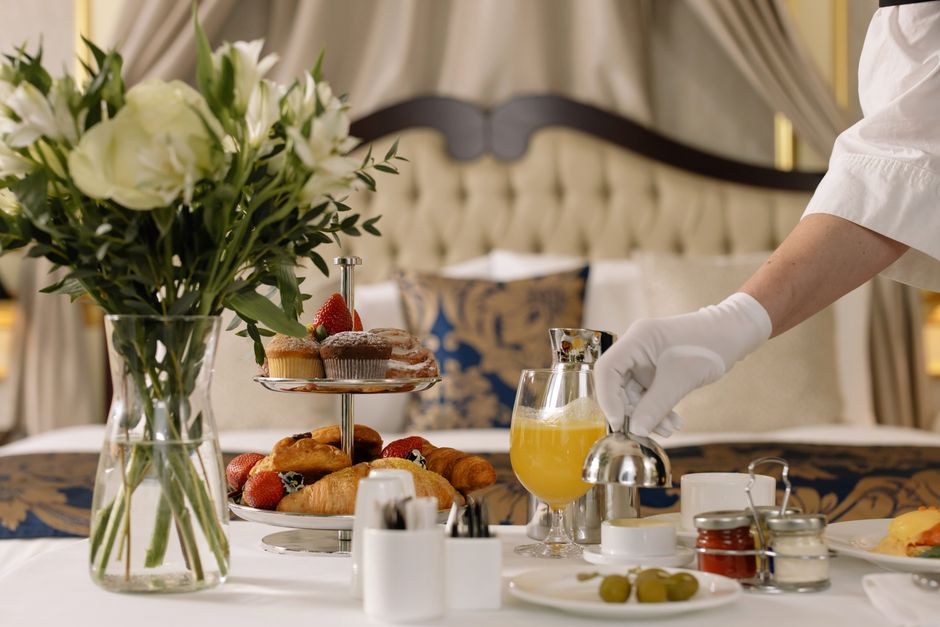
    Luxurious hotel room service with pastries, juice, and fresh flowers on a table.

    Durability, Maintainability & Investment Value

    While aesthetics and trends are vital, the operational realities of a high-traffic luxury hotel demand furniture that is exceptionally durable and easy to maintain. Hotel owners and procurement managers are increasingly viewing furniture as a long-term asset and an investment. This translates into a preference for robust construction, high-quality hardware, commercial-grade fabrics with stain and wear resistance, and finishes that can withstand rigorous cleaning protocols. The total cost of ownership, including maintenance and replacement cycles, is a key consideration, leading to a greater appreciation for manufacturers who employ superior craftsmanship and offer comprehensive warranties.

    5 star hotel furniture manufacturers

    What These Trends Mean for Hotel Buyers

    For hotel owners, developers, FF&E procurement managers, interior designers, and hospitality contractors, these evolving trends necessitate a strategic shift in how they approach sourcing custom furniture. The days of simply selecting from a catalog are long past. Buyers must now engage in a more collaborative, consultative process with their chosen 5 star hotel furniture manufacturers.

    5 star hotel furniture manufacturers
    • Strategic Partnership over Transactional Sourcing: The complexity of custom designs, sustainable sourcing, and technological integration demands a manufacturer that acts as a true partner, offering expertise from concept to installation. This means evaluating a manufacturer’s design capabilities, material sourcing networks, and project management acumen.
    • Emphasis on Customization & Design Expertise: To achieve hyper-personalization, buyers need manufacturers with a strong in-house design team capable of translating unique visions into manufacturable solutions, providing detailed shop drawings, and offering material recommendations that align with both aesthetics and performance requirements.
    • Rigorous Vetting of Sustainability Credentials: Procurement teams must go beyond surface-level claims, requesting certifications, supply chain transparency reports, and evidence of eco-friendly manufacturing processes. This protects brand reputation and aligns with guest expectations.
    • Long-Term Value Assessment: Initial purchase price is just one factor. Buyers should evaluate the longevity, warranty, and ease of maintenance of furniture, understanding that higher upfront quality often translates to significant savings over the lifecycle of the property.
    • Integrated Project Management: With global projects, seamless coordination of design, manufacturing, quality control, logistics, and installation is paramount. Buyers should seek comprehensive FF&E services that can manage the entire process, minimizing risks and ensuring timely delivery. This is where established 5 star hotel furniture manufacturers like Zhobai Hotel Furniture, with a proven track record in providing one-stop solutions from early-stage planning to installation, become invaluable partners.

    Challenges and Opportunities Ahead

    The journey through these trends is not without its hurdles. Sourcing sustainable materials can be more expensive and require longer lead times. Integrating complex technology into furniture demands specialized engineering and rigorous testing. Maintaining design integrity across multiple production runs and managing global logistics for bespoke pieces present significant operational challenges. Moreover, the shortage of skilled artisans and craftsmen capable of executing intricate five star hotel furniture design continues to be a concern in some regions.

    Elegant hotel bedding arrangement by a professional housekeeper in uniform.

    However, these challenges also present significant opportunities. For manufacturers, it’s an opportunity to innovate, invest in new technologies, and build stronger, more transparent supply chains. For hotel buyers, it’s a chance to truly differentiate their properties, elevate the guest experience, and build a brand reputation synonymous with quality, innovation, and responsibility. Strategic partnerships with forward-thinking 5 star hotel furniture manufacturers can mitigate risks, ensuring that complex design visions are realized efficiently and effectively. Investing in high-quality, trend-aligned furniture can lead to higher guest satisfaction scores, repeat business, and stronger brand loyalty, providing a tangible return on investment.

    Spacious and elegant hotel lobby with luxurious seating and grand chandeliers, offering a sense of opulence and relaxation.

    Expert Perspective and Market Outlook

    From our vantage point at Zhobai Hotel Furniture, with 15+ years of experience specializing in custom furniture for 5-star hotels, boutique hotels, resorts, and various other high-end spaces worldwide, we see the market moving towards an even greater emphasis on customization and end-to-end service. The future of luxury hospitality furniture lies not just in manufacturing a product, but in co-creating an experience.

    5 star hotel furniture manufacturers

    Our professional in-house design team, for instance, frequently collaborates with clients from the early planning stages, ensuring that every design concept is not only aesthetically stunning but also practical, durable, and aligns with operational requirements. We anticipate a continued global demand for bespoke furniture that tells a story, with a strong preference for manufacturers who can offer a complete, integrated solution – from design and manufacturing to logistics and installation. The market will favor those 5 star hotel furniture manufacturers who demonstrate agility, transparency, and a deep understanding of international quality standards, evidenced by certifications like CE, ISO, SGS, and FDA. The ability to export seamlessly to diverse regions like Europe, North America, Central Asia, and Africa will also be a key differentiator.

    Chambermaid delivering luxury room service breakfast to a stylish hotel room, exuding comfort and hospitality.

    The landscape for 5 star hotel furniture manufacturers is dynamic, shaped by evolving guest expectations, technological advancements, and a global call for sustainability. Navigating this complexity requires more than just a supplier; it demands a partner with deep industry knowledge, design prowess, and a robust operational framework.

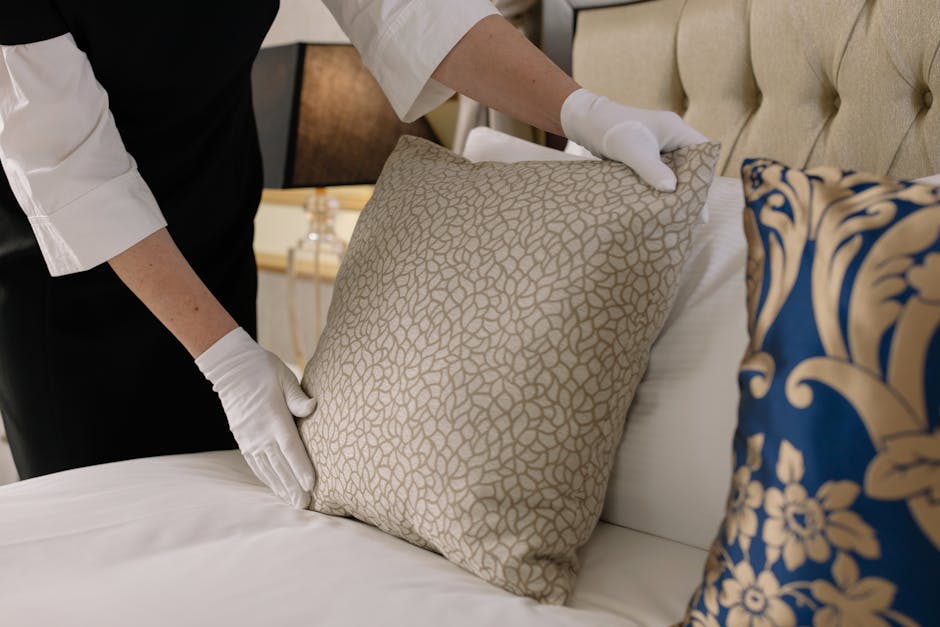
    A housekeeper in uniform adjusts pillows in a luxurious hotel room, ensuring comfort and cleanliness.

    For hotel owners, developers, and designers seeking a partner who understands the intricate demands of luxury hospitality and offers a complete, tailored solution, Zhobai Hotel Furniture stands ready to collaborate. Explore our bespoke furniture projects and discover how our one-stop solution and expert design team can bring your vision to life, ensuring your investment in FF&E truly elevates your property and future-proofs your brand.

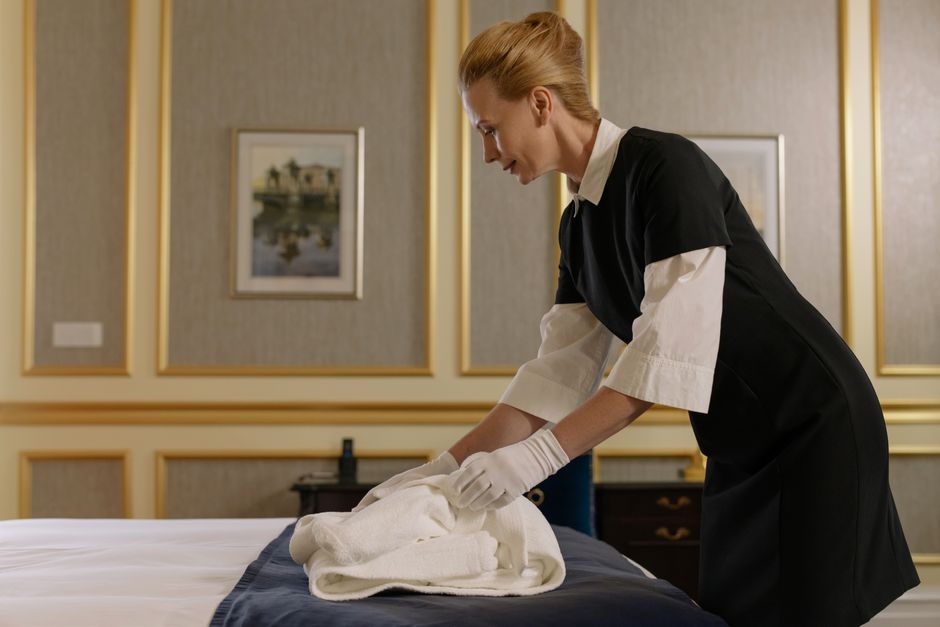
    A housekeeper neatly folds sheets on a luxury hotel bed, emphasizing professional service.

  • Choosing Top 5 Star Hotel Furniture Manufacturers

    Choosing Top 5 Star Hotel Furniture Manufacturers

    For hotel owners and FF&E procurement managers, the decision of furnishing a luxury property transcends mere aesthetics; it represents a significant capital expenditure, often ranging from 8-15% of the total construction cost for a new build. This investment, if mismanaged, can lead to premature replacements, inflated maintenance budgets, and a tangible decline in guest satisfaction. Conversely, selecting the right 5 star hotel furniture manufacturers ensures longevity, reflects brand prestige, and directly impacts guest comfort and loyalty, driving higher RevPAR and positive online reviews.

    Custom designed lounge area furniture from 5 star hotel furniture manufacturers, showcasing luxurious finishes and ergonomic design.

    Why 5 Star Hotel Furniture Manufacturers are Critical for Hotel Success

    The furniture within a 5-star hotel is more than just functional; it is a cornerstone of the guest experience, directly influencing perception of luxury, comfort, and attention to detail. High-quality furnishings contribute significantly to the overall ambiance, setting a property apart in a competitive market. Guests expect superior comfort, impeccable design, and flawless durability, which only specialized 5 star hotel furniture manufacturers can consistently deliver.

    A sophisticated guest room featuring a high-quality 5 star hotel bed from leading 5 star hotel furniture manufacturers, emphasizing comfort and durability.

    Beyond aesthetics, robust and well-constructed furniture reduces operational costs. A hotel furniture manufacturer that prioritizes durability uses high-grade materials and superior joinery, minimizing the need for frequent repairs or early replacement. This translates into substantial savings over the furniture’s lifecycle, often extending its service life by 3-5 years compared to lower-grade alternatives. Furthermore, furniture designed for hospitality use meets stringent safety and fire retardancy standards, mitigating liability and ensuring guest safety, which are critical features of a five star hotel operation.

    Elegant reception desk and lobby seating by expert 5 star hotel furniture manufacturers, designed for both aesthetic appeal and heavy commercial use.

    Key Factors to Consider When Choosing 5 Star Hotel Furniture Manufacturers

    Selecting the ideal partner for your luxury hotel project requires a rigorous evaluation process that extends beyond initial price quotes. Focus on these critical factors to ensure a successful, long-term collaboration:

    Explore a stunning, contemporary restaurant interior at a luxury hotel in Phú Quốc, Vietnam.
    • Manufacturing Capabilities and Quality Control

      Assess the manufacturer’s production capacity, technology, and adherence to quality control protocols. A reputable manufacturer will have a transparent process, from raw material inspection to final product packaging. Look for certifications like ISO 9001 for quality management and ISO 14001 for environmental management. Zhobai Hotel Furniture, for instance, holds CE, ISO, SGS, and FDA certifications, underscoring our commitment to international quality and safety standards.

      5 star hotel furniture manufacturers
    • Customization and Design Expertise

      5-star hotels demand unique, tailored solutions that align with their brand identity and interior design vision. The manufacturer should possess a strong in-house design team capable of interpreting complex interior design concepts and translating them into functional, aesthetically pleasing furniture. They should offer extensive material and finish options, ensuring every piece reflects the desired five star hotel furniture design. Zhobai’s professional in-house design team specializes in creating bespoke pieces that define tailored spaces for each client.

      5 star hotel furniture manufacturers
    • Material Sourcing and Durability

      The longevity of hotel furniture hinges on the quality of its materials. Inquire about the origin and specifications of wood, veneers, fabrics, and hardware. For high-traffic areas, specify commercial-grade fabrics with high double rub counts (e.g., 50,000+ Wyzenbeek cycles) and solid wood construction or high-density engineered wood. Verify fire retardancy ratings (e.g., CAL 117, NFPA 260) for upholstered items.

      Chambermaid delivering luxury room service breakfast to a stylish hotel room, exuding comfort and hospitality.
    • Project Management and Logistics

      A comprehensive, one-stop solution provider offers seamless project management from conceptualization to installation. This includes early-stage planning, precise manufacturing schedules, quality assurance, efficient logistics, and professional installation services. Understanding the manufacturer’s global export experience is also crucial; Zhobai ships worldwide, covering Europe, Central Asia, Southeast Asia, North America, South America, and Africa, simplifying complex international projects.

      Spacious and elegant hotel lobby with luxurious seating and grand chandeliers, offering a sense of opulence and relaxation.
    • Warranty and After-Sales Support

      A confident manufacturer will stand behind their products with a robust warranty, typically 1-5 years depending on the item. Evaluate their after-sales support system for addressing potential issues, spare parts, or future maintenance needs. This commitment reflects their confidence in product quality and dedication to client satisfaction.

    Common Mistakes Hotels Make with 5 Star Hotel Furniture Manufacturers

    Navigating the complexities of FF&E procurement can be challenging. Avoiding these common pitfalls can save significant time, money, and headaches:

    • Prioritizing Lowest Price Over Value

      While budget constraints are real, choosing a manufacturer solely on the lowest bid often leads to compromised quality, shorter furniture lifespans, and higher long-term costs. A 15-20% saving on initial purchase can result in a 30-40% increase in replacement and maintenance costs within five years.

    • Neglecting Lead Times and Production Schedules

      Underestimating the production and shipping lead times for custom furniture can delay project openings, incurring substantial financial penalties. Custom orders for an entire hotel can require 12-16 weeks for manufacturing alone, plus several weeks for shipping and customs clearance. Always factor in a buffer for unforeseen delays.

    • Inadequate Communication and Specification Detail

      Vague specifications or inconsistent communication with the manufacturer can lead to costly errors and rework. Provide detailed drawings, material specifications, finish samples, and clear performance requirements upfront. Establish regular communication channels and review progress diligently.

    • Overlooking Mock-Up Room Importance

      Failing to commission and thoroughly review a full mock-up room is a critical oversight. This essential step allows stakeholders to physically experience and approve the furniture’s design, functionality, and comfort before mass production, identifying and rectifying issues early.

    • Ignoring Logistics and Installation Planning

      The best furniture is only as good as its delivery and installation. Neglecting detailed planning for shipping, warehousing, staging, and professional installation can lead to damages, delays, and increased labor costs. Ensure your chosen manufacturer offers comprehensive logistics and installation support as part of their services.

    Latest Trends and Innovations in 5 Star Hotel Furniture (2024-2025)

    The luxury hospitality sector is constantly evolving, driven by guest expectations for personalized, sustainable, and technologically integrated experiences. Leading 5 star hotel furniture manufacturers are at the forefront of these innovations:

    • Sustainable and Ethical Sourcing

      Guests increasingly demand eco-conscious choices. Furniture made from reclaimed wood, recycled metals, rapidly renewable materials like bamboo, or certified sustainable timber (FSC) is gaining prominence. Manufacturers are also adopting low-VOC finishes and prioritizing ethical labor practices across their supply chains.

    • Biophilic Design Integration

      Bringing the outdoors in, biophilic design elements are now integral to luxury interiors. This includes furniture with natural forms, organic textures, and materials that evoke nature, enhancing guest well-being and reducing stress. Think live-edge wood tables, woven natural fiber accents, and earth-toned palettes.

    • Smart Furniture and Technology Integration

      Seamlessly integrating technology into furniture is a growing trend. This ranges from built-in USB charging ports and wireless charging surfaces in nightstands and desks to integrated lighting controls and smart mirrors. These features enhance convenience, aligning with the modern features of a five star hotel experience.

    • Modularity and Flexibility

      To maximize space utility and cater to diverse guest needs, modular furniture systems are becoming popular. Sofas that can reconfigure, adaptable workstations, and multi-functional pieces allow hotels to offer flexible room layouts that appeal to both business and leisure travelers.

    • Experiential and Personalized Design

      Luxury is now about unique experiences. Custom five star hotel furniture design focuses on creating memorable moments, whether through bespoke headboards, unique seating arrangements in suites, or furniture that tells a story about the local culture or property’s heritage. This personalization elevates the guest journey beyond standard luxury.

    How to Work With a Reliable 5 Star Hotel Furniture Manufacturer Partner

    Establishing a strong working relationship with your furniture manufacturer is paramount for project success. Follow these steps to maximize efficiency and ensure your vision is realized:

    1. Define Clear Specifications and Budget

      Before engaging manufacturers, have a detailed FF&E schedule, material specifications, and a realistic budget. This clarity allows manufacturers to provide accurate quotes and minimizes scope creep. Include allowances for mock-ups, freight, and installation.

    2. Conduct Thorough Due Diligence

      Research potential partners extensively. Review their portfolio of 5-star hotel furniture projects, check client testimonials, and verify their certifications. If possible, visit their factory or request a virtual tour to assess their production capabilities firsthand. Ask for references from past luxury hospitality clients.

    3. Request Detailed Proposals and Quotes

      Insist on comprehensive proposals that break down costs, materials, lead times, warranty, and payment terms. Compare apples-to-apples; a lower price might hide inferior materials or exclude critical services like installation. Ensure all freight and customs duties are clearly outlined for international projects.

    4. Emphasize Communication and Project Management

      Appoint a dedicated project manager on your side to liaise directly with the manufacturer’s project team. Establish a clear communication plan, including regular progress reports, review meetings, and approval milestones. A manufacturer offering a one-stop solution, like Zhobai Hotel Furniture, simplifies this process by coordinating design, manufacturing, logistics, and installation under one roof.

    5. Implement Robust Quality Assurance

      Beyond the initial mock-up, establish clear quality checkpoints throughout the production process. This might involve third-party inspections at key stages, material sampling, and pre-shipment inspections. Ensure all parties agree on the criteria for acceptance and rejection.

    Frequently Asked Questions

    What is the typical lifespan of 5-star hotel furniture?

    With proper care and maintenance, high-quality 5-star hotel furniture manufactured to commercial standards should last between 7 to 10 years, with some durable pieces exceeding 12 years. This is significantly longer than residential furniture, which typically lasts 3-5 years in a hotel setting.

    How does custom furniture affect project timelines?

    Custom furniture requires longer lead times than off-the-shelf options, typically ranging from 12-20 weeks for design, sampling, manufacturing, and quality control, plus additional time for shipping and installation. Early engagement with 5 star hotel furniture manufacturers is crucial to align with overall project schedules.

    What influences the 5 star hotel bed price?

    The 5 star hotel bed price is influenced by several factors: material quality (solid wood vs. engineered, upholstery fabric grade), design complexity, size, integrated technology (e.g., USB ports), customization level, and bulk order volume. Expect a commercial-grade 5-star hotel bed frame alone to range from $400 to $1,500+, excluding mattress and bedding.

    Are factory direct manufacturers always better?

    Factory direct manufacturers often offer more competitive pricing by cutting out intermediaries and provide greater control over customization and quality. They typically have better communication channels and a deeper understanding of their products. However, ensure they have robust project management and after-sales support, especially for international projects.

    What certifications should I look for in a furniture manufacturer?

    Key certifications include ISO 9001 (Quality Management), ISO 14001 (Environmental Management), and specific fire safety ratings (e.g., CAL 117, BS 5852). For international trade, CE certification is often required. These certifications demonstrate a commitment to quality, safety, and responsible manufacturing practices.

    Partnering with the right 5-star hotel furniture manufacturer is a strategic decision that underpins the success and longevity of your luxury property. It’s an investment in guest satisfaction, operational efficiency, and your brand’s reputation.

    Ready to elevate your hotel’s aesthetic and guest experience with custom-designed, durable furniture? Connect with Zhobai Hotel Furniture. Our team of experts is ready to discuss your specific project needs and provide a tailored, one-stop solution from concept to installation. Let us help you craft spaces that resonate with luxury and stand the test of time. Contact us today for a consultation.

  • Understanding Your Hotel Furniture Price List

    Understanding Your Hotel Furniture Price List

    Imagine launching a new luxury hotel, only to discover your FF&E budget is 15% over projection, primarily due to overlooked line items in your furniture acquisition. This scenario, unfortunately, is not uncommon in the hospitality sector. For hotel owners, developers, and procurement managers, a comprehensive understanding of the hotel furniture price list is paramount, not just for cost control, but for ensuring long-term guest satisfaction and operational efficiency.

    A detailed hotel furniture price list showing line items for a custom suite.

    Why Your Hotel Furniture Price List is Critical for Hotel Success

    A transparent hotel furniture price list isn’t merely a quotation; it’s a strategic document dictating 20-30% of your total development costs and significantly impacting your property’s return on investment (ROI). Mismanaging this budget can lead to substantial financial setbacks, delaying openings or compromising guest experience.

    Skilled craftsmen assembling custom hotel furniture, reflecting the quality behind the price list.

    The furniture chosen directly influences guest perception, directly affecting occupancy rates and average daily rates (ADR). Investing wisely in durable, aesthetically pleasing pieces, guided by an accurate price list, minimizes future maintenance costs and reduces the need for premature replacements, potentially saving tens of thousands of dollars over a five-year period.

    A modern hotel lobby featuring bespoke hotel furniture, illustrating value beyond the initial price list.

    Key Factors to Consider When Choosing Your Hotel Furniture Price List

    Understanding what drives the numbers on a hotel furniture price list is essential for making informed purchasing decisions. Multiple variables contribute to the final cost, extending far beyond the raw material price.

    hotel furniture price list
    • Material Quality and Specifications

      The choice of materials significantly impacts durability and cost. Solid hardwoods like oak or walnut command higher prices than engineered wood products such as MDF or particleboard, offering superior longevity. For upholstery, fabric specifications like a 50,000 double rub count for high-traffic areas are critical, contrasting sharply with residential-grade fabrics that might only last a fraction as long.

      hotel furniture price list
    • Design Complexity and Customization

      Highly intricate designs, bespoke dimensions, and unique finishes inherent to custom made hotel furniture naturally increase manufacturing costs due to specialized labor and tooling. Standardized, mass-produced items will always be more budget-friendly than a unique, custom-designed piece requiring specific patterns or joinery.

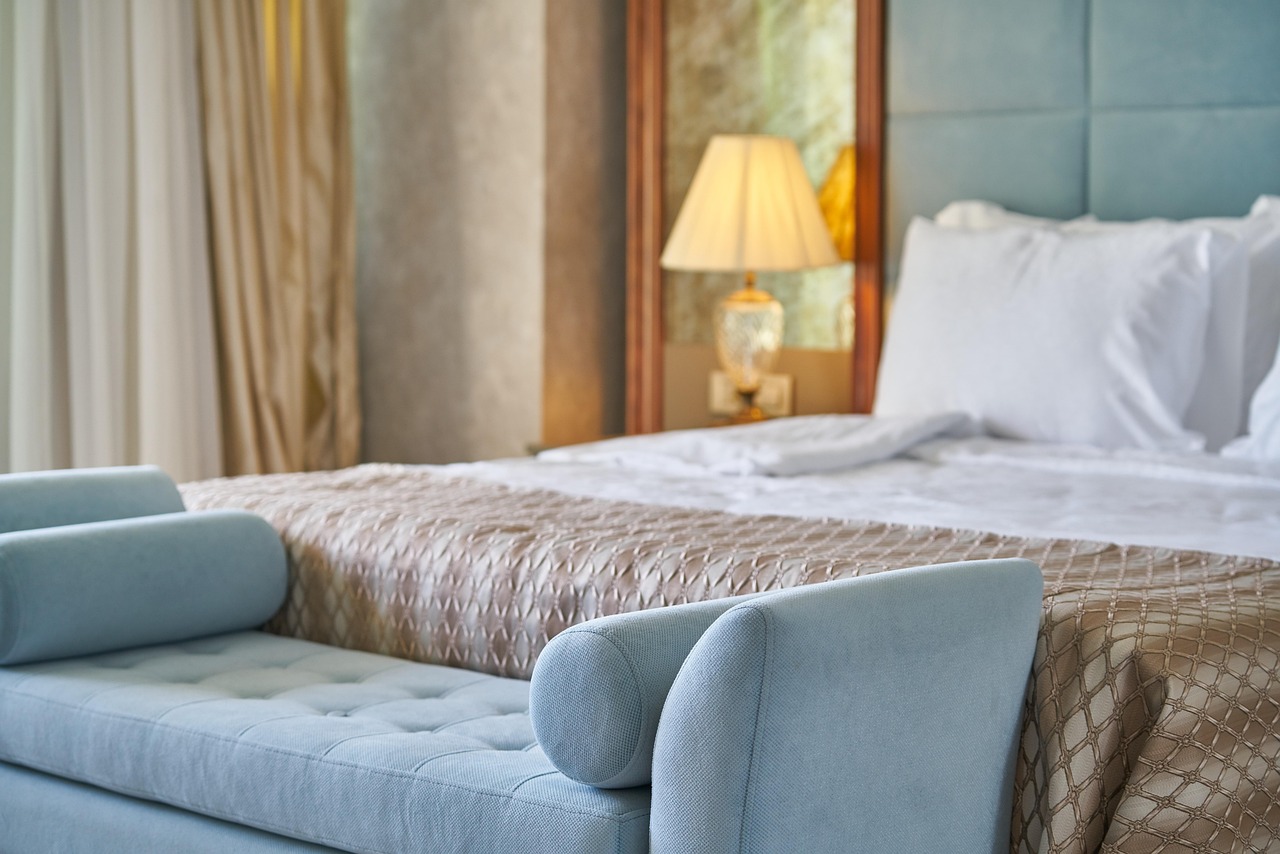
      Elegant hotel room with luxury furnishings and soft lighting, perfect for relaxation.
    • Volume and Economy of Scale

      Larger bulk orders typically benefit from economies of scale, leading to lower per-unit costs. A project requiring furniture for 300 rooms will generally secure a more competitive hotel furniture price list than one for 50 rooms, as manufacturers can optimize production runs and material procurement.

      hotel furniture price list
    • Finishing, Craftsmanship, and Certifications

      The level of finishing, such as multi-step lacquering or hand-applied distressing, adds value and cost. Furthermore, certifications like CE, ISO, SGS, or specific fire ratings (e.g., CAL 117 for the US, BS 5852 for the UK) are non-negotiable for safety and compliance, influencing the supplier’s cost structure due to rigorous testing and material sourcing.

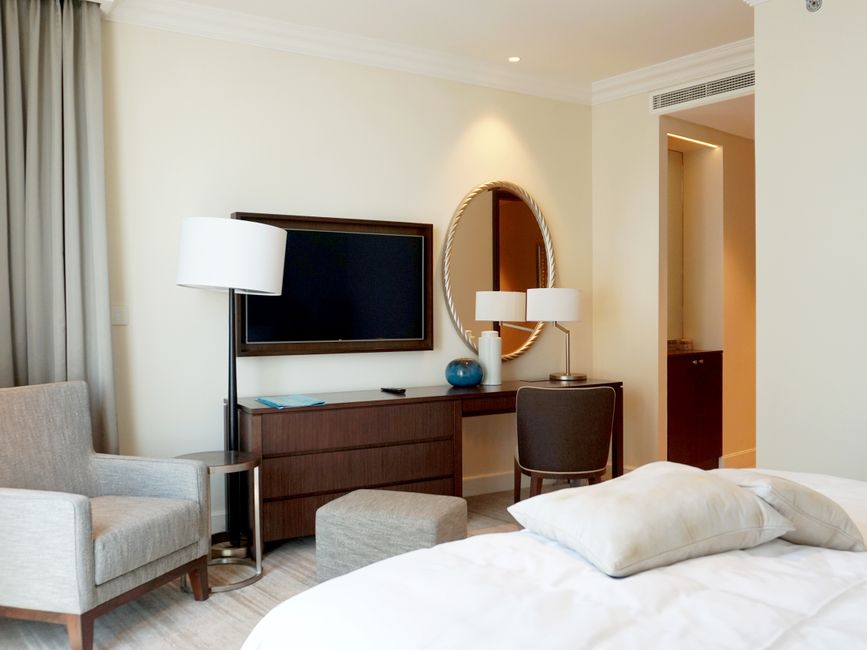
      A beautifully designed hotel room featuring a TV, armchair, and elegant decor, perfect for travelers.
    • Logistics, Installation, and Warranty

      Hidden costs often lurk in logistics, including freight, warehousing, and white-glove installation services. A comprehensive price list should detail these. Additionally, a robust warranty, often 5-10 years for hospitality-grade furniture, reflects the manufacturer’s confidence in their product and factors into the initial investment.

      hotel furniture price list

    Common Mistakes Hotels Make with Their Hotel Furniture Price List

    Navigating FF&E procurement can be treacherous. Avoiding common pitfalls will save time, money, and headaches throughout the project lifecycle.

    hotel furniture price list
    • Focusing Solely on Upfront Cost

      Prioritizing the lowest initial price without considering lifecycle costs (maintenance, repair, replacement) is a frequent error. A cheaper piece might require replacement in 3 years, while a higher-quality item could last 10, making the latter more economical over time.

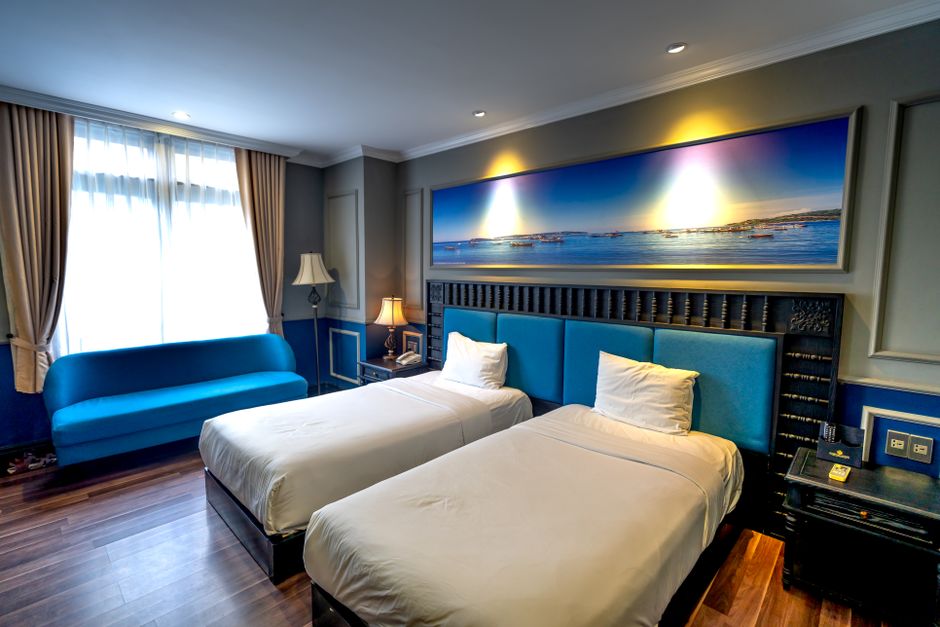
      Luxurious hotel room features twin beds, modern decor, and ambient lighting.
    • Underestimating Customization and Change Order Costs

      Modifications after production begins or extensive customization requests without proper upfront planning can inflate costs by 10-20%. Ensure all design elements are finalized and approved before manufacturing commences to avoid costly revisions.

      hotel furniture price list
    • Neglecting Hidden Logistics and Installation Fees

      Shipping, customs duties, warehousing, and on-site installation can add 15-25% to the furniture’s purchase price. Always request a DDP (Delivered Duty Paid) quote or a detailed breakdown of all logistical expenses from your supplier.

      Elegantly designed hotel room with modern amenities and minimalist decor.
    • Failing to Verify Supplier Credentials and Quality Control

      Not vetting a manufacturer’s certifications, factory capabilities, or past project references can lead to subpar products, delays, and contractual disputes. A thorough due diligence process is indispensable.

      hotel furniture price list
    • Ignoring Warranty and After-Sales Support

      A lack of clear warranty terms or inadequate after-sales support can leave you vulnerable to significant expenses if defects or damage occur post-installation. Confirm these details before signing any agreement.

      hotel furniture price list

    Latest Trends and Innovations in Hotel Furniture (2024-2025)

    The hospitality industry is dynamic, with new trends constantly shaping guest expectations and operational efficiencies. Incorporating these into your planning can future-proof your investment.

    Elegant bedroom interior featuring plush bed and seating with cozy ambiance lighting.
    • Sustainability and Eco-Conscious Materials

      There’s a growing demand for furniture made from recycled, reclaimed, or sustainably sourced materials like FSC-certified wood. Guests increasingly prefer hotels demonstrating environmental responsibility, making sustainable choices a key differentiator. This trend influences the hotel furniture price list as eco-certified materials may carry a premium, offset by positive brand perception and long-term durability. For more insights, explore Sustainable Hotel Furniture Trends.

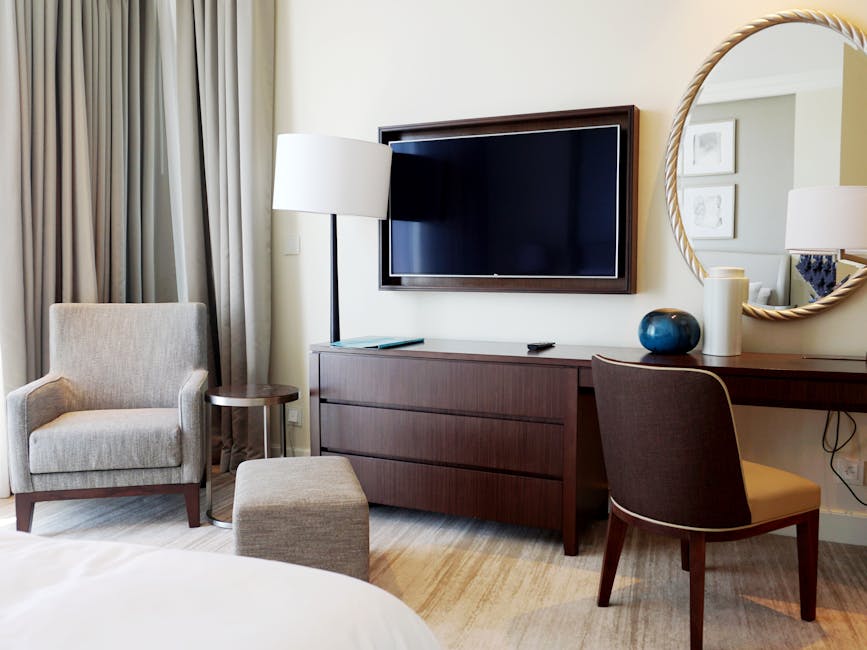
      Chic hotel room with elegant modern furniture and decor, featuring a large wall-mounted TV.
    • Smart and Integrated Technology

      Furniture with integrated USB charging ports, wireless charging pads, and even smart lighting controls is becoming standard. These features enhance guest convenience and are a significant selling point, often incorporated into the initial furniture cost.

    • Biophilic Design Elements

      Bringing nature indoors through natural wood finishes, organic textures, and earthy color palettes creates calming and restorative environments. This design philosophy focuses on guest well-being and can be achieved through specific material selections and design aesthetics.
    • Multi-functional and Modular Furniture

      With smaller room footprints becoming more common, furniture that serves multiple purposes (e.g., a desk that doubles as a dining table, a sofa that converts to a bed) optimizes space and enhances guest utility. Modular pieces offer flexibility for room reconfigurations.

    • Enhanced Durability and Hygiene

      Post-pandemic, emphasis on hygiene and easy-to-clean surfaces has surged. Antimicrobial fabrics, non-porous materials, and robust construction that withstands rigorous cleaning protocols are now high priorities for hotel operators. Further trends can be found in Hotel Furniture Trends 2025.

    How to Work With a Reliable Hotel Furniture Partner

    Choosing the right manufacturing partner is as crucial as the furniture itself. A reliable partner ensures your vision is realized on time and within budget.

    • Look for Proven Experience and Specialization

      Partner with companies that possess extensive experience in hospitality FF&E, particularly with 5-star hotels and resorts. Firms with 10+ years in the industry, like Zhobai Hotel Furniture, understand the unique demands of hotel projects.

    • Seek Comprehensive One-Stop Solutions

      The most efficient projects utilize partners offering end-to-end services, from early-stage planning and design to manufacturing, logistics, and installation. Zhobai Hotel Furniture, for instance, provides a comprehensive one-stop solution, streamlining the entire procurement process and reducing coordination complexities. Learn more about our services.

    • Prioritize In-House Design Capabilities

      A professional in-house design team can translate your concepts into reality, offering tailored spaces that reflect your brand identity. This expertise is invaluable for creating custom made hotel furniture that stands out.

    • Demand Transparent OEM/ODM Services and Factory Direct Pricing

      Reputable top hotel furniture manufacturers offer transparent OEM/ODM services, ensuring quality control and direct pricing without intermediaries. This approach maximizes value and minimizes unexpected costs on your hotel furniture price list.

    • Verify Certifications and Global Logistics Expertise

      Ensure your partner holds relevant international certifications (CE, ISO, SGS, FDA) indicating adherence to quality and safety standards. Furthermore, their experience in global logistics, exporting to diverse regions like Europe, North America, and Africa, guarantees smooth delivery and installation.

    Frequently Asked Questions

    • How much does custom hotel furniture cost per room?

      The cost varies significantly based on hotel class, design complexity, and material choices. For a mid-range hotel, a custom FF&E package might range from $3,000 to $8,000 per room, while a luxury 5-star suite could exceed $15,000-$25,000 per room. Factors like casegoods, seating, lighting, and art all contribute.

    • What’s the difference between OEM and ODM services?

      OEM (Original Equipment Manufacturer) involves manufacturing products based on a client’s specific designs and specifications. ODM (Original Design Manufacturer) means the manufacturer designs and produces the product, which the client then brands and sells. Both offer advantages for custom hotel furniture sourcing.

    • How long does it take to produce custom furniture for a hotel project?

      Typical lead times for custom hotel furniture manufacturing range from 8 to 16 weeks, depending on the volume, complexity, and specific material availability. This does not include design and approval phases, or shipping time, which can add several more weeks.

    • What payment terms are typical for large FF&E orders?

      Standard payment terms often involve an initial deposit (e.g., 30-50%) upon order confirmation, a progress payment (e.g., 30-40%) upon completion of manufacturing, and the final balance (e.g., 20-30%) before shipment or upon delivery. These terms can be negotiated based on project size and supplier relationship.

    Navigating the complexities of a hotel furniture price list requires deep industry knowledge and a keen eye for detail. By understanding the underlying factors, avoiding common mistakes, and partnering with experienced hotel furniture manufacturers, you can optimize your FF&E investment and create truly exceptional guest experiences.

    Connect with Zhobai Hotel Furniture’s experts for a detailed consultation and a transparent, competitive quotation tailored to your specific hotel project. Let us help you transform your vision into reality with precision and value.