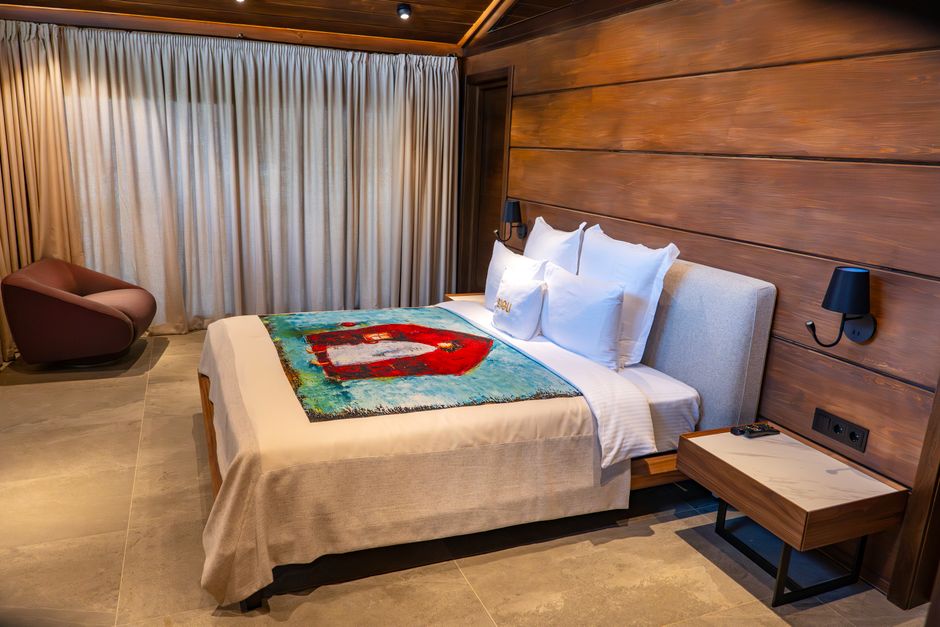
标签: hotel interior design

  • Modular Hotel Furniture 2026: Trends & ROI Guide

    Modular Hotel Furniture 2026: Trends & ROI Guide

    The hospitality sector is currently navigating a significant recalibration. Industry data suggests that by Q3 2026, hotel occupancy rates globally have largely recovered to pre-pandemic levels, yet average daily rates (ADRs) continue to face pressure from increased operational costs and a highly competitive market. This dynamic environment is forcing a critical re-evaluation of every capital expenditure, especially FF&E. The emphasis is no longer just on aesthetics or durability, but on how furniture contributes directly to operational efficiency, guest satisfaction, and ultimately, the bottom line. This shift marks a pivotal moment for flexible modular hospitality furniture, as stakeholders seek solutions that offer immediate and long-term value.
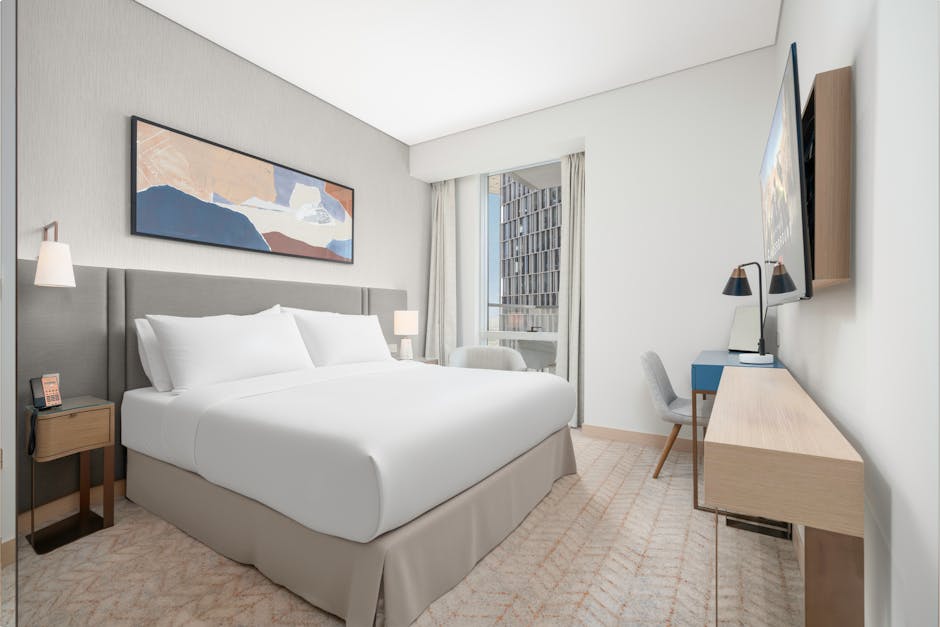
    A modern hotel suite showcasing a flexible modular hospitality furniture system, with a reconfigurable sofa and a movable coffee table.

    Why Flexible Modular Hospitality Furniture Is at an Inflection Point in 2026

    Several powerful forces are converging to elevate the importance of flexible modular hospitality furniture in 2026. These aren’t isolated pressures but interconnected challenges demanding a strategic response from hotel owners, developers, and procurement teams:
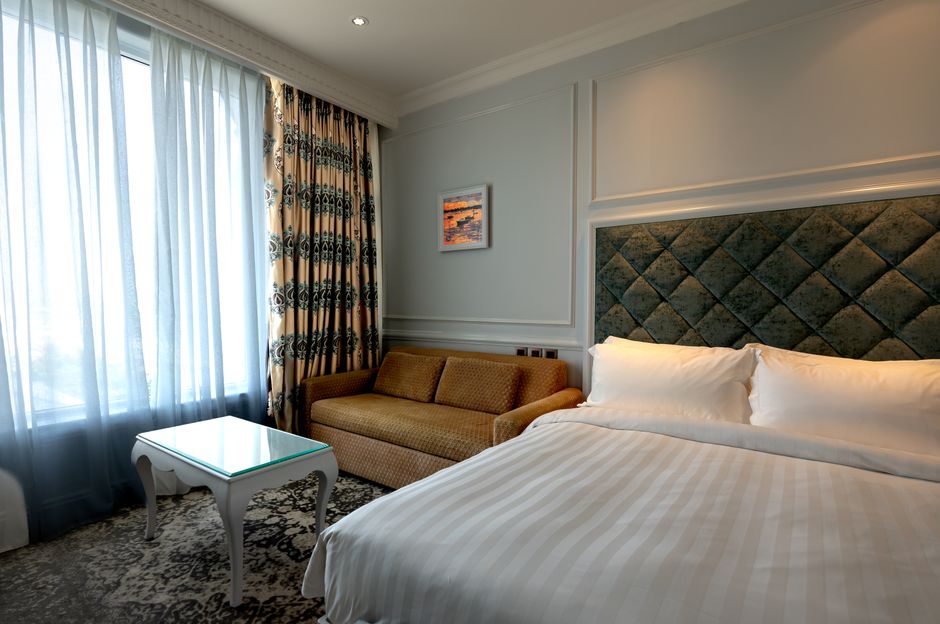
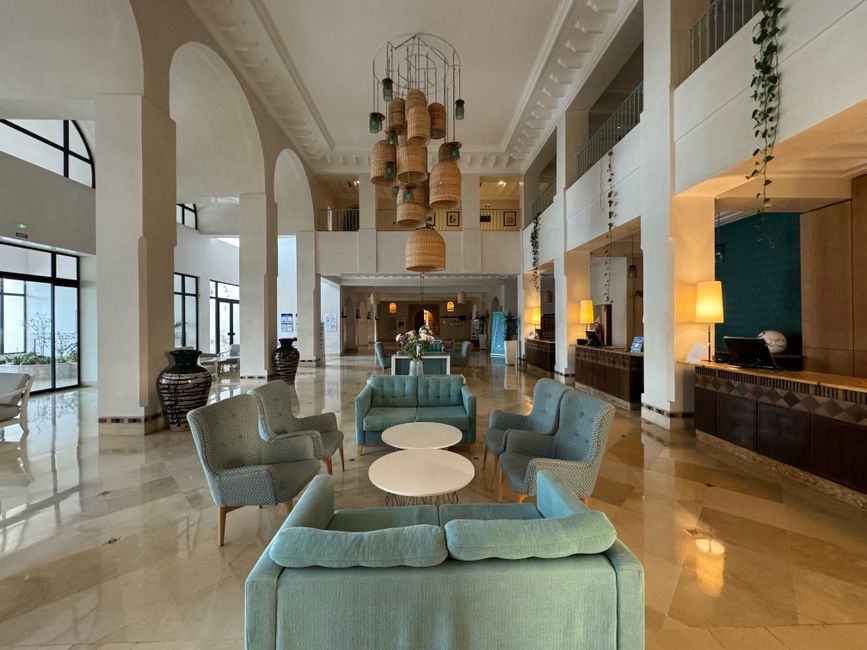
    A hotel lobby featuring multi-functional hotel room furniture, with easily reconfigurable seating arrangements for different social scenarios.
    • Supply Chain Volatility: Despite some stabilization, global supply chains remain susceptible to disruptions. This encourages a pivot towards standardized yet customizable components that can be sourced more reliably and assembled efficiently, reducing lead times and mitigating risks associated with bespoke, single-source items.
    • Sustainability Pressure: Regulatory bodies and guests alike are increasingly demanding eco-conscious practices. Modular designs, by their very nature, promote longevity and reduce waste. Components can be replaced or updated rather than entire pieces of furniture, aligning with circular economy principles and extending the lifecycle of FF&E.
    • Evolving Guest Expectations: Post-pandemic, guests prioritize health, safety, and personalized experiences. They expect spaces that can adapt to different needs—whether for remote work, family gatherings, or solo relaxation. A static room layout no longer suffices for the diverse demands of modern travelers.
    • Cost Inflation & Operational Efficiency: Rising material and labor costs are squeezing margins. Flexible modular hospitality furniture offers a strategic advantage by optimizing space utilization, reducing the frequency and cost of major renovations, and enabling quicker room turnovers for varied uses. This directly contributes to cost-effective hotel room layout optimization.
    • Post-Pandemic Recovery & Adaptability: The lessons from recent years underscore the need for agility. Hotels must be able to reconfigure spaces rapidly to meet changing health guidelines, social distancing requirements, or new market demands, all without extensive capital outlay or downtime.

    The Trends Redefining Flexible Modular Hospitality Furniture Right Now

    The industry is responding to these pressures with innovative approaches to FF&E. Understanding these trends is crucial for any buyer looking to stay competitive.
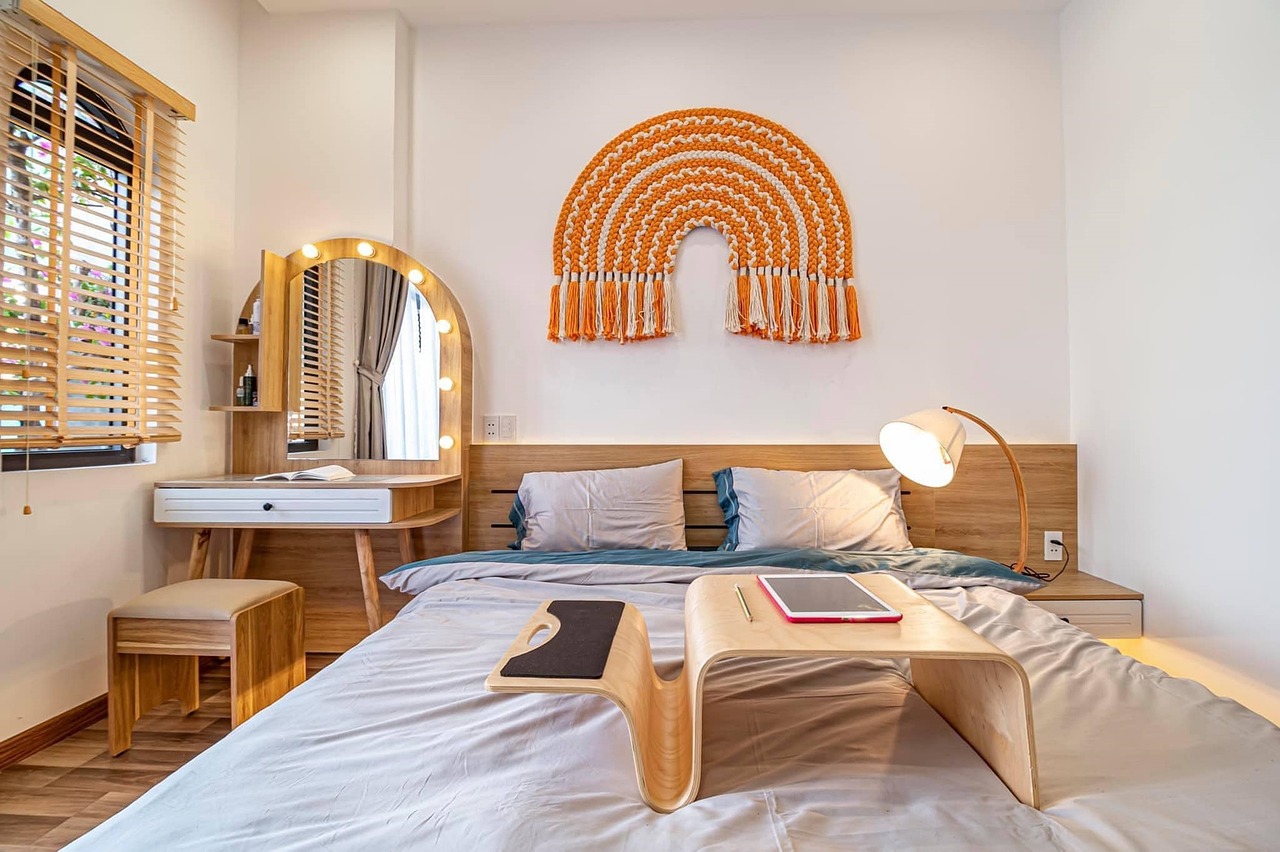
    An elegant hotel guestroom with high-end minimalist contract furniture, including a space-saving desk integrated into a wall unit.

    Hyper-Personalization & Segmented Guest Experiences

    What is happening: Hotels are moving away from a ‘one-size-fits-all’ room concept, instead aiming to provide spaces that guests can adapt to their immediate needs, whether for work, leisure, or family. This extends beyond technology to the physical environment.
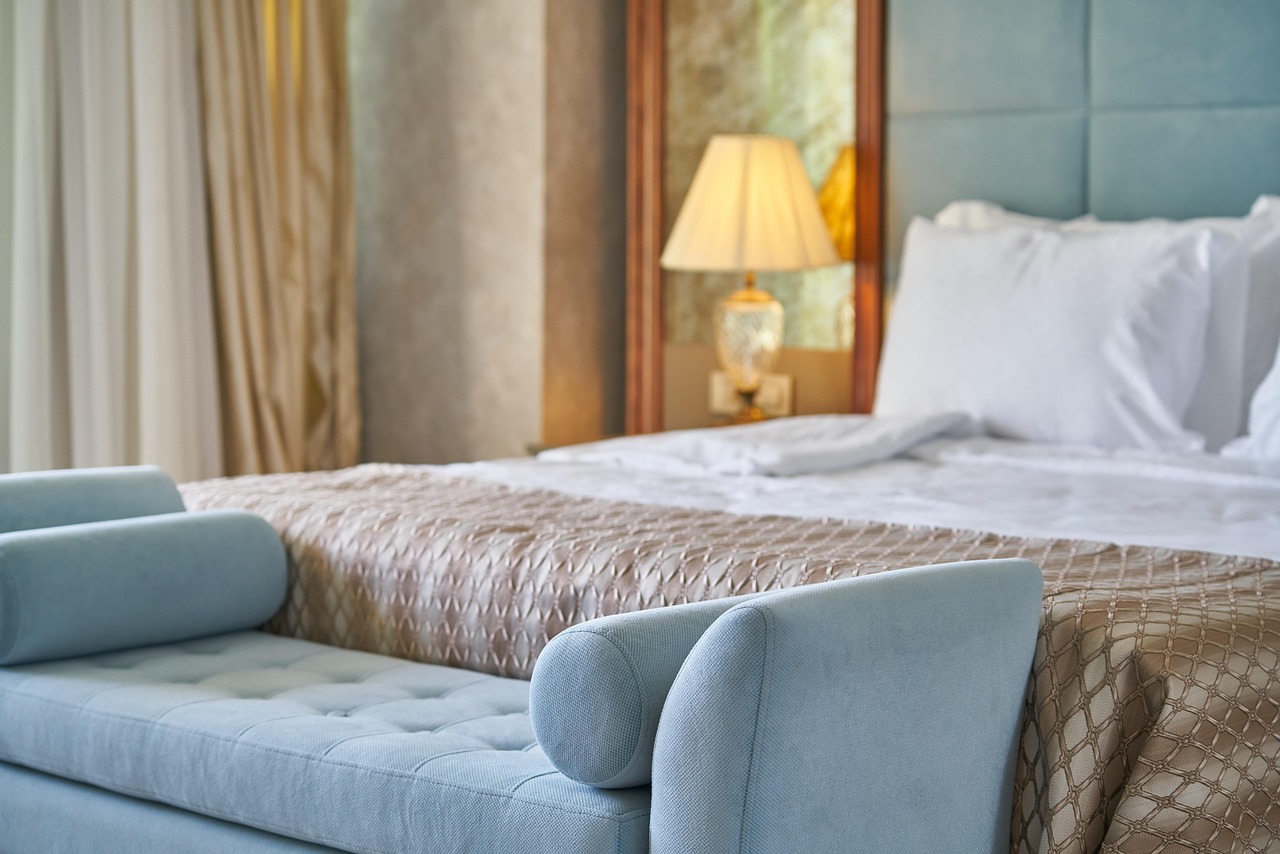
    A collaborative meeting space in a contemporary hotel, demonstrating cost-effective hotel room layout optimization with easily rearrangeable chairs and tables.

    Why it is happening: The rise of the ‘bleisure’ traveler (business + leisure), digital nomads, and multi-generational family trips means a single room must serve multiple functions. Guests value autonomy and the ability to customize their environment, leading to higher satisfaction scores and repeat bookings.
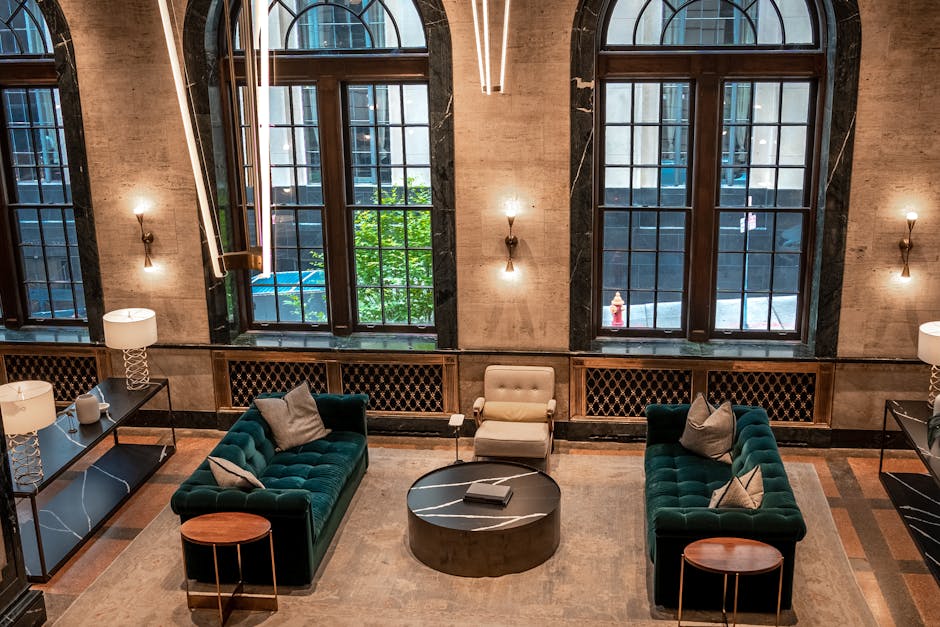
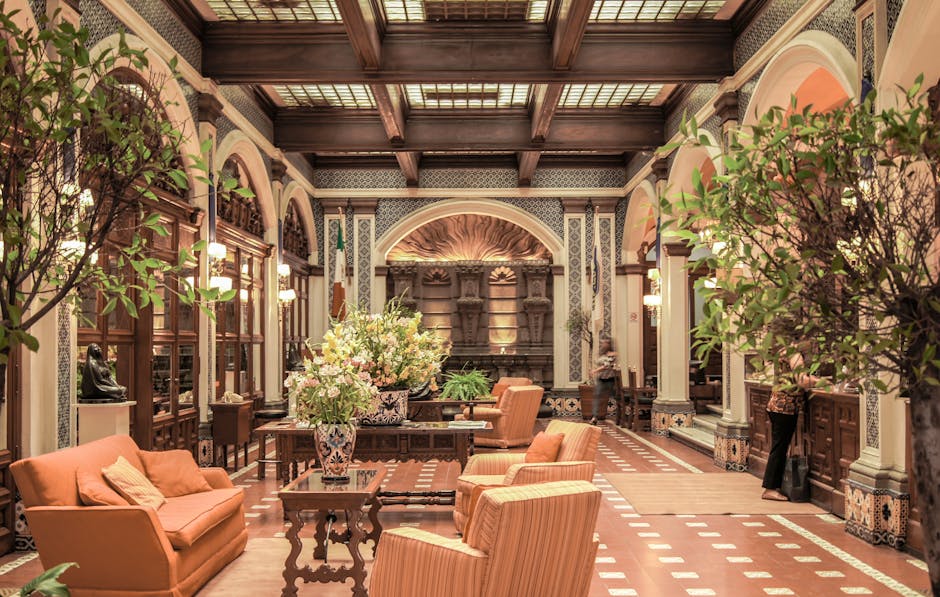
    Spacious hotel lobby with stylish furniture, large windows, and contemporary lighting.

    What it means for hotel buyers: Procurement teams are increasingly prioritizing multi-functional hotel room furniture that can be easily rearranged or transformed. This includes modular seating units that convert into daybeds, desks that double as dining tables, and storage solutions that blend seamlessly into the decor while offering adaptable utility. The focus shifts to furniture systems rather than individual pieces.
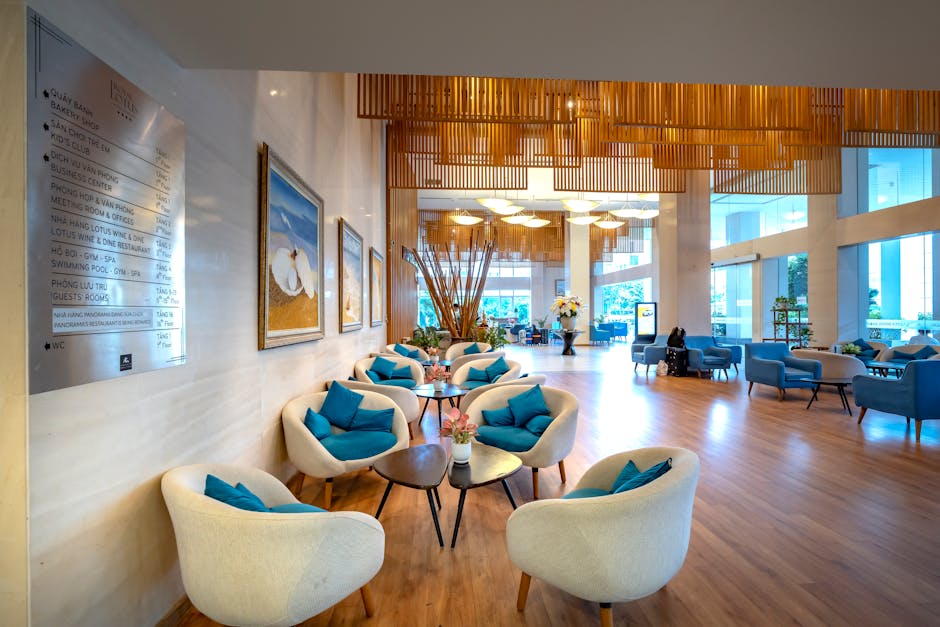
    Spacious hotel lobby featuring stylish seating and contemporary decor with natural light.

    Operational Agility & Rapid Room Flips

    What is happening: Hotels are under pressure to maximize revenue per square foot, which means reducing the time and cost associated with reconfiguring rooms for different uses or preparing for new guests. This applies equally to guest rooms, lobbies, and event spaces.
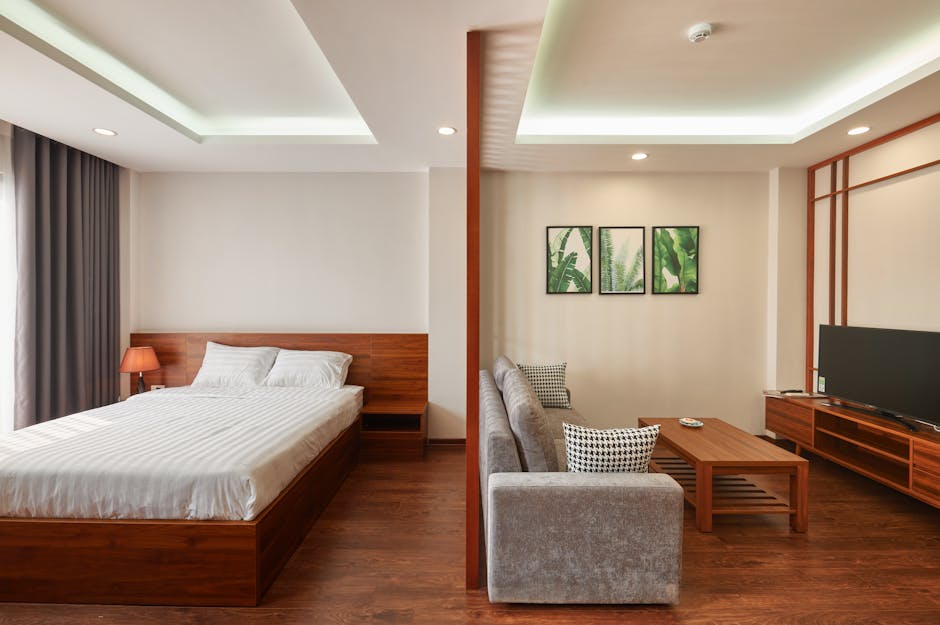
    A modern and minimalist dual-space room featuring a sleek bedroom and cozy living area.

    Why it is happening: High labor costs, the demand for increased occupancy, and the need to adapt to a dynamic event market (from corporate meetings to social gatherings) necessitate furniture that supports quick, efficient changes without requiring specialized tools or extensive staff training.
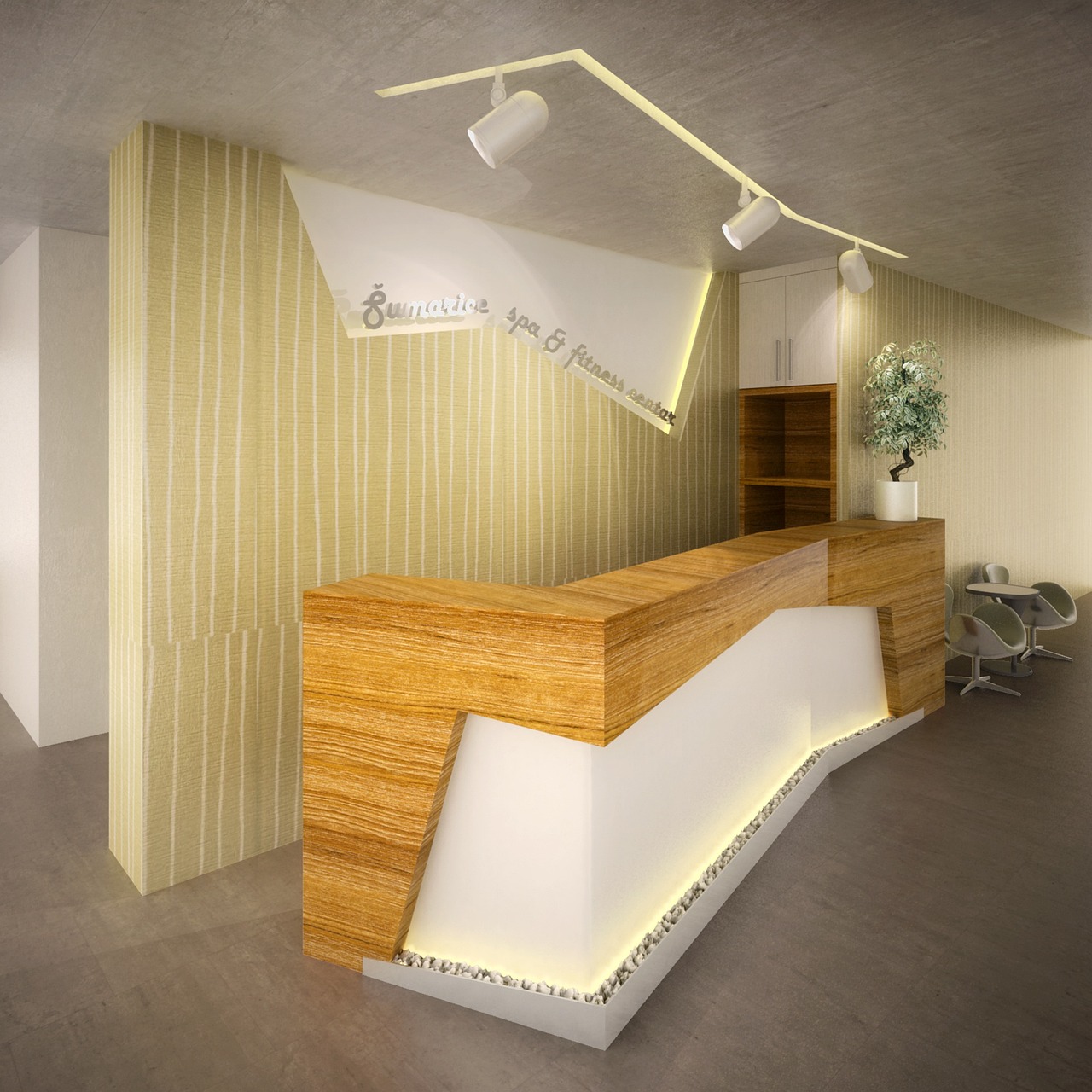
    hotel lobby modular seating arrangements flexible

    What it means for hotel buyers: Buyers are seeking lightweight, durable, and easily movable furniture. This includes stackable chairs, folding tables, and modular partitions that can be set up or dismantled in minutes. The ability to perform rapid room flips directly impacts a hotel’s ability to host diverse events, reduce downtime, and quickly prepare guest rooms, thereby enhancing overall profitability and enabling cost-effective hotel room layout optimization.

    sustainable lifecycle & Circular Design Principles

    What is happening: Sustainability is no longer a niche consideration but a fundamental expectation. The industry is moving towards furniture with a longer lifespan, made from responsibly sourced materials, and designed for repair, refurbishment, or eventual recycling.

    Why it is happening: Growing environmental regulations, heightened guest awareness regarding eco-friendly practices, and the long-term cost benefits of reduced waste and extended product lifecycles are driving this shift. There’s a tangible economic and reputational advantage to demonstrating commitment to sustainable practices.

    What it means for hotel buyers: RFQs now frequently include demands for certifications (e.g., FSC for wood, OEKO-TEX for textiles), details on manufacturing processes, and explicit questions about end-of-life management. Buyers are prioritizing suppliers who offer modular components that allow for individual parts to be replaced (e.g., a worn upholstery panel) rather than discarding an entire piece. This proactive approach ensures furniture choices align with a hotel’s broader sustainability goals and reduces future replacement costs.

    Integrated Technology & Seamless Connectivity

    What is happening: Guests expect seamless integration of technology within their hotel environment, from charging capabilities to smart room controls, all without disrupting the aesthetic or functionality of the furniture.

    Why it is happening: The proliferation of personal devices and the increasing reliance on digital tools for work and entertainment mean that furniture must support, rather than hinder, technological connectivity. Hotels that fail to offer this risk falling behind guest expectations.

    What it means for hotel buyers: Sourcing now involves furniture with discreetly integrated power outlets, USB-C charging ports, and sometimes even wireless charging pads. Desks and nightstands are designed to accommodate smart devices and media hubs without looking cluttered. This ensures that the aesthetic appeal of high-end minimalist contract furniture is maintained while providing essential modern amenities, avoiding costly and unsightly retrofits later.

    Who Is Winning — and What They Are Doing Differently

    Hotels that embrace flexible modular hospitality furniture are already seeing tangible benefits:

    • The Urban Boutique: A 4-star boutique hotel in a major European city, facing high real estate costs, implemented a strategy focusing on space-saving hotel furniture solutions. Their guest rooms feature custom-designed wall units with pull-out desks, modular seating that converts from a sofa to an extra bed, and integrated storage. This allowed them to market the same room as either a solo business traveler’s haven or a small family suite, increasing their booking flexibility by 35% and achieving a 12% higher ADR for multi-purpose bookings. Their FF&E procurement team collaborated closely with manufacturers during the design phase to ensure seamless integration and durability.
    • The Conference Resort: A large resort property revamped its event spaces with modular banquet furniture, including reconfigurable tables and stackable chairs, alongside movable acoustic partitions. This eliminated the need for third-party rental equipment for many events and reduced setup/teardown times by 40%. The resort now offers a wider range of event packages, from intimate board meetings to large-scale receptions, attracting a broader client base and boosting event revenue by 20% in the last year.
    • The Aparthotel Chain: A growing aparthotel brand, known for extended stays, invested in durable, modular kitchenettes and living room furniture that allows guests to personalize their space. Guests can easily reconfigure sectional sofas, move lightweight side tables, and adjust shelving. This focus on guest autonomy and comfort has resulted in a 15% increase in positive guest reviews specifically mentioning room functionality and comfort, directly impacting their online reputation and repeat guest rates.

    The Risks of Standing Still

    Ignoring the shift towards flexible modular hospitality furniture carries significant and measurable risks for hotel owners, developers, and procurement managers:

    • Exacerbated Cost Implications: Sticking to traditional, fixed furniture designs means higher costs for future renovations. When a single component wears out, an entire piece may need replacing, leading to increased procurement and disposal expenses. Furthermore, inflexible layouts can limit a property’s ability to host diverse events or cater to varied guest needs, resulting in lost revenue opportunities.
    • Competitive Disadvantage: Hotels that offer static, unadaptable guest rooms will struggle to compete with properties providing dynamic, personalized experiences. Guests are increasingly choosing hotels that offer more than just a place to sleep, and those without flexible furniture solutions will see lower occupancy rates and struggle to justify higher ADRs.
    • Suboptimal Guest Experience Gaps: A lack of adaptable furniture directly impacts guest satisfaction. Business travelers may lack a proper workspace, families may find rooms cramped, and solo travelers might miss opportunities for personal comfort. This can lead to negative online reviews, reduced brand loyalty, and a decline in repeat bookings.
    • Operational Inefficiencies: Fixed furniture can hinder efficient cleaning, maintenance, and room turnover. Moving heavy, non-modular pieces for deep cleaning or minor repairs is labor-intensive and time-consuming. This directly translates to higher operational costs and slower response times for maintenance issues.
    • Sustainability Backlash: As guests and corporate clients increasingly scrutinize environmental practices, hotels with a high furniture waste footprint due to non-modular, short-lifecycle FF&E will face reputational damage and potential loss of business from eco-conscious segments.

    What Smart Buyers Are Prioritizing in Their Next RFQ

    To navigate the evolving landscape, smart buyers are refining their RFQs to prioritize specific attributes in flexible modular hospitality furniture:

    • Design for Disassembly (DfD) & Material Transparency: Buyers are demanding detailed specifications on how furniture can be disassembled for repair or recycling, along with comprehensive documentation of material origins, composition, and certifications. They want to know the lifecycle impact of each component.
    • Multi-functional Components & Adaptable Configurations: RFQs explicitly request furniture that serves dual or triple purposes (e.g., a console table that expands into a dining table, an ottoman that doubles as storage). Suppliers must demonstrate how their offerings allow for multiple layout configurations within a standard room footprint.
    • Detailed CADs & 3D Renderings of Layout Options: Beyond standard product shots, buyers are asking for comprehensive CAD drawings and 3D renderings that illustrate the various ways modular furniture can be arranged and reconfigured within specific room types or public areas. This helps visualize space-saving hotel furniture solutions.
    • Supplier Capability in Rapid Prototyping & Modular Manufacturing: Buyers are assessing a supplier’s ability to quickly produce prototypes of custom modular designs and their manufacturing efficiency for producing interchangeable components at scale. This often involves looking for factories with advanced CNC capabilities and robust quality control.
    • Lifecycle Cost Analysis (LCA), Not Just Upfront Price: Smart buyers are requesting data on the total cost of ownership, including expected lifespan, ease and cost of repairs, and environmental impact, rather than solely focusing on the initial purchase price of high-end minimalist contract furniture.
    • OEM/ODM Service Expertise: For truly tailored solutions, buyers are prioritizing manufacturers who offer robust OEM/ODM services, allowing for custom modifications to existing modular systems or entirely new designs developed in collaboration with the hotel’s design team.

    The industry’s shift towards flexible modular hospitality furniture is not merely a trend; it’s a fundamental recalibration driven by economic, environmental, and experiential imperatives. For hotel owners, developers, FF&E procurement managers, interior designers, and hospitality contractors, embracing this change is vital for long-term success. Zhobai Hotel Furniture, with over 15 years of experience, understands these dynamics. Our one-stop solution, from early-stage planning and in-house design to manufacturing, logistics, and installation, is specifically engineered to deliver tailored, adaptable furniture solutions that meet the complex demands of 2026 and beyond. Our OEM/ODM capabilities and certified manufacturing processes ensure that your investment in flexible modular hospitality furniture is both strategic and sustainable. We invite you to connect with our team to discuss how our expertise can transform your next project.
  • Hotel Furniture Trends 2026: A Strategic Sourcing Guide

    Hotel Furniture Trends 2026: A Strategic Sourcing Guide

    Industry data suggests that global investment in hospitality FF&E is projected to surpass $100 billion by late 2026, driven by a renewed focus on guest experience and property differentiation. This significant capital outlay underscores the critical importance of strategic sourcing and design in an evolving market. For hotel owners, developers, FF&E procurement managers, interior designers, and hospitality project contractors, understanding the nuances of custom hotel furniture is no longer a luxury but a necessity for competitive advantage.

    A stylish hotel lobby featuring custom hotel furniture with biophilic design elements, showcasing natural wood and lush greenery.

    Current State of the Hotel Furniture Industry

    As of May 2026, the hospitality sector is witnessing robust growth, particularly in boutique and luxury segments, fueling demand for high-quality, customized hotel furniture. Post-pandemic recovery has solidified, shifting focus from mere occupancy rates to enhancing guest value through unique and memorable stays. Procurement teams are increasingly navigating a complex landscape marked by fluctuating raw material costs, geopolitical impacts on supply chains, and a heightened emphasis on ethical sourcing. Market observers note a persistent upward pressure on overall hotel building cost, making efficient and informed FF&E procurement more vital than ever.

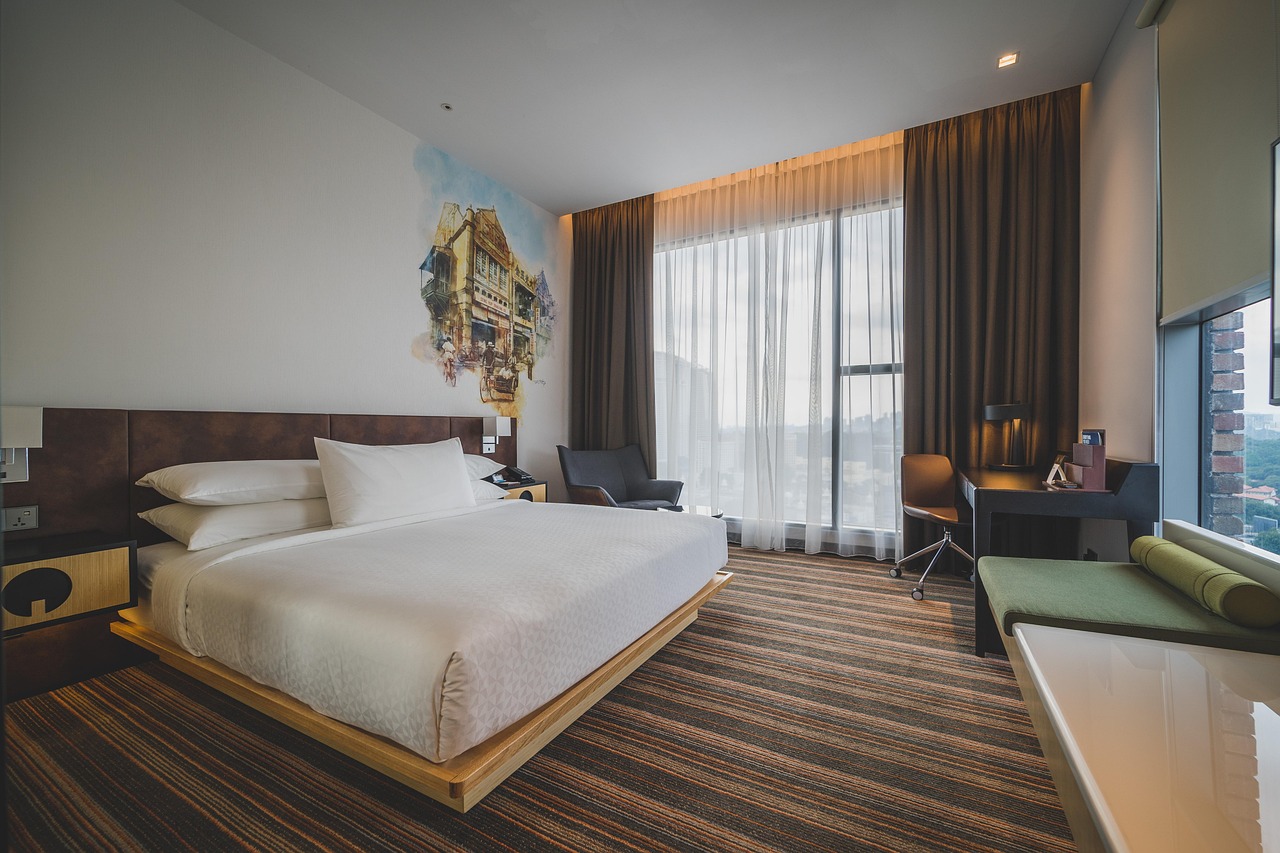
    A modern luxury hotel guest room with integrated smart technology in the hotel furniture, including wireless charging and discreet lighting.

    Manufacturers, including Zhobai Hotel Furniture, have adapted by fortifying supply chain resilience, investing in advanced production technologies, and expanding their global logistical networks. The industry has moved beyond standardized offerings, with a strong lean towards bespoke solutions that reflect a property’s unique brand identity and local culture. This customization extends from early-stage planning to final installation, requiring a one-stop solution provider capable of managing the entire lifecycle. The demand for durable, commercial-grade furnishings that can withstand rigorous hospitality use while maintaining aesthetic appeal is paramount, balancing initial investment with long-term operational efficiency.

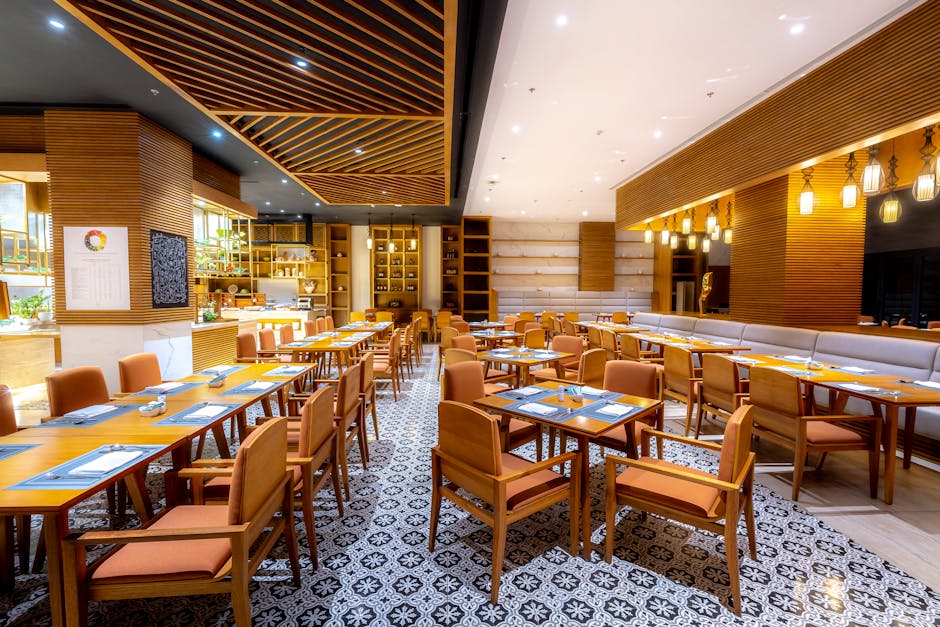
    Detail shot of durable, commercial-grade hotel furniture in a high-traffic hotel restaurant, emphasizing quality materials and construction.

    Top Trends Reshaping Hotel Furniture in 2026

    The landscape of hotel furniture is in constant flux, shaped by evolving guest expectations, technological advancements, and a global commitment to sustainability. Building on insights from hotel furniture trends 2026, 2026 sees these trajectories accelerating, demanding strategic adaptation from all stakeholders.

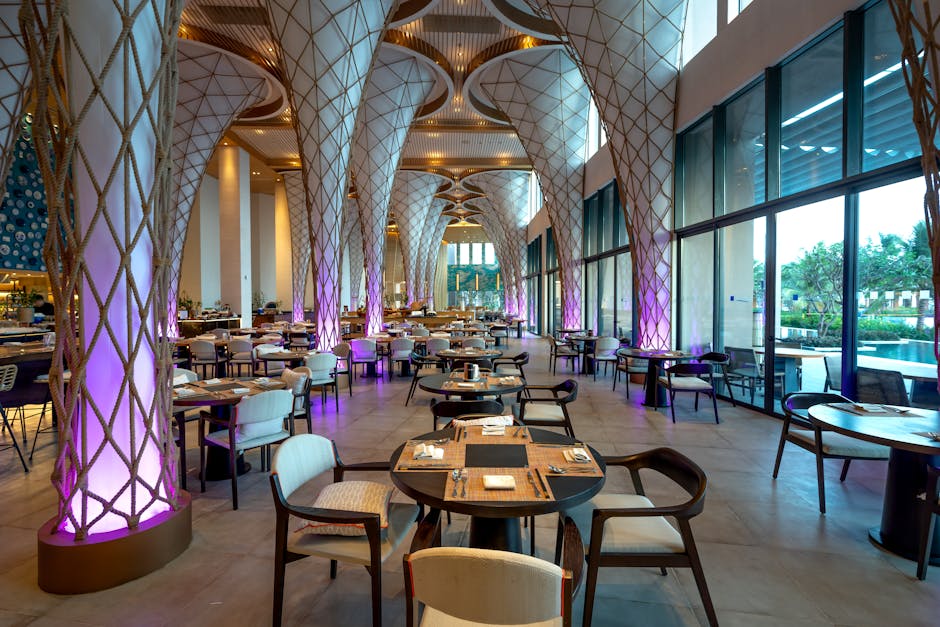
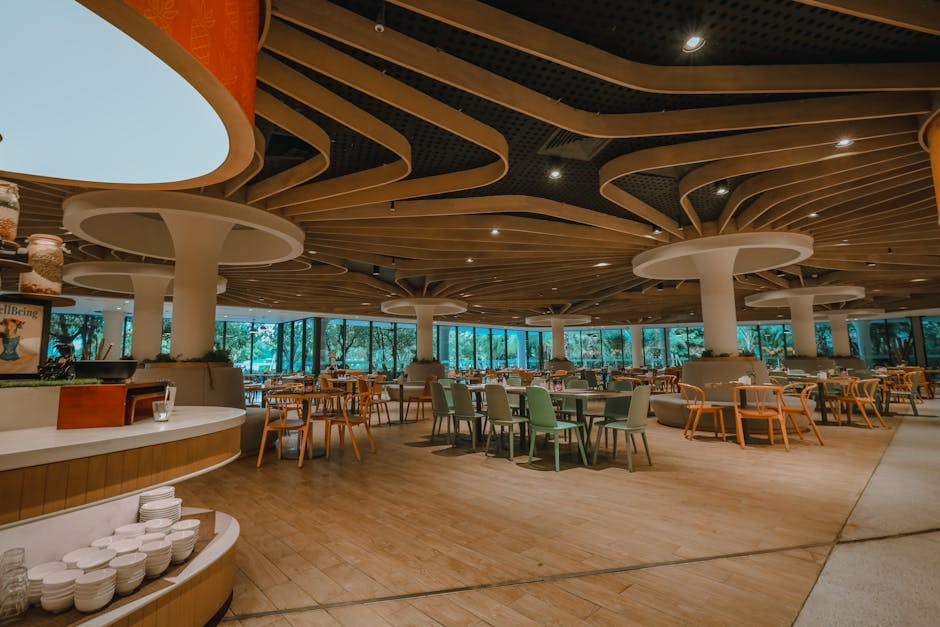
    Spacious modern restaurant interior with unique architectural design and ambient lighting.

    Biophilic Design & Natural Integration

    Guests are increasingly seeking environments that connect them with nature, a trend profoundly influencing hotel furniture design. Biophilic principles are being woven into the fabric of hospitality spaces, moving beyond simple potted plants to integrated natural elements. This means a surge in demand for hotel furniture crafted from sustainable, organic materials such as reclaimed wood, bamboo, rattan, and natural stone. Finishes lean towards matte and textured surfaces, mimicking the raw beauty of the outdoors. Design aesthetics favor organic shapes, soft curves, and earthy color palettes—terracotta, sage green, and muted blues—creating calming, restorative atmospheres. For instance, headboards might incorporate woven elements, while lobby seating features exposed wooden frames and upholstery in natural fibers like linen or hemp. This trend directly addresses guest wellness, fostering a sense of tranquility and escape.

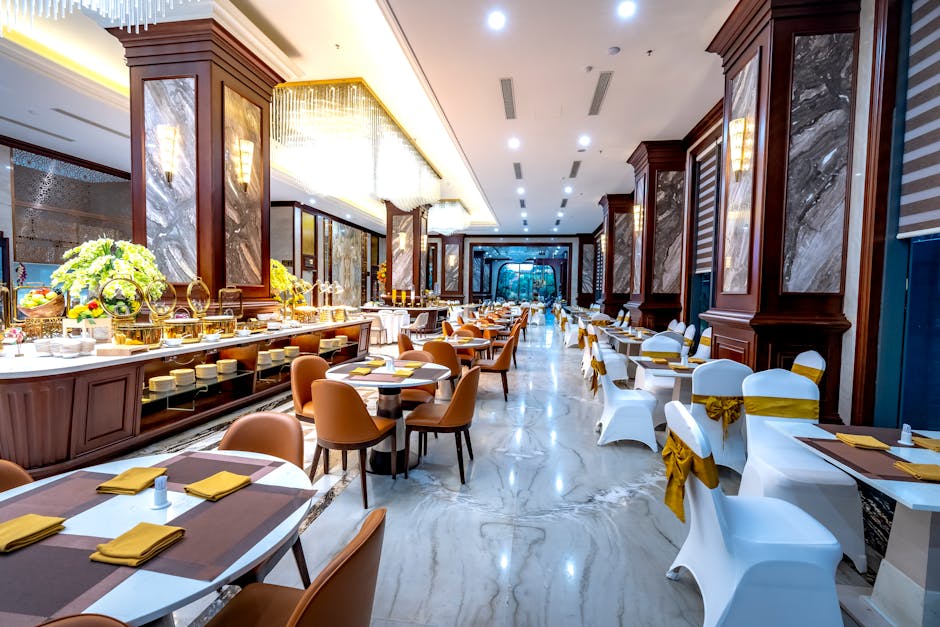
    Elegant hotel dining room with luxurious decor and seating arrangement.

    Hyper-Personalization & Experiential Zones

    The modern traveler craves unique, shareable experiences, and hotel furniture is instrumental in delivering this. Cookie-cutter designs are out; highly personalized and adaptable spaces are in. This trend manifests in furniture that helps delineate ‘experiential zones’ within a guest room or public area. Think modular seating arrangements in lobbies that can be reconfigured for social interaction or private contemplation, or guest room furniture that allows for distinct work, relaxation, and sleep areas. Customization is key, with properties investing in bespoke pieces that tell a story, reflect local artistry, or provide unexpected functionality. This could involve multi-functional pieces like a desk that doubles as a vanity, or a custom-designed minibar cabinet that integrates seamlessly into the room’s narrative. The goal is to create memorable moments and Instagrammable backdrops, driving guest engagement and loyalty.

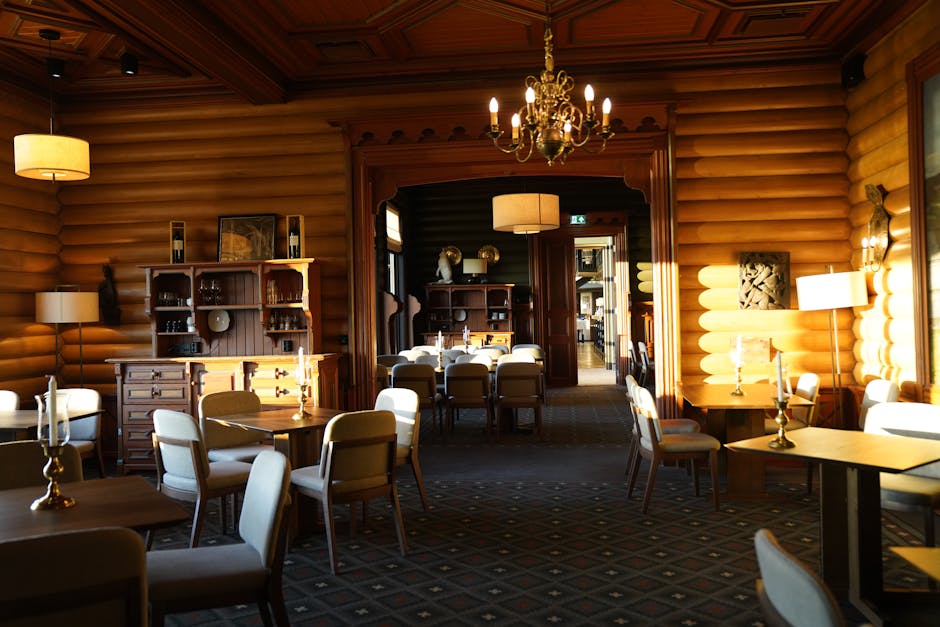
    Elegant rustic restaurant interior featuring log walls, chandeliers, and classic wooden furniture.

    Integrated Technology & Smart Functionality

    As technology becomes seamlessly integrated into daily life, hotel furniture is evolving from passive objects to active, smart components of the guest experience. This trend involves embedding technology directly into furniture, rather than adding it as an afterthought. Expect to see hotel furniture with built-in wireless charging pads for mobile devices, discreet USB-C ports integrated into nightstands and desks, and even smart lighting controls within headboards. Beyond basic connectivity, market observers note a growing interest in sensor-embedded furniture for public areas, which can provide valuable data on occupancy patterns to optimize cleaning schedules and energy usage. Advanced properties are also exploring sleep-tech mattresses with integrated sensors for personalized comfort and wellness tracking. The aim is to enhance convenience, streamline operations, and provide a sophisticated, intuitive user experience.

    Elegantly designed restaurant with stylish furniture and ambient lighting, ideal for dining.

    Durability, Maintainability & Circularity

    With rising operational costs and increased awareness of environmental impact, the longevity and sustainability of hotel furniture have become paramount. Procurement teams are increasingly prioritizing commercial-grade durability, demanding materials and construction methods that withstand constant use and cleaning cycles. This translates to robust joinery, high-pressure laminates for surfaces, and performance fabrics that resist stains and wear. Beyond mere durability, the concept of circularity is gaining traction. This means furniture designed for disassembly, repair, and eventual recycling, minimizing waste and extending product lifecycles. Hotels are looking for suppliers with transparent supply chains, using recycled or renewable materials, and offering end-of-life solutions. This commitment to maintainability and circularity not only reduces the environmental footprint but also offers significant long-term savings by decreasing replacement frequency and waste disposal costs. Zhobai Hotel Furniture, with its focus on quality materials and advanced manufacturing processes, is well-positioned to meet these stringent requirements.

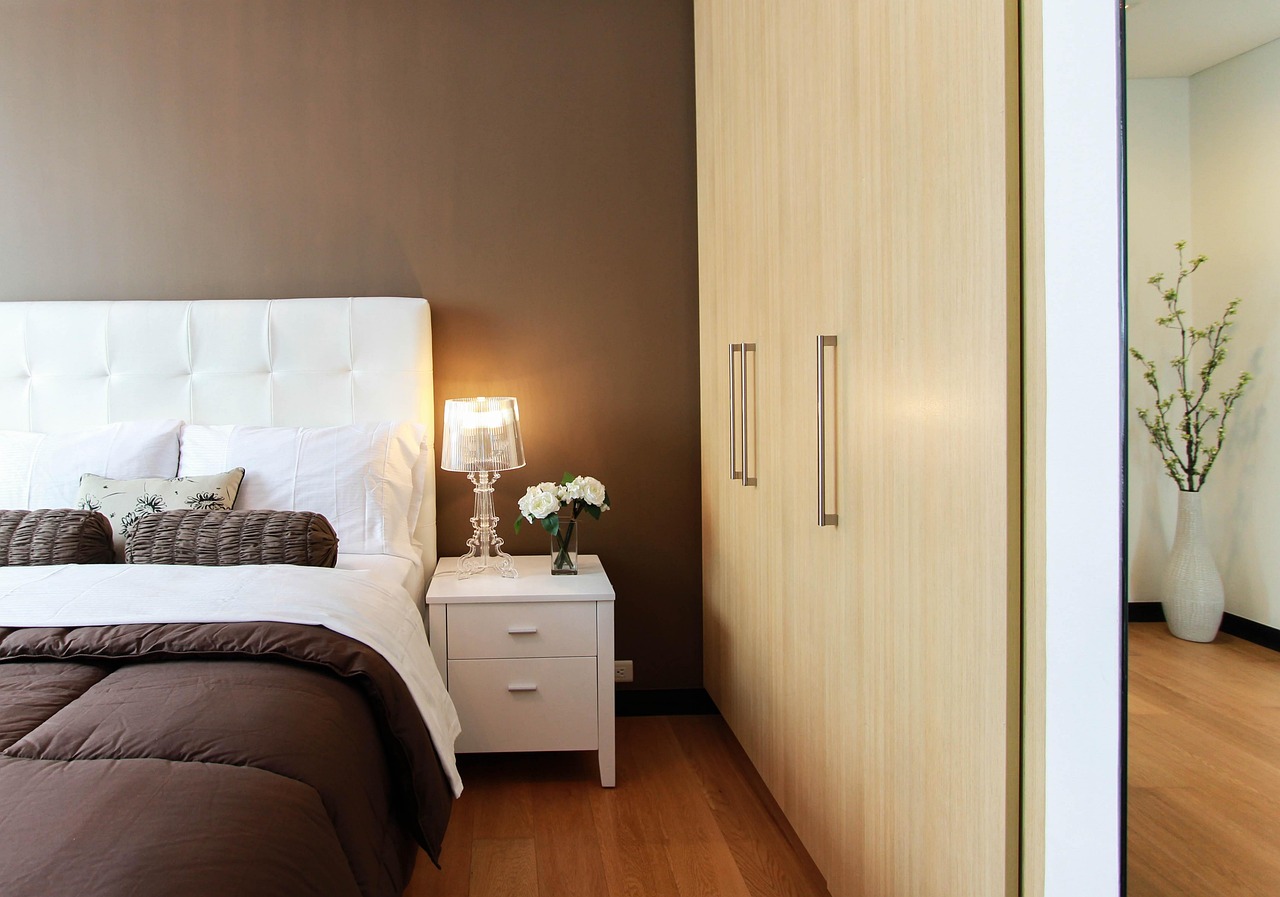
    modern hotel bedroom with smart bedside table and integrated charging

    What These Trends Mean for Hotel Buyers

    For hotel owners, developers, and FF&E procurement managers, these converging trends necessitate a more strategic and informed approach to sourcing hotel furniture. The era of off-the-shelf solutions is rapidly fading, replaced by a demand for tailored, high-performance products that align with specific brand visions and operational realities.

    modern hotel bedroom with smart bedside table and integrated charging
    • Strategic Partnerships are Crucial: Engaging with manufacturers who offer a one-stop solution, from early-stage design consultation to logistics and installation, can streamline complex projects. This integrated approach ensures design intent is maintained through manufacturing and helps control the overall hotel building cost.
    • Investment in Quality Pays Off: While initial costs for custom, durable, and sustainably sourced furniture might be higher, the long-term ROI is significant. Reduced replacement cycles, lower maintenance expenses, and enhanced guest satisfaction directly impact profitability.
    • Design & Functionality Synergy: Interior designers must collaborate closely with procurement to ensure that aesthetic visions are commercially viable and functional for hospitality environments. Mock-up rooms become even more critical to test integrated technology, material durability, and guest flow before bulk production.
    • Emphasis on Transparency: Buyers need to demand transparency in material sourcing, manufacturing processes, and certifications (like CE, ISO, SGS, FDA). This ensures compliance with sustainability goals and verifies product quality.
    • Flexibility and Adaptability: The ability to adapt designs for various room types or public spaces while maintaining a cohesive brand identity is vital. Suppliers offering OEM/ODM services provide this essential flexibility.

    Challenges and Opportunities Ahead

    The evolving landscape of hotel furniture presents both significant challenges and compelling opportunities for discerning buyers.

    Explore a stunning, contemporary restaurant interior at a luxury hotel in Phú Quốc, Vietnam.

    Challenges:

    • Supply Chain Volatility: Despite improvements, global supply chains remain susceptible to disruptions, impacting lead times and material availability. This necessitates robust project planning and early engagement with suppliers.
    • Rising Production Costs: Inflationary pressures on raw materials, energy, and labor continue to push manufacturing costs upwards, directly affecting the final hotel building cost for FF&E.
    • Balancing Innovation with Budget: Integrating advanced technology and sustainable materials often comes with a higher price tag. The challenge lies in finding innovative solutions that deliver value without exceeding budget constraints.
    • Skilled Labor Shortages: The availability of skilled labor for custom furniture manufacturing, logistics, and on-site installation can pose challenges, potentially impacting project timelines.

    Opportunities:

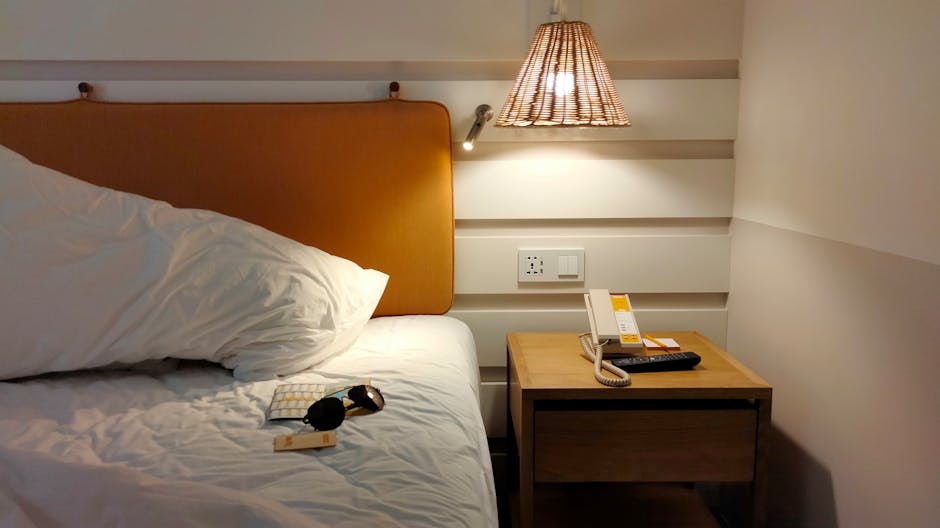
    Inviting bedroom space with a lamp-lit nightstand, phone, and sunglasses on the bed.
    • Brand Differentiation: Custom hotel furniture, aligned with current trends, offers an unparalleled opportunity to create distinctive, memorable guest experiences that set properties apart in a crowded market.
    • Enhanced Guest Satisfaction: Thoughtfully designed, comfortable, and tech-integrated furniture directly contributes to positive guest reviews and repeat business.
    • Long-Term Value Creation: Investing in durable, high-quality, and maintainable furniture reduces operational expenses over time, providing a superior return on investment compared to cheaper, short-lived alternatives.
    • Sustainability Leadership: Adopting circular and biophilic design principles allows hotels to enhance their environmental credentials, appealing to a growing segment of eco-conscious travelers and meeting corporate social responsibility goals.
    • Operational Efficiencies: Smart furniture and data-driven insights can lead to optimized cleaning, maintenance, and energy management, improving overall hotel operations.

    Expert Perspective and Market Outlook

    From Zhobai Hotel Furniture’s perspective, the market outlook for custom hotel furniture in 2026 is one of focused innovation and strategic partnership. We anticipate continued growth in demand for bespoke solutions, particularly in the 5-star, boutique, and resort segments where guest experience is paramount. The emphasis will remain on creating truly tailored spaces, and our professional in-house design team is continuously working to translate these visions into reality.

    Market observers predict that suppliers who can offer comprehensive, end-to-end services—from design and manufacturing to logistics and installation—will be the most valuable partners for hotel developers and procurement teams. The ability to navigate complex global supply chains, provide factory direct pricing, and ensure quality control through certifications like CE, ISO, SGS, and FDA will be non-negotiable. The evolution of sustainable hotel furniture trends will also drive greater transparency and accountability across the supply chain. Ultimately, the successful sourcing of hotel furniture in 2026 will hinge on collaborative relationships that prioritize long-term value, design integrity, and operational excellence.

    Partnering with a manufacturer that understands these dynamics is crucial. Zhobai Hotel Furniture is committed to empowering hotel owners, developers, and designers to navigate these trends successfully. With over 15 years of experience and a global footprint, we provide a seamless, one-stop solution for custom hotel furniture that not only meets the demands of 2026 but anticipates the needs of tomorrow. Let us help you craft exceptional spaces that resonate with your guests and stand the test of time.

  • Top Hotel Furniture Suppliers UAE: An Expert Sourcing Guide

    Top Hotel Furniture Suppliers UAE: An Expert Sourcing Guide

    In the highly competitive hospitality landscape of the UAE, where guest expectations for luxury and comfort are consistently among the highest globally, the quality of your hotel’s FF&E (Furniture, Fixtures, and Equipment) directly impacts RevPAR and guest satisfaction scores. A recent study indicated that well-designed, durable interiors can boost guest loyalty by up to 15% and increase positive online reviews by 20%. For hotel owners and procurement managers, selecting the right hotel furniture suppliers UAE is not just a purchasing decision; it’s a strategic investment in the property’s long-term success and brand reputation.

    A beautifully appointed luxury hotel lobby showcasing custom hotel furniture from top hotel furniture suppliers UAE.

    Why Hotel Furniture Quality is Critical for Hotel Success

    The furniture in a hotel, particularly in high-traffic areas and guest rooms, endures significant wear and tear. Substandard furniture can degrade rapidly, leading to frequent replacements, costly maintenance, and a diminished guest experience. Imagine a guest checking into a 5-star property only to find worn upholstery or a rickety bedside table; such an oversight can immediately reduce perceived value and lead to negative feedback. High-quality, robust furniture, designed for commercial use, offers superior durability, often lasting 7-10 years compared to 2-3 years for residential-grade items, significantly impacting your operational budget and ROI.

    Detail of bespoke luxury hotel bedroom furniture, highlighting craftsmanship and quality expected from leading hotel furniture suppliers UAE.

    Learn more about 5-star hotel furniture project.

    Learn more about hotel furniture manufacturer guide.

    A modern hotel meeting room featuring durable and stylish custom furniture, demonstrating the range offered by hotel furniture suppliers UAE.

    Furthermore, furniture contributes significantly to the hotel’s aesthetic and brand identity. Custom-designed pieces can create a unique atmosphere, differentiating your property in a crowded market. This is especially true for boutique hotels and luxury resorts in the UAE, where bespoke design elements are expected. Investing in quality ensures that the initial design vision is maintained for years, protecting your brand image and justifying premium room rates.

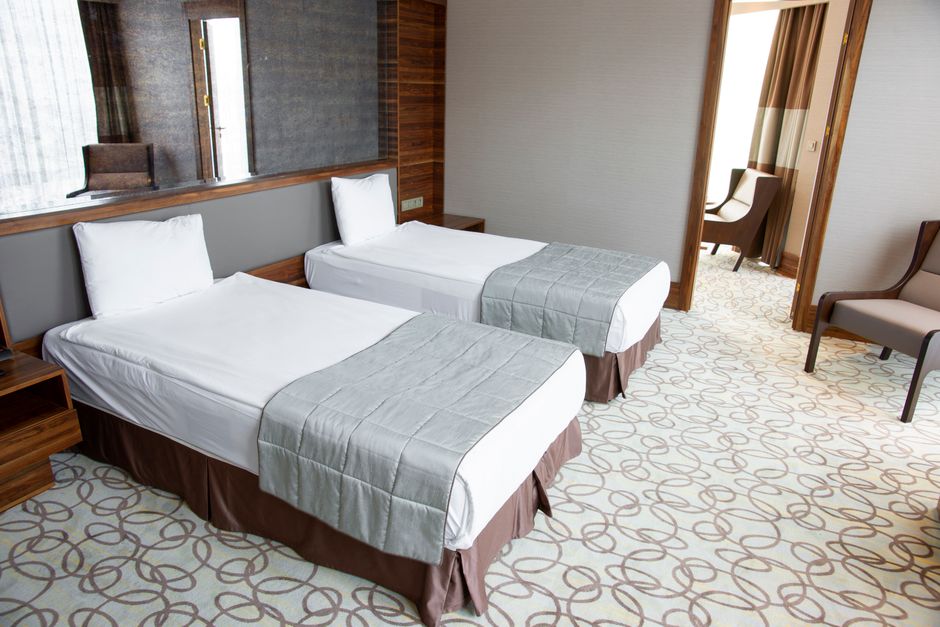
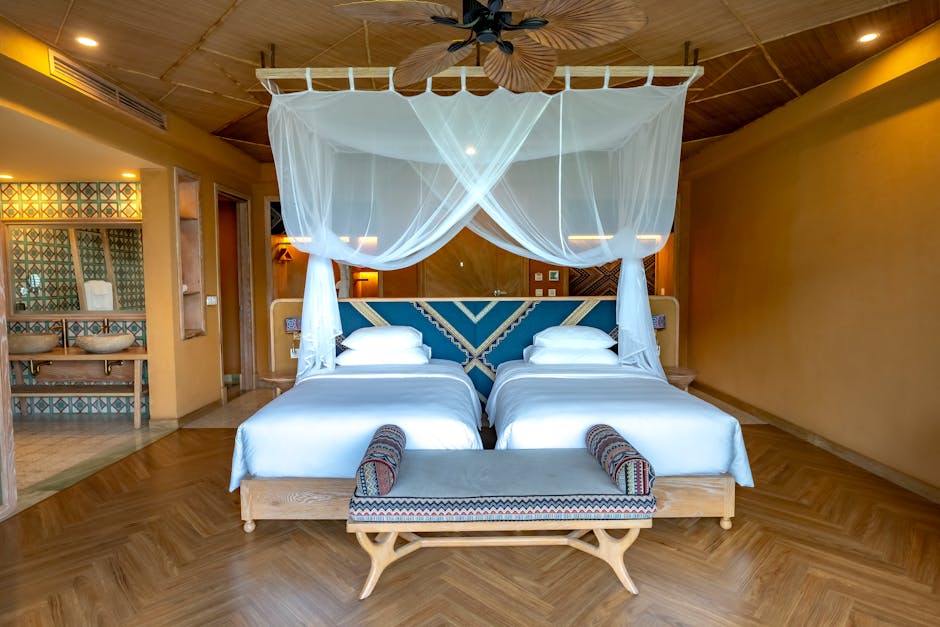
    Spacious and luxurious hotel room featuring two comfortable twin beds with stylish design.

    Key Factors to Consider When Choosing Hotel Furniture Suppliers UAE

    Selecting the ideal partner among hotel furniture suppliers UAE requires a meticulous evaluation beyond just price. Focus on comprehensive capabilities that ensure your project’s success.

    Spacious and elegant hotel lobby featuring modern furniture, lighting, and decor reflecting luxury interior design.
    • Customization Capabilities and Design Expertise

      Many projects require tailored solutions. Look for a supplier with a professional in-house design team capable of translating your vision into functional, aesthetically pleasing, and durable furniture. This includes expertise in material selection, finishes, and ergonomic design suitable for hospitality environments. A supplier offering OEM/ODM services ensures that your unique brand identity is reflected in every piece.

      hotel furniture suppliers UAE
    • Manufacturing Quality and Material Sourcing

      Investigate the supplier’s manufacturing processes and quality control. Do they use high-grade, sustainable materials? Are their joinery techniques robust? A reliable supplier should provide transparent information about their material sourcing and production standards. For instance, a reputable luxury hotel bedroom furniture manufacturer will utilize solid wood frames, commercial-grade fabrics, and durable finishes to withstand the rigors of hotel use.

      Elegant hotel room with luxury furnishings and soft lighting, perfect for relaxation.
    • Project Management and Logistics Support

      The best suppliers offer more than just furniture production. They provide a one-stop solution covering early-stage planning, design, manufacturing, quality control, logistics, and even installation. This integrated approach minimizes coordination headaches and ensures seamless project execution, especially for large-scale operations or international shipments to the UAE. Verify their experience in handling complex global logistics.

      Explore the vibrant Jumeirah architecture with lush palm trees under a clear Dubai sky.
    • Certifications and Compliance

      Ensure the supplier meets relevant international quality and safety standards. Certifications like CE, ISO, SGS, and FDA (for specific applications) are indicators of a commitment to quality and ethical manufacturing. These certifications provide assurance that the products meet stringent industry benchmarks.

    • Transparent Pricing and After-Sales Service

      While factory-direct pricing is a significant advantage, transparency in all costs – including shipping, customs, and installation – is crucial. Equally important is robust after-sales support and warranty, demonstrating the supplier’s confidence in their product quality and commitment to client satisfaction. Zhobai Hotel Furniture, for example, prides itself on offering comprehensive support from initial concept to post-installation.

    Common Mistakes Hotels Make with Hotel Furniture Suppliers UAE

    Avoiding common pitfalls can save significant time and resources. Many hotel projects encounter issues due to oversight in the procurement process.

    • Prioritizing Low Cost Over Long-Term Value

      The most frequent error is selecting the cheapest option without considering durability, maintenance, and replacement costs. Furniture that needs replacing every 2-3 years due to poor quality quickly negates any initial savings, leading to higher total cost of ownership (TCO). A 10% saving on upfront cost might result in 50% higher TCO over a decade.

    • Neglecting Comprehensive Due Diligence

      Failing to thoroughly vet potential hotel furniture suppliers UAE is risky. This includes not checking references, touring manufacturing facilities (or requesting detailed virtual tours/video evidence), and overlooking essential certifications. A supplier’s track record and client testimonials are invaluable indicators of reliability.

    • Underestimating Lead Times and Logistics

      Custom furniture manufacturing and international shipping can take several months. Underestimating these timelines can delay project completion, incurring penalties and lost revenue. Always build in buffer time and confirm a supplier’s proven ability to meet deadlines and manage complex international freight, especially when sourcing custom hotel furniture China or from other global hubs.

    • Poor Communication and Ambiguous Contracts

      Lack of clear communication regarding design specifications, material choices, and delivery schedules can lead to costly errors and disputes. Ensure all details are explicitly outlined in a comprehensive contract, leaving no room for misinterpretation.

    Latest Trends and Innovations in Hotel Furniture (2024-2025)

    The hospitality industry is constantly evolving, and furniture trends reflect shifts in guest preferences, technology, and environmental consciousness.

    • Sustainability and Eco-Friendly Materials

      Guests increasingly prefer hotels committed to sustainability. Furniture made from recycled, reclaimed, or responsibly sourced materials (e.g., FSC-certified wood, recycled plastics, natural fibers) is gaining prominence. Suppliers offering transparent supply chains and eco-friendly manufacturing processes are highly sought after.

    • Integrated Technology and Smart Furniture

      Expect to see more furniture with integrated charging ports, smart lighting controls, and even subtle IoT capabilities for personalized guest experiences. Desks with wireless charging pads or beds with integrated health monitoring are becoming more common in luxury segments.

    • Biophilic Design and Natural Elements

      Bringing the outdoors in continues to be a strong trend. Furniture incorporating natural wood tones, stone accents, woven textures, and organic shapes creates calming, restorative environments. This trend aligns well with the wellness focus of many modern hotels.

    • Modularity and Multi-Functional Pieces

      As space optimization becomes crucial, modular furniture that can be reconfigured for different uses (e.g., sofa beds, convertible dining tables, movable partitions) offers flexibility and enhances guest comfort. This is particularly valuable for extended-stay hotels or smaller boutique properties.

    • Localized Aesthetics and Cultural Integration

      Hotels are increasingly seeking furniture that reflects the local culture and heritage of their location. For the UAE, this might involve incorporating traditional patterns, Middle Eastern design elements, or using locally inspired materials, creating an authentic and memorable guest experience.

    How to Work With a Reliable Hotel Furniture Partner

    Establishing a strong working relationship with your chosen supplier is paramount for a smooth project from concept to completion.

    1. Define Your Needs Clearly

      Before engaging any hotel furniture suppliers UAE, have a clear understanding of your project scope, budget, design aesthetic, and functional requirements. Provide detailed specifications, floor plans, and mood boards to ensure alignment.

    2. Request Comprehensive Proposals and Samples

      Ask for detailed quotes, including material specifications, lead times, payment terms, and warranty information. Request samples of materials, finishes, and even prototype pieces for critical items like chairs or headboards. This allows for tangible quality assessment.

    3. Establish Clear Communication Channels

      Designate a primary point of contact on both sides and establish regular communication protocols. Weekly project updates, detailed progress reports, and quick responses to queries are vital for keeping the project on track. Zhobai Hotel Furniture provides dedicated project managers to streamline this process.

    4. Implement Quality Control Throughout Production

      Don’t wait until delivery to check quality. Schedule factory visits (or request virtual inspections) at key production stages. Implement a rigorous final inspection process before shipment. Many suppliers, including Zhobai, offer third-party inspection options for added assurance.

    5. Plan for Logistics and Installation

      Coordinate closely with your supplier on shipping schedules, customs clearance, and on-site delivery logistics. Ensure you have a detailed installation plan, whether handled by the supplier’s team or a local contractor, to minimize disruptions.

    Frequently Asked Questions

    What is the typical lead time for custom hotel furniture projects?

    Lead times can vary significantly depending on the complexity, volume, and customization level. Generally, expect 8-16 weeks for manufacturing, plus 4-6 weeks for international shipping and customs to the UAE. Always confirm specific timelines with your chosen supplier early in the process.

    How can I ensure the quality of furniture sourced internationally?

    To ensure quality from international sources, conduct thorough due diligence, including supplier background checks, reviewing certifications (e.g., ISO, CE), requesting material samples, and implementing third-party quality inspections at various production stages. Visiting the factory or engaging a local representative to oversee production are also effective strategies.

    What are the payment terms for large-scale hotel furniture orders?

    Standard payment terms often involve an upfront deposit (e.g., 30-50%) to commence production, with the balance due upon completion of manufacturing or before shipment. Discuss and negotiate these terms to align with your project’s financial milestones.

    Do hotel furniture suppliers UAE offer installation services?

    Many comprehensive suppliers, especially those offering one-stop solutions, provide full installation services as part of their package. Others may offer guidance or recommend trusted local partners. Always clarify the scope of installation services in your contract.

    Choosing the right partner among hotel furniture suppliers UAE is a decision that shapes your property’s future. It demands a blend of strategic foresight, meticulous planning, and a deep understanding of industry best practices. At Zhobai Hotel Furniture, we specialize in providing tailored, high-quality custom furniture solutions for 5-star hotels, resorts, and boutique properties worldwide. With 15+ years of experience and a comprehensive one-stop service from design to installation, we are equipped to bring your unique vision to life.

    Ready to elevate your hotel’s interiors with exceptional custom furniture? Contact Zhobai Hotel Furniture today to discuss your project and discover how our expertise can benefit your next new build or renovation. Our team is here to offer consultative guidance and demonstrate our commitment to your success.

  • Hotel Factory Design: Guide for Hospitality Leaders

    Hotel Factory Design: Guide for Hospitality Leaders

    In the competitive hospitality landscape, where guest experience directly translates to revenue, the quality and aesthetic of hotel furniture are paramount. Industry data reveals that a well-designed guest room can command up to a 12% higher Average Daily Rate (ADR) and significantly boost guest satisfaction scores. Yet, many hotel owners and procurement managers underestimate the strategic importance of effective hotel factory design when sourcing custom FF&E, often leading to budget overruns, design compromises, and costly delays. Understanding the intricacies of how your furniture is designed and manufactured is no longer a luxury; it’s a critical component of project success and long-term profitability.

    An intricate rendering of a custom hotel lobby with bespoke furniture, showcasing advanced hotel factory design.
    Photo by Wolfgang Weiser on Pexels

    Why Hotel Factory Design is Critical for Hotel Success

    The strategic approach to hotel factory design directly impacts a hotel’s brand identity, operational efficiency, and bottom line. It’s not just about aesthetics; it’s about durability, functionality, and the guest journey. Furniture manufactured with a deep understanding of hospitality demands, from high-traffic wear and tear to specific ergonomic requirements, ensures longevity, reducing replacement costs by up to 15% over a five-year period.

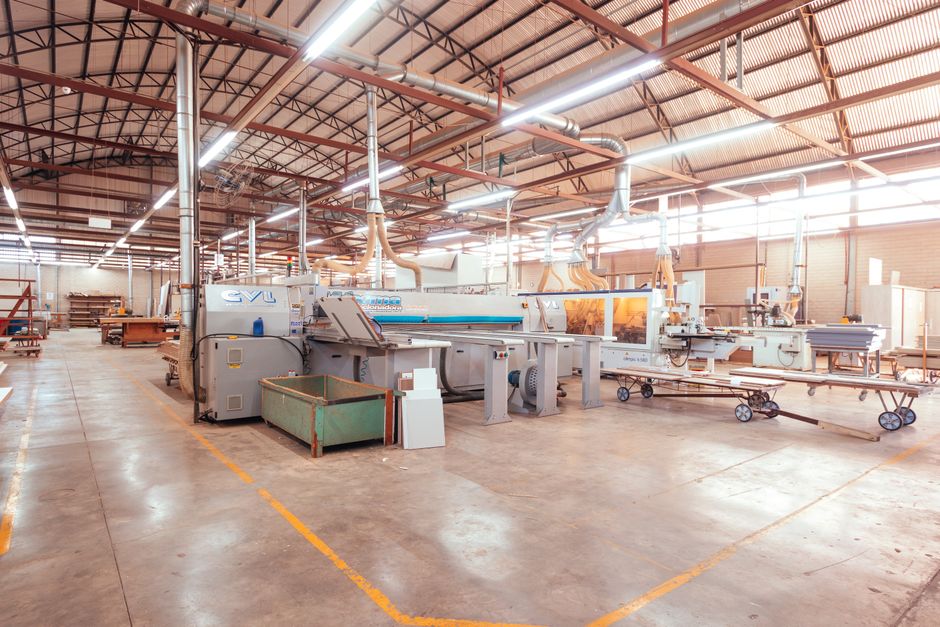
    A factory floor demonstrating the meticulous craftsmanship involved in producing high-quality hotel furniture, highlighting efficient hotel factory design processes.
    Photo by Mike van Schoonderwalt on Pexels

    Learn more about Contact us today.

    Furthermore, thoughtful design integration at the factory level prevents costly on-site modifications and ensures seamless installation. This meticulous planning minimizes disruptions, allowing properties to open or relaunch on schedule, thereby capturing revenue sooner. A cohesive design also elevates the guest experience, fostering positive reviews and repeat business, which are invaluable in today’s digital age.

    A finished hotel room featuring custom-designed furniture, emphasizing the impact of thoughtful factory design on guest experience.
    Photo by Jan van der Wolf on Pexels

    Key Factors to Consider When Choosing a Hotel Factory Design Partner

    Selecting the right manufacturing partner for custom hotel furniture requires a thorough evaluation beyond just initial cost. Consider their expertise in handling complex hospitality projects, including their in-house design capabilities and their ability to translate your vision into practical, manufacturable solutions. A partner with a robust portfolio in 5-star hotels and resorts, for instance, demonstrates a proven capacity for high-end execution.

    Detailed view of machinery in an operational glass factory in Dar es Salaam.
    Photo by Keegan Checks on Pexels
    • Design & Engineering Prowess:

      Assess their ability to offer innovative solutions for challenging spaces or unique brand requirements. A strong design team can optimize material usage and construction methods without compromising the intended aesthetic. Look for partners who specialize in tailored spaces, ensuring your vision is brought to life with precision.

    • Quality Control & Certifications:

      Verify their adherence to international quality standards (e.g., ISO, CE, SGS, FDA). These certifications are not mere badges; they indicate a commitment to consistent quality, safety, and responsible manufacturing practices. Request detailed quality assurance protocols for each production stage.

    • Material Sourcing & Sustainability:

      Inquire about their material transparency and sustainable sourcing practices. With a growing demand for eco-friendly solutions, partners who offer certified sustainable wood, recycled content, or low-VOC finishes add significant value and align with modern guest expectations.

    • Project Management & Communication:

      A reliable partner provides clear communication channels, regular progress updates, and a dedicated project manager. This ensures that timelines are met, potential issues are addressed proactively, and the entire process, from design to delivery, remains transparent. Zhobai Hotel Furniture, for example, offers a one-stop solution covering early-stage planning through installation, streamlining this complex process.

    • Logistics & Installation Capabilities:

      Understand their global logistics network and their ability to manage complex shipping and on-site installation. Seamless coordination from factory to final placement is crucial for maintaining project schedules and preventing costly delays.

    Common Mistakes Hotels Make with Hotel Factory Design

    Even seasoned developers and procurement managers can fall prey to common missteps when engaging in hotel factory design. Avoiding these errors can save significant time and money, ensuring a smoother project execution.

    Wide view of an organized industrial factory with modern machinery in Pato Branco.
    Photo by Jhonny' Mages on Pexels
    • Underestimating Lead Times:

      Custom furniture manufacturing is not an off-the-shelf purchase. Neglecting to account for design iterations, material procurement, production, and shipping can result in project delays of several weeks or even months. A realistic timeline, often 12-16 weeks for complex projects, must be integrated into the overall construction schedule.

    • Prioritizing Low Cost Over Value:

      Opting for the cheapest supplier often leads to compromises in material quality, craftsmanship, and durability. This can result in higher maintenance costs, frequent repairs, and a shorter furniture lifespan, ultimately costing more in the long run. A low hotel price design might seem attractive initially but often lacks the long-term value.

    • Inadequate Communication & Specification:

      Vague or incomplete specifications are a recipe for disaster. Detailed drawings, material samples, finish schedules, and performance requirements must be clearly communicated and documented. A lack of clarity on a specific price hotel table design or unique joinery can lead to costly rework.

    • Neglecting Mock-up & Prototype Reviews:

      Skipping the mock-up phase to save time is a critical error. A single room or furniture prototype allows for real-world evaluation of scale, ergonomics, finishes, and construction quality before mass production begins, preventing expensive changes later.

    • Overlooking Post-Installation Support:

      Failure to confirm warranty terms, spare parts availability, and after-sales service can leave hotels vulnerable to long-term maintenance issues. A robust support system is essential for the longevity of your investment.

    Latest Trends and Innovations in Hotel Factory Design (2024-2025)

    The hospitality sector is continually evolving, and so too are the trends shaping hotel factory design. Staying abreast of these innovations ensures your property remains contemporary, appealing, and operationally efficient.

    Sprawling industrial complex with solar panels and green fields, seen from above.
    Photo by Sarowar Hussain on Pexels
    • Smart Furniture Integration:

      Expect to see more furniture with integrated technology, such as wireless charging stations, USB ports, smart lighting controls, and even embedded sensors for occupancy monitoring or climate control. This enhances guest convenience and operational insights.

    • Biophilic Design & Natural Materials:

      A strong move towards connecting guests with nature. This includes the use of sustainable, raw materials like reclaimed wood, natural stone, rattan, and fabrics with organic textures. Designs often feature curvilinear forms and earthy color palettes, promoting a sense of well-being.

    • Modular & Multi-functional Pieces:

      Space optimization is key, especially in urban hotels. Modular sofas, movable partitions, beds with integrated storage, and convertible desks offer flexibility, allowing rooms to adapt to various guest needs or different times of day. This approach can also optimize manufacturing efficiency.

    • Personalization & Experiential Design:

      Guests seek unique, memorable experiences. Factory design is shifting towards creating bespoke pieces that tell a story, reflecting the local culture or specific brand narrative. This often involves custom finishes, unique hardware, and artisanal details that elevate the perceived value.

    • Enhanced Durability & Hygiene:

      Post-pandemic, there’s an increased focus on furniture that is not only aesthetically pleasing but also highly durable and easy to clean. This includes antimicrobial surfaces, robust fabrics, and construction methods designed for rigorous cleaning protocols without degradation.

    How to Work With a Reliable Hotel Factory Design Partner

    Forging a successful partnership with a furniture manufacturer is crucial for the seamless execution of your project. It’s about building a relationship based on trust, transparency, and shared objectives.
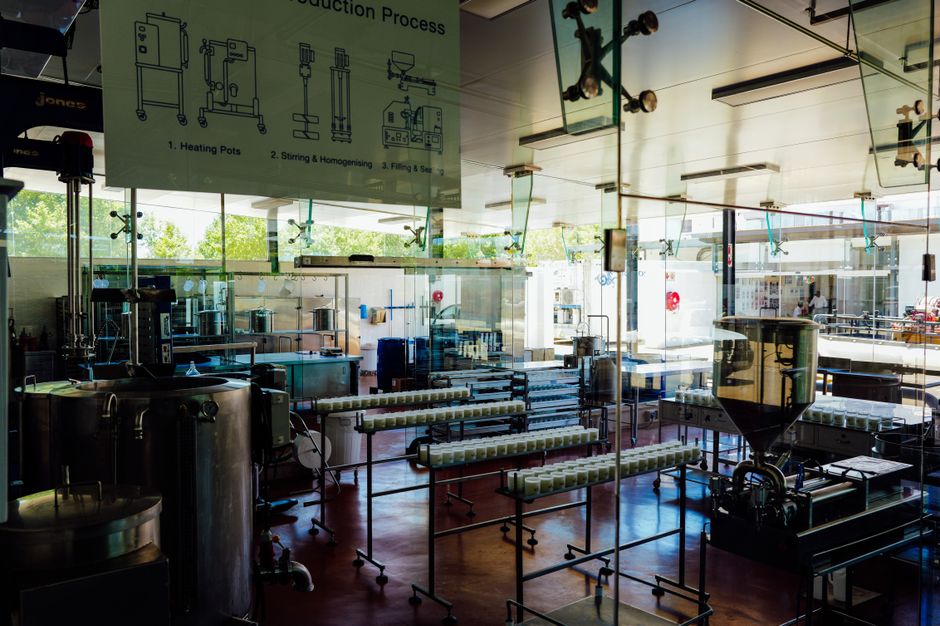
    Spacious and modern food production plant interior with industrial machinery and processing line.
    Photo by Adrien Olichon on Pexels
    • Define Your Vision Clearly:

      Begin with a comprehensive design brief, including detailed mood boards, space plans, and material preferences. The clearer your vision, the more effectively your partner can translate it into manufacturable designs.

    • Request Comprehensive Proposals:

      Don’t just look at the bottom line. Evaluate proposals based on their detailed breakdown of costs, lead times, material specifications, and project management approach. A thorough proposal indicates a partner’s professionalism and attention to detail.

    • Visit the Factory (If Possible):

      A factory visit provides invaluable insight into a manufacturer’s capabilities, quality control processes, and working conditions. If an in-person visit isn’t feasible, request a virtual tour or detailed video documentation of their facilities and production lines.

    • Establish Clear Communication Protocols:

      Agree on regular check-ins, reporting formats, and key contact persons from both sides. Effective communication mitigates misunderstandings and keeps the project on track.

    • Leverage Their Expertise:

      A truly reliable partner, like Zhobai Hotel Furniture, offers more than just manufacturing. Their professional in-house design team can provide valuable insights into material selection, value engineering, and design optimization, leveraging over 15 years of experience in custom furniture for 5-star hotels globally. They can guide you through the entire process, from early-stage planning to installation.

    Frequently Asked Questions

    Navigating custom furniture sourcing often raises several common questions for hotel owners and procurement managers.

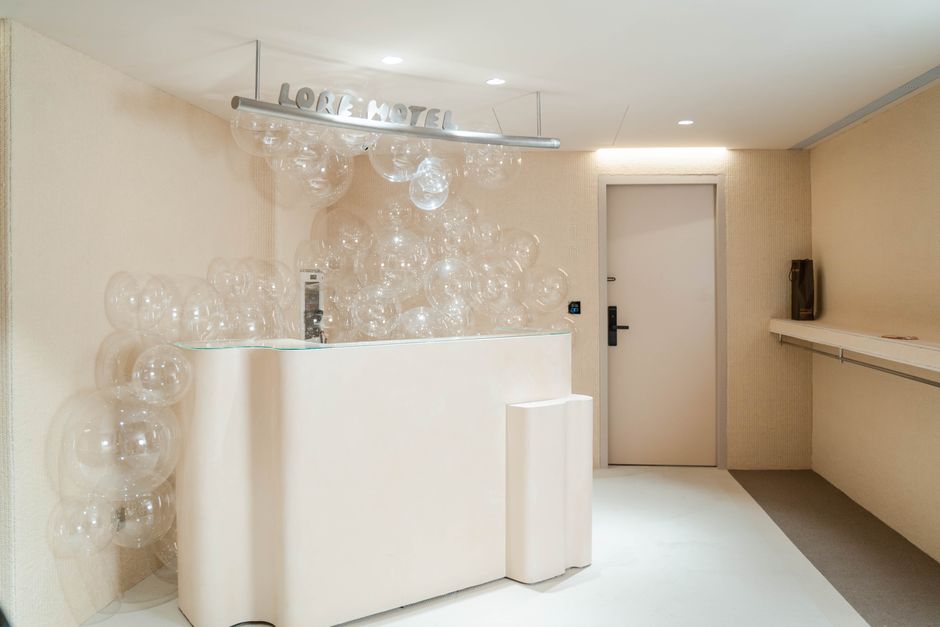
    Elegant hotel reception area featuring glass bubbles and minimalist design.
    Photo by Alley Chien on Pexels

    Q: How long does custom hotel furniture production typically take?

    A: From design approval to final delivery, the process typically ranges from 12 to 20 weeks. This includes design finalization, material sourcing, manufacturing, quality control, and international shipping. More complex projects with unique specifications may require additional time.

    Q: What is the typical cost difference between custom and ready-made furniture?

    A: While custom furniture might have a higher upfront cost, its long-term value often surpasses ready-made options. Custom pieces are designed for specific hospitality demands, offering superior durability, perfect fit, and unique branding opportunities. Factory direct pricing, like that offered by Zhobai, can make custom solutions more competitive.

    Q: How can I ensure the quality of furniture from an overseas manufacturer?

    A: Look for manufacturers with internationally recognized certifications (ISO, CE, SGS). Request factory audits, detailed quality control reports, and the option for third-party inspections at various production stages. Visiting the factory or requesting a virtual tour can also provide assurance.

    Q: What is the minimum order quantity (MOQ) for custom hotel furniture?

    A: MOQs vary significantly between manufacturers and depend on the type of furniture. Many suppliers are flexible, especially for full hotel projects or specific room types. It’s best to discuss your project scale directly with potential partners.

    Mastering the intricacies of hotel factory design is a strategic imperative for any hospitality project aiming for excellence and long-term success. It demands a holistic approach, from initial concept to final installation, and a partnership with a manufacturer who understands the unique demands of the hospitality sector. If you’re planning a new build or renovation and require custom FF&E that combines unparalleled design with robust durability and a streamlined process, we invite you to connect with our expert team. Zhobai Hotel Furniture specializes in delivering tailored, high-value solutions for hotels worldwide. Contact us today to discuss your project and discover how our one-stop solution can bring your vision to life.

  • Hotel Bedroom Furniture: Expert Sourcing Guide

    Hotel Bedroom Furniture: Expert Sourcing Guide

    In the competitive hospitality landscape, a guest’s perception of their room often dictates their entire stay experience. A recent industry survey revealed that 78% of travelers consider the comfort and aesthetics of their room’s furnishings a primary factor in their satisfaction and likelihood to return. This underscores a critical truth for hotel owners and developers: investing wisely in hotel bedroom furniture isn’t merely an expense; it’s a strategic asset that directly impacts guest reviews, repeat bookings, and ultimately, your property’s profitability.

    Elegant custom hotel bedroom furniture set designed for luxury guest comfort.
    Photo by Quang Nguyen Vinh on Pexels

    Why Hotel Bedroom Furniture is Critical for Hotel Success

    The furnishings within a hotel bedroom are more than just functional items; they are foundational elements of the guest experience, brand identity, and operational efficiency. High-quality hotel bedroom furniture contributes significantly to guest comfort, reducing complaints and enhancing positive reviews across platforms like TripAdvisor and Booking.com. A well-designed and durable hotel room furniture set also minimizes maintenance costs and extends the lifespan of assets, leading to a stronger return on investment over time. Consider that the average lifespan of hospitality furniture can range from 7 to 10 years; choosing robust, timeless pieces can save hundreds of thousands in premature replacement costs.

    Durable hospitality bedroom furniture built to withstand high traffic in a modern hotel suite.
    Photo by suhel vba on Pexels

    Key Factors to Consider When Choosing Hotel Bedroom Furniture

    Selecting the right hospitality bedroom furniture requires a multifaceted approach, balancing aesthetics with practicality and longevity. Procurement managers and designers must evaluate several critical factors before making bulk purchasing decisions.

    Sustainable hotel bedroom furniture solutions enhancing guest experience and operational efficiency.
    Photo by Ainun Dita Kartika on Pexels
    • Durability and Material Quality

      Given the high traffic and rigorous cleaning protocols in hotels, furniture must withstand constant use. Opt for commercial-grade materials like solid wood, high-density laminates, and robust hardware. For example, furniture constructed with 18mm plywood or MDF with moisture-resistant finishes will significantly outperform standard residential-grade pieces, preventing costly wear and tear.

      Contemporary hotel room interior design with cozy elegance and modern furnishings.
      Photo by Pixabay on Pexels
    • Design and Aesthetic Consistency

      The furniture must align perfectly with the hotel’s brand identity and interior design theme. Customization options are crucial to create unique, tailored spaces that resonate with your target demographic. A coherent design across all room types enhances the guest experience and reinforces the hotel’s distinctive style.

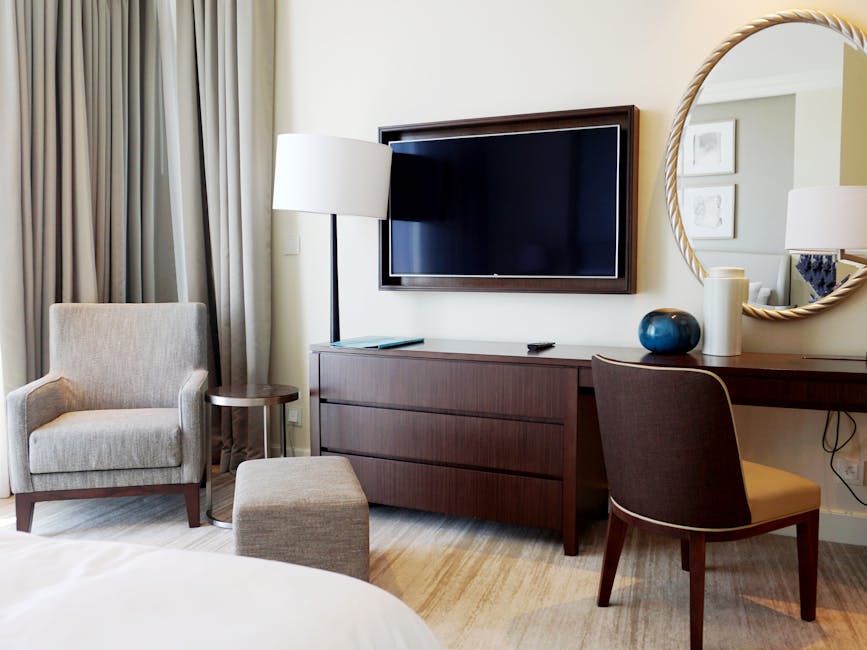
      Chic hotel room with elegant modern furniture and decor, featuring a large wall-mounted TV.
      Photo by Haider Syed on Pexels
    • Functionality and Guest Comfort

      Modern guests expect smart design solutions. This includes ample storage, easily accessible power outlets, ergonomic seating, and comfortable mattresses. Consider how each piece functions within the room layout, ensuring ease of use and maximum comfort for diverse guest needs.

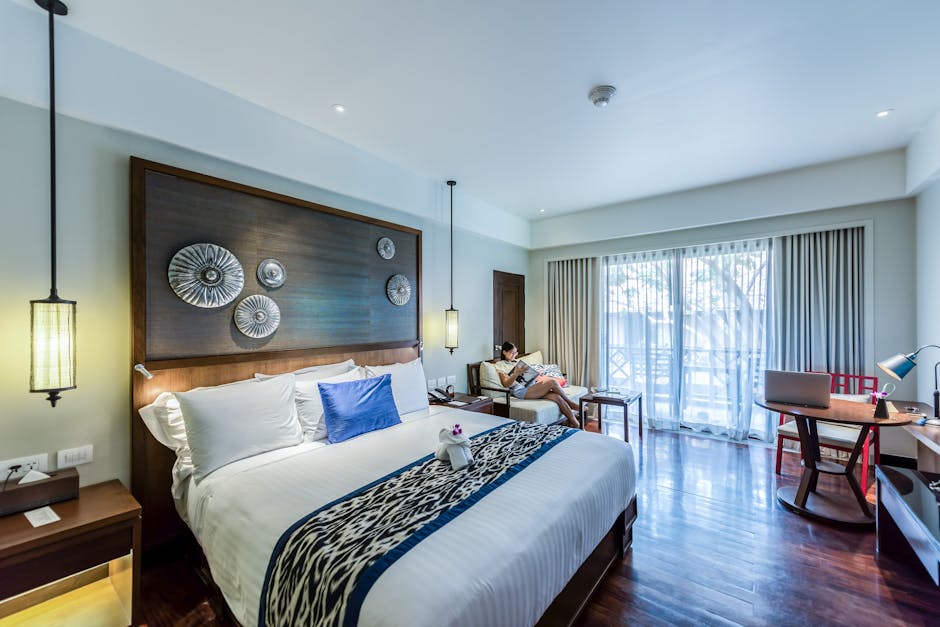
      Elegant hotel room with comfortable bedding and modern lighting fixtures.
      Photo by Claudia Schmalz on Pexels
    • Safety and Compliance

      All furniture must meet international safety standards, including fire retardancy (e.g., California TB117-2013 or BS 5852 for Europe) and structural integrity. Certification from bodies like CE, ISO, or SGS provides assurance of compliance and quality.

      Elegant hotel bedroom with modern decor, twin lamps, and large window in Doha, Qatar.
      Photo by Liz Henderson on Pexels
    • Sustainability and Environmental Impact

      With increasing guest awareness, sourcing furniture from sustainable materials (FSC-certified wood, recycled content) and manufacturers employing eco-friendly practices can be a significant brand differentiator. This commitment reflects positively on your hotel’s values.

      Elegant modern bedroom with artistic decor in Tbilisi, Georgia.
      Photo by Ramaz Bluashvili on Pexels
    • Budget and Value Proposition

      While cost is always a factor, focus on the long-term value. Factory-direct pricing and transparent cost structures, often available through OEM/ODM partners, can deliver superior quality within budget. Evaluate the total cost of ownership, including durability and potential replacement cycles, not just the initial purchase price.

    Common Mistakes Hotels Make with Hotel Bedroom Furniture

    Even experienced professionals can make missteps when sourcing hotel bedroom furniture. Avoiding these common pitfalls can save significant time, money, and reputational damage.

    • Prioritizing Low Cost Over Quality

      The most frequent mistake is opting for the cheapest furniture without considering its commercial-grade durability. Low-quality pieces often fail prematurely, requiring frequent repairs or early replacement, which ultimately costs more than investing in robust, well-made items from the outset. A 20% savings on initial purchase can lead to a 50% increase in maintenance costs over five years.

    • Ignoring Guest Feedback and Ergonomics

      Failing to consider how guests interact with the furniture can lead to uncomfortable stays and negative reviews. Overlooking basics like adequate lighting, convenient power access, or comfortable seating can detract significantly from the guest experience, regardless of the room’s aesthetic appeal.

    • Inadequate Planning for Logistics and Installation

      Underestimating the complexities of shipping, customs, and on-site installation can cause significant project delays and budget overruns. Without a clear plan for delivery and professional installation, even the best furniture can become a logistical nightmare.

    • Neglecting Customization and Brand Alignment

      Purchasing off-the-shelf furniture that doesn’t align with the hotel’s unique brand or design vision dilutes its identity. This results in generic-looking rooms that fail to create a memorable or distinctive guest experience, missing an opportunity to build brand loyalty.

    • Choosing an Unreliable Supplier

      Partnering with a manufacturer lacking proven experience, clear communication, or comprehensive service offerings can lead to quality control issues, missed deadlines, and poor post-sale support. Vetting suppliers thoroughly is paramount to project success.

    Latest Trends and Innovations in Hotel Bedroom Furniture (2024-2026)

    The hospitality industry is dynamic, with guest expectations continually evolving. Staying ahead of design and functional trends ensures your property remains competitive and appealing.

    • Smart Furniture Integration

      Technology is seamlessly blending with design. Expect more charging stations integrated into nightstands and desks, smart lighting controls, and even beds that monitor sleep patterns. These innovations enhance convenience and personalize the guest experience.

    • Biophilic Design Elements

      Bringing nature indoors continues to be a strong trend. Furniture incorporating natural wood textures, organic shapes, and integrated planters creates calming, restorative environments. This design philosophy connects guests with the natural world, promoting well-being.

    • Modular and Multifunctional Pieces

      Optimizing space is crucial, especially in urban hotels. Modular sofas that convert into additional sleeping areas, desks that double as vanity tables, and storage solutions that blend into wall panels offer flexibility and efficiency without compromising style.

    • Sustainable and Recycled Materials

      The demand for eco-conscious choices is growing. Furniture made from reclaimed wood, recycled plastics, bamboo, or innovative composites like mushroom mycelium offers both environmental benefits and unique aesthetic appeal. This aligns with a broader industry shift towards responsible sourcing.

    • Personalized Comfort Zones

      Guests increasingly seek tailored experiences. This translates to furniture that allows for individual adjustments, such as adjustable bed bases or task chairs designed for extended work periods. Customization in fabrics and finishes also allows properties to reflect unique local cultures.

    How to Work With a Reliable Hotel Bedroom Furniture Partner

    Selecting the right manufacturing partner is perhaps the most critical decision in your furniture sourcing journey. A reliable partner offers more than just products; they provide expertise, support, and a seamless process from concept to completion.

    Look for a partner with extensive experience in hospitality bedroom furniture, particularly for 5-star and boutique properties, as their understanding of quality and durability will be superior. Zhobai Hotel Furniture, with over 15 years of experience since 2010, specializes in custom furniture solutions for a global clientele. We understand the nuances of crafting durable, aesthetically pleasing hotel bedroom furniture that meets international standards.

    A truly reliable partner offers a one-stop solution. This includes early-stage planning and design consultation, professional in-house design capabilities to create tailored spaces, precision manufacturing, robust quality control (backed by certifications like CE, ISO, SGS, FDA), efficient logistics, and professional installation services. This comprehensive approach minimizes coordination complexities and ensures project success. Furthermore, a partner offering OEM/ODM services and factory-direct pricing provides significant value, ensuring bespoke designs without prohibitive costs.

    Frequently Asked Questions

    • How long does it take to get custom hotel bedroom furniture manufactured and delivered?

      Production timelines vary based on design complexity, material availability, and order volume. Typically, custom orders can take anywhere from 8 to 16 weeks for manufacturing, plus 3-6 weeks for international shipping. It’s crucial to factor these lead times into your overall project schedule.

    • What is the typical lifespan of commercial-grade hotel bedroom furniture?

      High-quality, commercial-grade hotel bedroom furniture is designed to last 7 to 10 years, or even longer with proper maintenance. This contrasts sharply with residential furniture, which may only last 3-5 years under hotel conditions.

    • Can I get samples of materials and finishes before placing a bulk order?

      Absolutely. Reputable manufacturers will provide material samples, finish swatches, and even prototype pieces for approval. This ensures that the final product meets your exact specifications and expectations.

    • How can I ensure the furniture meets international safety and quality standards?

      Always request proof of certification (e.g., CE, ISO, SGS, fire retardancy reports like TB117-2013 or BS 5852). A professional manufacturer will have these readily available and adhere to strict quality control protocols throughout the production process.

    • What is the advantage of OEM/ODM services for hotel furniture?

      OEM (Original Equipment Manufacturer) and ODM (Original Design Manufacturer) services allow for complete customization. OEM means manufacturing furniture based on your existing designs, while ODM allows you to leverage the manufacturer’s design team to create unique pieces tailored to your vision, often at a more cost-effective rate than independent design firms.

    Choosing the right hotel bedroom furniture is a strategic decision that shapes guest satisfaction, operational efficiency, and your property’s long-term success. By prioritizing durability, thoughtful design, and a reliable manufacturing partner, you can create inspiring and comfortable guest environments that stand the test of time and elevate your brand.

    Ready to transform your hotel’s guest rooms with custom, high-quality furnishings? Our team of experts at Zhobai Hotel Furniture is here to provide tailored solutions for your next new build or renovation project. Contact us today for a consultative discussion on how our one-stop service and in-house design capabilities can bring your vision to life.