标签: hotel renovation

  • Radisson Blu Addis Ababa Hotel FF&E Project

    Radisson Blu Addis Ababa Hotel FF&E Project

    Standing at the heart of Addis Ababa’s Kazanchis Business District, Radisson Blu Hotel, Addis Ababa has defined the city’s international business hospitality landscape since it opened in 2012. With 212 rooms and suites, ten multifunctional meeting spaces, three food-and-beverage venues, and a location minutes from the African Union and the United Nations Economic Commission for Africa, the hotel operates at the intersection of African diplomacy, commerce and luxury travel. When the property undertook a comprehensive refurbishment in 2022, Zhobai was appointed to deliver the complete hotel furniture FF&E solution — redesigning and refurnishing every guest-facing space from individual guestrooms to the lobby, bar, dining areas and conference facilities.
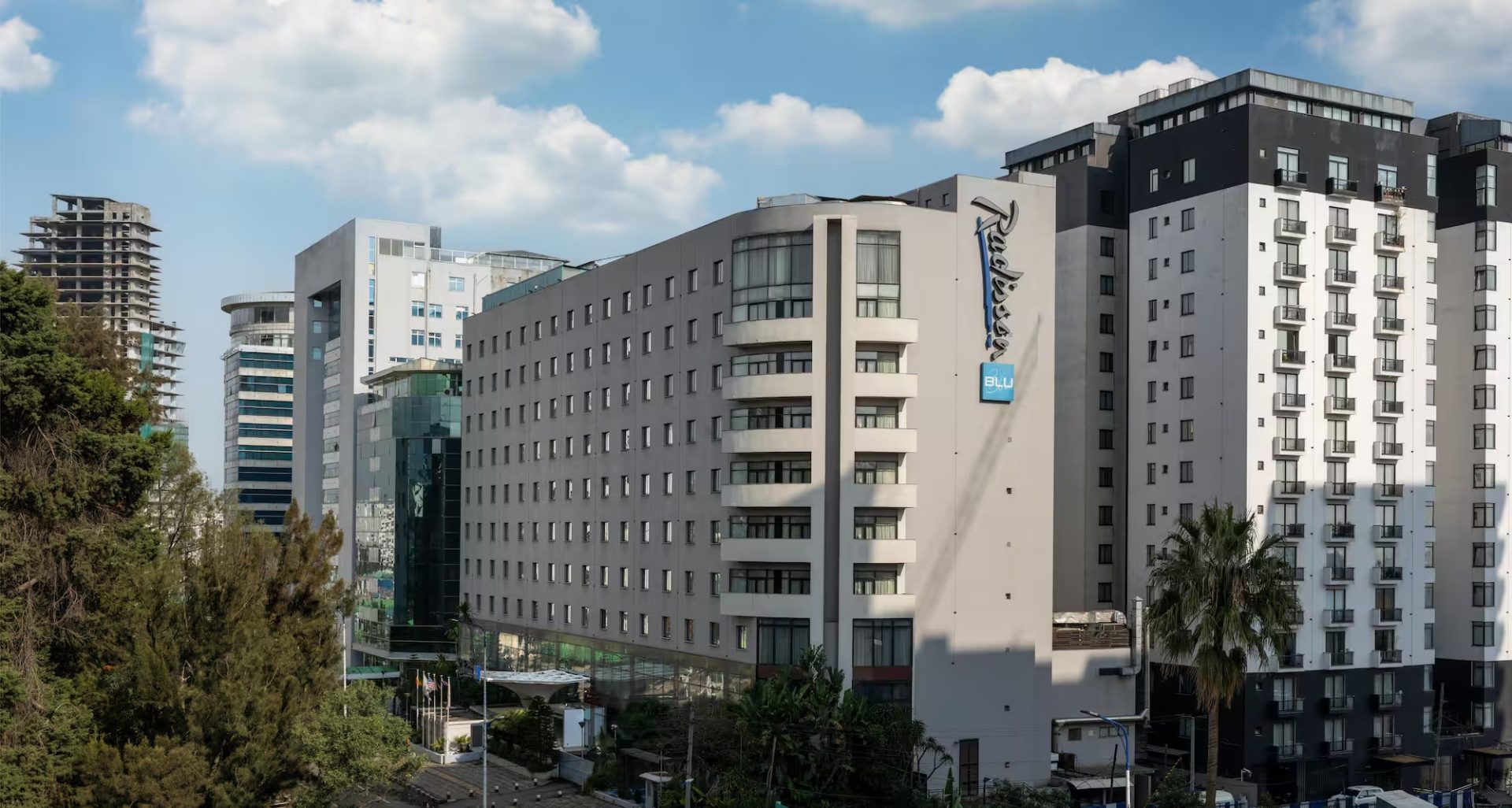
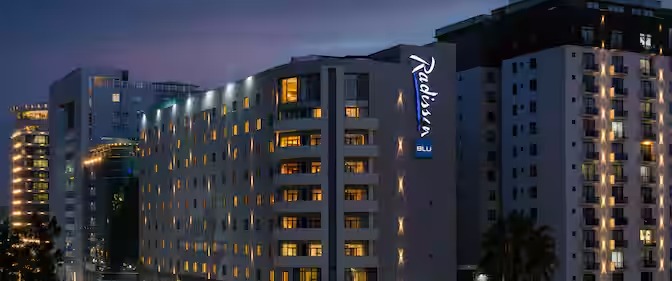
    Radisson Blu Hotel Addis Ababa exterior building — hotel furniture by Zhobai
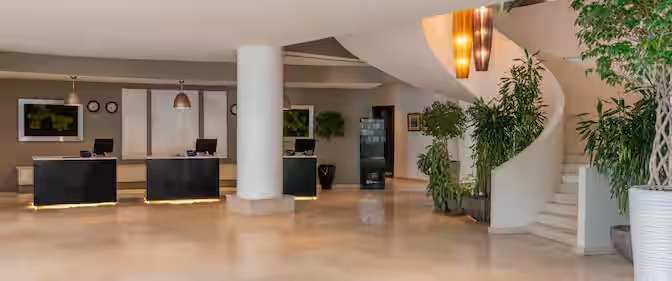
    Radisson Blu Addis Ababa lobby entrance hall — FF&E by Zhobai

    Project Overview

    The Radisson Blu Addis Ababa is a full-service upper-upscale hotel catering primarily to international diplomats, senior executives and long-stay business guests. Its 212 keys encompass Standard Rooms, Superior Rooms, Executive Rooms with lounge access, One-Bedroom Suites and a Presidential Suite — each category serving a distinct guest profile with distinct furniture demands. Beyond the guestroom floors, the property manages a high-volume meeting calendar, daily dining for in-house and external guests, and an active bar programme that includes the signature Lounge Bar’s weekly “Arabian Night” events. Zhobai’s brief was to refresh and replace the full FF&E inventory while respecting the brand standards of Radisson Blu’s global portfolio and honouring the cultural context of Addis Ababa.

    The 2022 Renovation Brief

    After a decade of intensive operation — serving visiting heads of state, UN delegations and the African business community — the hotel’s furniture showed the cumulative wear inevitable in a property of this calibre and throughput. The 2022 renovation represented not a superficial refresh but a root-and-branch reimagining of the guest experience: new furniture concepts for every room category, a remodelled lobby and bar programme, and upgraded meeting and event furniture throughout. For Zhobai, the challenge was to deliver a fully coordinated FF&E package on a live, operational hotel — phasing installation to minimise room inventory disruption while maintaining the property’s five-star standards throughout construction.
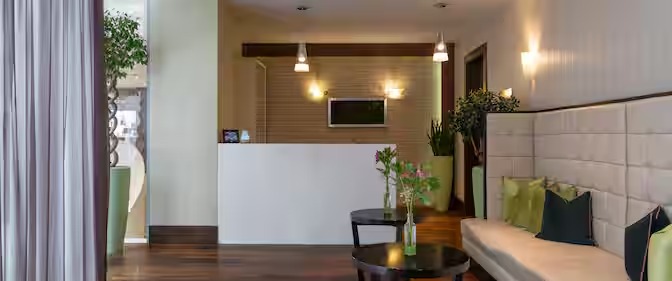
    Radisson Blu Addis Ababa corridor hallway — hotel furniture refurbishment by Zhobai
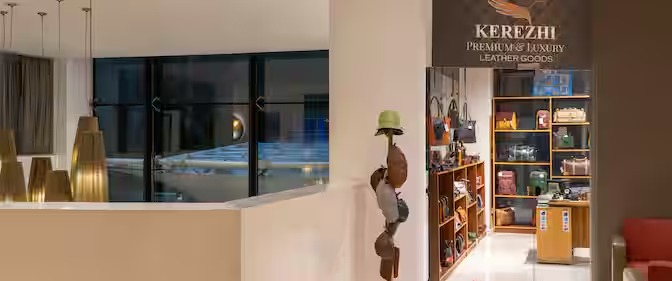
    Radisson Blu Addis Ababa lobby lounge reception — furniture design by Zhobai

    Design Language: Contemporary Africa

    The design team established a material vocabulary that balances Radisson Blu’s signature contemporary aesthetic with the warmth and cultural richness of Ethiopian heritage. Deep terracotta and burnt amber upholstery reference the landscapes of the Ethiopian Highlands. Ebony-stained timber case goods and dark bronze hardware nod to the craftsmanship traditions of East African artisans. Woven textile accents in patterns drawing from traditional Ethiopian ceremonial fabrics appear as cushion covers, headboard panels and decorative screens throughout the property. The palette is confident without being theatrical — the hotel reads as distinctly African without falling into cliché.
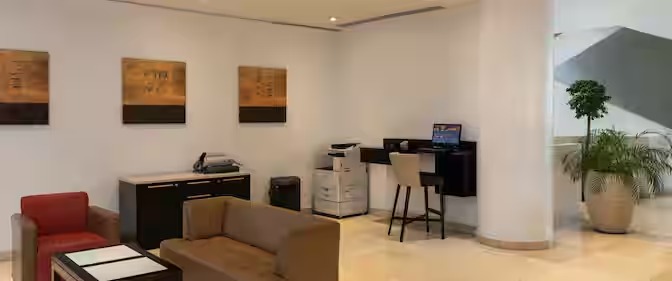
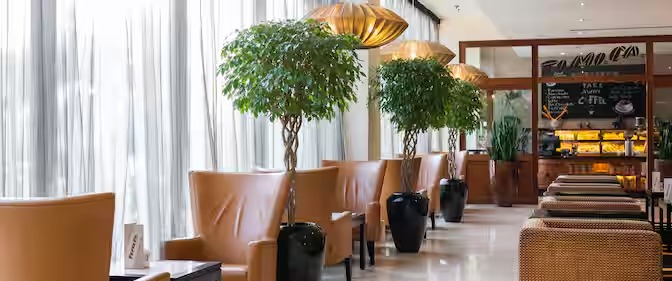
    Radisson Blu Addis Ababa lobby lounge sofa area — custom seating by Zhobai
    Radisson Blu Addis Ababa indoor plant lobby lounge — biophilic design elements

    Guestroom Furniture Programme

    With 212 keys across five distinct categories, the guestroom programme was both the largest and most logistically demanding component of the project.

    Standard & Twin Rooms (30 m²)

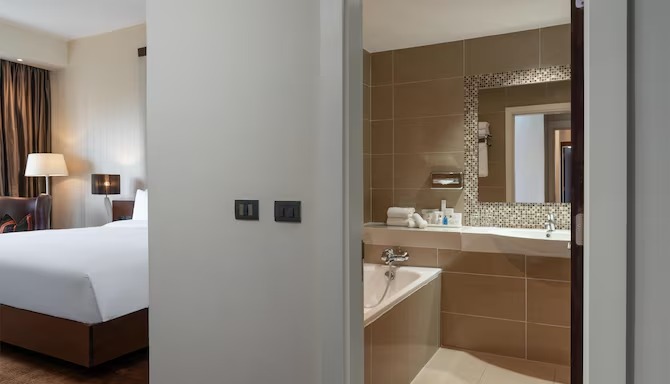
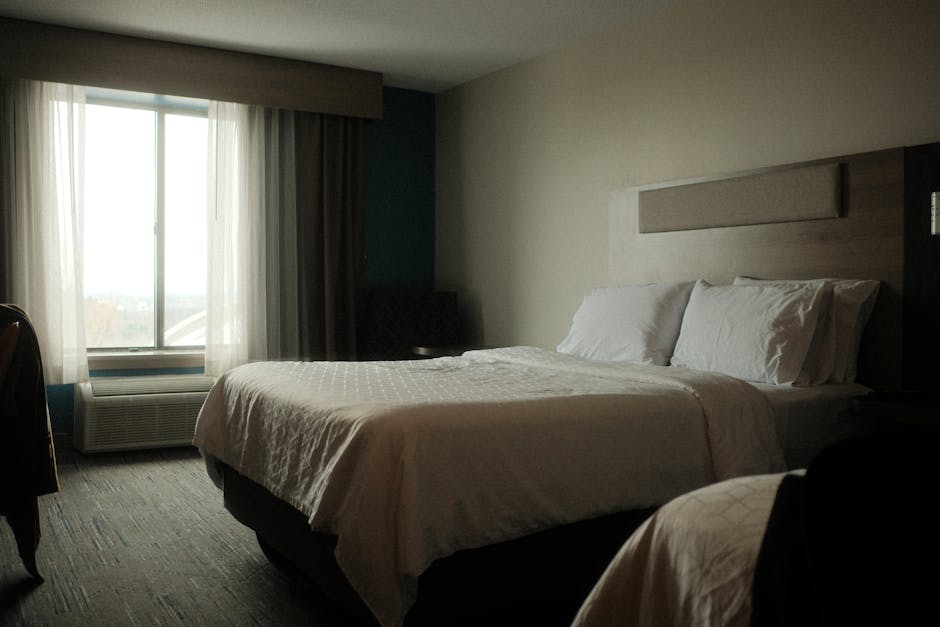
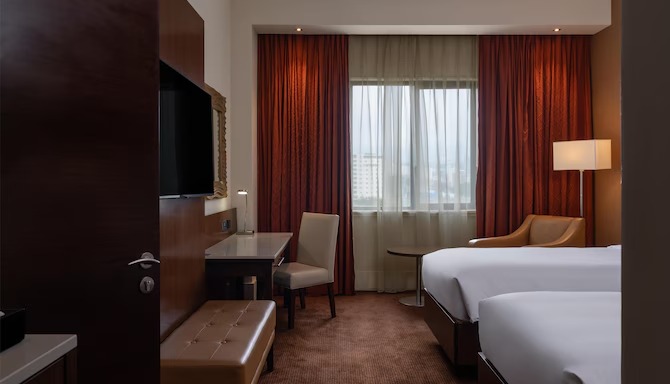
    The standard room category — the workhorse of any business hotel — required furniture that performs night after night under intensive commercial use while projecting a sense of considered luxury. Zhobai specified a platform bed in dark stained oak with an upholstered headboard in a graphic woven textile, flanked by floating bedside shelves with integrated charging points and reading lights. A credenza in ebony-toned timber with cane-inset drawer fronts runs the full width of the sleeping zone, providing generous storage while giving the room its primary decorative statement. Twin-bed configurations use the same case goods, with scaled-down individual bedside units maintaining proportion across both layouts.
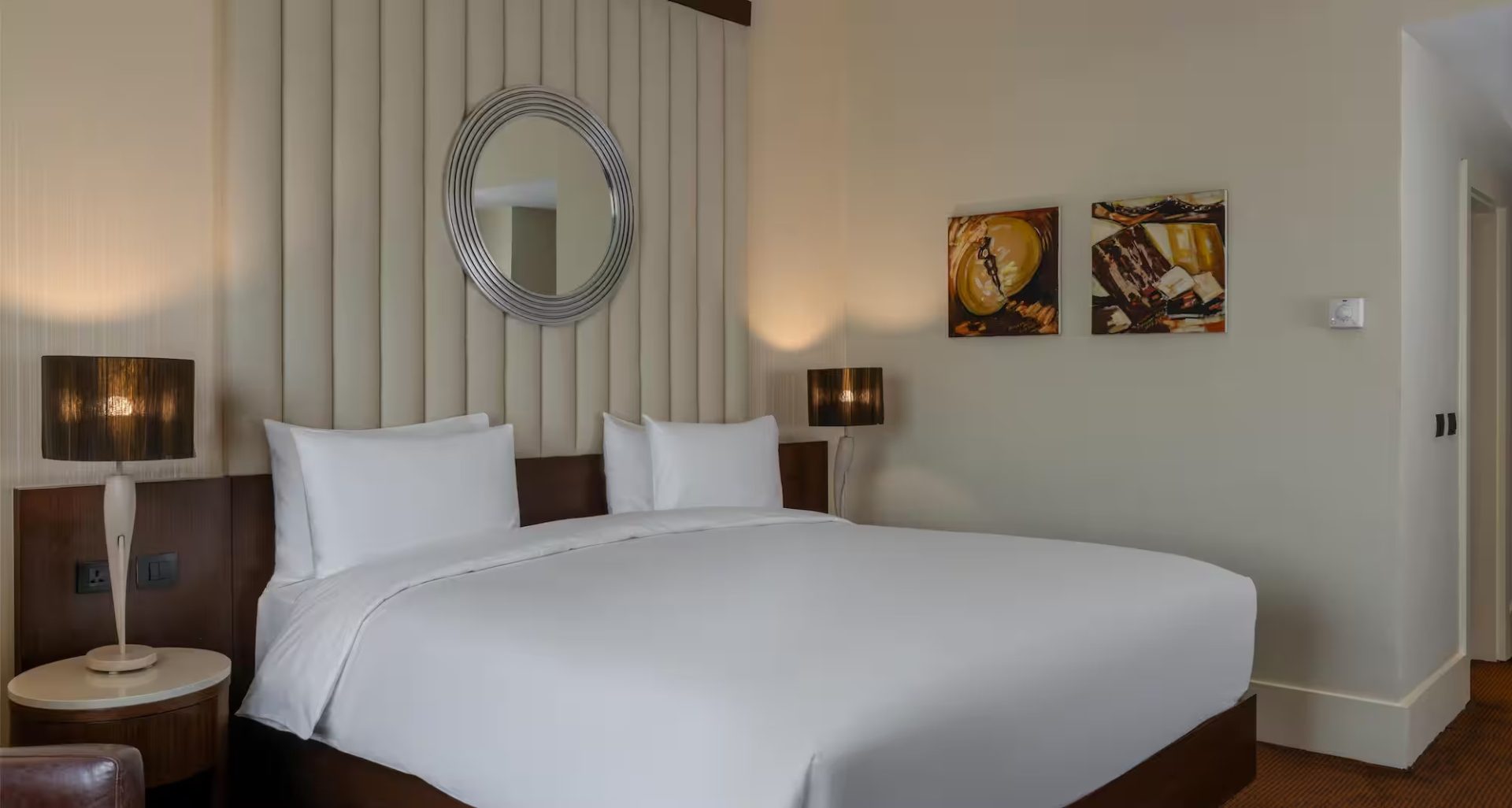
    Radisson Blu Addis Ababa standard guest room bedroom — furniture by Zhobai
    Radisson Blu Addis Ababa twin bed guest room — hotel furniture by Zhobai

    The work desk — critical for the hotel’s business guest profile — is a full-width solid surface unit in warm grey stone composite with an integrated cable management channel and a pull-out keyboard tray. Paired with an ergonomic task chair upholstered in performance mesh and a separate occasional chair in terracotta leather for reading, the workspace serves equally as a productive office and a comfortable perch for room service dining.
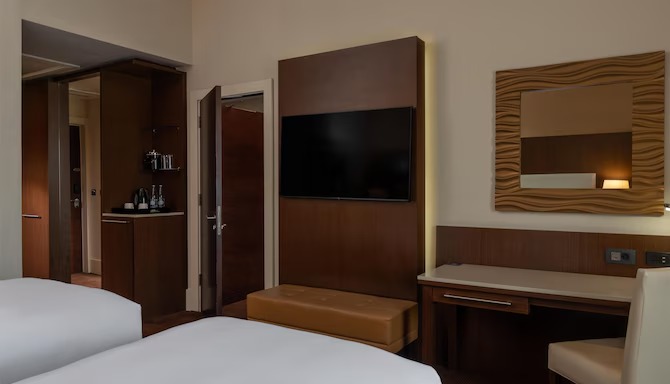
    Radisson Blu Addis Ababa deluxe room work desk area — business furniture by Zhobai

    Superior & Executive Rooms (30 m², Upper Floors)

    Superior rooms on the upper floors share the same furniture programme as standard rooms but introduce a more elevated upholstery palette — deeper jewel tones, heavier curtain fabrics, and upgraded accent lighting — to differentiate the category. Executive rooms add access to the dedicated executive lounge and receive an additional upholstered armchair with a matching ottomanin the room, creating a private lounge corner suited to the longer stays and informal in-room meetings typical of this guest segment.
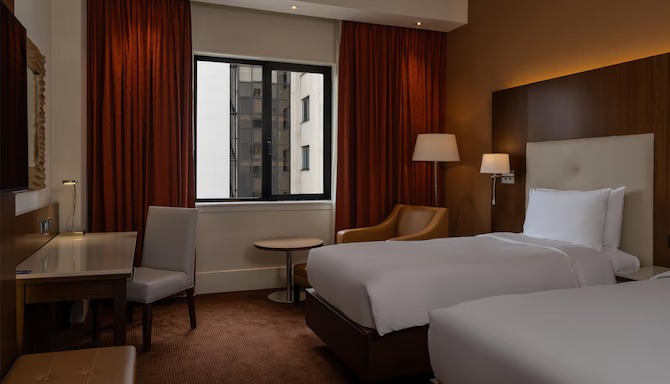
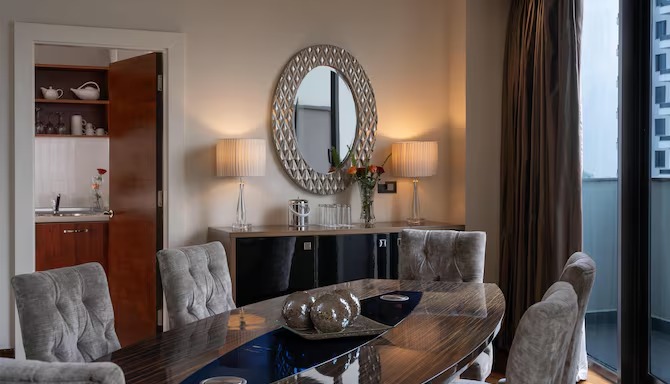
    Radisson Blu Addis Ababa superior guest room bedroom — furniture by Zhobai
    Radisson Blu Addis Ababa deluxe room vanity corner — custom furniture by Zhobai

    Bathroom Furniture

    Across all room categories, Zhobai supplied a coordinated bathroom furniture package: a wall-hung vanity unit in moisture-resistant MDF with a honed stone basin top, dark bronze tap fittings and integrated under-sink storage; a frameless LED mirror with touch-sensor dimming; and a freestanding teak bath stool for superior rooms and above. The vanity design is open-plan in executive rooms and suites, where a glazed screen between the bathroom and sleeping zone creates the connected, spacious feel that high-tier business travellers increasingly expect.

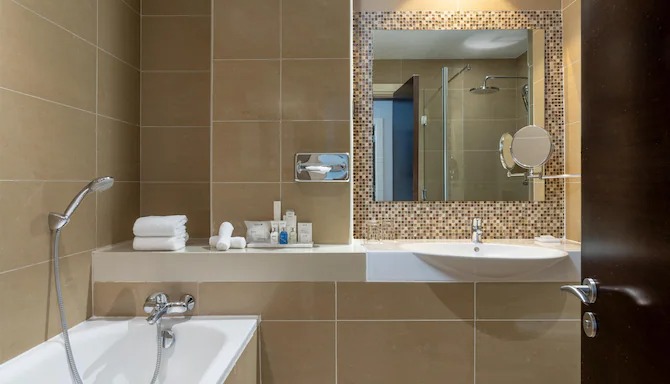
    Radisson Blu Addis Ababa room bathroom vanity area — furniture by Zhobai
    Radisson Blu Addis Ababa room open bathroom design — hotel furniture by Zhobai
    Radisson Blu Addis Ababa combined bedroom and bathroom — integrated design by Zhobai

    One-Bedroom Suites (75 m²)

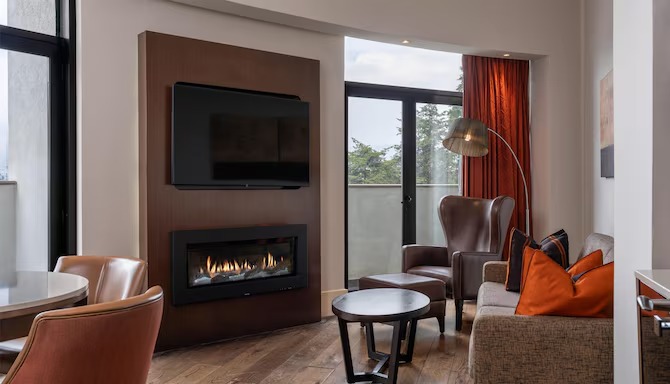
    The suite programme offered the greatest design latitude of the project. With a separate living zone and bedroom, each one-bedroom suite could express the hotel’s design narrative at a higher register of materiality and detail. Zhobai supplied a three-seat sofa in deep burgundy performance velvet with hand-stitched cushions in Ethiopian textile prints, flanked by two swivel accent chairs in cognac leather. A solid ebony coffee table with a hand-hammered brass tray top anchors the seating group. A console table behind the sofa — in dark walnut with a gallery rail of ebonised steel — provides a surface for art objects and a backdrop for the suite’s statement lighting.
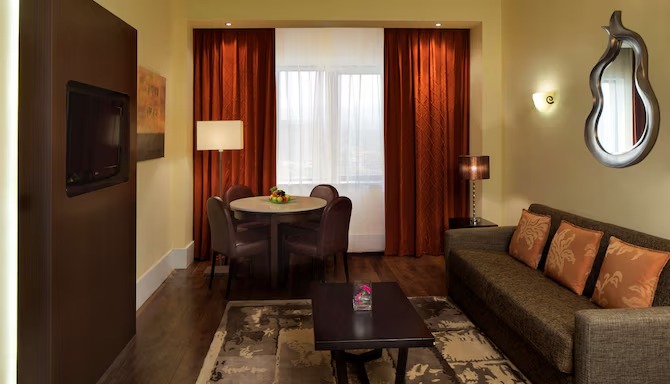
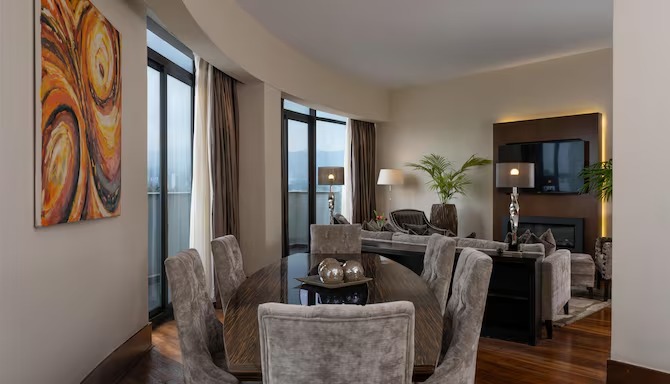
    Radisson Blu Addis Ababa suite living room — custom furniture by Zhobai
    Radisson Blu Addis Ababa suite sitting area — lounge furniture by Zhobai

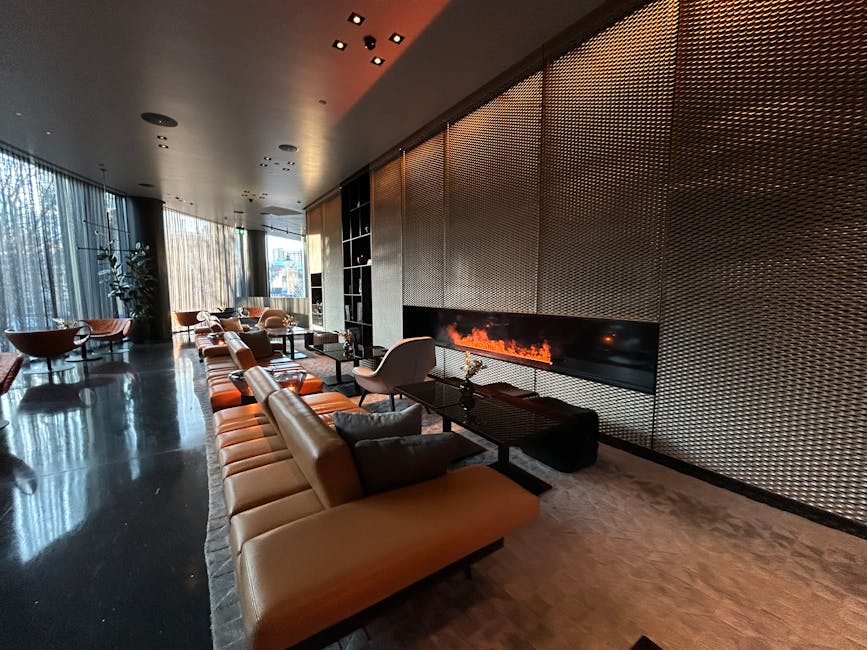
    A dining nook adjacent to the living area — furnished with a four-seat round table in dark marble composite and dining chairs in woven leather — provides an intimate setting for in-suite entertaining. Suites with fireplace configurations received a bespoke hearth surround in honed black granite, with a low upholstered bench seating unit facing it — a deeply personal touch that transforms the suite’s evening atmosphere.
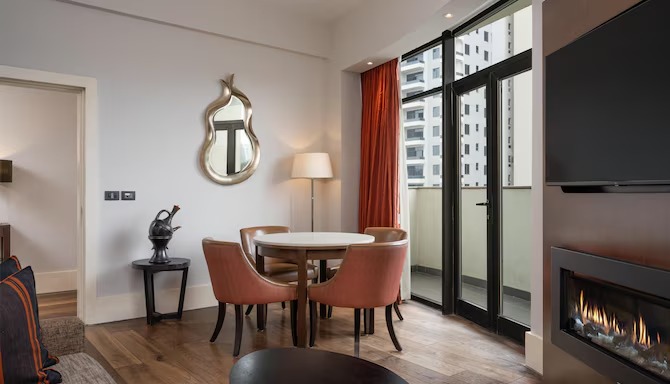
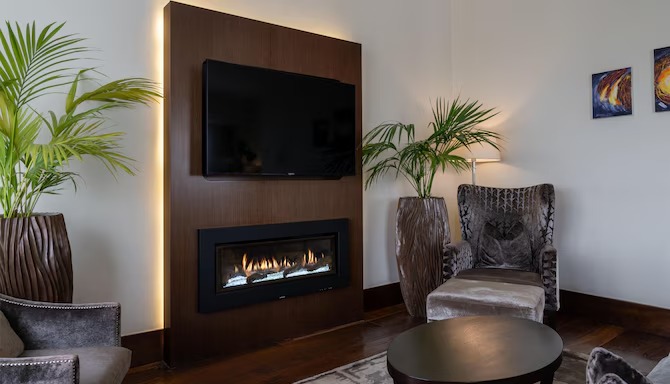
    Radisson Blu Addis Ababa room dining nook with fireplace — suite furniture by Zhobai
    Radisson Blu Addis Ababa suite fireplace lounge area — furniture by Zhobai
    Radisson Blu Addis Ababa luxury suite living area — hotel furniture by Zhobai

    Presidential Suite (95 m²)

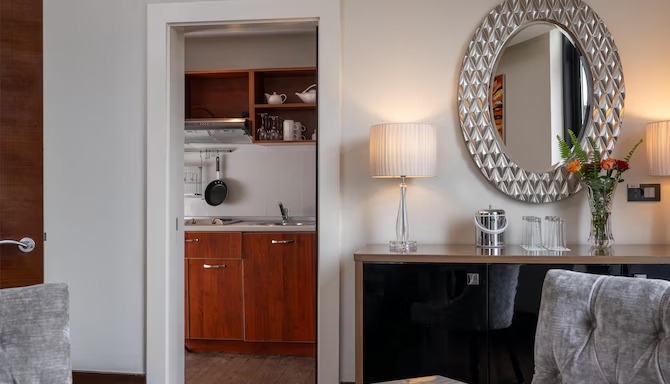
    The Presidential Suite demanded the highest level of custom fabrication in the project. Zhobai produced a bespoke sectional sofa in a hand-blocked Ethiopian cotton print with solid brass leg castings, a dedicated home-office zone with a custom leather-topped writing desk and a pair of high-back meeting chairs, and a full kitchenette unit in lacquered cabinetry with integrated appliances — all finished to a residential standard that befits heads of state and C-suite guests who call this suite home for days at a time. A dedicated terrace zone received teak outdoor furniture with a private dining set for four, offering panoramic views over the city.
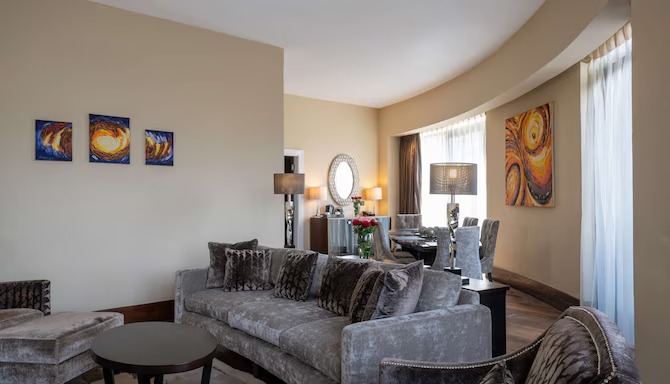
    Radisson Blu Addis Ababa family suite lounge — presidential suite furniture by Zhobai
    Radisson Blu Addis Ababa room kitchenette and vanity area — suite furniture by Zhobai

    Lobby & Public Circulation

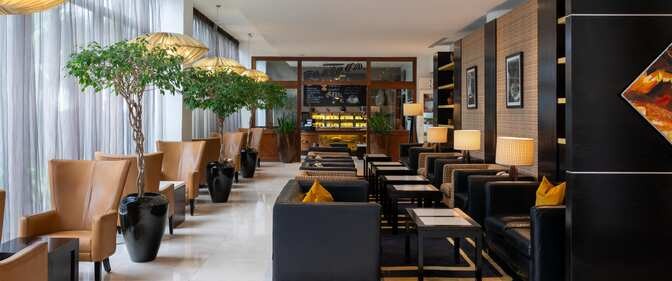
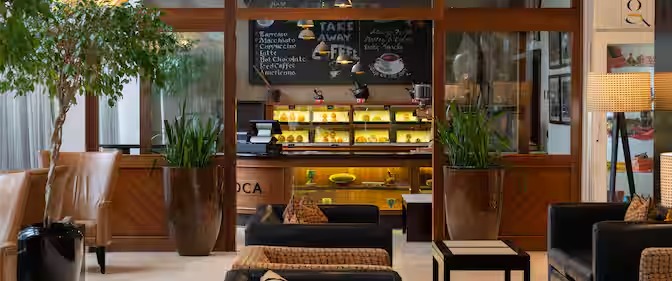
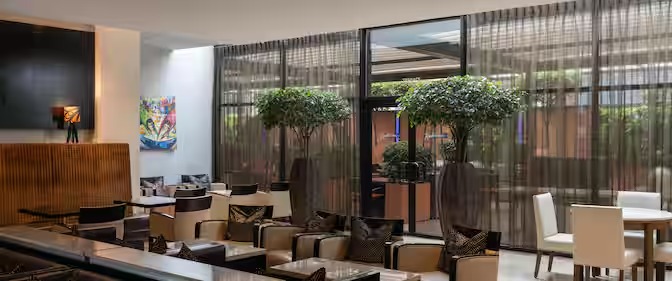
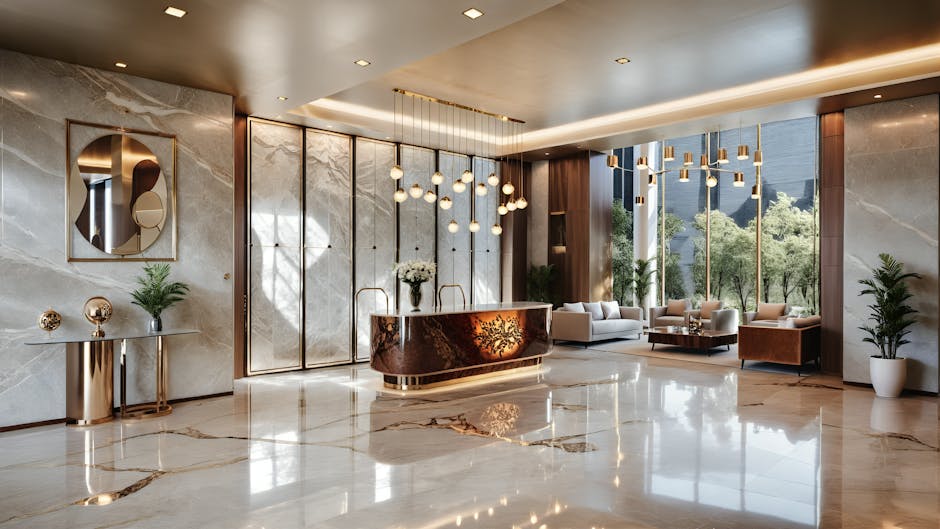
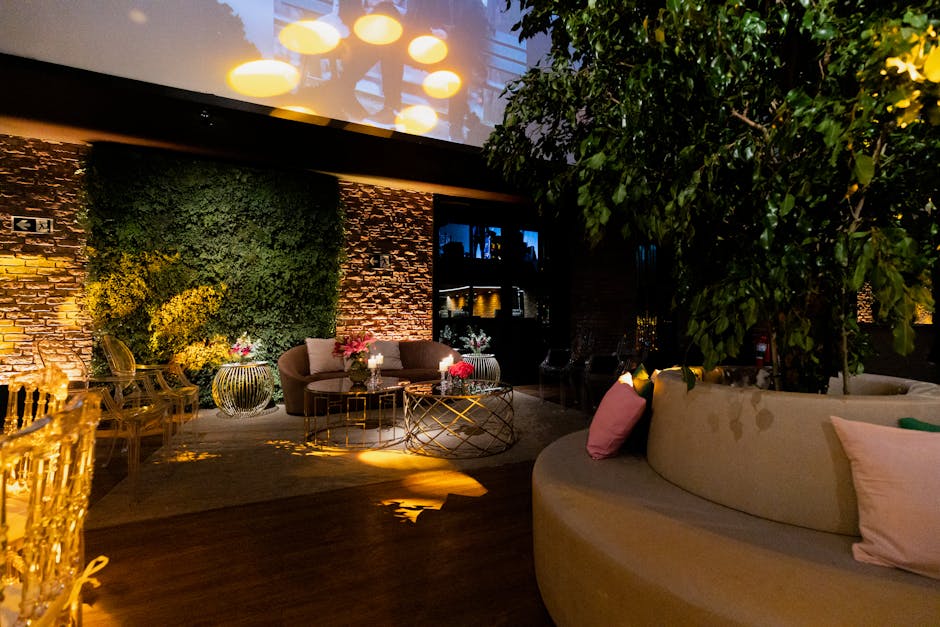
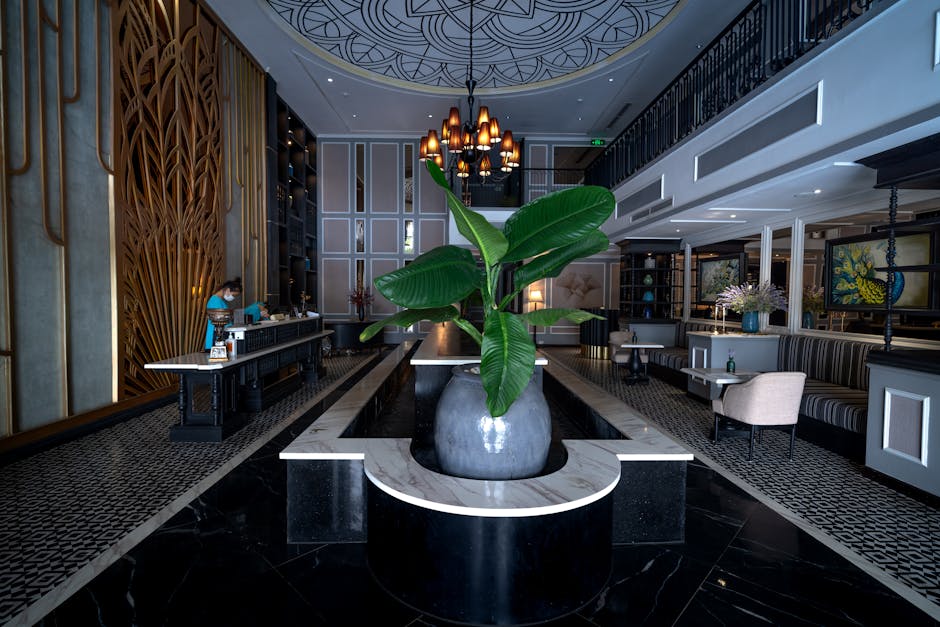
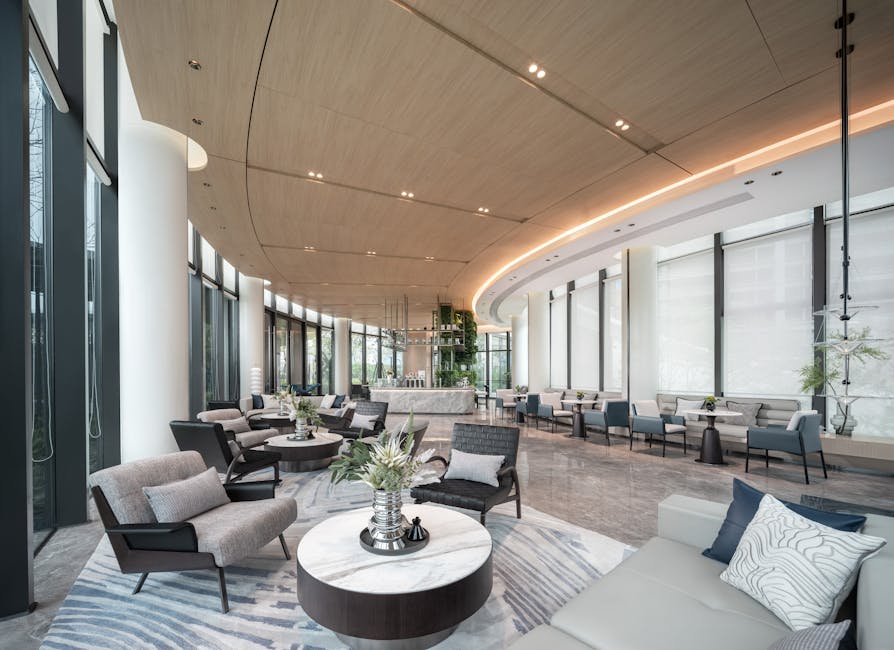
    The lobby is the hotel’s primary impression-making space — a point of daily passage for in-house guests, visiting delegates and Addis Ababa’s business community alike. Zhobai’s lobby package centred on a new reception island in dark granite with bronze-trimmed fascias, a custom seating arrangement of modular sofas and loose chairs in coordinating terracotta and burnt orange, and a series of round side tables in cast brass that double as display surfaces for curated Ethiopian craft objects. Biophilic elements — tall indoor planters, woven rattan room dividers and hanging textile installations — soften the architecture and bring the warmth of Ethiopian botanical culture into the interiors.
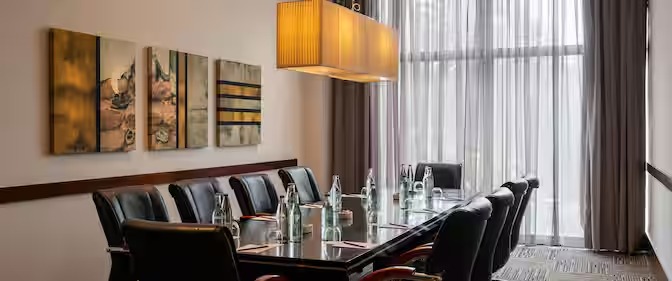
    Radisson Blu Addis Ababa lobby dining corner — furniture by Zhobai

    Bar & Lounge Furniture

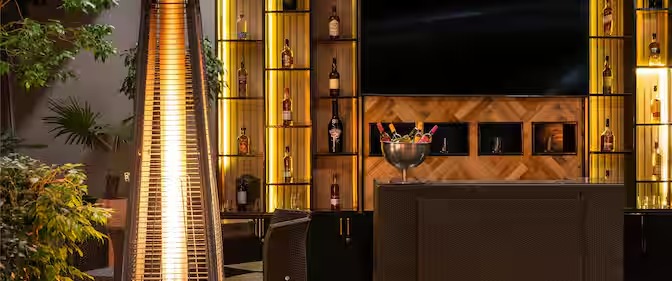
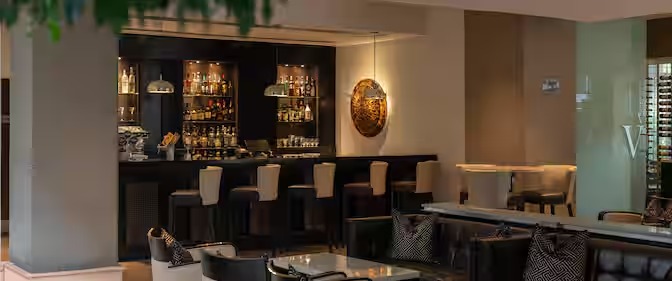
    The Lounge Bar is one of the most socially active spaces in the hotel — hosting the diplomatic and business community for after-work drinks, weekly themed evenings and private celebrations. Zhobai supplied a custom bar counter in backlit onyx panels with a dark bronze structural frame, supported by a full back-bar unit in smoked mirror and illuminated shelving for the hotel’s extensive wine and spirits collection. High bar stools in saddle leather with brass footrails line the counter, while the lounge seating area offers a mix of low club chairs in bottle-green velvet, two-seat love seats in cognac leather and marble-top side tables — a deliberately varied programme that encourages both intimate conversations and larger group gatherings.
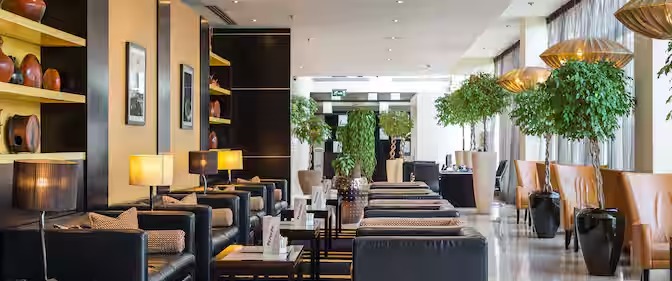
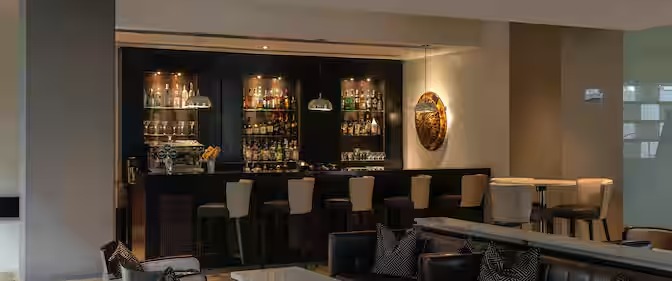
    Radisson Blu Addis Ababa luxury lobby bar area — bar furniture by Zhobai
    Radisson Blu Addis Ababa wine bar counter — custom bar furniture by Zhobai
    Radisson Blu Addis Ababa decorated bar counter — bespoke furniture by Zhobai
    Radisson Blu Addis Ababa long corridor lobby bar — hotel bar furniture by Zhobai
    Radisson Blu Addis Ababa indoor wine lounge bar — lounge furniture by Zhobai
    Radisson Blu Addis Ababa wine lobby lounge — seating furniture by Zhobai

    Dining Furniture

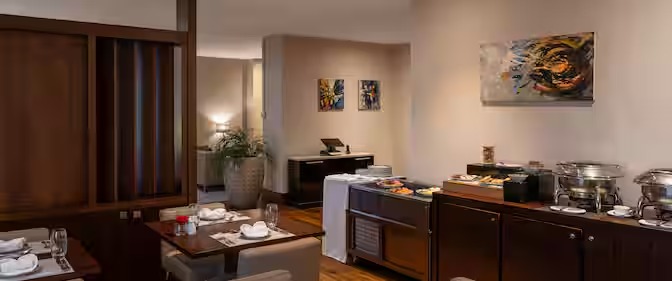
    The hotel’s principal dining venue, Verres en Vers, operates as a French brasserie open for breakfast, lunch and dinner — a format that demands furniture capable of transitioning between the relaxed informality of a buffet morning service and the polished formality of an evening a la carte setting. Zhobai delivered solid ash dining tables in a dark oil finish with rounded corners for easy service flow, upholstered dining chairs in a stripe-weave fabric that references French bistro tradition while reading as globally contemporary, and a series of corner banquette booths in deep burgundy leather for guests seeking a more private dining experience. The outdoor terrace extension received a fully weather-resistant furniture package in powder-coated aluminium and UV-stable woven resin, maintaining design consistency with the interior while withstanding Addis Ababa’s variable highland climate.
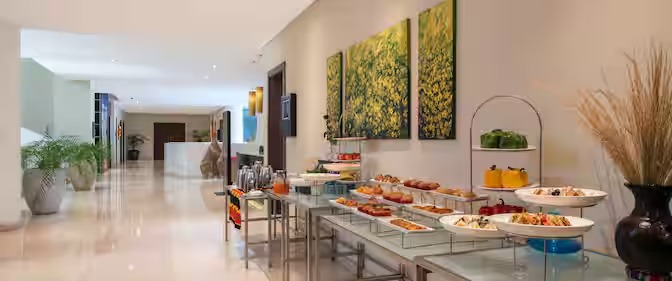
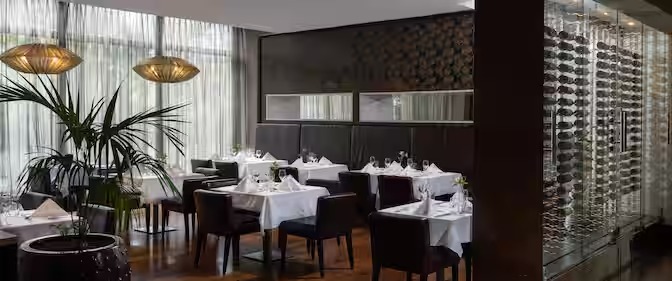
    Radisson Blu Addis Ababa all-day dining buffet restaurant — furniture by Zhobai
    Radisson Blu Addis Ababa fine dining restaurant area — restaurant furniture by Zhobai
    Radisson Blu Addis Ababa private dining lounge — bespoke furniture by Zhobai
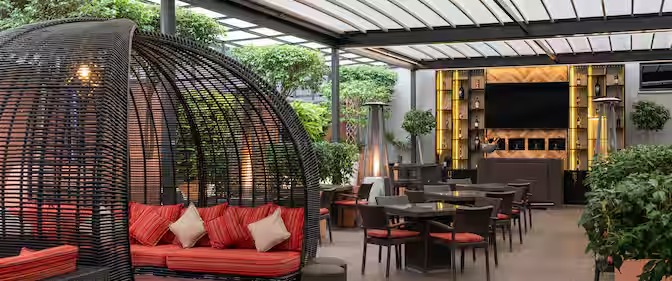
    Radisson Blu Addis Ababa outdoor terrace restaurant — outdoor furniture by Zhobai
    Radisson Blu Addis Ababa open-air courtyard lounge — outdoor seating by Zhobai

    Meeting & Event Spaces

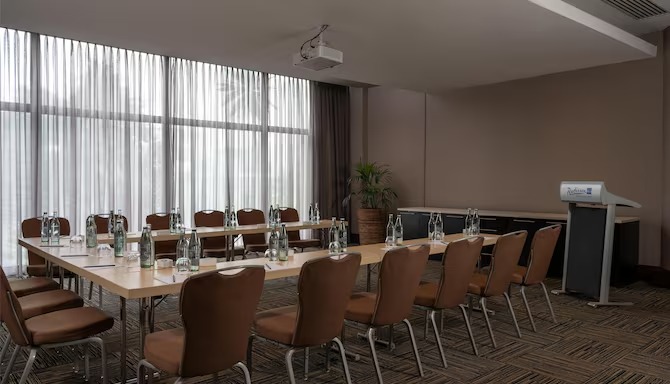
    As a primary venue for international conferences, diplomatic receptions and high-level corporate events, the hotel’s ten meeting rooms and main banquet hall represent a critical revenue stream. Zhobai furnished each meeting room with a configuration-flexible approach: modular conference tables with cable-managed power and data ports, executive leather chairs with lumbar adjustment and castors, and credenzas along the perimeter wall for equipment storage and refreshment staging. Smaller boardroom configurations seat 10 to 20 in a fixed oval arrangement; larger syndicate rooms use Zhobai’s stackable linking-chair system to shift from classroom to theatre to cabaret setup within minutes.
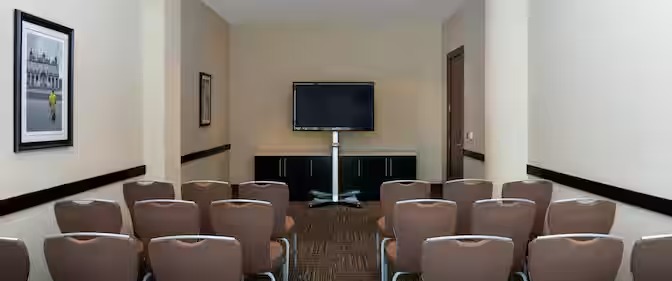
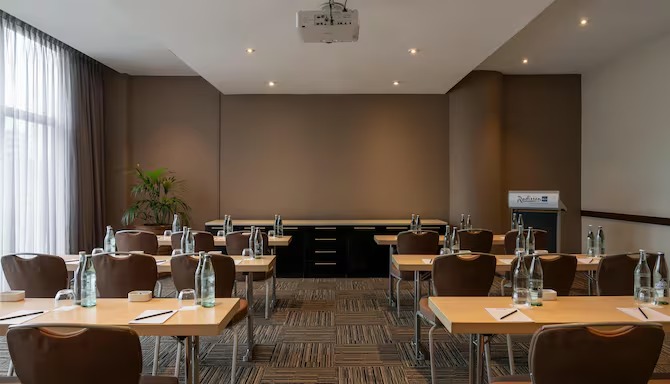
    Radisson Blu Addis Ababa meeting room seating area — conference furniture by Zhobai
    Radisson Blu Addis Ababa small meeting room — boardroom furniture by Zhobai
    Radisson Blu Addis Ababa long table conference room — furniture by Zhobai

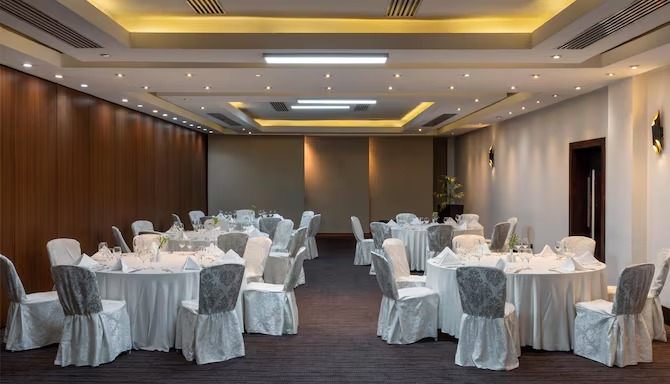
    The main banquet hall — capable of hosting up to 350 guests for a gala dinner or 500 in theatre configuration — received a complete furniture refresh: new ballroom chairs in champagne velvet with a gilded frame, 72-inch round banquet tables in dark walnut veneer with self-levelling feet, and a portable stage and lectern system in a complementary dark timber finish. The banquet entrance corridor was furnished with a series of statement console tables and upholstered bench seats creating a formal pre-function reception zone.
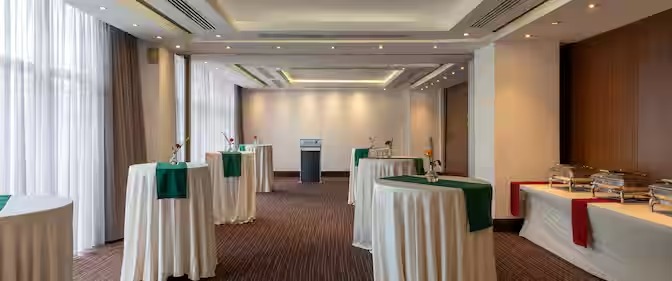
    Radisson Blu Addis Ababa banquet entrance corridor — pre-function furniture by Zhobai
    Radisson Blu Addis Ababa large banquet hall — event furniture by Zhobai

    Wellness & Fitness

    The hotel’s Rainforest Day Spa and 24-hour fitness centre complete the guest wellness offering. Zhobai furnished the fitness centre with a custom equipment arrangement console — a continuous dark timber and stainless steel storage and display unit housing personal training accessories, towel stations and equipment charging points — alongside a stretching area fitted with premium rubber flooring and wall-mounted mirror panels in a frameless dark-stained timber surround.
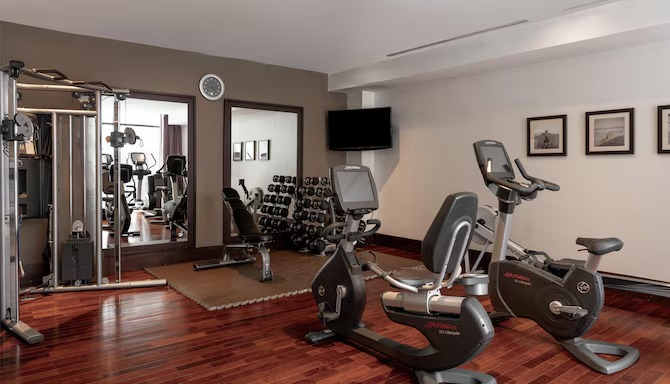
    Radisson Blu Addis Ababa indoor fitness gym centre — hotel facilities

    The Zhobai One-Stop Process

    Delivering a full refurbishment of a live, 212-key upper-upscale hotel in sub-Saharan Africa’s busiest diplomatic capital required extraordinary coordination. Zhobai’s delivery model ran across four phases:

    1. Design & Specification (Months 1–3): Zhobai’s design team collaborated with the hotel’s interior architects and Radisson Blu’s regional brand team to develop a full FF&E specification — producing sample boards, 3D room mock-ups and brand compliance documentation for every category before any piece entered production.
    2. Custom Manufacturing (Months 4–8): All furniture was produced at Zhobai’s ISO 9001-certified Guangdong facilities. Every item underwent finish durability testing, fire-retardancy certification to international hotel standards, and a full dimensional pre-delivery inspection. Upholstered items received EN 1021 cigarette and match ignition testing appropriate to the hospitality application.
    3. International Logistics (Months 9–10): Zhobai coordinated end-to-end container shipping from Guangdong to Djibouti port and onward by road to Addis Ababa — a routing that required close cooperation with the hotel’s procurement team on customs documentation, duty classification and port timing to meet the project’s phased installation schedule.
    4. Phased Installation & Handover (Months 10–12): To avoid taking the hotel offline, Zhobai’s installation team worked floor by floor, completing each guestroom floor before the next was taken out of service. Public area furniture was installed during low-occupancy periods, with final snagging completed during a single pre-agreed three-day closure of the lobby and F&B areas.

    Result

    The 2022 refurbishment repositioned Radisson Blu Addis Ababa as the premier hospitality address in Ethiopia’s capital — a distinction the hotel has maintained through consistent five-star guest ratings since reopening. The furniture has been specifically recognised in online reviews for its quality and comfort, with business guests noting the ergonomic desk setup, the suite fireplace experience and the bar atmosphere as standout elements of their stay.

    For Zhobai, the project demonstrated the breadth of our one-stop capability: managing an internationally shipped, full-hotel refurbishment on a live property, on schedule, across guestrooms, suites, dining, bar, meeting and wellness spaces — delivered as a single, seamless programme from first design meeting to final handover.

    Project Snapshot

    • Project: Radisson Blu Hotel, Addis Ababa
    • Client: Radisson Hotel Group
    • Location: Kazanchis Business District, Addis Ababa, Ethiopia
    • Scale: 212 rooms & suites; 10 meeting rooms; 3 F&B venues
    • Scope: Full FF&E — guestrooms, suites, lobby, bar, dining, meeting rooms, banquet hall, fitness centre
    • Timeline: 12 months from design to handover
    • Completion: 2022 Refurbishment
    • Services: Design collaboration · Custom manufacturing · QC · International logistics · Phased on-site installation

    Planning a hotel furniture refurbishment or new-build FF&E project? Contact Zhobai to discuss your requirements.
  • Luxury Hotel Color Palettes for High-Value Projects

    Luxury Hotel Color Palettes for High-Value Projects

    Imagine a scenario: a hotel developer invests $30 million into a new boutique property, only to see lukewarm guest reviews and lower-than-projected Average Daily Rates (ADR) six months post-opening. The rooms are technically sound, the service is adequate, but guests consistently describe the ambiance as ‘lacking character’ or ‘not quite living up to expectations.’ The culprit? A misjudged selection of services-trends/” target=”_blank”>Luxury Hotel Color Palettes that failed to align with the brand’s intended identity and target guest experience. This isn’t just an aesthetic oversight; it’s a costly misstep, potentially leading to a 5-10% deficit in occupancy or ADR, translating to hundreds of thousands, if not millions, in lost revenue over the first few years. For procurement managers, interior designers, and contractors, understanding the profound impact of color on perceived value and guest satisfaction is not merely a design preference—it’s a critical financial decision.

    A sophisticated hotel lobby featuring custom-designed lounge chairs and a reception desk, showcasing a refined luxury hotel color palette of deep blues and muted grays.
    A sophisticated hotel lobby featuring custom-designed lounge chairs and a reception desk, showcasing a refined luxury hotel color palette of deep blues and muted grays | Zhobai Hotel Furniture

    The Real Cost of Getting Luxury Hotel Color Palettes Wrong

    The choice of Luxury Hotel Color Palettes extends far beyond surface appeal; it fundamentally shapes guest perception, operational costs, and ultimately, your project’s Return on Investment (ROI). A poorly conceived palette can lead to significant financial repercussions. For instance, selecting colors that clash with the brand’s identity or target demographic can necessitate costly re-procurement and renovation cycles within 3-5 years, rather than the intended 7-10 years. This premature refresh can add 15-20% to your FF&E budget, easily translating to an extra $500,000 to $1 million for a 150-room hotel.

    A guest suite with a plush bed and upholstered headboard, incorporating a biophilic color scheme with sage greens and natural wood tones, reflecting a serene luxury hotel aesthetic.
    A guest suite with a plush bed and upholstered headboard, incorporating a biophilic color scheme with sage greens and natural wood tones, reflecting a serene luxury hotel aesthetic | Zhobai Hotel Furniture

    Learn more about our projects.

    Learn more about custom hotel furniture services.

    An interior designer reviewing material swatches and color chips on a large table, meticulously planning a high-end interior accent scheme for a new luxury hotel project.
    An interior designer reviewing material swatches and color chips on a large table, meticulously planning a high-end interior accent scheme for a new luxury hotel project | Zhobai Hotel Furniture

    Beyond direct costs, there’s the intangible but impactful effect on guest experience. In hospitality, first impressions are paramount. Colors that feel dated, jarring, or simply uninviting can lead to lower guest satisfaction scores, fewer repeat bookings, and negative online reviews. This erosion of reputation directly impacts ADR and occupancy rates, potentially diminishing profit margins by 3-7% annually. Furthermore, a lack of coherence in your color scheme can dilute your brand’s message, making it harder to command premium pricing. Thoughtful application of Color Psychology in Hospitality is crucial here, influencing mood, perceived cleanliness, and overall comfort, directly impacting a guest’s willingness to spend and return.

    A modern hotel bar area with dark, rich wall panels and metallic accents, demonstrating a monochromatic luxury design approach with bespoke furniture.
    A modern hotel bar area with dark, rich wall panels and metallic accents, demonstrating a monochromatic luxury design approach with bespoke furniture | Zhobai Hotel Furniture

    The Decision Framework — What to Evaluate Before You Choose

    Before committing to any Luxury Hotel Color Palettes, a structured evaluation process is essential. This framework ensures your choices are strategic, durable, and aligned with your project’s overarching goals.

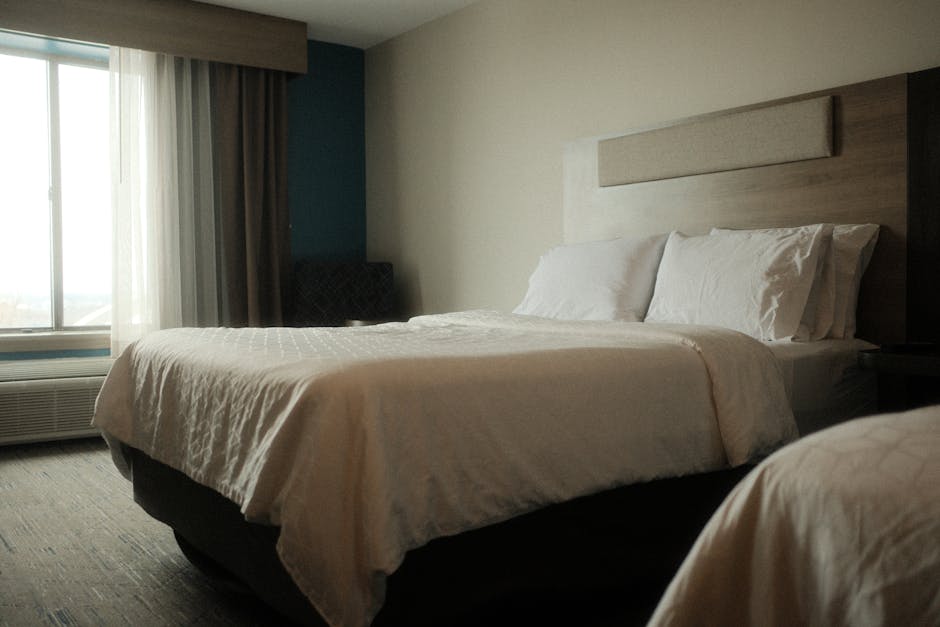
    Peaceful hotel room with luxurious bedding, perfect for a relaxing stay and comfortable sleep.
    Peaceful hotel room with luxurious bedding, perfect for a relaxing stay and comfortable sleep | Zhobai Hotel Furniture

    1. Brand Identity and Positioning Alignment

    Your chosen palette must be an extension of your hotel’s brand story and market position. Is your property a vibrant urban hub, a serene wellness retreat, or a classic heritage establishment? A contemporary boutique hotel might lean into bold, contrasting hues or a sophisticated Monochromatic Luxury Design, while a resort focused on tranquility might favor muted, natural tones. Misalignment here is a core reason for guest dissatisfaction; the visual experience must confirm, not contradict, the brand promise. Evaluate how each color choice supports the narrative you want to convey.

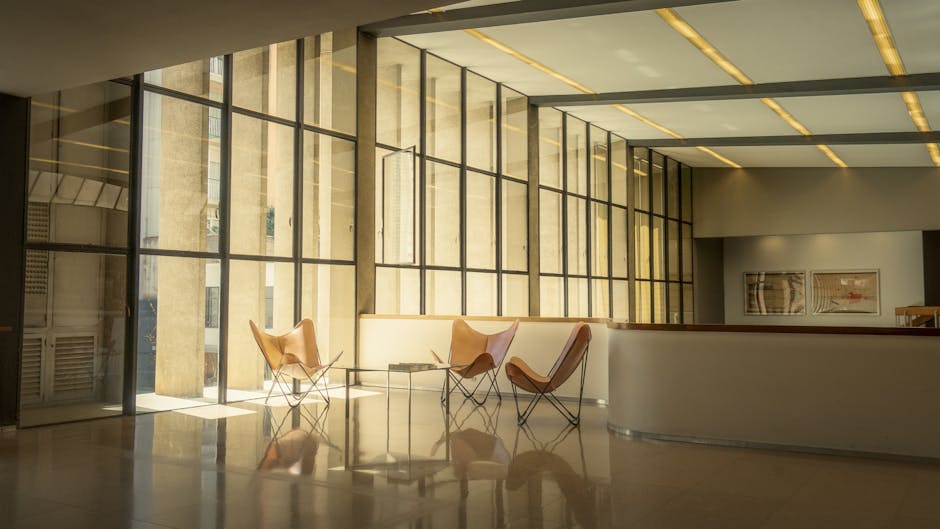
    Stylish modern lobby with natural light and minimalist design in Barcelona, Spain.
    Stylish modern lobby with natural light and minimalist design in Barcelona, Spain | Zhobai Hotel Furniture

    2. Target Guest Demographics and Expectations

    Different guest segments respond to color in varied ways. Business travelers often prefer calming, composed environments that support focus and relaxation after a long day. Leisure guests might seek more vibrant or unique schemes that evoke a sense of escape or local culture. For family-focused properties, durable, forgiving colors might be prioritized, alongside playful accents. Understanding your primary guest profile allows you to select Luxury Hotel Color Palettes that resonate emotionally and functionally, enhancing their stay and encouraging loyalty.

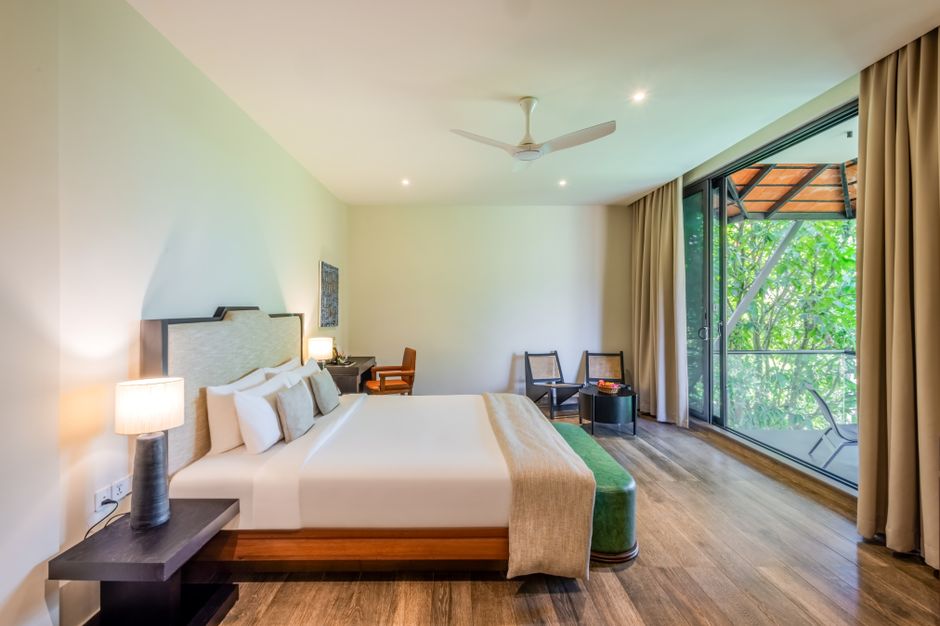
    Spacious modern hotel room featuring large windows overlooking lush greenery.
    Spacious modern hotel room featuring large windows overlooking lush greenery | Zhobai Hotel Furniture

    3. Location, Local Context, and Natural Light

    The geographical location and architectural context of your hotel profoundly influence color suitability. A coastal property naturally benefits from blues, greens, and sandy neutrals, connecting the interior with its surroundings. An urban hotel might leverage darker, more dramatic tones or metallic accents to create a sophisticated, metropolitan feel. Crucially, assess the natural light entering each space throughout the day. North-facing rooms, for example, receive cooler light and may benefit from warmer color temperatures to avoid feeling stark, while sun-drenched, south-facing rooms can handle cooler tones without appearing dim. Incorporating Biophilic Color Schemes works exceptionally well in natural settings, creating a seamless indoor-outdoor experience.

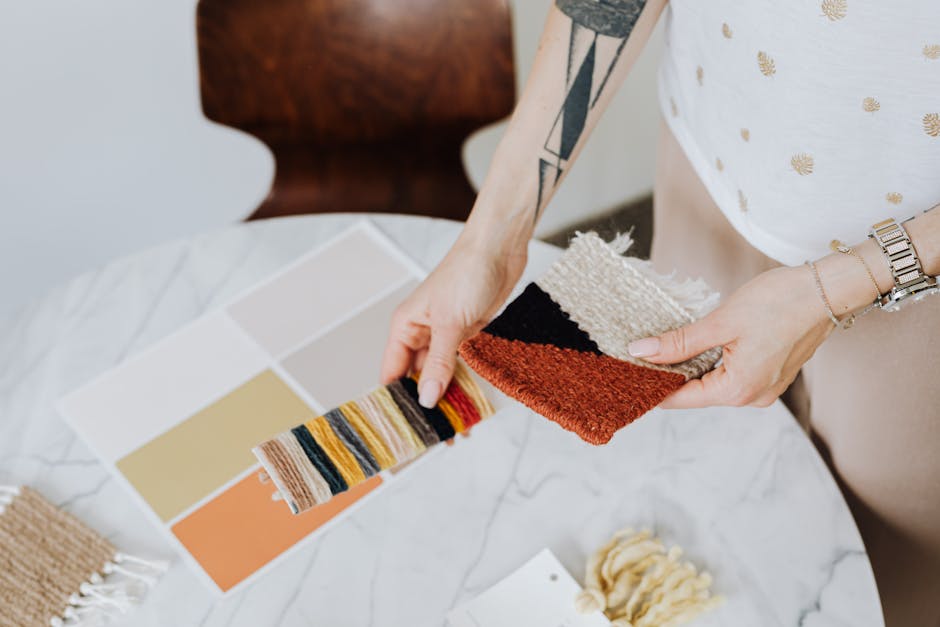
    Close-up of fabric samples with color swatches for interior design.
    Close-up of fabric samples with color swatches for interior design | Zhobai Hotel Furniture

    4. Longevity and Maintenance Considerations

    Trends come and go, but luxury demands timelessness. Opting for overly trendy or niche Luxury Hotel Color Palettes can lead to rapid dating, forcing expensive renovations within a shorter timeframe. Prioritize foundational palettes (e.g., sophisticated neutrals, earthy tones) that offer enduring appeal, then introduce flexibility through easily changeable High-End Interior Accents like textiles, artwork, or decorative furniture pieces. Furthermore, consider the practicalities of maintenance: lighter colors show dirt more readily, while certain deep or highly saturated hues can fade unevenly over time, particularly in high-traffic areas or sun-exposed zones. Balancing aesthetic impact with long-term durability and ease of upkeep is paramount for cost-effective operations.

    Luxurious indoor lounge with stylish seating, modern lighting, and greenery accentuating the space.
    Luxurious indoor lounge with stylish seating, modern lighting, and greenery accentuating the space | Zhobai Hotel Furniture

    Comparison of Luxury Hotel Color Palette Approaches (2026)

    Palette Type Key Characteristics Brand Fit & Guest Perception Maintenance & Longevity Typical Application
    Timeless Neutrals Creams, beiges, soft greys, taupes. Creates calm, spaciousness. Versatile; supports understated luxury, professionalism. Appeals to broad demographics. Generally forgiving, excellent longevity. Accents provide flexibility. Business hotels, classic luxury, urban retreats.
    Earthy & Biophilic Sage green, terracotta, warm browns, muted ochres. Connects to nature. Eco-conscious luxury, wellness resorts, boutique hotels. Evokes comfort, authenticity. Good longevity, often paired with natural materials. Less prone to showing wear. Resorts, spas, properties with strong local connection.
    Deep Jewel Tones Emerald, sapphire, amethyst, ruby, deep navy. Rich, dramatic accents. High-end urban hotels, upscale dining, exclusive lounges. Signals opulence, sophistication. Requires careful application (accents vs. primary). Can be prone to fading if not high quality. Feature walls, upholstery, decorative elements.
    Monochromatic Luxury Variations of a single hue (e.g., grey, blue, beige) with diverse textures. Modern luxury, minimalist design, boutique properties. Creates harmony, sophistication. Excellent longevity, timeless appeal. Texture variations prevent monotony. Contemporary suites, design-led hotels, minimalist spaces.

    What Separates a Good Supplier from a Great One

    Sourcing custom furniture requires more than just a price quote. A truly great supplier acts as a partner, providing expertise that goes beyond manufacturing. When selecting a partner for your Luxury Hotel Color Palettes and custom furniture, ask these critical questions:

    Luxurious modern hotel lounge featuring a sleek design and warm fireplace.
    Luxurious modern hotel lounge featuring a sleek design and warm fireplace | Zhobai Hotel Furniture
    • Do they offer in-house design consultation? A supplier with a professional design team can translate your vision into tangible specifications, advising on color integration, material pairings, and finishes that enhance your chosen palette. This holistic approach ensures cohesive results.
    • Can they provide material and finish samples tailored to your palette? Seeing and feeling material swatches and color chips in your specific lighting conditions is non-negotiable. A great supplier will offer comprehensive sampling, sometimes even producing small-scale mock-ups, to confirm the visual and tactile qualities of your chosen Luxury Hotel Color Palettes.
    • What is their experience with your specific hotel segment and aesthetic? Request a portfolio of projects that align with your desired luxury level and style. A supplier specializing in 5-star hotels understands the nuances of material durability, finish precision, and the refined aesthetic required for high-end environments.
    • How do they ensure color consistency across different materials and production runs? Achieving consistent color across various materials (wood, fabric, metal, stone) and across multiple batches is a complex challenge. Inquire about their quality control protocols, dye lot management, and finishing processes that guarantee uniformity.
    • Do they offer a one-stop solution from design to installation? A supplier capable of managing the entire process—from early-stage planning and design to manufacturing, logistics, and installation—streamlines your project. This reduces coordination headaches and ensures accountability, making Zhobai Hotel Furniture a preferred partner for complex hospitality projects. Learn more about our services.

    Red Flags and Non-Negotiables — When to Walk Away

    In the high-stakes world of hospitality procurement, identifying warning signs early can save millions and prevent catastrophic project delays. Here are specific red flags that indicate a supplier may not be the right fit for your Luxury Hotel Color Palettes project:

    • Lack of Transparency in Material Sourcing: If a supplier is vague about the origin, specifications, or certifications (e.g., fire ratings, environmental standards like FSC for wood) of their materials, it’s a major red flag. This can lead to compliance issues, durability problems, and ultimately, a compromised aesthetic for your Luxury Hotel Color Palettes.
    • Unwillingness to Provide Detailed Shop Drawings and Renderings: Before production, you need precise shop drawings, 3D renderings, and material specifications for every custom piece. A supplier that pushes to proceed without this level of detail is either inexperienced or trying to cut corners, which can result in costly manufacturing errors and design deviations.
    • Inconsistent Communication and Unrealistic Timelines: Poor communication, delayed responses, or promises of impossibly fast turnarounds (e.g., full custom furniture production and delivery for 200 rooms in less than 8 weeks) are clear indicators of potential issues. High-quality custom furniture manufacturing for Luxury Hotel Color Palettes requires meticulous planning and realistic lead times, typically 12-16 weeks for production alone.
    • No Clear Quality Control (QC) Process: Ask for details on their QC checkpoints—from raw material inspection to in-process checks and final pre-shipment inspection. A reputable manufacturer will have a documented, multi-stage QC process. Absence of this indicates a high risk of receiving substandard products that do not match your approved Luxury Hotel Color Palettes.
    • Refusal to Offer Performance Guarantees or Comprehensive Warranty: High-value furniture purchases demand assurances. If a supplier balks at providing clear warranty terms (e.g., 2-5 years structural warranty) or performance guarantees for their finishes and materials, consider it a non-negotiable reason to seek alternatives.

    How Top Hotels Approach Luxury Hotel Color Palettes Differently

    Leading hospitality brands approach Luxury Hotel Color Palettes with strategic foresight, viewing them as integral to their guest experience and brand equity. They don’t just pick colors; they craft environments.

    Consider ‘The Azure Haven,’ a new-build resort in Southeast Asia. Instead of a generic tropical theme, they collaborated with their furniture manufacturer’s in-house design team to develop a sophisticated Biophilic Color Schemes. This involved a palette of muted greens, deep teals, and sand-toned neutrals, using natural wood grains and woven textures. The result was a serene, immersive environment that felt deeply connected to its lush surroundings, leading to 90%+ guest satisfaction scores related to ambiance and relaxation. This intentional choice allowed them to command an ADR 15% higher than local competitors.

    Conversely, ‘The Metropolitan Loft,’ a renovated 5-star urban hotel, opted for a bold yet refined approach. Their Luxury Hotel Color Palettes centered on a Monochromatic Luxury Design using various shades of charcoal and slate, punctuated by striking High-End Interior Accents in brushed brass and deep garnet. This created an atmosphere of sophisticated drama, appealing to a discerning business and luxury leisure clientele who valued contemporary design. The emphasis on texture—velvet upholstery, polished stone, and dark wood veneers—ensured the single-hue scheme felt rich and dynamic, not flat. This strategic choice positioned them as a design-forward destination, driving bookings from a specific, high-spending demographic.

    These examples highlight that top hotels don’t follow trends blindly. They analyze their unique context, guest expectations, and brand vision, then execute their Luxury Hotel Color Palettes with precision and a long-term perspective. They leverage their supplier’s design capabilities to translate these complex visions into reality, ensuring every custom furniture piece contributes to the overall narrative.

    Your Action Plan — Next Steps for Your Project

    Making informed decisions about Luxury Hotel Color Palettes is a multi-stage process. Here’s a concise action plan to guide your next steps:

    1. Define Your Core Vision: Clearly articulate your hotel’s brand identity, target guest, and desired emotional experience. This forms the bedrock for your palette selection.
    2. Research and Refine Palette Concepts: Explore various Luxury Hotel Color Palettes that align with your vision. Gather inspiration, considering both aesthetic appeal and the psychological impact of colors.
    3. Consult with Design Experts: Engage with experienced interior designers or your furniture supplier’s in-house design team. They can provide invaluable input on material compatibility, light interaction, and long-term viability.
    4. Request Comprehensive Samples: Insist on seeing physical samples of all proposed materials and finishes under various lighting conditions. This is crucial for verifying the true appearance of your chosen Luxury Hotel Color Palettes.
    5. Vet Potential Suppliers Thoroughly: Use the checklist provided in this guide to evaluate suppliers on their design expertise, QC processes, and project management capabilities. Prioritize partners offering a full-service solution.
    6. Develop a Detailed Project Timeline and Budget: Ensure your timeline accounts for design, sampling, manufacturing, logistics, and installation. Allocate a realistic budget that reflects the quality and customization required for luxury hospitality.

    Selecting the right Luxury Hotel Color Palettes is a foundational decision that impacts every aspect of your project, from guest perception to long-term profitability. At Zhobai Hotel Furniture, we understand these stakes. With over 15 years of experience specializing in custom furniture for 5-star hotels and resorts worldwide, our approach is built around consultative partnership. Our professional in-house design team collaborates closely with you, translating your vision into exquisite, functional furniture that perfectly embodies your chosen Luxury Hotel Color Palettes. From early-stage planning and design to manufacturing, logistics, and installation, we offer a one-stop solution designed to de-risk your procurement process and elevate your project. Start a conversation with us today to explore how our expertise can bring your vision to life.

  • Mastering Your Hotel Lobby Furniture Layout Plan in 2026

    Mastering Your Hotel Lobby Furniture Layout Plan in 2026

    A common, yet costly, oversight in hotel development or renovation is treating the lobby as merely a transactional space, rather than a dynamic revenue-generating asset. Many procurement managers rush the hotel lobby furniture layout plan, prioritizing initial cost savings or aesthetic trends over long-term durability, functional adaptability, and guest flow. This often results in furniture that quickly wears, impedes traffic, fails to support diverse guest needs, and necessitates premature replacement within 3-5 years. The true cost isn’t just the replacement budget; it’s the cumulative loss of potential F&B revenue, reduced guest satisfaction scores, and the erosion of brand perception, which can collectively amount to hundreds of thousands of dollars over the lifecycle of the property.

    A spacious, modern hotel lobby with a well-defined hotel lobby furniture layout plan, featuring comfortable modular seating in warm tones and natural light.
    A spacious, modern hotel lobby with a well-defined hotel lobby furniture layout plan, featuring comfortable modular seating in warm tones and natural light | Zhobai Hotel Furniture

    The Real Cost of Getting Hotel Lobby Furniture Layout Plan Wrong

    An ineffective hotel lobby furniture layout plan extends far beyond aesthetics; it directly impacts your bottom line and operational efficiency. Consider a scenario where an undersized reception desk creates bottlenecks during peak check-in, leading to guest frustration and longer wait times. Each minute a guest waits can translate to a measurable drop in their overall satisfaction, potentially affecting review scores and repeat bookings. Studies in 2026 show that a single point drop in online review scores can correlate with a 3-5% decrease in occupancy rates for some properties.

    A contemporary commercial reception area furniture layout with a sleek, custom-designed front desk, vibrant artwork, and inviting lounge chairs for guests.
    A contemporary commercial reception area furniture layout with a sleek, custom-designed front desk, vibrant artwork, and inviting lounge chairs for guests | Zhobai Hotel Furniture

    Learn more about 5-star hotel furniture projects.

    Furthermore, poor furniture choices or an ill-conceived commercial reception area furniture layout can stifle ancillary revenue opportunities. If seating areas are uncomfortable, poorly lit, or lack power outlets, guests are less likely to linger, order drinks, or utilize co-working spaces. This directly impacts potential sales from a lobby bar, café, or retail kiosk. Over a five-year period, a mid-sized boutique hotel could easily lose $50,000 to $100,000 in missed revenue from such underutilized spaces, alongside the $20,000-$40,000 cost of premature furniture replacement due to inadequate material selection or construction.

    An elegant hotel lobby showcasing a thoughtful modular seating plan for hotel lobbies, with various seating arrangements for different guest activities and large windows overlooking a city skyline.
    An elegant hotel lobby showcasing a thoughtful modular seating plan for hotel lobbies, with various seating arrangements for different guest activities and large windows overlooking a city skyline | Zhobai Hotel Furniture

    The Decision Framework — What to Evaluate Before You Choose

    Before committing to any supplier, a robust decision framework is essential. Evaluating your needs against a set of practical criteria ensures your investment yields long-term value and enhances the guest experience. This is where strategic hotel lobby space planning guidelines become critical for informed decisions.

    A detailed view of a hospitality lobby furniture specification, highlighting the robust construction of a custom sofa with durable upholstery and sturdy wooden legs.
    A detailed view of a hospitality lobby furniture specification, highlighting the robust construction of a custom sofa with durable upholstery and sturdy wooden legs | Zhobai Hotel Furniture

    1. Functional Adaptability and Zoning

    Your lobby must serve multiple purposes throughout the day. Consider how the space will transition from a bustling morning check-out zone to a relaxed afternoon co-working hub, and then to an evening social area. Does your proposed furniture allow for this flexibility? A truly effective hotel lobby furniture layout plan incorporates distinct zones for reception, casual lounging, focused work, and even small group meetings. Modular seating plan for hotel lobbies can be particularly effective here, allowing reconfiguration as needs change. For example, moveable ottomans or lightweight side tables provide flexibility for guests to adapt their personal space.

    Luxurious hotel lobby featuring a classic sofa set and elegant floral arrangements.
    Luxurious hotel lobby featuring a classic sofa set and elegant floral arrangements | Zhobai Hotel Furniture

    2. Durability and Material Specification

    Hospitality furniture endures significantly higher traffic and wear than residential pieces. Specifying robust materials and construction methods is non-negotiable. Look for solid hardwood frames, commercial-grade upholstery fabrics (e.g., Martindale abrasion test results above 50,000 rubs), and high-density foam cushions (e.g., 2.2-2.5 lb/ft³). Stainless steel components should be 304-grade for corrosion resistance. Neglecting this leads to rapid deterioration, requiring expensive repairs or early replacement, often within 2-3 years instead of the expected 7-10 years. A thorough hospitality lobby furniture specification will outline these details.

    Luxurious hotel lobby featuring opulent decor, art, and comfortable seating for guests.
    Luxurious hotel lobby featuring opulent decor, art, and comfortable seating for guests | Zhobai Hotel Furniture

    3. Aesthetic Integration and Brand Identity

    The lobby is the first physical manifestation of your brand. Does the furniture’s design, color palette, and texture align with your hotel’s narrative and target demographic? A contemporary urban hotel will require different aesthetics than a beachfront resort. Consistency reinforces your brand identity and creates a cohesive, memorable guest journey. custom furniture solutions allow for precise alignment with your unique vision, ensuring your lobby makes the intended statement.

    Spacious and luxurious hotel lobby with elegant seating and stylish lighting.
    Spacious and luxurious hotel lobby with elegant seating and stylish lighting | Zhobai Hotel Furniture

    4. Ergonomics and Guest Comfort

    Comfort directly correlates with guest satisfaction and their willingness to spend time in the lobby. Seating must accommodate various body types and activities, from a quick coffee to an extended work session. Consider seat depth, back support angles, and armrest height. Are there accessible power outlets integrated or conveniently located near seating? An uncomfortable chair, even if visually appealing, will be avoided, rendering it a wasted investment.

    Elegant hotel lobby with contemporary seating and stylish decor creating a cozy atmosphere.
    Elegant hotel lobby with contemporary seating and stylish decor creating a cozy atmosphere | Zhobai Hotel Furniture

    5. Maintenance and Longevity

    Ease of cleaning and long-term maintenance are critical for operational efficiency and appearance retention. Specify fabrics treated for stain resistance and frames designed for easy cleaning access. Furniture with removable, washable cushion covers can significantly extend its lifespan and maintain its appearance. Complex designs with intricate crevices or delicate finishes can become maintenance nightmares, quickly accumulating dirt and showing wear.

    Evaluation Criterion Key Considerations for 2026 Projects Impact of Poor Choice
    Functional Adaptability Modular components, multi-purpose zoning, integrated tech access Underutilized space, guest dissatisfaction, missed revenue
    Durability & Materials Commercial-grade fabrics (>50k rubs), solid wood frames, 304 SS Premature wear, frequent repairs, early replacement (2-3 yrs)
    Aesthetic & Brand Custom finishes, cohesive design language, unique brand elements Confused brand identity, dated appearance, negative first impression
    Ergonomics & Comfort Varied seating types, proper support, accessible charging Guests avoid space, poor reviews, reduced linger time
    Maintenance & Longevity Stain-resistant fabrics, easy-clean surfaces, replaceable parts High operational costs, rapid decline in appearance, hygiene issues

    What Separates a Good Supplier from a Great One

    Choosing the right manufacturing partner is as crucial as the furniture itself. A great supplier goes beyond simply delivering products; they act as a strategic extension of your project team. Zhobai Hotel Furniture, for instance, offers a one-stop solution from early-stage planning to installation, backed by 15+ years of experience in custom furniture.

    Checklist for Supplier Vetting:

    • Experience and Specialization: Do they specialize in hospitality FF&E, particularly for 5-star or boutique hotels? A supplier focused solely on residential furniture will lack the commercial-grade expertise needed for your hotel lobby furniture layout plan.
    • Design Capabilities: Do they have a professional in-house design team capable of creating tailored spaces? This is vital for custom solutions, offering valuable input on aesthetics, functionality, and material selection.
    • Manufacturing Control: Do they own their manufacturing facilities or primarily outsource? Direct control typically translates to better quality control, faster response times, and more competitive factory direct pricing.
    • Certifications and Compliance: Are they certified (e.g., CE, ISO, SGS, FDA)? These indicate adherence to international quality, safety, and environmental standards. Ensure their products meet local building and fire codes for your project’s location.
    • Project Management & Logistics: Can they manage the entire project lifecycle, including logistics, customs, and installation worldwide? A truly great partner streamlines this complex process, reducing your administrative burden and risk. Zhobai’s global export experience covers Europe, North America, Africa, and more.
    • Warranty and After-Sales Support: What kind of warranty do they offer on their products and installation? A 3-5 year warranty on structural components is a reasonable expectation. Clear after-sales support protocols demonstrate commitment to long-term client satisfaction.
    • Prototyping and Samples: Do they offer prototyping or material samples before full production? This allows for critical evaluation and adjustments, preventing costly errors down the line, especially for a complex commercial reception area furniture layout.

    Red Flags and Non-Negotiables — When to Walk Away

    Navigating the procurement landscape requires vigilance. Identifying red flags early can save your project from significant delays, budget overruns, and quality compromises. When sourcing a hotel lobby furniture layout plan, certain warning signs should prompt immediate reconsideration.

    • Vague or Incomplete Proposals: A supplier providing a proposal without detailed specifications, material breakdowns, or clear lead times is a major red flag. Lack of transparency suggests a lack of process or an attempt to hide potential cost escalations. Insist on line-item details for materials, finishes, and construction methods.
    • Unrealistic Timelines: Manufacturing custom hospitality furniture, especially for a large-scale project, takes time. Be wary of suppliers promising delivery in 4-6 weeks for complex orders when the industry standard for custom FF&E is typically 8-12 weeks for manufacturing alone, plus shipping. Unrealistic promises often lead to rushed production, quality issues, and missed deadlines.
    • Lack of Project References or Portfolio: A reputable supplier should readily provide references from similar projects or a comprehensive portfolio showcasing their work, particularly for a specific hotel lobby space planning guidelines. If they are evasive or their portfolio seems generic, it’s a sign to proceed with caution.
    • Insufficient Communication: Poor communication during the quoting phase is a strong indicator of future problems. If emails go unanswered for days, questions are sidestepped, or they fail to provide clear answers, imagine the challenges during production and delivery. A responsive, proactive communication style is a non-negotiable.
    • Demanding 100% Upfront Payment: While an initial deposit (typically 30-50%) is standard for custom manufacturing, a supplier demanding full payment before production or shipment represents an unacceptable risk. This removes your leverage and exposes you to potential non-delivery or quality issues without recourse.

    How Top Hotels Approach Hotel Lobby Furniture Layout Plan Differently

    Leading hotel brands view their lobbies as dynamic brand showcases and profit centers, not just pass-through zones. Their approach to a hotel lobby furniture layout plan is strategic and data-driven.

    Scenario 1: The Urban Boutique Hotel. A 4-star boutique hotel in a bustling city center, targeting young professionals and creatives, needed a lobby that transitioned seamlessly from co-working space to an evening social hub. Instead of traditional static sofas, they opted for a modular seating plan for hotel lobbies. They specified custom-designed, lightweight upholstered modules with integrated power outlets and USB ports. These pieces could be easily reconfigured by staff or guests into intimate conversation nooks or larger collaborative tables. The result? A 30% increase in average guest linger time and a 15% uplift in lobby bar sales within the first six months, directly attributable to the adaptable furniture and enhanced guest comfort. This smart commercial reception area furniture layout provided significant ROI.

    Scenario 2: The Luxury Resort. A new build 5-star resort in a high-humidity coastal region prioritized longevity and a unique sense of place. For their hotel lobby furniture layout plan, they invested in custom pieces featuring solid teak frames, marine-grade stainless steel accents, and performance fabrics engineered to resist UV, salt, and mildew. Their hospitality lobby furniture specification included custom upholstery patterns reflecting local artistry. While the upfront investment was 15-20% higher than standard options, their furniture has maintained its pristine condition for five years without significant repairs, significantly reducing ongoing maintenance costs and preserving the initial design intent. This careful material selection minimized lifecycle costs.

    Scenario 3: The Extended-Stay Property. This property understood its guests needed more than just a place to check in. Their lobby design focused on creating a ‘living room’ experience. They integrated larger, deeper lounge chairs and sofas, combined with a variety of small, movable side tables and floor lamps. A dedicated, semi-private zone with high-backed seating and acoustic panels allowed for quiet work or private conversations. This hotel lobby space planning guidelines approach recognized the diverse needs of long-term guests, fostering a sense of community and providing functional spaces beyond the guestroom.

    Your Action Plan — Next Steps for Your Project

    Transforming your hotel lobby furniture layout plan from concept to reality requires a structured approach. Follow these actionable steps to ensure a successful procurement process:

    1. Define Your Lobby’s Purpose & Zones: Clearly articulate the primary functions and desired guest experiences for each area of your lobby. Quantify expected traffic flow and activities (e.g., 20% check-in, 40% lounging, 30% F&B, 10% co-working).
    2. Develop Detailed Specifications: Work with your interior design team to create comprehensive hospitality lobby furniture specification documents. This should include material call-outs, dimensions, construction details, finish requirements, and performance standards (e.g., fabric rub counts, flame retardancy).
    3. Budget for Durability & Longevity: Allocate sufficient budget for commercial-grade materials and construction. Understand that a higher upfront investment in quality often translates to lower lifecycle costs and superior guest experience.
    4. Shortlist & Vet Suppliers Thoroughly: Identify 3-5 potential suppliers with proven hospitality FF&E experience. Use the checklist provided in this guide to conduct due diligence, requesting references, certifications, and detailed proposals.
    5. Request Prototypes & Samples: For critical or custom pieces, insist on seeing prototypes or material samples. This is your opportunity to physically evaluate quality, comfort, and aesthetic alignment before full production begins.
    6. Finalize Contracts with Clear SLAs: Ensure your contract includes specific delivery schedules, payment terms tied to milestones, quality assurance clauses, warranty details, and clear terms for dispute resolution.
    7. Plan for Logistics & Installation: Coordinate with your supplier for seamless logistics and professional installation. Confirm packaging, shipping methods, and on-site assembly requirements well in advance.

    The success of your hotel project hinges significantly on the strategic execution of your hotel lobby furniture layout plan. It’s more than just buying furniture; it’s about investing in an experience, a brand statement, and a revenue driver. Partnering with an experienced manufacturer who understands these nuances is key. Zhobai Hotel Furniture is built around these exact principles, offering a consultative, one-stop solution from initial design concepts through to final installation. We collaborate closely with owners, developers, and designers to create tailored spaces that deliver on both aesthetic vision and long-term operational performance. Start a conversation with our team today to explore how our expertise can elevate your next project.

  • Factory Design Hotel Furniture: Sourcing Guide

    Factory Design Hotel Furniture: Sourcing Guide

    In the competitive hospitality market, guest satisfaction and operational efficiency are paramount. Furniture, often representing 10-15% of a hotel’s total build or renovation budget, directly influences both. Yet, many hotel owners and developers grapple with inconsistent quality, budget overruns, and delayed timelines when sourcing custom pieces. Embracing a direct-from-factory design hotel approach is no longer a niche strategy; it is a critical pivot for securing high-value, bespoke furniture that elevates guest experience while optimizing project costs and timelines.

    A modern hotel lobby featuring custom-designed seating and tables, showcasing high-quality factory design hotel furniture.
    Photo by Michael on Pexels

    Why Factory Design Hotel is Critical for Hotel Success

    Opting for a direct factory design approach offers substantial advantages over traditional procurement channels. It streamlines the supply chain, eliminating intermediary markups that can inflate costs by 20-30%. This direct engagement ensures greater control over material selection, manufacturing processes, and quality assurance, leading to superior durability and aesthetic consistency across all furniture pieces.

    A luxurious hotel guest room with bespoke wooden casegoods and upholstered chairs, reflecting a premium factory design hotel aesthetic.
    Photo by Wolfgang Weiser on Pexels

    Learn more about certified quality standards.

    Learn more about one-stop hotel furniture solutions.

    An intricate workshop setting where skilled craftsmen are assembling custom pieces for a factory design hotel project, emphasizing attention to detail.
    Photo by Masood Aslami on Pexels

    Learn more about guide to factory design hotel furniture.

    Furthermore, direct factory collaboration significantly reduces project lead times. Manufacturers can often deliver custom orders 4-6 weeks faster than distributors, minimizing hotel downtime during renovations or accelerating the opening of new builds. This efficiency translates directly into quicker revenue generation and a stronger return on investment (ROI), crucial for profitability in a market where every week counts.

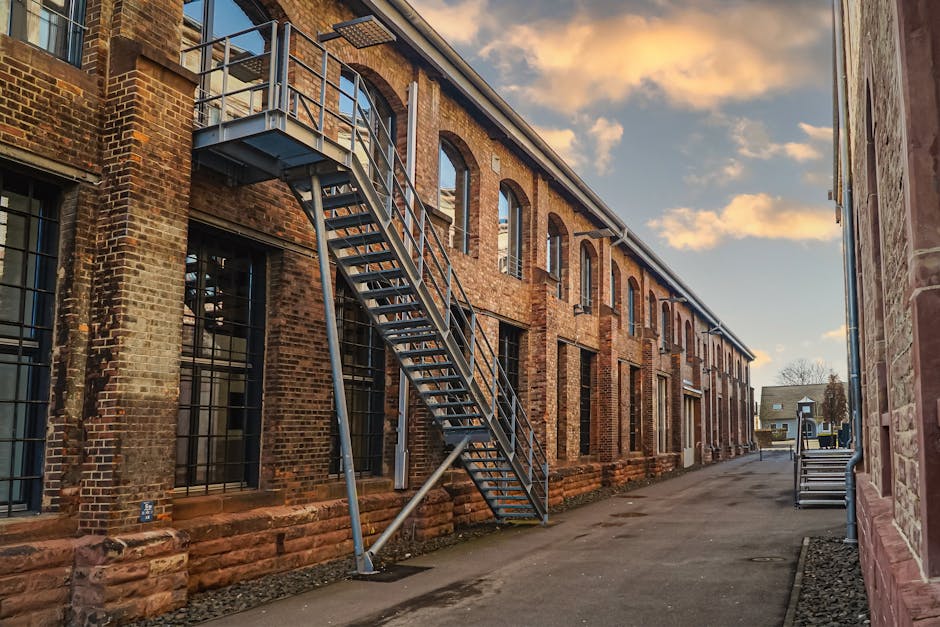
    A vintage industrial interior with exposed pipes, brick walls, and metal staircases, captured in natural light.
    Photo by Sami TÜRK on Pexels

    Key Factors to Consider When Choosing a Factory Design Hotel Partner

    Selecting the right manufacturing partner is paramount for successful custom furniture projects. Evaluate potential factories on several key criteria to ensure they align with your project’s unique demands and quality standards.

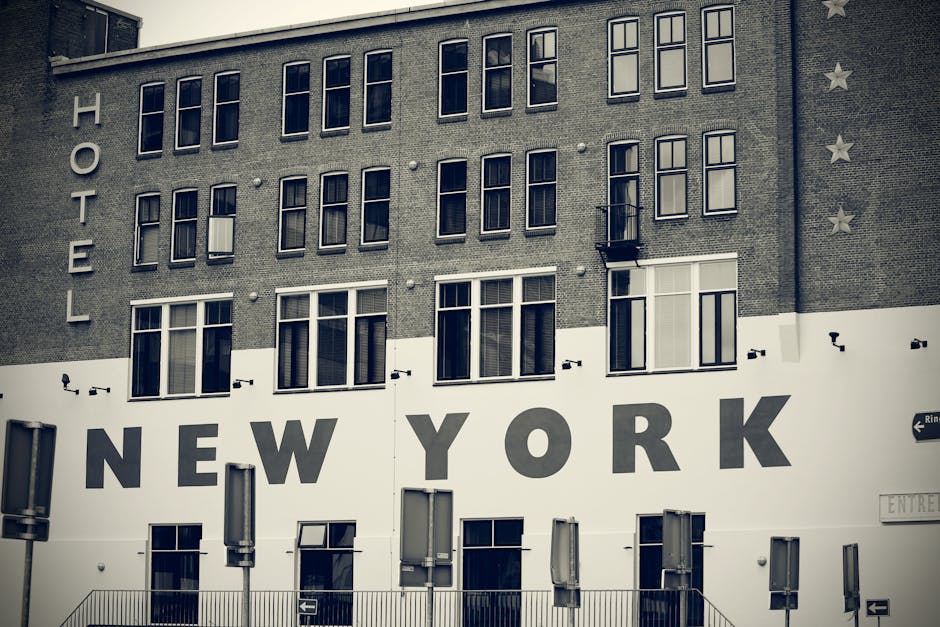
    Black and white photo of a hotel facade with 'New York' signage, showcasing urban architecture.
    Photo by Henk Mohabier on Pexels
    • Customization Capabilities and Design Expertise

      A leading factory design partner should offer full OEM/ODM services, allowing for complete design flexibility from concept to prototype. Look for an in-house design team that can translate your vision or an interior designer’s plans into manufacturable solutions, providing detailed shop drawings and material suggestions. Their ability to handle complex custom pieces, from guest room casegoods to public area seating, is essential.

      Symmetrical facade of an old industrial building with brick walls and large windows.
      Photo by Mike van Schoonderwalt on Pexels
    • Material Sourcing and Quality Control

      Inquire about their raw material sourcing policies. A reputable manufacturer prioritizes durable, high-grade materials like solid wood, fire-retardant fabrics, and high-density foam, ensuring furniture longevity. Robust multi-stage quality control (QC) procedures, from material inspection to final assembly, are non-negotiable. Request samples and factory tours to verify their commitment to craftsmanship.

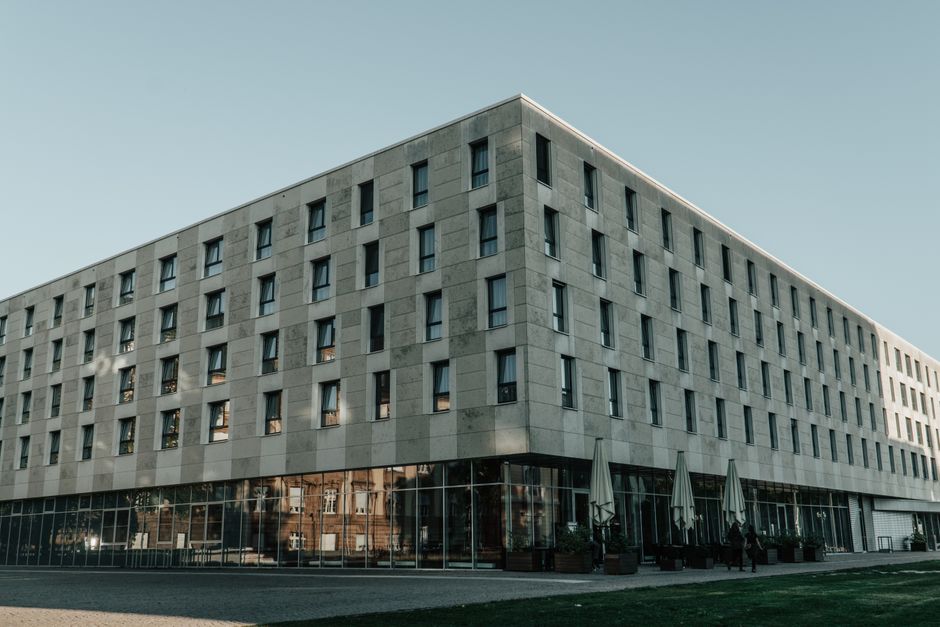
      Contemporary hotel facade featuring minimalist design and geometric window patterns.
      Photo by Jan van der Wolf on Pexels
    • Certifications and Compliance

      Ensure the factory holds relevant international certifications such as CE, ISO 9001 (quality management), ISO 14001 (environmental management), SGS (quality verification), and potentially FDA for healthcare-related projects. These certifications demonstrate adherence to global safety, quality, and ethical manufacturing standards, protecting your investment and ensuring product reliability.

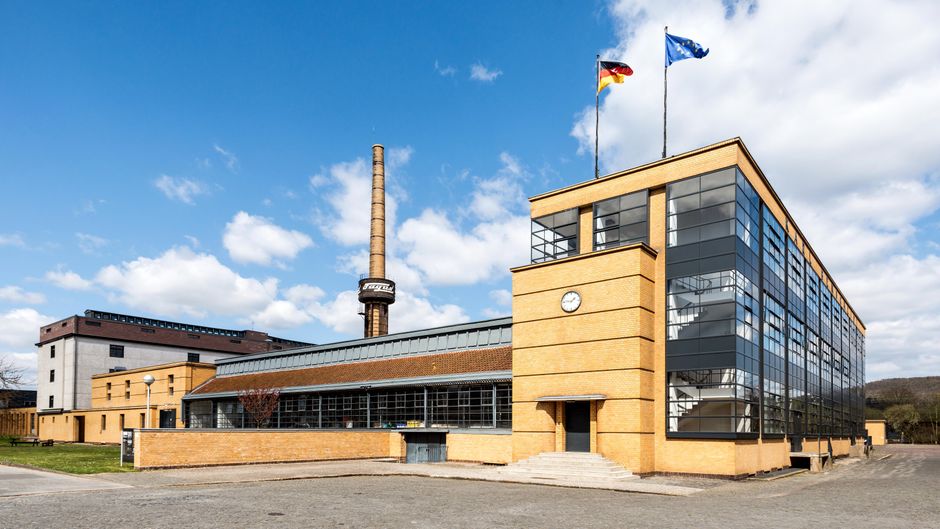
      The Fagus Factory in Alfeld, Germany, showcases early modern architecture.
      Photo by Wolfgang Weiser on Pexels
    • Project Management and Logistics

      An effective partner provides comprehensive project management, including a dedicated point of contact. They should offer a one-stop solution encompassing early-stage planning, design, manufacturing, logistics, and installation. This integrated approach minimizes coordination headaches and ensures seamless execution, especially for international exports across continents like Europe, North America, and Africa.

    Common Mistakes Hotels Make with Factory Design Hotel Furniture

    Even experienced professionals can encounter pitfalls when sourcing custom hotel furniture directly from a factory. Avoiding these common errors can save significant time and money.

    • Neglecting Detailed Specifications

      One of the most frequent mistakes is providing insufficient or ambiguous specifications. Vague requirements for materials, dimensions, finishes, or hardware can lead to costly rework, delays, and furniture that doesn’t meet expectations. Always provide precise technical drawings, material samples, and finish schedules.

    • Underestimating Lead Times and Logistics

      While direct factory sourcing can be faster, it still requires realistic planning. Overlooking production timelines, shipping schedules, customs clearance, and local delivery can cause project delays. Factor in buffer time for unexpected issues, especially for international shipments. A seasoned partner will provide transparent logistics planning.

    • Prioritizing Price Over Value and Durability

      Focusing solely on the lowest bid often results in compromising material quality and construction. Cheaply made furniture may save upfront costs but quickly leads to higher maintenance, repair, and replacement expenses within a few years. Invest in durable pieces that withstand the rigors of hospitality use for a superior long-term ROI.

    • Skipping Prototype Approval

      Failing to request and thoroughly review a prototype or mock-up before mass production is a critical oversight. A prototype allows you to assess design, functionality, comfort, and finish quality, identifying and correcting issues before large-scale manufacturing begins. This step is invaluable for a successful factory design hotel project.

    Latest Trends and Innovations in Factory Design Hotel Furniture (2024-2025)

    The hospitality furniture landscape is continually evolving, driven by guest expectations, technological advancements, and sustainability concerns. Staying abreast of these trends ensures your hotel remains competitive and appealing.

    • Sustainable and Eco-Friendly Materials

      There’s a growing demand for furniture made from recycled, reclaimed, or sustainably sourced materials like FSC-certified wood, bamboo, and recycled plastics. Guests increasingly prefer hotels that demonstrate environmental responsibility. Manufacturers are innovating with low-VOC finishes and energy-efficient production processes.

    • Integrated Technology and Smart Furniture

      Expect to see more furniture with built-in charging stations (USB-C, wireless), smart lighting controls, and even integrated audio systems. Desks with adjustable heights and beds with automated settings are becoming more common, enhancing guest convenience and experience.

    • Modular and Multifunctional Designs

      Space optimization is key, especially in urban hotels. Modular furniture that can be reconfigured for different uses (e.g., a sofa that converts into a workspace, movable privacy screens) offers flexibility and maximizes room utility. These adaptable pieces enhance guest comfort and provide operational advantages.

    • Biophilic Design Integration

      Bringing nature indoors continues to be a strong trend. Furniture incorporating natural textures, organic shapes, and even living elements (e.g., planters integrated into room dividers or tables) creates calming, health-promoting environments. This approach aligns with guest desires for wellness and connection to nature.

    How to Work With a Reliable Factory Design Hotel Partner

    Establishing a successful partnership with a custom furniture manufacturer involves clear communication, meticulous planning, and mutual trust. Here’s a strategic approach:

    1. Define Your Project Scope and Budget Clearly

      Before engaging, have a precise understanding of your project’s needs, including the quantity and type of furniture, aesthetic vision, material preferences, and budget constraints. This clarity allows manufacturers to provide accurate quotes and realistic timelines.

    2. Conduct Thorough Due Diligence

      Research potential partners extensively. Review their portfolio, client testimonials, and certifications. Request references from previous hospitality clients. A factory with 15+ years of experience, like Zhobai Hotel Furniture, specializing in 5-star hotels and resorts, brings invaluable expertise to complex projects.

    3. Engage Early in the Design Process

      Involve your chosen factory partner during the early planning and design stages. Their in-house design team can offer practical insights into material suitability, construction methods, and cost-saving opportunities, often identifying potential issues before they become expensive problems. This collaborative approach ensures the design is not only beautiful but also manufacturable and durable.

    4. Establish Clear Communication Channels

      Designate a primary point of contact on both sides to streamline communication. Regular updates, progress reports, and prompt responses to inquiries are vital for keeping the project on track. Zhobai Hotel Furniture prides itself on providing a one-stop solution, ensuring seamless communication from planning to installation.

    5. Finalize Contracts and Payment Terms

      Ensure all project details, including specifications, timelines, payment schedules, and warranty information, are clearly stipulated in a comprehensive contract. Understand the factory’s payment structure, typically involving an upfront deposit, progress payments, and a final balance upon delivery or installation.

    Frequently Asked Questions

    • What is the typical lead time for custom hotel furniture from a factory?

      Generally, lead times range from 8 to 16 weeks, depending on the complexity of the design, material availability, and order volume. This period typically starts after design approval and prototype sign-off, excluding shipping time.

    • How do factories ensure the quality of custom hotel furniture?

      Reputable factories implement stringent multi-stage quality control (QC) protocols: raw material inspection, in-process checks during manufacturing, and final inspection before packaging. Certifications (ISO, SGS) and third-party inspections further validate their quality standards.

    • Can I customize every aspect of the furniture when working with a factory?

      Yes, leading custom furniture manufacturers offer extensive OEM/ODM (Original Equipment Manufacturer/Original Design Manufacturer) services. This means you can customize dimensions, materials, finishes, hardware, and even integrate specific technologies to meet your exact brand and design requirements.
    • What are the benefits of a one-stop solution provider for hotel furniture?

      A one-stop solution simplifies the entire procurement process, from early-stage design and planning to manufacturing, logistics, and installation. It reduces coordination efforts, minimizes risks, ensures consistent quality, and often leads to more efficient project timelines and cost savings.

    Navigating the complexities of sourcing custom hotel furniture demands expertise and a strategic partner. By understanding the nuances of a direct factory design approach, you can significantly enhance your project’s efficiency, quality, and financial performance. We invite you to connect with Zhobai Hotel Furniture to explore how our 15+ years of experience and comprehensive one-stop solutions can bring your vision to life. Let us help you achieve unparalleled quality and value for your next hotel project.