标签: Modular Hotel Furniture

  • Modular Hotel Room Furniture: Implementation Guide

    Modular Hotel Room Furniture: Implementation Guide

    In 2026, the hotel industry faces a compelling paradox: while guest expectations for personalized, adaptable experiences are higher than ever, many properties remain tethered to static, single-purpose furniture layouts. The result? Underutilized spaces, missed revenue opportunities, and a guest experience that feels increasingly dated. This fundamental disconnect between evolving demand and traditional supply chain thinking is costing properties millions in lost potential and operational inefficiencies. The solution lies not in more furniture, but in smarter furniture – specifically, in a strategic embrace of flexible modular hospitality furniture.
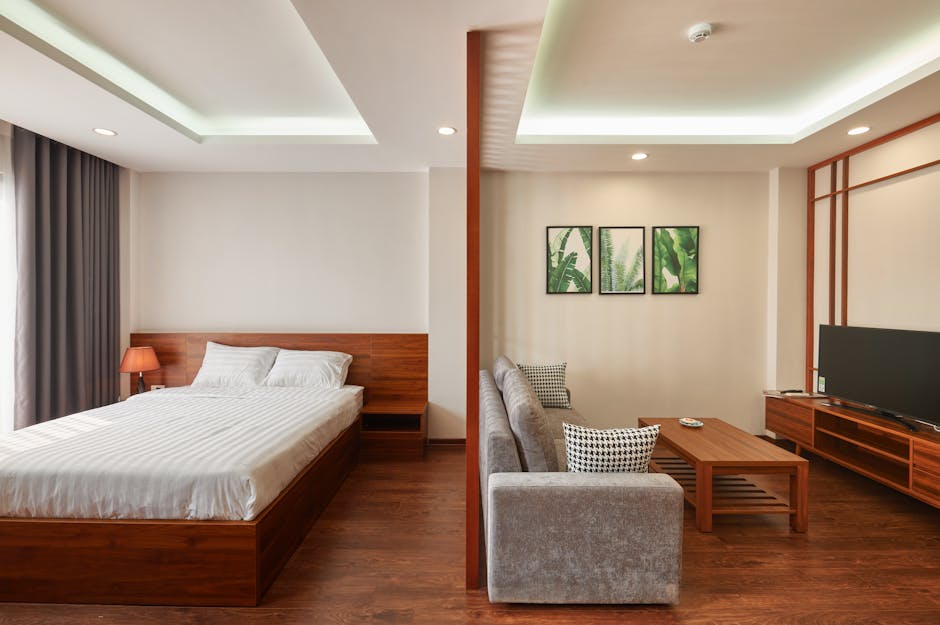
    Modern hotel room featuring adaptable sofa sections and a movable coffee table, showcasing flexible modular hospitality furniture.
    Modern hotel room featuring adaptable sofa sections and a movable coffee table, showcasing flexible modular hospitality furniture | Zhobai Hotel Furniture

    What Separates Outstanding Hotel Projects from Average Ones

    The distinction between a merely functional hotel project and one that truly excels often boils down to foresight and adaptability. Average projects focus on immediate cost and basic aesthetic; outstanding ones anticipate future guest needs, operational demands, and long-term asset value. They recognize that a hotel room is no longer just a place to sleep, but a dynamic environment for work, relaxation, dining, and social connection. Projects that consistently outperform their competitors understand that furniture is not merely décor, but a strategic asset capable of transforming a space and enhancing its utility.
    A guest working comfortably at a pull-out desk integrated into a sleek console unit in a contemporary hotel suite, demonstrating multi-functional hotel room furniture.
    A guest working comfortably at a pull-out desk integrated into a sleek console unit in a contemporary hotel suite, demonstrating multi-functional hotel room furniture | Zhobai Hotel Furniture

    This forward-thinking approach shifts the focus from one-off purchases to integrated solutions that offer longevity and versatility. It means moving beyond conventional procurement to a partnership model that values design innovation, material quality, and seamless integration. The goal is to create environments that can fluidly adapt to different guest profiles, occupancy rates, and even seasonal demands, ensuring every square foot contributes meaningfully to both guest satisfaction and the bottom line.
    Hotel lobby with reconfigurable seating units and lightweight tables, ready for quick rearrangement to adapt to different guest interactions.
    Hotel lobby with reconfigurable seating units and lightweight tables, ready for quick rearrangement to adapt to different guest interactions | Zhobai Hotel Furniture

    Key Insight #1 — Strategic Investment in Adaptability

    The true value of furniture in hospitality is increasingly measured by its ability to adapt. Investing in flexible modular hospitality furniture is not just a trend; it’s a strategic imperative for future-proofing your property. Traditional fixed furniture, while seemingly robust, often locks a space into a single function, limiting its potential. Consider a guest room where a standard desk and chair are the only workspace options. If the guest prefers to work from a lounge chair with a laptop, the desk becomes an inert, space-consuming object.
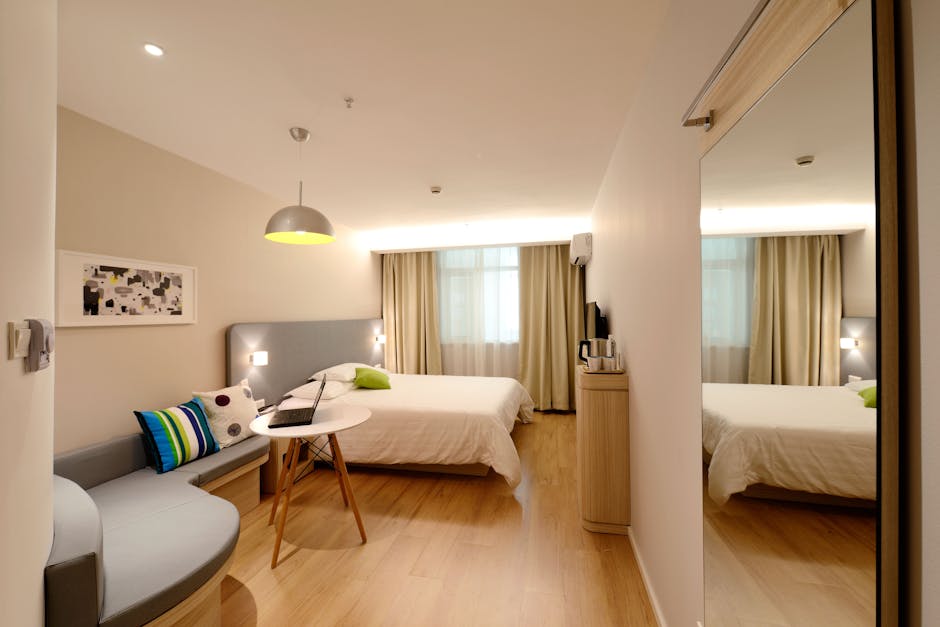
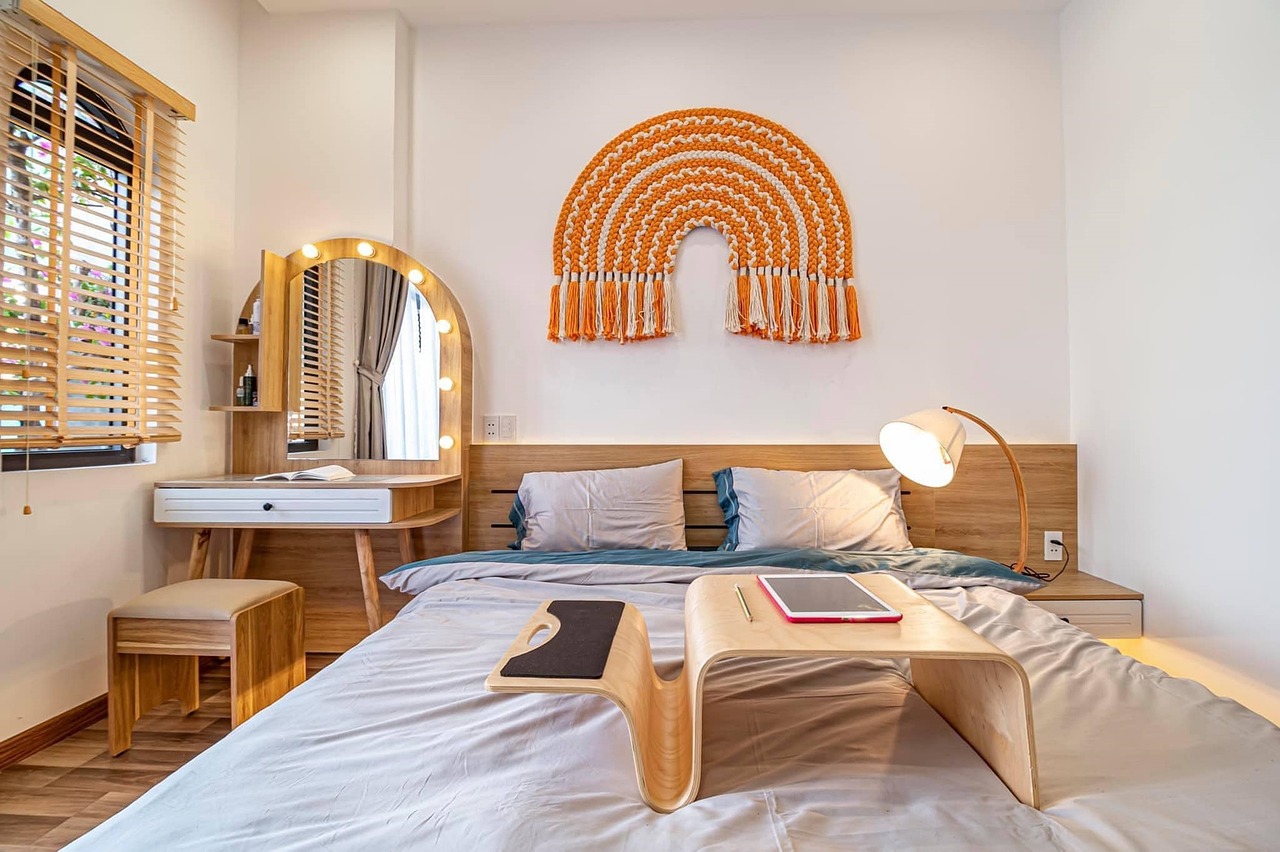
    Spacious modern hotel room featuring cozy decor and neutral tones with natural light.
    Spacious modern hotel room featuring cozy decor and neutral tones with natural light | Zhobai Hotel Furniture

    Modular systems, however, unlock latent potential. A single piece can serve multiple functions or be reconfigured to create entirely new arrangements. This adaptability extends the lifecycle of your investment, reducing the frequency and cost of major renovations. It allows properties to respond swiftly to market shifts, whether that’s repurposing rooms for co-working during off-peak hours or transforming a standard suite into an extended-stay unit with minimal effort.
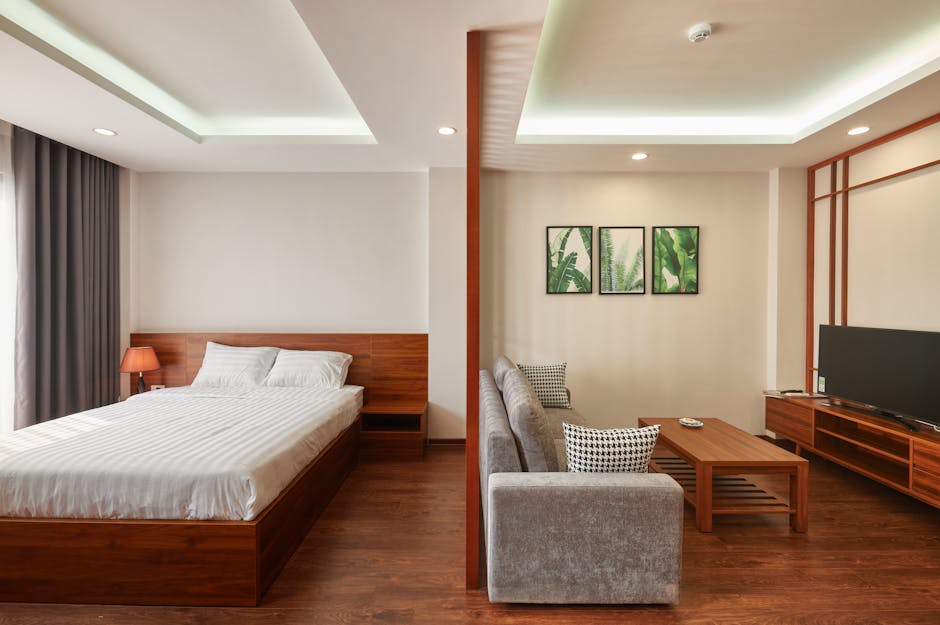
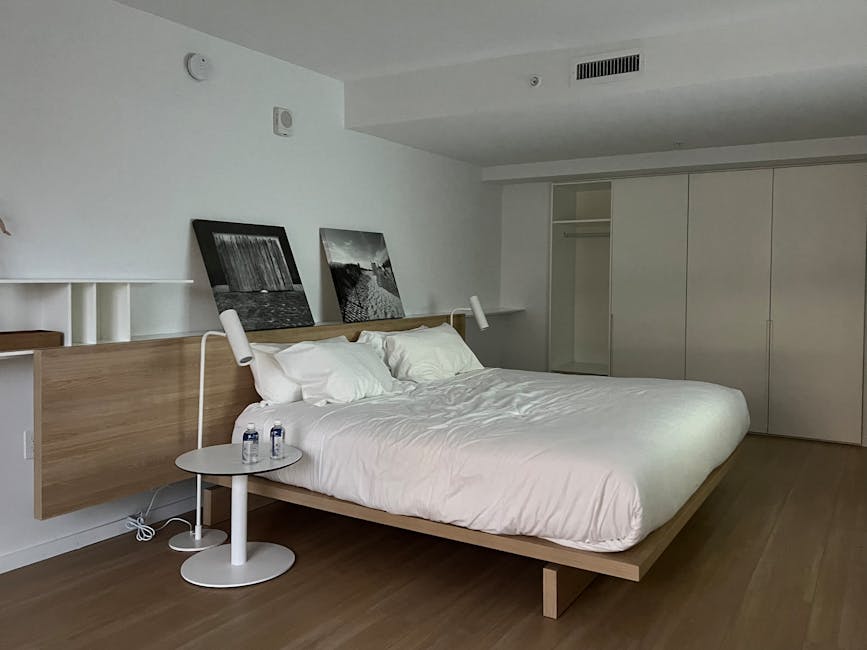
    A modern and minimalist dual-space room featuring a sleek bedroom and cozy living area.
    A modern and minimalist dual-space room featuring a sleek bedroom and cozy living area | Zhobai Hotel Furniture

    For example, a hotel in a bustling urban center might install modular seating units in its lobby that can be arranged for individual work, small group meetings, or a casual lounge area depending on the time of day. This foresight ensures maximum utility from high-value real estate. The initial investment in well-designed flexible modular hospitality furniture pays dividends through increased revenue opportunities and reduced operational friction.
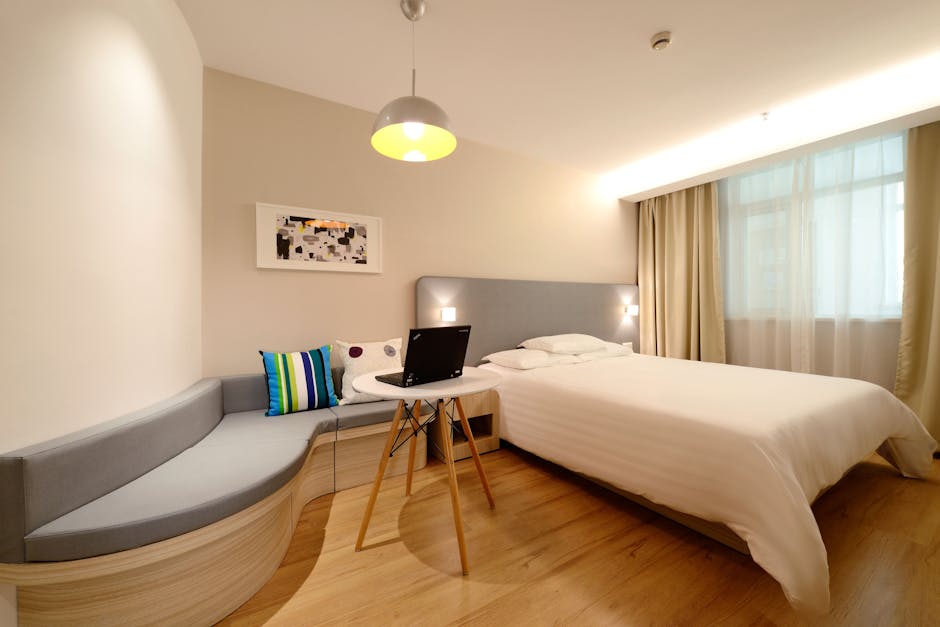
    Modern hotel room featuring a bed, laptop, and stylish decor with ample lighting.
    Modern hotel room featuring a bed, laptop, and stylish decor with ample lighting | Zhobai Hotel Furniture

    Comparing Traditional Fixed vs. Flexible Modular Furniture

    Feature/Aspect Traditional Fixed Furniture Flexible Modular Hospitality Furniture
    Space Utilization Often leads to underutilized areas, rigid layouts. Optimizes every square foot, dynamic reconfigurations.
    Adaptability to Needs Limited, single-purpose design. High, multi-functional elements for diverse guest activities.
    Renovation Cycles Requires full replacement for layout changes (higher cost). Allows partial updates/reconfigurations, extending lifespan.
    Operational Efficiency Can hinder cleaning, room flips due to immovable pieces. Facilitates easier cleaning, quicker room setup changes.
    Guest Experience Standardized, less personalized. Enhanced personalization, choice, and comfort.
    Long-term ROI Lower due to inflexibility and faster obsolescence. Higher due to extended utility, reduced CapEx, and increased revenue potential.

    Key Insight #2 — Design for Diverse Guest Journeys

    Today’s guests don’t just occupy a room; they experience it. Their ‘journey’ within a hotel space can involve working remotely, enjoying a meal, unwinding with entertainment, or hosting a small informal meeting. This necessitates furniture that can seamlessly support these varied activities. This is where multi-functional hotel room furniture becomes indispensable. Instead of separate pieces for each activity, a well-designed modular system can integrate multiple uses into fewer, more adaptable units.
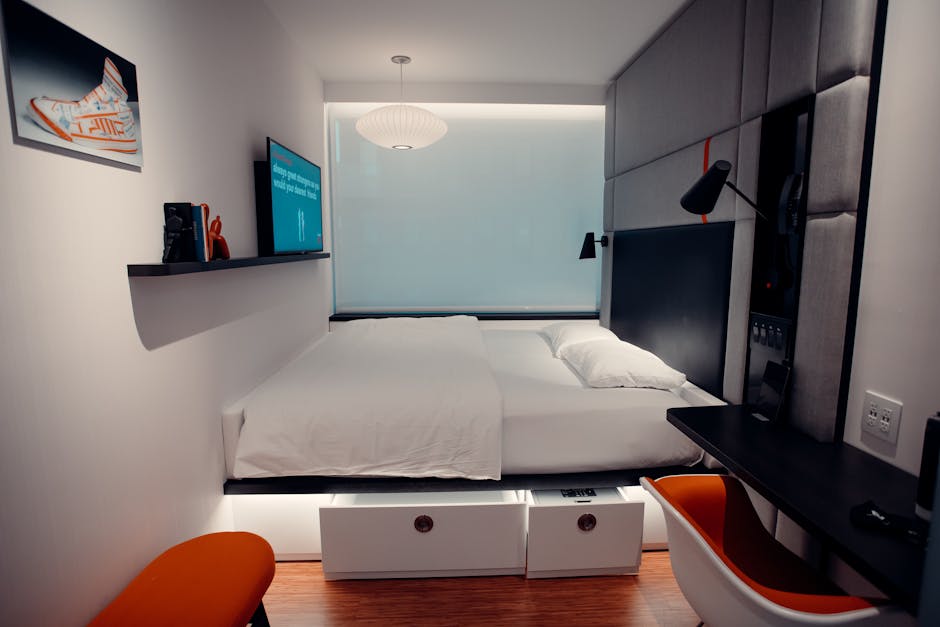
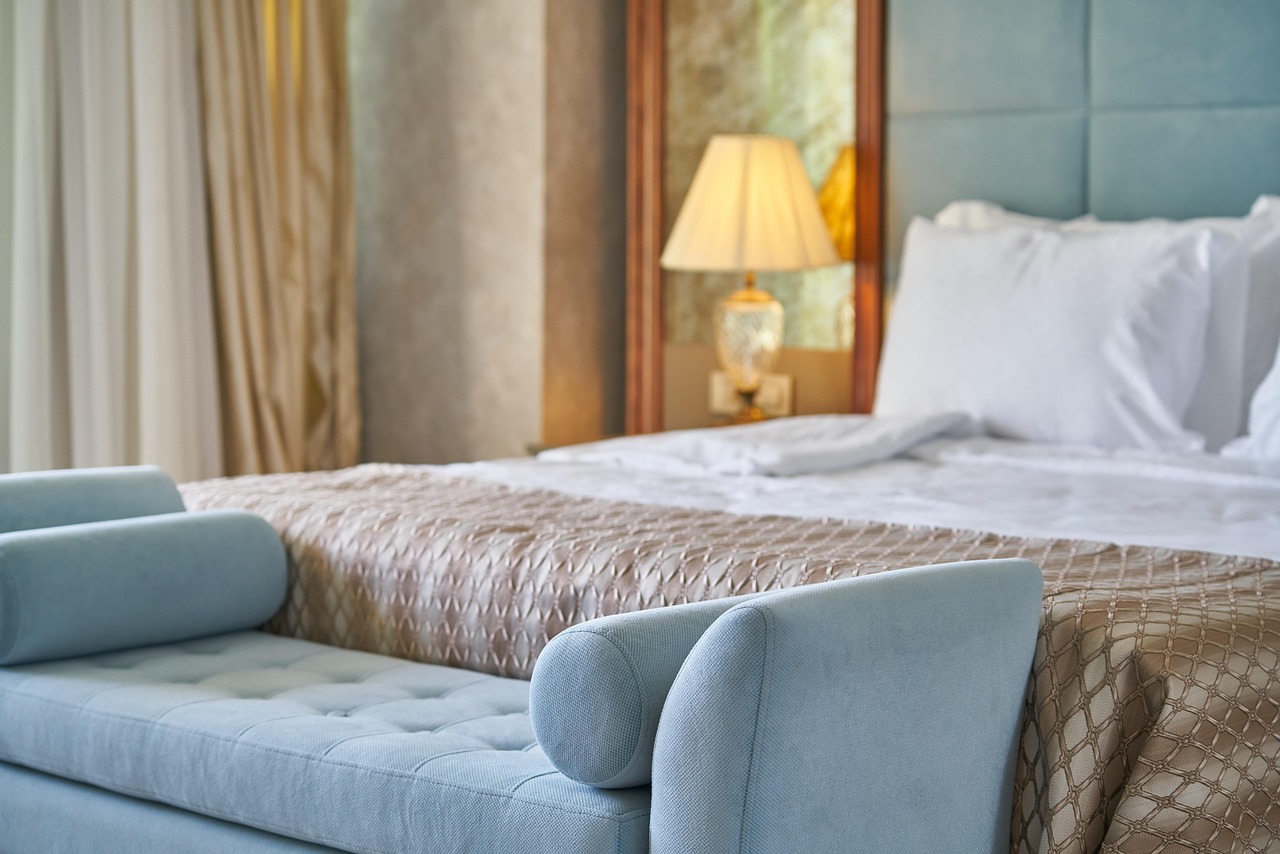
    A sleek and cozy modern bedroom with stylish design elements in Washington, DC.
    A sleek and cozy modern bedroom with stylish design elements in Washington, DC | Zhobai Hotel Furniture

    Consider a guest room with a compact, pull-out workstation integrated into a console that doubles as a media center. Or a sofa that transforms into a comfortable daybed, alongside a coffee table with adjustable height for dining or working. These space-saving hotel furniture solutions are not about compromise; they are about intelligent design that maximizes utility without sacrificing aesthetics or comfort. They allow guests to customize their environment to their immediate needs, fostering a sense of control and personalized luxury. This approach is particularly critical in boutique hotels or urban properties where square footage is at a premium, demanding creative ways to enhance perceived value and utility. Zhobai Hotel Furniture’s in-house design team specializes in crafting such tailored spaces, ensuring that every element serves a purpose beyond the obvious.
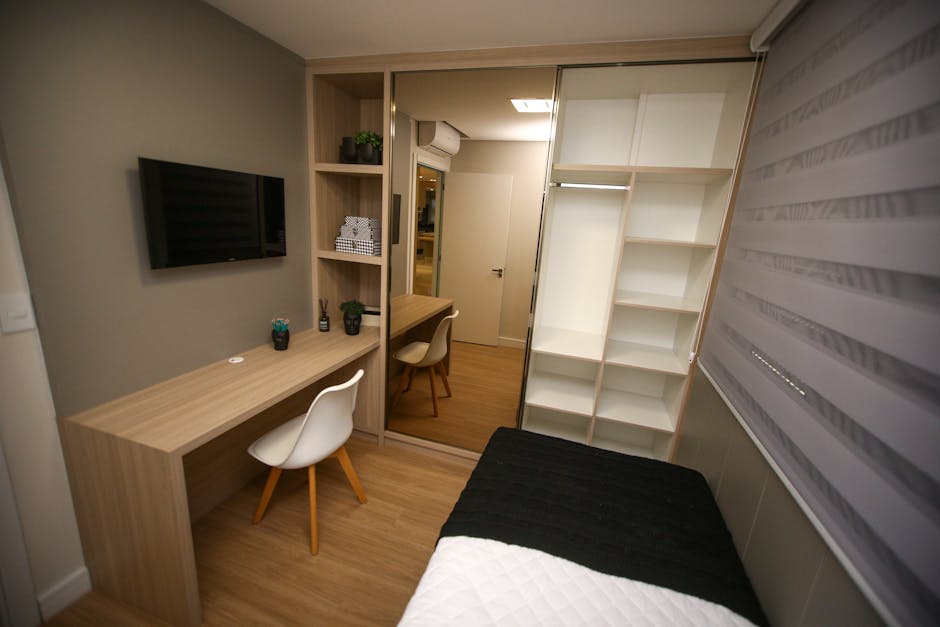
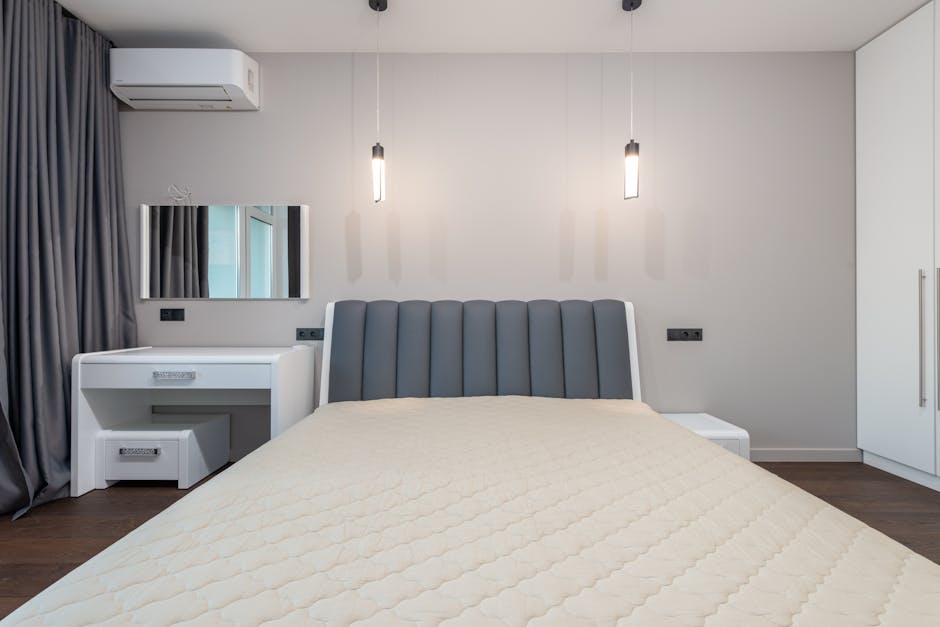
    Elegant minimalist bedroom featuring a desk, mirror, and shelving unit in a stylish interior.
    Elegant minimalist bedroom featuring a desk, mirror, and shelving unit in a stylish interior | Zhobai Hotel Furniture

    Key Insight #3 — Optimizing Operational Efficiency and ROI

    Beyond guest experience, the practical benefits of adaptable furniture profoundly impact a hotel’s operational efficiency and return on investment. Efficient room layouts directly contribute to cost-effective hotel room layout optimization. When furniture can be easily reconfigured or moved, housekeeping can operate more swiftly, reducing the time required for cleaning and room turnover. This directly translates into lower labor costs and higher potential occupancy rates, especially during peak seasons or for properties with high turnover.

    Furthermore, the ability to repurpose spaces without extensive construction is a significant financial advantage. For instance, a conference room equipped with modular tables and seating can swiftly transition from a formal board meeting setup to a casual networking event or even a temporary dining area. This flexibility allows properties to host a wider array of events, capturing diverse revenue streams. The reduced wear and tear on fewer, more robust pieces of furniture, designed for frequent reconfiguration, also lowers maintenance and replacement costs over time. This holistic view of furniture as an operational asset, rather than just a capital expense, underpins a more profitable and resilient business model.

    Common Mistakes Hotel Buyers Make (and How to Avoid Them)

    Even with the clear advantages, many hotel buyers inadvertently make decisions that limit the potential of their projects. Understanding these pitfalls is the first step toward successful procurement.

    • Underestimating Long-Term Flexibility

      **Mistake:** Focusing solely on the initial design concept without considering how the space might need to evolve in five or ten years. This often leads to purchasing rigid, single-purpose items that quickly become obsolete or limit future adaptations.

      **Avoidance:** Prioritize furniture systems that offer inherent adaptability. Engage stakeholders from operations, sales, and design early in the process to project future needs. Ask: “How could this space be used differently in 3 years? Can the furniture support that?”

    • Prioritizing Upfront Cost Over Lifecycle Value

      **Mistake:** Opting for the lowest bid without a thorough analysis of material durability, warranty, and long-term maintenance costs. Cheaply constructed items may initially save money but incur significant replacement and repair expenses within a few years.

      **Avoidance:** Conduct a comprehensive lifecycle cost analysis. Invest in high-end minimalist contract furniture from reputable manufacturers who provide detailed specifications on materials (e.g., solid hardwood frames, commercial-grade upholstery with high rub counts, 304 stainless steel accents). Look for certifications like CE, ISO, SGS, which validate manufacturing quality.

    • Ignoring Installation Logistics and Assembly Complexity

      **Mistake:** Overlooking the practicalities of getting furniture into the building, assembling it, and arranging it efficiently. Complex assembly or oversized pieces can lead to delays, damage, and inflated installation costs.

      **Avoidance:** Work with suppliers who offer comprehensive logistics and installation services. Inquire about pre-assembled components or intuitive assembly instructions. Zhobai Hotel Furniture provides a one-stop solution covering manufacturing, logistics, and installation, mitigating these common headaches.

    • Failing to Engage Design and Procurement Teams Early

      **Mistake:** Bringing in furniture suppliers late in the design process, limiting options and increasing the likelihood of costly custom modifications or compromises.

      **Avoidance:** Foster collaboration between interior designers, procurement managers, and the furniture manufacturer from the conceptual stages. An experienced manufacturer can offer valuable insights into material limitations, cost efficiencies, and innovative design solutions that align with the project vision and budget. This proactive engagement is crucial for leveraging the full potential of flexible modular hospitality furniture.

    How to Apply These Principles to Your Next Project

    Implementing a strategy centered around flexible modular hospitality furniture requires a systematic approach:

    1. Define Your Vision and Anticipate Future Needs: Before selecting any furniture, clearly articulate the desired guest experience and potential future uses for each space. Consider the demographics of your target guests and how their needs might evolve. Are you anticipating increased demand for remote work facilities? More family-friendly configurations? This foresight will guide your modular selections.

    2. Prioritize Durability and Quality Materials: Modular furniture, by its nature, is designed to be reconfigured and used dynamically. This demands superior construction and robust materials. Specify commercial-grade finishes, high-density foams, and durable framing materials. Look for manufacturers that provide transparent material sourcing and rigorous quality control processes.

    3. Embrace a Collaborative Design Process: Partner with a manufacturer that offers strong in-house design capabilities. Their expertise can translate your vision into practical, adaptable furniture solutions. A collaborative approach ensures that the modular components integrate seamlessly with the overall interior design aesthetic and functional requirements. This is where suppliers like Zhobai, with over 15 years of experience and a professional design team, truly add value. You can explore their approach to tailored design solutions.

    4. Evaluate Logistics and After-Sales Support: The journey of furniture doesn’t end at manufacturing. Consider the supplier’s capabilities in logistics, installation, and ongoing support. A provider offering a one-stop solution from design to delivery and installation can drastically simplify project management and minimize risks. Comprehensive warranties and readily available spare parts are also critical for the long-term viability of flexible furniture systems.

    5. Pilot and Iterate: For larger projects, consider piloting modular solutions in a few rooms or a specific area. Gather feedback from guests and staff on functionality, comfort, and ease of reconfiguration. Use these insights to refine your selections before a full-scale rollout, ensuring maximum impact and guest satisfaction. Review recent successful projects for inspiration.

    The landscape of hospitality is constantly shifting, and the properties that thrive are those that can adapt with agility and intelligence. The strategic adoption of flexible modular hospitality furniture is not merely a design choice; it is an investment in the longevity, profitability, and guest satisfaction of your hotel asset. By embracing these principles, you position your project not just to meet current demands, but to anticipate and exceed future expectations.

    At Zhobai Hotel Furniture, we understand the intricate balance between aesthetic appeal, functional adaptability, and robust construction required for high-performing hospitality spaces. With over 15 years of experience and a commitment to a one-stop solution from early-stage planning and design to manufacturing, logistics, and installation, we embody the principles discussed in this article. Our in-house design team excels at creating tailored, flexible modular hospitality furniture solutions that are certified for quality and designed for global markets. We invite you to discuss your next project with us and explore how our expertise can transform your vision into a truly exceptional and adaptable hotel environment.
  • Modular Hotel Furniture 2026: Trends & ROI Guide

    Modular Hotel Furniture 2026: Trends & ROI Guide

    The hospitality sector is currently navigating a significant recalibration. Industry data suggests that by Q3 2026, hotel occupancy rates globally have largely recovered to pre-pandemic levels, yet average daily rates (ADRs) continue to face pressure from increased operational costs and a highly competitive market. This dynamic environment is forcing a critical re-evaluation of every capital expenditure, especially FF&E. The emphasis is no longer just on aesthetics or durability, but on how furniture contributes directly to operational efficiency, guest satisfaction, and ultimately, the bottom line. This shift marks a pivotal moment for flexible modular hospitality furniture, as stakeholders seek solutions that offer immediate and long-term value.

    A modern hotel suite showcasing a flexible modular hospitality furniture system, with a reconfigurable sofa and a movable coffee table.

    Why Flexible Modular Hospitality Furniture Is at an Inflection Point in 2026

    Several powerful forces are converging to elevate the importance of flexible modular hospitality furniture in 2026. These aren’t isolated pressures but interconnected challenges demanding a strategic response from hotel owners, developers, and procurement teams:

    A hotel lobby featuring multi-functional hotel room furniture, with easily reconfigurable seating arrangements for different social scenarios.
    • Supply Chain Volatility: Despite some stabilization, global supply chains remain susceptible to disruptions. This encourages a pivot towards standardized yet customizable components that can be sourced more reliably and assembled efficiently, reducing lead times and mitigating risks associated with bespoke, single-source items.
    • Sustainability Pressure: Regulatory bodies and guests alike are increasingly demanding eco-conscious practices. Modular designs, by their very nature, promote longevity and reduce waste. Components can be replaced or updated rather than entire pieces of furniture, aligning with circular economy principles and extending the lifecycle of FF&E.
    • Evolving Guest Expectations: Post-pandemic, guests prioritize health, safety, and personalized experiences. They expect spaces that can adapt to different needs—whether for remote work, family gatherings, or solo relaxation. A static room layout no longer suffices for the diverse demands of modern travelers.
    • Cost Inflation & Operational Efficiency: Rising material and labor costs are squeezing margins. Flexible modular hospitality furniture offers a strategic advantage by optimizing space utilization, reducing the frequency and cost of major renovations, and enabling quicker room turnovers for varied uses. This directly contributes to cost-effective hotel room layout optimization.
    • Post-Pandemic Recovery & Adaptability: The lessons from recent years underscore the need for agility. Hotels must be able to reconfigure spaces rapidly to meet changing health guidelines, social distancing requirements, or new market demands, all without extensive capital outlay or downtime.

    The Trends Redefining Flexible Modular Hospitality Furniture Right Now

    The industry is responding to these pressures with innovative approaches to FF&E. Understanding these trends is crucial for any buyer looking to stay competitive.

    An elegant hotel guestroom with high-end minimalist contract furniture, including a space-saving desk integrated into a wall unit.

    Hyper-Personalization & Segmented Guest Experiences

    What is happening: Hotels are moving away from a ‘one-size-fits-all’ room concept, instead aiming to provide spaces that guests can adapt to their immediate needs, whether for work, leisure, or family. This extends beyond technology to the physical environment.

    A collaborative meeting space in a contemporary hotel, demonstrating cost-effective hotel room layout optimization with easily rearrangeable chairs and tables.

    Why it is happening: The rise of the ‘bleisure’ traveler (business + leisure), digital nomads, and multi-generational family trips means a single room must serve multiple functions. Guests value autonomy and the ability to customize their environment, leading to higher satisfaction scores and repeat bookings.

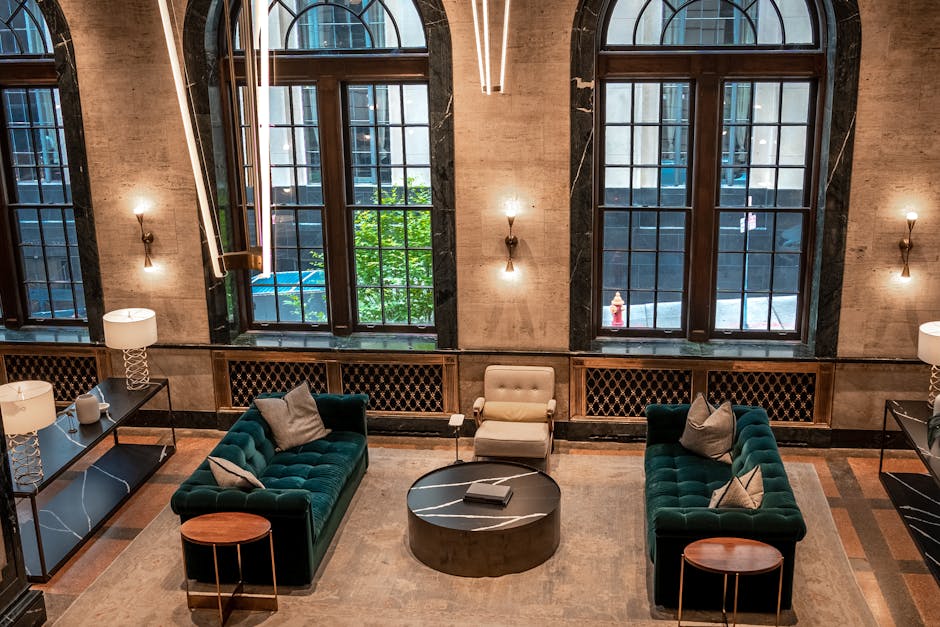
    Spacious hotel lobby with stylish furniture, large windows, and contemporary lighting.

    What it means for hotel buyers: Procurement teams are increasingly prioritizing multi-functional hotel room furniture that can be easily rearranged or transformed. This includes modular seating units that convert into daybeds, desks that double as dining tables, and storage solutions that blend seamlessly into the decor while offering adaptable utility. The focus shifts to furniture systems rather than individual pieces.

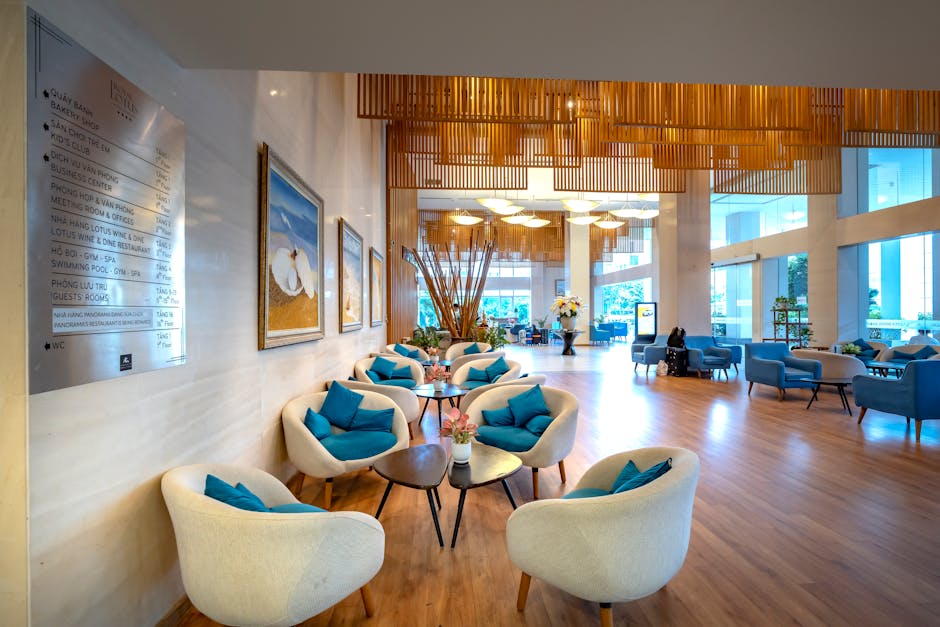
    Spacious hotel lobby featuring stylish seating and contemporary decor with natural light.

    Operational Agility & Rapid Room Flips

    What is happening: Hotels are under pressure to maximize revenue per square foot, which means reducing the time and cost associated with reconfiguring rooms for different uses or preparing for new guests. This applies equally to guest rooms, lobbies, and event spaces.

    A modern and minimalist dual-space room featuring a sleek bedroom and cozy living area.

    Why it is happening: High labor costs, the demand for increased occupancy, and the need to adapt to a dynamic event market (from corporate meetings to social gatherings) necessitate furniture that supports quick, efficient changes without requiring specialized tools or extensive staff training.

    hotel lobby modular seating arrangements flexible

    What it means for hotel buyers: Buyers are seeking lightweight, durable, and easily movable furniture. This includes stackable chairs, folding tables, and modular partitions that can be set up or dismantled in minutes. The ability to perform rapid room flips directly impacts a hotel’s ability to host diverse events, reduce downtime, and quickly prepare guest rooms, thereby enhancing overall profitability and enabling cost-effective hotel room layout optimization.

    sustainable lifecycle & Circular Design Principles

    What is happening: Sustainability is no longer a niche consideration but a fundamental expectation. The industry is moving towards furniture with a longer lifespan, made from responsibly sourced materials, and designed for repair, refurbishment, or eventual recycling.

    Why it is happening: Growing environmental regulations, heightened guest awareness regarding eco-friendly practices, and the long-term cost benefits of reduced waste and extended product lifecycles are driving this shift. There’s a tangible economic and reputational advantage to demonstrating commitment to sustainable practices.

    What it means for hotel buyers: RFQs now frequently include demands for certifications (e.g., FSC for wood, OEKO-TEX for textiles), details on manufacturing processes, and explicit questions about end-of-life management. Buyers are prioritizing suppliers who offer modular components that allow for individual parts to be replaced (e.g., a worn upholstery panel) rather than discarding an entire piece. This proactive approach ensures furniture choices align with a hotel’s broader sustainability goals and reduces future replacement costs.

    Integrated Technology & Seamless Connectivity

    What is happening: Guests expect seamless integration of technology within their hotel environment, from charging capabilities to smart room controls, all without disrupting the aesthetic or functionality of the furniture.

    Why it is happening: The proliferation of personal devices and the increasing reliance on digital tools for work and entertainment mean that furniture must support, rather than hinder, technological connectivity. Hotels that fail to offer this risk falling behind guest expectations.

    What it means for hotel buyers: Sourcing now involves furniture with discreetly integrated power outlets, USB-C charging ports, and sometimes even wireless charging pads. Desks and nightstands are designed to accommodate smart devices and media hubs without looking cluttered. This ensures that the aesthetic appeal of high-end minimalist contract furniture is maintained while providing essential modern amenities, avoiding costly and unsightly retrofits later.

    Who Is Winning — and What They Are Doing Differently

    Hotels that embrace flexible modular hospitality furniture are already seeing tangible benefits:

    • The Urban Boutique: A 4-star boutique hotel in a major European city, facing high real estate costs, implemented a strategy focusing on space-saving hotel furniture solutions. Their guest rooms feature custom-designed wall units with pull-out desks, modular seating that converts from a sofa to an extra bed, and integrated storage. This allowed them to market the same room as either a solo business traveler’s haven or a small family suite, increasing their booking flexibility by 35% and achieving a 12% higher ADR for multi-purpose bookings. Their FF&E procurement team collaborated closely with manufacturers during the design phase to ensure seamless integration and durability.
    • The Conference Resort: A large resort property revamped its event spaces with modular banquet furniture, including reconfigurable tables and stackable chairs, alongside movable acoustic partitions. This eliminated the need for third-party rental equipment for many events and reduced setup/teardown times by 40%. The resort now offers a wider range of event packages, from intimate board meetings to large-scale receptions, attracting a broader client base and boosting event revenue by 20% in the last year.
    • The Aparthotel Chain: A growing aparthotel brand, known for extended stays, invested in durable, modular kitchenettes and living room furniture that allows guests to personalize their space. Guests can easily reconfigure sectional sofas, move lightweight side tables, and adjust shelving. This focus on guest autonomy and comfort has resulted in a 15% increase in positive guest reviews specifically mentioning room functionality and comfort, directly impacting their online reputation and repeat guest rates.

    The Risks of Standing Still

    Ignoring the shift towards flexible modular hospitality furniture carries significant and measurable risks for hotel owners, developers, and procurement managers:

    • Exacerbated Cost Implications: Sticking to traditional, fixed furniture designs means higher costs for future renovations. When a single component wears out, an entire piece may need replacing, leading to increased procurement and disposal expenses. Furthermore, inflexible layouts can limit a property’s ability to host diverse events or cater to varied guest needs, resulting in lost revenue opportunities.
    • Competitive Disadvantage: Hotels that offer static, unadaptable guest rooms will struggle to compete with properties providing dynamic, personalized experiences. Guests are increasingly choosing hotels that offer more than just a place to sleep, and those without flexible furniture solutions will see lower occupancy rates and struggle to justify higher ADRs.
    • Suboptimal Guest Experience Gaps: A lack of adaptable furniture directly impacts guest satisfaction. Business travelers may lack a proper workspace, families may find rooms cramped, and solo travelers might miss opportunities for personal comfort. This can lead to negative online reviews, reduced brand loyalty, and a decline in repeat bookings.
    • Operational Inefficiencies: Fixed furniture can hinder efficient cleaning, maintenance, and room turnover. Moving heavy, non-modular pieces for deep cleaning or minor repairs is labor-intensive and time-consuming. This directly translates to higher operational costs and slower response times for maintenance issues.
    • Sustainability Backlash: As guests and corporate clients increasingly scrutinize environmental practices, hotels with a high furniture waste footprint due to non-modular, short-lifecycle FF&E will face reputational damage and potential loss of business from eco-conscious segments.

    What Smart Buyers Are Prioritizing in Their Next RFQ

    To navigate the evolving landscape, smart buyers are refining their RFQs to prioritize specific attributes in flexible modular hospitality furniture:

    • Design for Disassembly (DfD) & Material Transparency: Buyers are demanding detailed specifications on how furniture can be disassembled for repair or recycling, along with comprehensive documentation of material origins, composition, and certifications. They want to know the lifecycle impact of each component.
    • Multi-functional Components & Adaptable Configurations: RFQs explicitly request furniture that serves dual or triple purposes (e.g., a console table that expands into a dining table, an ottoman that doubles as storage). Suppliers must demonstrate how their offerings allow for multiple layout configurations within a standard room footprint.
    • Detailed CADs & 3D Renderings of Layout Options: Beyond standard product shots, buyers are asking for comprehensive CAD drawings and 3D renderings that illustrate the various ways modular furniture can be arranged and reconfigured within specific room types or public areas. This helps visualize space-saving hotel furniture solutions.
    • Supplier Capability in Rapid Prototyping & Modular Manufacturing: Buyers are assessing a supplier’s ability to quickly produce prototypes of custom modular designs and their manufacturing efficiency for producing interchangeable components at scale. This often involves looking for factories with advanced CNC capabilities and robust quality control.
    • Lifecycle Cost Analysis (LCA), Not Just Upfront Price: Smart buyers are requesting data on the total cost of ownership, including expected lifespan, ease and cost of repairs, and environmental impact, rather than solely focusing on the initial purchase price of high-end minimalist contract furniture.
    • OEM/ODM Service Expertise: For truly tailored solutions, buyers are prioritizing manufacturers who offer robust OEM/ODM services, allowing for custom modifications to existing modular systems or entirely new designs developed in collaboration with the hotel’s design team.

    The industry’s shift towards flexible modular hospitality furniture is not merely a trend; it’s a fundamental recalibration driven by economic, environmental, and experiential imperatives. For hotel owners, developers, FF&E procurement managers, interior designers, and hospitality contractors, embracing this change is vital for long-term success. Zhobai Hotel Furniture, with over 15 years of experience, understands these dynamics. Our one-stop solution, from early-stage planning and in-house design to manufacturing, logistics, and installation, is specifically engineered to deliver tailored, adaptable furniture solutions that meet the complex demands of 2026 and beyond. Our OEM/ODM capabilities and certified manufacturing processes ensure that your investment in flexible modular hospitality furniture is both strategic and sustainable. We invite you to connect with our team to discuss how our expertise can transform your next project.