标签: Sustainable Furniture

  • Hotel Furniture Trends 2025: Strategic Sourcing

    Hotel Furniture Trends 2025: Strategic Sourcing

    The hospitality sector is undergoing a profound transformation, driven by evolving guest expectations and a renewed focus on sustainability and personalized experiences. Industry data suggests that global luxury hotel market revenue is projected to exceed $300 billion by 2027, underscoring a robust demand for high-quality, distinctive accommodations. This growth directly translates into increased strategic importance for hotel furniture sourcing, pushing owners, developers, and procurement teams to look beyond mere aesthetics towards longevity, functionality, and brand alignment.

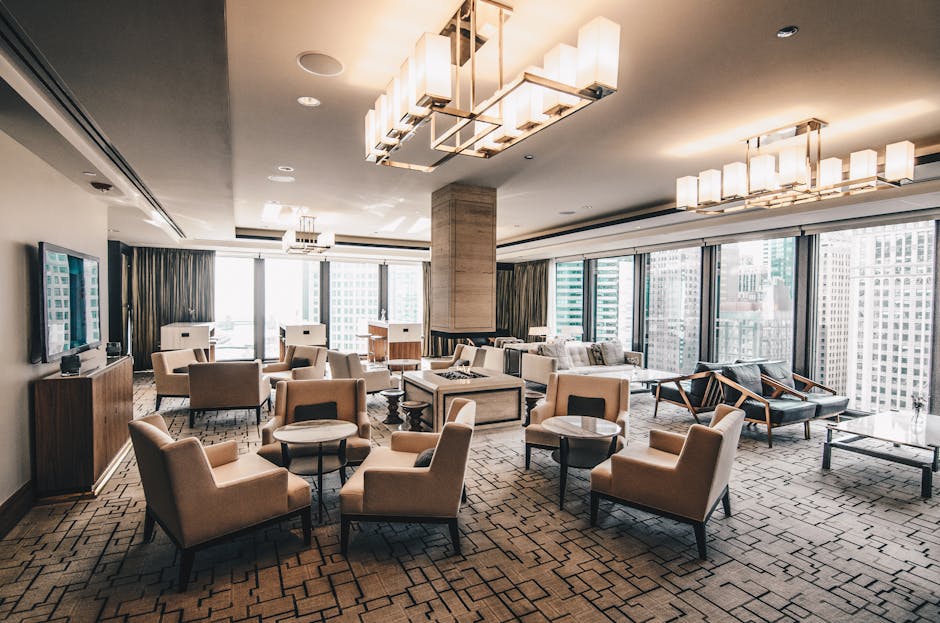
    A stylish hotel lobby featuring modern custom hotel furniture designed for both comfort and multi-functionality.

    Current State of the Hotel Furniture Industry

    The commercial hotel furniture sector is navigating a complex yet exciting landscape. Post-pandemic recovery has seen a surge in renovation projects and new builds, fueled by pent-up travel demand and a desire to refresh guest experiences. However, this resurgence is accompanied by persistent supply chain challenges, fluctuating material costs, and an intensified focus on ethical sourcing. Procurement teams are increasingly tasked with balancing budget constraints against the imperative for durable, design-forward pieces that reflect a hotel’s unique brand identity. The days of generic, mass-produced hotel furniture are waning, replaced by a demand for bespoke solutions that elevate the guest journey from check-in to departure. This shift necessitates a deeper engagement with manufacturers who can offer not just products, but comprehensive design and project management capabilities.

    Eco-friendly hotel bedroom furniture made from sustainably sourced materials, reflecting current hotel furniture trends.

    A stylish hotel lobby featuring modern custom hotel furniture designed for both comfort and multi-functionality.

    Top Trends Reshaping Hotel Furniture in 2025

    As we look towards 2025, several key trends are poised to redefine the landscape of hotel furniture, influencing everything from material selection to spatial design.

    A luxurious commercial hotel furniture setup in a boutique hotel, showcasing bespoke design and integrated technology.

    Hyper-Personalization and Experiential Design

    Guests no longer just seek a place to sleep; they desire an immersive experience that reflects local culture, unique aesthetics, and personalized comfort. Market observers note a significant uptick in demand for custom-designed hotel furniture that contributes to a distinct narrative. This translates into bespoke headboards, unique seating arrangements in common areas, and custom case goods that integrate seamlessly with a property’s theme. For instance, boutique hotels are leveraging custom pieces to create Instagrammable moments and a sense of place, moving far beyond standard offerings. This trend extends to the functionality of the furniture itself, with pieces designed to adapt to individual guest preferences, such as adjustable lighting or modular configurations.
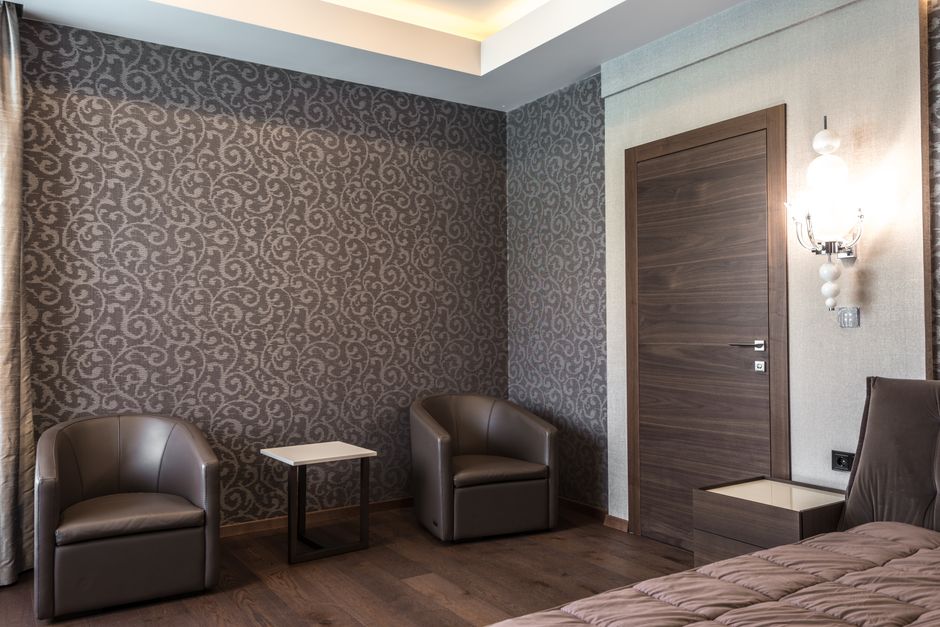
    Luxurious hotel room featuring modern furniture and stylish decor.

    Sustainable Sourcing and Circularity

    Sustainability is no longer a niche concern but a core expectation. Industry data suggests that a growing percentage of travelers prioritize eco-conscious brands, pushing hotel owners to invest in environmentally responsible practices across their operations, including FF&E. This means a surge in demand for hotel furniture made from FSC-certified wood, recycled or upcycled materials, and non-toxic finishes. Beyond materials, the focus is on durability and lifecycle. Procurement teams are increasingly seeking suppliers who offer repairability, modular designs for component replacement, and transparent manufacturing processes that minimize waste. Suppliers demonstrating robust sustainable hotel furniture trends and certifications like ISO and SGS are gaining a competitive edge.

    Luxurious lounge area featuring a plush sofa, chic curtains, and soft lighting.

    Blended Spaces and Multi-functional Furniture

    The lines between work, leisure, and social interaction are blurring, particularly in common areas and even guest rooms. This shift demands furniture that can adapt to multiple uses throughout the day. Hotel lobby furniture, for example, is transforming from static waiting areas into dynamic hubs that can serve as co-working spaces during the day and vibrant social lounges by evening. This requires versatile pieces like modular sofas, tables with integrated power outlets, and movable partitions. In guest rooms, custom hotel furniture is designed to maximize space and utility, with desks that double as dining tables, and seating that offers both relaxation and a productive workspace. This trend optimizes spatial efficiency and enhances the guest experience by offering flexibility.
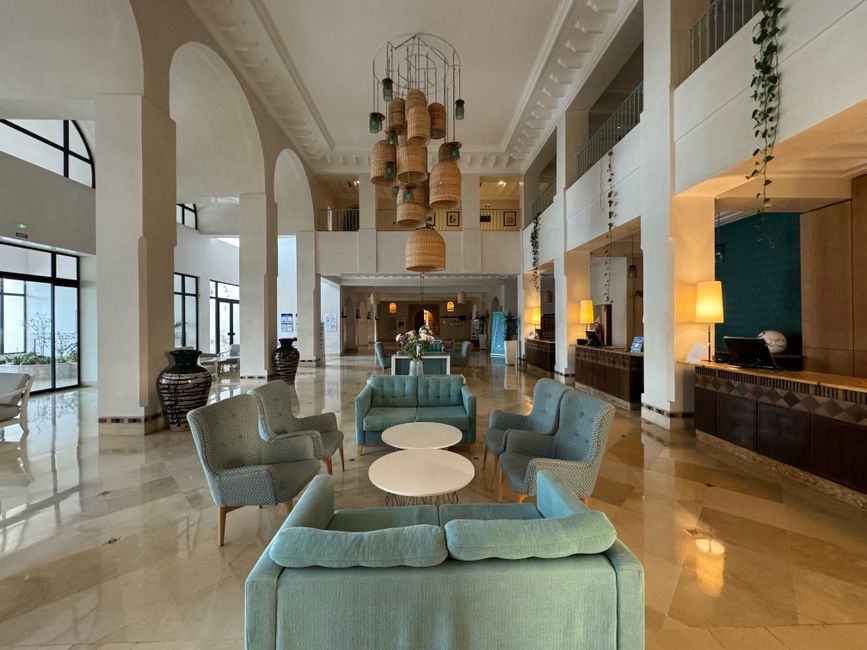
    Spacious and elegant hotel lobby featuring modern furniture, lighting, and decor reflecting luxury interior design.

    Eco-friendly hotel bedroom furniture made from sustainably sourced materials, reflecting current hotel furniture trends.

    What These Trends Mean for Hotel Buyers

    For hotel owners, developers, FF&E procurement managers, and interior designers, these trends underscore the necessity of a more strategic and holistic approach to furniture sourcing. The focus shifts from transactional purchasing to developing long-term partnerships with manufacturers who can deliver innovative, compliant, and sustainable solutions. This means:

    Beautifully designed hotel lobby in Bikaner, Rajasthan, showcasing elegant Indian heritage architecture and decor.
    • Prioritizing Customization: Off-the-shelf solutions will increasingly fall short of guest expectations. Buyers need partners capable of true OEM/ODM services and bespoke design.
    • Demanding Transparency: Verified certifications (CE, ISO, SGS, FDA) and clear supply chain visibility are crucial for meeting sustainability goals and ensuring quality.
    • Seeking End-to-End Solutions: Managing multiple vendors for design, manufacturing, logistics, and installation is inefficient. Procurement teams are increasingly prioritizing suppliers who can offer end-to-end solutions, streamlining the project lifecycle and ensuring seamless execution. Zhobai Hotel Furniture, with its one-stop solution covering early-stage planning to installation, exemplifies this comprehensive partnership approach.
    • Investing in Durability: With bespoke pieces, the longevity of commercial hotel furniture becomes paramount. High-quality materials and construction are essential to protect the investment and reduce the need for frequent replacements.

    Challenges and Opportunities Ahead

    The road ahead is not without its challenges. Continued volatility in raw material prices, potential labor shortages, and the complexities of global logistics remain significant hurdles. Balancing the desire for unique, sustainable designs with budget realities will require astute negotiation and creative problem-solving. However, these challenges also present immense opportunities. Hotels that embrace these trends can differentiate themselves in a competitive market, attract a new generation of conscious travelers, and build stronger brand loyalty. By investing in thoughtful, sustainable, and experiential hotel furniture, properties can enhance guest satisfaction, command higher rates, and optimize operational efficiency through durable, well-designed spaces.

    A luxurious commercial hotel furniture setup in a boutique hotel, showcasing bespoke design and integrated technology.

    Expert Perspective and Market Outlook

    From an expert perspective, the future of hotel furniture is undeniably custom, sustainable, and smart. Market observers note a strong trajectory for bespoke commercial hotel furniture solutions that prioritize both guest well-being and environmental responsibility. With 15+ years of experience in the custom hotel furniture sector, Zhobai Hotel Furniture anticipates continued growth in demand for tailored solutions that reflect a property’s unique vision and operational needs. The ability to seamlessly integrate design, manufacturing, and logistics will be the hallmark of successful partnerships. Hotels that proactively adapt to these evolving demands, focusing on strategic sourcing and innovative design, will be best positioned for long-term success and market leadership.

    As you navigate these evolving demands for your next new build or renovation, partnering with a seasoned expert is crucial. Zhobai Hotel Furniture, with our professional in-house design team and comprehensive one-stop solution, is perfectly aligned with these forward-looking trends. We specialize in crafting custom furniture for 5-star hotels, boutique properties, and resorts worldwide, ensuring your project benefits from factory-direct pricing, global export experience, and unparalleled quality. Explore how Zhobai Hotel Furniture can be your strategic partner in creating exceptional, future-proof spaces. Visit our services page to learn more about our capabilities or connect with us to discuss your next 5-star hotel furniture project.
  • Sustainable Hotel Furniture: Trends & Sourcing for 2025

    Sustainable Hotel Furniture: Trends & Sourcing for 2025

    The hospitality sector is undergoing a profound shift, driven by increasing consumer awareness and regulatory pressures. Industry data suggests that nearly 70% of global travelers now consider sustainable practices when choosing accommodation, a figure that continues to rise year-over-year. This seismic shift is not just about reducing plastic waste or conserving water; it extends deeply into the very fabric of hotel design and operations, fundamentally reshaping how stakeholders approach FF&E procurement, particularly when it comes to sustainable hotel furniture.

    A close-up of a sustainably sourced wooden chair in a hotel lobby, showcasing eco-friendly hotel furniture design and natural materials.
    Photo by Đức Trung Đào on Pexels

    Current State of the Sustainable Hotel Furniture Industry

    What was once a niche concern for a select few eco-conscious brands has rapidly evolved into a mainstream imperative across the hospitality landscape. The sustainable hotel furniture industry is no longer merely about using recycled materials; it encompasses a holistic approach to the lifecycle of every piece, from raw material sourcing and manufacturing processes to durability, repairability, and end-of-life solutions. Procurement teams are increasingly tasked with balancing aesthetic appeal, durability, cost-effectiveness, and verifiable environmental credentials. This means moving beyond simple checkboxes and delving into the intricacies of supplier supply chains, material origins, and production methodologies.

    Architectural rendering of a modern hotel room featuring custom sustainable hotel furniture, designed for both aesthetics and environmental responsibility.
    Photo by Pham Ngoc Anh on Pexels

    Learn more about our comprehensive one-stop solution.

    Learn more about Explore Zhobai’s commitment to sustainability.

    A manufacturing facility producing durable, sustainable hotel furniture components, emphasizing quality and responsible production.
    Photo by Kadir Avşar on Pexels

    Market observers note a significant uptick in demand for transparency, with hotel owners and developers seeking comprehensive data on environmental impact. This drive is fueled by a desire to achieve various green building certifications (like LEED or BREEAM) and to align with corporate social responsibility (CSR) goals, which are now critical components of brand identity and guest attraction strategies. The transition towards more eco friendly hotel furniture is also spurred by evolving international regulations and national standards, compelling manufacturers and suppliers to innovate and adapt.

    Modern hotel terrace with scenic mountain views in Mtskheta-Mtianeti, Georgia. Perfect for relaxation.
    Photo by Nadin Romanova on Pexels

    Top Trends Reshaping Sustainable Hotel Furniture in 2025

    The Rise of Circular Economy Principles

    The linear ‘take-make-dispose’ model is rapidly being supplanted by circular economy principles. This trend manifests in furniture design through modularity, where components can be easily replaced, repaired, or upgraded rather than discarding the entire unit. Manufacturers are increasingly designing furniture for disassembly (DfD), using reversible fastenings instead of glues, and specifying materials that retain their value through multiple use cycles. For procurement managers, this means prioritizing suppliers who offer take-back programs, refurbishment services, or utilize materials with high recycled content that can be easily re-integrated into new products. For instance, some manufacturers now offer hotel-specific leasing models for furniture, taking responsibility for maintenance and end-of-life recycling, significantly reducing waste and long-term operational costs.

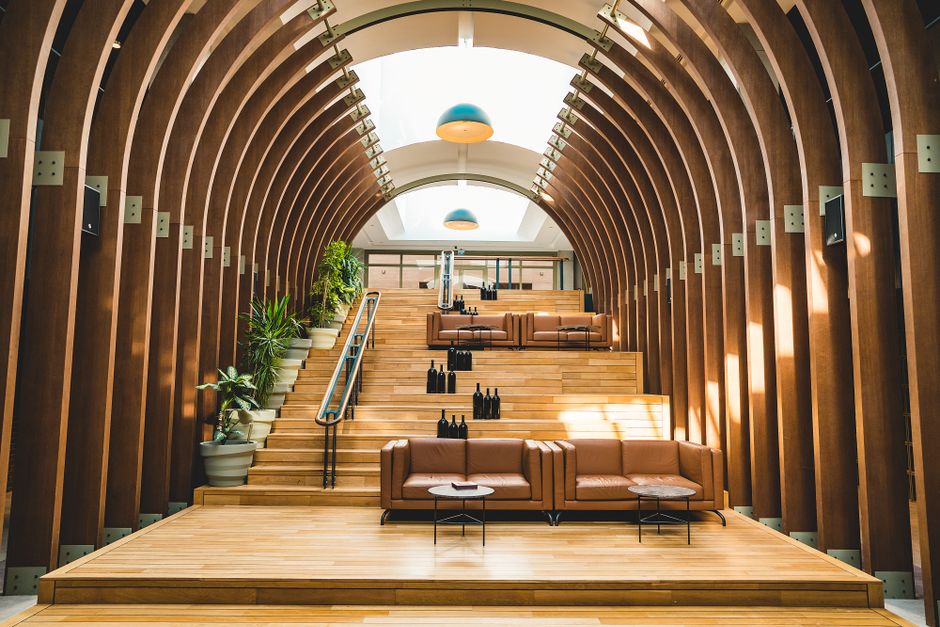
    Spacious and elegant hotel lobby featuring modern furniture, lighting, and decor reflecting luxury interior design.
    Photo by Pedro Dias on Pexels

    Advanced Material Innovation and Certification

    The focus on materials has intensified, moving beyond conventional reclaimed wood to cutting-edge innovations. We’re seeing a surge in demand for rapidly renewable resources like bamboo, cork, and hemp, alongside bio-based plastics derived from agricultural waste. Perhaps most notably, recycled content is expanding to include ocean-bound plastics transformed into durable textiles and structural components, and upcycled industrial waste streams. Furthermore, the emphasis on materials with low Volatile Organic Compound (VOC) emissions is paramount for indoor air quality, contributing to healthier guest environments. Industry data suggests a growing preference for materials backed by robust third-party certifications such as FSC (Forest Stewardship Council) for timber, GREENGUARD for chemical emissions, and OEKO-TEX for textiles, providing verifiable proof of environmental stewardship. This ensures that the promise of eco friendly hotel furniture is not just marketing, but a measurable reality.

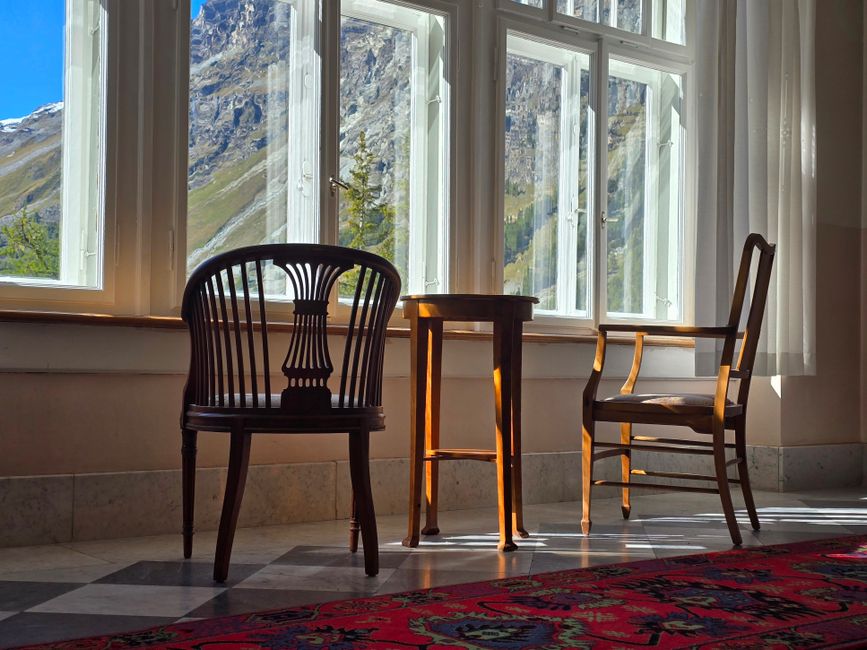
    Sunlit room with elegant chairs overlooking a mountainous landscape, perfect for relaxing.
    Photo by Gabi Corvi on Pexels

    Digitization and Supply Chain Transparency

    The push for sustainability is inextricably linked with traceability. Digital tools, including blockchain and sophisticated supply chain management software, are becoming instrumental in tracking the journey of materials from source to finished product. This allows hotel developers and FF&E procurement managers to verify claims about ethical sourcing, carbon footprint, and labor practices. The ability to access detailed product passports that outline material composition, origin, environmental certifications, and end-of-life instructions is becoming a key differentiator for suppliers. This level of transparency builds trust and empowers buyers to make truly informed decisions, ensuring their investment in green hospitality design aligns with their values and objectives.

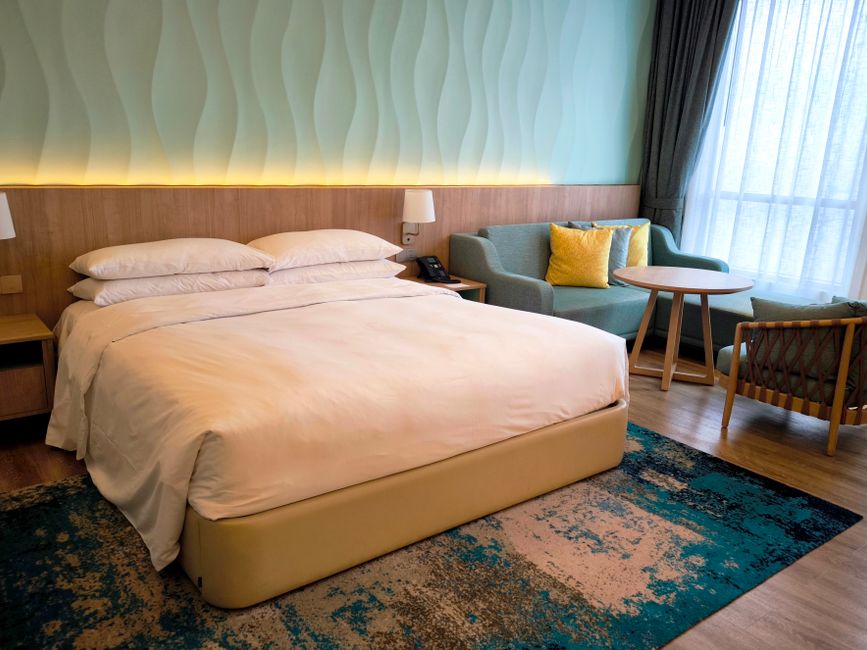
    Modern hotel room interior in South Jakarta, offering cozy ambiance with warm lighting and stylish decor.
    Photo by Didi Lecatompessy on Pexels

    What These Trends Mean for Hotel Buyers

    For hotel owners, developers, FF&E procurement managers, and interior designers, these trends necessitate a more strategic and informed approach to sourcing custom furniture. It’s no longer sufficient to simply select aesthetically pleasing pieces; due diligence must now extend to understanding the entire lifecycle impact. This means:

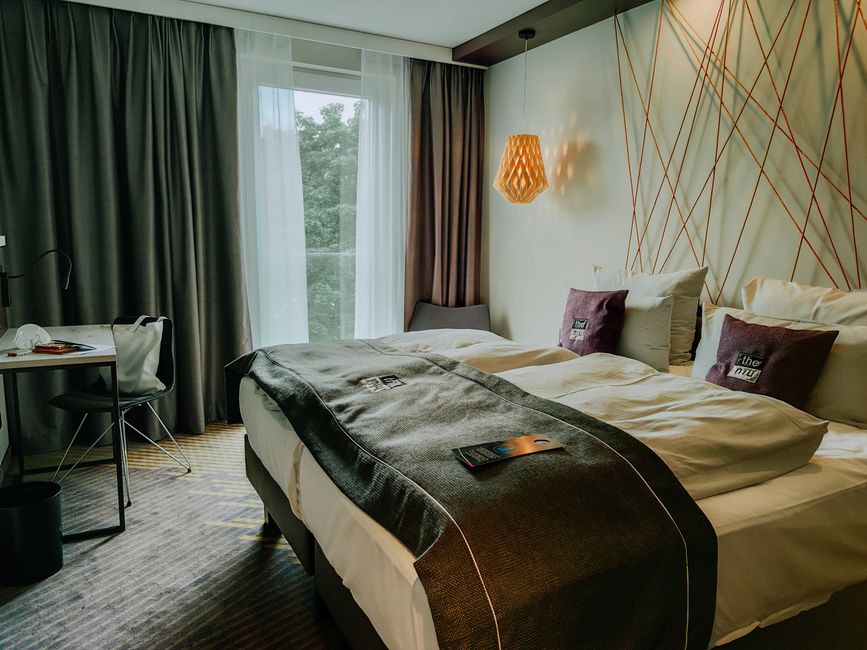
    Spacious hotel room featuring a comfy bed, stylish furniture, and elegant lighting for a luxurious stay.
    Photo by phát hồ on Pexels
    • Rethinking RFPs: Integrating stringent sustainability criteria, requiring detailed material disclosures, and requesting proof of certifications.
    • Lifecycle Costing: Evaluating furniture not just on upfront purchase price, but on durability, maintenance needs, potential for refurbishment, and end-of-life value, aligning with long-term operational savings.
    • Supplier Vetting: Prioritizing manufacturers with established sustainability policies, transparent supply chains, and a proven track record in producing high-quality, sustainable hotel furniture.
    • Collaborative Design: Working closely with interior designers and manufacturers to specify eco-friendly materials and designs from the earliest stages of a project, ensuring sustainable choices are integrated seamlessly into tailored spaces.
    • Brand Differentiation: Leveraging sustainable furniture choices as a powerful marketing tool to attract environmentally conscious guests and enhance brand reputation.

    Challenges and Opportunities Ahead

    While the benefits of sustainable hotel furniture are clear, challenges remain. The initial investment for truly sustainable materials or certified products can sometimes be higher than conventional alternatives, though market observers note that these costs are steadily decreasing as demand grows and production scales. The complexity of verifying claims and navigating a fragmented landscape of certifications can also be daunting for procurement teams. Furthermore, ensuring consistent quality and availability of certain innovative sustainable materials across global supply chains requires robust planning.

    However, the opportunities far outweigh these hurdles. Adopting green hospitality design principles and sourcing eco friendly hotel furniture offers significant competitive advantages:

    • Enhanced Brand Value: Appeals to a growing segment of travelers who actively seek sustainable options.
    • Long-Term Cost Savings: Durable, high-quality sustainable furniture often has a longer lifespan and lower maintenance costs.
    • Regulatory Compliance: Future-proofs properties against stricter environmental regulations.
    • Improved Guest Experience: Low-VOC materials contribute to healthier indoor environments, enhancing guest comfort and well-being.
    • Innovation and Efficiency: Drives innovation in design and manufacturing processes, leading to more efficient resource use.

    Expert Perspective and Market Outlook

    The trajectory for sustainable hotel furniture is unequivocally upward. The confluence of consumer demand, regulatory pressure, and technological advancements means that sustainability will soon transition from a differentiator to a baseline expectation. Procurement teams are increasingly becoming strategic partners in this journey, not just cost centers. Manufacturers who embrace comprehensive sustainability, offering transparent supply chains and innovative material solutions, will be the leaders in this evolving market.

    Zhobai Hotel Furniture, with over 15 years of experience and a professional in-house design team, understands these shifts intimately. We are committed to providing bespoke solutions that meet the highest standards of design, durability, and environmental responsibility. Our one-stop solution approach, covering early-stage planning through to installation, ensures that sustainable choices are integrated seamlessly into every project, from custom 5-star hotel furnishings to boutique resort installations.

    As the hospitality industry continues its march towards a greener future, partnering with a manufacturer that not only understands but actively champions sustainable practices is paramount. Zhobai Hotel Furniture is dedicated to helping you navigate the complexities of sourcing custom, high-quality, sustainable hotel furniture that aligns with your project goals, enhances your brand, and contributes positively to the planet. Contact us today to discuss how our expertise can bring your vision of green hospitality design to life.