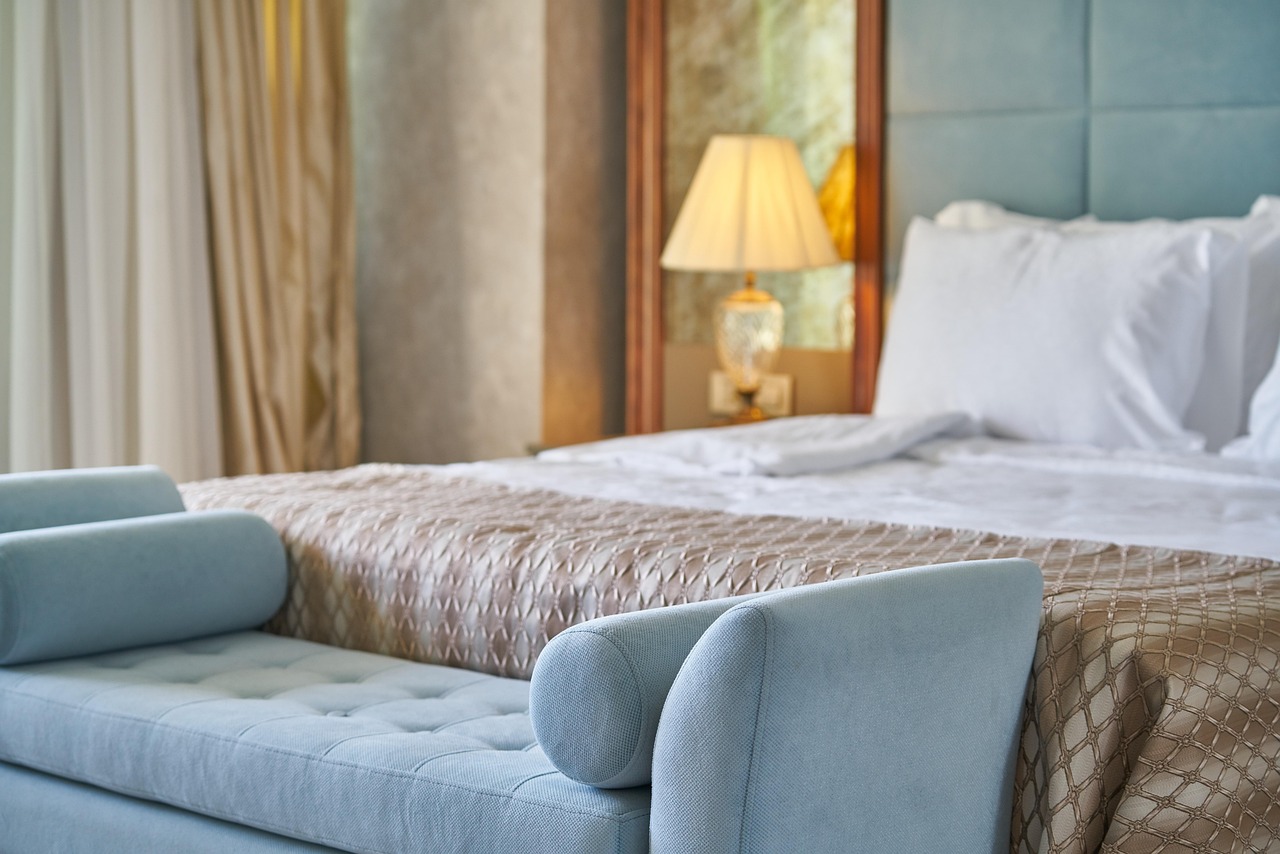
Industry data suggests that global investment in hospitality FF&E is projected to surpass $100 billion by late 2026, driven by a renewed focus on guest experience and property differentiation. This significant capital outlay underscores the critical importance of strategic sourcing and design in an evolving market. For hotel owners, developers, FF&E procurement managers, interior designers, and hospitality project contractors, understanding the nuances of custom hotel furniture is no longer a luxury but a necessity for competitive advantage.
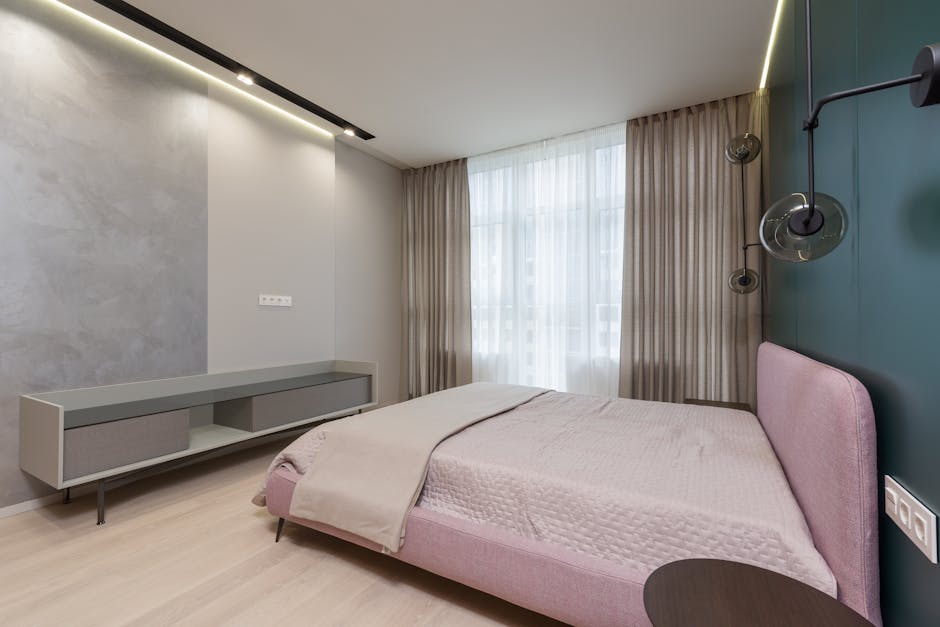
Current State of the Hotel Furniture Industry
As of May 2026, the hospitality sector is witnessing robust growth, particularly in boutique and luxury segments, fueling demand for high-quality, customized hotel furniture. Post-pandemic recovery has solidified, shifting focus from mere occupancy rates to enhancing guest value through unique and memorable stays. Procurement teams are increasingly navigating a complex landscape marked by fluctuating raw material costs, geopolitical impacts on supply chains, and a heightened emphasis on ethical sourcing. Market observers note a persistent upward pressure on overall hotel building cost, making efficient and informed FF&E procurement more vital than ever.
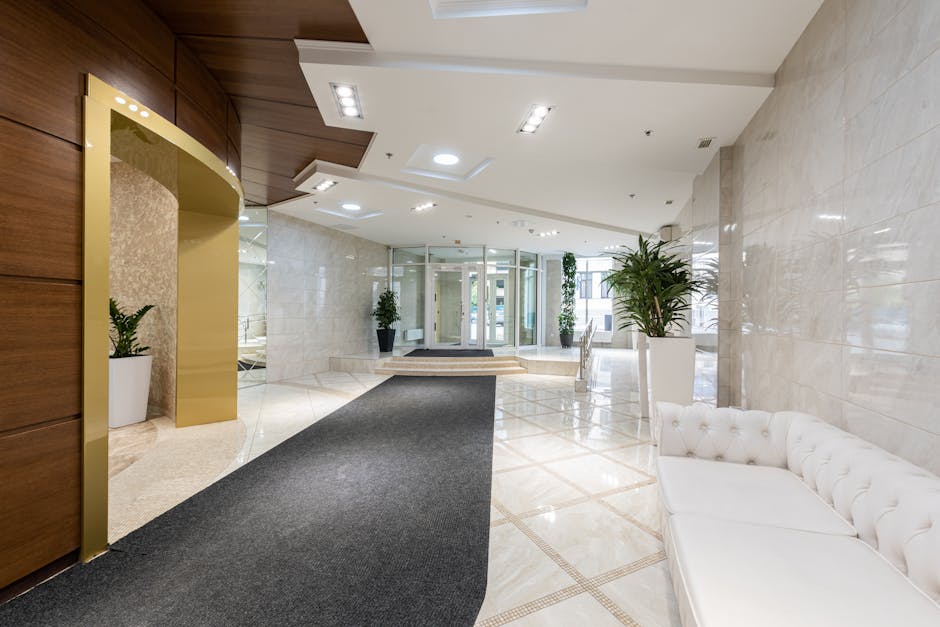
Manufacturers, including Zhobai Hotel Furniture, have adapted by fortifying supply chain resilience, investing in advanced production technologies, and expanding their global logistical networks. The industry has moved beyond standardized offerings, with a strong lean towards bespoke solutions that reflect a property’s unique brand identity and local culture. This customization extends from early-stage planning to final installation, requiring a one-stop solution provider capable of managing the entire lifecycle. The demand for durable, commercial-grade furnishings that can withstand rigorous hospitality use while maintaining aesthetic appeal is paramount, balancing initial investment with long-term operational efficiency.
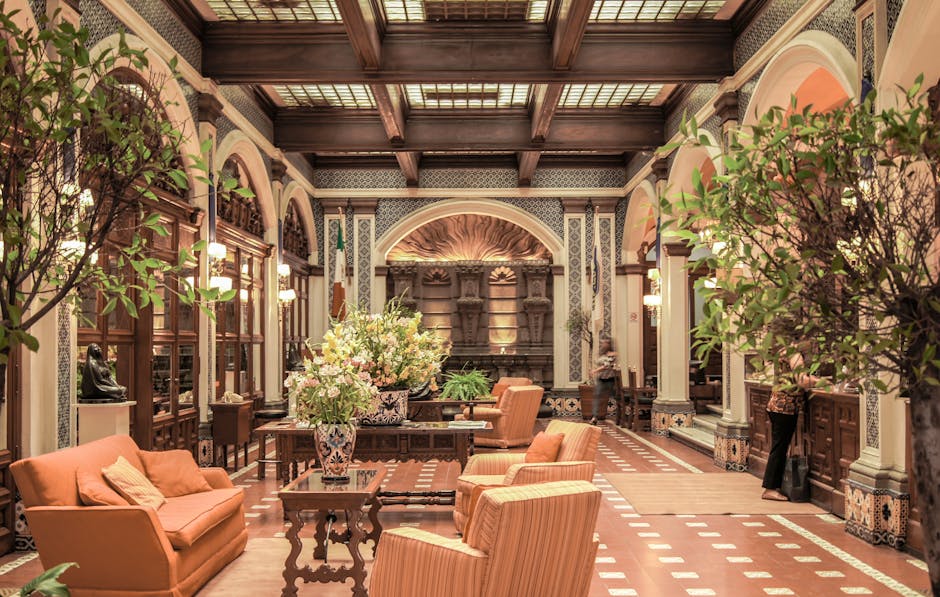
Top Trends Reshaping Hotel Furniture in 2026
The landscape of hotel furniture is in constant flux, shaped by evolving guest expectations, technological advancements, and a global commitment to sustainability. Building on insights from hotel furniture trends 2026, 2026 sees these trajectories accelerating, demanding strategic adaptation from all stakeholders.
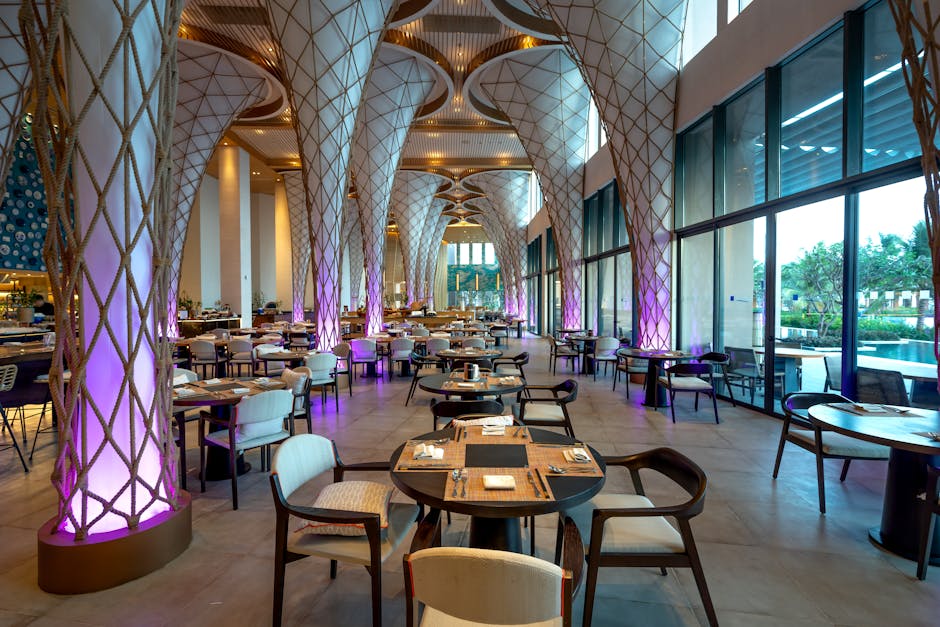
Biophilic Design & Natural Integration
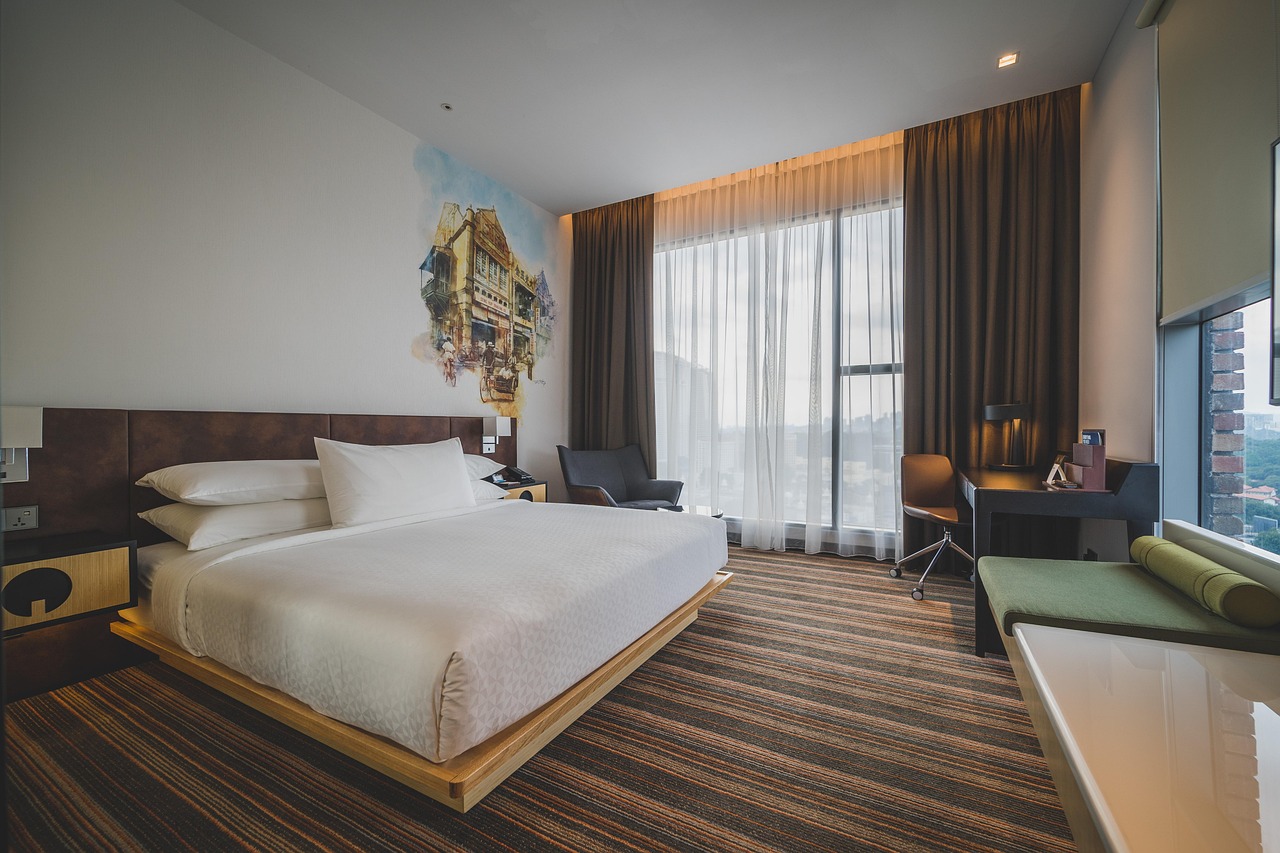
Guests are increasingly seeking environments that connect them with nature, a trend profoundly influencing hotel furniture design. Biophilic principles are being woven into the fabric of hospitality spaces, moving beyond simple potted plants to integrated natural elements. This means a surge in demand for hotel furniture crafted from sustainable, organic materials such as reclaimed wood, bamboo, rattan, and natural stone. Finishes lean towards matte and textured surfaces, mimicking the raw beauty of the outdoors. Design aesthetics favor organic shapes, soft curves, and earthy color palettes—terracotta, sage green, and muted blues—creating calming, restorative atmospheres. For instance, headboards might incorporate woven elements, while lobby seating features exposed wooden frames and upholstery in natural fibers like linen or hemp. This trend directly addresses guest wellness, fostering a sense of tranquility and escape.
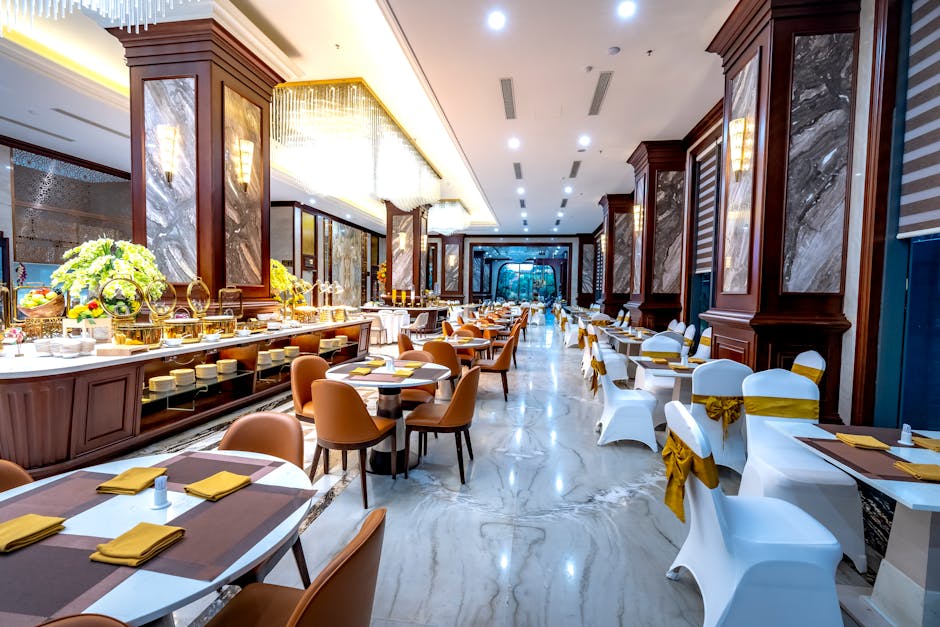
Hyper-Personalization & Experiential Zones
The modern traveler craves unique, shareable experiences, and hotel furniture is instrumental in delivering this. Cookie-cutter designs are out; highly personalized and adaptable spaces are in. This trend manifests in furniture that helps delineate ‘experiential zones’ within a guest room or public area. Think modular seating arrangements in lobbies that can be reconfigured for social interaction or private contemplation, or guest room furniture that allows for distinct work, relaxation, and sleep areas. Customization is key, with properties investing in bespoke pieces that tell a story, reflect local artistry, or provide unexpected functionality. This could involve multi-functional pieces like a desk that doubles as a vanity, or a custom-designed minibar cabinet that integrates seamlessly into the room’s narrative. The goal is to create memorable moments and Instagrammable backdrops, driving guest engagement and loyalty.
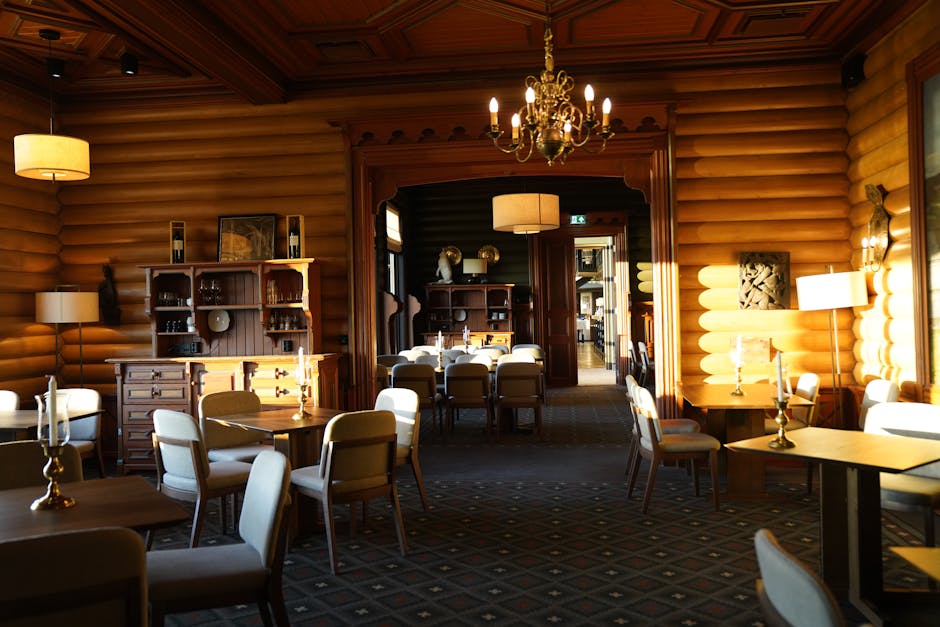
Integrated Technology & Smart Functionality
As technology becomes seamlessly integrated into daily life, hotel furniture is evolving from passive objects to active, smart components of the guest experience. This trend involves embedding technology directly into furniture, rather than adding it as an afterthought. Expect to see hotel furniture with built-in wireless charging pads for mobile devices, discreet USB-C ports integrated into nightstands and desks, and even smart lighting controls within headboards. Beyond basic connectivity, market observers note a growing interest in sensor-embedded furniture for public areas, which can provide valuable data on occupancy patterns to optimize cleaning schedules and energy usage. Advanced properties are also exploring sleep-tech mattresses with integrated sensors for personalized comfort and wellness tracking. The aim is to enhance convenience, streamline operations, and provide a sophisticated, intuitive user experience.
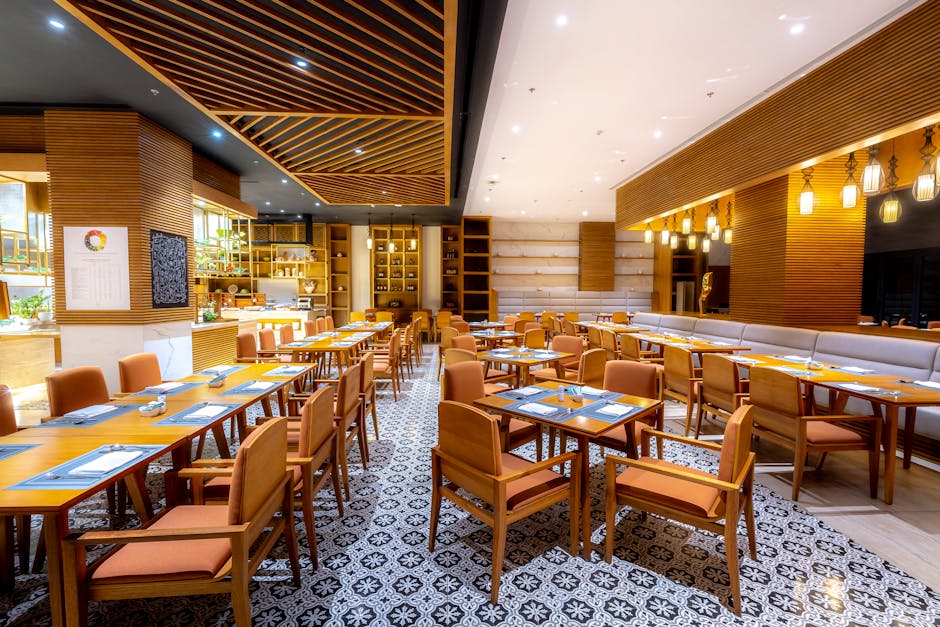
Durability, Maintainability & Circularity
With rising operational costs and increased awareness of environmental impact, the longevity and sustainability of hotel furniture have become paramount. Procurement teams are increasingly prioritizing commercial-grade durability, demanding materials and construction methods that withstand constant use and cleaning cycles. This translates to robust joinery, high-pressure laminates for surfaces, and performance fabrics that resist stains and wear. Beyond mere durability, the concept of circularity is gaining traction. This means furniture designed for disassembly, repair, and eventual recycling, minimizing waste and extending product lifecycles. Hotels are looking for suppliers with transparent supply chains, using recycled or renewable materials, and offering end-of-life solutions. This commitment to maintainability and circularity not only reduces the environmental footprint but also offers significant long-term savings by decreasing replacement frequency and waste disposal costs. Zhobai Hotel Furniture, with its focus on quality materials and advanced manufacturing processes, is well-positioned to meet these stringent requirements.
What These Trends Mean for Hotel Buyers
For hotel owners, developers, and FF&E procurement managers, these converging trends necessitate a more strategic and informed approach to sourcing hotel furniture. The era of off-the-shelf solutions is rapidly fading, replaced by a demand for tailored, high-performance products that align with specific brand visions and operational realities.
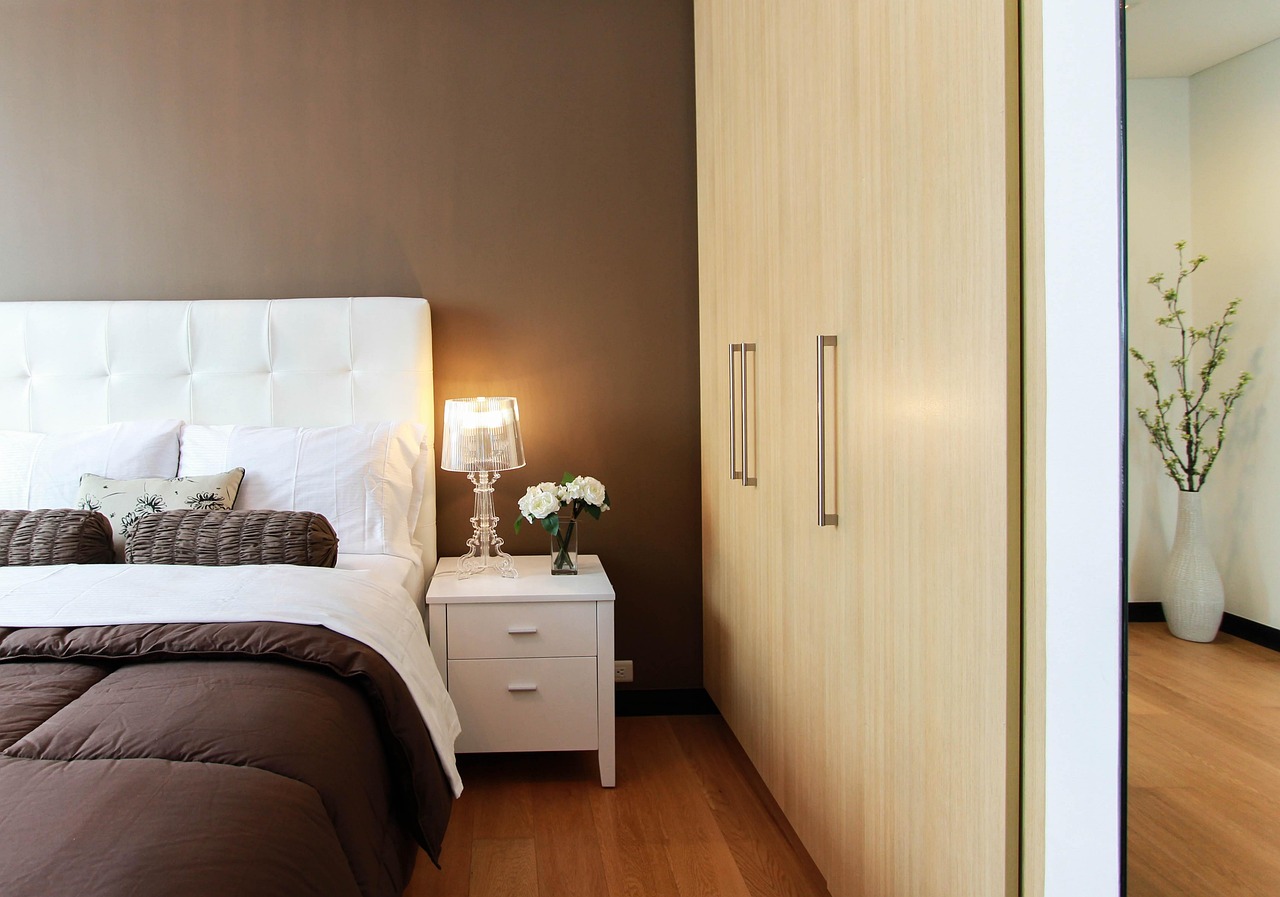
- Strategic Partnerships are Crucial: Engaging with manufacturers who offer a one-stop solution, from early-stage design consultation to logistics and installation, can streamline complex projects. This integrated approach ensures design intent is maintained through manufacturing and helps control the overall hotel building cost.
- Investment in Quality Pays Off: While initial costs for custom, durable, and sustainably sourced furniture might be higher, the long-term ROI is significant. Reduced replacement cycles, lower maintenance expenses, and enhanced guest satisfaction directly impact profitability.
- Design & Functionality Synergy: Interior designers must collaborate closely with procurement to ensure that aesthetic visions are commercially viable and functional for hospitality environments. Mock-up rooms become even more critical to test integrated technology, material durability, and guest flow before bulk production.
- Emphasis on Transparency: Buyers need to demand transparency in material sourcing, manufacturing processes, and certifications (like CE, ISO, SGS, FDA). This ensures compliance with sustainability goals and verifies product quality.
- Flexibility and Adaptability: The ability to adapt designs for various room types or public spaces while maintaining a cohesive brand identity is vital. Suppliers offering OEM/ODM services provide this essential flexibility.
Challenges and Opportunities Ahead
The evolving landscape of hotel furniture presents both significant challenges and compelling opportunities for discerning buyers.
Challenges:
- Supply Chain Volatility: Despite improvements, global supply chains remain susceptible to disruptions, impacting lead times and material availability. This necessitates robust project planning and early engagement with suppliers.
- Rising Production Costs: Inflationary pressures on raw materials, energy, and labor continue to push manufacturing costs upwards, directly affecting the final hotel building cost for FF&E.
- Balancing Innovation with Budget: Integrating advanced technology and sustainable materials often comes with a higher price tag. The challenge lies in finding innovative solutions that deliver value without exceeding budget constraints.
- Skilled Labor Shortages: The availability of skilled labor for custom furniture manufacturing, logistics, and on-site installation can pose challenges, potentially impacting project timelines.
Opportunities:
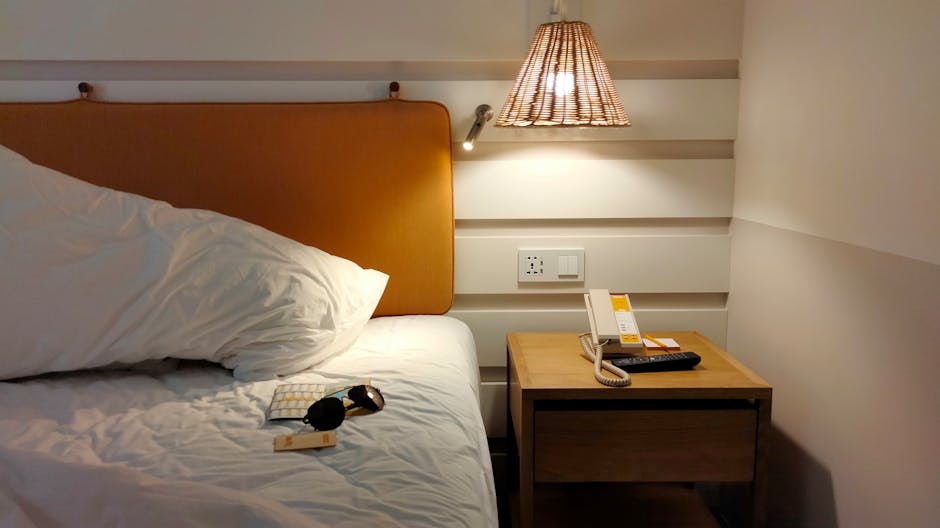
- Brand Differentiation: Custom hotel furniture, aligned with current trends, offers an unparalleled opportunity to create distinctive, memorable guest experiences that set properties apart in a crowded market.
- Enhanced Guest Satisfaction: Thoughtfully designed, comfortable, and tech-integrated furniture directly contributes to positive guest reviews and repeat business.
- Long-Term Value Creation: Investing in durable, high-quality, and maintainable furniture reduces operational expenses over time, providing a superior return on investment compared to cheaper, short-lived alternatives.
- Sustainability Leadership: Adopting circular and biophilic design principles allows hotels to enhance their environmental credentials, appealing to a growing segment of eco-conscious travelers and meeting corporate social responsibility goals.
- Operational Efficiencies: Smart furniture and data-driven insights can lead to optimized cleaning, maintenance, and energy management, improving overall hotel operations.
Expert Perspective and Market Outlook
From Zhobai Hotel Furniture’s perspective, the market outlook for custom hotel furniture in 2026 is one of focused innovation and strategic partnership. We anticipate continued growth in demand for bespoke solutions, particularly in the 5-star, boutique, and resort segments where guest experience is paramount. The emphasis will remain on creating truly tailored spaces, and our professional in-house design team is continuously working to translate these visions into reality.
Market observers predict that suppliers who can offer comprehensive, end-to-end services—from design and manufacturing to logistics and installation—will be the most valuable partners for hotel developers and procurement teams. The ability to navigate complex global supply chains, provide factory direct pricing, and ensure quality control through certifications like CE, ISO, SGS, and FDA will be non-negotiable. The evolution of sustainable hotel furniture trends will also drive greater transparency and accountability across the supply chain. Ultimately, the successful sourcing of hotel furniture in 2026 will hinge on collaborative relationships that prioritize long-term value, design integrity, and operational excellence.
Partnering with a manufacturer that understands these dynamics is crucial. Zhobai Hotel Furniture is committed to empowering hotel owners, developers, and designers to navigate these trends successfully. With over 15 years of experience and a global footprint, we provide a seamless, one-stop solution for custom hotel furniture that not only meets the demands of 2026 but anticipates the needs of tomorrow. Let us help you craft exceptional spaces that resonate with your guests and stand the test of time.